Trusted by 50K+ Pharmacy StudentsHigh Quality Notes, MCQs, Mock Tests & Study ResourcesGo Premium (Ads Free)
Pharmacy Freak

Mechanism of Action of Noradrenaline

Mechanism of action of Noradrenaline

Introduction Noradrenaline (norepinephrine) is an endogenous catecholamine that functions as both a neurotransmitter and a hormone. It is widely used clinically as a vasopressor in conditions such as septic shock and acute hypotension. Noradrenaline primarily acts on α-adrenergic receptors with additional β1 receptor activity, leading to potent vasoconstriction and increased blood pressure. Mechanism of Action … Read more

Mechanism of Action of Sodium Nitroprusside

Mechanism of action of Sodium Nitroprusside

Introduction Sodium nitroprusside is a potent, rapid-acting vasodilator used primarily in hypertensive emergencies and acute heart failure. It produces both arterial and venous dilation, leading to a significant reduction in blood pressure. Due to its immediate onset and short duration of action, it is administered intravenously under close monitoring. Mechanism of Action (Step-wise) A key … Read more

Mechanism of Action of Nitrous Oxide

MOA of Nitrous Oxide

Introduction Nitrous oxide is an inhalational anesthetic gas with analgesic and sedative properties. It is widely used in anesthesia practice and procedural sedation, especially for short procedures. It has a rapid onset and recovery due to low blood solubility. Nitrous oxide provides good analgesia but relatively weak anesthetic potency, so it is often used in … Read more

Mechanism of Action of Nitroglycerin

Mechanism of Action of Nitroglycerin

Introduction Nitroglycerin is an organic nitrate widely used in the management of angina pectoris and acute coronary syndromes. It acts as a potent vasodilator, primarily affecting venous capacitance vessels, thereby reducing cardiac workload. It also improves coronary blood flow and relieves ischemic chest pain. Nitroglycerin is considered a cornerstone drug for rapid relief of angina. … Read more

Mechanism of Action of Nitrofurantoin

Mechanism of Action of Nitrofurantoin

Introduction Nitrofurantoin is a nitrofuran antibacterial drug used mainly for uncomplicated lower urinary tract infections. It is especially useful because it achieves therapeutic antibacterial activity in urine and acts through multiple intracellular targets within bacteria. Unlike many antibiotics that inhibit a single enzyme or pathway, nitrofurantoin is reduced inside bacterial cells to highly reactive intermediates … Read more

Mechanism of Action of Nifedipine

MOA of Nifedipine

Introduction Nifedipine is a dihydropyridine calcium channel blocker widely used in the management of hypertension and angina. It primarily acts on vascular smooth muscle to produce vasodilation, thereby reducing blood pressure and improving coronary blood flow. Compared to non-dihydropyridines, nifedipine has a stronger effect on peripheral vasculature than on the heart. Mechanism of Action (Step-wise) … Read more
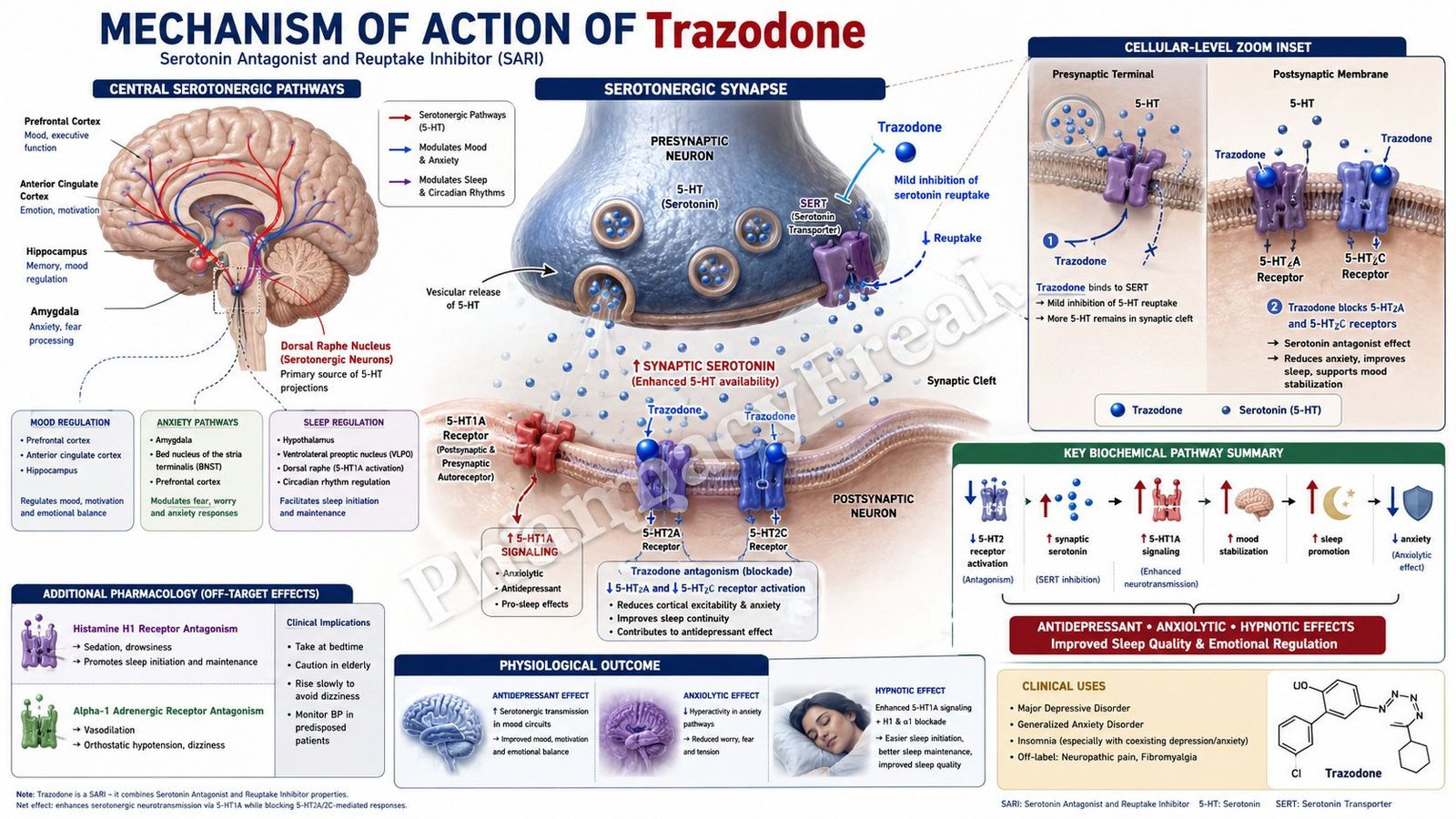
Mechanism of Action of Nicorandil

MOA of Nicorandil

Introduction Nicorandil is an antianginal drug with a dual mechanism of action, combining nitrate-like properties with potassium channel–opening activity. It is used in the management of chronic stable angina to improve myocardial oxygen balance. By causing both arterial and venous vasodilation, nicorandil reduces cardiac workload and improves coronary blood flow. Mechanism of Action (Step-wise) A … Read more

Mechanism of Action of Nefopam

Mechanism of action of Nefopam

Introduction Nefopam is a centrally acting non-opioid analgesic used for the management of moderate acute pain. It is distinct from NSAIDs and opioids, as it does not possess anti-inflammatory or opioid receptor activity. Nefopam is commonly used postoperatively and in musculoskeletal pain due to its analgesic properties without causing respiratory depression. Mechanism of Action (Step-wise) … Read more
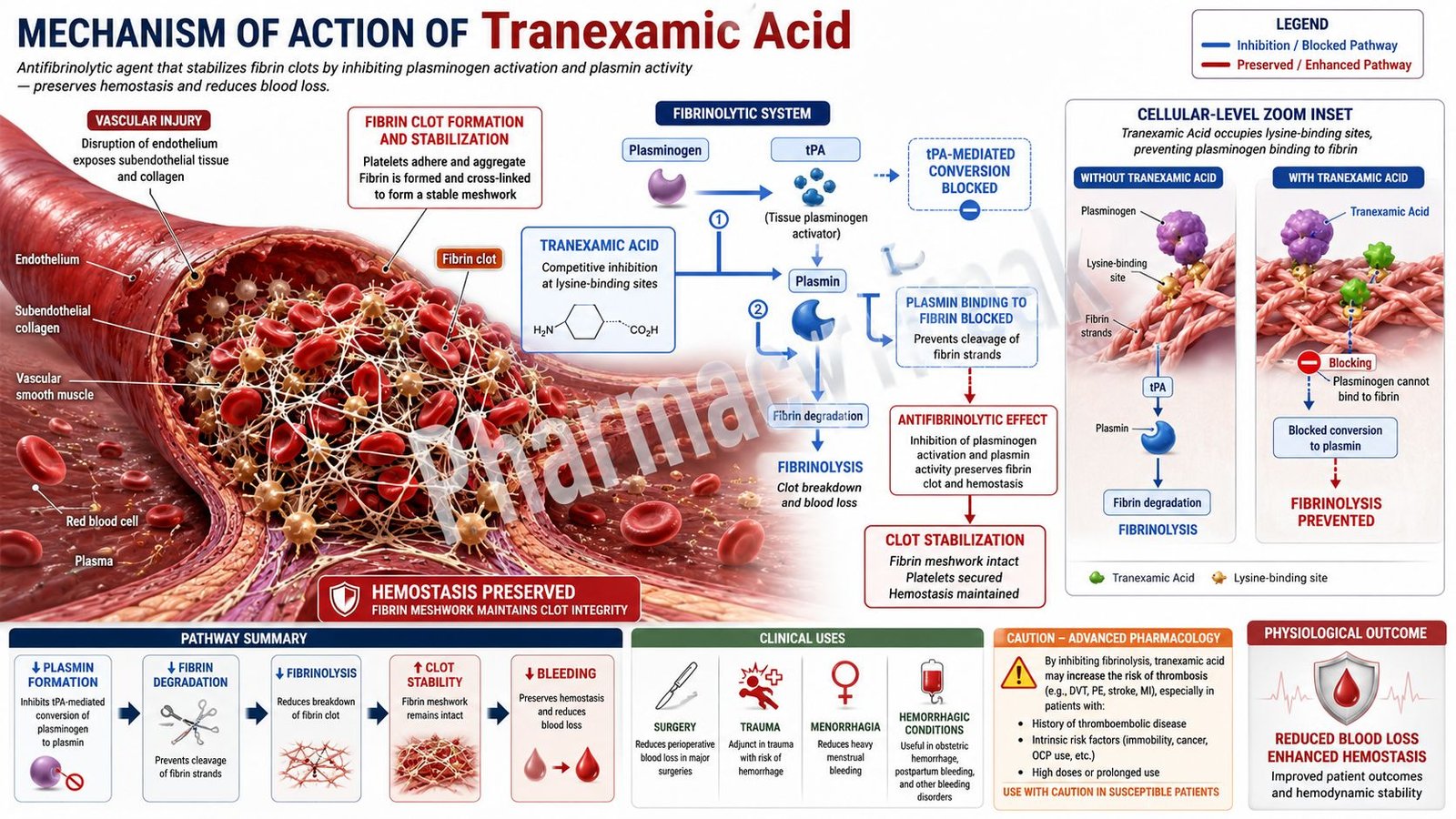
Mechanism of Action of Nebivolol

MOA of Nebivolol

Introduction Nebivolol is a third-generation, highly selective β1-adrenergic receptor blocker with additional vasodilatory properties. It is primarily used in the management of hypertension and heart failure. Unlike traditional beta-blockers, nebivolol uniquely enhances nitric oxide (NO) release, contributing to improved vascular function and reduced peripheral resistance. Mechanism of Action (Step-wise) A key exam point is that … Read more

Mechanism of Action of Naproxen

MOA of Naproxen

Introduction Naproxen is a nonsteroidal anti-inflammatory drug (NSAID) widely used for its analgesic, anti-inflammatory, and antipyretic effects. It is commonly prescribed in conditions such as arthritis, musculoskeletal pain, dysmenorrhea, and fever. Naproxen works by inhibiting the synthesis of prostaglandins, which are key mediators of inflammation and pain. Mechanism of Action (Step-wise) A key exam point … Read more

PRO
Ad-Free Access
$3.99 / month
  • No Interruptions
  • Faster Page Loads
  • Support Content Creators