Trusted by 50K+ Pharmacy StudentsHigh Quality Notes, MCQs, Mock Tests & Study ResourcesGo Premium (Ads Free)
Pharmacy Freak

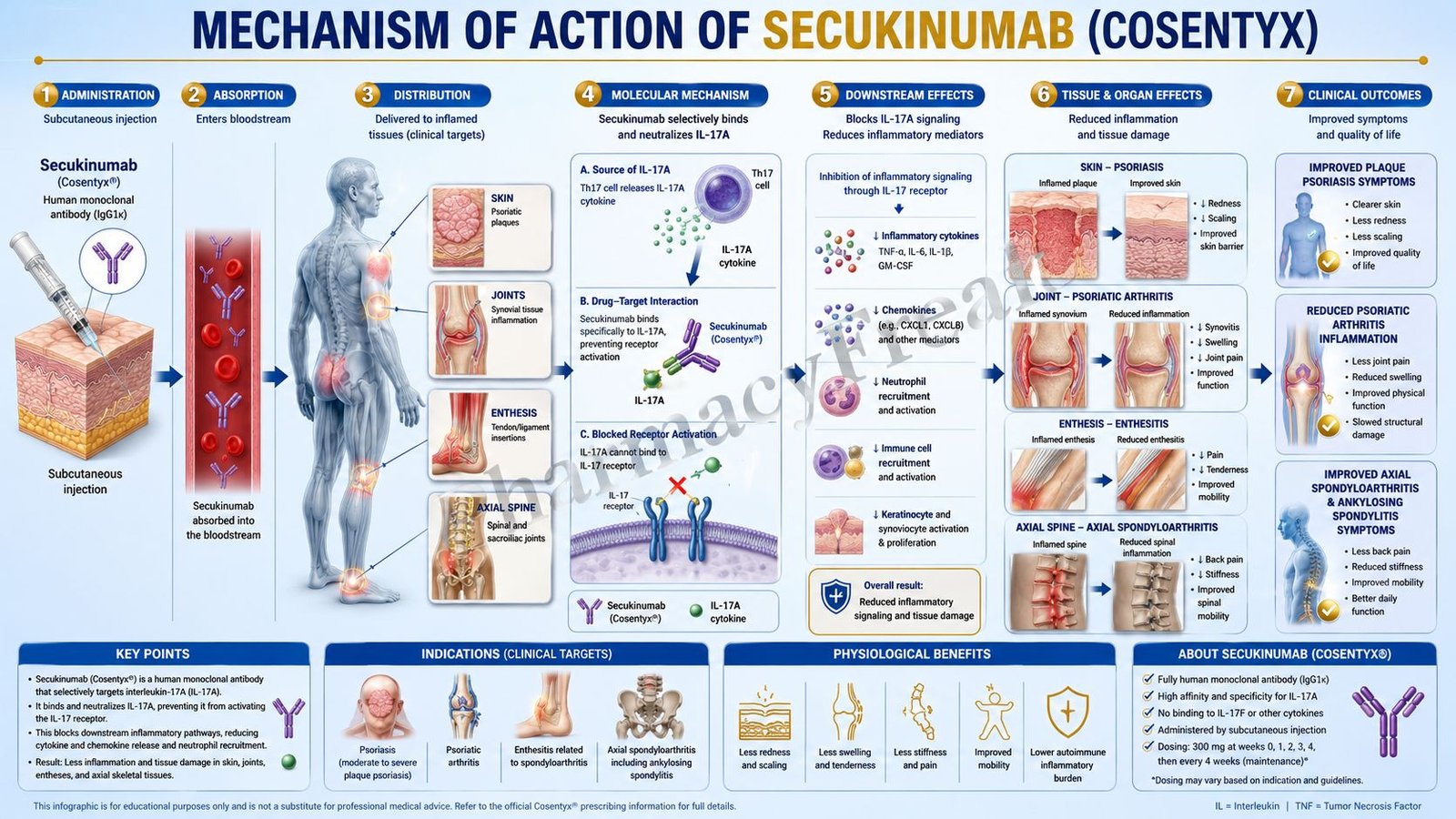
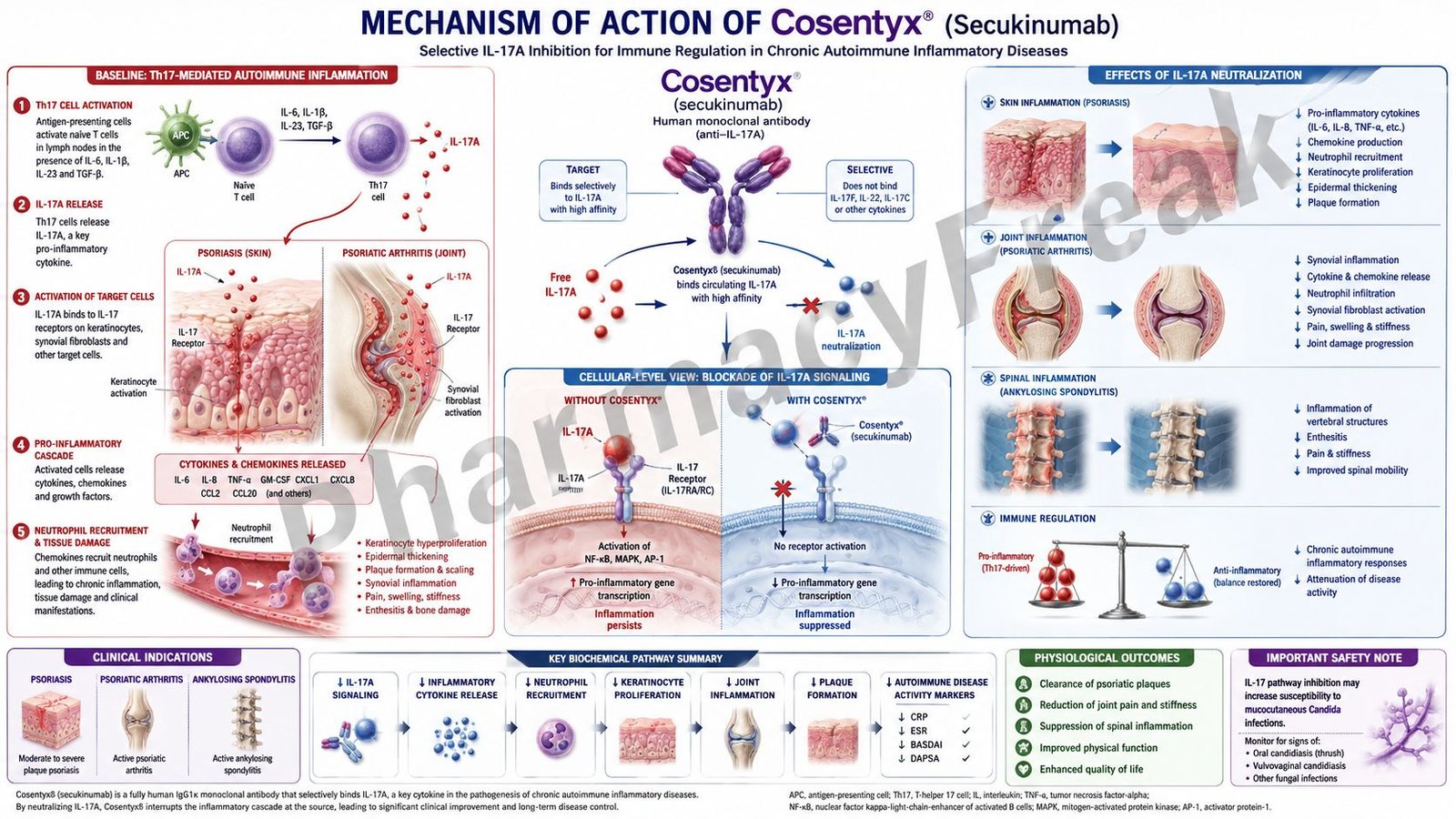
Mechanism of Action of Cosentyx

Introduction Cosentyx is the brand name of secukinumab, a fully human monoclonal antibody used in immune-mediated inflammatory diseases. It belongs to the class of interleukin-17A inhibitors, also called IL-17A antagonists. Cosentyx is important in pharmacology because it targets a specific inflammatory cytokine rather than producing broad immunosuppression like corticosteroids. It is used in conditions where … Read more

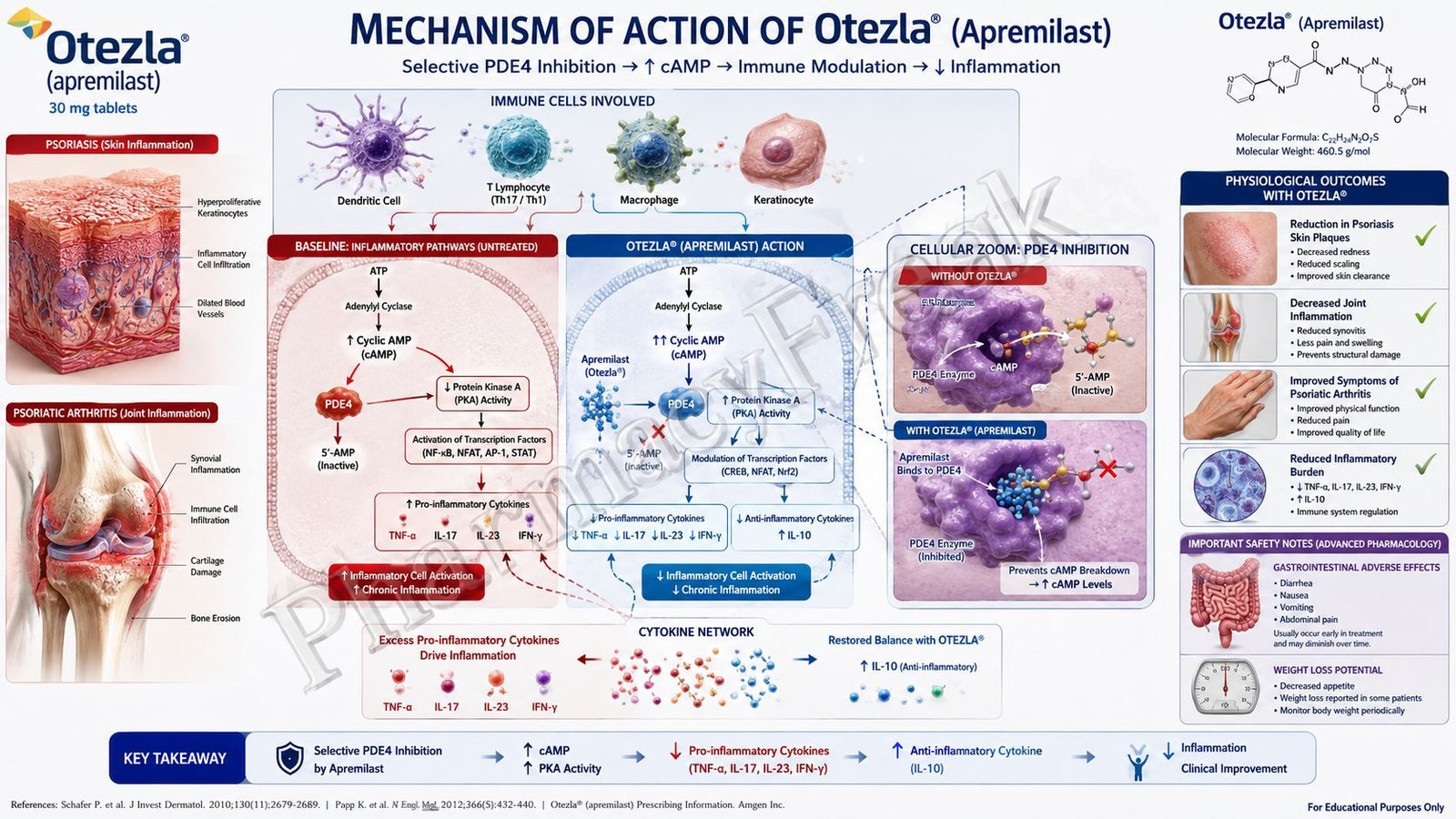
Mechanism of Action of Otezla (Apremilast)

Mechanism of Action of Otezla

Mechanism of Action of Otezla (Apremilast) Introduction Otezla is the brand name for apremilast, an oral phosphodiesterase-4 (PDE4) inhibitor used for the treatment of plaque psoriasis, psoriatic arthritis, oral ulcers associated with Behçet’s disease, and other inflammatory conditions. Unlike biologic therapies that target specific cytokines, apremilast works intracellularly by modulating inflammatory signaling pathways through cyclic … Read more

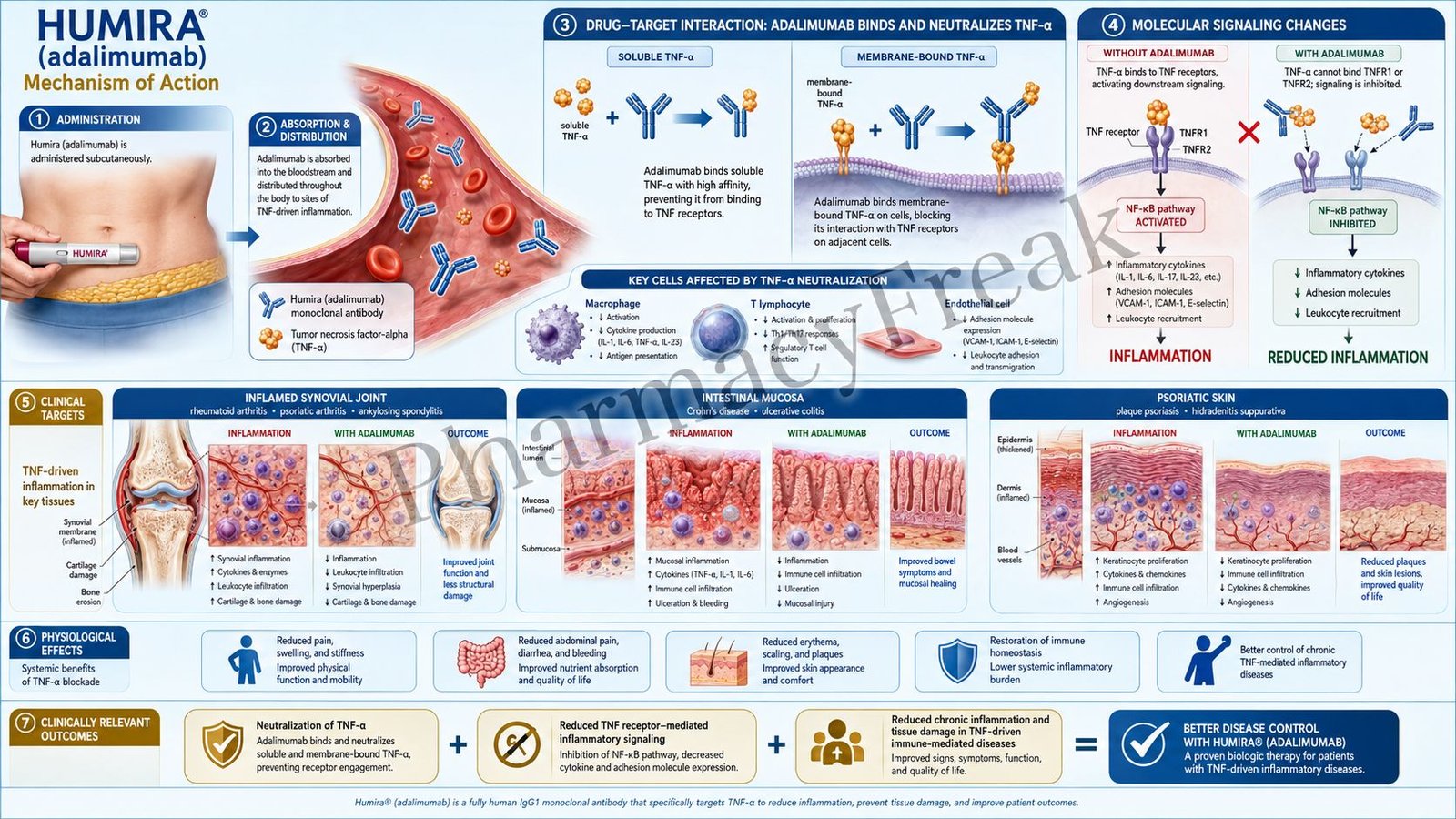
Mechanism of Action of Adalimumab (Humira)

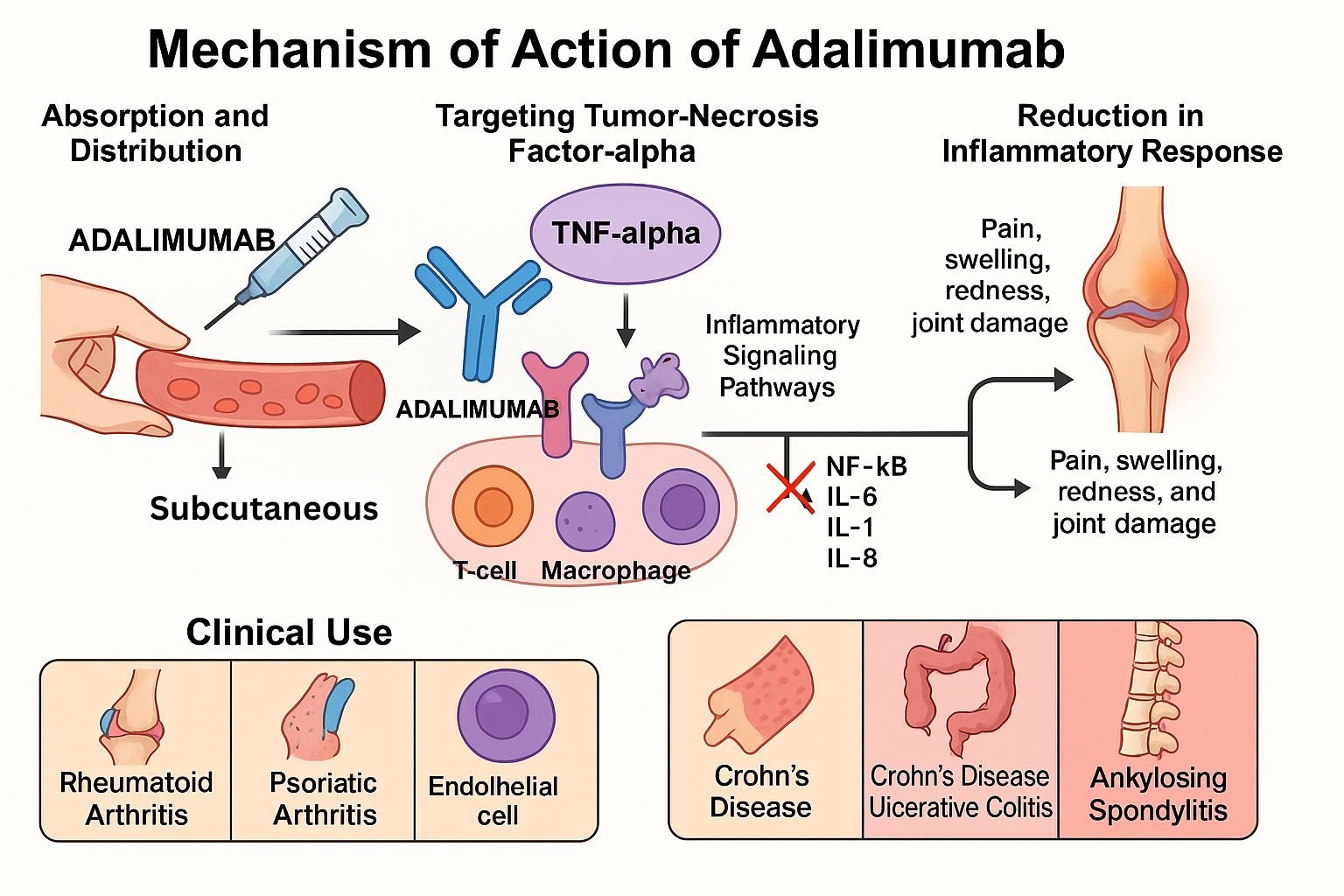
Mechanism of action of Adalimumab

Introduction Adalimumab is a fully human monoclonal IgG1 antibody that specifically targets tumor necrosis factor‑α (TNF‑α). By neutralizing TNF‑α, it reduces inflammation across a variety of autoimmune conditions, including rheumatoid arthritis (RA), psoriatic arthritis (PsA), ankylosing spondylitis (AS), Crohn’s disease, ulcerative colitis, and plaque psoriasis. Step-by-Step Mechanism of Action Pharmacokinetic Parameters Parameter Value Route Subcutaneous … Read more

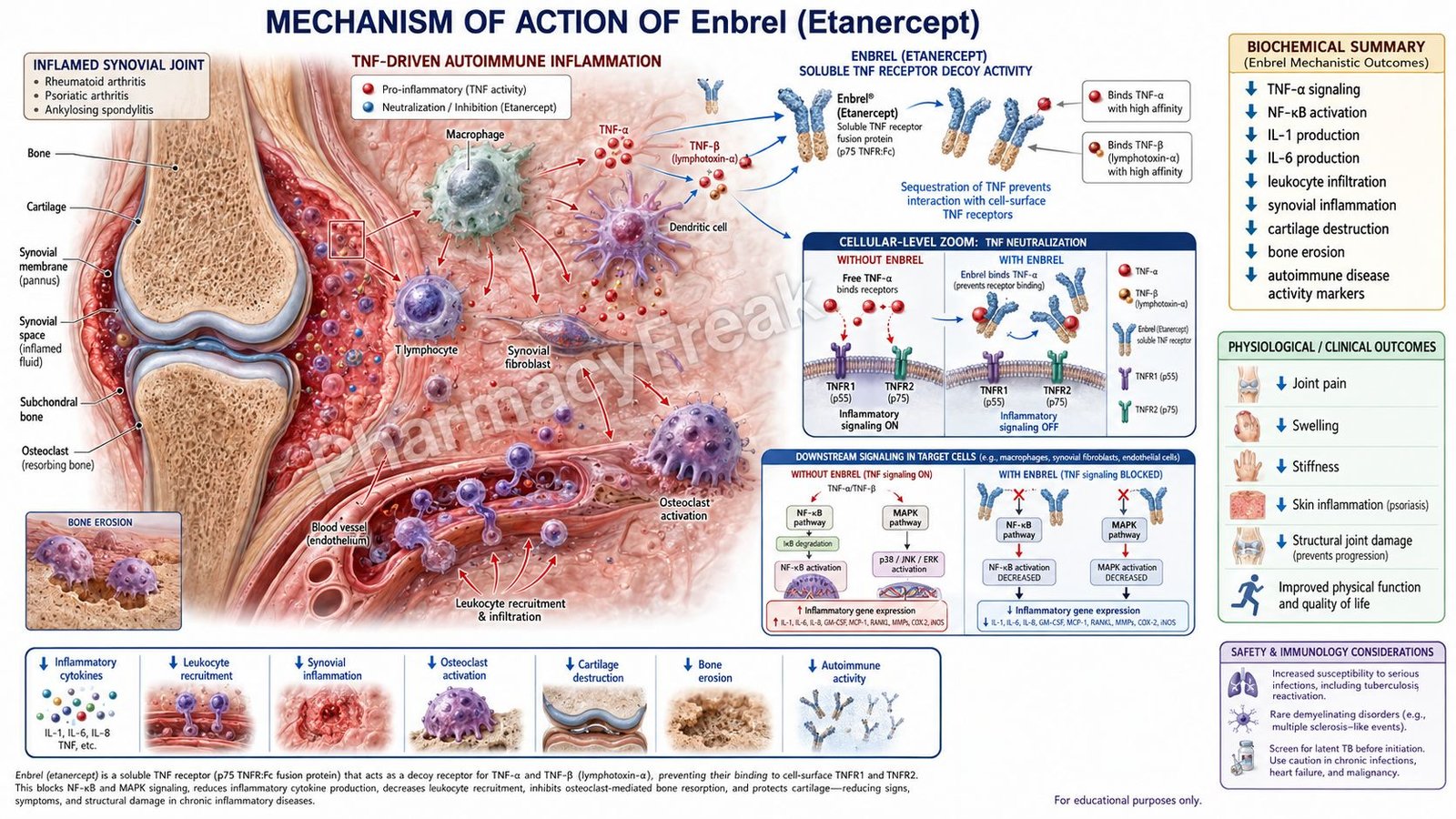
Mechanism of Action of Etanercept (Enbrel)

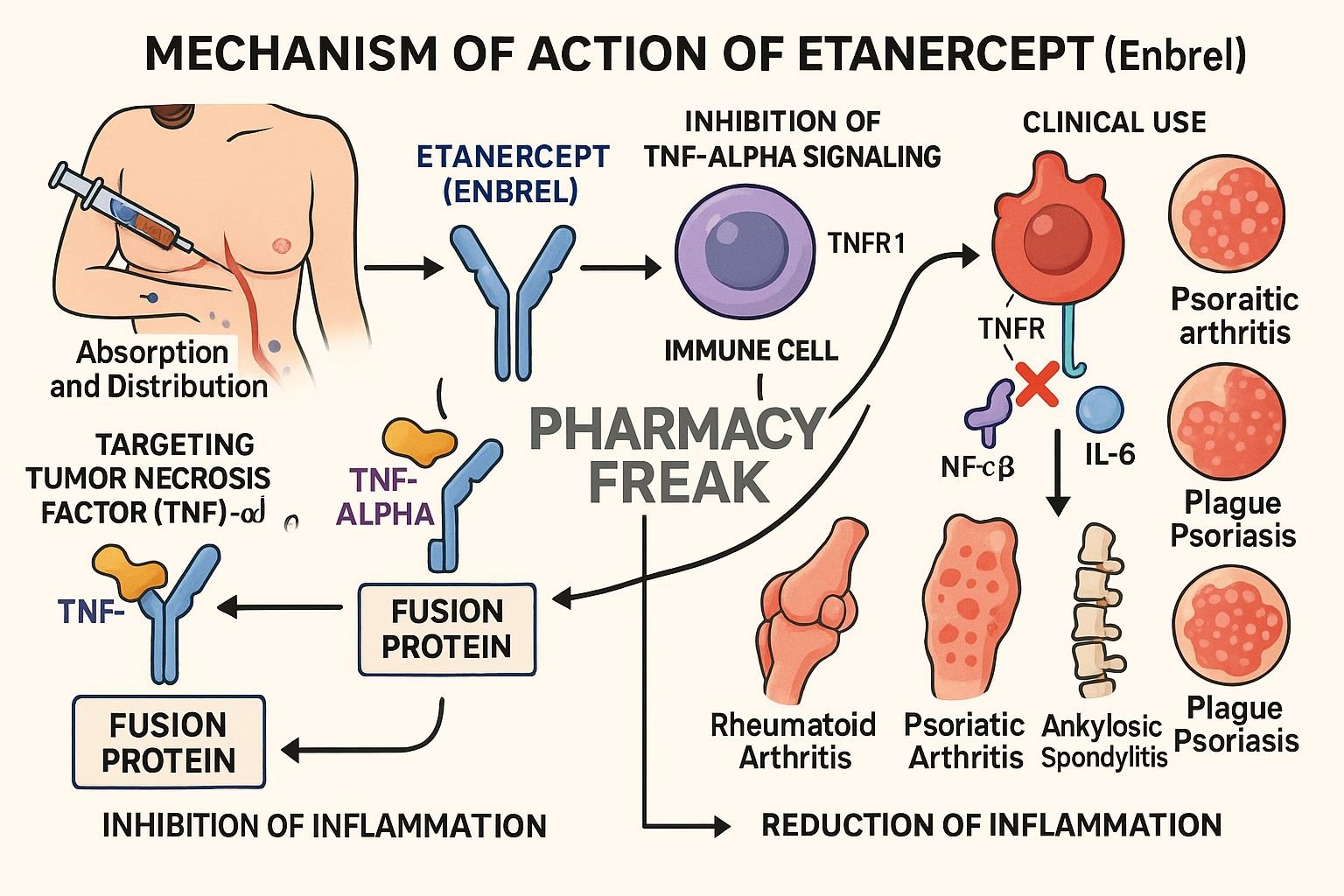
Mechanism of action of Etanercept

Introduction Etanercept is a biologic fusion protein that functions as a soluble tumor necrosis factor (TNF) receptor. By binding TNF-α and TNF-β in circulation, it blocks their interaction with cell surface receptors, reducing systemic inflammation. It is approved for rheumatoid arthritis (RA), psoriatic arthritis (PsA), ankylosing spondylitis (AS), juvenile idiopathic arthritis (JIA), and plaque psoriasis. … Read more

Mechanism of Action of Tofacitinib (Xeljanz)

Mechanism of action of Liraglutide

Introduction Tofacitinib is an oral Janus kinase (JAK) inhibitor, primarily targeting JAK1 and JAK3. It blocks intracellular signaling of multiple inflammatory cytokines and is approved for rheumatoid arthritis (RA), psoriatic arthritis (PsA), ulcerative colitis (UC), and other immune-mediated diseases. Step-by-Step Mechanism of Action Pharmacokinetic Parameters Parameter Value Route Oral Bioavailability ~74% Time to Peak (Tmax) … Read more

Mechanism of Action of Apremilast (Otezla)

Mechanism of action of Apremilast

Introduction Apremilast (Otezla) is an oral phosphodiesterase-4 (PDE4) inhibitor approved for psoriasis, psoriatic arthritis, and Behçet’s disease‑associated oral ulcers. By modulating intracellular signaling, it reduces inflammation and disease symptoms through balanced cytokine regulation. Step-by-Step Mechanism of Action Pharmacokinetic Parameters Parameter Value Route Oral (delayed-release tablet) Bioavailability ~73% Time to Peak (Tmax) ~2–4 hours Protein Binding … Read more

Mechanism of Action of Stelara (Ustekinumab)

Mechanism of action of Stelara

Introduction Stelara (ustekinumab) is a fully human IgG1κ monoclonal antibody designed to target key cytokines involved in immune-mediated diseases. It selectively binds to the p40 subunit common to interleukin-12 (IL-12) and interleukin-23 (IL-23), blocking their interaction with cell surface receptors. Stelara is approved for several chronic inflammatory conditions including plaque psoriasis, psoriatic arthritis, Crohn’s disease, … Read more

PRO
Ad-Free Access
$3.99 / month
  • No Interruptions
  • Faster Page Loads
  • Support Content Creators