Trusted by 50K+ Pharmacy StudentsHigh Quality Notes, MCQs, Mock Tests & Study ResourcesGo Premium (Ads Free)
Pharmacy Freak

Mechanism of Action of Tenapanor
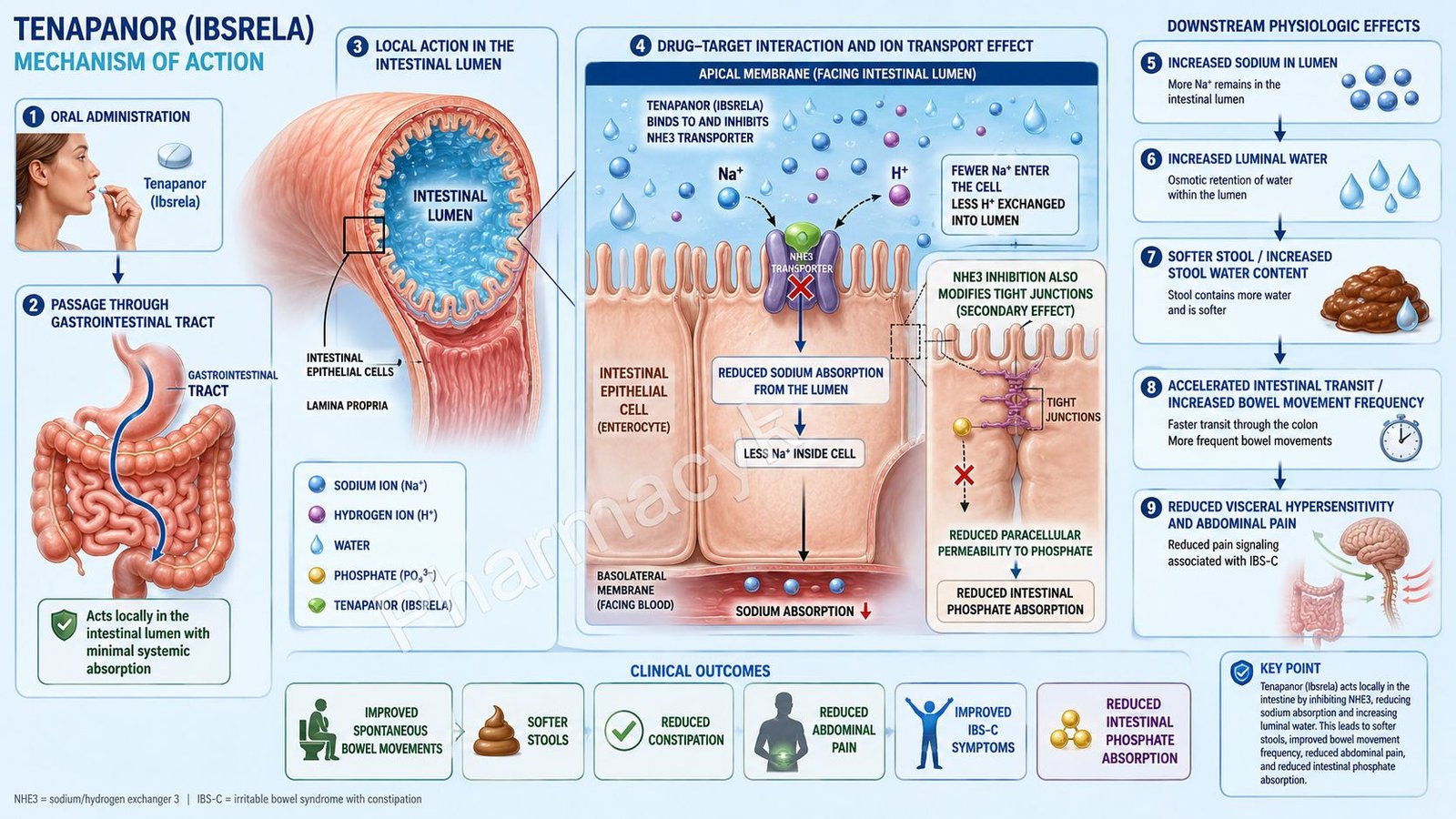
Mechanism of Action of Tenapanor

Introduction Tenapanor is an oral, locally acting gastrointestinal drug marketed under two important brand names: Ibsrela and Xphozah. Pharmacologically, tenapanor is a sodium/hydrogen exchanger 3 inhibitor, commonly written as an NHE3 inhibitor. NHE3 is an antiporter located on the apical surface of intestinal epithelial cells in the small intestine and colon. It plays an important … Read more
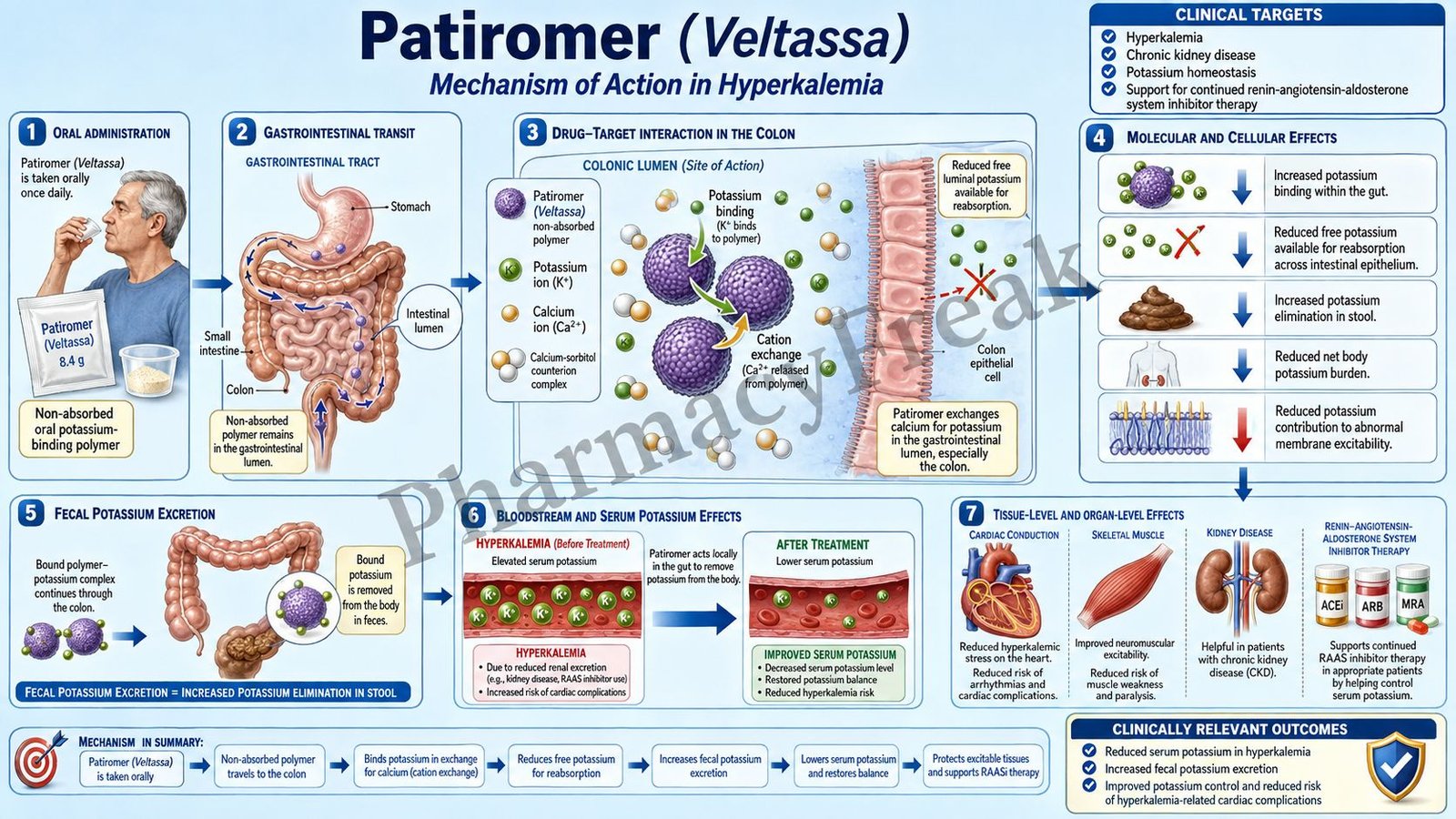
Mechanism of Action of Patiromer

Mechanism of Action of Patiromer

Introduction Patiromer is an oral potassium-binding drug marketed under the brand name Veltassa. Pharmacologically, patiromer is a non-absorbed cation exchange polymer used for the treatment of hyperkalemia. Hyperkalemia means increased serum potassium concentration. Potassium is essential for normal nerve conduction, skeletal muscle contraction, and cardiac electrical activity. However, excessive potassium can disturb cardiac conduction and … Read more

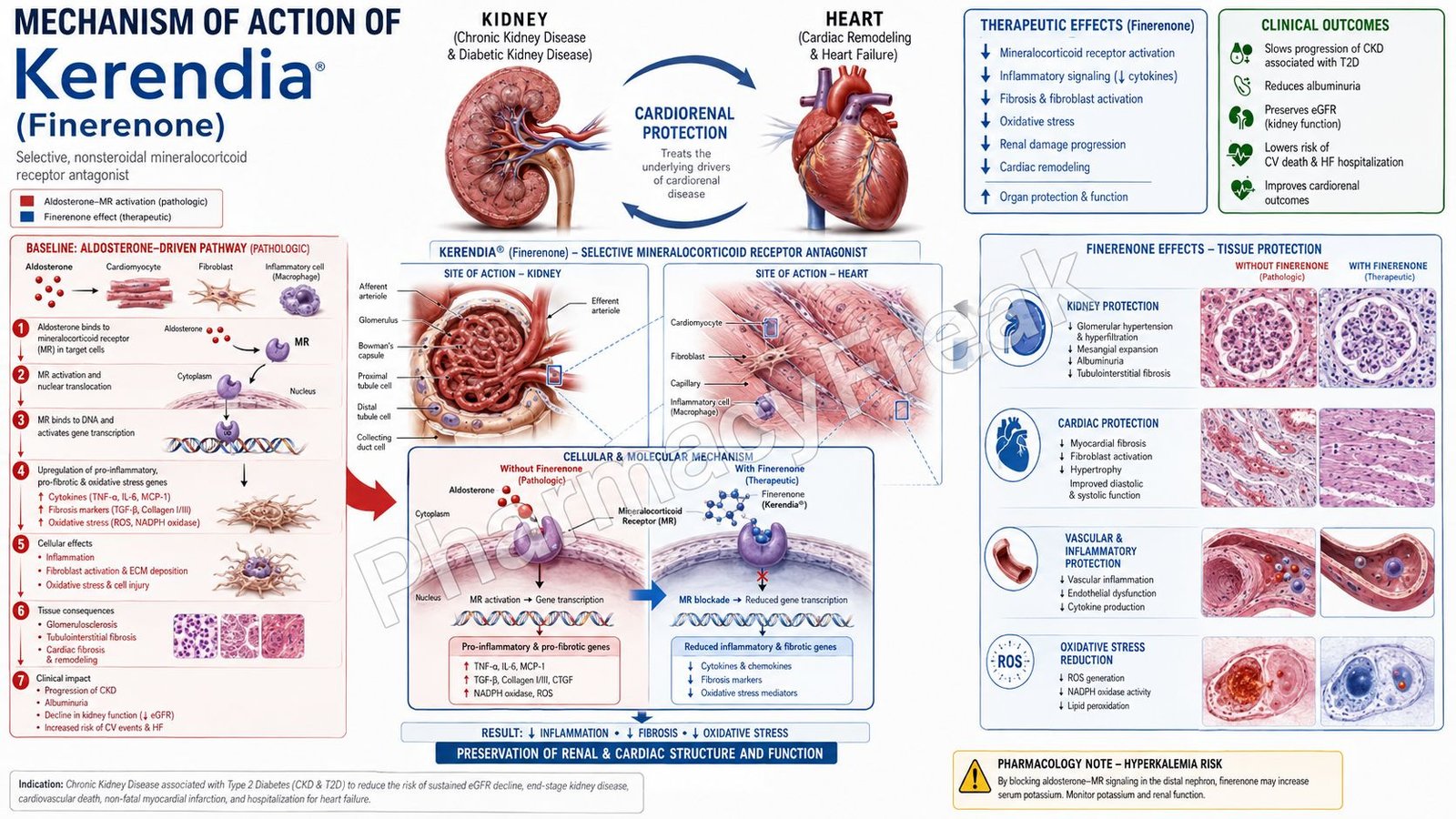
Mechanism of Action of Kerendia (Finerenone)

Mechanism of Action of Kerendia

Introduction Kerendia is the brand name for finerenone, a non-steroidal selective mineralocorticoid receptor antagonist (MRA) used to reduce the risk of chronic kidney disease (CKD) progression and cardiovascular complications in adults with chronic kidney disease associated with type 2 diabetes mellitus. Unlike older steroidal MRAs such as spironolactone and eplerenone, finerenone has a unique non-steroidal … Read more

Mechanism of Action of Empagliflozin

Mechanism of action of Empagliflozin

Introduction Empagliflozin is an oral sodium–glucose co-transporter 2 (SGLT2) inhibitor that lowers blood glucose by promoting urinary glucose excretion. It also provides cardiovascular and renal protective benefits, and is approved for type 2 diabetes mellitus, heart failure, and chronic kidney disease. Step-by-Step Mechanism of Action Pharmacokinetic Parameters Parameter Value Route Oral, taken once daily Bioavailability ~78% … Read more

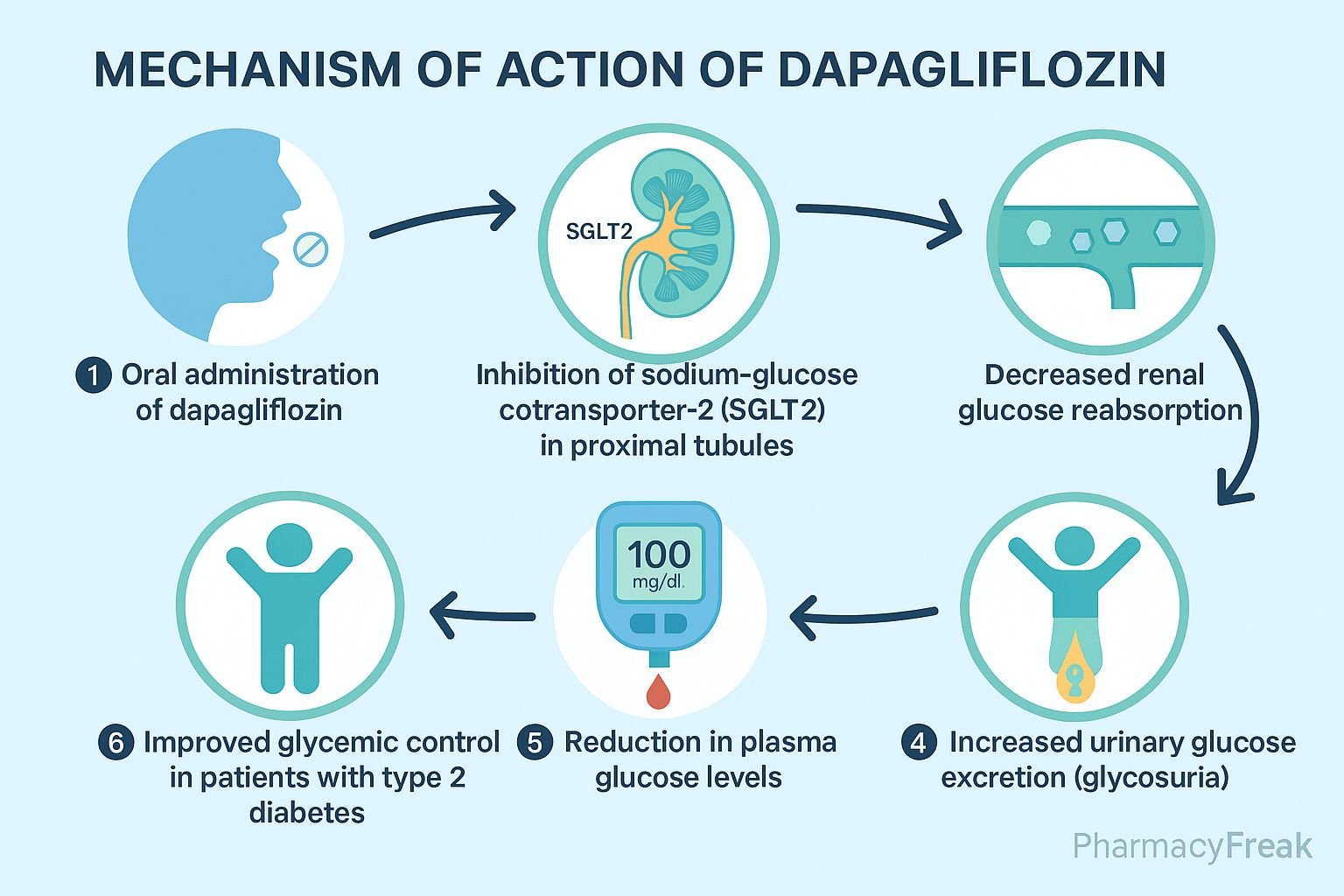
Mechanism of Action of Dapagliflozin

Mechanism of action of Dapagliflozin

Introduction Dapagliflozin is an oral sodium–glucose co-transporter 2 (SGLT2) inhibitor, used to treat type 2 diabetes mellitus (T2DM). Additionally, it offers benefits in heart failure and chronic kidney disease, independent of its glucose-lowering effects. Step-by-Step Mechanism of Action Pharmacokinetic Parameters Parameter Value Route Oral, once daily Bioavailability ~78% Protein Binding ~91% Metabolism Glucuronidation (UGT1A9) Half-life … Read more

PRO
Ad-Free Access
$3.99 / month
  • No Interruptions
  • Faster Page Loads
  • Support Content Creators