Trusted by 50K+ Pharmacy StudentsHigh Quality Notes, MCQs, Mock Tests & Study ResourcesGo Premium (Ads Free)
Pharmacy Freak

Mechanism of Action of Auvelity
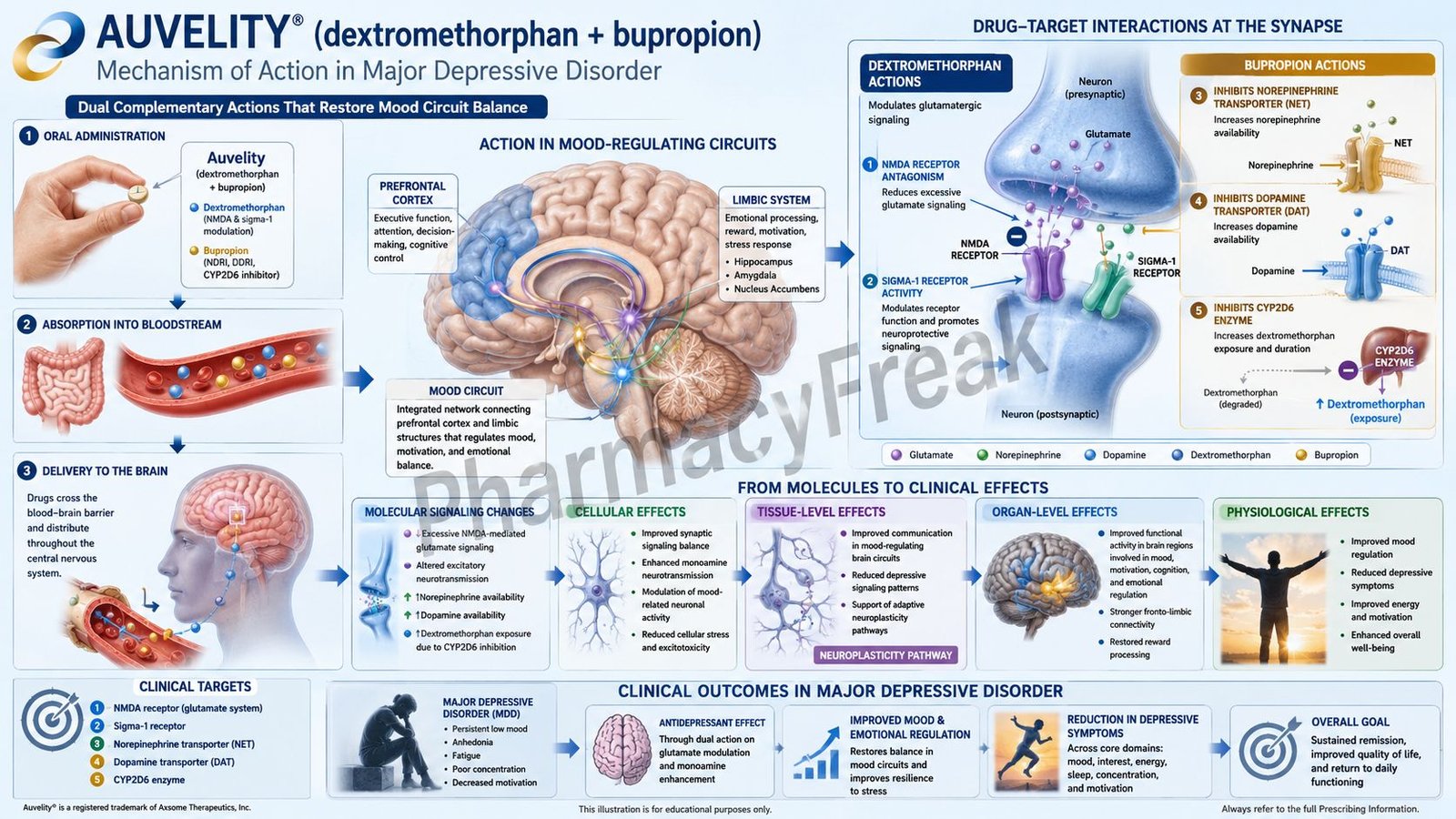
Auvelity mechanism of action

Introduction Auvelity is a fixed-dose oral combination of dextromethorphan hydrobromide and bupropion hydrochloride. It is used for the treatment of major depressive disorder in adults, and its U.S. use has also expanded to agitation associated with dementia due to Alzheimer’s disease in adults. Auvelity is pharmacologically important because it combines two drugs with different but … Read more
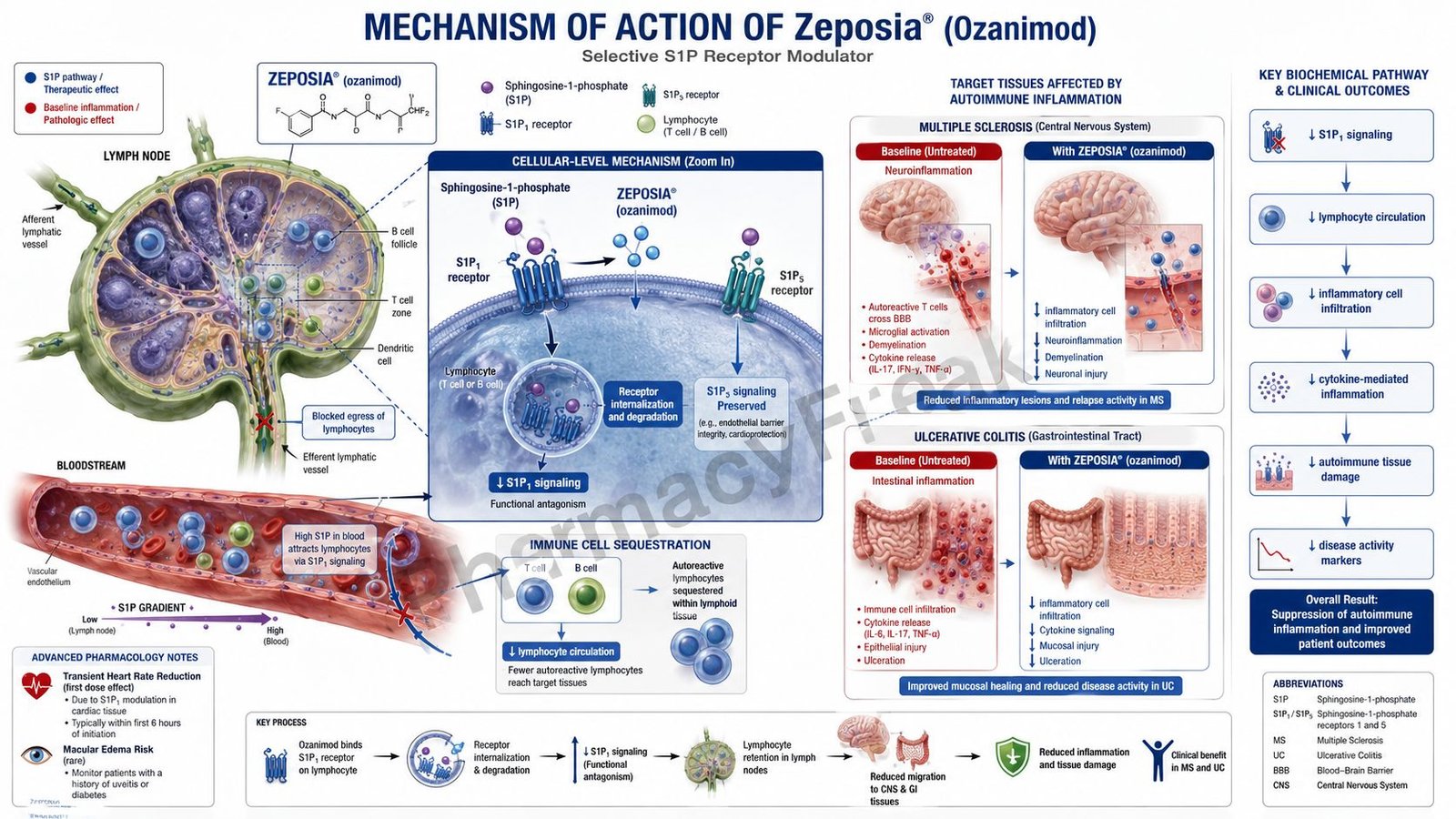
Mechanism of Action of Zeposia

Mechanism of Action of Zeposia

Introduction Zeposia is the brand name of ozanimod, an oral immunomodulatory drug used mainly in relapsing forms of multiple sclerosis and moderately to severely active ulcerative colitis. It belongs to the class of sphingosine-1-phosphate receptor modulators, commonly called S1P receptor modulators. Zeposia is important in pharmacology because it does not act like a conventional anti-inflammatory … Read more

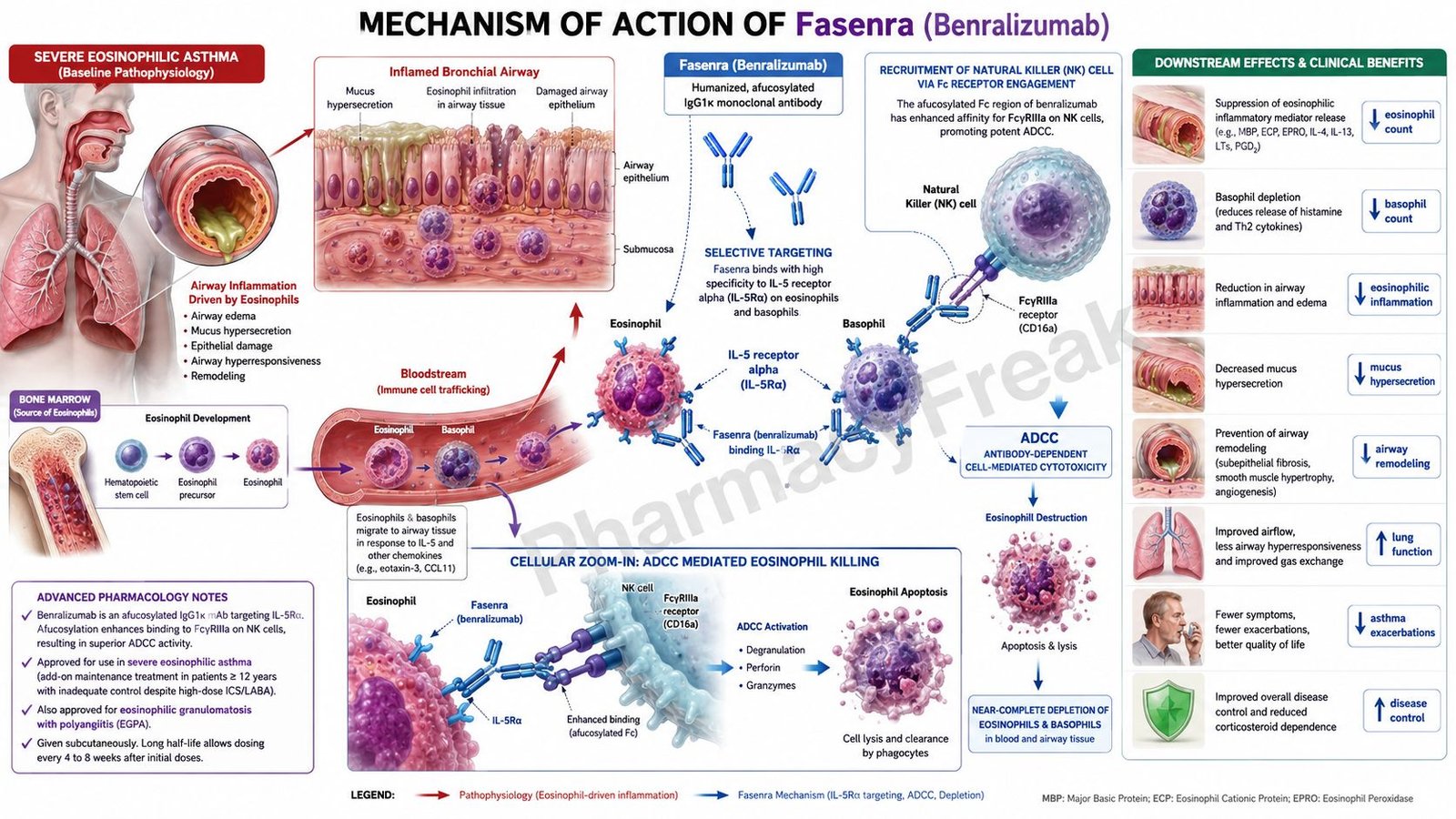
Mechanism of Action of Fasenra

Mechanism of Action of Fasenra

Introduction Fasenra is the brand name of benralizumab, a humanized monoclonal antibody used mainly in the management of severe eosinophilic asthma. It belongs to the class of biologic anti-eosinophilic therapies and is especially important in patients whose asthma remains uncontrolled despite standard inhaled corticosteroid and long-acting bronchodilator therapy. Unlike conventional asthma medicines such as beta-2 … Read more

Mechanism of Action of Hydroxychloroquine

Mechanism of Action of Hydroxychloroquine

Introduction Hydroxychloroquine is an antimalarial drug that also possesses significant immunomodulatory and anti-inflammatory properties. It is widely used in the treatment of malaria as well as autoimmune diseases such as systemic lupus erythematosus (SLE) and rheumatoid arthritis. Hydroxychloroquine acts primarily by interfering with lysosomal activity and antigen presentation in immune cells. It also affects Toll-like … Read more

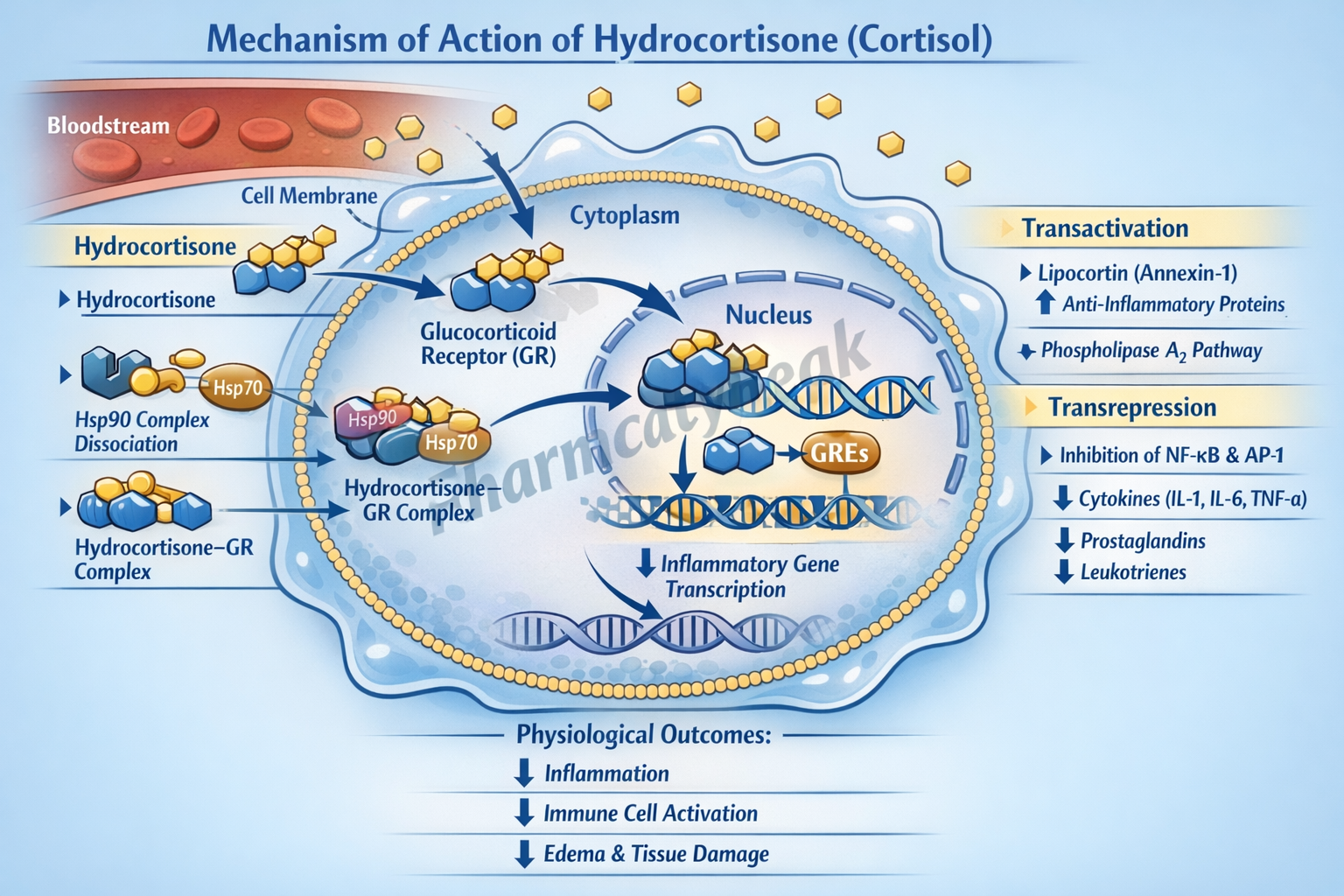
Mechanism of Action of Hydrocortisone

Mechanism of Action of Hydrocortisone

Introduction Hydrocortisone is a naturally occurring glucocorticoid hormone that is identical to cortisol produced by the adrenal cortex. It exhibits both glucocorticoid and mild mineralocorticoid activity and is widely used for its anti-inflammatory, immunosuppressive, and metabolic effects. Hydrocortisone is used clinically in conditions such as adrenal insufficiency, allergic reactions, autoimmune diseases, inflammatory disorders, and dermatologic … Read more

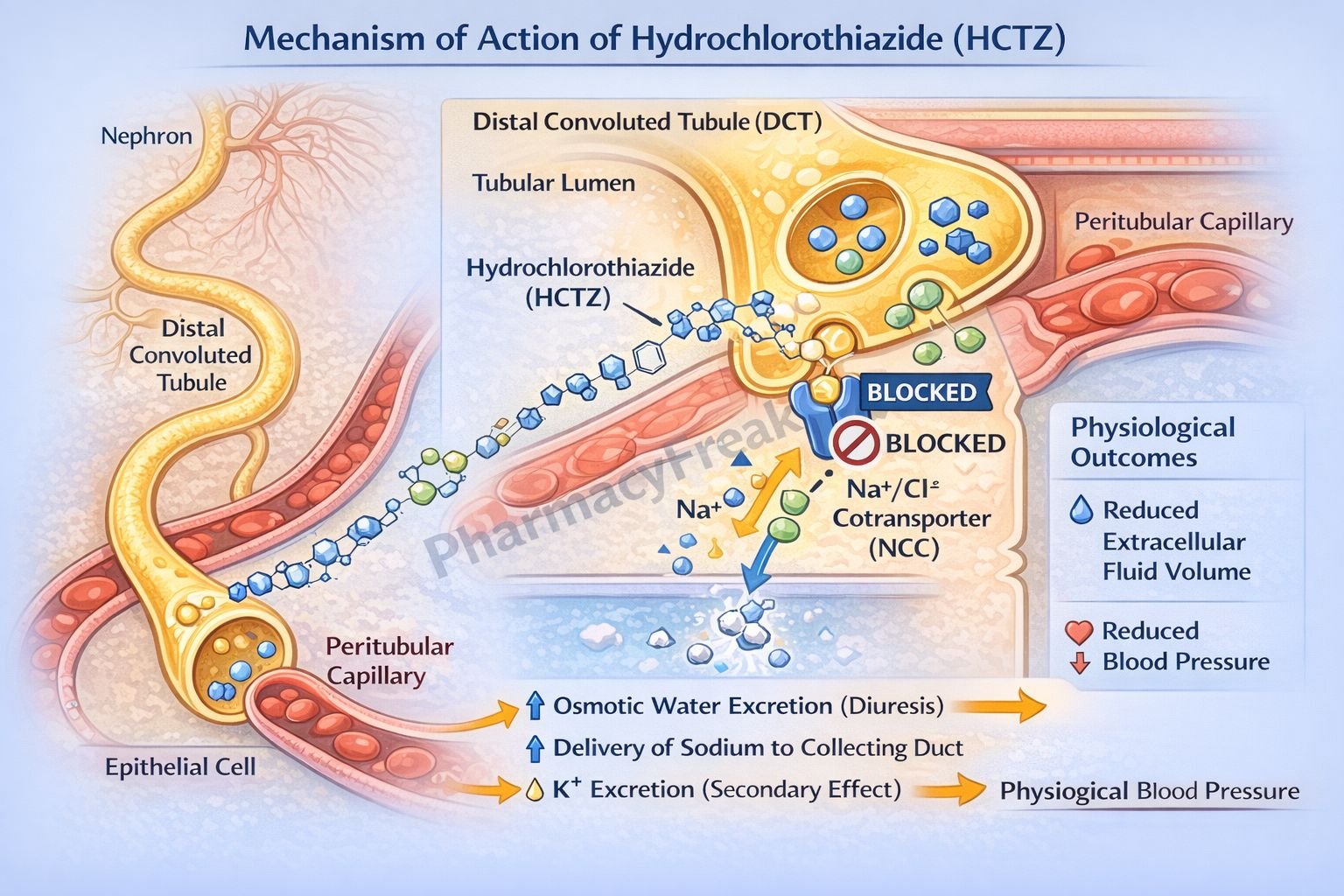
Mechanism of Action of Hydrochlorothiazide (HCTZ)

Mechanism of Action of Hydrochlorothiazide

Introduction Hydrochlorothiazide (HCTZ) is a thiazide diuretic widely used in the treatment of hypertension, edema, and certain kidney disorders. It acts primarily on the distal convoluted tubule of the nephron to promote sodium and water excretion. By reducing extracellular fluid volume and decreasing peripheral vascular resistance, hydrochlorothiazide effectively lowers blood pressure. Thiazide diuretics are among … Read more

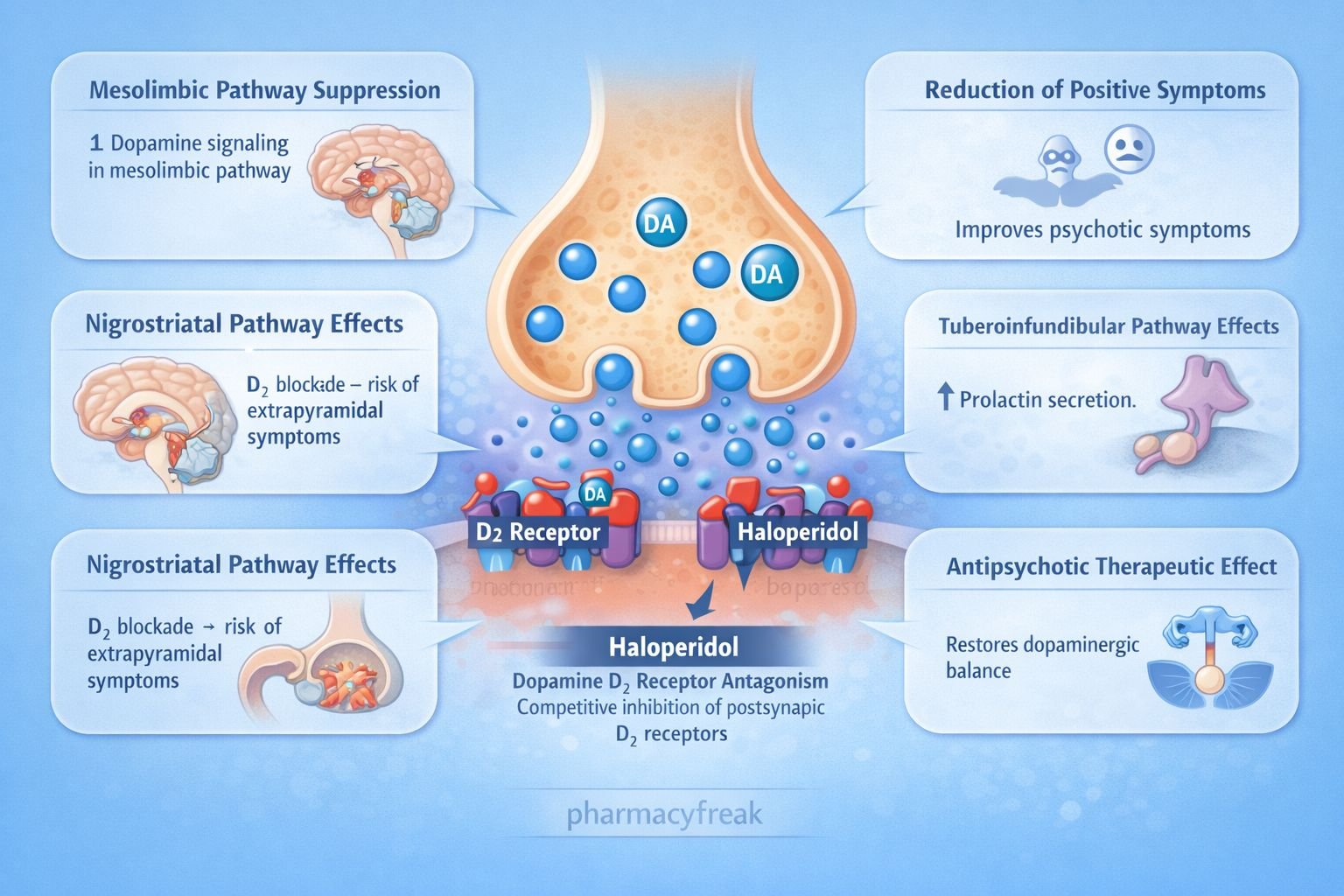
Mechanism of Action of Haloperidol

Mechanism of Action of Haloperidol

Introduction Haloperidol is a first generation (typical) antipsychotic belonging to the butyrophenone class. It is widely used in the treatment of schizophrenia, acute psychosis, delirium, and severe agitation. Haloperidol primarily works by blocking dopamine receptors in the central nervous system, particularly in the mesolimbic pathway. Because excessive dopamine activity in the mesolimbic pathway is associated … Read more

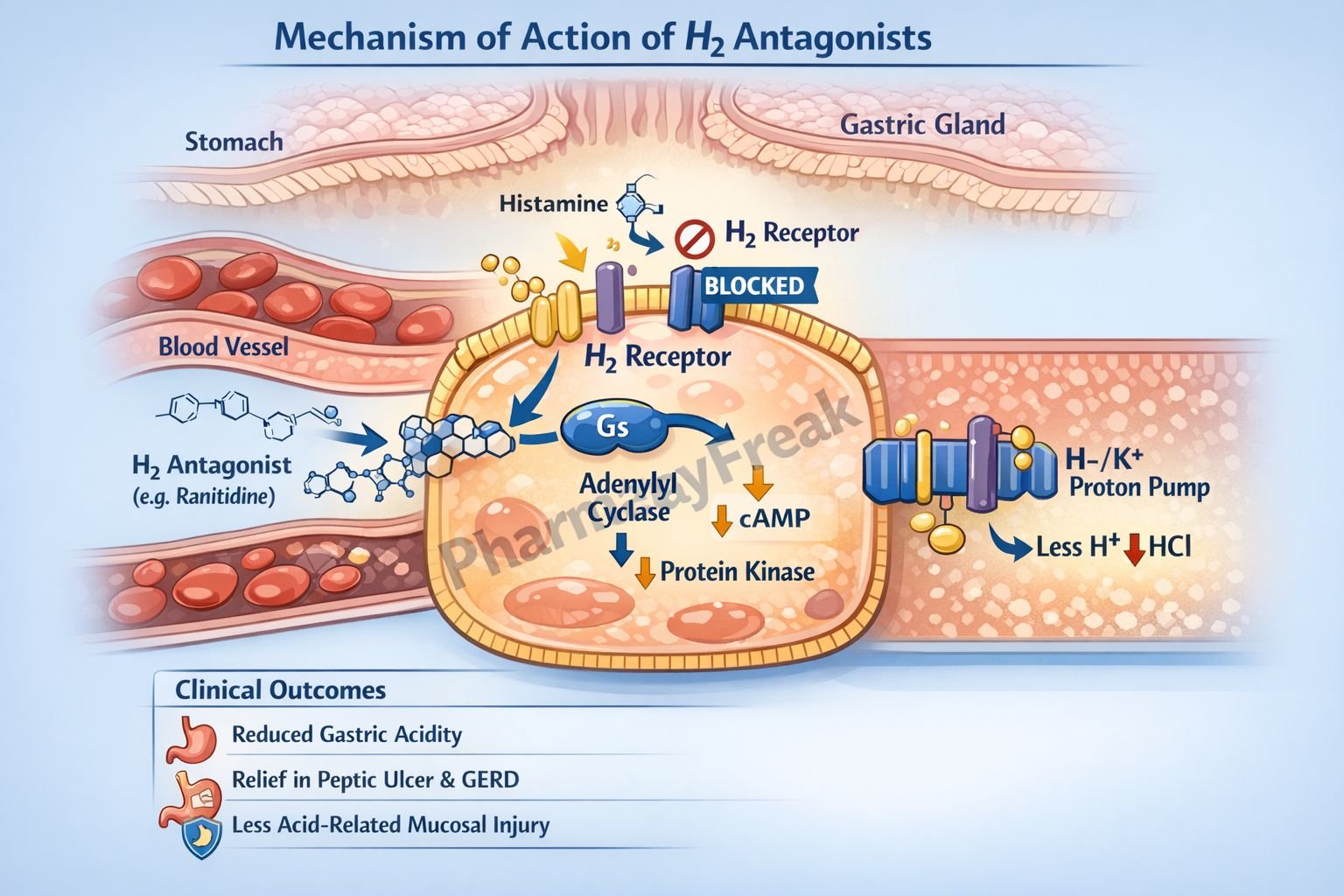
Mechanism of Action of H2 Antagonists

Mechanism of Action of H2 Antagonists

Introduction H2 antagonists, also called H2 receptor blockers, are drugs used to reduce gastric acid secretion in conditions such as peptic ulcer disease, gastroesophageal reflux disease (GERD), and Zollinger–Ellison syndrome. These drugs block histamine H2 receptors located on gastric parietal cells, thereby inhibiting acid production. Common H2 antagonists include cimetidine, ranitidine, famotidine, and nizatidine. By … Read more

Mechanism of Action of Guaifenesin

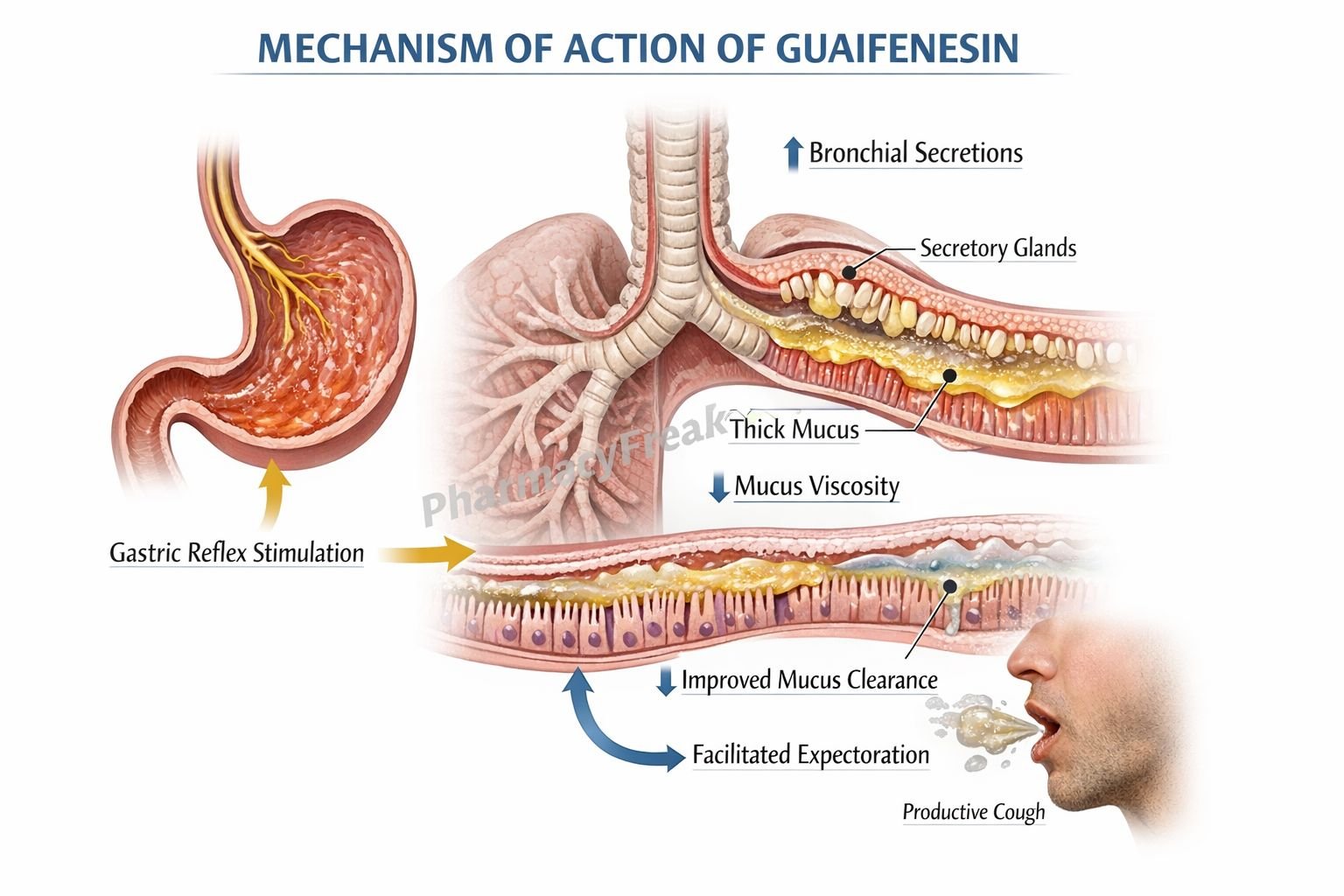
MOA of Guaifenesin

Introduction Guaifenesin is an expectorant commonly used in the treatment of productive cough associated with respiratory tract infections such as bronchitis, the common cold, and other respiratory conditions. It works by reducing the viscosity of bronchial secretions, making mucus easier to clear from the airways. Unlike antitussive drugs that suppress cough reflexes, guaifenesin facilitates mucus … Read more

Mechanism of Action of Griseofulvin

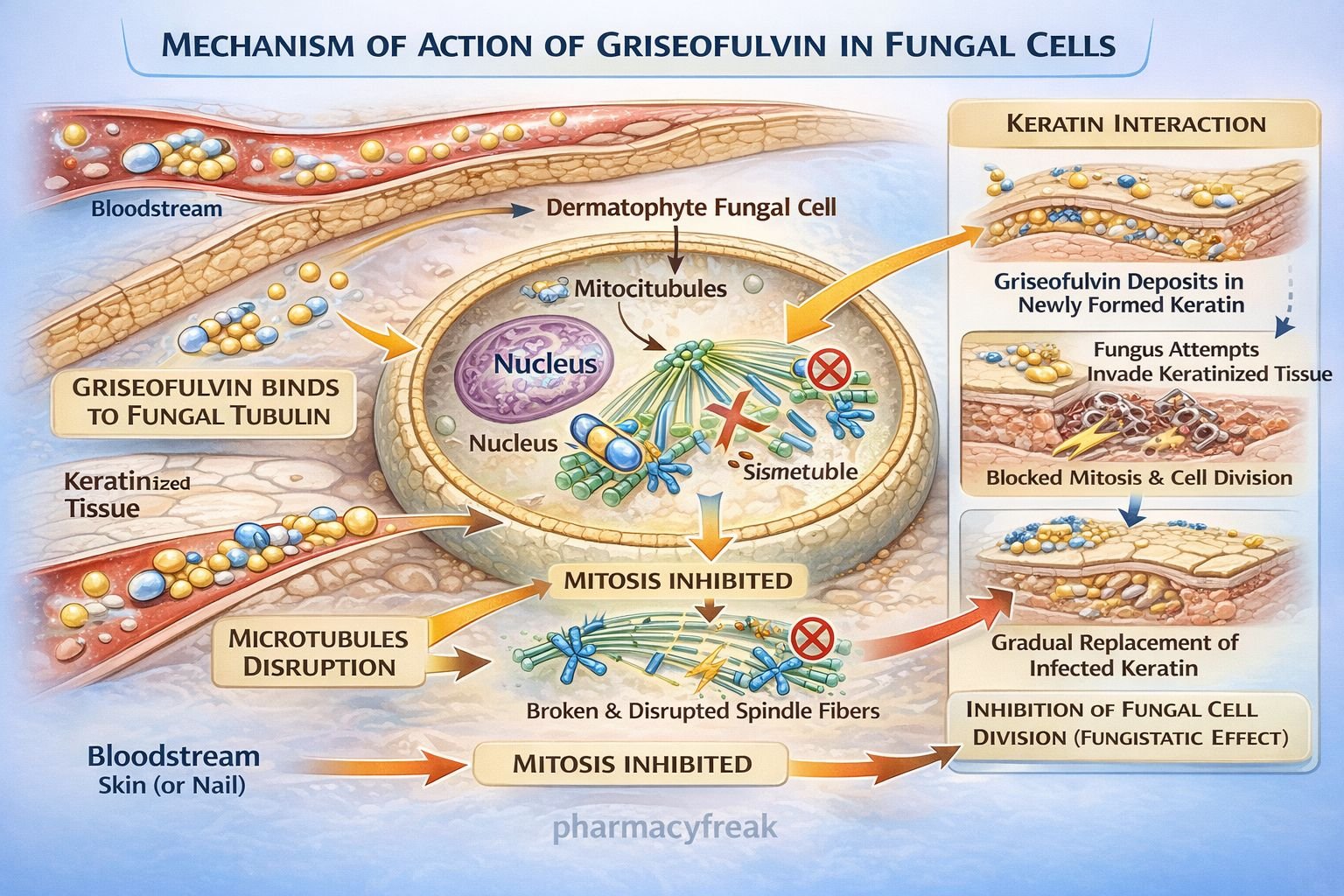
Mechanism of Action of Griseofulvin

Introduction Griseofulvin is an antifungal antibiotic primarily used to treat dermatophyte infections such as tinea infections of the skin, hair, and nails. It is derived from the mold Penicillium griseofulvum and works by inhibiting fungal cell division. Unlike many antifungal drugs that target the fungal cell membrane, griseofulvin acts on fungal microtubules and mitotic spindle … Read more

PRO
Ad-Free Access
$3.99 / month
  • No Interruptions
  • Faster Page Loads
  • Support Content Creators