Trusted by 50K+ Pharmacy StudentsHigh Quality Notes, MCQs, Mock Tests & Study ResourcesGo Premium (Ads Free)
Pharmacy Freak

Mechanism of Action of Tysabri
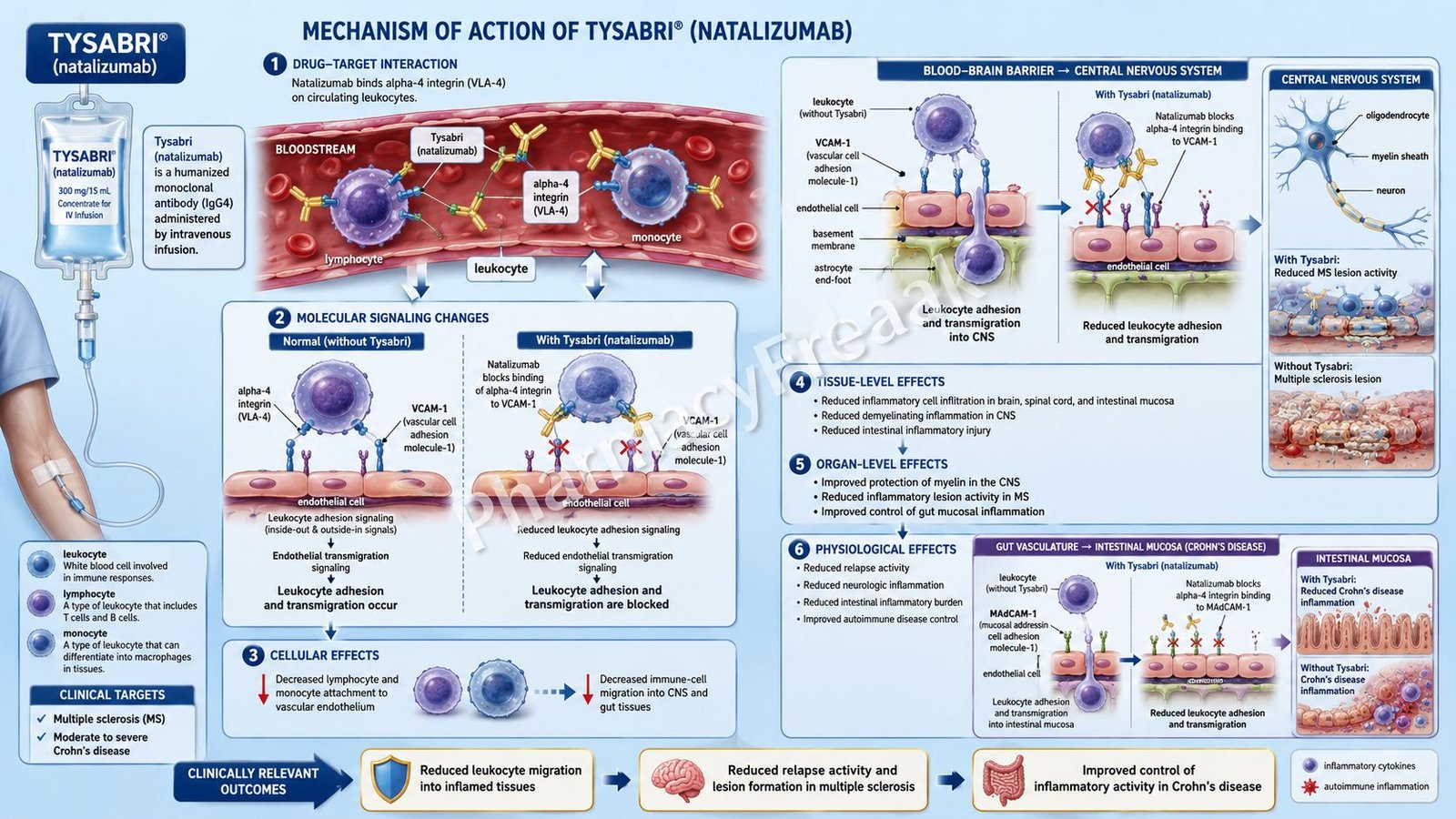
Mechanism of Action of Tysabri

Introduction Tysabri is the brand name of natalizumab, a biologic immunomodulator used mainly in multiple sclerosis and Crohn’s disease. Pharmacologically, natalizumab is a recombinant humanized IgG4 monoclonal antibody that targets alpha-4 integrin. Alpha-4 integrins are adhesion molecules found on the surface of many leukocytes. These molecules help immune cells attach to blood vessel walls and … Read more
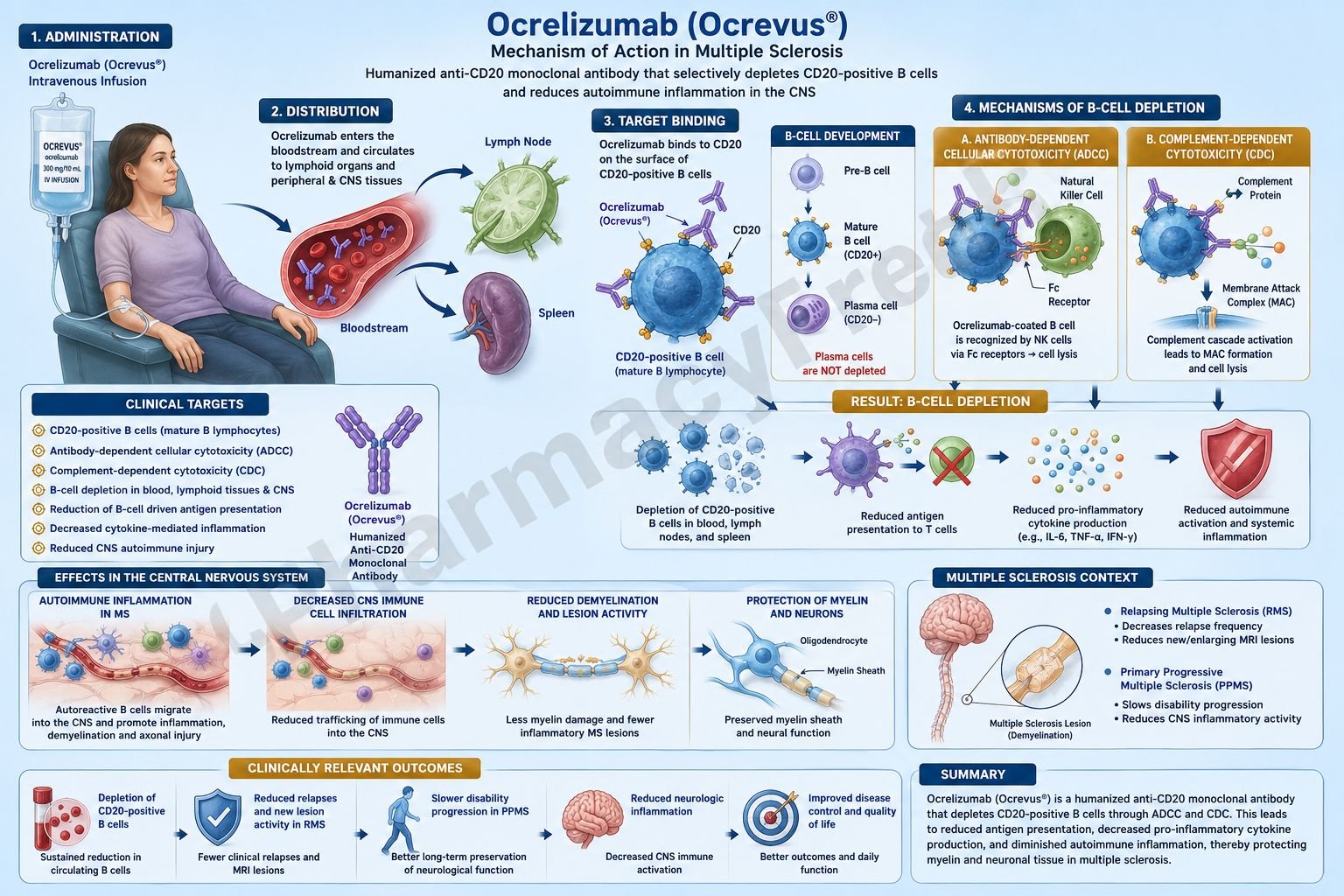
Mechanism of Action of Ocrelizumab

Ocrelizumab Mechanism of Action

Introduction Ocrelizumab is a monoclonal antibody used in multiple sclerosis. It is marketed as Ocrevus for intravenous infusion. Ocrelizumab is also the active anti-CD20 antibody component in Ocrevus Zunovo, a subcutaneous formulation that contains ocrelizumab with hyaluronidase. Pharmacologically, ocrelizumab is a CD20-directed cytolytic monoclonal antibody. It is designed to target CD20-positive B lymphocytes, which are … Read more

Mechanism of Action of Fingolimod

Fingolimod Mechanism of Action

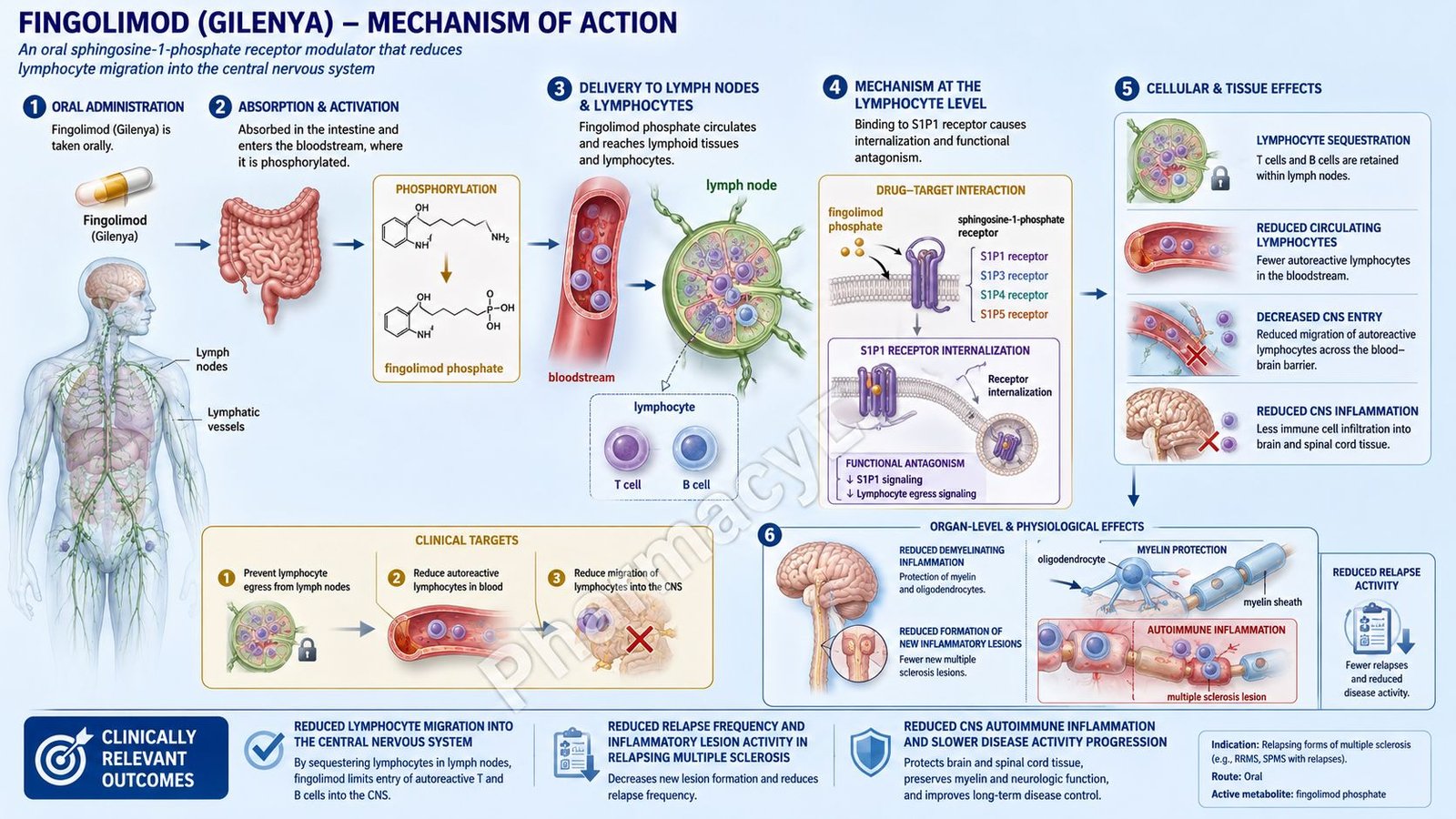
Introduction Fingolimod is an oral disease-modifying drug used in relapsing forms of multiple sclerosis. It was originally marketed under the brand name Gilenya. Pharmacologically, fingolimod is a sphingosine 1-phosphate receptor modulator, commonly called an S1P receptor modulator. Multiple sclerosis is an immune-mediated demyelinating disease of the central nervous system. In MS, autoreactive lymphocytes cross the … Read more

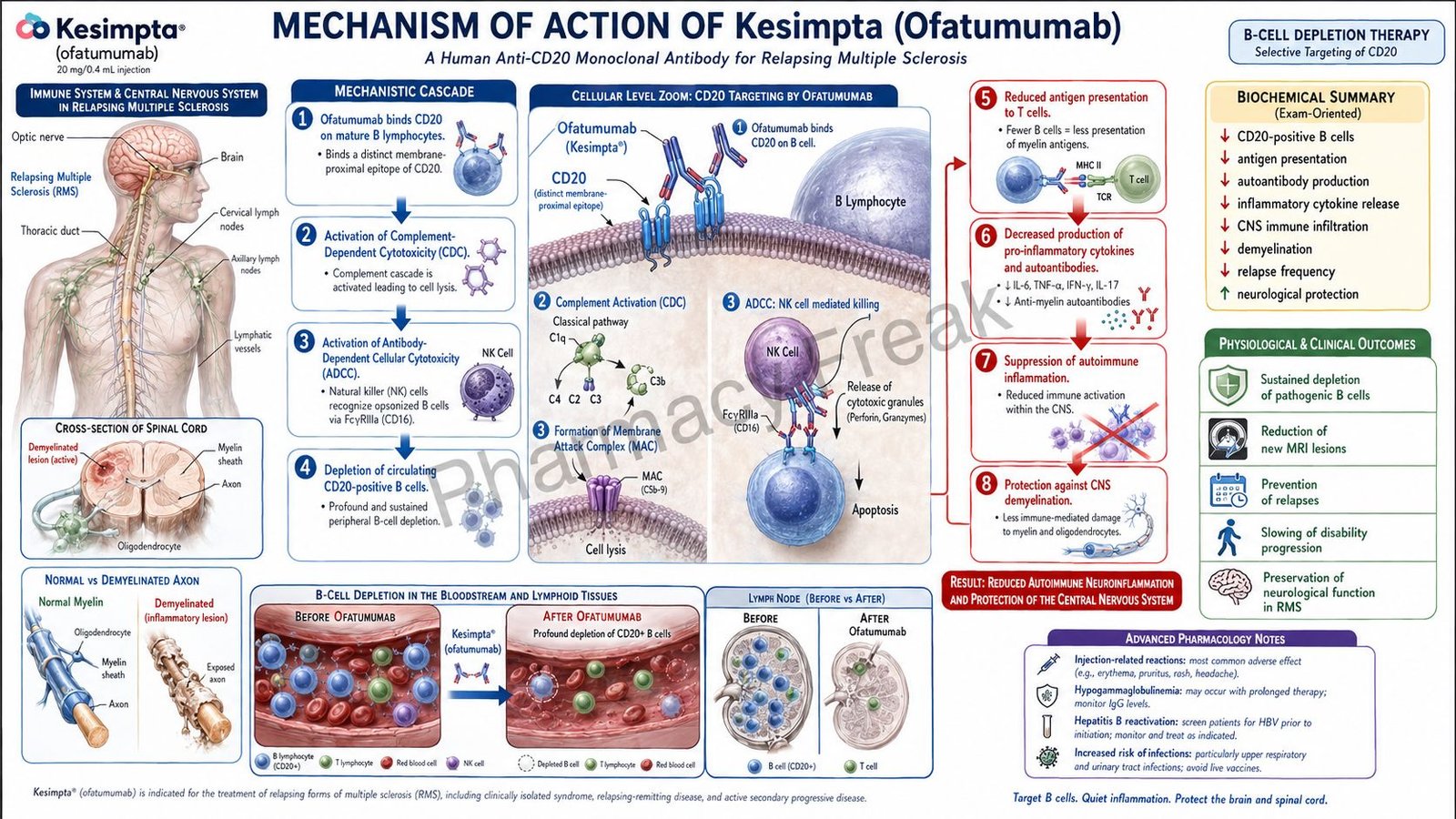
Mechanism of Action of Kesimpta

Kesimpta Mechanism of Action

Introduction Kesimpta is the brand name of ofatumumab, a subcutaneous monoclonal antibody used for relapsing forms of multiple sclerosis. Pharmacologically, Kesimpta is a CD20-directed cytolytic antibody. It is used in adults with relapsing forms of multiple sclerosis, including clinically isolated syndrome, relapsing-remitting multiple sclerosis, and active secondary progressive multiple sclerosis. Multiple sclerosis is an immune-mediated … Read more

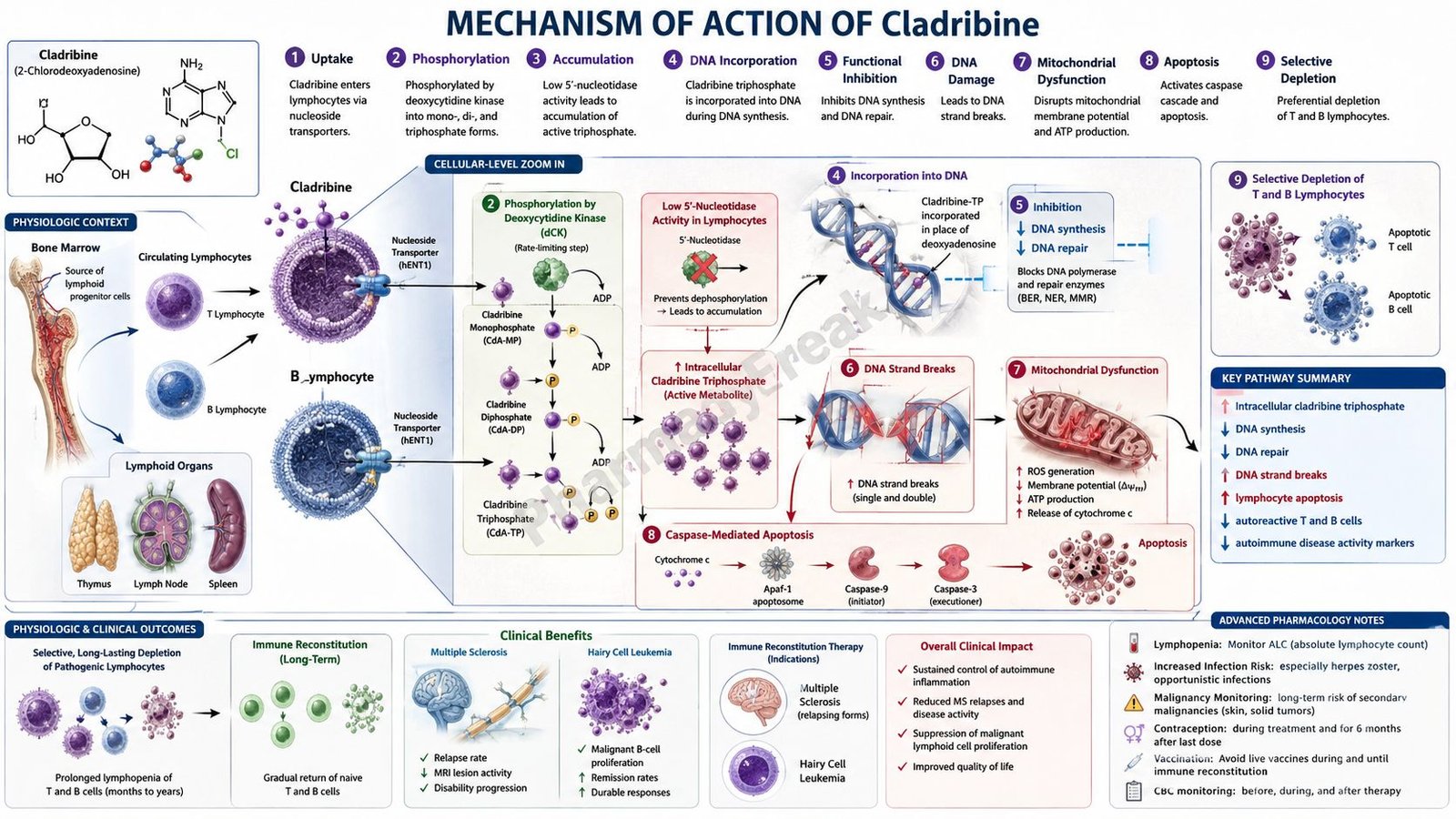
Mechanism of Action of Cladribine

Mechanism of Action of Cladribine

Introduction Cladribine is a purine nucleoside analogue used as an immunosuppressive and antineoplastic drug. It is available under important brand names such as Mavenclad for relapsing forms of multiple sclerosis and Leustatin for hairy cell leukemia. Pharmacologically, cladribine is an adenosine analogue that is resistant to degradation by adenosine deaminase, allowing it to persist inside … Read more

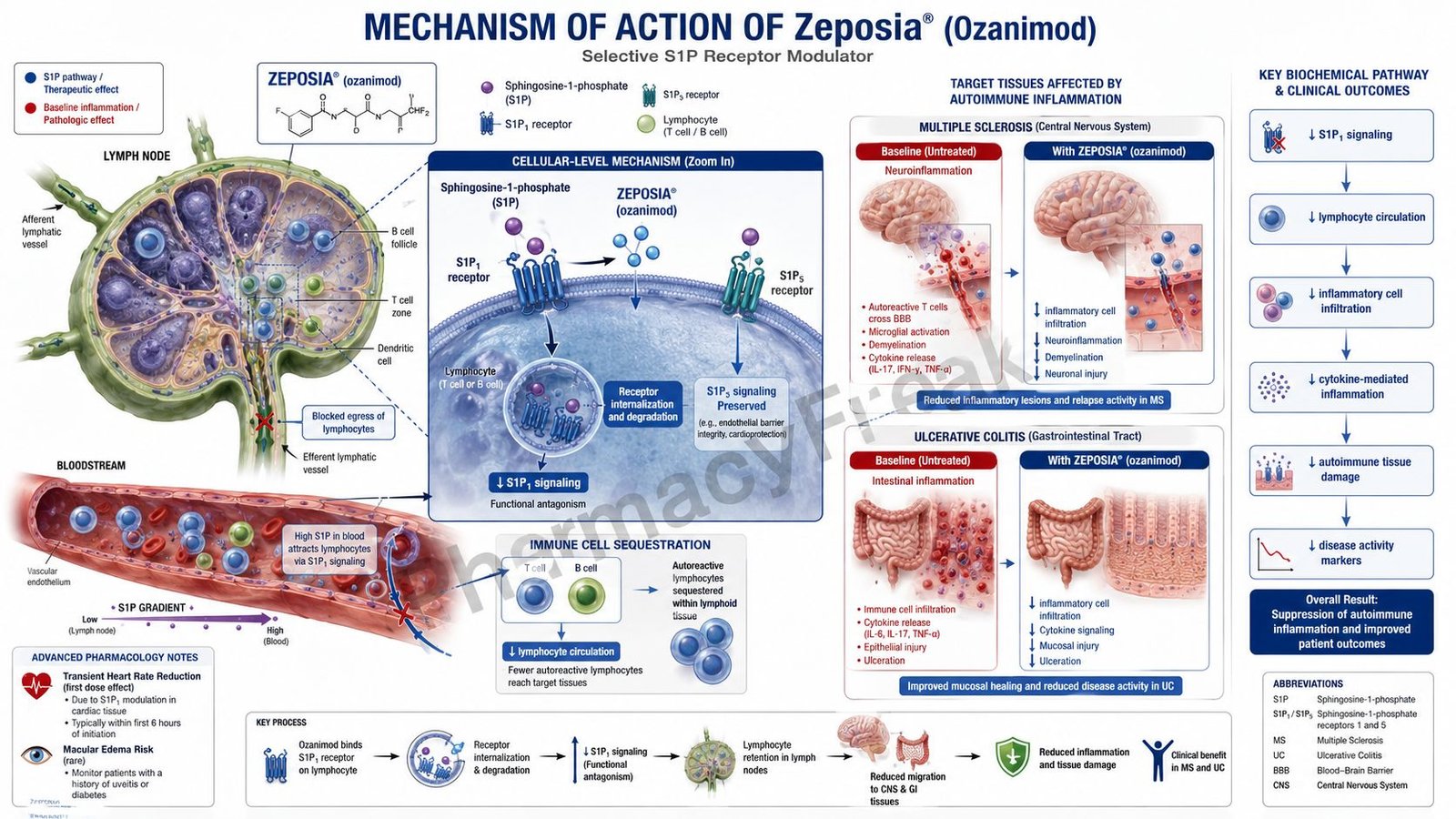
Mechanism of Action of Zeposia

Mechanism of Action of Zeposia

Introduction Zeposia is the brand name of ozanimod, an oral immunomodulatory drug used mainly in relapsing forms of multiple sclerosis and moderately to severely active ulcerative colitis. It belongs to the class of sphingosine-1-phosphate receptor modulators, commonly called S1P receptor modulators. Zeposia is important in pharmacology because it does not act like a conventional anti-inflammatory … Read more

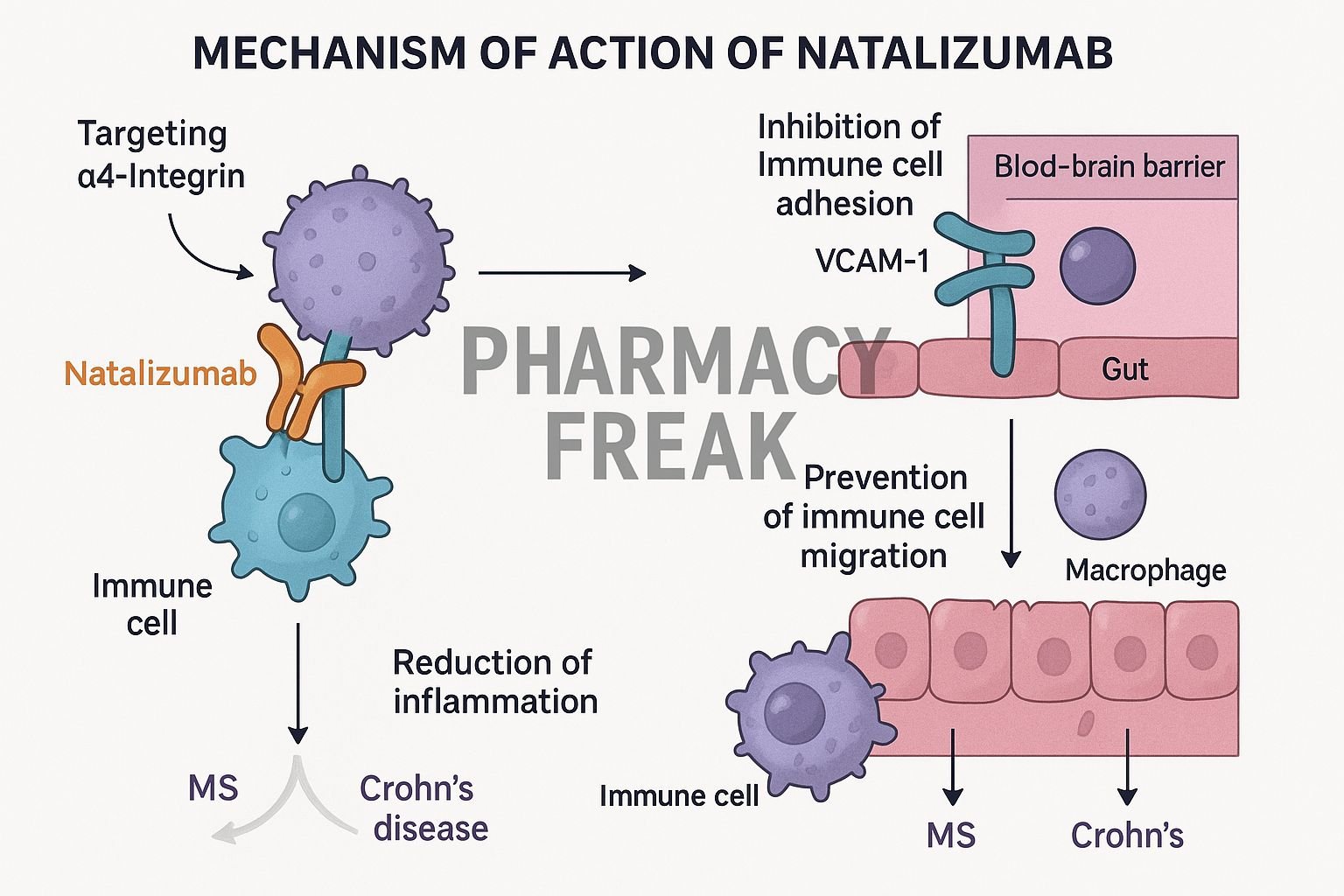
Mechanism of Action of Natalizumab (Tysabri)

Mechanism of action of Natalizumab

Introduction Natalizumab is a humanized IgG4 monoclonal antibody targeting the α4 integrin subunit. It’s approved for relapsing-remitting multiple sclerosis (RRMS) and moderate to severe Crohn’s disease. By blocking leukocyte adhesion, it prevents immune cell migration into the brain and gut. Step-by-Step Mechanism of Action Pharmacokinetic Parameters Parameter Value Route Intravenous infusion Half-life ~11 days Distribution … Read more

PRO
Ad-Free Access
$3.99 / month
  • No Interruptions
  • Faster Page Loads
  • Support Content Creators