Trusted by 50K+ Pharmacy StudentsHigh Quality Notes, MCQs, Mock Tests & Study ResourcesGo Premium (Ads Free)
Pharmacy Freak

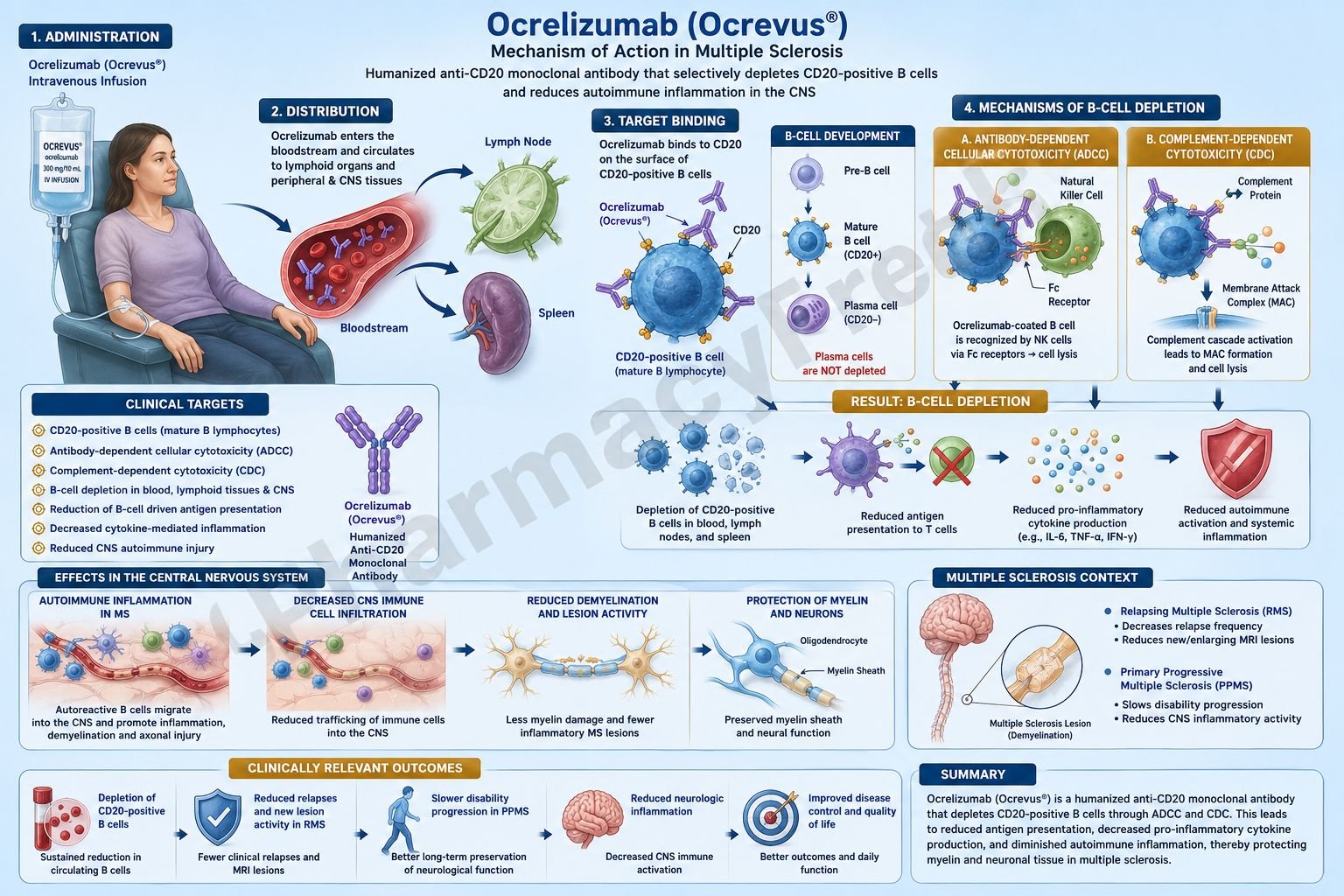
Mechanism of Action of Ocrelizumab

Ocrelizumab Mechanism of Action

Introduction Ocrelizumab is a monoclonal antibody used in multiple sclerosis. It is marketed as Ocrevus for intravenous infusion. Ocrelizumab is also the active anti-CD20 antibody component in Ocrevus Zunovo, a subcutaneous formulation that contains ocrelizumab with hyaluronidase. Pharmacologically, ocrelizumab is a CD20-directed cytolytic monoclonal antibody. It is designed to target CD20-positive B lymphocytes, which are … Read more

Mechanism of Action of Lumateperone

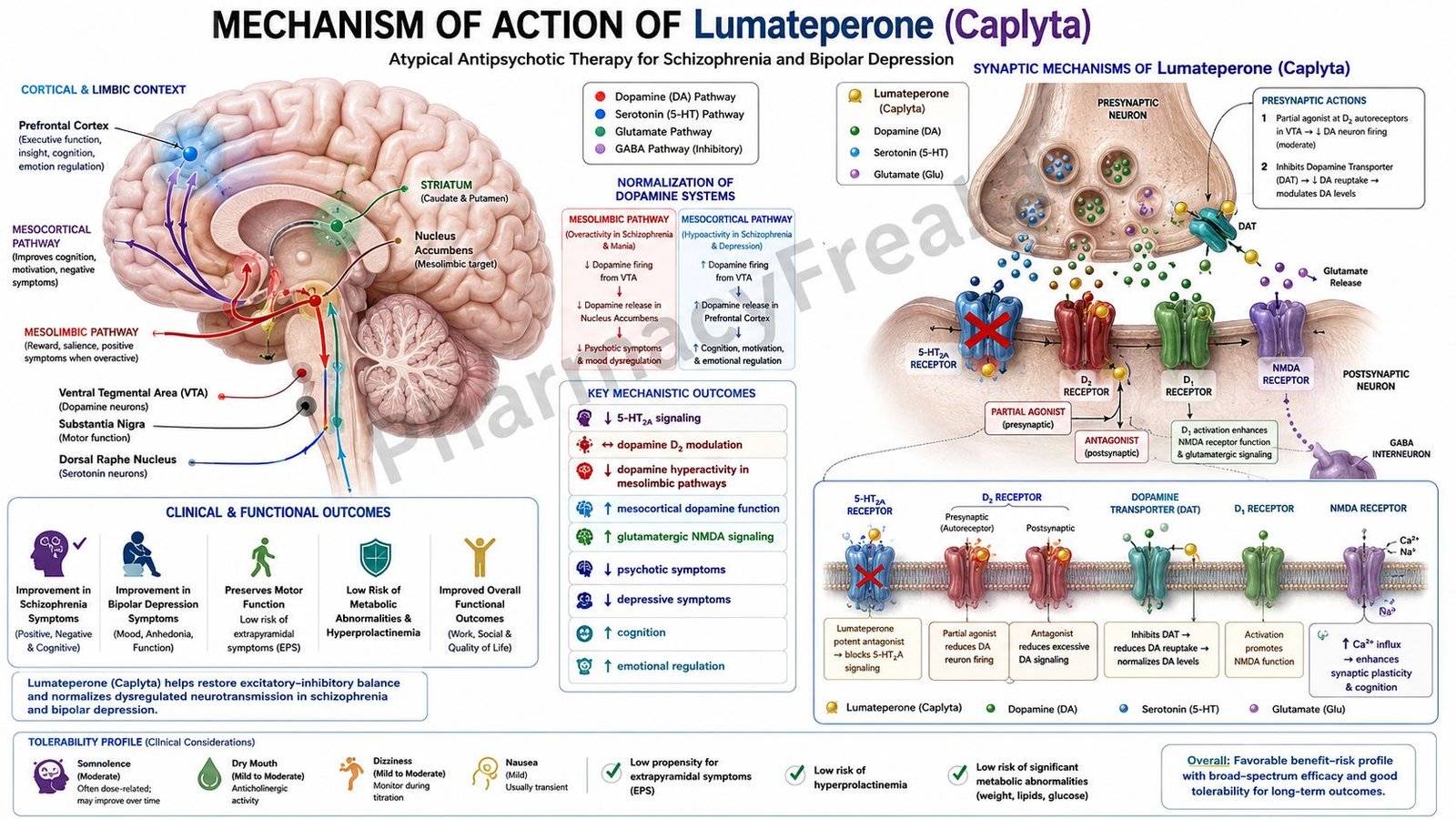
Mechanism of Action of Lumateperone

Introduction Lumateperone is an oral atypical antipsychotic marketed under the brand name Caplyta. It is used in adults for schizophrenia, depressive episodes associated with bipolar I or bipolar II disorder, and as adjunctive therapy with antidepressants for major depressive disorder. The current U.S. prescribing information lists the recommended Caplyta dose as 42 mg orally once … Read more

Mechanism of Action of Rexulti

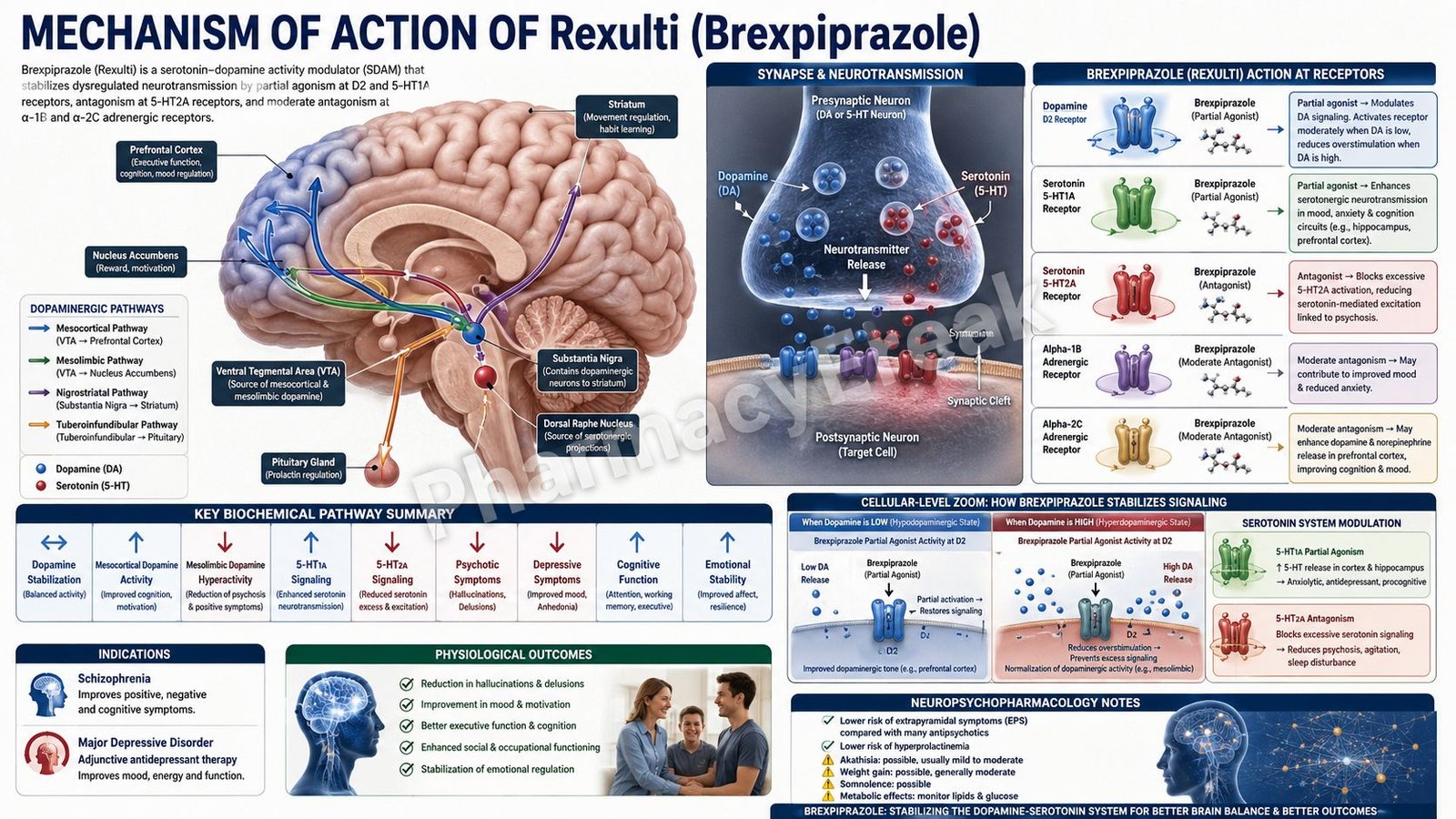
Mechanism of Action of Rexulti

Introduction Rexulti is the brand name of brexpiprazole, an oral atypical antipsychotic used in psychiatric and neuropsychiatric conditions. Pharmacologically, brexpiprazole is a serotonin-dopamine activity modulator with partial agonist activity at dopamine D2 and serotonin 5-HT1A receptors, along with antagonist activity at serotonin 5-HT2A receptors. Rexulti is used as adjunctive therapy with antidepressants for major depressive … Read more

Mechanism of Action of Kesimpta

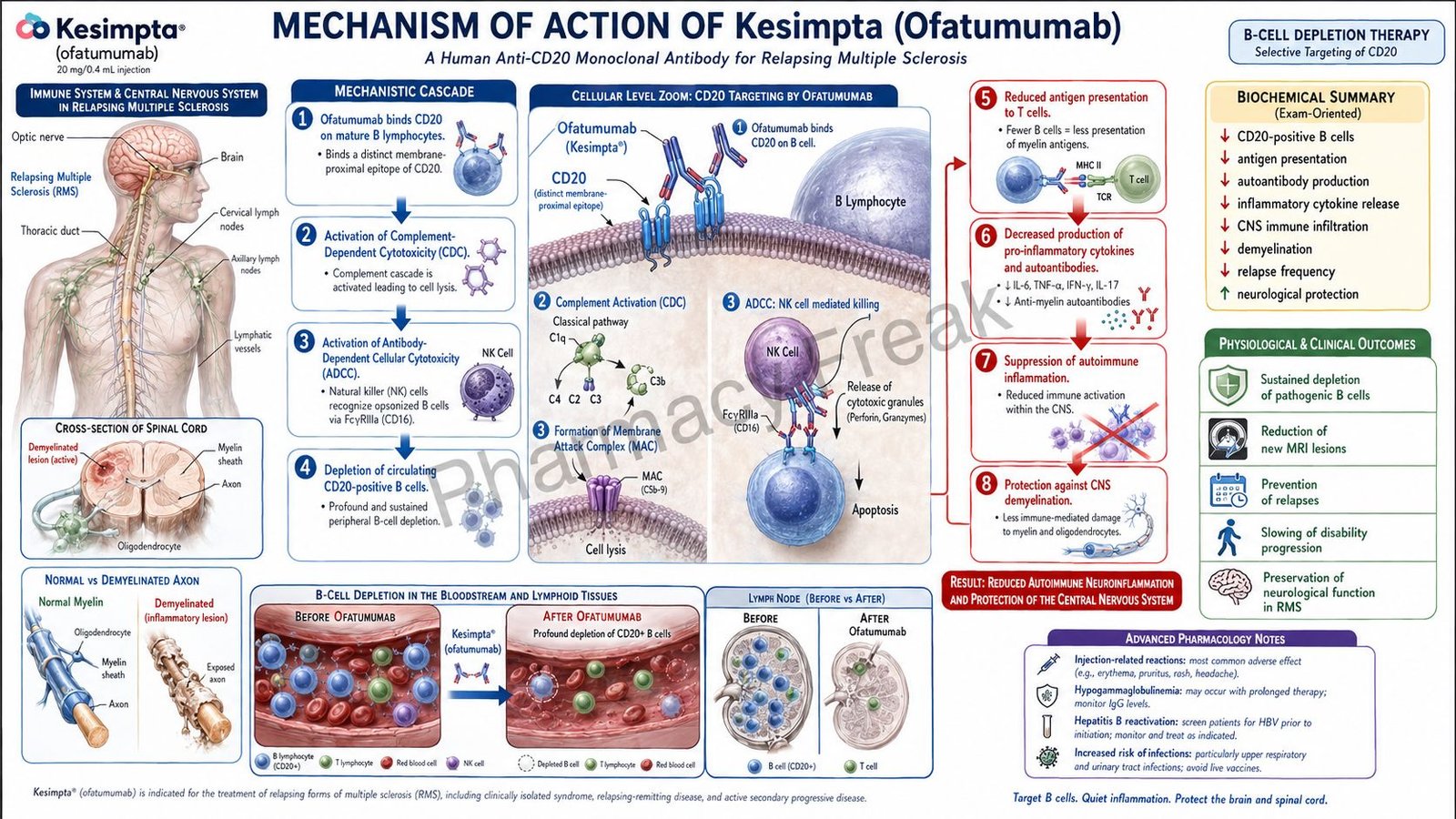
Kesimpta Mechanism of Action

Introduction Kesimpta is the brand name of ofatumumab, a subcutaneous monoclonal antibody used for relapsing forms of multiple sclerosis. Pharmacologically, Kesimpta is a CD20-directed cytolytic antibody. It is used in adults with relapsing forms of multiple sclerosis, including clinically isolated syndrome, relapsing-remitting multiple sclerosis, and active secondary progressive multiple sclerosis. Multiple sclerosis is an immune-mediated … Read more

Mechanism of Action of Latuda

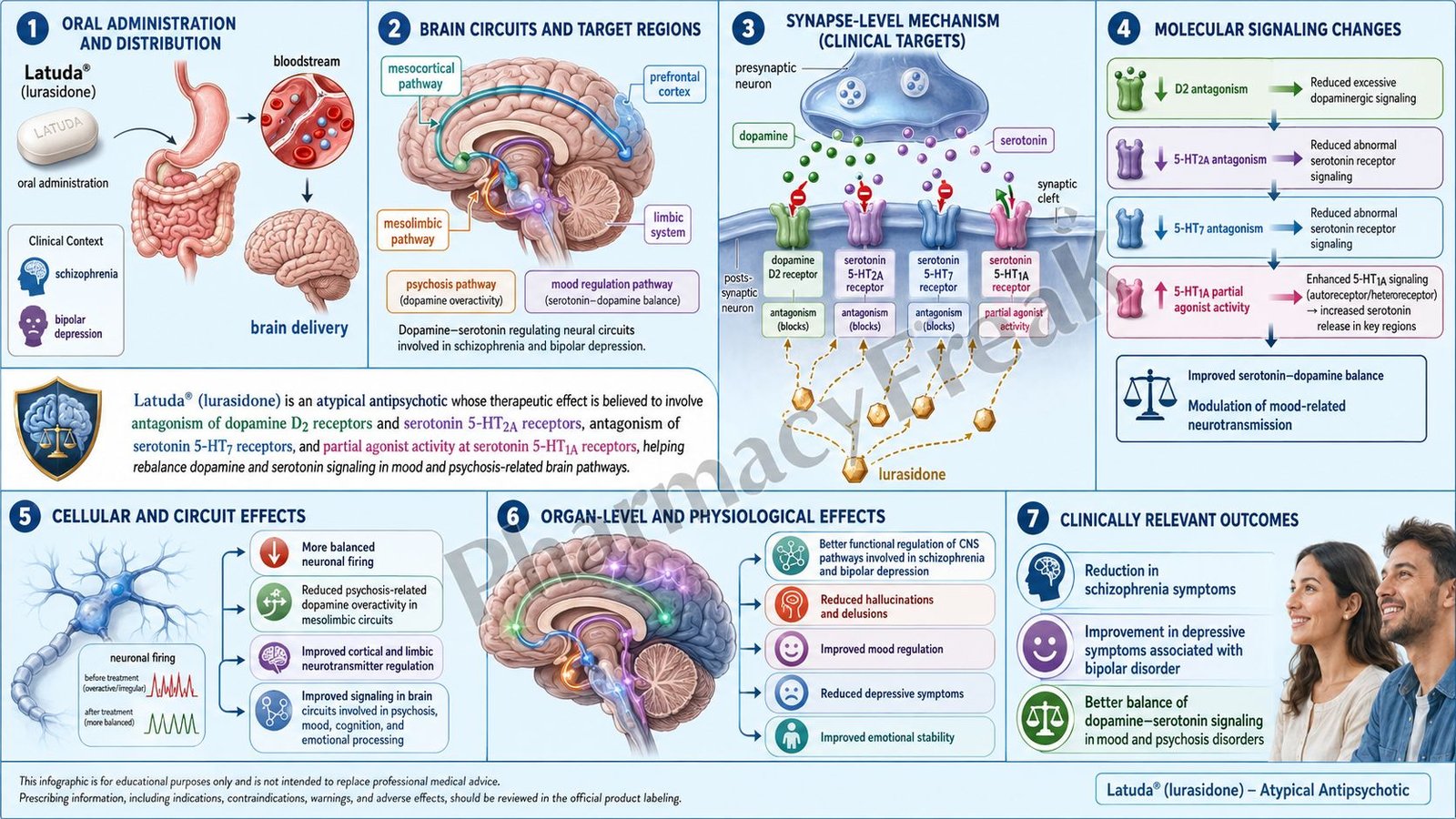
Mechanism of Action of Latuda

Introduction Latuda is the brand name of lurasidone hydrochloride, an oral atypical antipsychotic drug. It is mainly used for schizophrenia and depressive episodes associated with bipolar I disorder. Pharmacologically, lurasidone is classified as a second-generation antipsychotic, also called an atypical antipsychotic. Lurasidone works by modulating dopamine and serotonin neurotransmission in the brain. The exact therapeutic … Read more

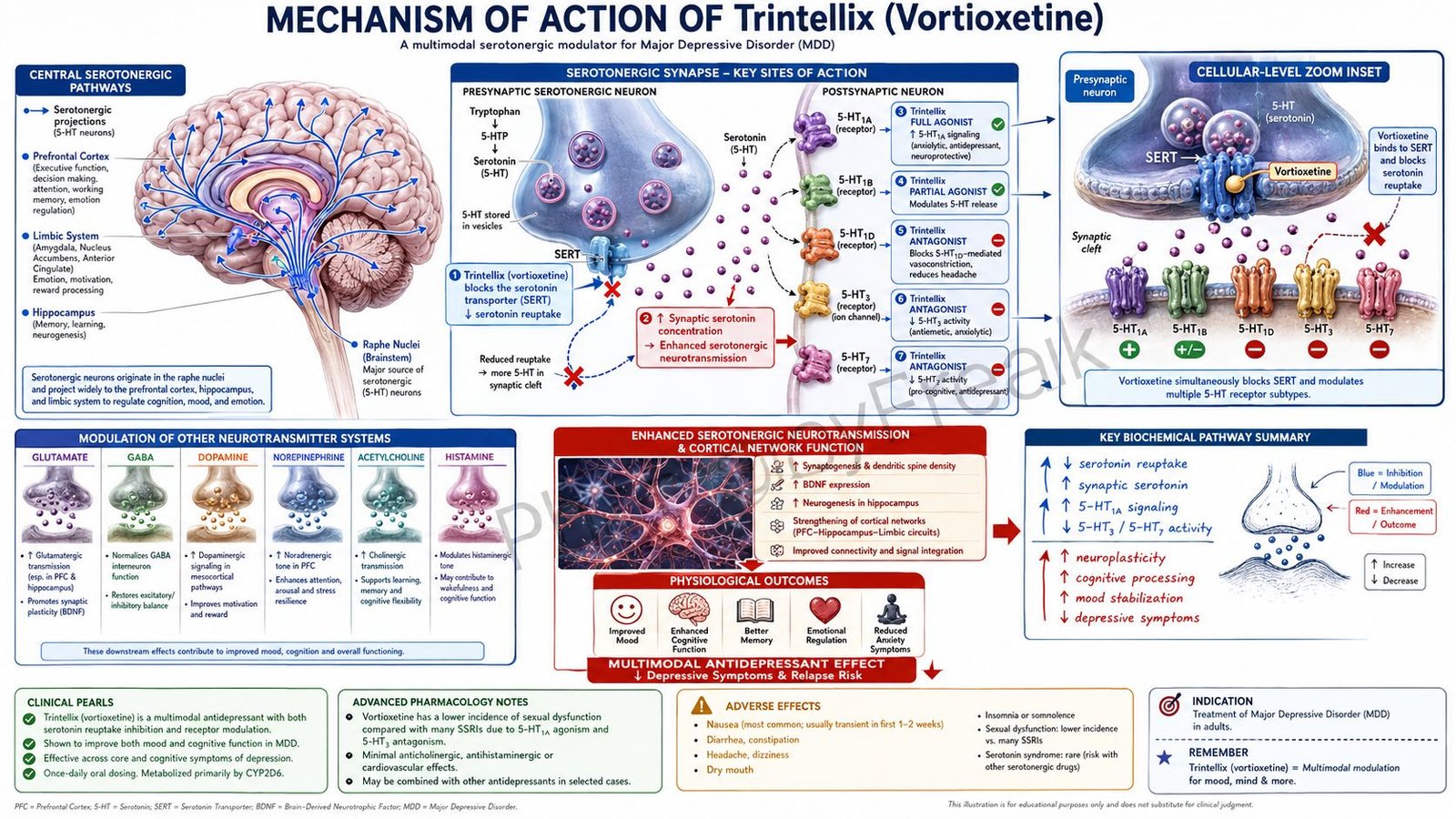
Mechanism of Action of Trintellix

Mechanism of Action of Trintellix

Introduction Trintellix is the brand name of vortioxetine, an oral antidepressant used for the treatment of major depressive disorder in adults. It is commonly described as a multimodal serotonergic antidepressant because it affects serotonin reuptake and multiple serotonin receptor subtypes. Current prescribing information lists Trintellix as indicated for major depressive disorder in adults. Trintellix is … Read more

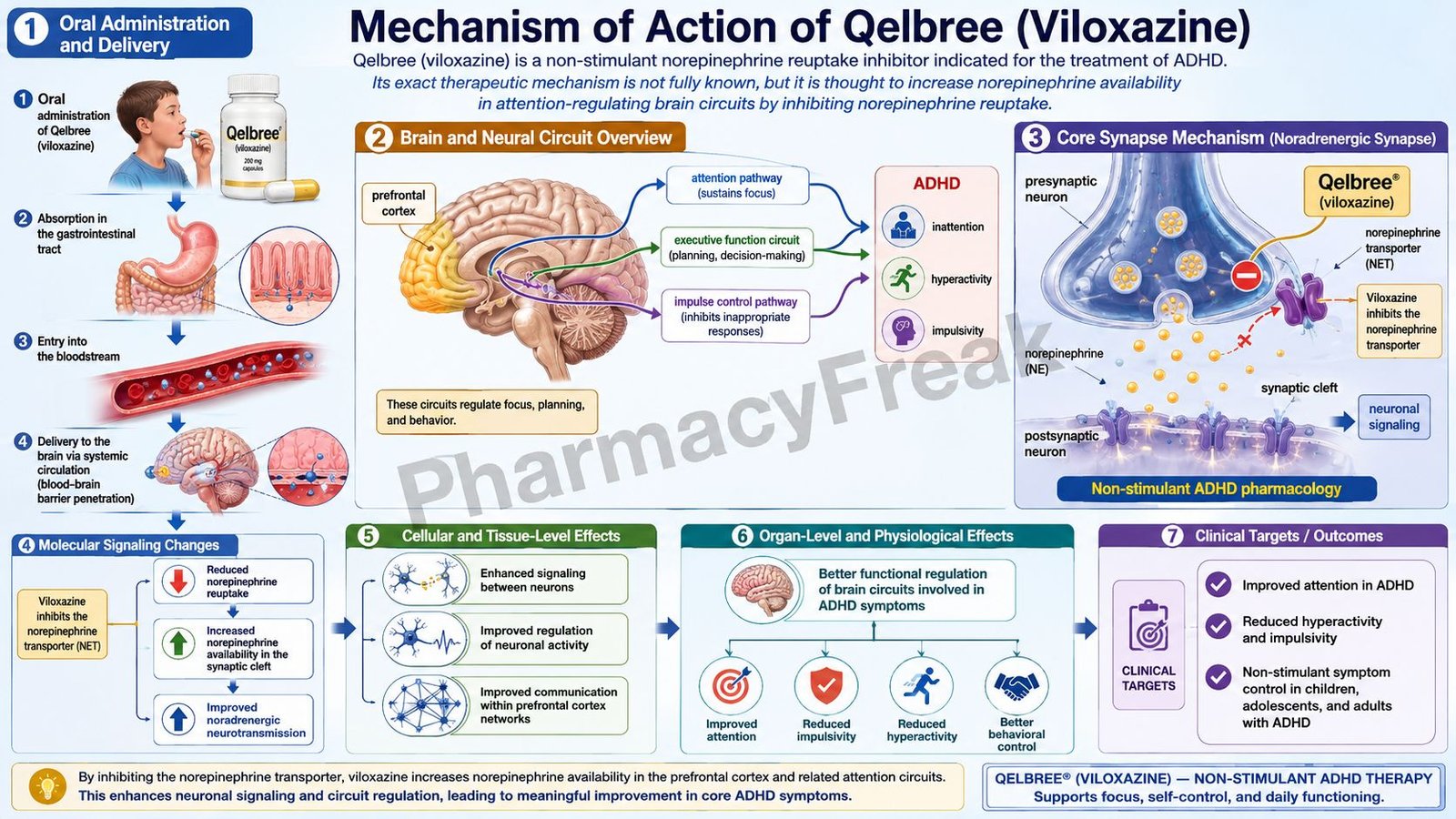
Mechanism of Action of Qelbree

Mechanism of Action of Qelbree

Introduction Qelbree is the brand name of viloxazine extended-release, a non-stimulant drug used for the treatment of attention-deficit/hyperactivity disorder, commonly called ADHD. It is indicated for ADHD in adults and pediatric patients 6 years of age and older. Qelbree is pharmacologically important because it is different from stimulant ADHD medicines such as methylphenidate and amphetamine … Read more

Mechanism of Action of Zeposia

Mechanism of Action of Zeposia

Introduction Zeposia is the brand name of ozanimod, an oral immunomodulatory drug used mainly in relapsing forms of multiple sclerosis and moderately to severely active ulcerative colitis. It belongs to the class of sphingosine-1-phosphate receptor modulators, commonly called S1P receptor modulators. Zeposia is important in pharmacology because it does not act like a conventional anti-inflammatory … Read more

Mechanism of Action of Zolpidem

Zolpidem Mechanism of Action

Introduction Zolpidem is a non-benzodiazepine sedative-hypnotic drug primarily used for the short-term treatment of insomnia. It belongs to a class of medications commonly referred to as “Z-drugs,” which also includes zaleplon and zopiclone/eszopiclone. Although structurally different from benzodiazepines, zolpidem exerts its pharmacological effects through the gamma-aminobutyric acid (GABA) neurotransmitter system. Zolpidem is particularly effective in … Read more

Mechanism of Action of Atomoxetine

Atomoxetine Mechanism of Action

Introduction Atomoxetine is a selective norepinephrine reuptake inhibitor (NRI) approved for the treatment of Attention-Deficit/Hyperactivity Disorder (ADHD). It is a non-stimulant alternative to conventional stimulants like methylphenidate and amphetamines, especially beneficial for patients at risk of substance abuse or with contraindications to stimulants. Mechanism of Action (Stepwise) Pharmacokinetics Clinical Uses Adverse Effects Comparative Analysis Feature … Read more

PRO
Ad-Free Access
$3.99 / month
  • No Interruptions
  • Faster Page Loads
  • Support Content Creators