Trusted by 50K+ Pharmacy StudentsHigh Quality Notes, MCQs, Mock Tests & Study ResourcesGo Premium (Ads Free)
Pharmacy Freak

Mechanism of Action of Benztropine
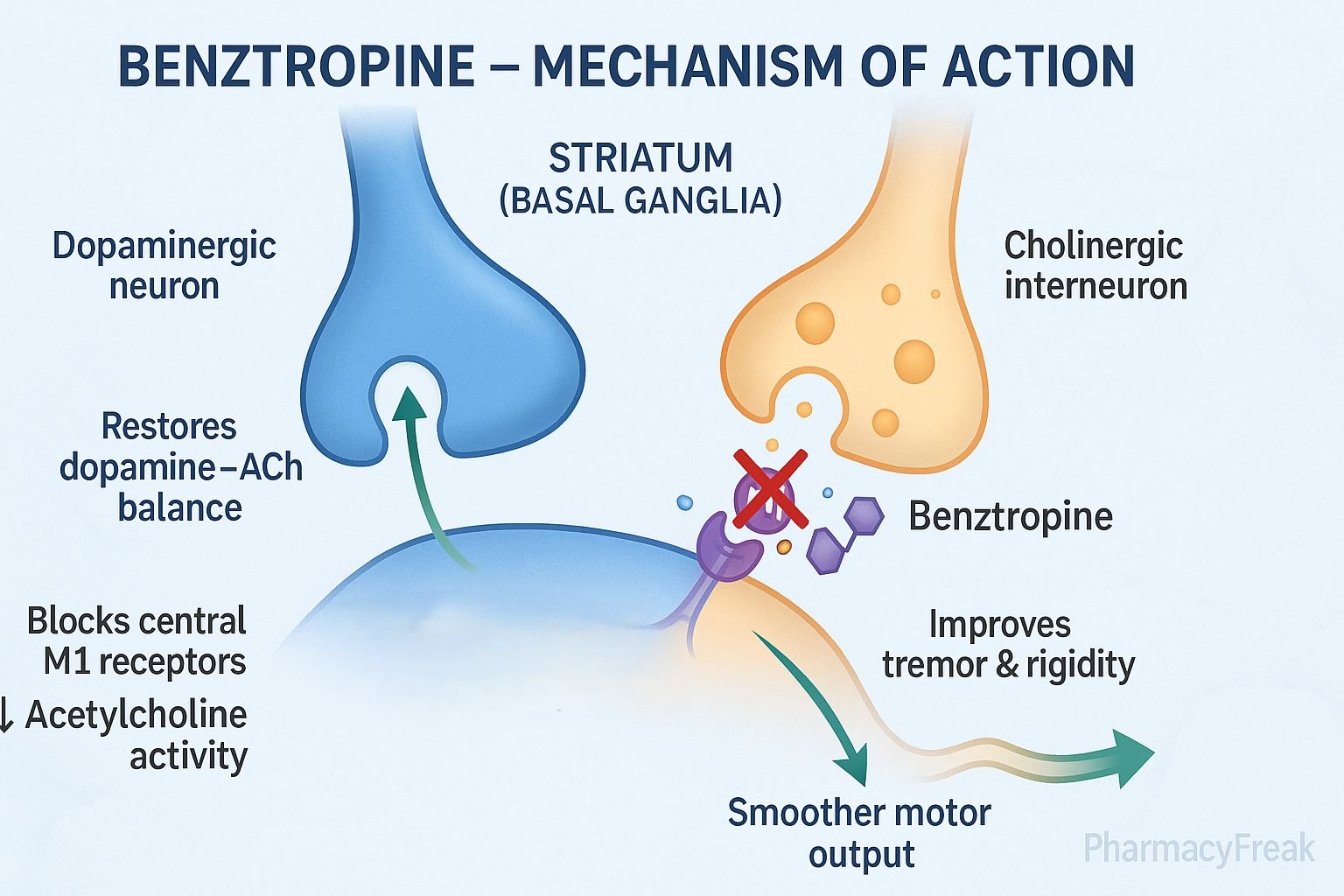
MOA of Benztropine

Introduction Benztropine is an anticholinergic and antihistaminic medication commonly used in the treatment of Parkinson’s disease and drug-induced extrapyramidal symptoms (EPS) such as dystonia, akathisia, and parkinsonism caused by antipsychotics. Its therapeutic effect comes from restoring the dopamine–acetylcholine balance in the basal ganglia. Benztropine blocks muscarinic receptors, reducing cholinergic activity, and provides antihistaminic sedation that … Read more
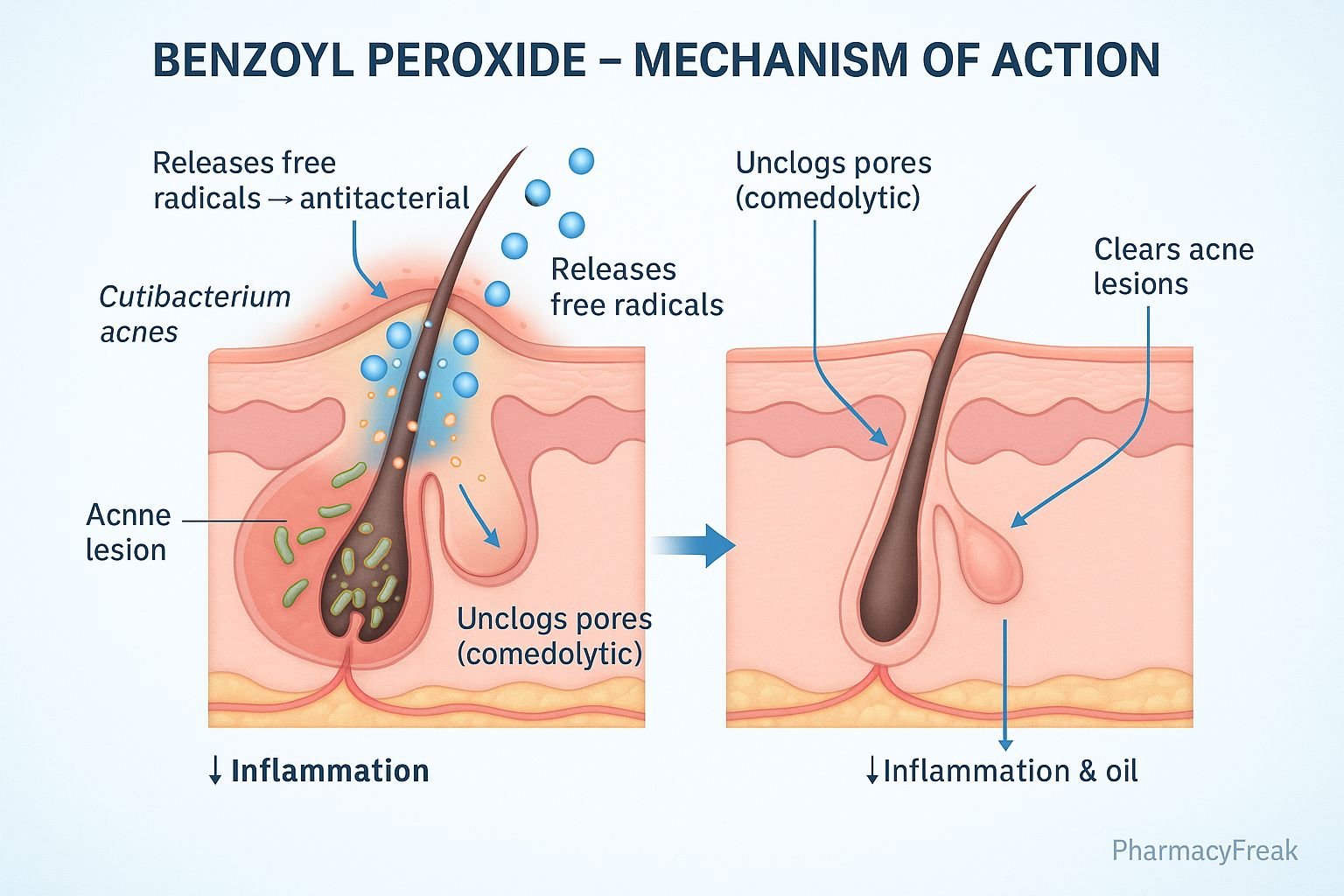
Mechanism of Action of Benzoyl Peroxide

MOA of Benzoyl Peroxide

Introduction Benzoyl peroxide is a topical antimicrobial and keratolytic agent widely used in the management of acne vulgaris. It is considered a first-line therapy for comedonal, inflammatory, and mild-to-moderate acne. Benzoyl peroxide is known for its powerful bactericidal activity, ability to reduce sebum, and its capacity to prevent antibiotic resistance when used with topical or … Read more

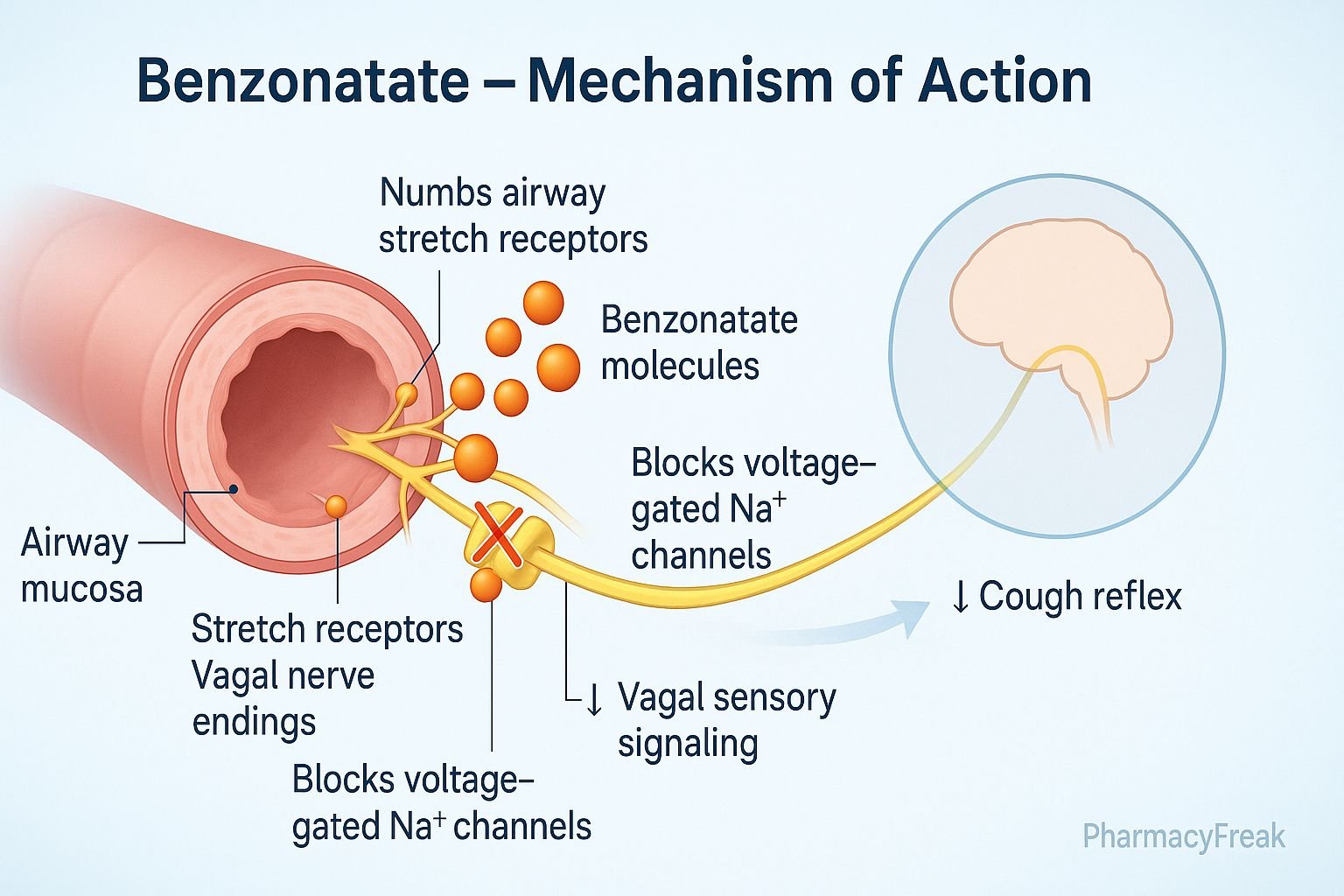
Mechanism of Action of Benzonatate

MOA of Benzonatate

Introduction Benzonatate is a non-narcotic antitussive (cough suppressant) commonly prescribed for symptomatic relief of acute cough in respiratory infections such as bronchitis, pneumonia, and influenza. Structurally related to ester-type local anesthetics like tetracaine, benzonatate works by numbing stretch receptors in the respiratory tract and reducing cough reflex sensitivity. Its unique mechanism provides cough relief without … Read more

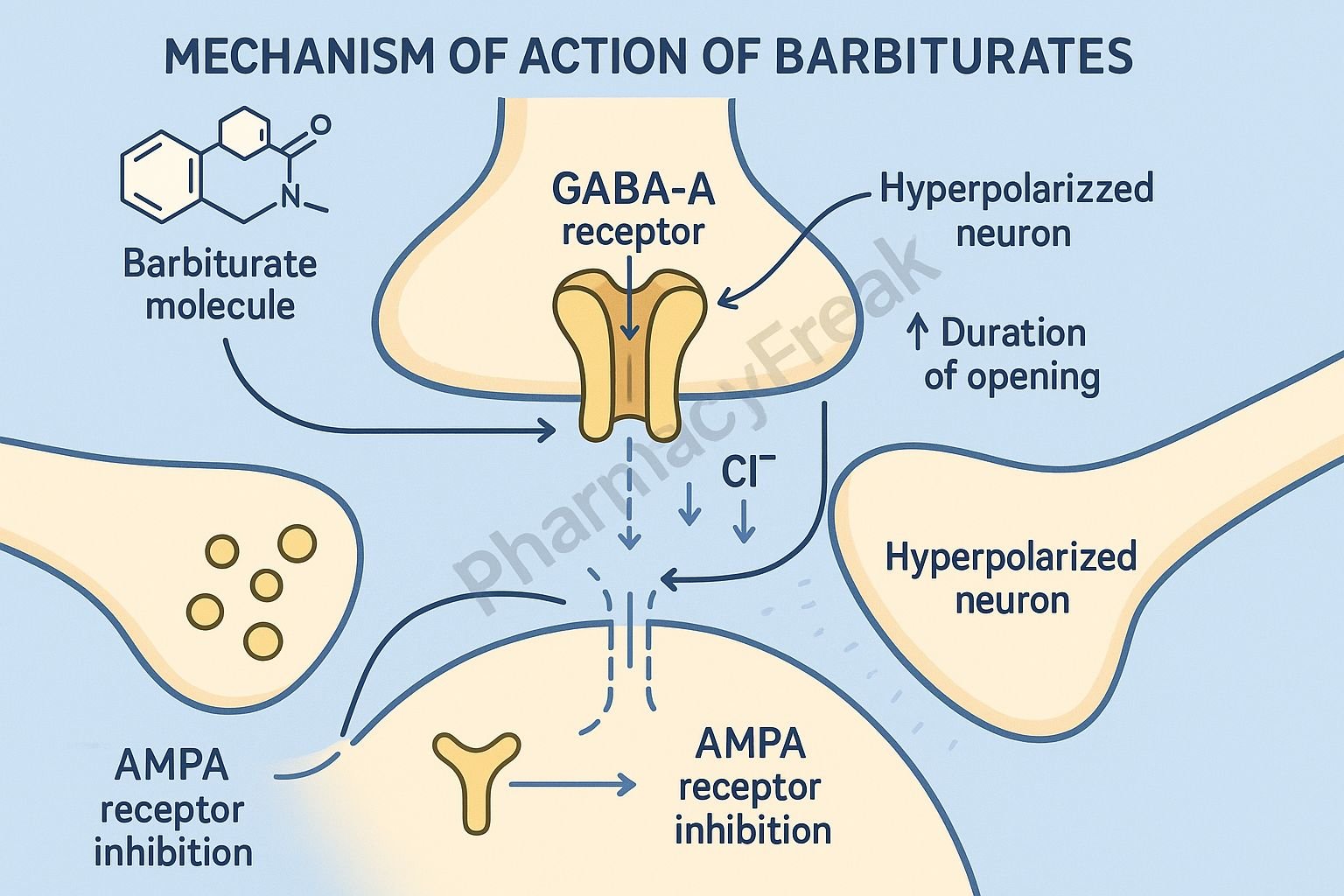
Mechanism of Action of Barbiturates

MOA of Barbiturates

Introduction Barbiturates are central nervous system (CNS) depressants historically used as sedatives, hypnotics, anesthetics, and anticonvulsants. Although their clinical use has decreased due to safer alternatives (benzodiazepines), they remain important in anesthesia and seizure management—particularly phenobarbital for epilepsy. Barbiturates exert profound CNS depression by enhancing inhibitory GABAergic transmission, blocking excitatory neurotransmission, and directly suppressing neuronal … Read more

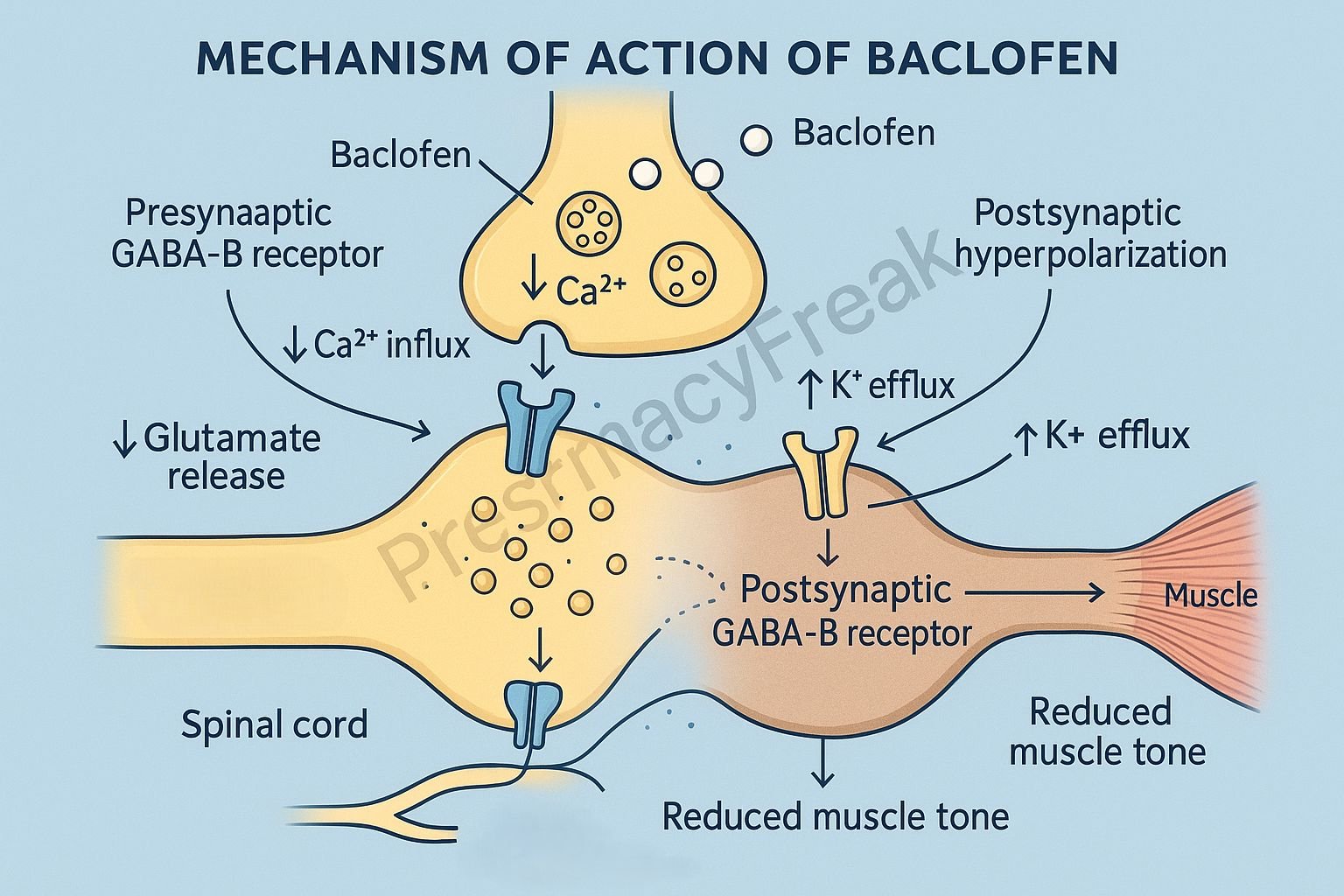
Mechanism of Action of Baclofen

MOA of Baclofen

Introduction Baclofen is a centrally acting skeletal muscle relaxant primarily used for the management of spasticity associated with multiple sclerosis, spinal cord injury, and cerebral palsy. It acts as a selective GABA<sub>B</sub> receptor agonist, exerting inhibitory effects on both spinal and supraspinal pathways. Mechanism of Action of Baclofen involves enhancing inhibitory neurotransmission through activation of … Read more

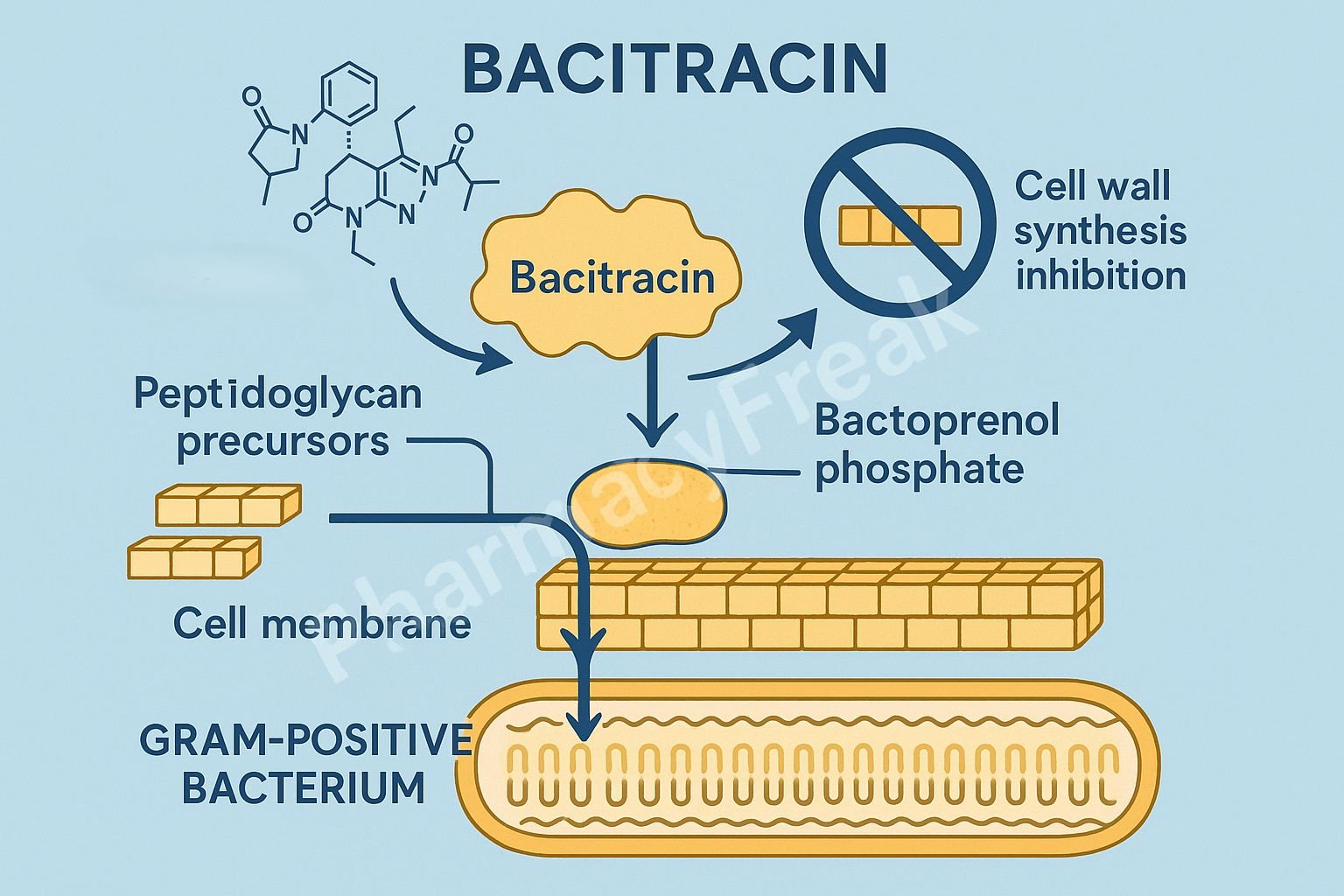
Mechanism of Action of Bacitracin

MOA of Bacitracin

Introduction Bacitracin is a polypeptide antibiotic primarily used topically for the treatment and prevention of gram-positive bacterial infections. It is commonly found in combination ointments such as bacitracin-neomycin-polymyxin B (triple antibiotic ointment). Mechanism of Action of Bacitracin involves inhibition of bacterial cell wall synthesis by interfering with the dephosphorylation of the lipid carrier (bactoprenol phosphate) … Read more

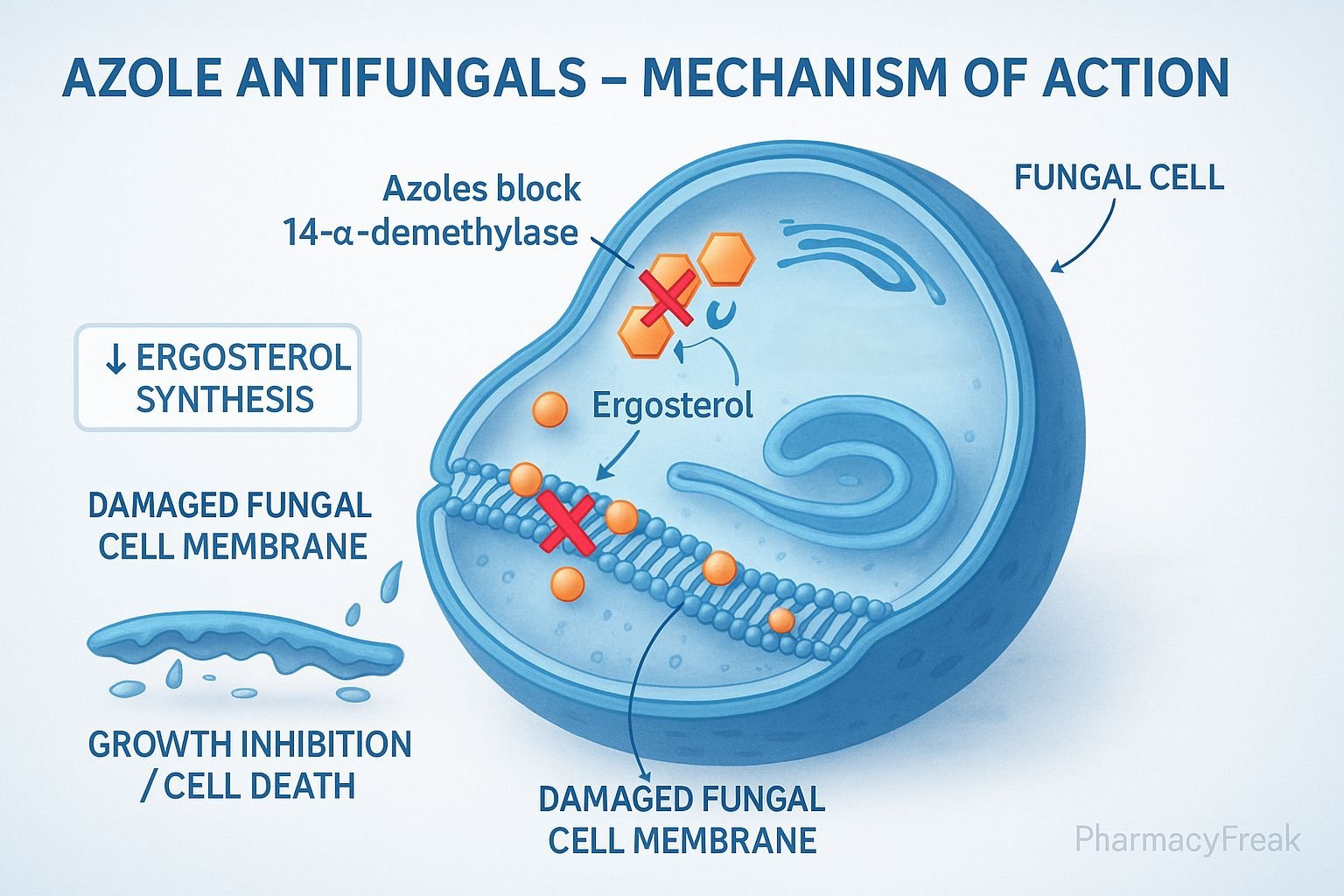
Mechanism of Action of Azole Antifungal

MOA of Azole Antifungal Drugs

Introduction Azoles are a major class of antifungal drugs widely used for the treatment of systemic and superficial fungal infections. They include imidazoles (e.g., ketoconazole, clotrimazole, miconazole) and triazoles (e.g., fluconazole, itraconazole, voriconazole, posaconazole). Mechanism of Action of Azole Antifungal Drugs centers on the inhibition of fungal ergosterol synthesis, an essential component of the fungal … Read more

Mechanism of Action of Azathioprine

MOA of Azathioprine

Introduction Azathioprine is an immunosuppressive and cytotoxic drug primarily used in organ transplantation, autoimmune disorders, and inflammatory diseases such as rheumatoid arthritis, systemic lupus erythematosus (SLE), and inflammatory bowel disease (IBD). Mechanism of Action of Azathioprine involves suppression of DNA synthesis and lymphocyte proliferation by interfering with purine metabolism. It acts as a prodrug of … Read more

Mechanism of Action of Atenolol

MOA of Atenolol

Introduction Atenolol is a selective β₁-adrenergic receptor blocker (β-blocker) primarily used in the management of hypertension, angina pectoris, arrhythmias, and post-myocardial infarction therapy. Its mechanism of action involves blocking β₁ receptors in the heart, which decreases heart rate, contractility, and cardiac output — leading to a reduction in blood pressure and myocardial oxygen demand. Unlike … Read more

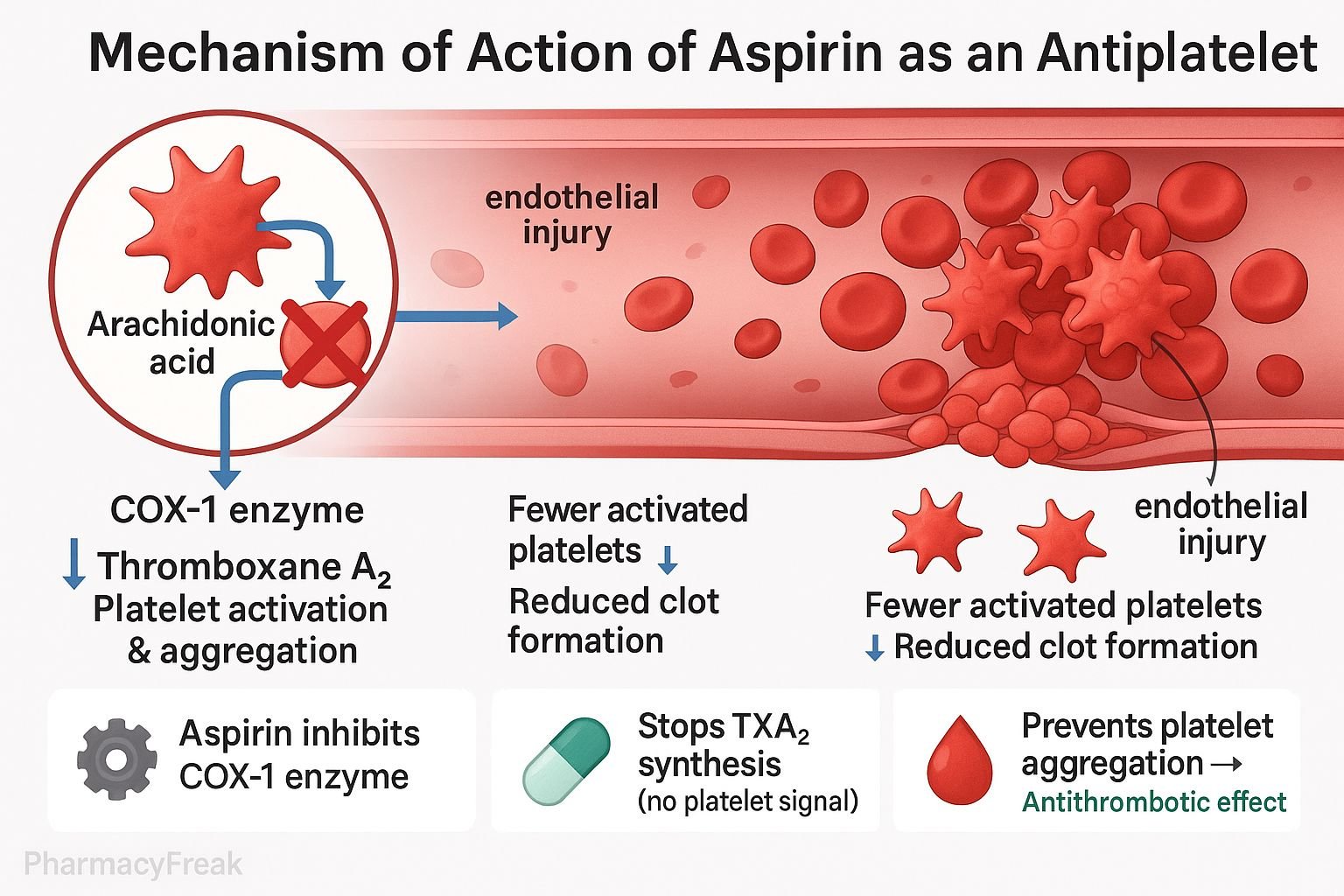
Mechanism of Action of Aspirin as an Antiplatelet Drug

MOA of Aspirin as an Antiplatelet Drug

Introduction Aspirin (Acetylsalicylic Acid, ASA) is the most widely used antiplatelet agent in clinical medicine. Its antiplatelet mechanism of action is distinct because it causes irreversible inhibition of platelet cyclooxygenase-1 (COX-1), blocking the formation of thromboxane A₂ (TXA₂) — a potent inducer of platelet aggregation and vasoconstriction. Low-dose aspirin (typically 75–150 mg/day) preferentially inhibits platelet … Read more

PRO
Ad-Free Access
$3.99 / month
  • No Interruptions
  • Faster Page Loads
  • Support Content Creators