
Trusted by 50K+ Pharmacy StudentsHigh Quality Notes, MCQs, Mock Tests & Study ResourcesGo Premium (Ads Free)
Pharmacy Freak

Mechanism of Action of Cilostazol
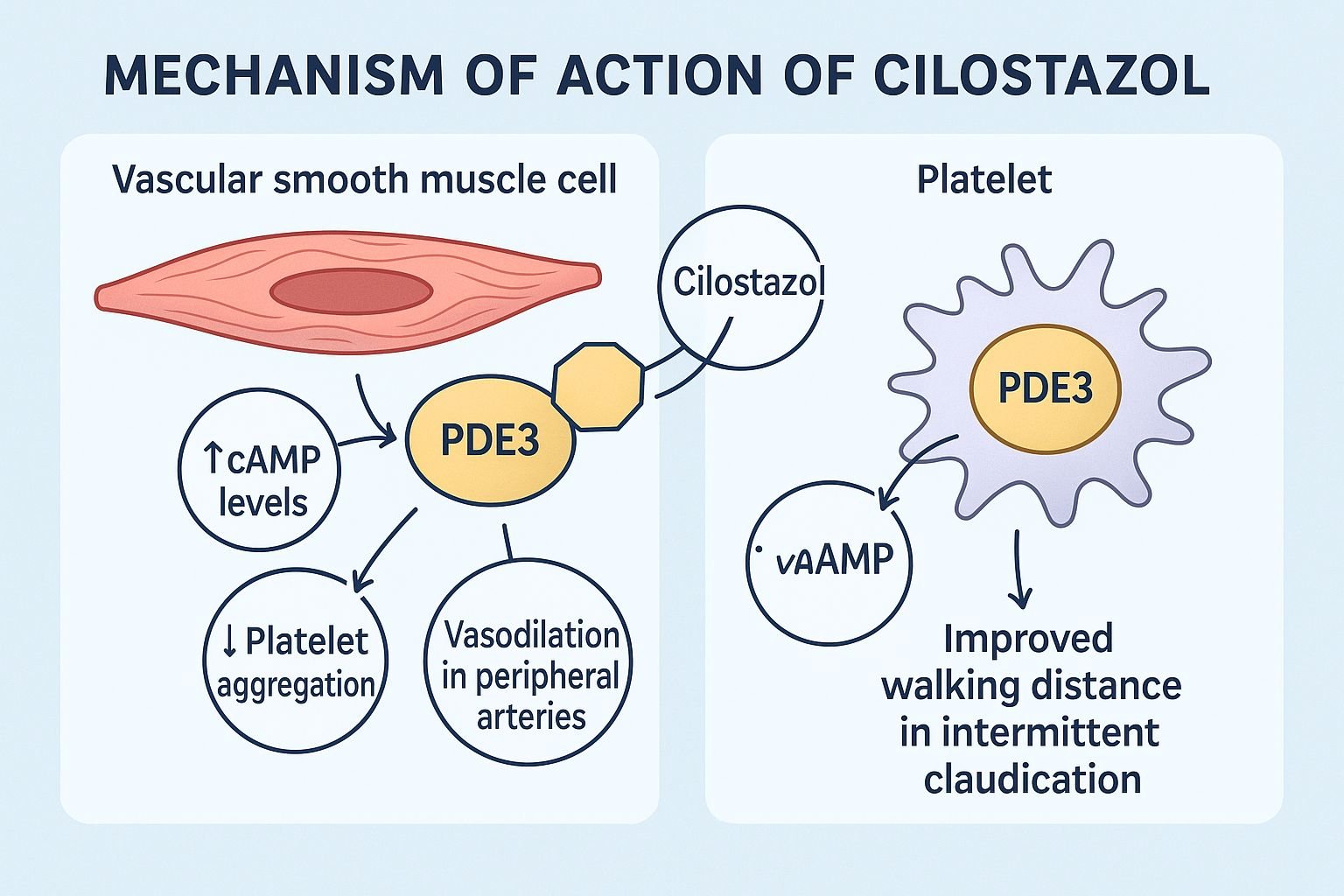
MOA of Cilostazol

Introduction Cilostazol is a phosphodiesterase-3 (PDE3) inhibitor used primarily for the treatment of intermittent claudication caused by peripheral arterial disease (PAD). It improves walking distance and reduces pain by promoting vasodilation and inhibiting platelet aggregation. The Mechanism of Action of Cilostazol involves inhibition of PDE3, resulting in increased cyclic adenosine monophosphate (cAMP) levels in platelets … Read more
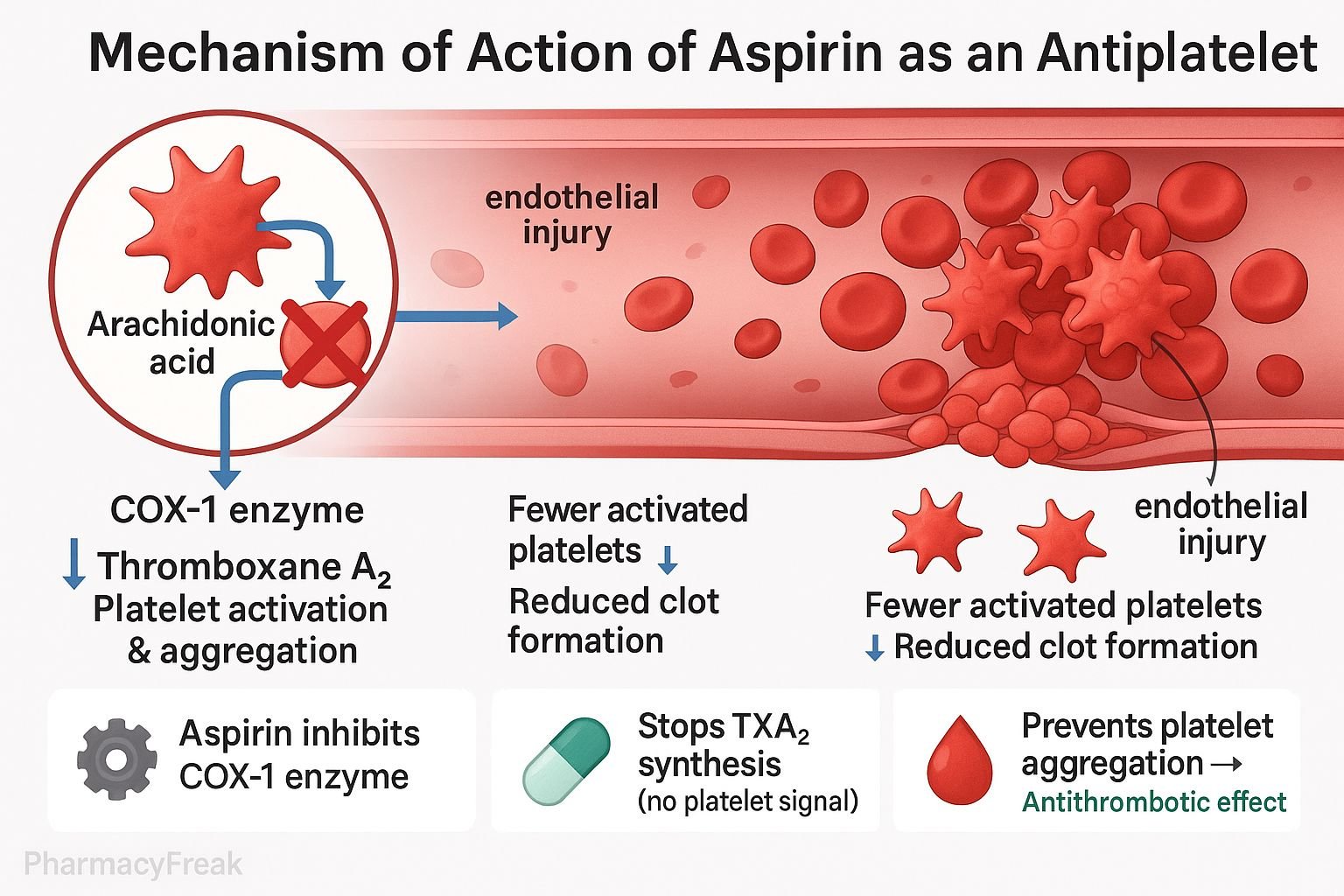
Mechanism of Action of Aspirin as an Antiplatelet Drug

MOA of Aspirin as an Antiplatelet Drug

Introduction Aspirin (Acetylsalicylic Acid, ASA) is the most widely used antiplatelet agent in clinical medicine. Its antiplatelet mechanism of action is distinct because it causes irreversible inhibition of platelet cyclooxygenase-1 (COX-1), blocking the formation of thromboxane A₂ (TXA₂) — a potent inducer of platelet aggregation and vasoconstriction. Low-dose aspirin (typically 75–150 mg/day) preferentially inhibits platelet … Read more

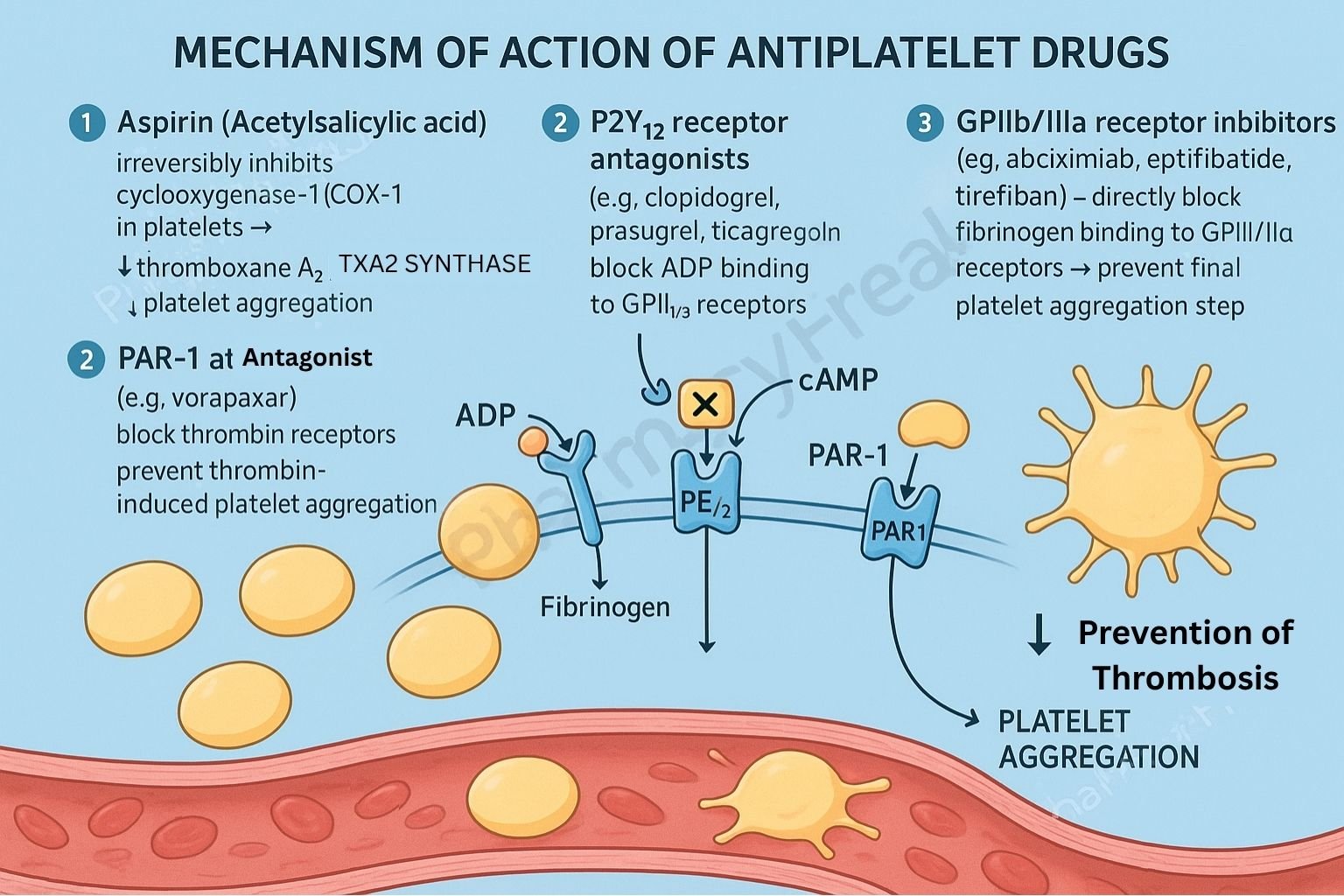
Mechanism of Action of Antiplatelet Drugs

MOA of Antiplatelet Drugs

Introduction Antiplatelet drugs are pharmacological agents that inhibit platelet aggregation, thereby preventing arterial thrombosis — a key contributor to myocardial infarction, ischemic stroke, and peripheral artery disease. Mechanism of Action of Antiplatelet Drugs involves blocking platelet activation pathways mediated by cyclooxygenase (COX-1), ADP receptors (P2Y₁₂), glycoprotein IIb/IIIa receptors, and thromboxane A₂ synthesis. Unlike anticoagulants, which … Read more

PRO
Ad-Free Access
$3.99 / month
  • No Interruptions
  • Faster Page Loads
  • Support Content Creators