Trusted by 50K+ Pharmacy StudentsHigh Quality Notes, MCQs, Mock Tests & Study ResourcesGo Premium (Ads Free)
Pharmacy Freak

Mechanism of Action of Fosfomycin
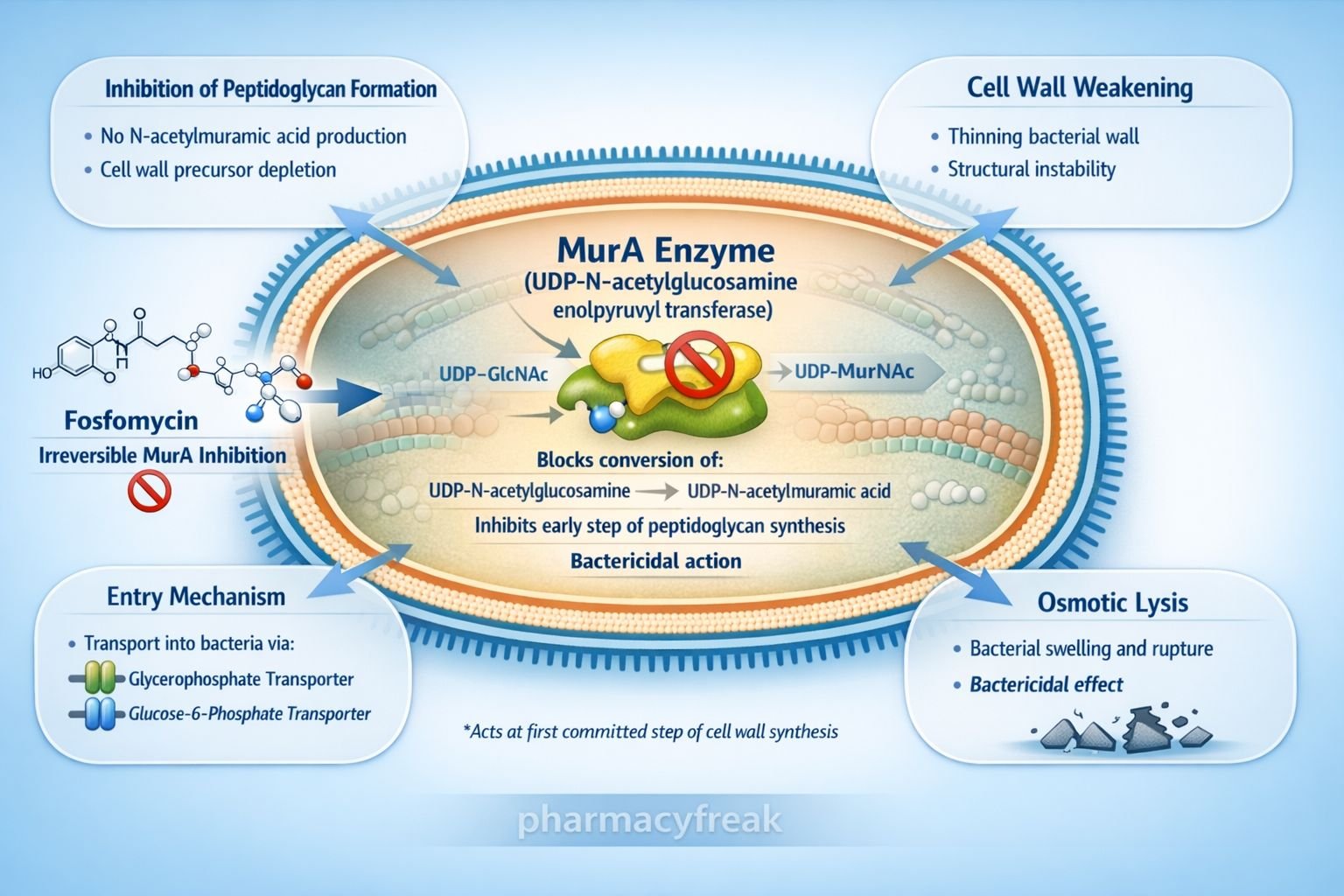
Mechanism of Action of Fosfomycin

Introduction Fosfomycin is a broad spectrum bactericidal antibiotic primarily used in the treatment of uncomplicated urinary tract infections. It is structurally unrelated to other major antibiotic classes and represents a unique inhibitor of bacterial cell wall synthesis. Because of its distinct mechanism, fosfomycin retains activity against many multidrug resistant organisms, including ESBL producing Enterobacteriaceae and … Read more
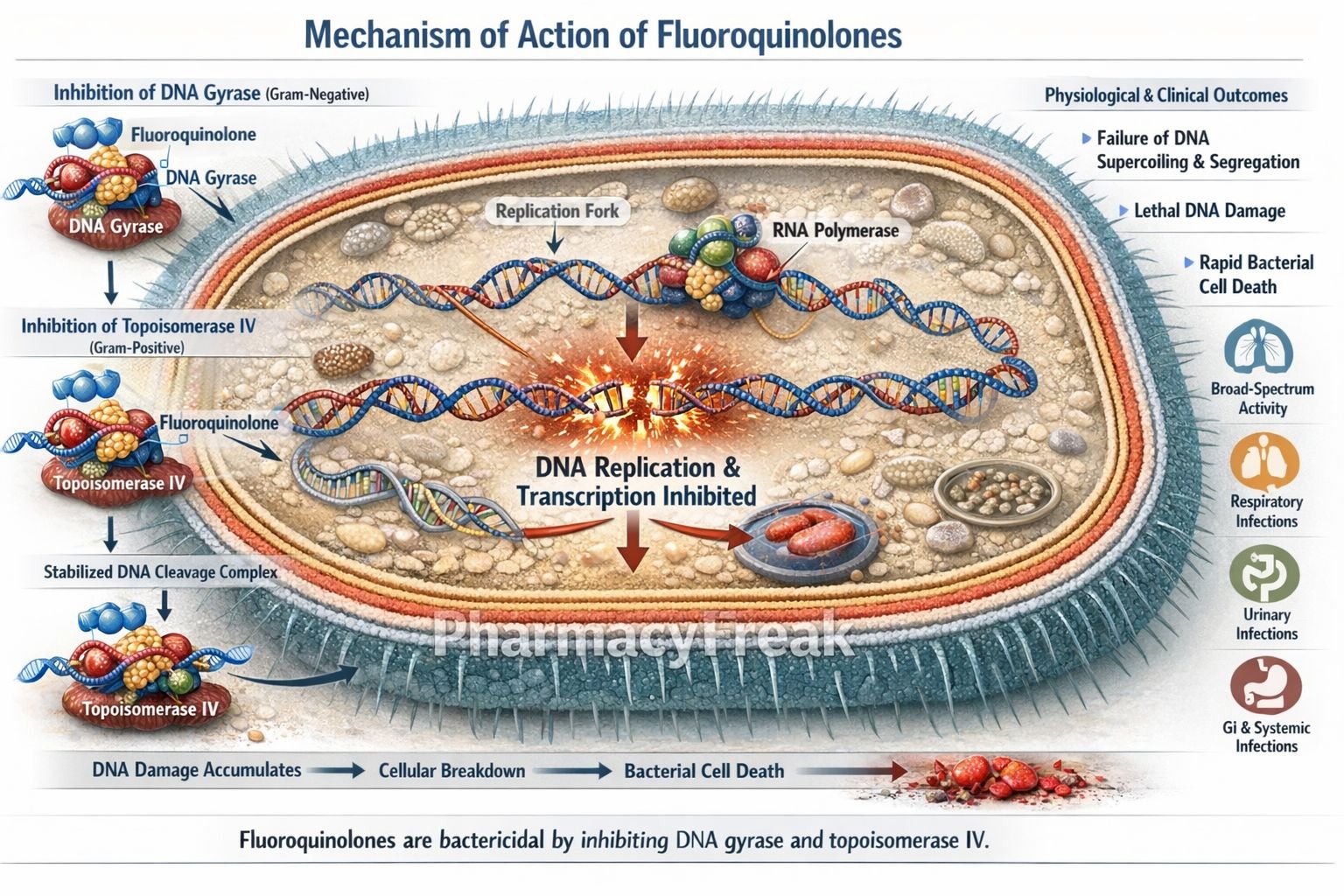
Mechanism of Action of Fluoroquinolones

Mechanism of Action of Fluoroquinolones

Introduction Fluoroquinolones are a broad-spectrum class of synthetic antibacterial agents widely used in the treatment of gram-negative, gram-positive, atypical, and intracellular bacterial infections. Common drugs in this class include ciprofloxacin, levofloxacin, moxifloxacin, and norfloxacin. Fluoroquinolones are extremely high-yield for pharmacology and clinical examinations due to their unique DNA-targeting mechanism, concentration-dependent killing, and characteristic musculoskeletal and … Read more

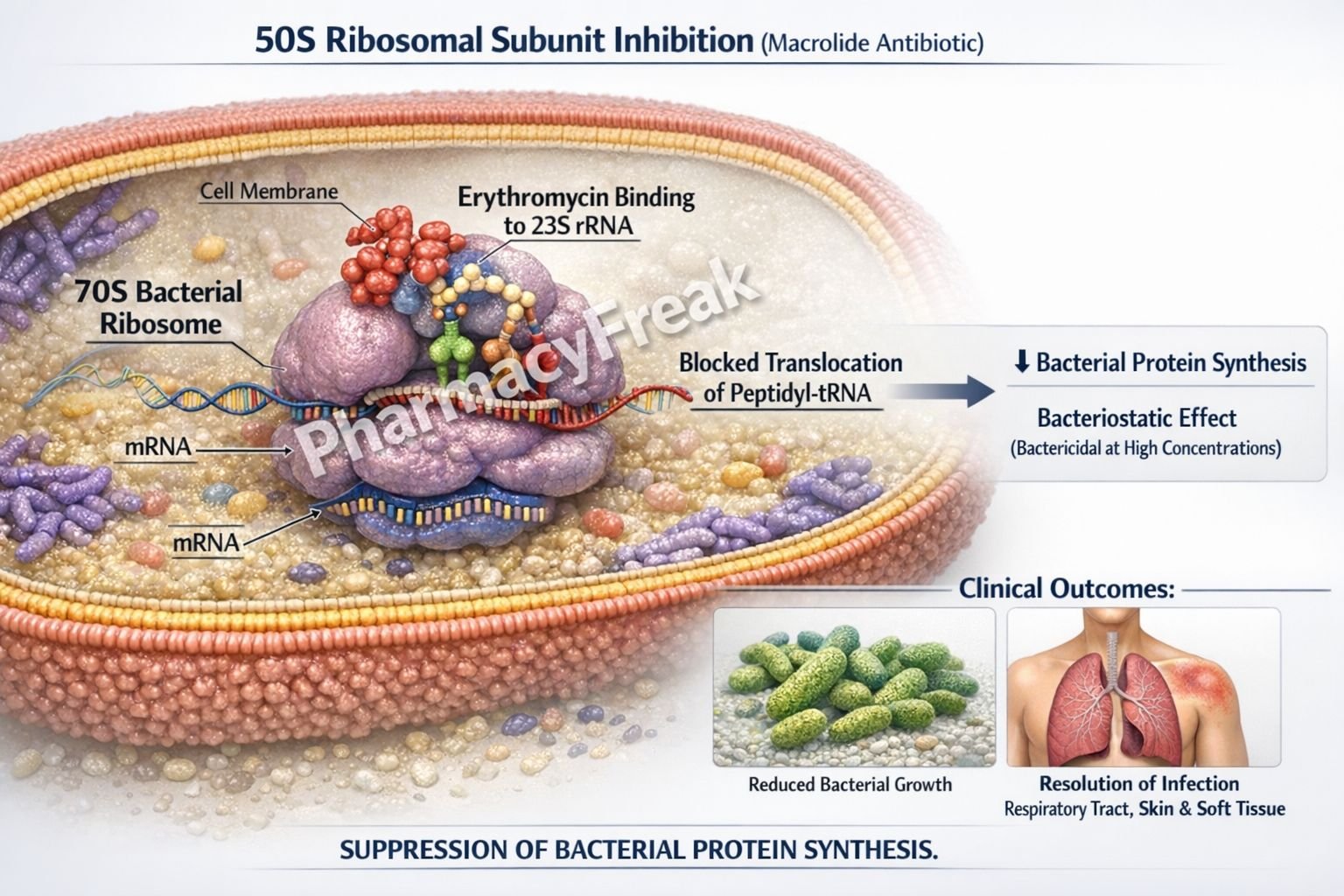
Mechanism of Action of Erythromycin

Mechanism of action of Erythromycin

Introduction Erythromycin is a macrolide antibiotic widely used in the treatment of infections caused by gram-positive cocci, atypical pathogens, and certain gram-negative organisms. It is a bacteriostatic agent that inhibits bacterial protein synthesis and serves as an important alternative in patients allergic to penicillin. From an exam perspective, erythromycin is high-yield due to its ribosomal … Read more

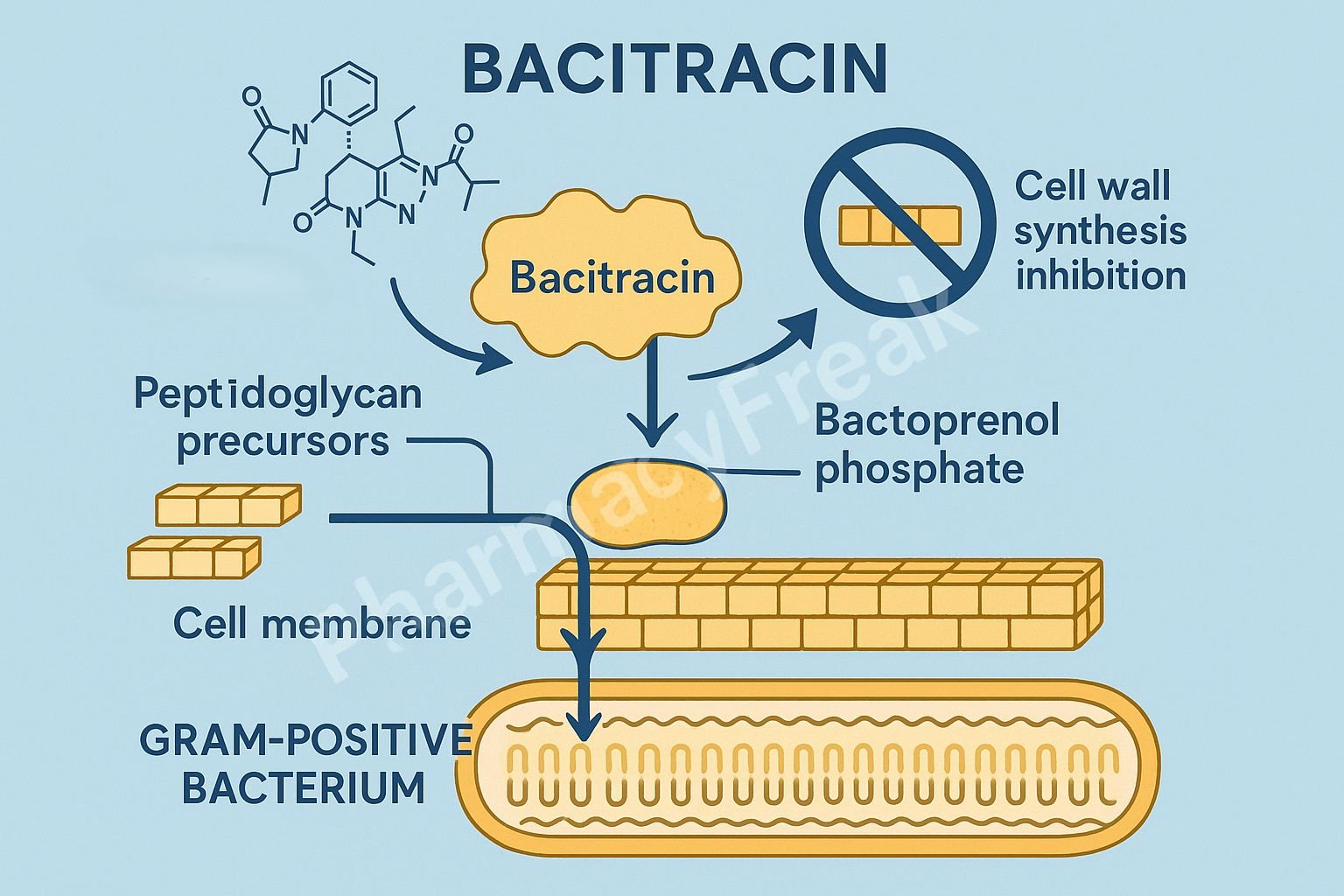
Mechanism of Action of Bacitracin

MOA of Bacitracin

Introduction Bacitracin is a polypeptide antibiotic primarily used topically for the treatment and prevention of gram-positive bacterial infections. It is commonly found in combination ointments such as bacitracin-neomycin-polymyxin B (triple antibiotic ointment). Mechanism of Action of Bacitracin involves inhibition of bacterial cell wall synthesis by interfering with the dephosphorylation of the lipid carrier (bactoprenol phosphate) … Read more

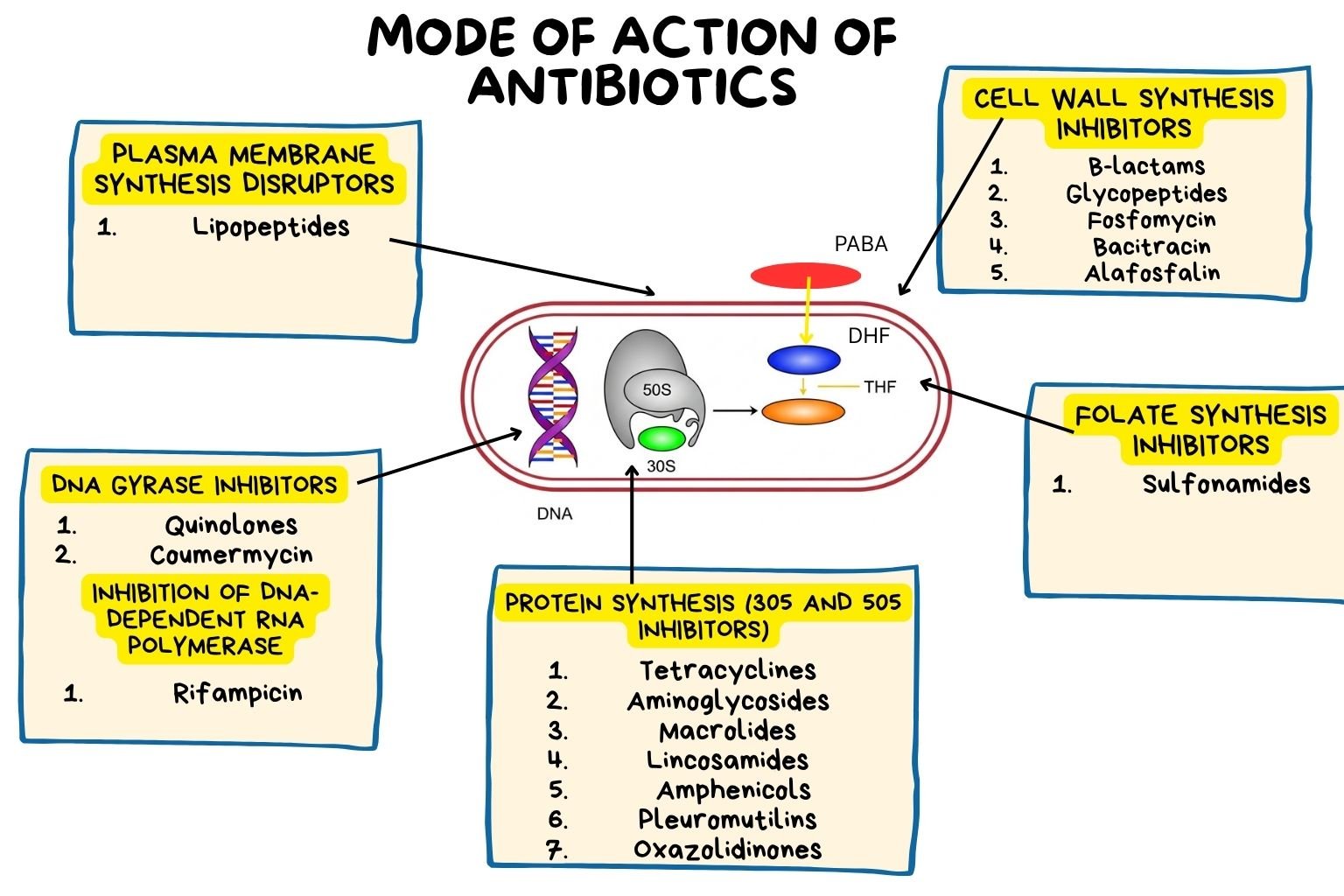
Mechanism of Action of Antibiotics

MOA of Antibiotics

Introduction Antibiotics are chemotherapeutic agents used to kill or inhibit bacterial growth by targeting essential microbial functions that differ from those in human cells. Mechanism of Action of Antibiotics involves interference with bacterial cell wall synthesis, protein translation, DNA or RNA replication, metabolic pathways, or membrane integrity. These mechanisms ensure selective toxicity—destroying bacterial cells while … Read more

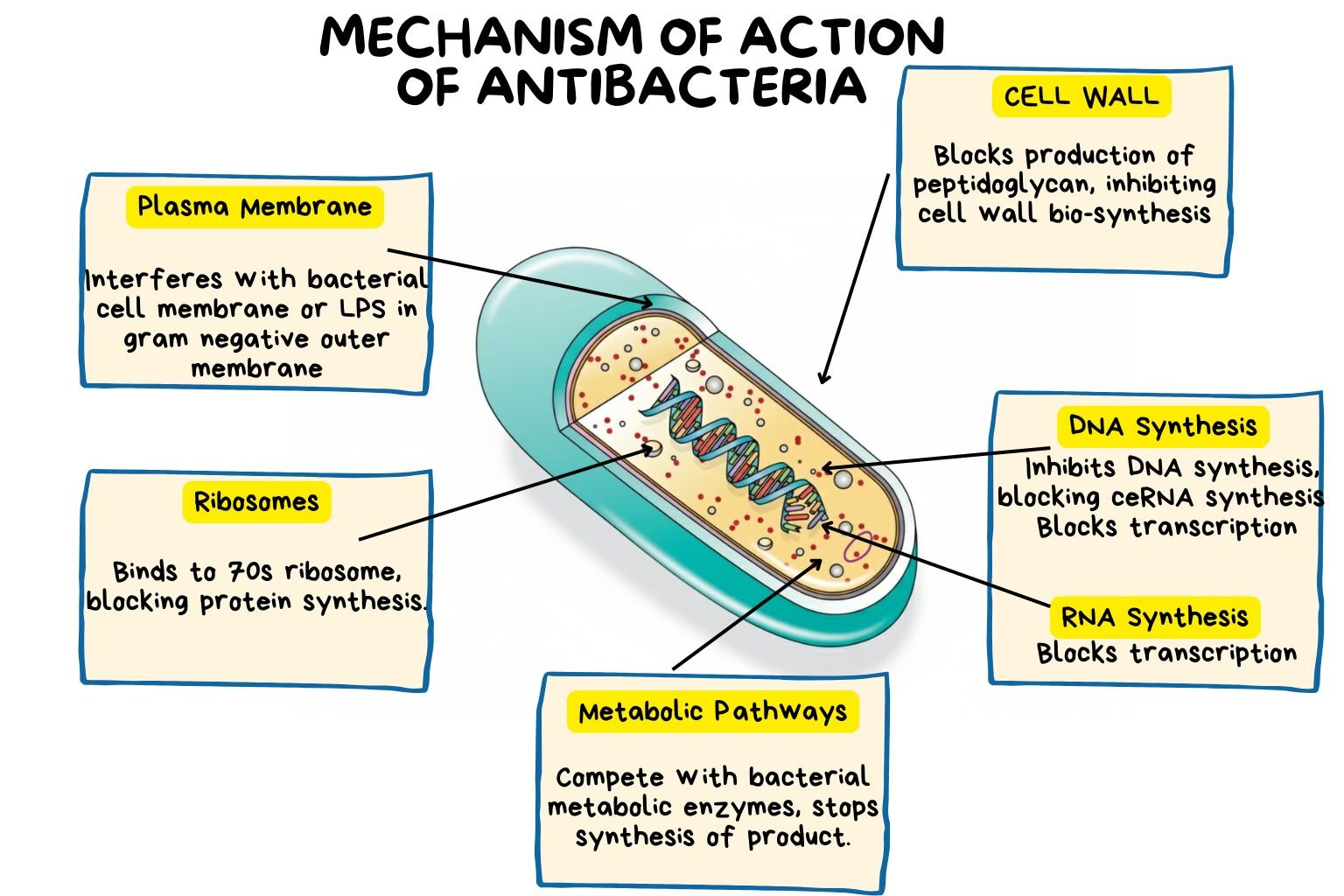
Mechanism of Action of Antibacterial Drugs

MOA of Antibacterial Drugs

Introduction Antibacterial drugs, commonly called antibiotics, are agents that kill or inhibit the growth of bacteria by targeting essential cellular processes unique to prokaryotic organisms. Mechanism of Action of Antibacterial Drugs revolves around interference with cell wall synthesis, protein synthesis, nucleic acid replication, metabolic pathways, or cell membrane integrity. Understanding these mechanisms is essential for … Read more

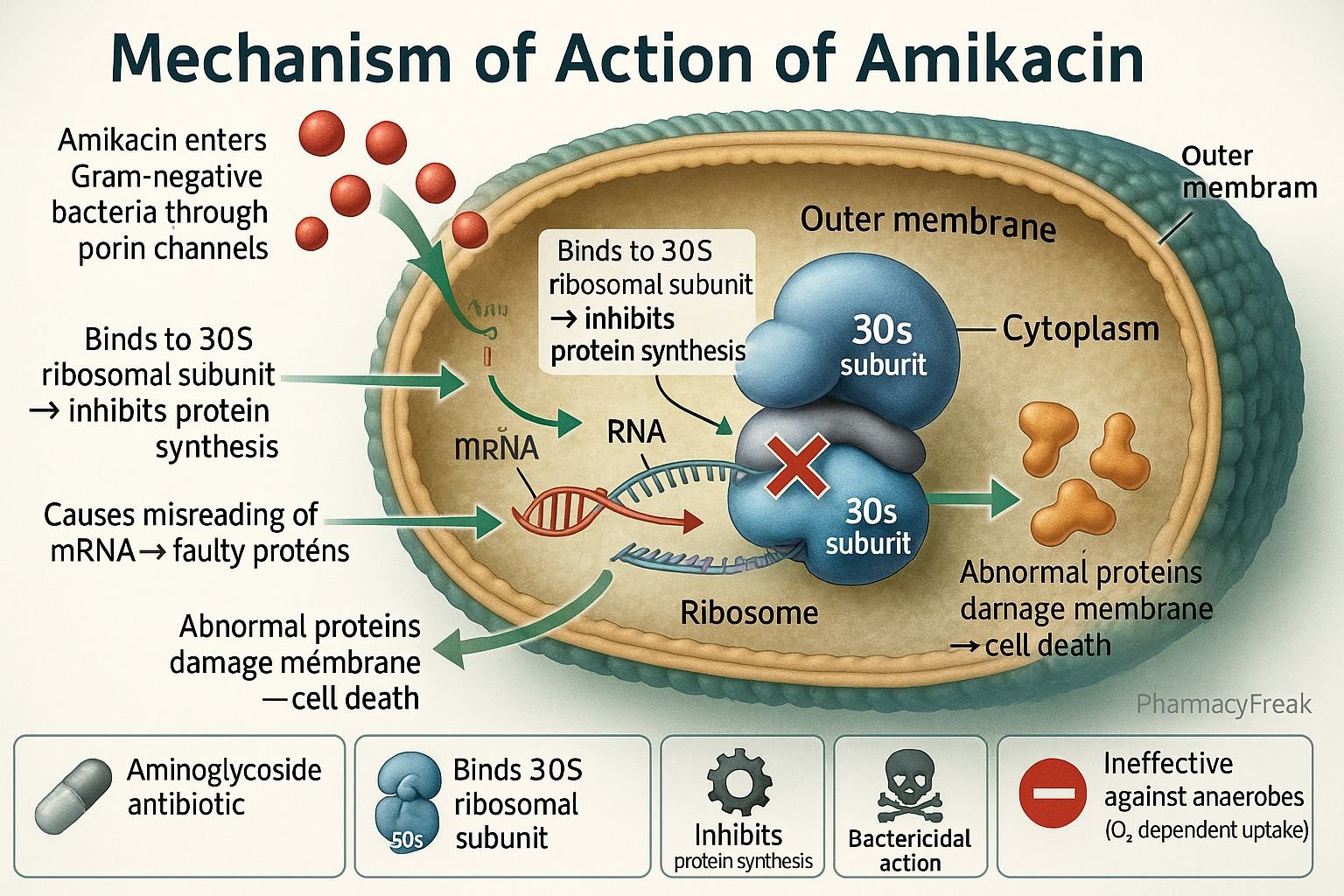
Mechanism of Action of Amikacin

MOA of Amikacin

Introduction Amikacin is a broad-spectrum aminoglycoside antibiotic primarily used to treat severe Gram-negative bacterial infections, including those resistant to other aminoglycosides. Mechanism of Action of Amikacin involves irreversible inhibition of bacterial protein synthesis by binding to the 30S ribosomal subunit, leading to misreading of mRNA and defective protein formation. Because of its stability against many … Read more

PRO
Ad-Free Access
$3.99 / month
  • No Interruptions
  • Faster Page Loads
  • Support Content Creators