Trusted by 50K+ Pharmacy StudentsHigh Quality Notes, MCQs, Mock Tests & Study ResourcesGo Premium (Ads Free)
Pharmacy Freak

Mechanism of Action of ARNI (Angiotensin Receptor–Neprilysin Inhibitor)
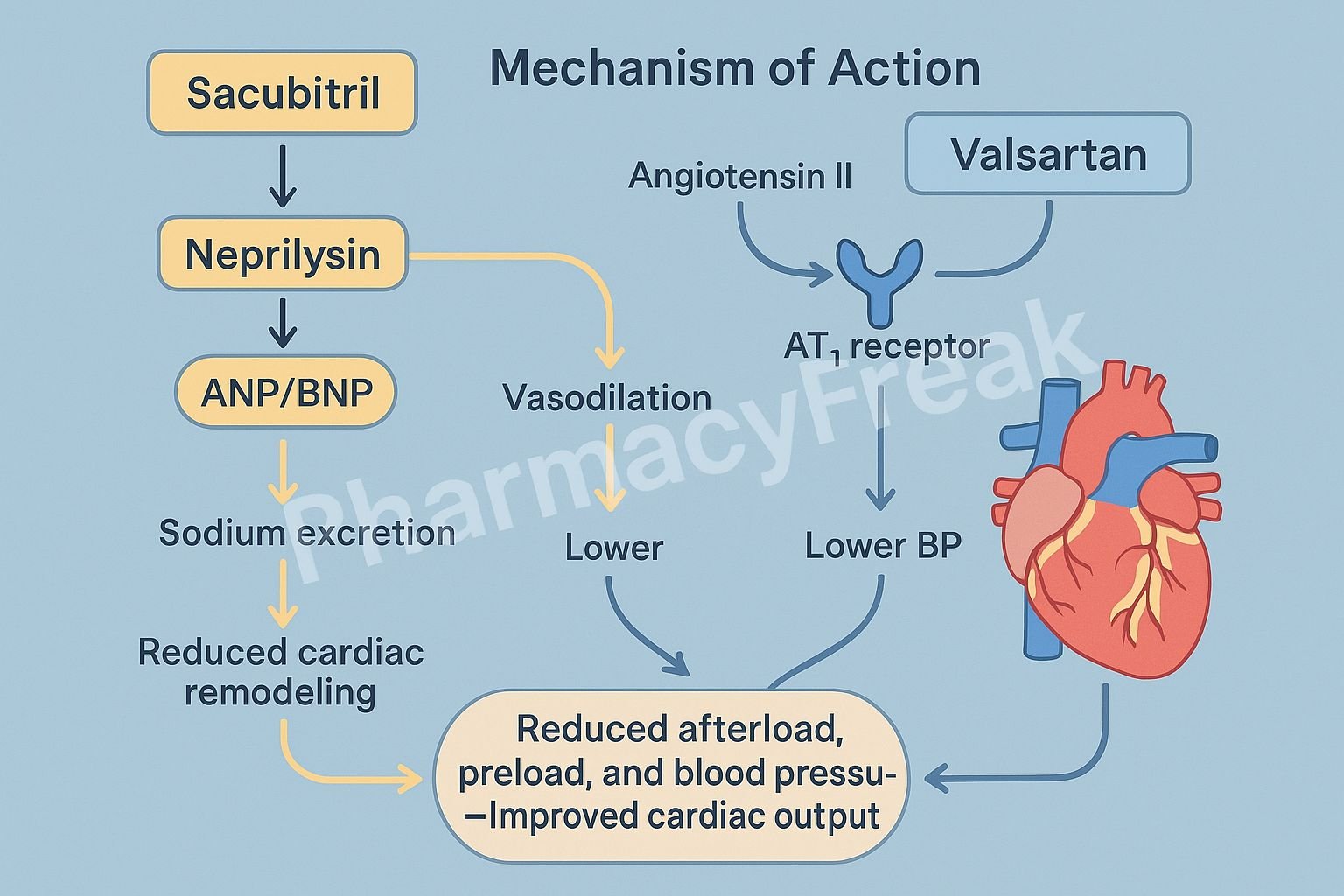
MOA of ARNI

Introduction ARNI (Angiotensin Receptor–Neprilysin Inhibitor) represents a major advancement in the treatment of heart failure with reduced ejection fraction (HFrEF). The most widely used ARNI is the fixed-dose combination Sacubitril/Valsartan, marketed as Entresto. Mechanism of Action of ARNI involves dual inhibition of the renin–angiotensin–aldosterone system (RAAS) and the neprilysin (neutral endopeptidase) pathway. This unique mechanism … Read more
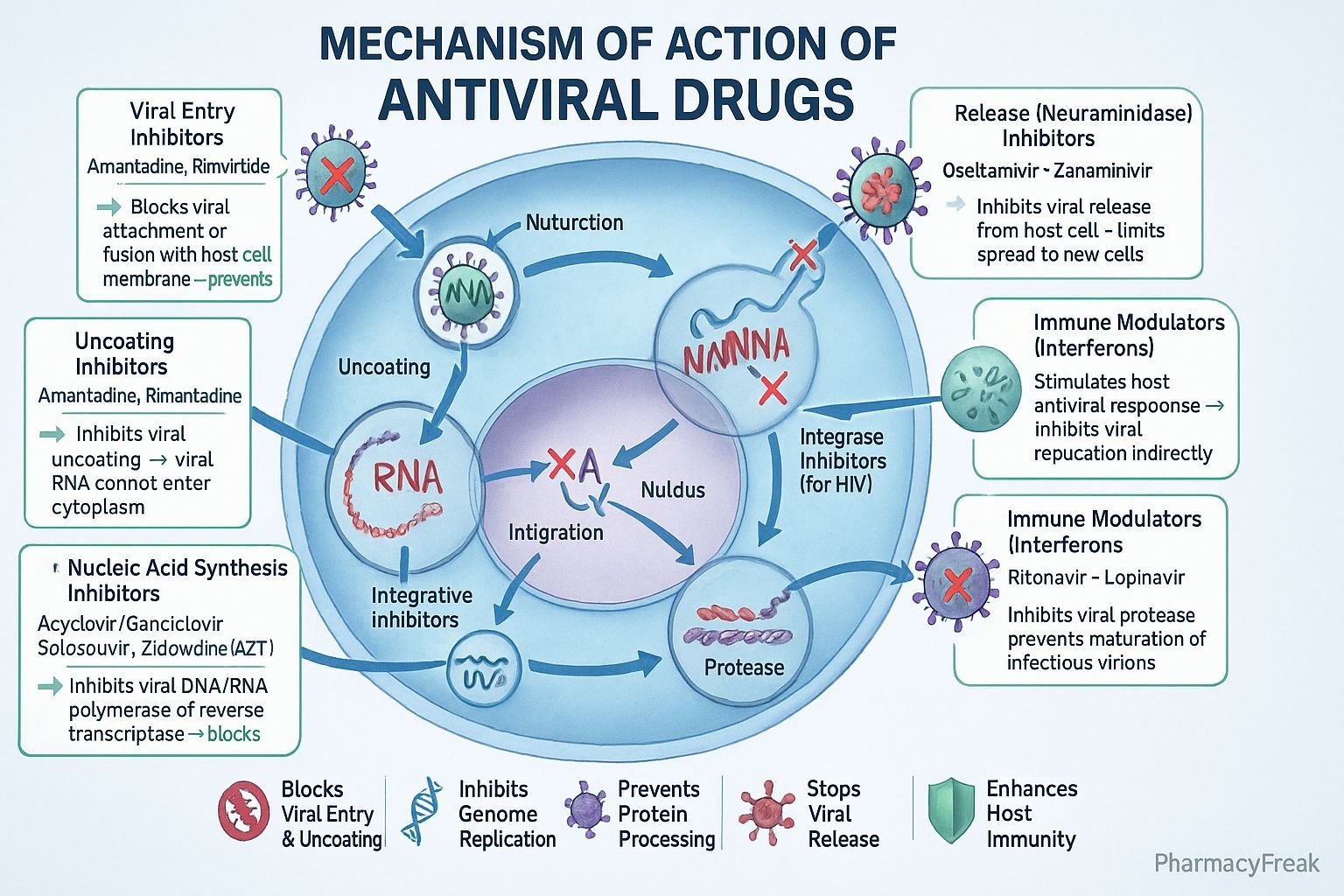
Mechanism of Action of Antiviral Drugs

MOA of Antiviral Drugs

Introduction Antiviral drugs are pharmacological agents that inhibit the replication of viruses within host cells. Unlike antibacterial drugs, which target cell wall or protein synthesis, antivirals act on specific stages of the viral life cycle, including attachment, entry, nucleic acid synthesis, protein processing, and viral release. Mechanism of Action of Antiviral Drugs is based on … Read more

Mechanism of Action of Antiplatelet Drugs

MOA of Antiplatelet Drugs

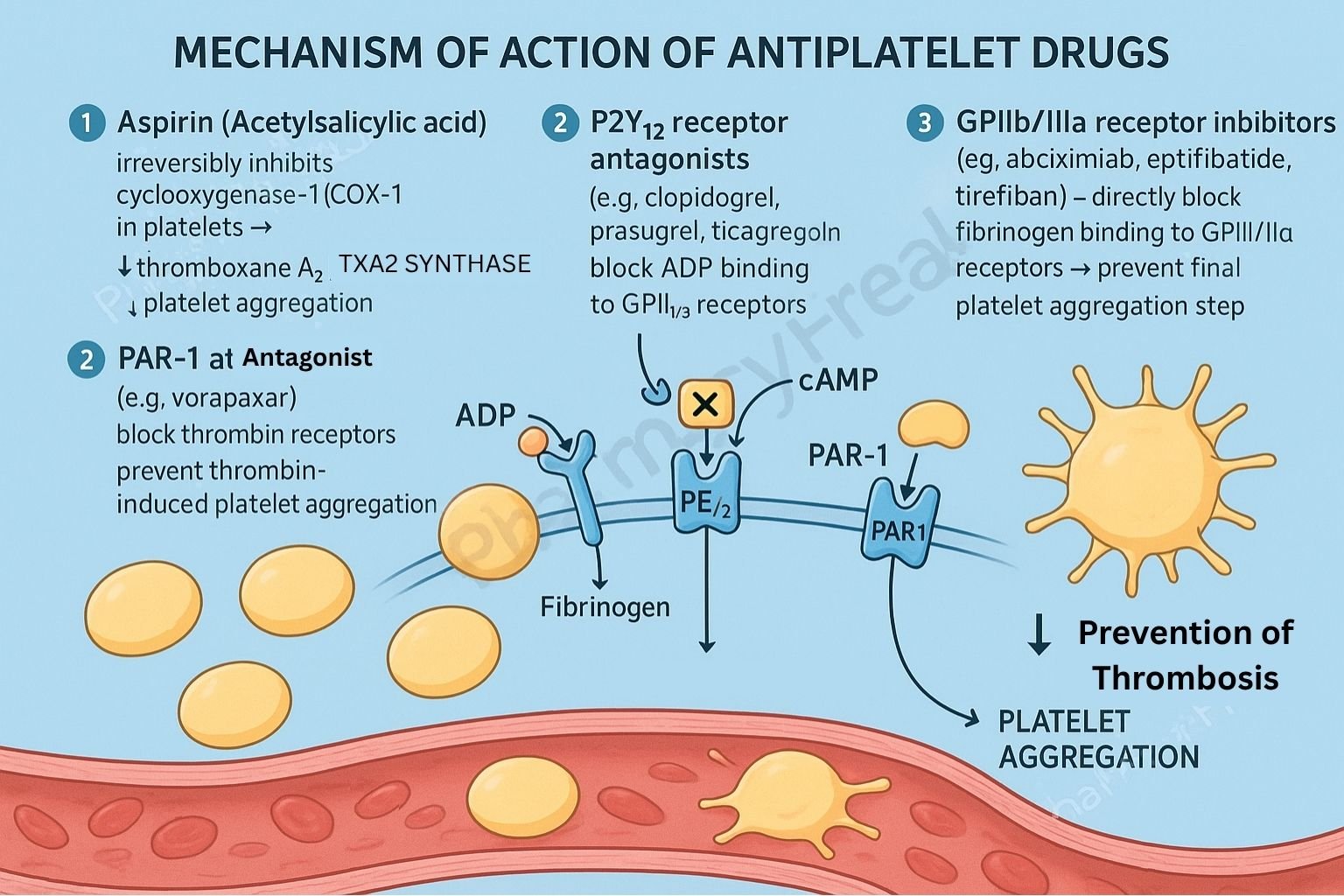
Introduction Antiplatelet drugs are pharmacological agents that inhibit platelet aggregation, thereby preventing arterial thrombosis — a key contributor to myocardial infarction, ischemic stroke, and peripheral artery disease. Mechanism of Action of Antiplatelet Drugs involves blocking platelet activation pathways mediated by cyclooxygenase (COX-1), ADP receptors (P2Y₁₂), glycoprotein IIb/IIIa receptors, and thromboxane A₂ synthesis. Unlike anticoagulants, which … Read more

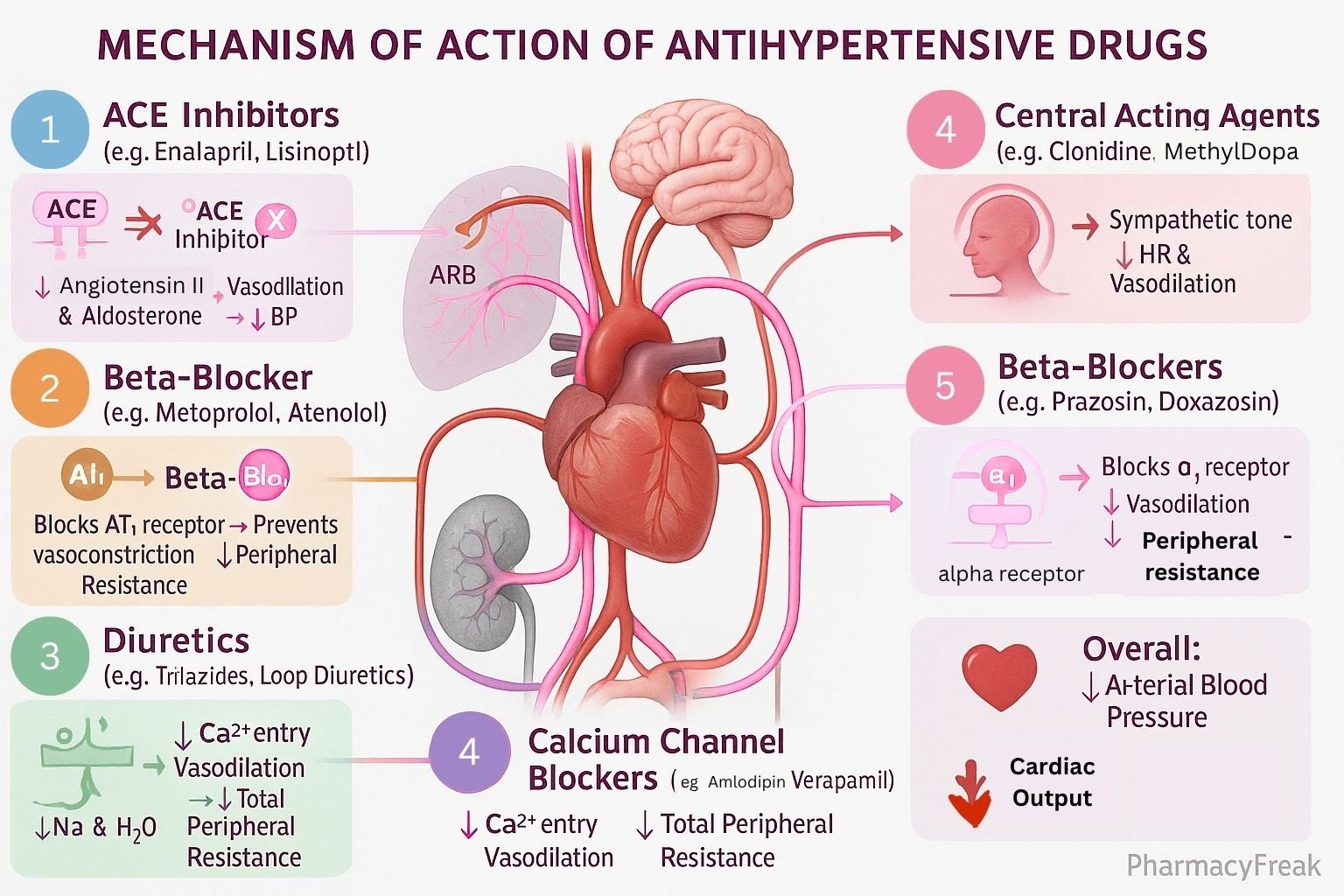
Mechanism of Action of Antihypertensive Drugs

MOA of Antihypertensive Drugs

Introduction Antihypertensive drugs are pharmacological agents used to lower elevated blood pressure and prevent complications such as stroke, heart failure, myocardial infarction, and renal disease. Mechanism of Action of Antihypertensive Drugs involves reducing vascular resistance, cardiac output, or blood volume, targeting multiple physiological systems including the sympathetic nervous system, renin–angiotensin–aldosterone system (RAAS), and renal function. … Read more

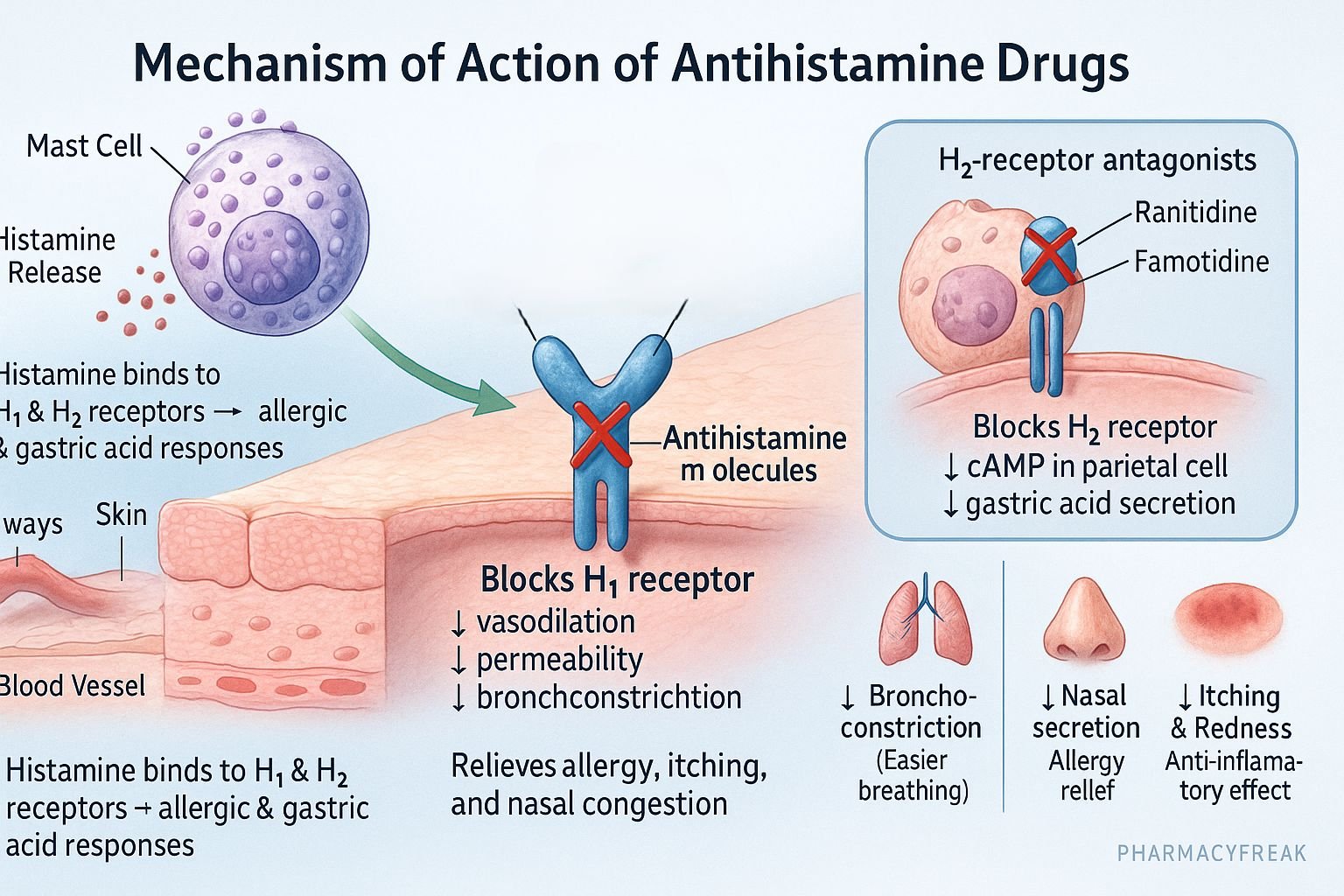
Mechanism of Action of Antihistamine Drugs

MOA of Antihistamine Drugs

Introduction Antihistamines are pharmacological agents that counteract the effects of histamine, a biogenic amine released during allergic and inflammatory responses. Mechanism of Action of Antihistamine Drugs involves competitive antagonism at histamine H₁ or H₂ receptors, thereby reducing vasodilation, vascular permeability, smooth muscle contraction, and gastric acid secretion. Clinically, antihistamines are used in the management of … Read more

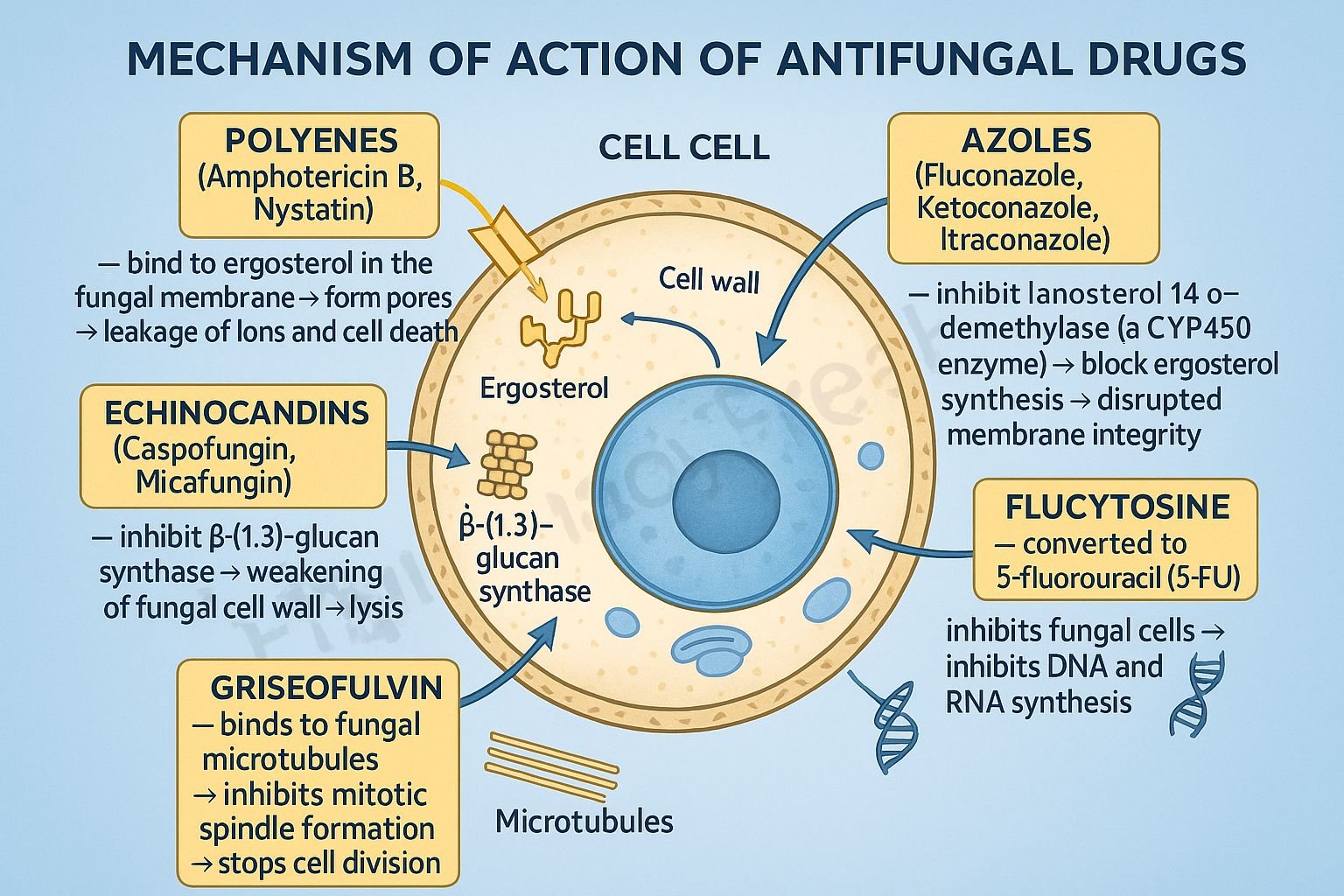
Mechanism of Action of Antifungal Drugs

MOA of Antifungal Drugs

Introduction Antifungal drugs are pharmacological agents that target fungal infections (mycoses) of the skin, mucosa, and internal organs. Mechanism of Action of Antifungal Drugs centers on disruption of ergosterol synthesis, cell membrane integrity, cell wall formation, or nucleic acid synthesis. Fungi are eukaryotic, so selective toxicity is achieved by exploiting pathways unique to fungal cells, … Read more

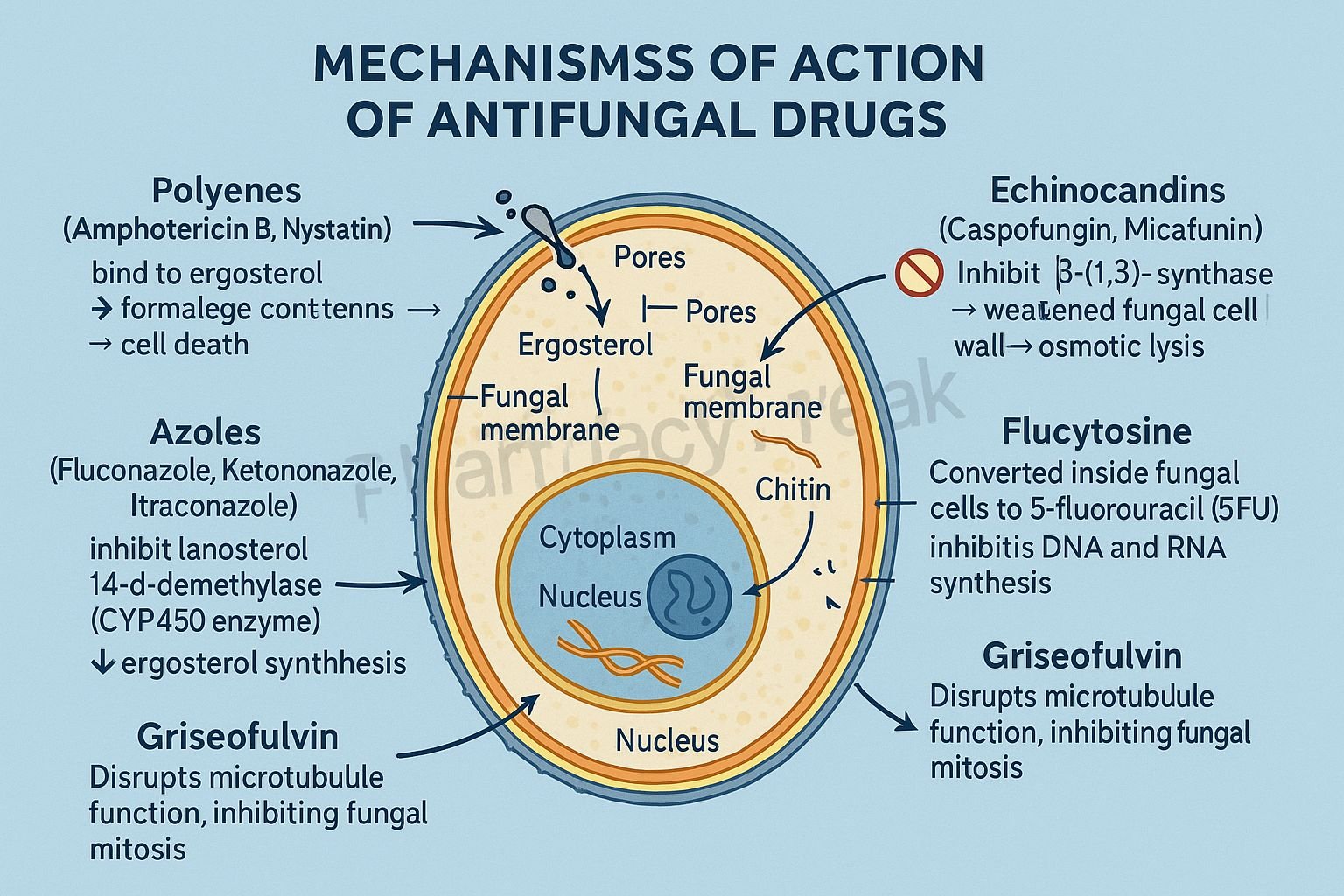
Mechanism of Action of Antifungal Drugs

Pharmacology and clinical mechanisms of Antifungal Drugs

Introduction Antifungal drugs are pharmacological agents used to treat fungal infections (mycoses) affecting the skin, mucous membranes, or internal organs. Mechanism of Action of Antifungal Drugs involves disruption of fungal cell membrane integrity, cell wall synthesis, or nucleic acid function. Since fungal cells are eukaryotic and share many structural similarities with human cells, antifungal agents … Read more

Mechanism of Action of Antidepressant Drugs

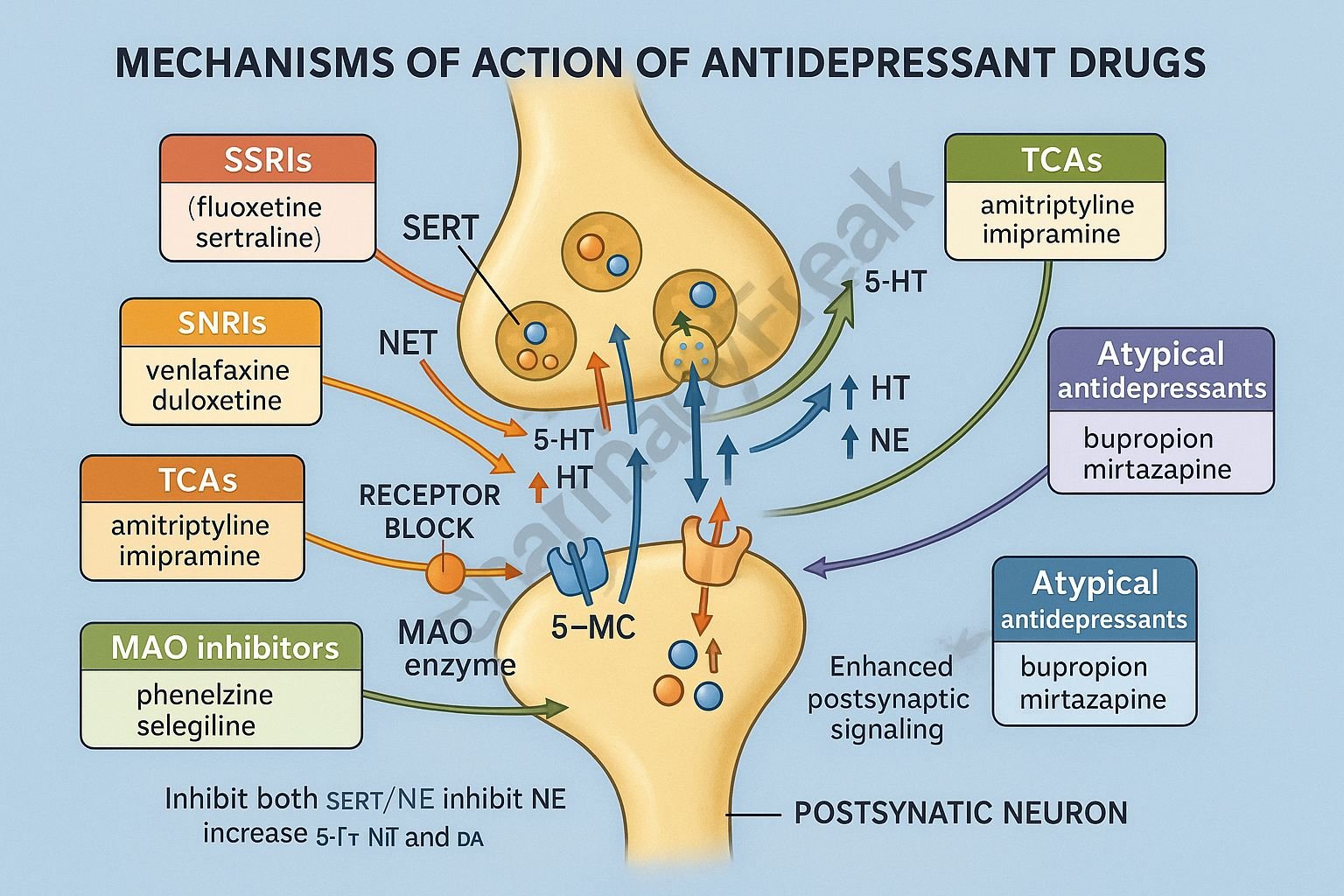
MOA of Antidepressant Drugs

Introduction Antidepressant drugs are psychotropic agents used to treat major depressive disorder, anxiety, OCD, PTSD, and chronic pain syndromes. Mechanism of Action of Antidepressant Drugs centers around increasing synaptic concentrations of monoamine neurotransmitters—primarily serotonin (5-HT), norepinephrine (NE), and dopamine (DA)—within the central nervous system. These drugs act on transporters, enzymes, or receptors to restore neurochemical … Read more

Mechanism of Action of Anticonvulsant Drugs

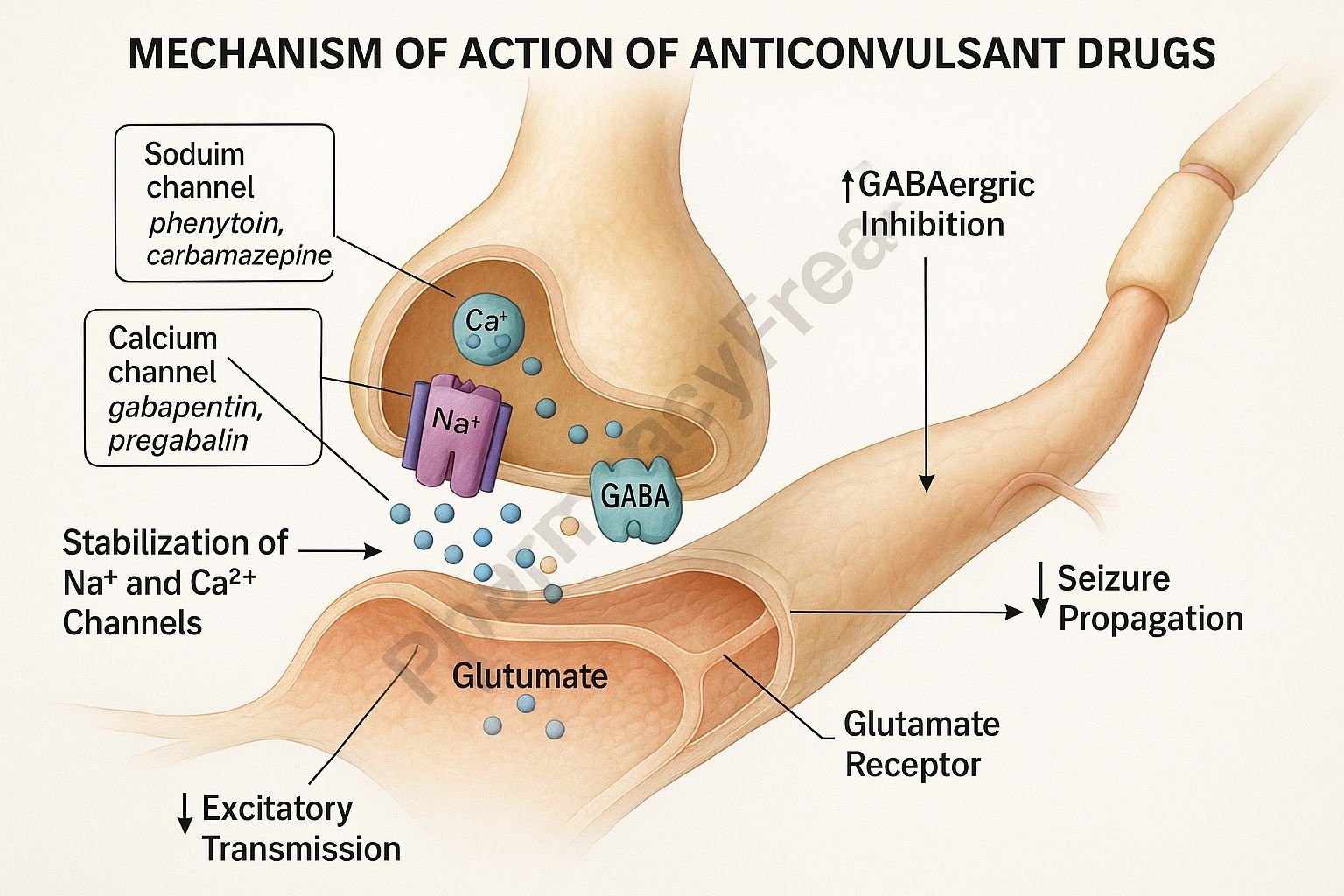
MOA of Anticonvulsant Drugs

Introduction Anticonvulsant drugs, also called antiepileptic drugs (AEDs), are agents that suppress abnormal electrical discharges in the brain to prevent or reduce the frequency of seizures. Mechanism of Action of Anticonvulsant Drugs involves stabilizing neuronal membranes, modulating ion channels, and enhancing inhibitory neurotransmission (primarily GABAergic) while reducing excitatory neurotransmission (glutamatergic). These drugs are used for … Read more

Mechanism of Action of Anticoagulant Drugs

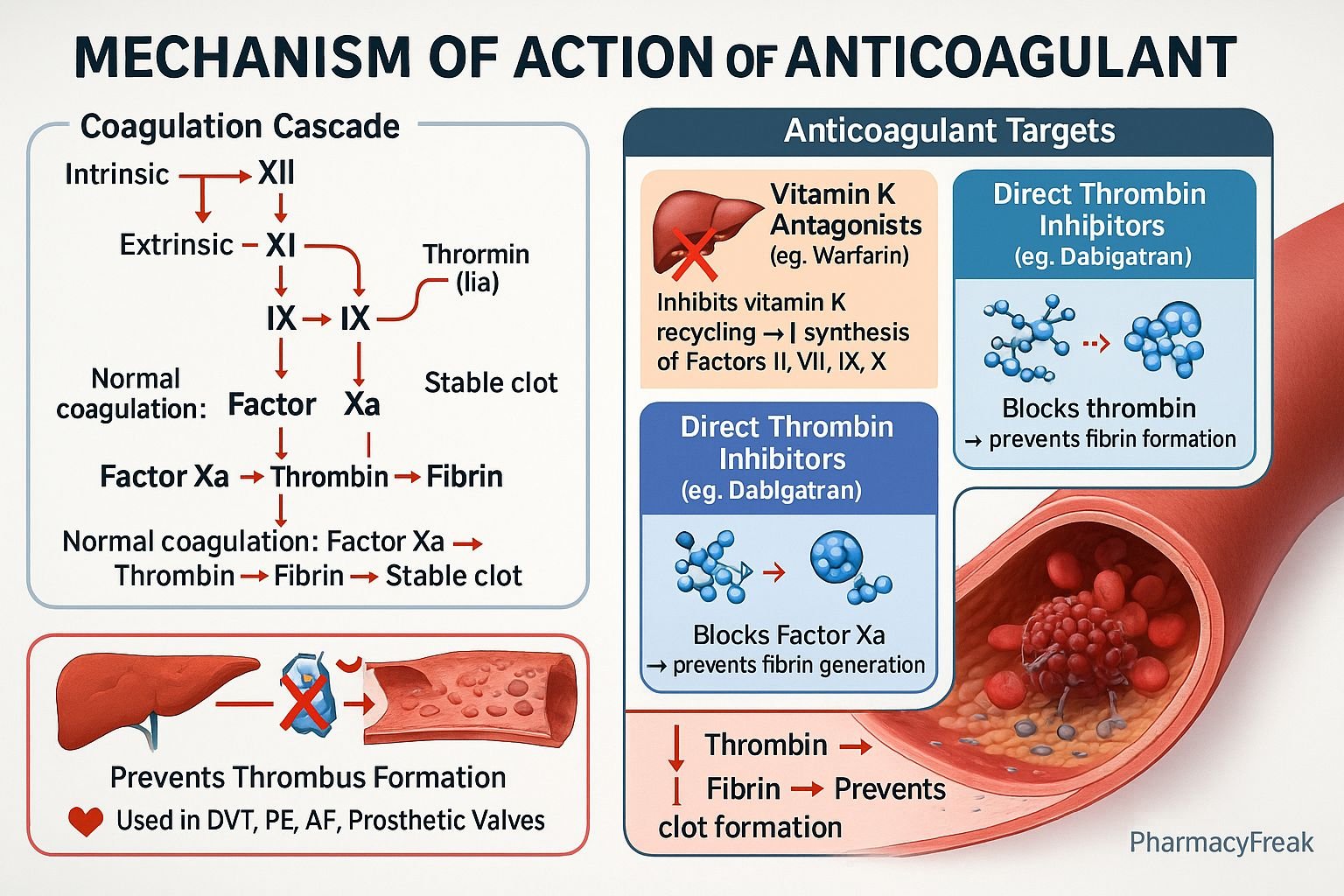
MOA of Anticoagulant Drugs

Introduction Anticoagulants are blood-thinning agents that prevent the formation and extension of blood clots (thrombi) in the vascular system. Mechanism of Action of Anticoagulant Drugs involves inhibition of key factors in the coagulation cascade, thereby interfering with fibrin clot formation. Unlike thrombolytics, which dissolve existing clots, anticoagulants prevent new clot formation and are essential in … Read more

PRO
Ad-Free Access
$3.99 / month
  • No Interruptions
  • Faster Page Loads
  • Support Content Creators