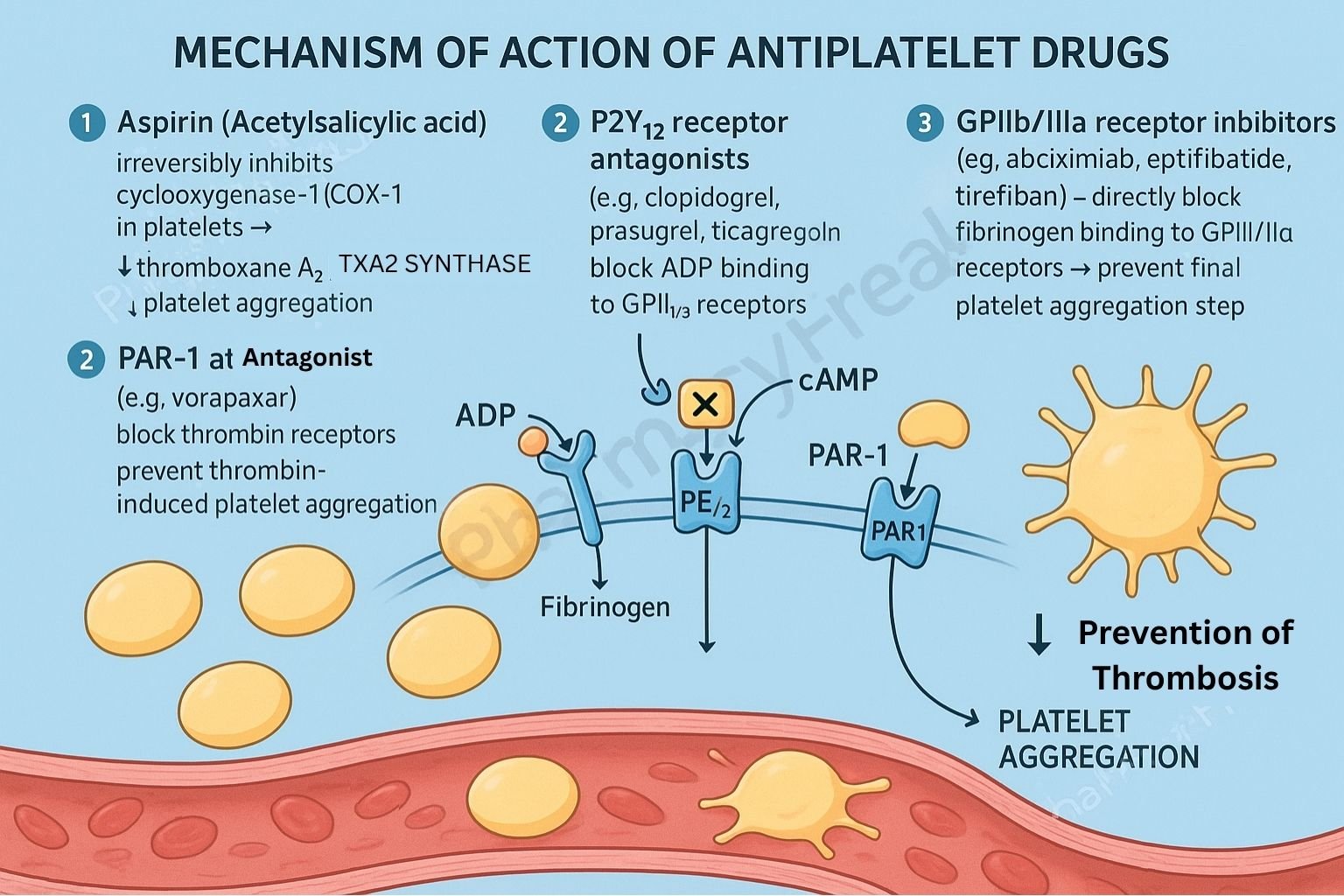
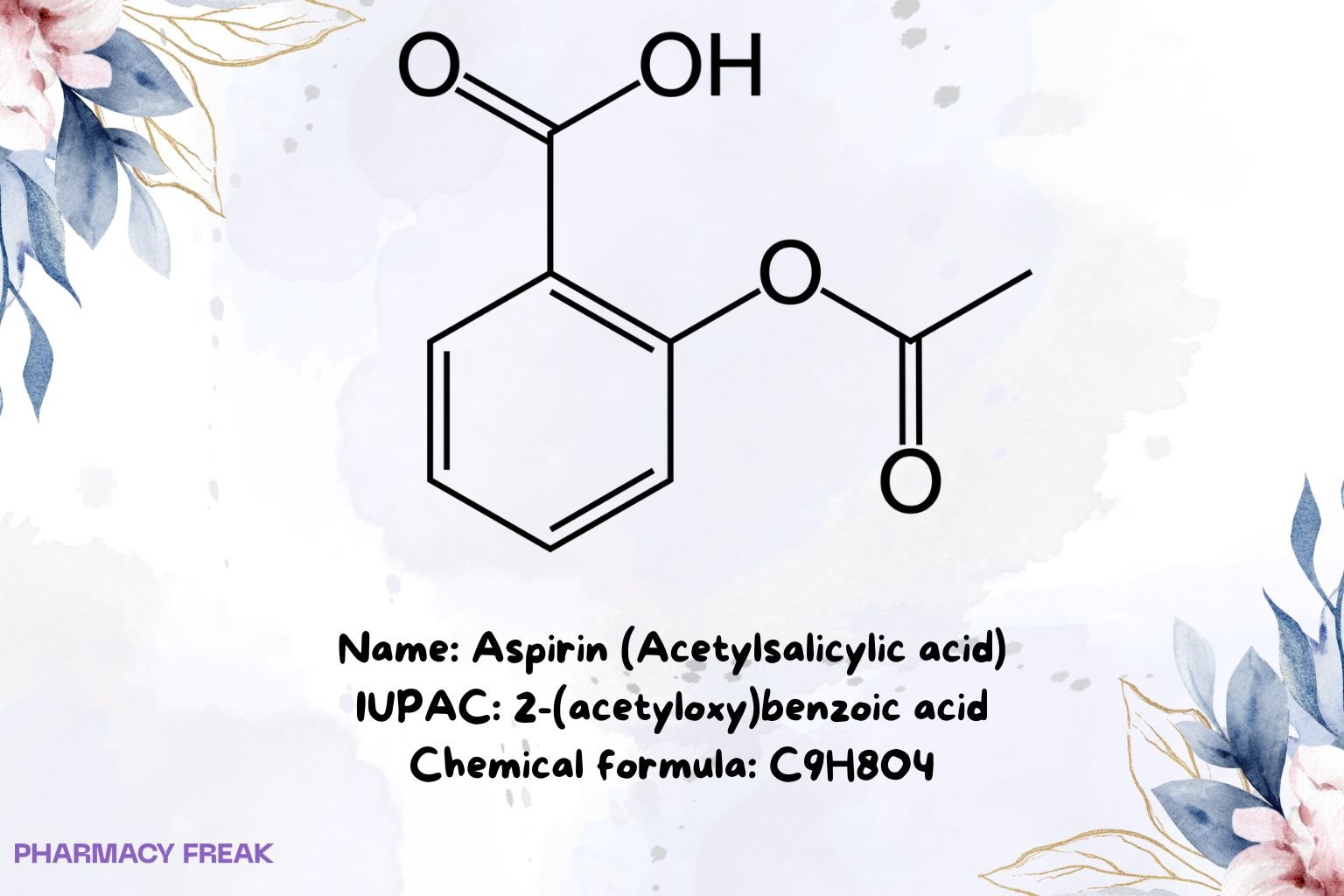
Mechanism of Action of Aspirin as an Antiplatelet Drug
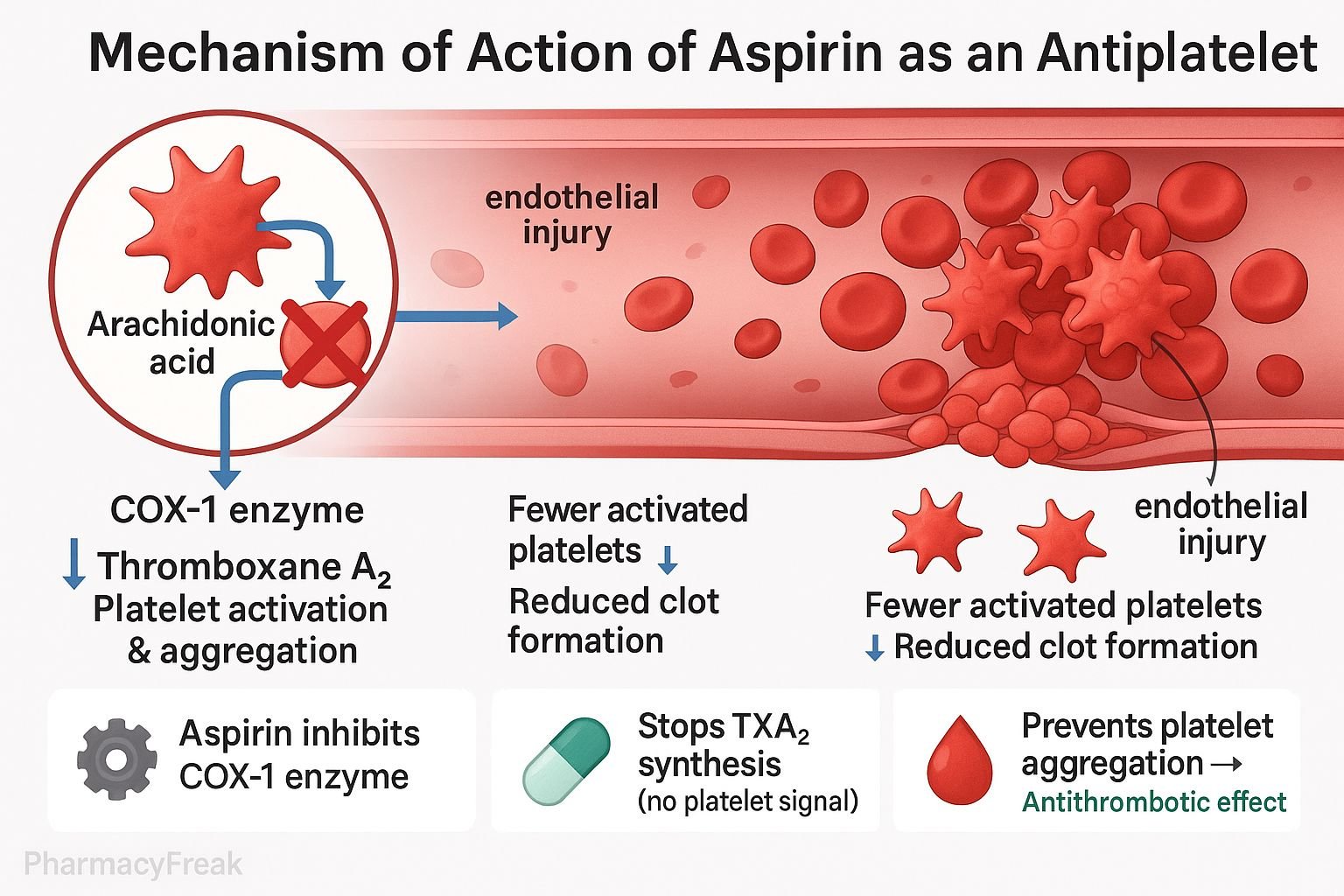
Introduction Aspirin (Acetylsalicylic Acid, ASA) is the most widely used antiplatelet agent in clinical medicine. Its antiplatelet mechanism of action is distinct because it causes irreversible inhibition of platelet cyclooxygenase-1 (COX-1), blocking the formation of thromboxane A₂ (TXA₂) — a potent inducer of platelet aggregation and vasoconstriction. Low-dose aspirin (typically 75–150 mg/day) preferentially inhibits platelet … Read more