Trusted by 50K+ Pharmacy StudentsHigh Quality Notes, MCQs, Mock Tests & Study ResourcesGo Premium (Ads Free)
Pharmacy Freak

Ester (Functional Group) Chemical Structure
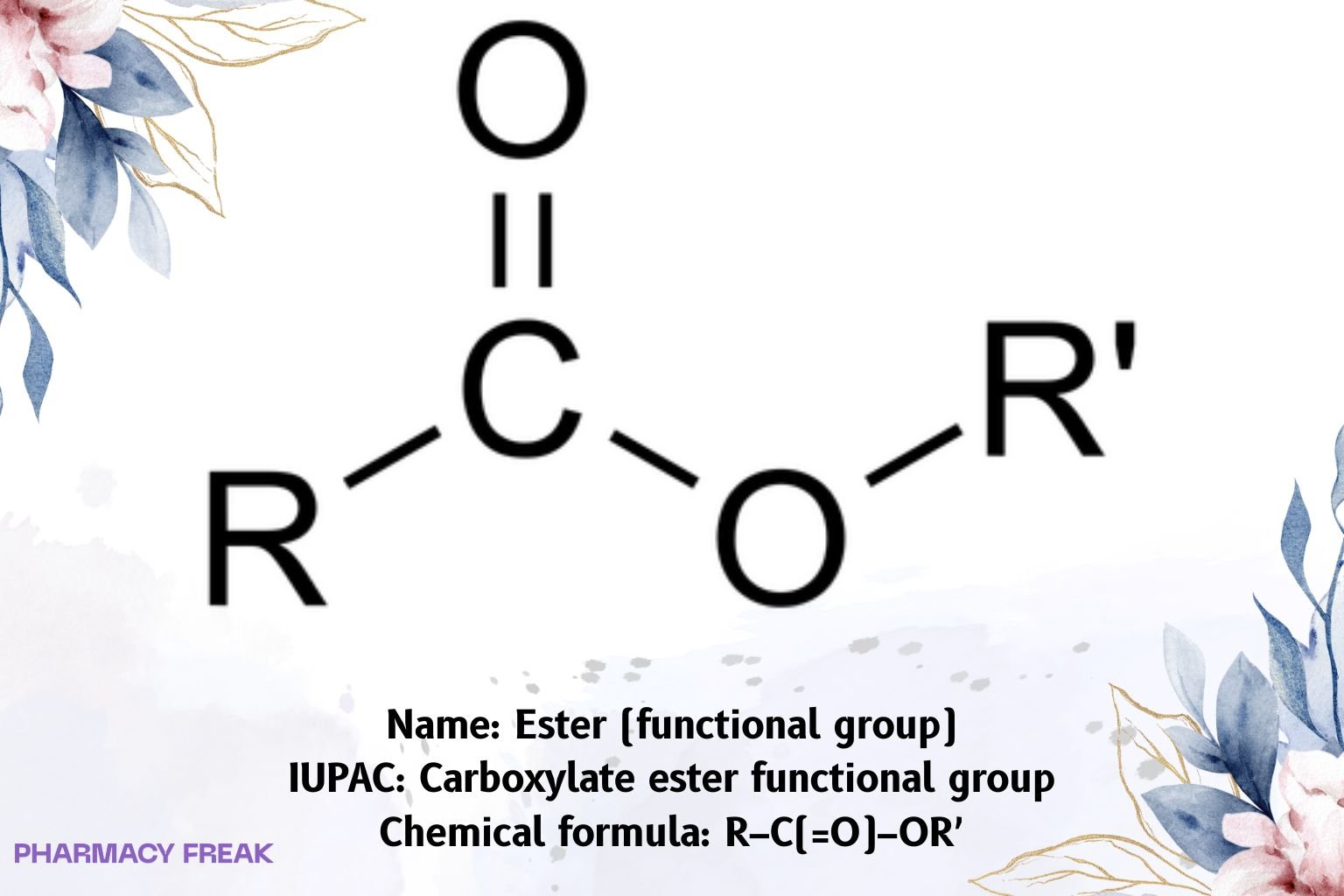
Ester functional group, generic 2D structure R–C(=O)–OR′ with carbonyl and alkoxy, carboxylate ester

1. Identification Summary Ester denotes the carboxylate ester functional group with general formula R–C(=O)–OR′ (R, R′ = carbon substituents). Esters are polar, aprotic, H-bond acceptors (C=O, C–O) but not donors, display a characteristic IR C=O band ~1735 cm⁻¹ for saturated aliphatic esters (lower with conjugation or ring strain), and strong C–O stretches ~1050–1300 cm⁻¹. ¹³C … Read more
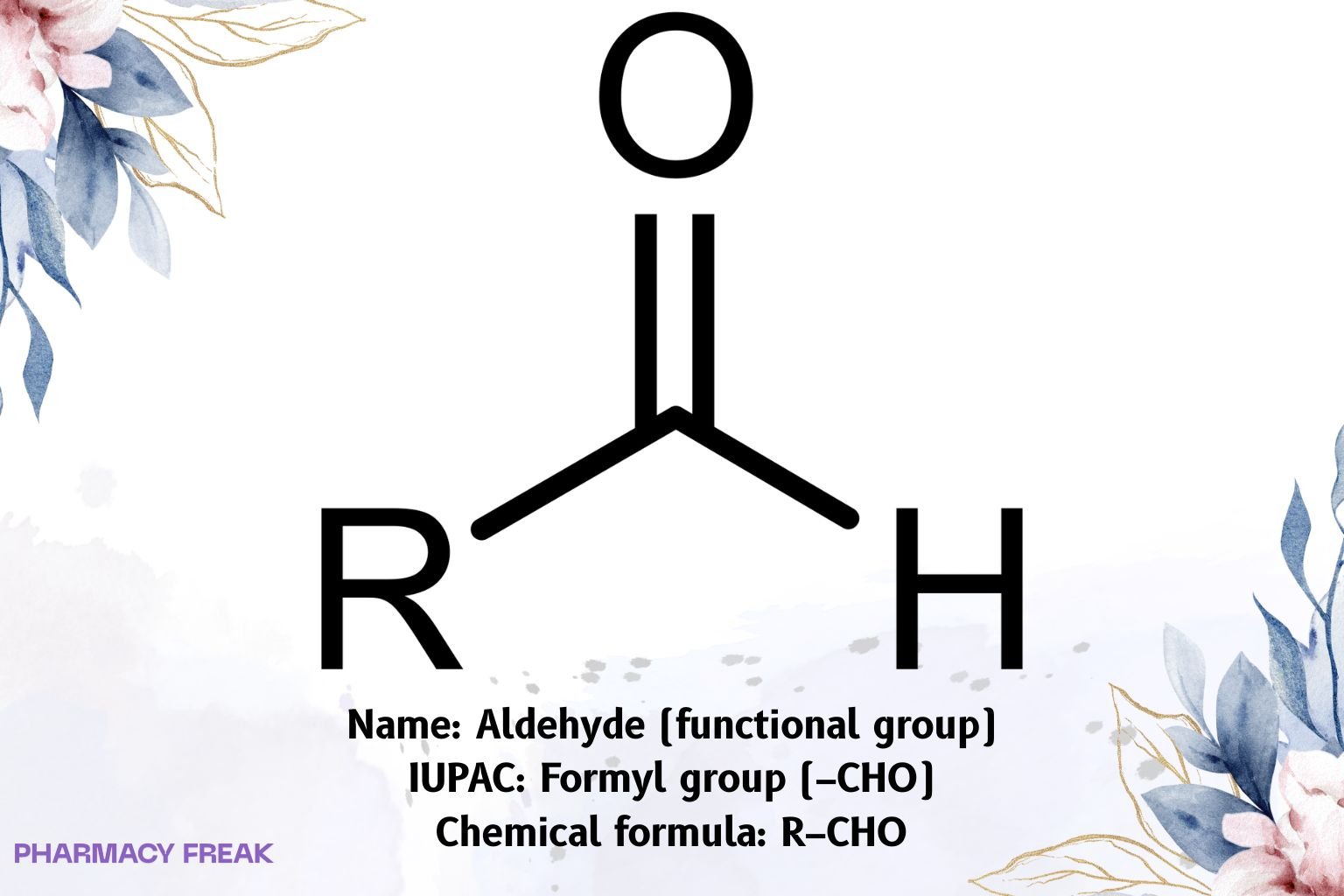
Aldehyde Chemical Structure

Aldehyde chemical structure, terminal carbonyl formyl group, 2D skeletal formula R–CHO

1. Identification Summary Aldehyde is a carbonyl functional group in which the carbonyl carbon is bonded to one hydrogen and one carbon (R–CHO). It is a terminal, sp², trigonal-planar carbonyl that is strongly electrophilic; hallmark spectroscopic features include a C=O IR band ~1720–1740 cm⁻¹ (lower with conjugation) and a diagnostic aldehydic C–H doublet near ~2720/2820 … Read more

Fructose Chemical Structure

1. Identification Summary Fructose is a ketohexose monosaccharide (C₆H₁₂O₆). It exists predominantly as furanose/pyranose hemiketals in solution and serves as a dietary sugar and endogenous metabolite in human carbohydrate metabolism. Brand Names Not applicable. Name Fructose (D-fructose) Background Naturally present in fruits, honey, and sucrose (as the fructosyl moiety). Principal intestinal transporter GLUT5; hepatic entry … Read more

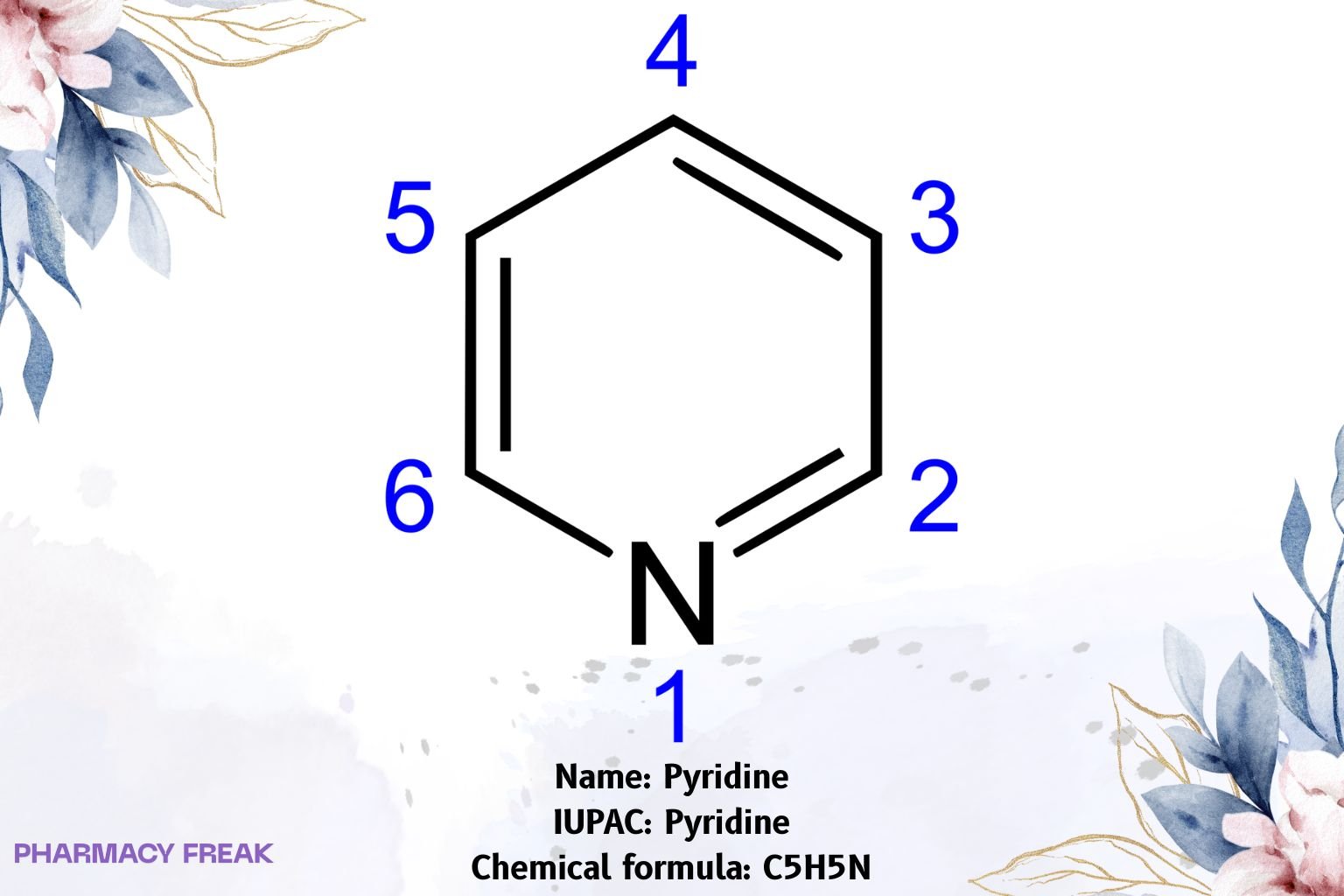
Pyridine Chemical Structure

Pyridine chemical structure, six-membered nitrogen heteroaromatic ring, 2D skeletal formula, C5H5N

1. Identification Summary Pyridine is a six-membered nitrogen heteroaromatic (C₅H₅N) isoelectronic with benzene, with a ring sp²-N that is basic (conjugate-acid pKₐ ≈ 5.2). It serves as a solvent, ligand, mild base/nucleophile, and core scaffold in many pharmaceuticals and agrochemicals. Brand Names Not applicable. Name Pyridine Background Aromatically stabilized azabenzene; lone pair on ring nitrogen … Read more

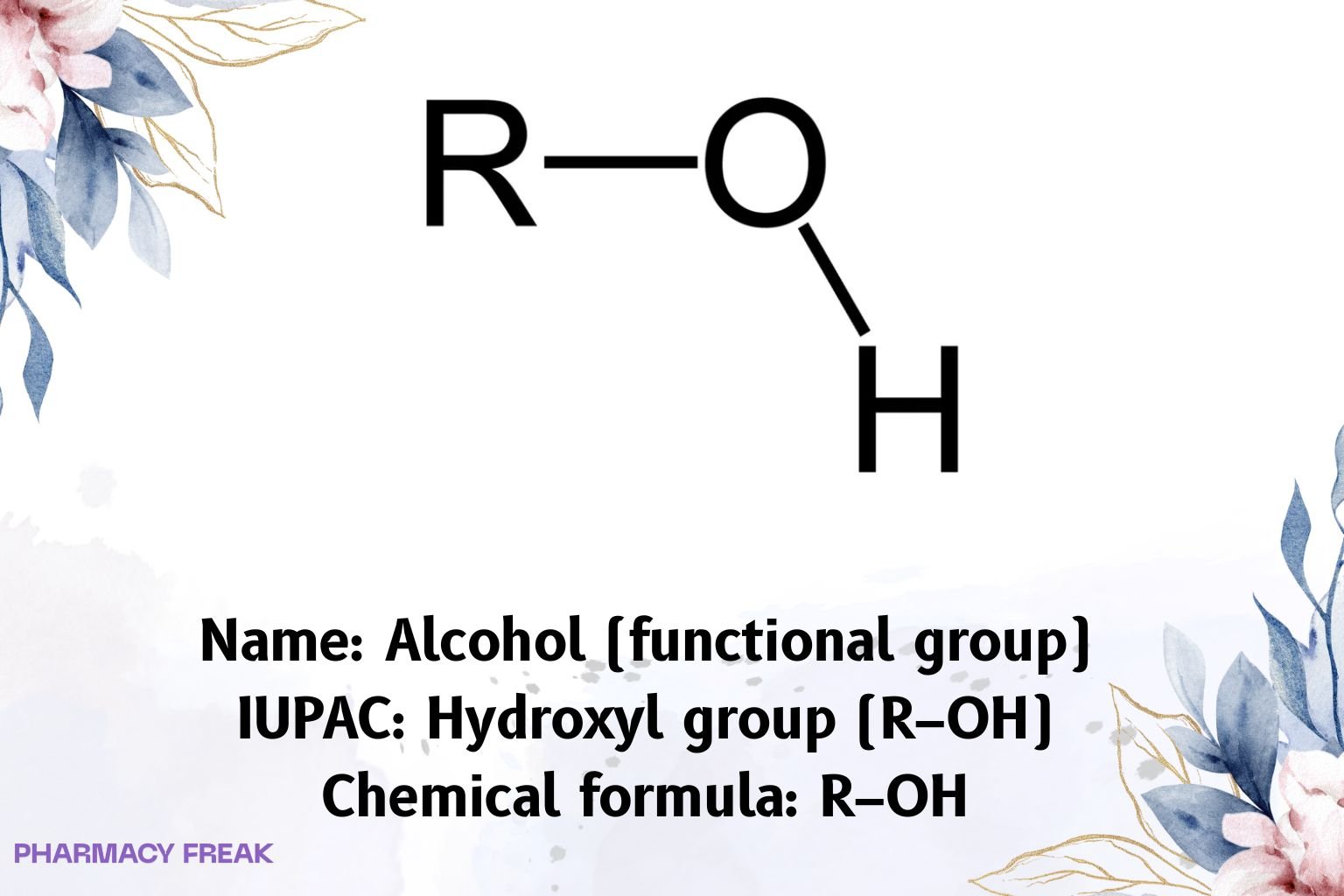
Alcohol (Functional Group) Chemical Structure

Alcohol functional group (hydroxyl), generic 2D structure R–OH with hydrogen bonding concept

1. Identification Summary Alcohol (functional group) denotes an sp³ carbon bearing a hydroxyl (–OH) substituent: general formula R–OH. Hallmarks: hydrogen bonding, moderate nucleophilicity of the oxygen lone pairs, weak Brønsted acidity (pKₐ ~15–19), and formation of derivatives (ethers, esters, sulfonates). Brand Names Not applicable. Name Alcohol (hydroxyl functional group) Background Classified by substitution at the … Read more

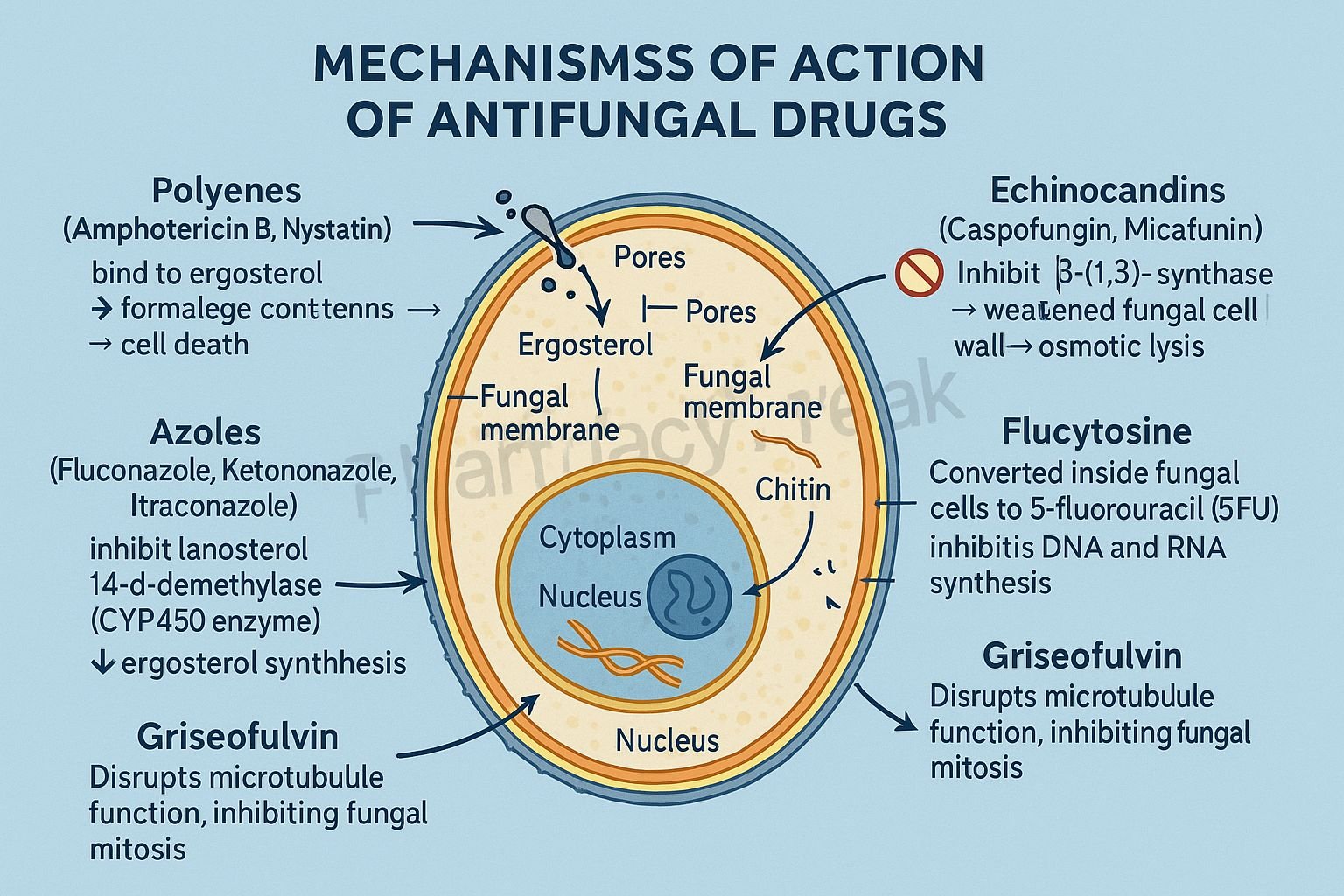
Mechanism of Action of Antifungal Drugs

Pharmacology and clinical mechanisms of Antifungal Drugs

Introduction Antifungal drugs are pharmacological agents used to treat fungal infections (mycoses) affecting the skin, mucous membranes, or internal organs. Mechanism of Action of Antifungal Drugs involves disruption of fungal cell membrane integrity, cell wall synthesis, or nucleic acid function. Since fungal cells are eukaryotic and share many structural similarities with human cells, antifungal agents … Read more

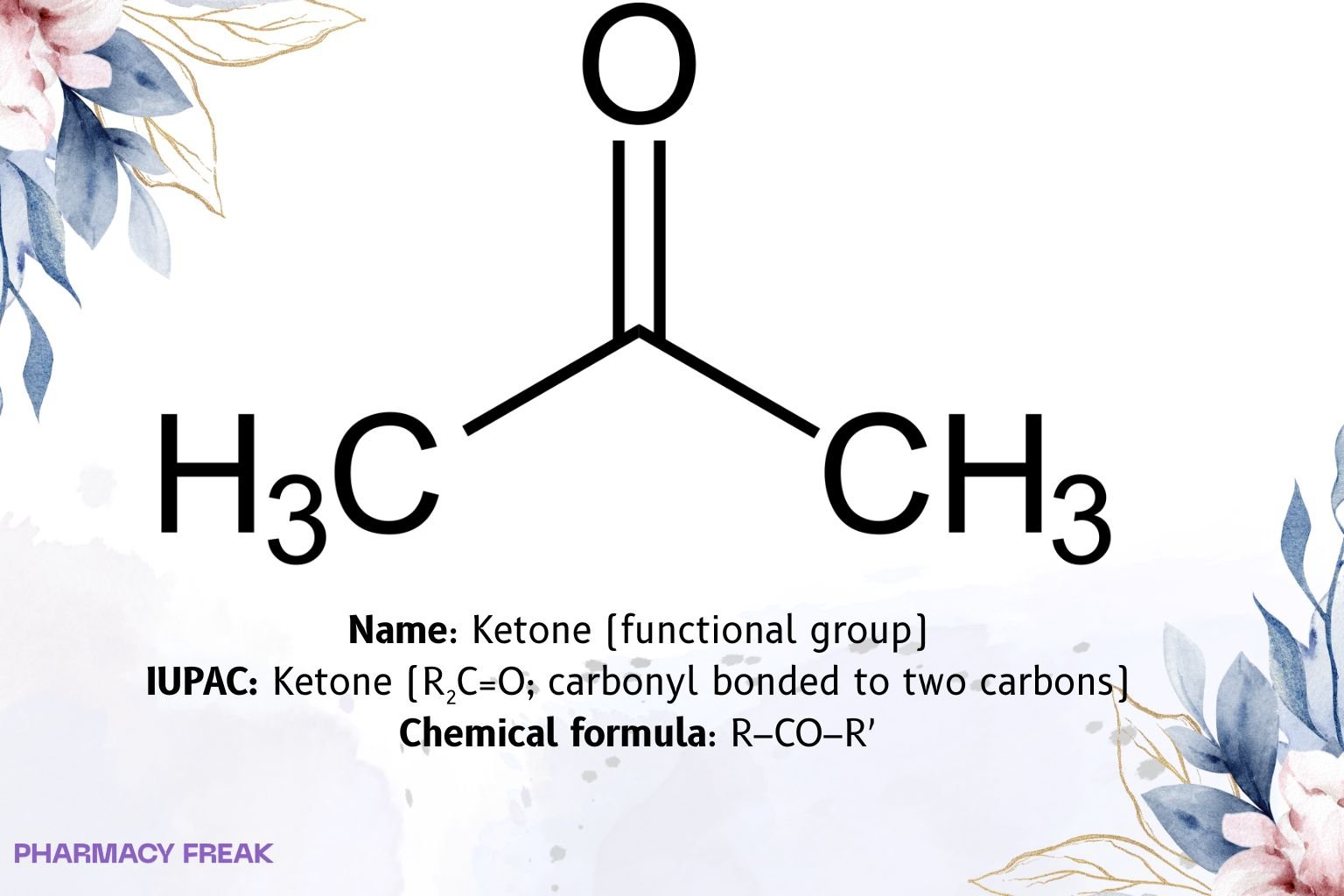
Ketone Chemical Structure

Ketone functional group, 2D skeletal formula R–C(=O)–R′ (no hydrogens on carbonyl carbon), carbonyl compound

1. Identification Summary Ketone is a carbonyl functional group in which the carbonyl carbon is bonded to two carbons (R₂C=O; neither R is H). The carbonyl is sp², trigonal planar, strongly electrophilic, and shows a characteristic C=O IR band near ~1715 cm⁻¹ for simple aliphatic ketones (conjugation/substitution shifts lower). α-Hydrogens adjacent to the carbonyl are … Read more

Carboxylic Acid Chemical Structure

Carboxylic acid functional group, 2D skeletal formula R–C(=O)OH, carboxyl group

1. Identification Summary Carboxylic acid denotes the carboxyl (–C(=O)OH) functional group; general formula R–COOH. Core features: acidic proton on the hydroxyl, resonance-stabilized carboxylate conjugate base, strong hydrogen bonding, and broad derivatization (esters, amides, anhydrides, acid chlorides). Brand Names Not applicable. Name Carboxylic acid (carboxyl group) Background Ubiquitous in organic, medicinal, and biochemistry contexts (fatty acids, amino acids, many APIs). Electron-withdrawing substituents lower pKₐ; … Read more

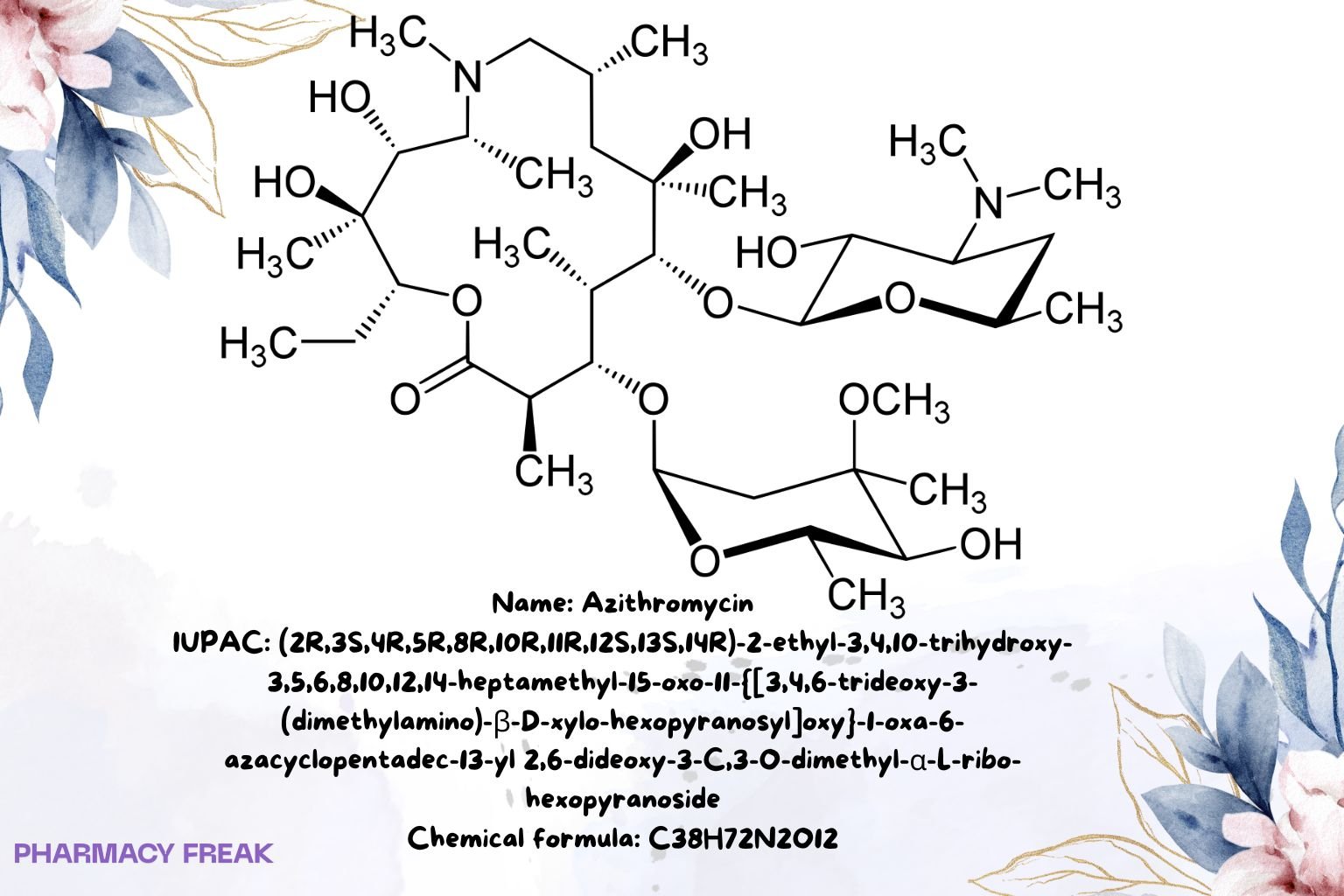
Azithromycin Chemical Structure

Azithromycin chemical structure (azalide macrolide), 2D skeletal formula, C38H72N2O12

1. Identification Summary Azithromycin is a 15-membered azalide macrolide antibiotic indicated for susceptible infections across respiratory, skin/soft-tissue, sexually transmitted, and atypical pathogen settings; class cautions include QT prolongation/arrhythmia risk, hepatotoxicity, C. difficile–associated diarrhea, and myasthenia gravis exacerbation. Brand Names Zithromax, Sumamed; multiple generics (region-dependent) Name Azithromycin Background Semisynthetic azalide derived from erythromycin A; oral, IV, … Read more

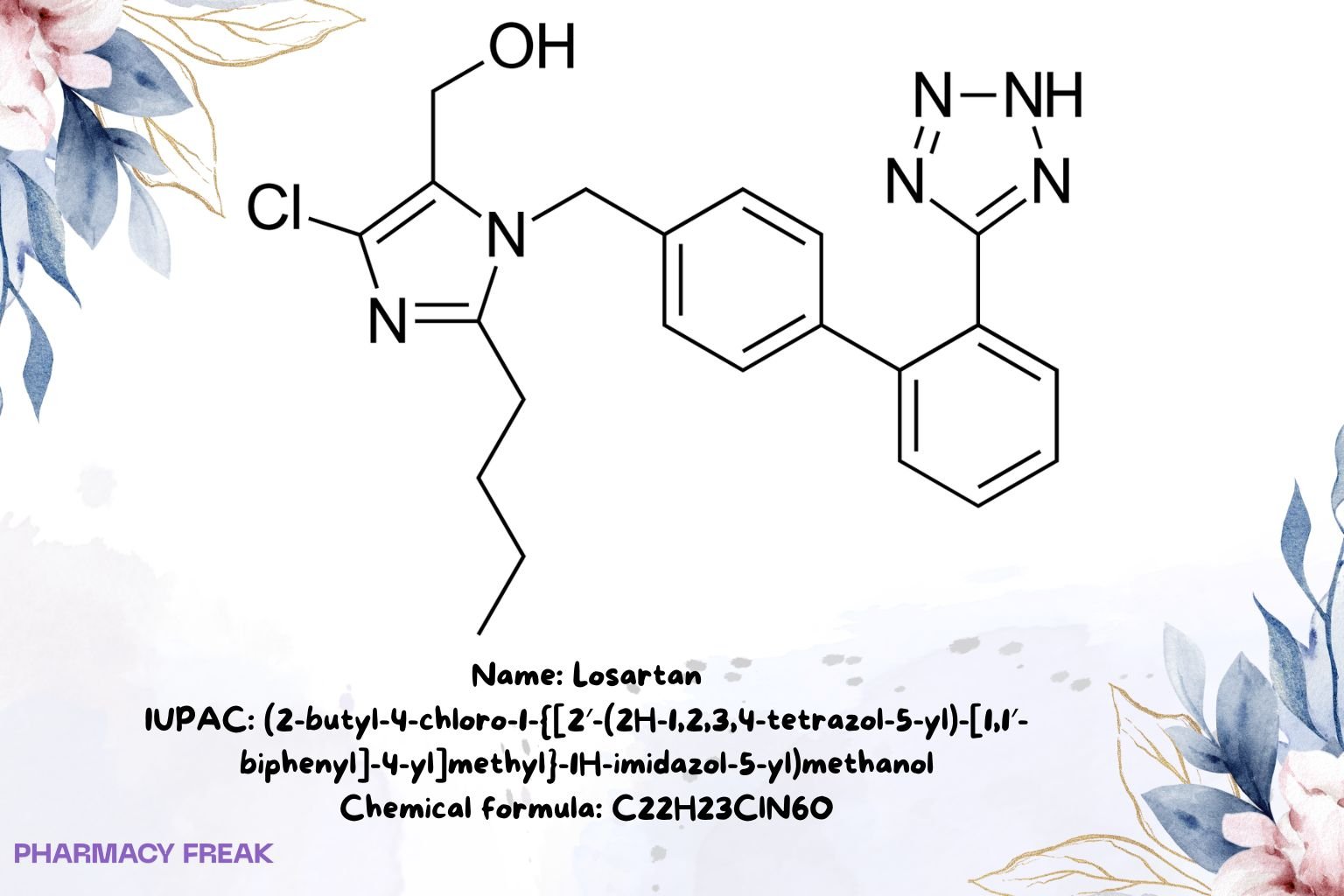
Losartan Chemical Structure

Losartan chemical structure (angiotensin II receptor blocker), 2D skeletal formula, C22H23ClN6O

1. Identification Summary Losartan is an angiotensin II receptor blocker (ARB) for hypertension, diabetic nephropathy in type 2 diabetes with proteinuria, and risk reduction of stroke in hypertensive patients with left ventricular hypertrophy. Brand Names Cozaar; numerous generics Name Losartan Background First-in-class ARB; marketed commonly as the potassium salt for oral tablets and fixed-dose combinations … Read more

PRO
Ad-Free Access
$3.99 / month
  • No Interruptions
  • Faster Page Loads
  • Support Content Creators