Trusted by 50K+ Pharmacy StudentsHigh Quality Notes, MCQs, Mock Tests & Study ResourcesGo Premium (Ads Free)
Pharmacy Freak

Mechanism of Action of Ticagrelor

Mechanism of action of Ticagrelor

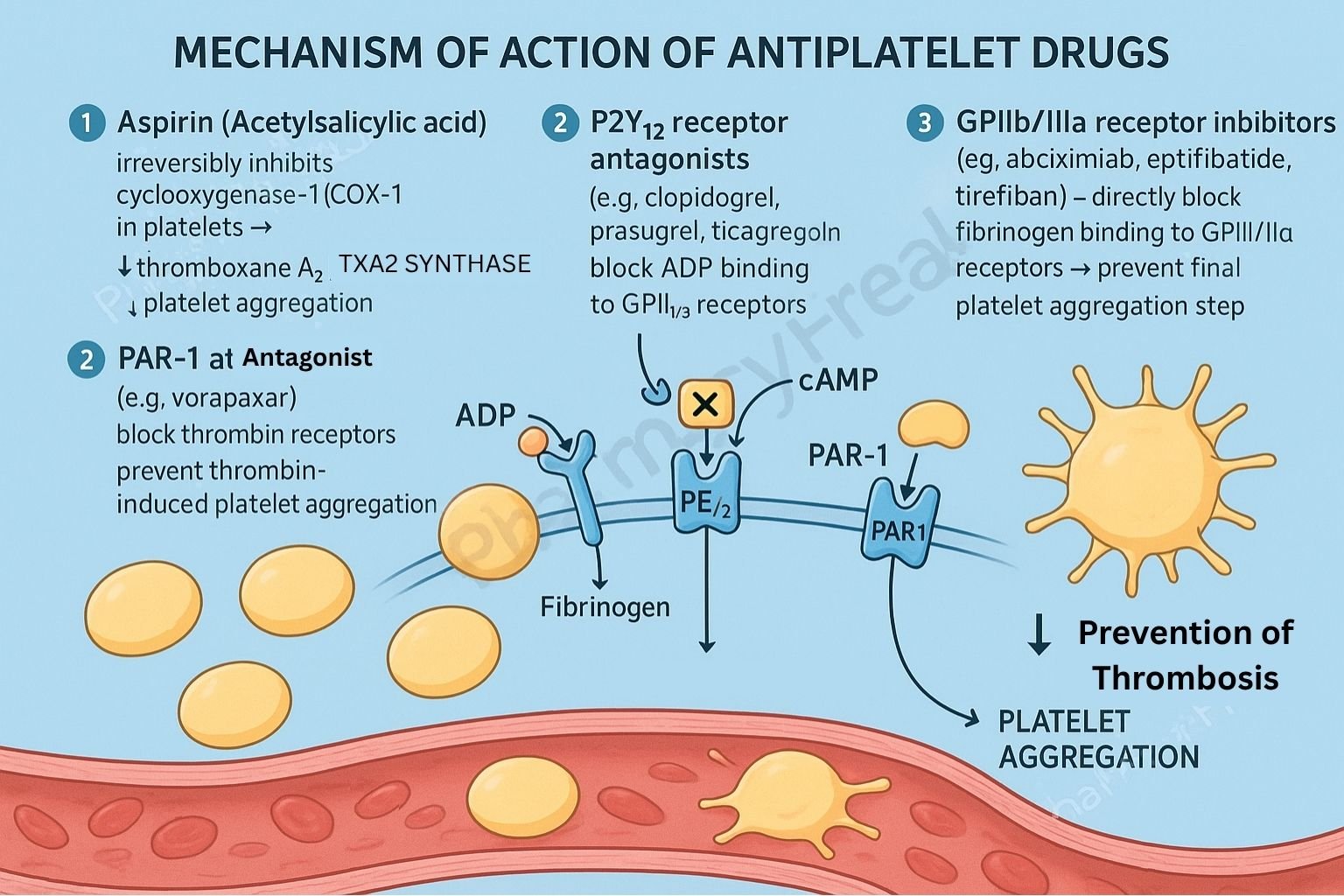
Introduction Ticagrelor is an oral antiplatelet agent used in the management of acute coronary syndrome (ACS) and for secondary prevention of thrombotic events. It directly and reversibly inhibits the P2Y₁₂ receptor on platelets, thereby preventing ADP-induced platelet aggregation. Unlike thienopyridines like clopidogrel, it does not require metabolic activation, leading to a faster and more predictable … Read more

Mechanism of Action of Vyvanse (Lisdexamfetamine)

Mechanism of action of Vyvanse

Introduction Vyvanse (lisdexamfetamine) is a central nervous system stimulant used to treat ADHD and binge-eating disorder. It is a prodrug, meaning it becomes active only after enzymatic conversion in the body. This mechanism provides a smoother onset, extended action, and lower risk of misuse. Its active metabolite, dextroamphetamine, boosts dopamine and norepinephrine in the brain—improving … Read more

Mechanism of Action of Dexmedetomidine

Mechanism of action of Dexmedetomidine

Introduction Dexmedetomidine is a highly selective alpha-2 adrenergic receptor agonist used for sedation in intensive care settings and during surgical procedures. It provides sedation without significant respiratory depression, distinguishing it from other sedatives like benzodiazepines and propofol. Its analgesic-sparing and sympatholytic effects further enhance its clinical utility. Step-by-Step Mechanism of Action Pharmacokinetic Parameters Parameter Value … Read more

Mechanism of Action of Apixaban

Apixaban Mechanism of Action

Introduction Apixaban is a direct oral anticoagulant (DOAC) used to prevent and treat thrombosis. It is specifically indicated for stroke prevention in non-valvular atrial fibrillation, treatment and prevention of venous thromboembolism (VTE), and management of deep vein thrombosis (DVT) and pulmonary embolism (PE). Its predictable pharmacokinetics and oral administration make it a widely used alternative … Read more

Mechanism of Action of Empagliflozin

Mechanism of action of Empagliflozin

Introduction Empagliflozin is an oral sodium–glucose co-transporter 2 (SGLT2) inhibitor that lowers blood glucose by promoting urinary glucose excretion. It also provides cardiovascular and renal protective benefits, and is approved for type 2 diabetes mellitus, heart failure, and chronic kidney disease. Step-by-Step Mechanism of Action Pharmacokinetic Parameters Parameter Value Route Oral, taken once daily Bioavailability ~78% … Read more

Mechanism of Action of GLP-1 Receptor Agonists

Mechanism of action of GLP-1 receptor agonists

Introduction GLP-1 receptor agonists are a class of antidiabetic drugs that mimic the action of glucagon-like peptide-1 (GLP-1), an incretin hormone that enhances insulin secretion in response to meals. These agents are used primarily in the treatment of type 2 diabetes mellitus and obesity. Their unique ability to improve glycemic control without causing significant hypoglycemia, … Read more

Mechanism of Action of Carbidopa–Levodopa

Mechanism of action of Carbidopa–Levodopa

Introduction Carbidopa–Levodopa is a cornerstone therapy in the management of Parkinson’s disease. Levodopa serves as a precursor to dopamine, replenishing depleted levels in the brain, while carbidopa prevents premature peripheral metabolism of levodopa, ensuring its availability in the central nervous system. Together, they effectively improve motor symptoms such as bradykinesia, rigidity, and tremor. Step-by-Step Mechanism … Read more

Mechanism of Action of GLP-1 (Glucagon-Like Peptide-1)

Mechanism of action of GLP-1

Introduction Glucagon-like peptide-1 (GLP-1) is an endogenous incretin hormone secreted from the L-cells of the distal ileum and colon in response to food intake. It plays a critical role in regulating glucose homeostasis and energy balance. GLP-1 acts through specific receptors found in the pancreas, gastrointestinal tract, and central nervous system to modulate insulin secretion, … Read more

Mechanism of Action of Midodrine

Mechanism of action of Midodrine

Introduction Midodrine is a prodrug used in the treatment of symptomatic orthostatic hypotension. It works by increasing vascular tone through selective stimulation of alpha-1 adrenergic receptors after being metabolized into its active form, desglymidodrine. Step-by-Step Mechanism of Action Pharmacokinetic Parameters Parameter Value Route Oral Bioavailability Approximately 93% Active Form Desglymidodrine Tmax 1–2 hours Half-life 3–4 … Read more

Mechanism of Action of Vedolizumab (Entyvio)

Mechanism of action of Vedolizumab

Introduction Vedolizumab is a humanized IgG1 monoclonal antibody used for the treatment of moderate to severe ulcerative colitis and Crohn’s disease. It selectively targets the gastrointestinal immune system, offering gut-specific immunomodulation with minimal systemic immunosuppression. Step-by-Step Mechanism of Action Pharmacokinetic Parameters Parameter Value Route Intravenous infusion Bioavailability Not applicable (IV administration) Half-life ~25.5 days Volume … Read more

PRO
Ad-Free Access
$3.99 / month
  • No Interruptions
  • Faster Page Loads
  • Support Content Creators