Trusted by 50K+ Pharmacy StudentsHigh Quality Notes, MCQs, Mock Tests & Study ResourcesGo Premium (Ads Free)
Pharmacy Freak

Mechanism of Action of Baclofen
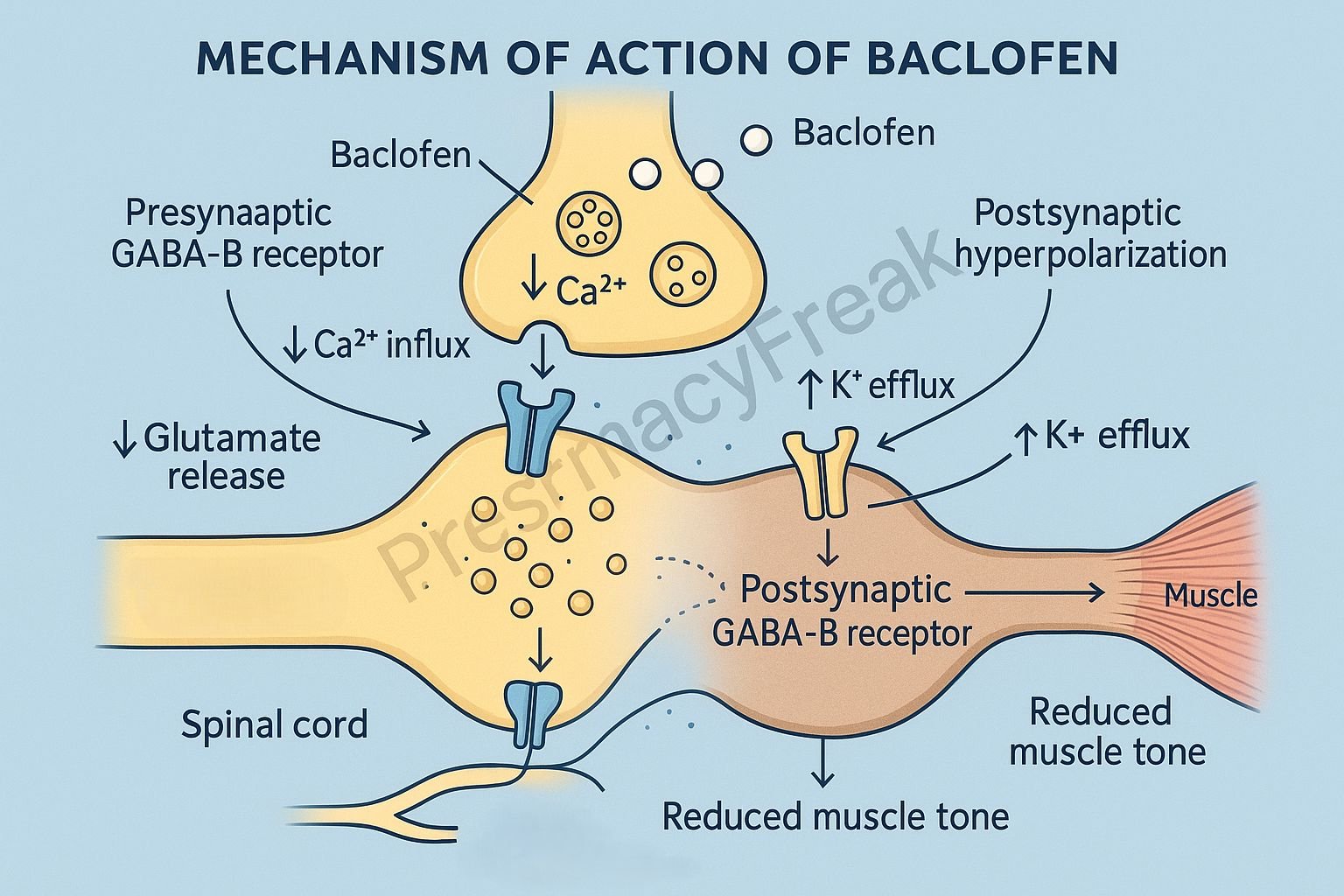
MOA of Baclofen

Introduction Baclofen is a centrally acting skeletal muscle relaxant primarily used for the management of spasticity associated with multiple sclerosis, spinal cord injury, and cerebral palsy. It acts as a selective GABA<sub>B</sub> receptor agonist, exerting inhibitory effects on both spinal and supraspinal pathways. Mechanism of Action of Baclofen involves enhancing inhibitory neurotransmission through activation of … Read more
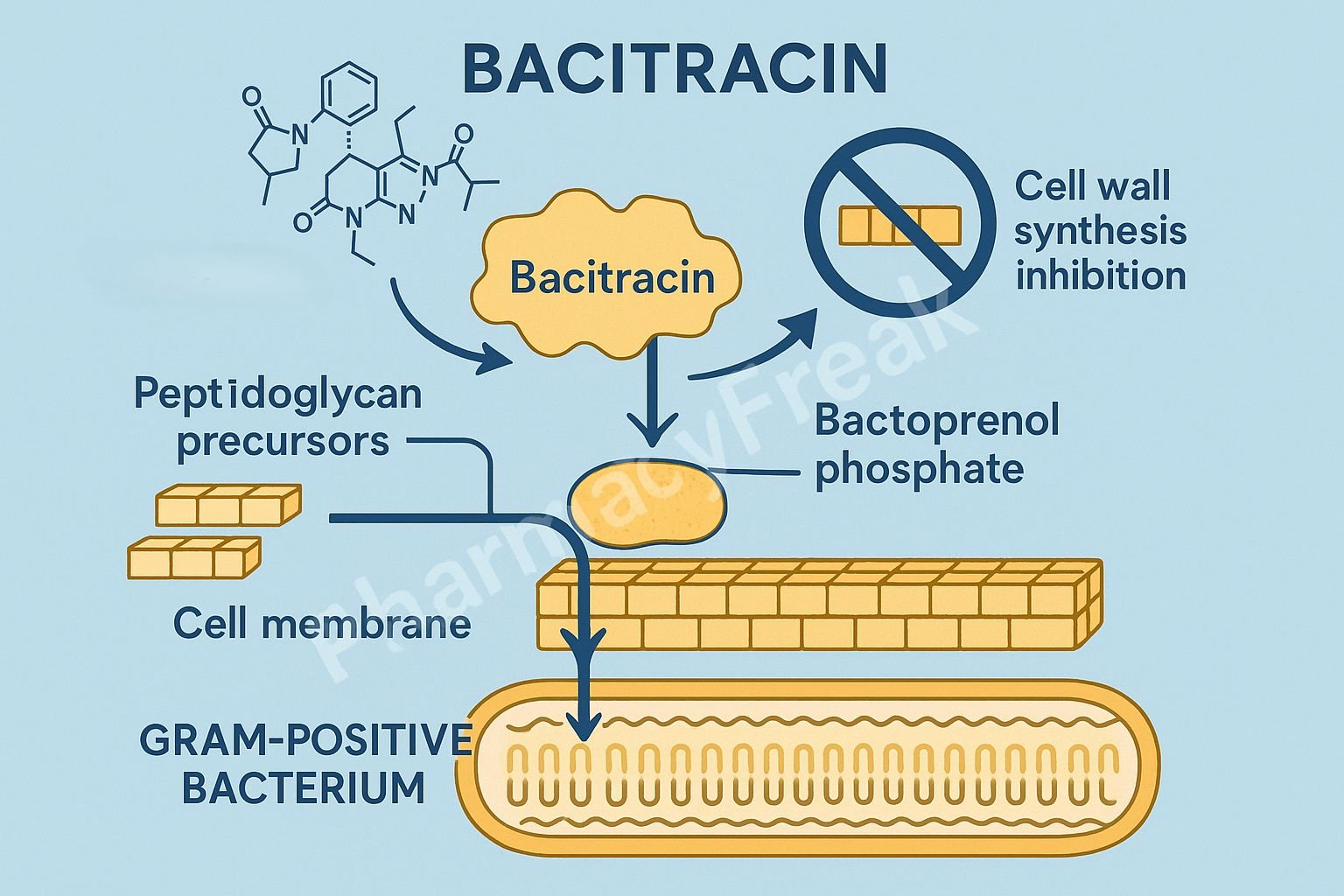
Mechanism of Action of Bacitracin

MOA of Bacitracin

Introduction Bacitracin is a polypeptide antibiotic primarily used topically for the treatment and prevention of gram-positive bacterial infections. It is commonly found in combination ointments such as bacitracin-neomycin-polymyxin B (triple antibiotic ointment). Mechanism of Action of Bacitracin involves inhibition of bacterial cell wall synthesis by interfering with the dephosphorylation of the lipid carrier (bactoprenol phosphate) … Read more

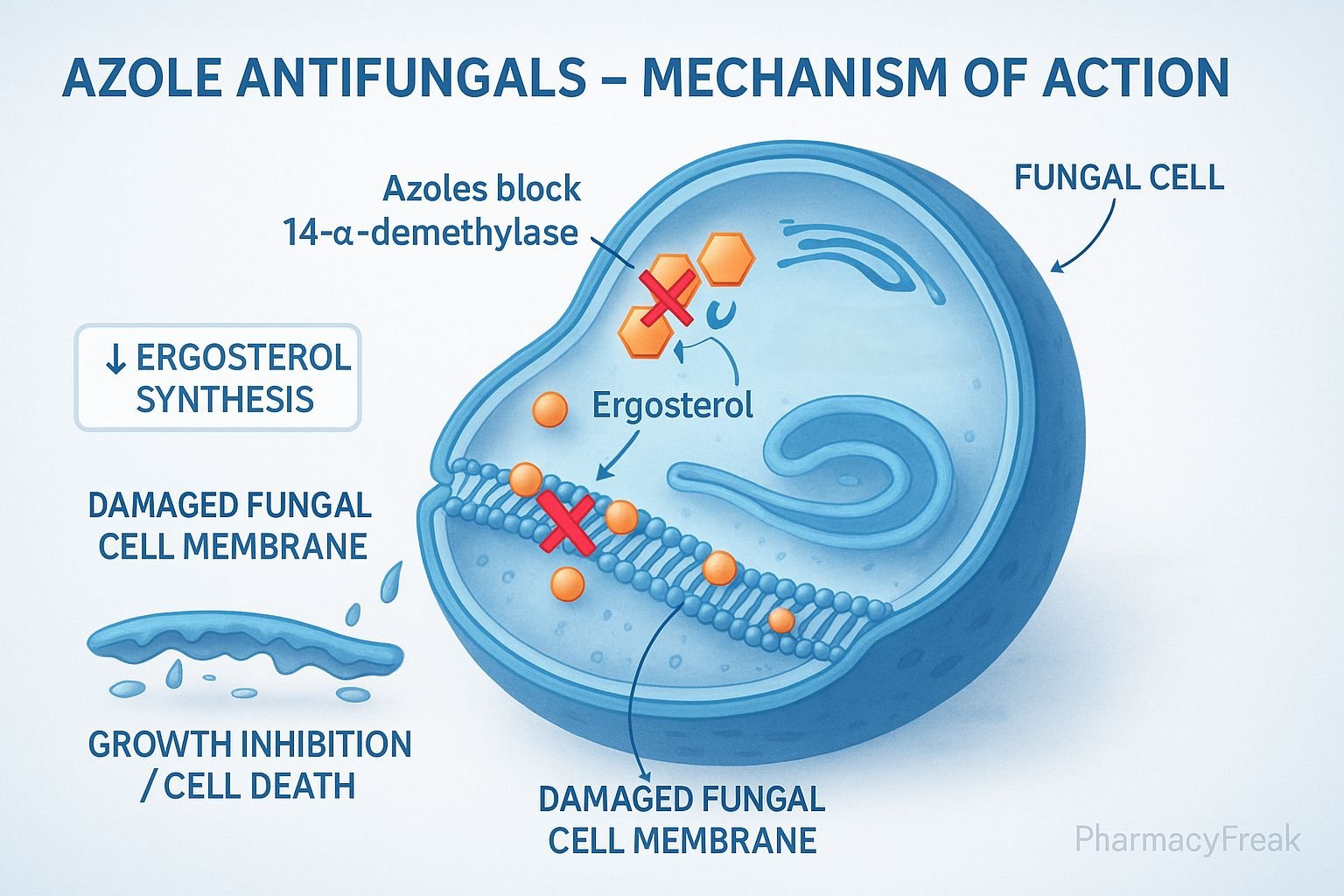
Mechanism of Action of Azole Antifungal

MOA of Azole Antifungal Drugs

Introduction Azoles are a major class of antifungal drugs widely used for the treatment of systemic and superficial fungal infections. They include imidazoles (e.g., ketoconazole, clotrimazole, miconazole) and triazoles (e.g., fluconazole, itraconazole, voriconazole, posaconazole). Mechanism of Action of Azole Antifungal Drugs centers on the inhibition of fungal ergosterol synthesis, an essential component of the fungal … Read more

Mechanism of Action of Azathioprine

MOA of Azathioprine

Introduction Azathioprine is an immunosuppressive and cytotoxic drug primarily used in organ transplantation, autoimmune disorders, and inflammatory diseases such as rheumatoid arthritis, systemic lupus erythematosus (SLE), and inflammatory bowel disease (IBD). Mechanism of Action of Azathioprine involves suppression of DNA synthesis and lymphocyte proliferation by interfering with purine metabolism. It acts as a prodrug of … Read more

Mechanism of Action of Atenolol

MOA of Atenolol

Introduction Atenolol is a selective β₁-adrenergic receptor blocker (β-blocker) primarily used in the management of hypertension, angina pectoris, arrhythmias, and post-myocardial infarction therapy. Its mechanism of action involves blocking β₁ receptors in the heart, which decreases heart rate, contractility, and cardiac output — leading to a reduction in blood pressure and myocardial oxygen demand. Unlike … Read more

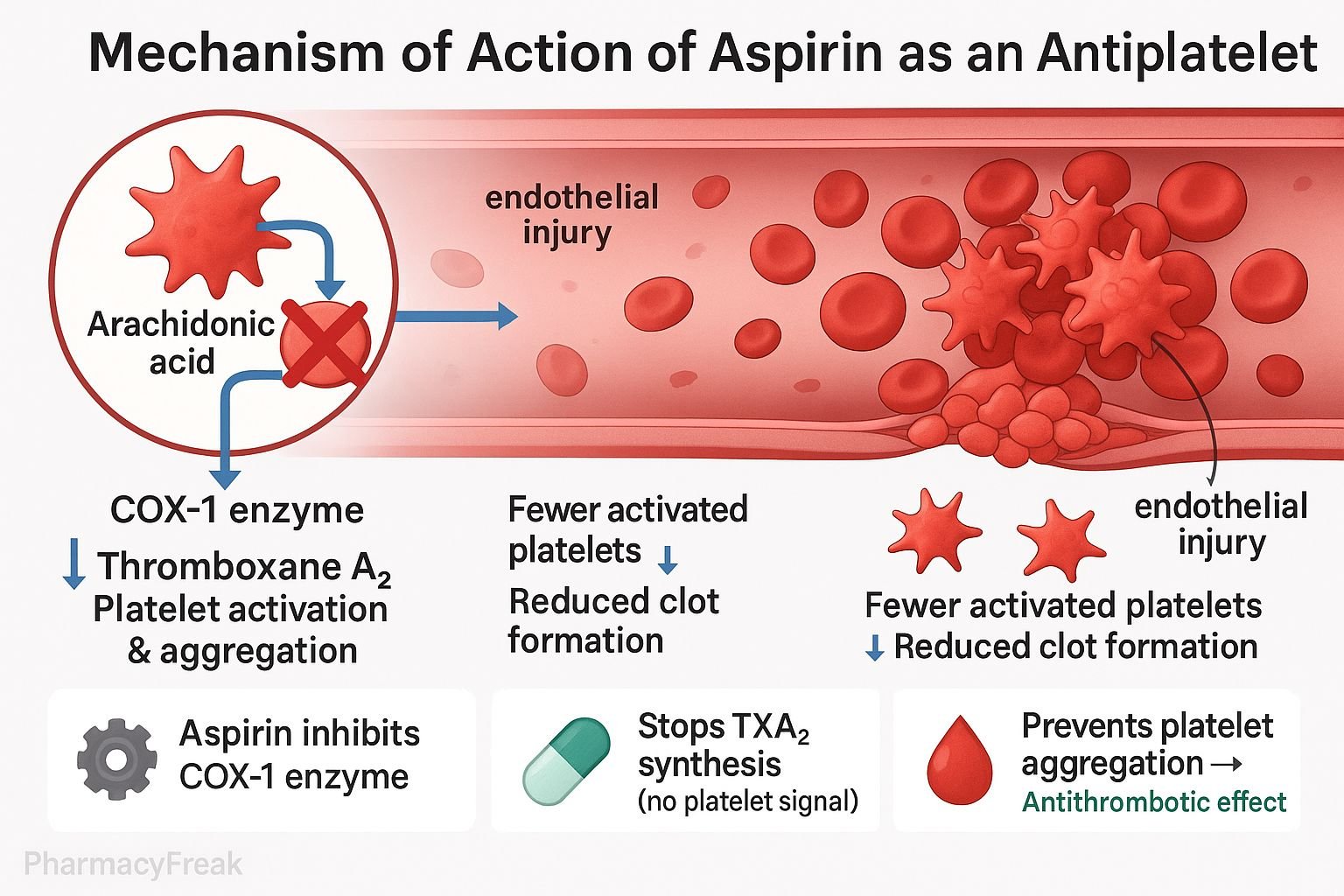
Mechanism of Action of Aspirin as an Antiplatelet Drug

MOA of Aspirin as an Antiplatelet Drug

Introduction Aspirin (Acetylsalicylic Acid, ASA) is the most widely used antiplatelet agent in clinical medicine. Its antiplatelet mechanism of action is distinct because it causes irreversible inhibition of platelet cyclooxygenase-1 (COX-1), blocking the formation of thromboxane A₂ (TXA₂) — a potent inducer of platelet aggregation and vasoconstriction. Low-dose aspirin (typically 75–150 mg/day) preferentially inhibits platelet … Read more

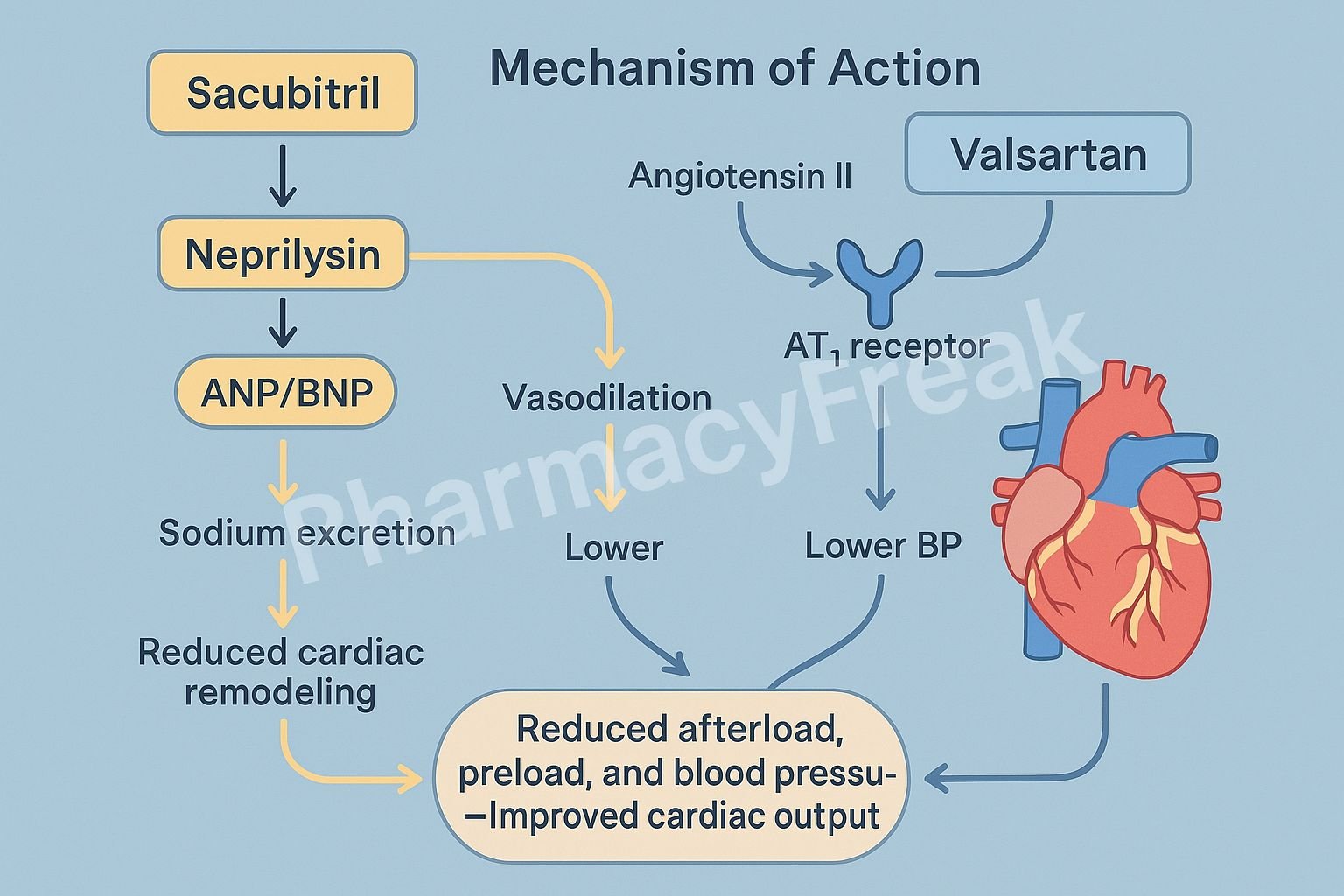
Mechanism of Action of ARNI (Angiotensin Receptor–Neprilysin Inhibitor)

MOA of ARNI

Introduction ARNI (Angiotensin Receptor–Neprilysin Inhibitor) represents a major advancement in the treatment of heart failure with reduced ejection fraction (HFrEF). The most widely used ARNI is the fixed-dose combination Sacubitril/Valsartan, marketed as Entresto. Mechanism of Action of ARNI involves dual inhibition of the renin–angiotensin–aldosterone system (RAAS) and the neprilysin (neutral endopeptidase) pathway. This unique mechanism … Read more

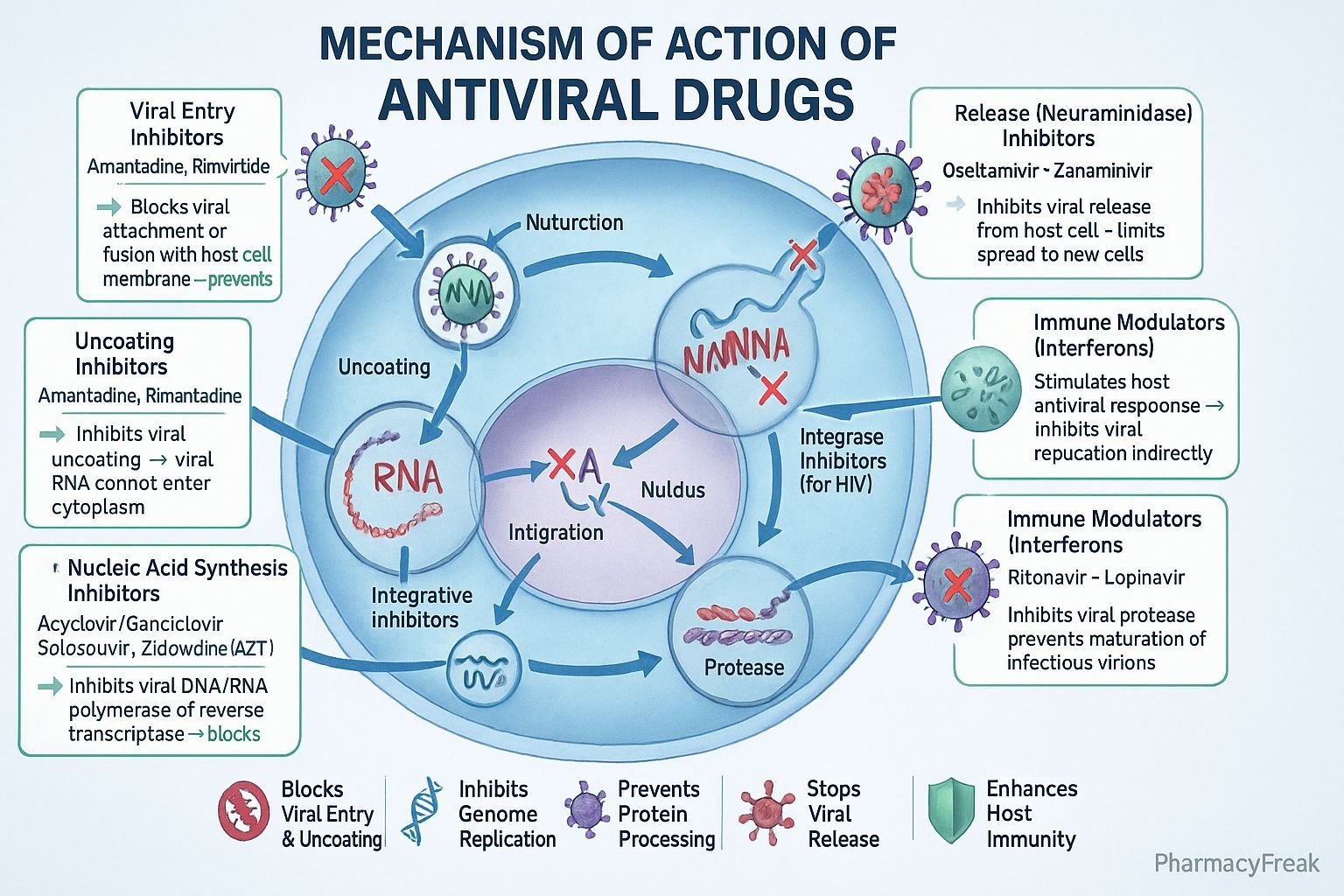
Mechanism of Action of Antiviral Drugs

MOA of Antiviral Drugs

Introduction Antiviral drugs are pharmacological agents that inhibit the replication of viruses within host cells. Unlike antibacterial drugs, which target cell wall or protein synthesis, antivirals act on specific stages of the viral life cycle, including attachment, entry, nucleic acid synthesis, protein processing, and viral release. Mechanism of Action of Antiviral Drugs is based on … Read more

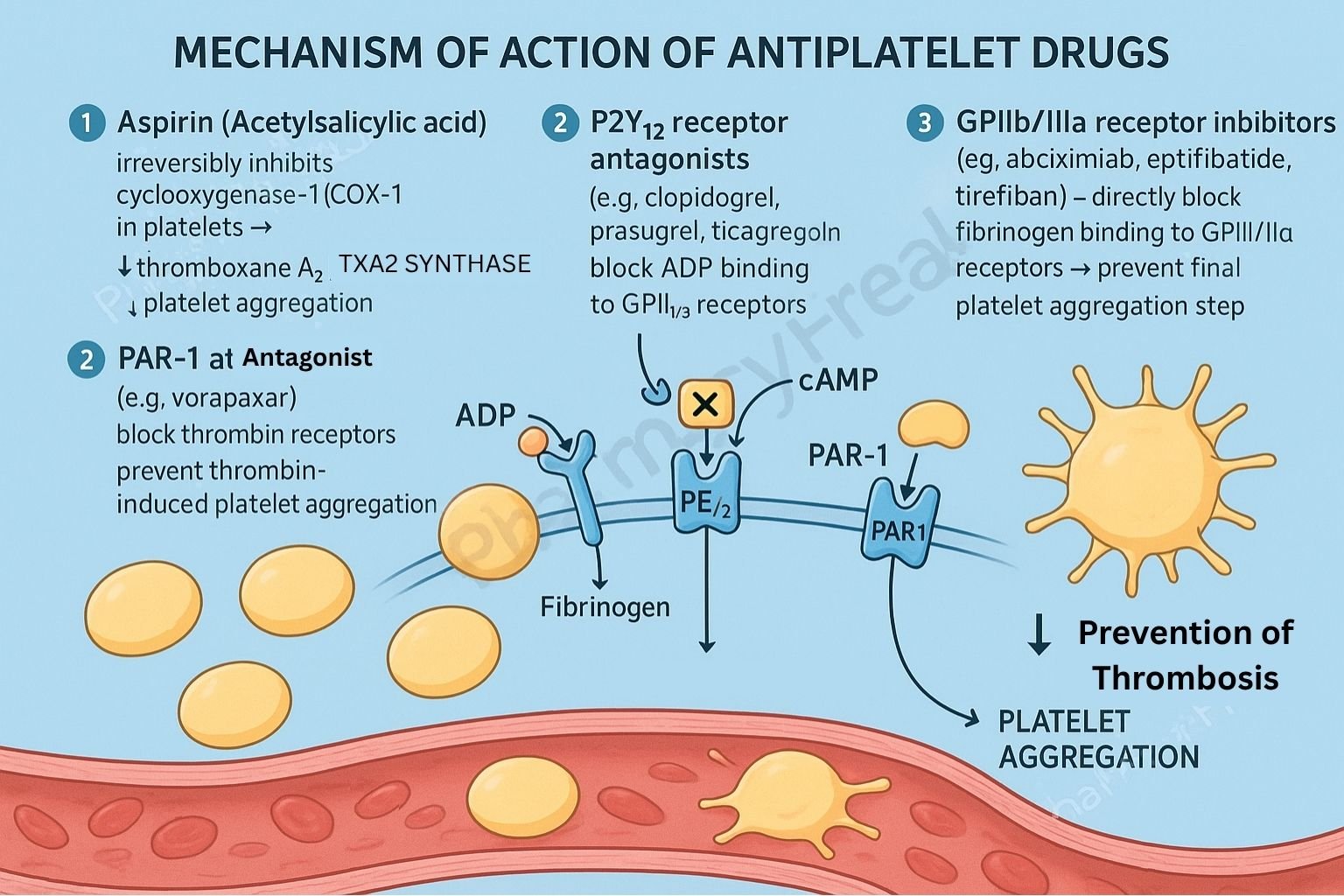
Mechanism of Action of Antiplatelet Drugs

MOA of Antiplatelet Drugs

Introduction Antiplatelet drugs are pharmacological agents that inhibit platelet aggregation, thereby preventing arterial thrombosis — a key contributor to myocardial infarction, ischemic stroke, and peripheral artery disease. Mechanism of Action of Antiplatelet Drugs involves blocking platelet activation pathways mediated by cyclooxygenase (COX-1), ADP receptors (P2Y₁₂), glycoprotein IIb/IIIa receptors, and thromboxane A₂ synthesis. Unlike anticoagulants, which … Read more

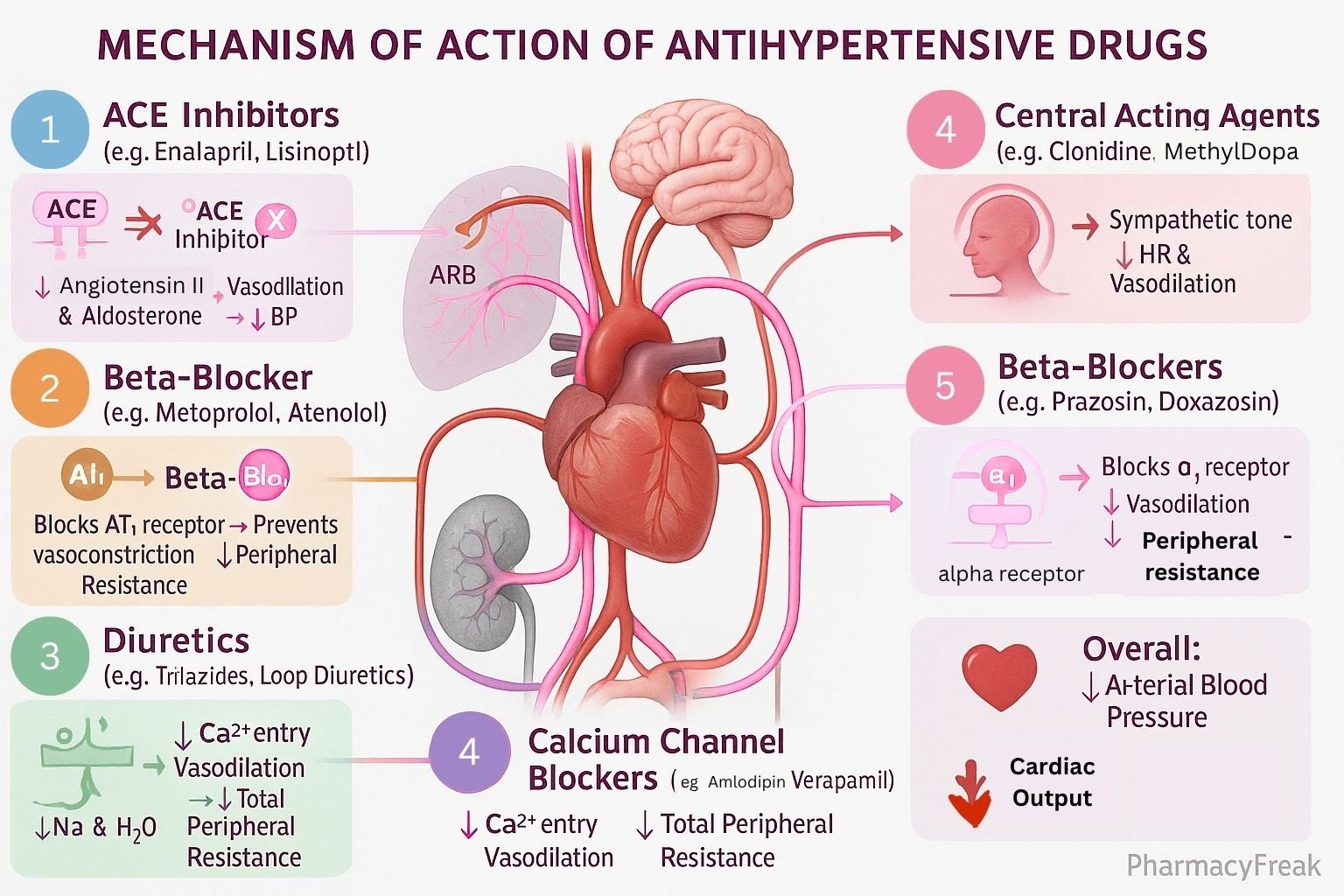
Mechanism of Action of Antihypertensive Drugs

MOA of Antihypertensive Drugs

Introduction Antihypertensive drugs are pharmacological agents used to lower elevated blood pressure and prevent complications such as stroke, heart failure, myocardial infarction, and renal disease. Mechanism of Action of Antihypertensive Drugs involves reducing vascular resistance, cardiac output, or blood volume, targeting multiple physiological systems including the sympathetic nervous system, renin–angiotensin–aldosterone system (RAAS), and renal function. … Read more

PRO
Ad-Free Access
$3.99 / month
  • No Interruptions
  • Faster Page Loads
  • Support Content Creators