Trusted by 50K+ Pharmacy StudentsHigh Quality Notes, MCQs, Mock Tests & Study ResourcesGo Premium (Ads Free)
Pharmacy Freak

Mechanism of Action of Bisoprolol
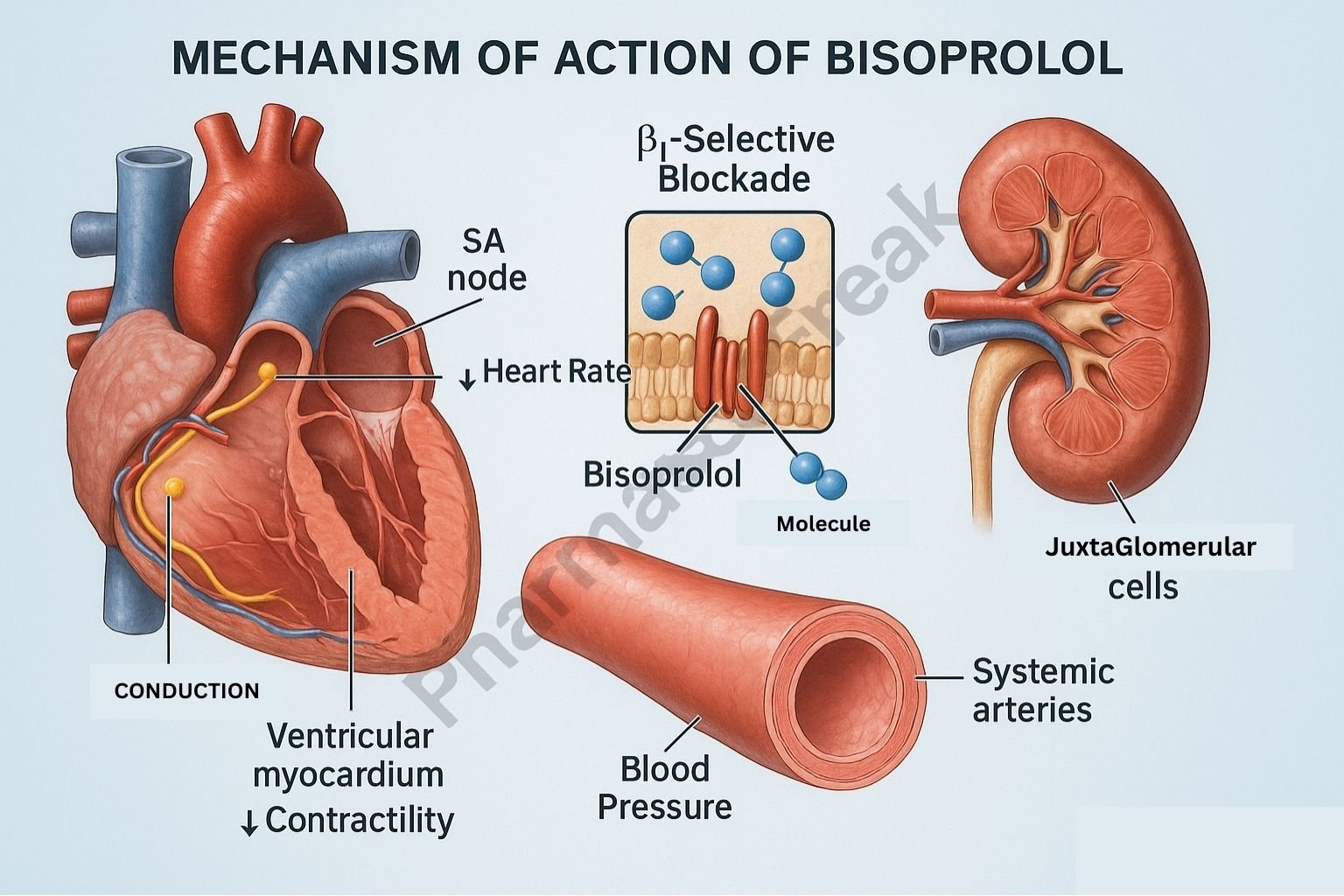
MOA of Bisoprolol

Introduction Bisoprolol is a highly selective beta-1 adrenergic receptor blocker used extensively in the management of hypertension, chronic heart failure, angina pectoris, and arrhythmias. As a cardioselective beta blocker, bisoprolol primarily targets beta-1 receptors in the heart, exerting strong negative chronotropic, inotropic, and dromotropic effects with minimal influence on beta-2 receptors in the lungs and … Read more
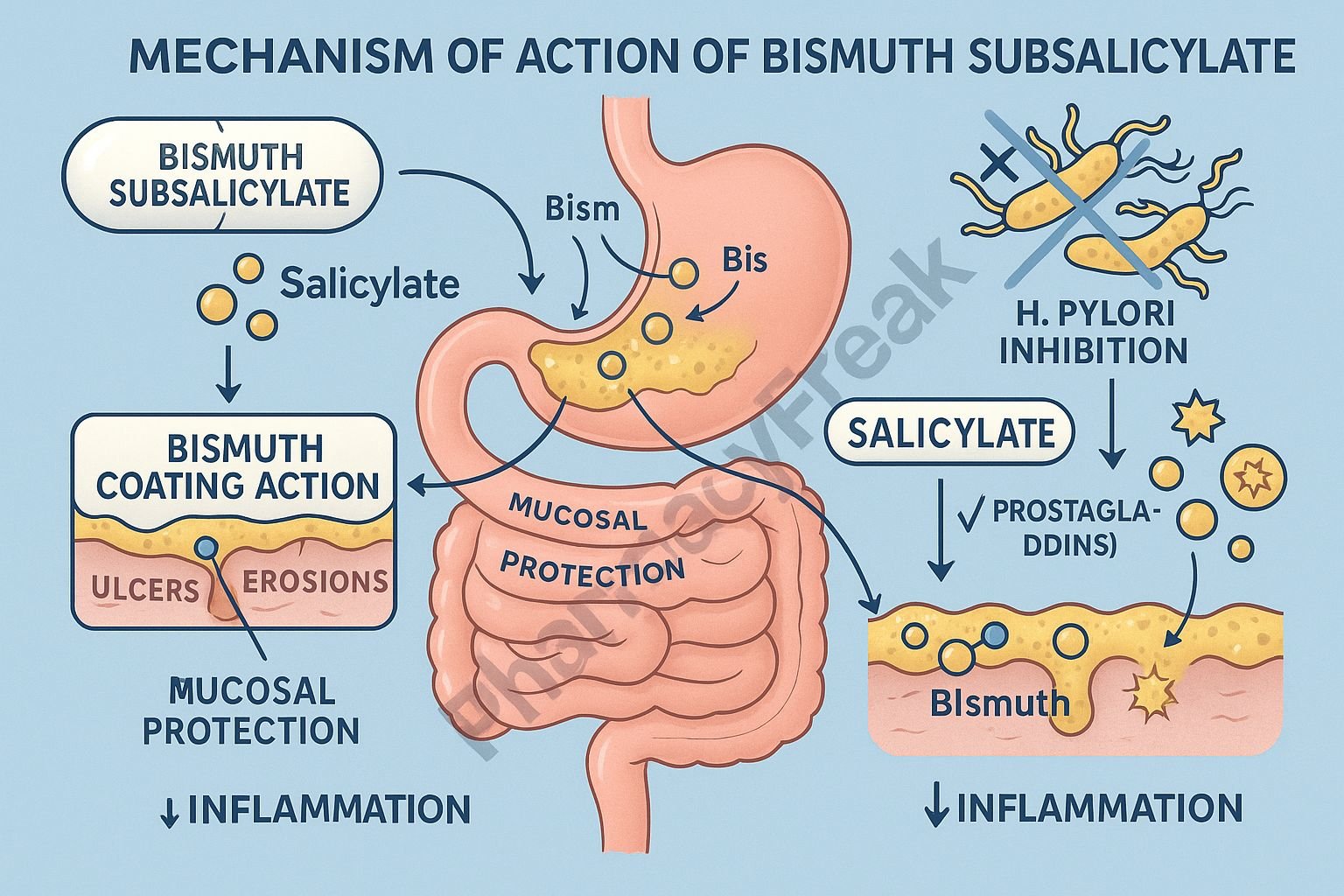
Mechanism of Action of Bismuth Subsalicylate

MOA of Bismuth Subsalicylate

Introduction Bismuth subsalicylate is an antidiarrheal, gastroprotective, and antimicrobial agent commonly used in the treatment of acute diarrhea, traveler’s diarrhea, dyspepsia, and H. pylori–associated gastritis. It is the active ingredient in many over-the-counter formulations used for stomach upset. Its mechanism of action is multifactorial, involving protection of the gastric mucosa, reduction of inflammation, inhibition of … Read more

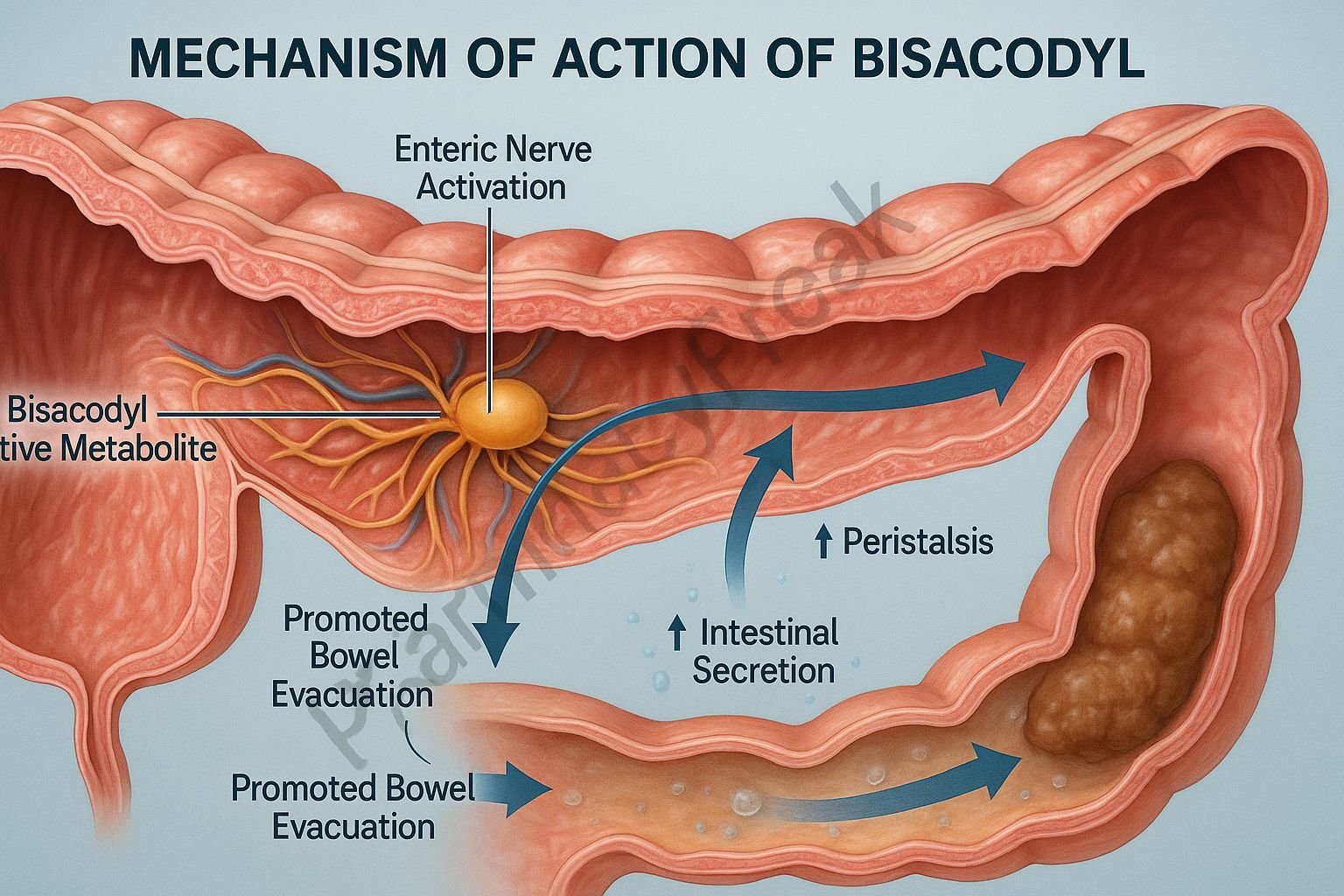
Mechanism of Action of Bisacodyl

MOA of Bisacodyl

Introduction Bisacodyl is a stimulant laxative widely used for the short-term relief of constipation, for bowel preparation before procedures, and for evacuation in conditions requiring rapid colonic emptying. It works by directly stimulating the enteric nervous system, increasing intestinal motility, and promoting fluid accumulation in the colon. As a potent bowel stimulant, bisacodyl acts primarily … Read more

Mechanism of Action of Biguanides

MOA of Biguanides

Introduction Biguanides are a class of oral antihyperglycemic drugs, with metformin being the only widely used agent today. Metformin is the first-line therapy for type 2 diabetes mellitus due to its excellent safety profile, weight-neutral effect, and strong efficacy in lowering blood glucose without causing hypoglycemia. Mechanism of Action of Biguanides centers on decreasing hepatic … Read more

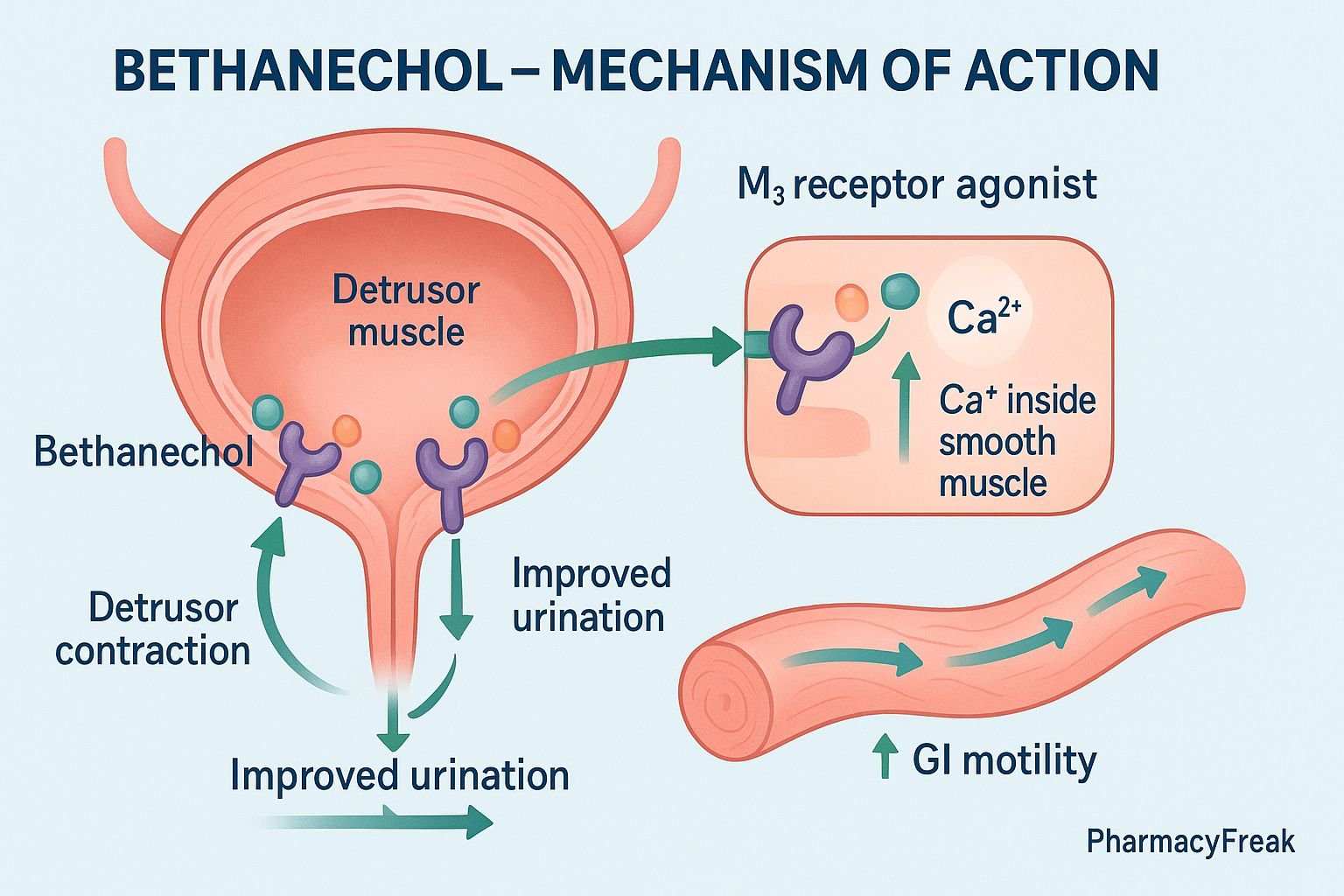
Mechanism of Action of Bethanechol

MOA of Bethanechol

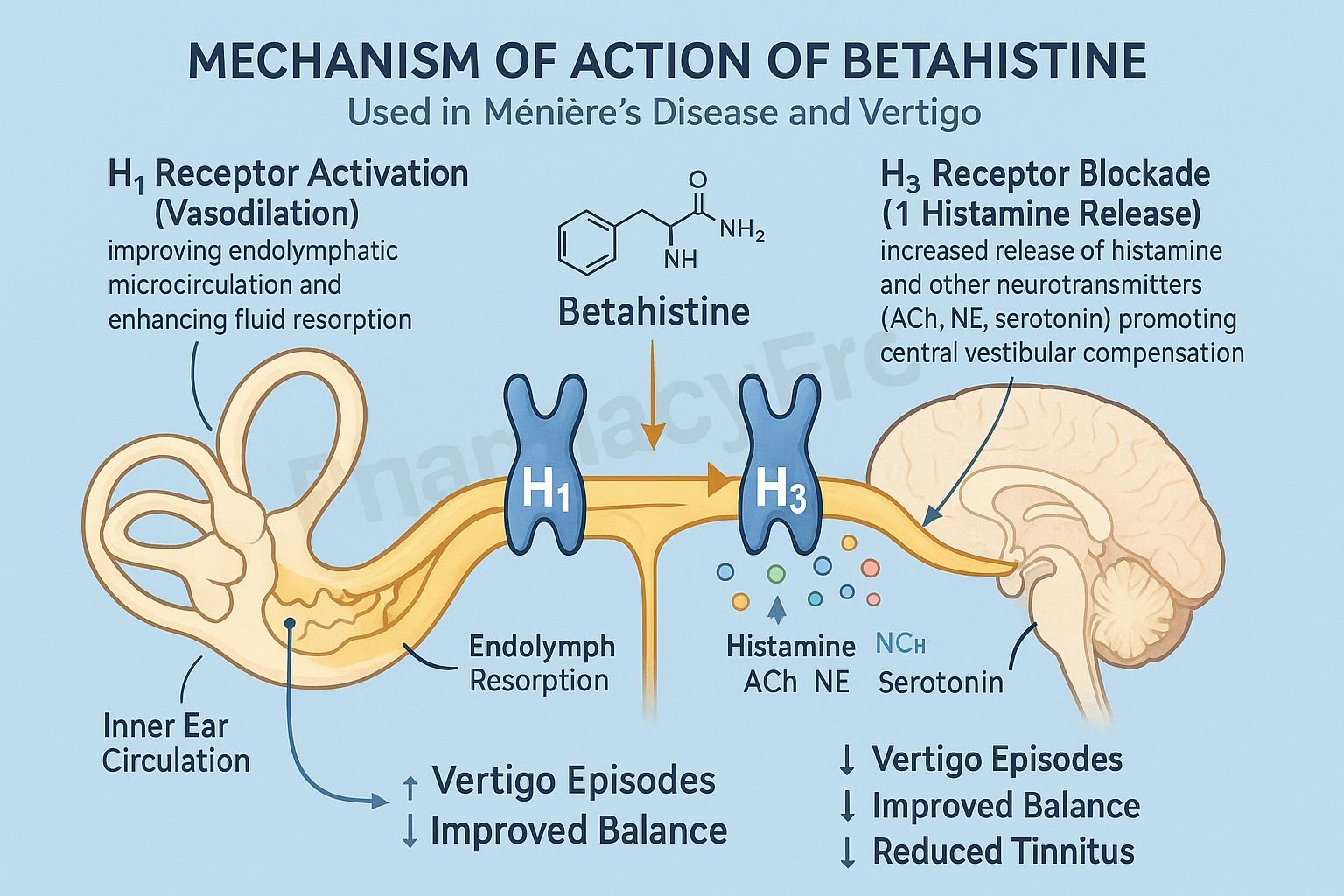
Introduction Betahistine is a histamine analogue used primarily in the treatment of Meniere’s disease, vertigo, and vestibular disorders. Its therapeutic effects involve improving microcirculation in the inner ear, enhancing vestibular compensation, and reducing endolymphatic pressure. Betahistine works through a dual mechanism: H1 receptor agonism (weak) and H3 receptor antagonism (strong), both contributing to symptomatic relief … Read more

Mechanism of Action of Betahistine

MOA of Betahistine

Introduction Betahistine is a histamine analogue used primarily in the treatment of Meniere’s disease, vertigo, and vestibular disorders. Its therapeutic effects involve improving microcirculation in the inner ear, enhancing vestibular compensation, and reducing endolymphatic pressure. Betahistine works through a dual mechanism: H1 receptor agonism (weak) and H3 receptor antagonism (strong), both contributing to symptomatic relief … Read more

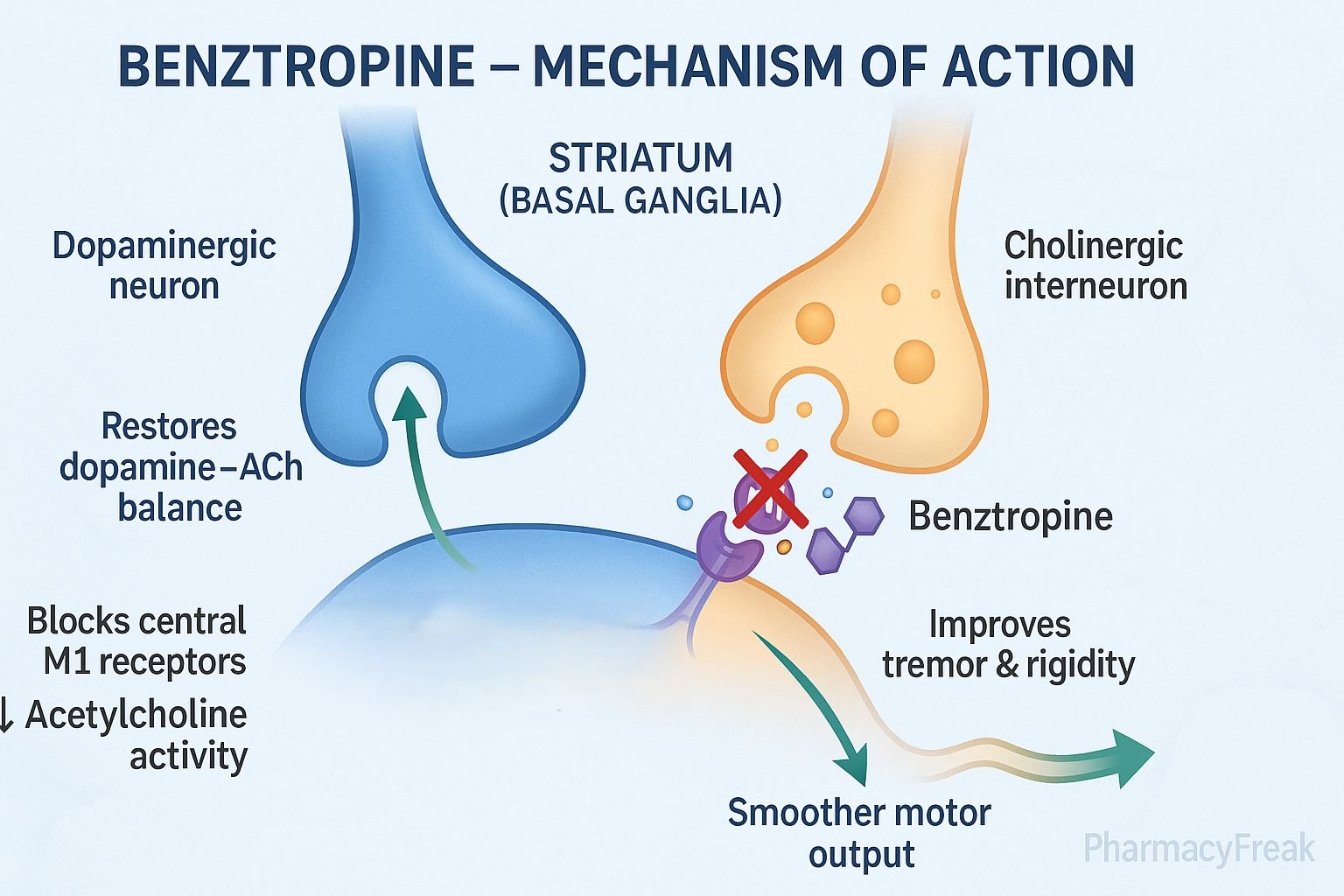
Mechanism of Action of Benztropine

MOA of Benztropine

Introduction Benztropine is an anticholinergic and antihistaminic medication commonly used in the treatment of Parkinson’s disease and drug-induced extrapyramidal symptoms (EPS) such as dystonia, akathisia, and parkinsonism caused by antipsychotics. Its therapeutic effect comes from restoring the dopamine–acetylcholine balance in the basal ganglia. Benztropine blocks muscarinic receptors, reducing cholinergic activity, and provides antihistaminic sedation that … Read more

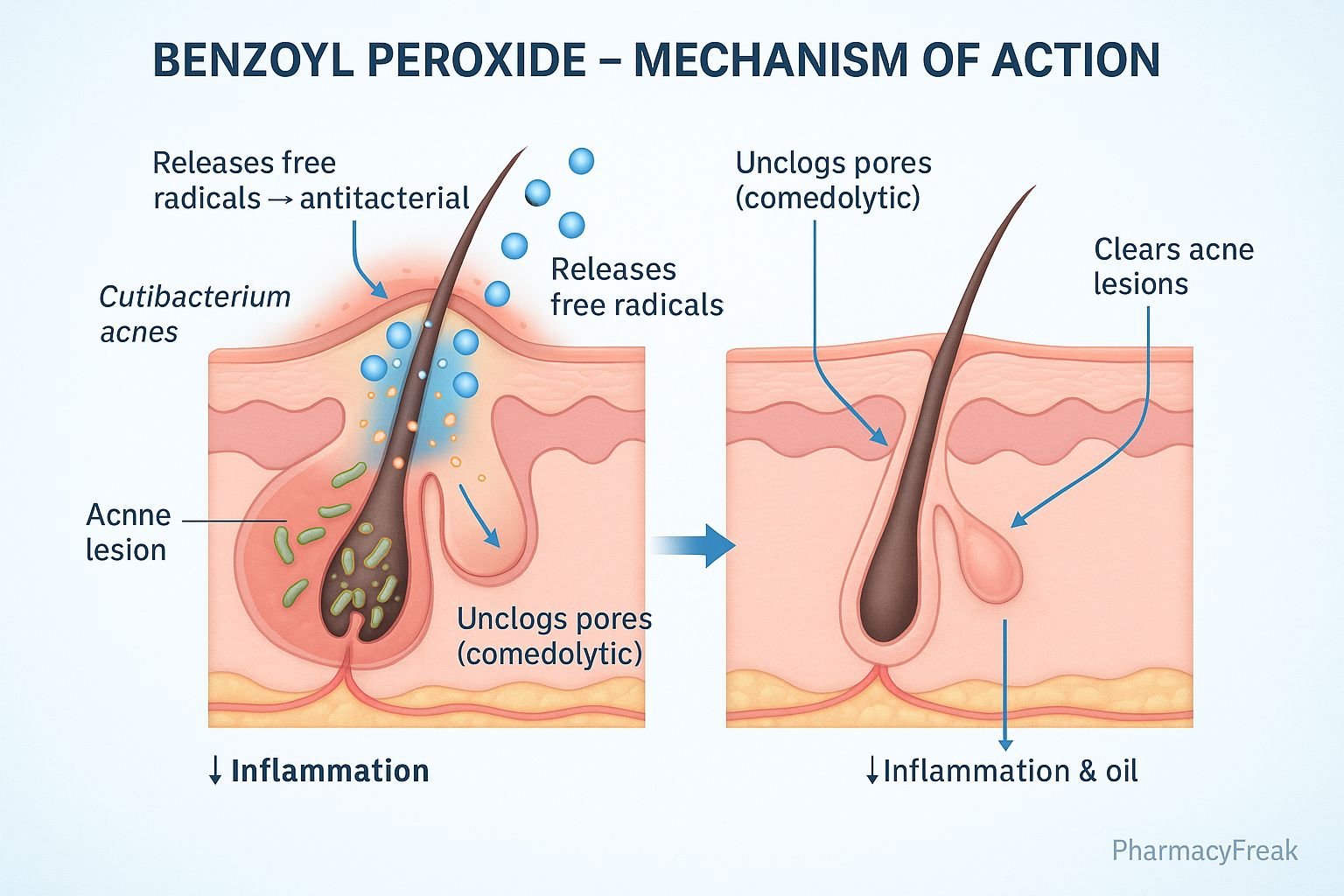
Mechanism of Action of Benzoyl Peroxide

MOA of Benzoyl Peroxide

Introduction Benzoyl peroxide is a topical antimicrobial and keratolytic agent widely used in the management of acne vulgaris. It is considered a first-line therapy for comedonal, inflammatory, and mild-to-moderate acne. Benzoyl peroxide is known for its powerful bactericidal activity, ability to reduce sebum, and its capacity to prevent antibiotic resistance when used with topical or … Read more

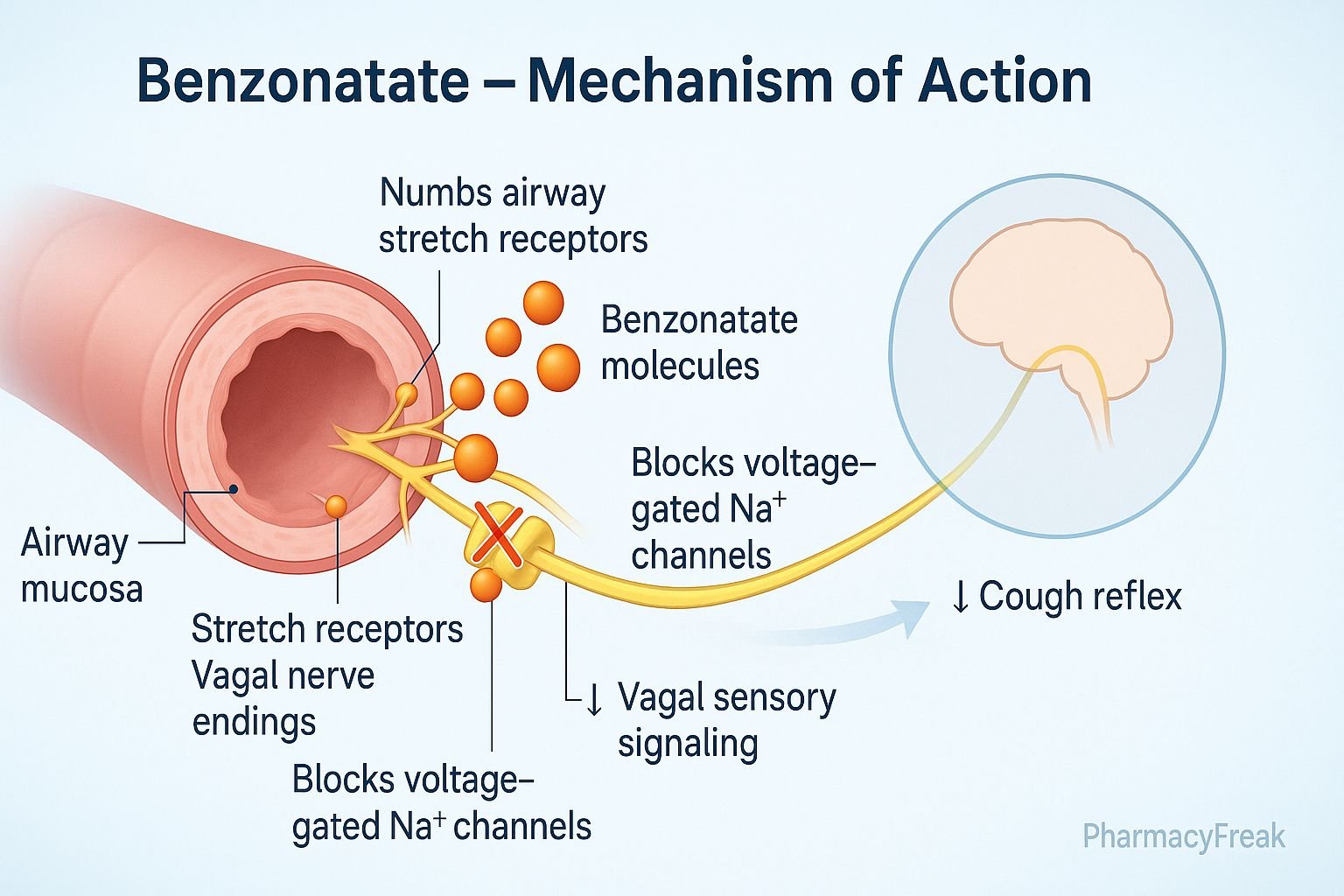
Mechanism of Action of Benzonatate

MOA of Benzonatate

Introduction Benzonatate is a non-narcotic antitussive (cough suppressant) commonly prescribed for symptomatic relief of acute cough in respiratory infections such as bronchitis, pneumonia, and influenza. Structurally related to ester-type local anesthetics like tetracaine, benzonatate works by numbing stretch receptors in the respiratory tract and reducing cough reflex sensitivity. Its unique mechanism provides cough relief without … Read more

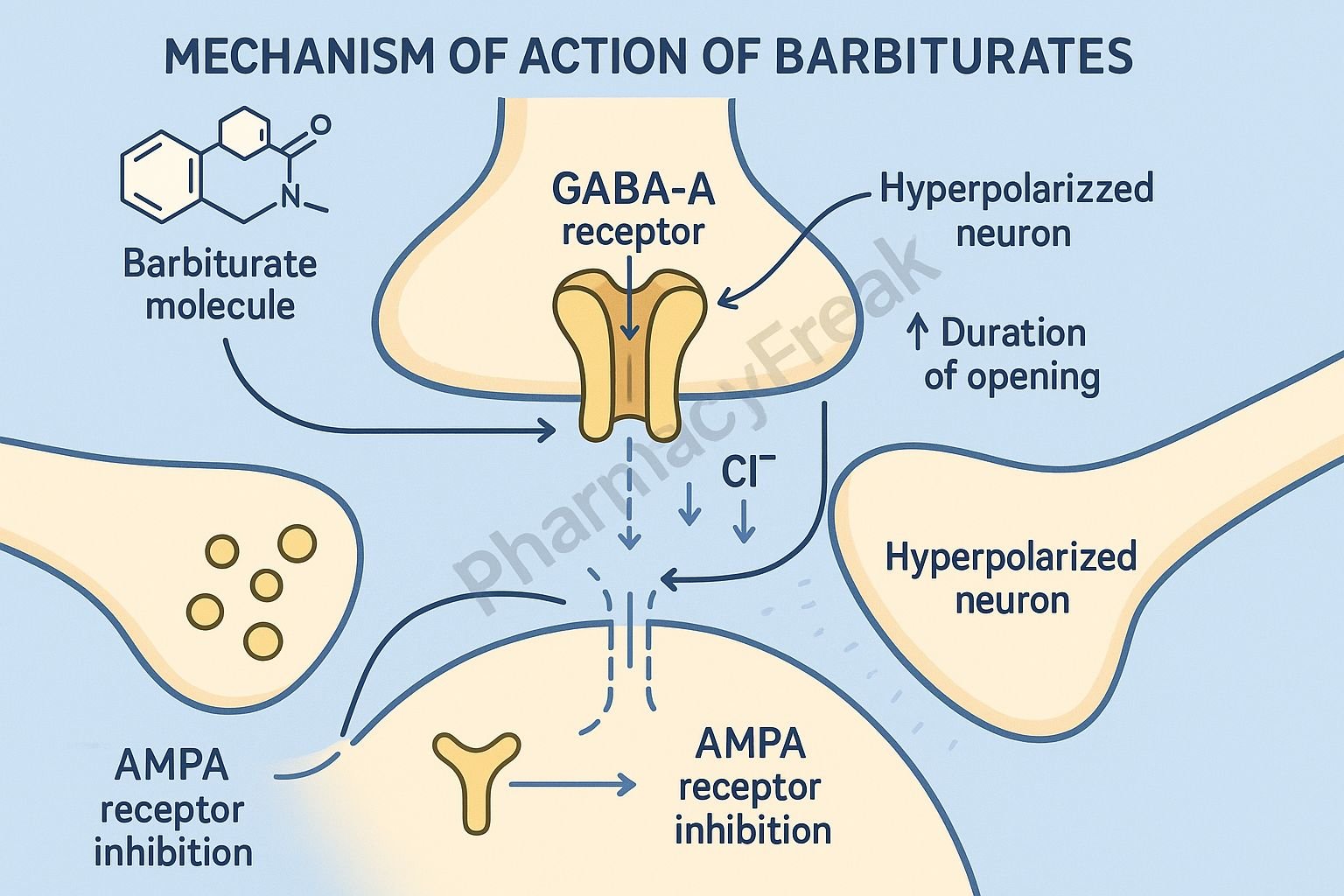
Mechanism of Action of Barbiturates

MOA of Barbiturates

Introduction Barbiturates are central nervous system (CNS) depressants historically used as sedatives, hypnotics, anesthetics, and anticonvulsants. Although their clinical use has decreased due to safer alternatives (benzodiazepines), they remain important in anesthesia and seizure management—particularly phenobarbital for epilepsy. Barbiturates exert profound CNS depression by enhancing inhibitory GABAergic transmission, blocking excitatory neurotransmission, and directly suppressing neuronal … Read more

PRO
Ad-Free Access
$3.99 / month
  • No Interruptions
  • Faster Page Loads
  • Support Content Creators