Trusted by 50K+ Pharmacy StudentsHigh Quality Notes, MCQs, Mock Tests & Study ResourcesGo Premium (Ads Free)
Pharmacy Freak

NSAID Classification – A Complete Guide for Pharmacy Students
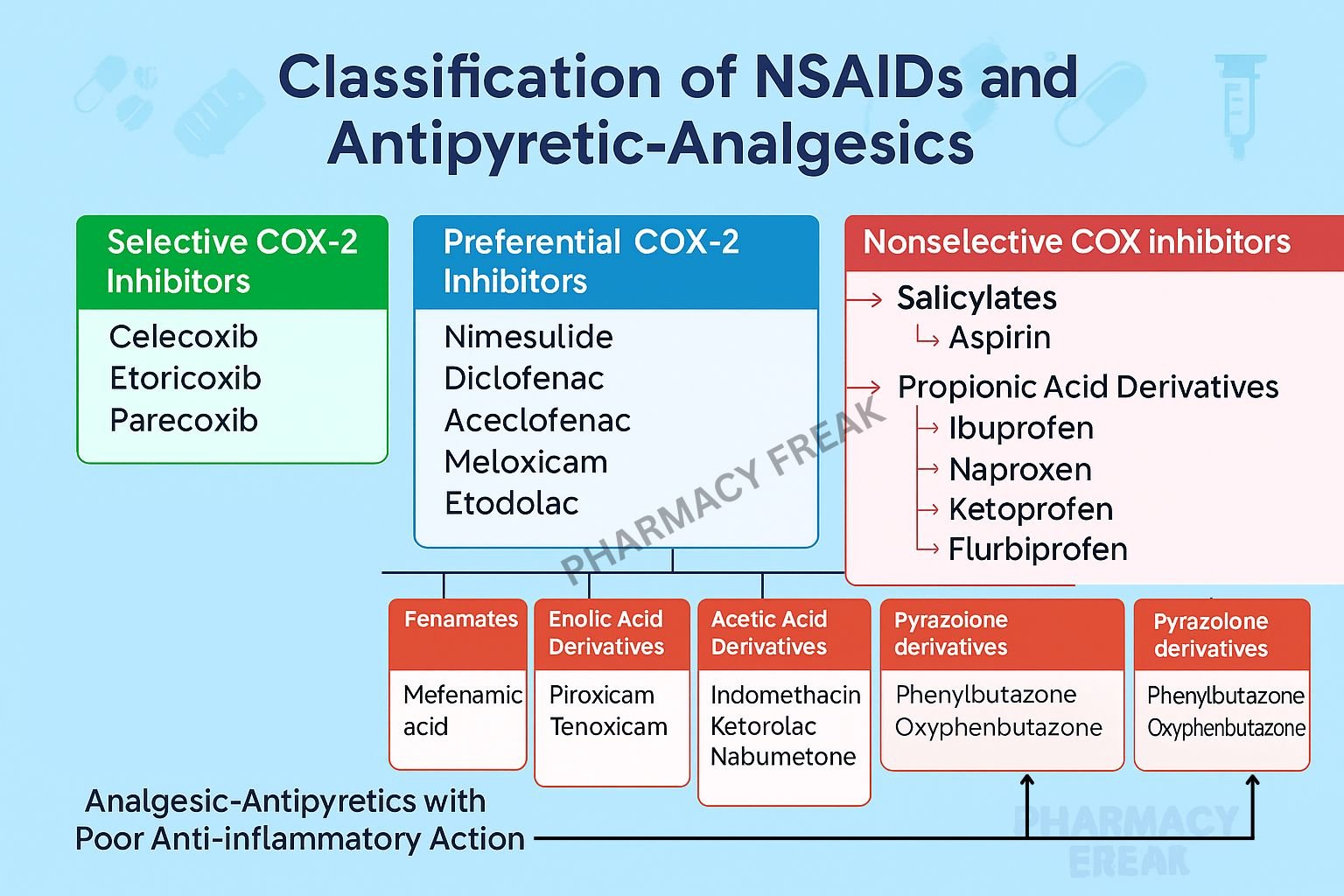
CLASSIFICATION OF NSAID

Introduction Non-steroidal anti-inflammatory drugs (NSAIDs) are among the most widely used medications globally. They are primarily prescribed for their analgesic, anti-inflammatory, and antipyretic properties. Whether it’s managing acute pain, chronic arthritis, or postoperative inflammation, NSAIDs are essential tools in clinical practice. Understanding their classification is critical for pharmacy students and healthcare professionals to ensure rational … Read more
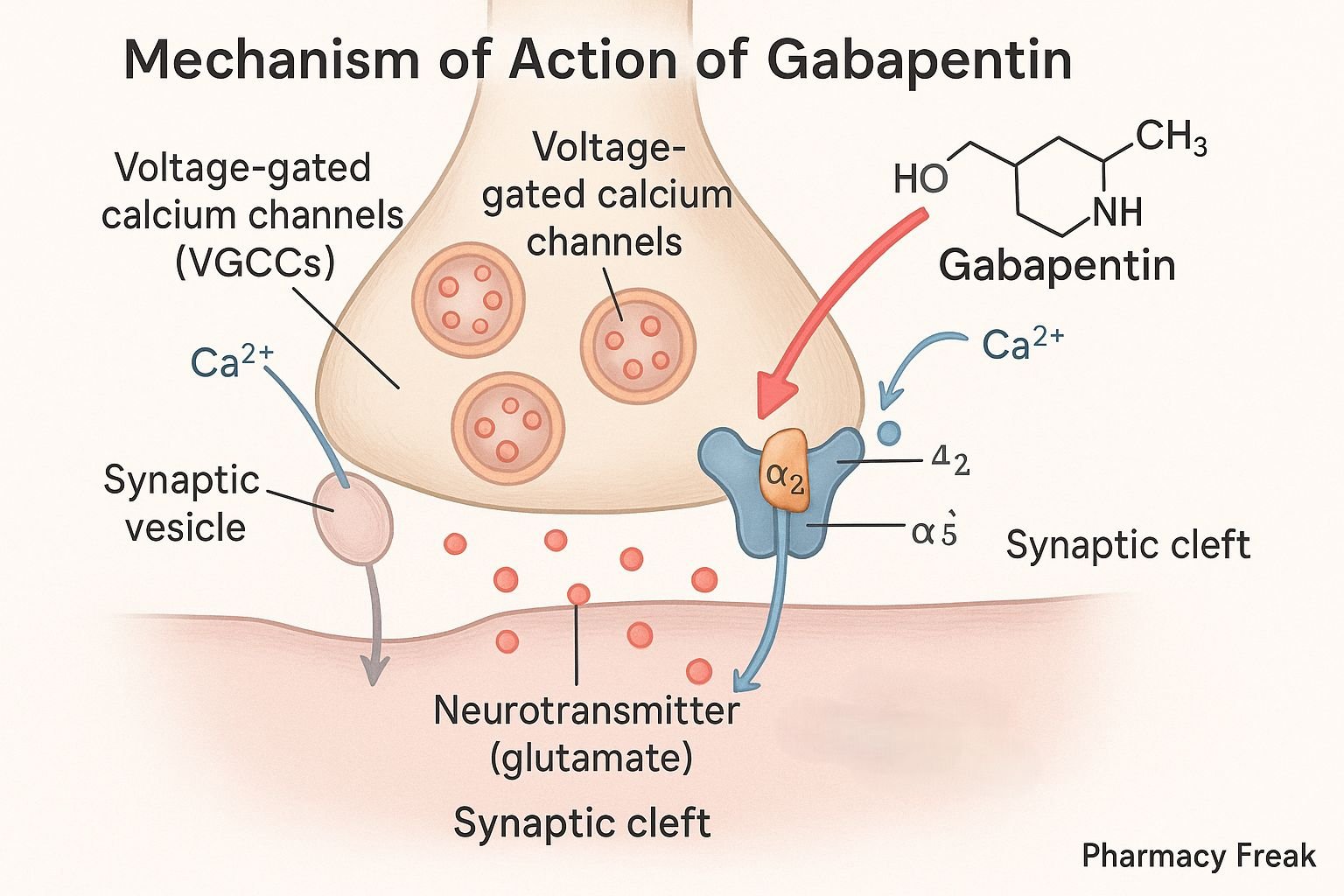
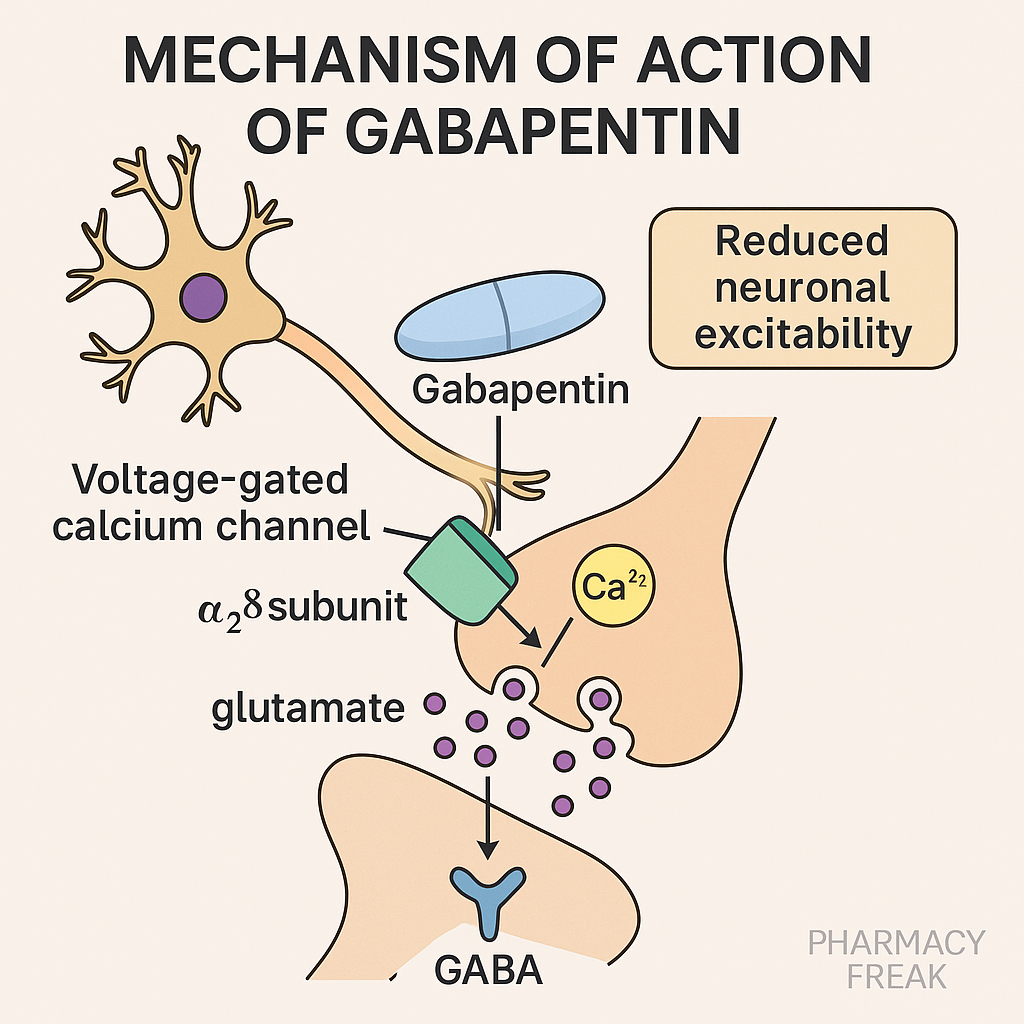
Mechanism of Action of Gabapentin

Illustration of Gabapentin's mechanism of action on voltage-gated calcium channels

Introduction Gabapentin is an anticonvulsant and analgesic drug primarily used in the treatment of epilepsy, neuropathic pain, and restless legs syndrome. Though structurally related to gamma-aminobutyric acid (GABA), gabapentin does not bind to GABA receptors or influence GABA metabolism. Instead, it modulates neuronal excitability by interacting with voltage-gated calcium channels. Its favorable safety profile and … Read more

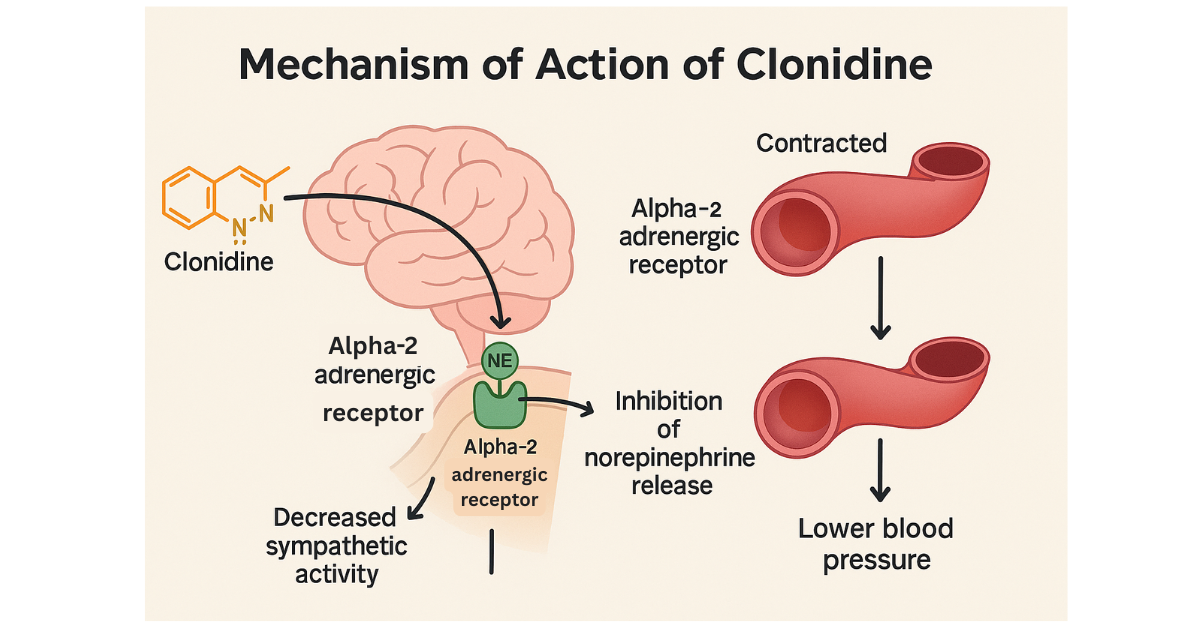
Mechanism of Action of Clonidine (Centrally Acting Antihypertensive)

Clonidine MOA – Central α2 Agonist Reducing Sympathetic Outflow

Introduction Clonidine is a centrally acting α2-adrenergic receptor agonist used primarily for hypertension, but also for opioid withdrawal, ADHD, pain management, and anxiety disorders. It lowers blood pressure by reducing sympathetic outflow from the central nervous system. Due to its broad clinical relevance and central mechanism, clonidine is a high-yield drug for exams like USMLE, … Read more

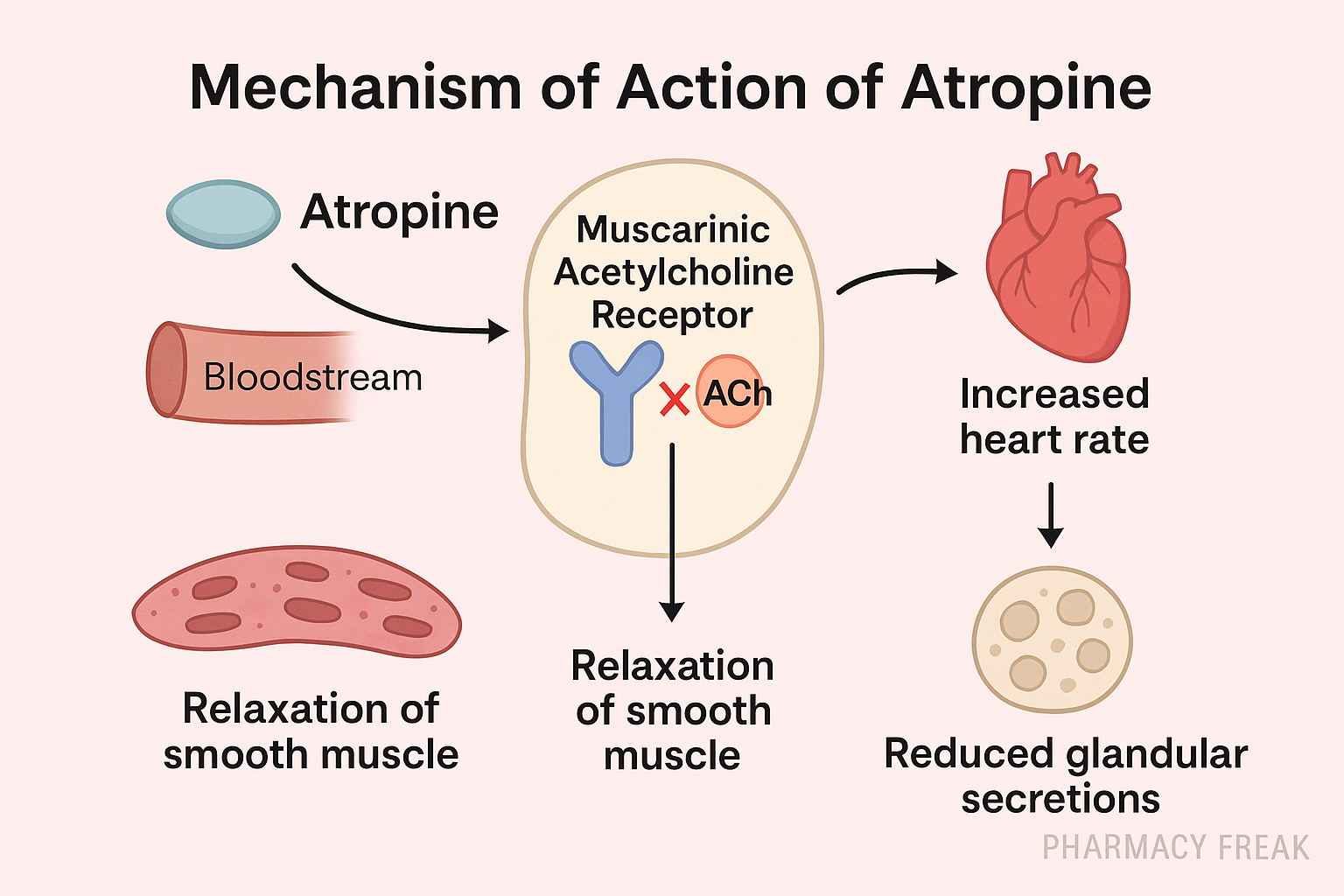
Mechanism of Action of Atropine (Muscarinic Antagonist)

Atropine MOA – Competitive Muscarinic Receptor Antagonist

Introduction Atropine is a classic anticholinergic drug that works by competitively inhibiting muscarinic acetylcholine receptors (mAChRs). It is derived from the plant Atropa belladonna and has wide clinical use in bradycardia, organophosphate poisoning, pre-anesthetic medication, and pupil dilation. Its importance spans autonomic pharmacology, emergency medicine, and toxicology, making it a high-yield topic for USMLE, NCLEX, … Read more

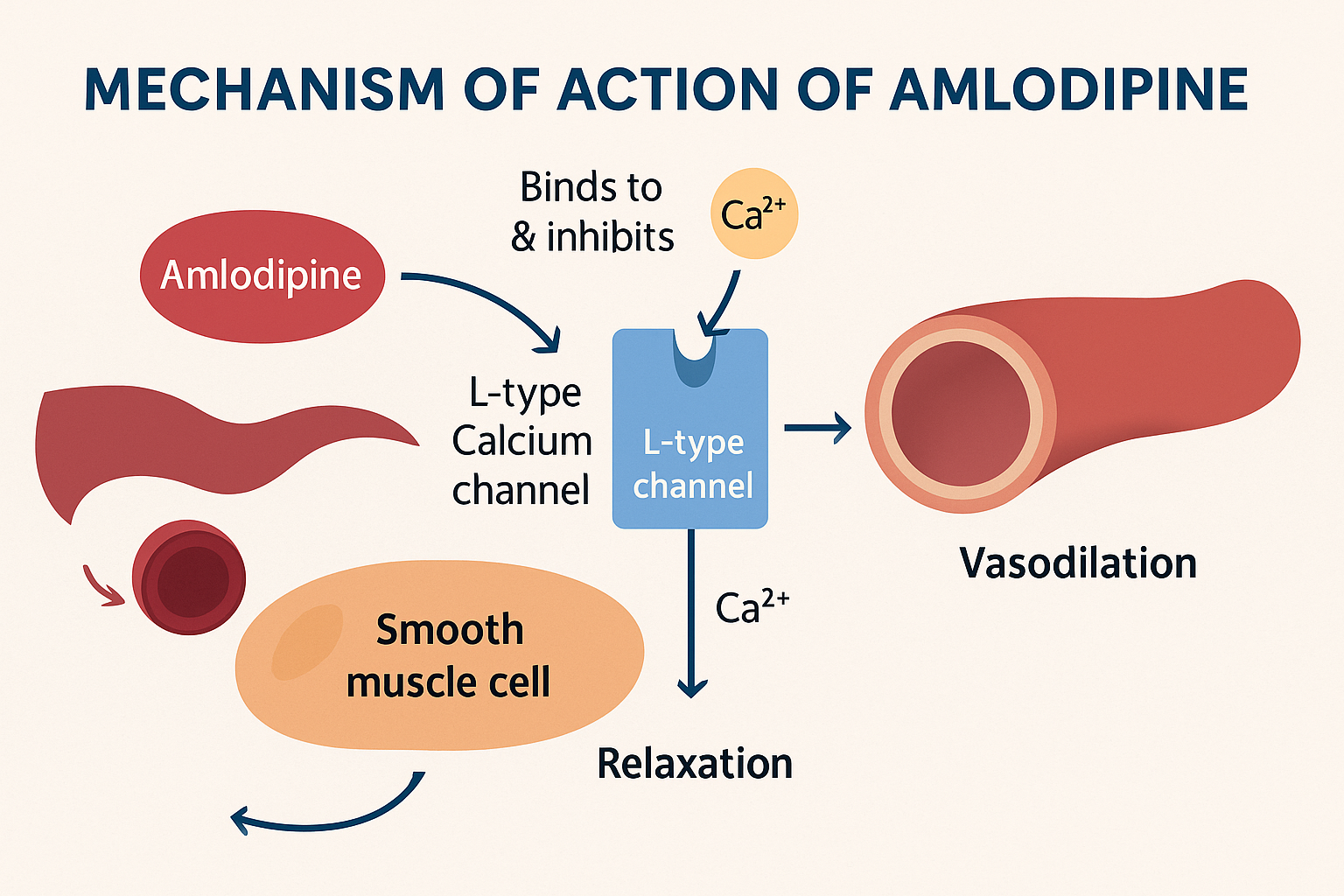
Mechanism of Action of Amlodipine (Calcium Channel Blocker)

Amlodipine MOA – L-type calcium channel blocker causing vasodilation

Introduction Amlodipine is a commonly prescribed dihydropyridine calcium channel blocker (CCB) used in the treatment of hypertension, angina pectoris, and coronary artery disease. It works by relaxing vascular smooth muscle, leading to vasodilation and reduced blood pressure. With its once-daily dosing, long half-life, and minimal cardiac depression, it is a key drug in cardiovascular therapy. … Read more

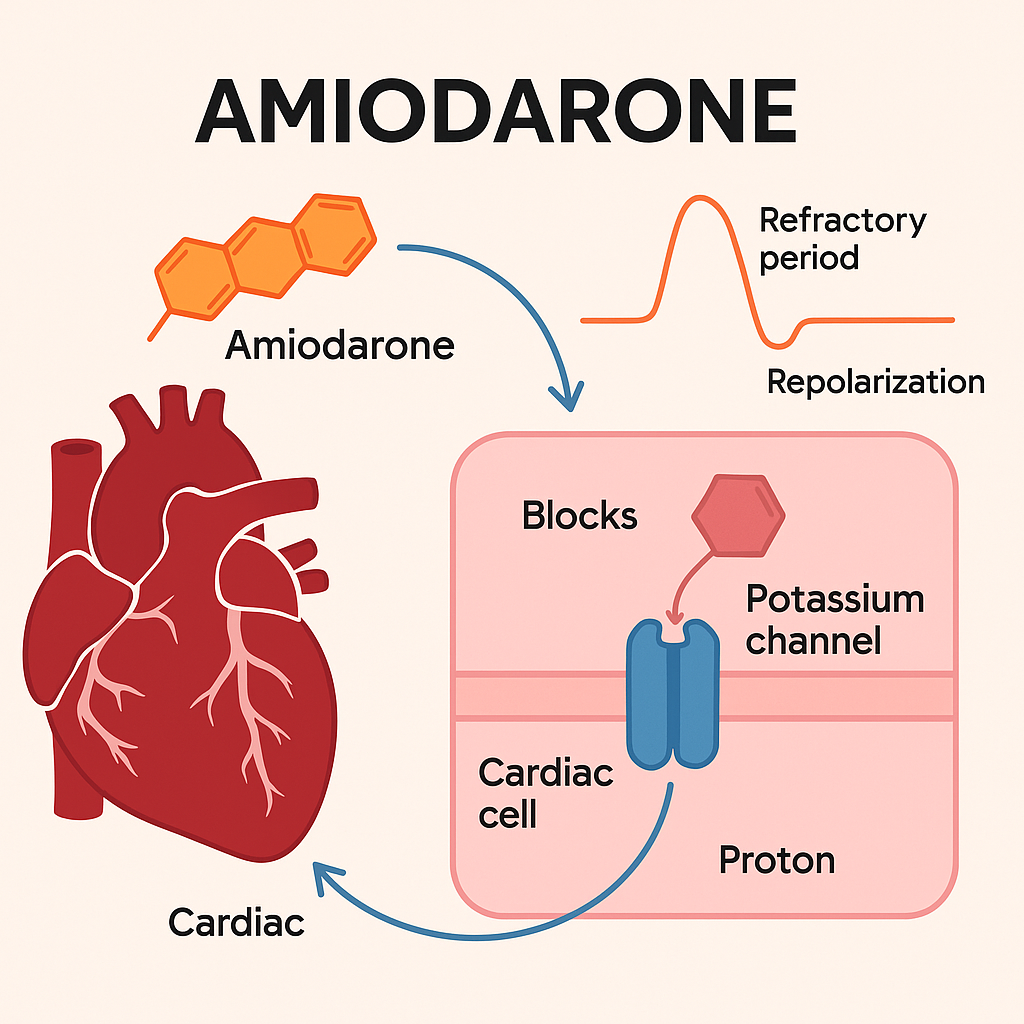
Mechanism of Action of Amiodarone (Class III Antiarrhythmic)

Amiodarone MOA – Multi-class antiarrhythmic with K⁺ channel blockade

Introduction Amiodarone is a powerful Class III antiarrhythmic agent used to treat various life-threatening cardiac arrhythmias, including ventricular tachycardia, ventricular fibrillation, and atrial fibrillation. It has a complex pharmacology, affecting multiple phases of the cardiac action potential and multiple ion channels. Due to its broad antiarrhythmic profile, multi-organ toxicity, and exam relevance, amiodarone is a … Read more

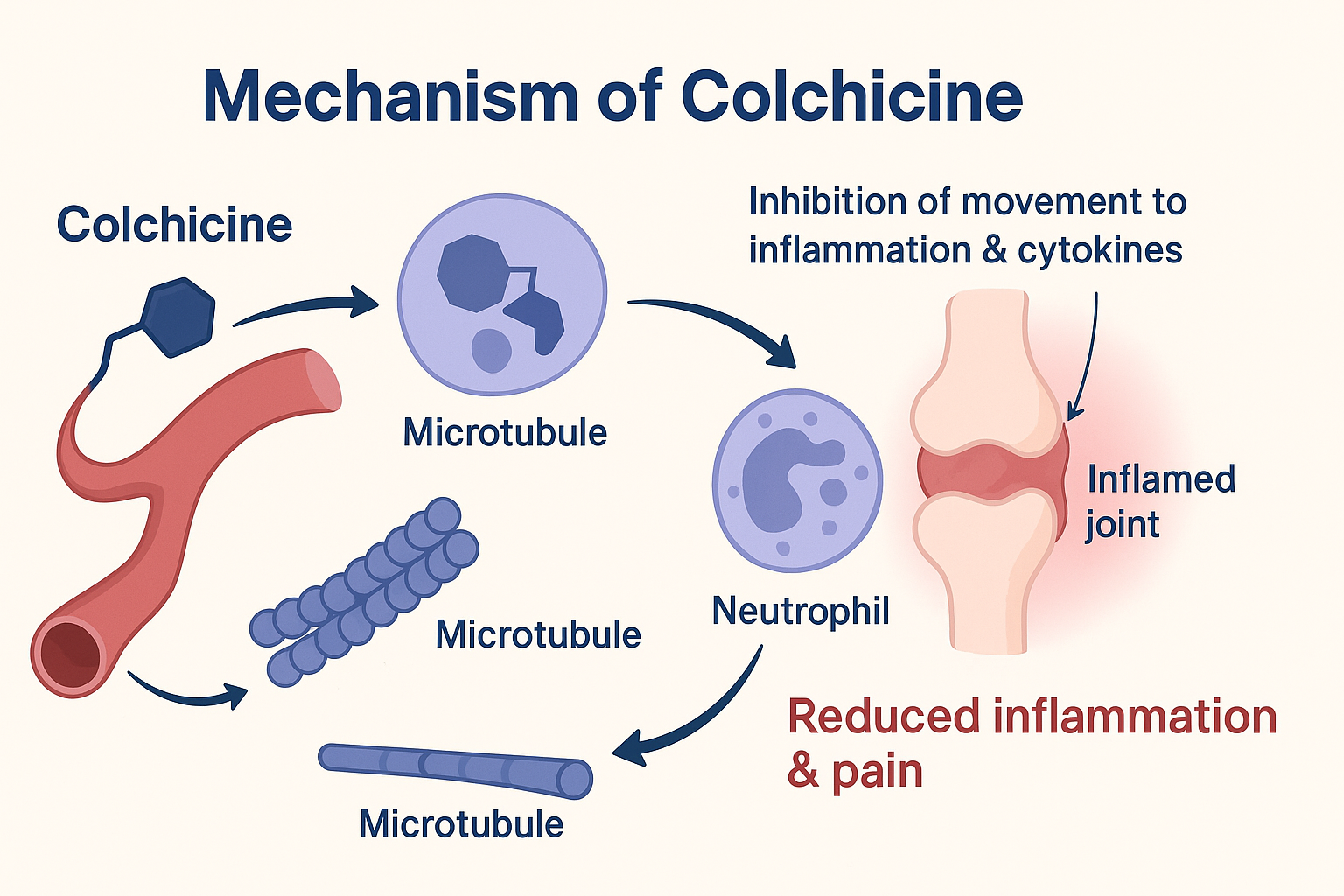
Mechanism of Action of Colchicine (Anti-inflammatory in Gout)

Colchicine MOA – Inhibition of microtubule polymerization in neutrophils

Introduction Colchicine is an anti-inflammatory drug primarily used in the management of acute gouty arthritis, familial Mediterranean fever, and sometimes in pericarditis. It is not an analgesic or uric acid–lowering agent, but it inhibits leukocyte activity, which is key to managing gout flare-ups. Given its unique mechanism, narrow therapeutic window, and exam relevance, colchicine is … Read more

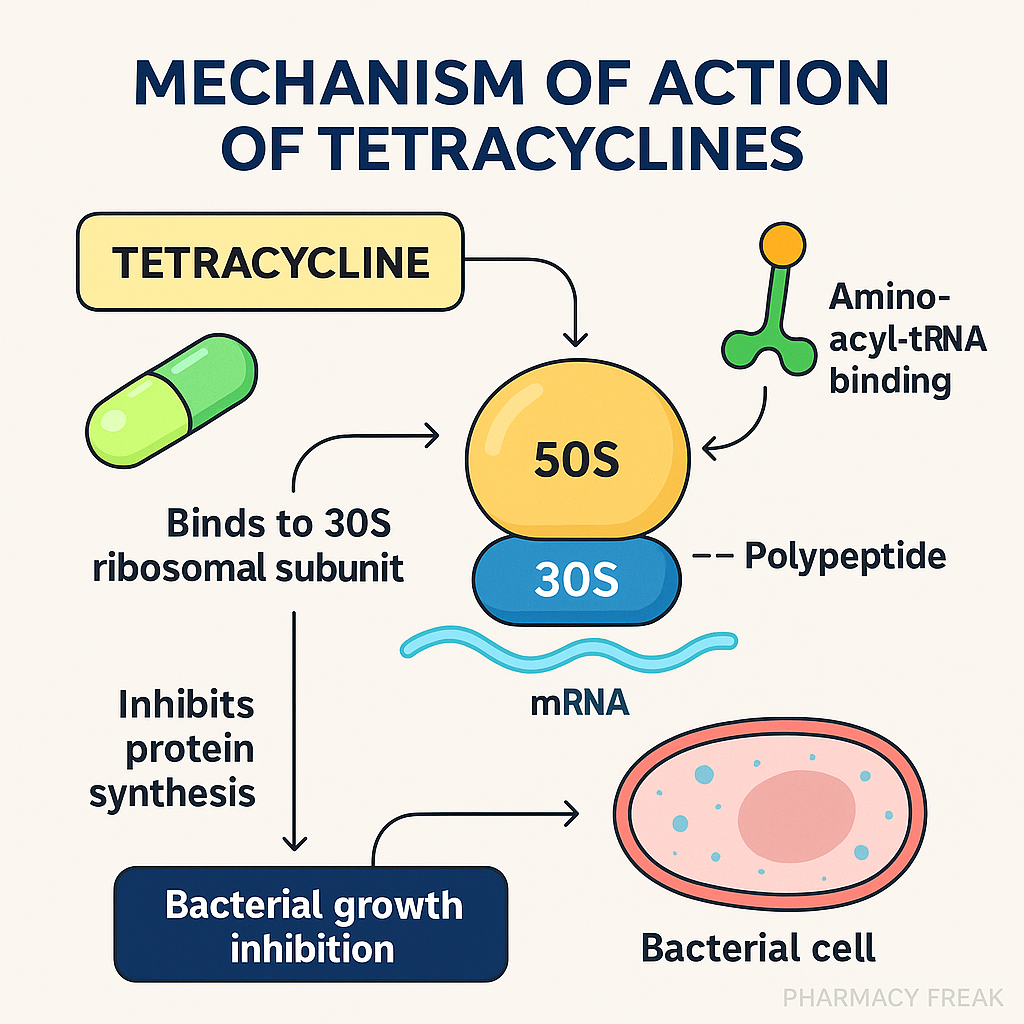
Mechanism of Action of Tetracyclines (Broad-Spectrum 30S Ribosome Inhibitors)

Tetracycline MOA – 30S ribosome binding and tRNA blocking

Introduction Tetracyclines are a class of broad-spectrum bacteriostatic antibiotics that inhibit bacterial protein synthesis. Common examples include tetracycline, doxycycline, minocycline, and demeclocycline. They are effective against a wide variety of Gram-positive, Gram-negative, and atypical organisms, including Rickettsia, Chlamydia, Mycoplasma, and Borrelia. Due to their broad usage and distinct mechanism, tetracyclines are high-yield topics for USMLE, … Read more

Mechanism of Action of Gabapentin

Gabapentin MOA – calcium channel modulator in epilepsy and neuropathic pain

Introduction Gabapentin is an antiepileptic drug and one of the most widely prescribed medications for neuropathic pain, postherpetic neuralgia, and partial seizures. Originally developed as a GABA analog, it surprisingly does not act directly on GABA receptors. Instead, it binds to voltage-gated calcium channels, altering neurotransmitter release. It is also used off-label for conditions like … Read more

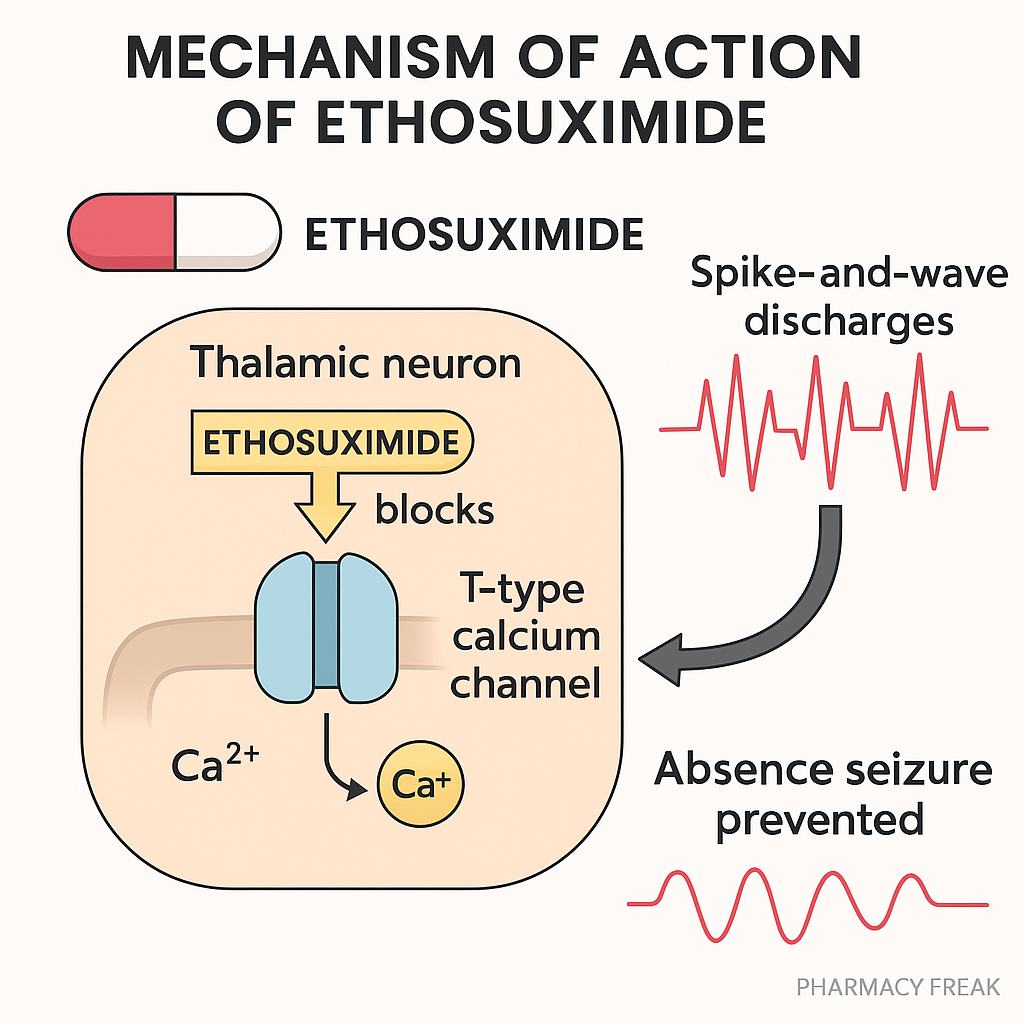
Mechanism of Action of Ethosuximide

Ethosuximide MOA – T-type calcium channel blocker for absence seizures

Introduction Ethosuximide is the first-line drug for treating absence seizures, a type of generalized seizure common in children. It is uniquely effective due to its action on T-type calcium channels in thalamic neurons, which are critical for the pathophysiology of absence seizures. Unlike most other AEDs, ethosuximide is not effective for other seizure types. It … Read more

PRO
Ad-Free Access
$3.99 / month
  • No Interruptions
  • Faster Page Loads
  • Support Content Creators