Trusted by 50K+ Pharmacy StudentsHigh Quality Notes, MCQs, Mock Tests & Study ResourcesGo Premium (Ads Free)
Pharmacy Freak

Mechanism of Action of Clonidine (Centrally Acting Antihypertensive)
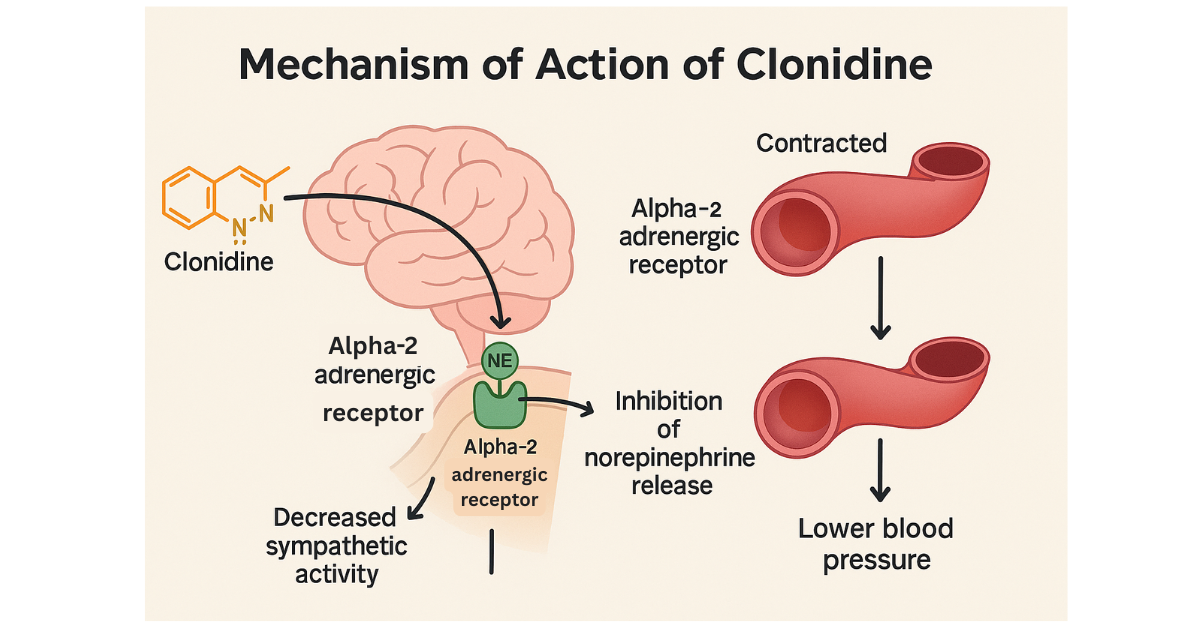
Clonidine MOA – Central α2 Agonist Reducing Sympathetic Outflow

Introduction Clonidine is a centrally acting α2-adrenergic receptor agonist used primarily for hypertension, but also for opioid withdrawal, ADHD, pain management, and anxiety disorders. It lowers blood pressure by reducing sympathetic outflow from the central nervous system. Due to its broad clinical relevance and central mechanism, clonidine is a high-yield drug for exams like USMLE, … Read more
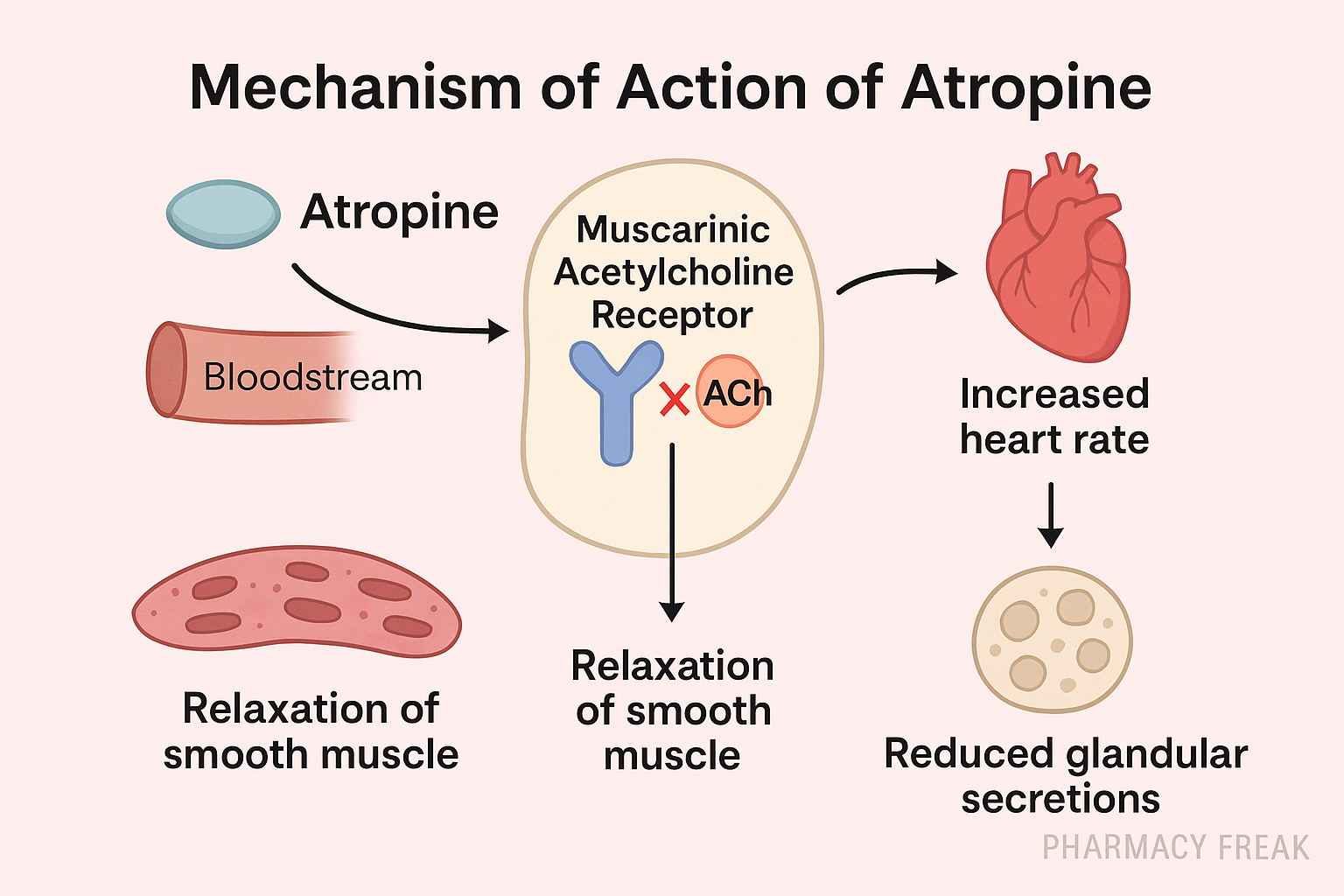
Mechanism of Action of Atropine (Muscarinic Antagonist)

Atropine MOA – Competitive Muscarinic Receptor Antagonist

Introduction Atropine is a classic anticholinergic drug that works by competitively inhibiting muscarinic acetylcholine receptors (mAChRs). It is derived from the plant Atropa belladonna and has wide clinical use in bradycardia, organophosphate poisoning, pre-anesthetic medication, and pupil dilation. Its importance spans autonomic pharmacology, emergency medicine, and toxicology, making it a high-yield topic for USMLE, NCLEX, … Read more

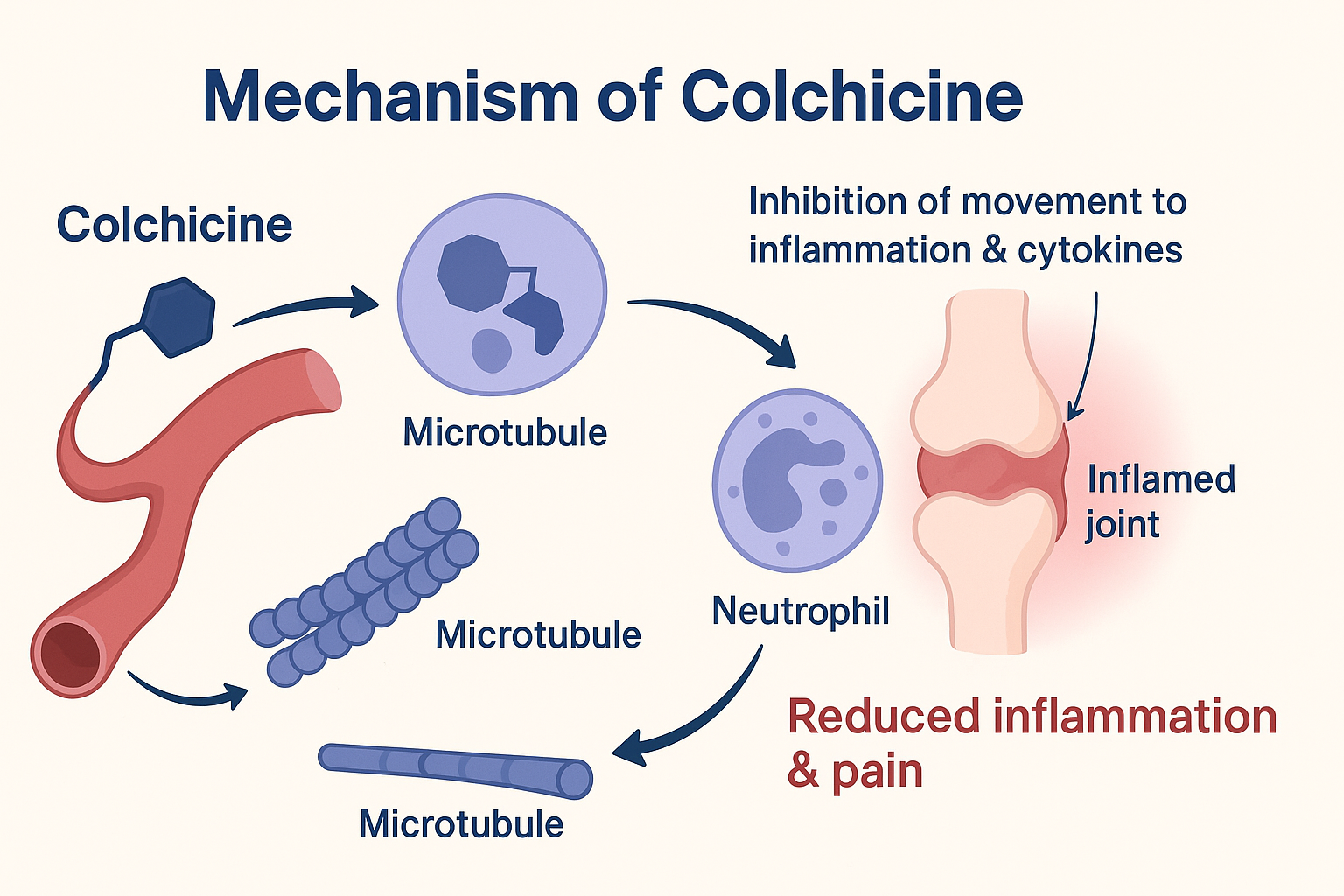
Mechanism of Action of Colchicine (Anti-inflammatory in Gout)

Colchicine MOA – Inhibition of microtubule polymerization in neutrophils

Introduction Colchicine is an anti-inflammatory drug primarily used in the management of acute gouty arthritis, familial Mediterranean fever, and sometimes in pericarditis. It is not an analgesic or uric acid–lowering agent, but it inhibits leukocyte activity, which is key to managing gout flare-ups. Given its unique mechanism, narrow therapeutic window, and exam relevance, colchicine is … Read more

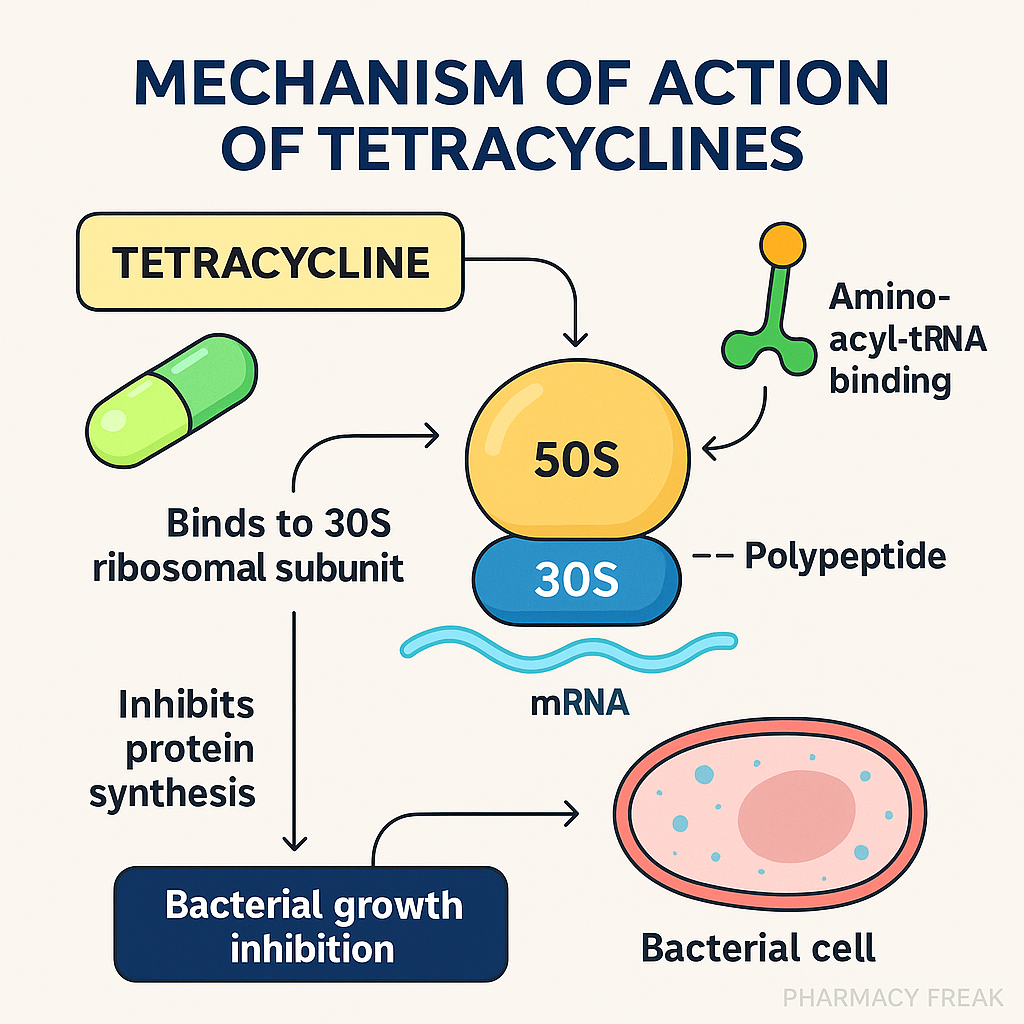
Mechanism of Action of Tetracyclines (Broad-Spectrum 30S Ribosome Inhibitors)

Tetracycline MOA – 30S ribosome binding and tRNA blocking

Introduction Tetracyclines are a class of broad-spectrum bacteriostatic antibiotics that inhibit bacterial protein synthesis. Common examples include tetracycline, doxycycline, minocycline, and demeclocycline. They are effective against a wide variety of Gram-positive, Gram-negative, and atypical organisms, including Rickettsia, Chlamydia, Mycoplasma, and Borrelia. Due to their broad usage and distinct mechanism, tetracyclines are high-yield topics for USMLE, … Read more

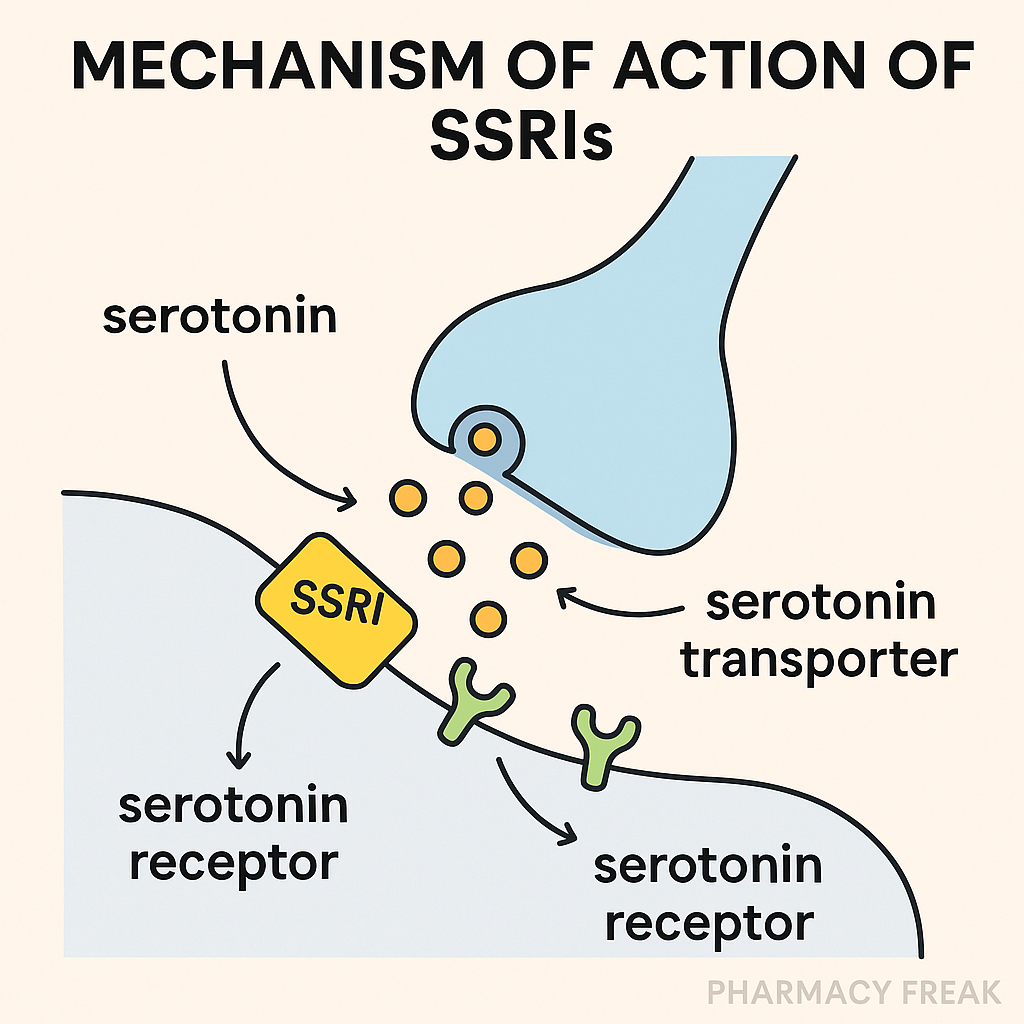
Mechanism of Action of SSRIs (Selective Serotonin Reuptake Inhibitors)

SSRIs mechanism – serotonin reuptake inhibition in synaptic cleft

Mechanism of Action of SSRIs (Selective Serotonin Reuptake Inhibitors) Introduction Selective Serotonin Reuptake Inhibitors (SSRIs) are first-line antidepressants commonly used in the treatment of major depressive disorder, generalized anxiety disorder, panic disorder, and other psychiatric conditions. They act by increasing the availability of serotonin (5-HT) in the synaptic cleft and are preferred for their favorable … Read more

ACE Inhibitors – Mechanism of Action

: ACE inhibitors mechanism of action – inhibition of angiotensin II and bradykinin elevation

Introduction ACE inhibitors (Angiotensin-Converting Enzyme Inhibitors) are a foundational class of antihypertensive drugs. They are used to treat hypertension, heart failure, and various forms of renal and cardiovascular disease. Common examples include: These drugs are frequently tested in both clinical exams and licensure tests due to their dual impact on the cardiovascular and renal systems. … Read more

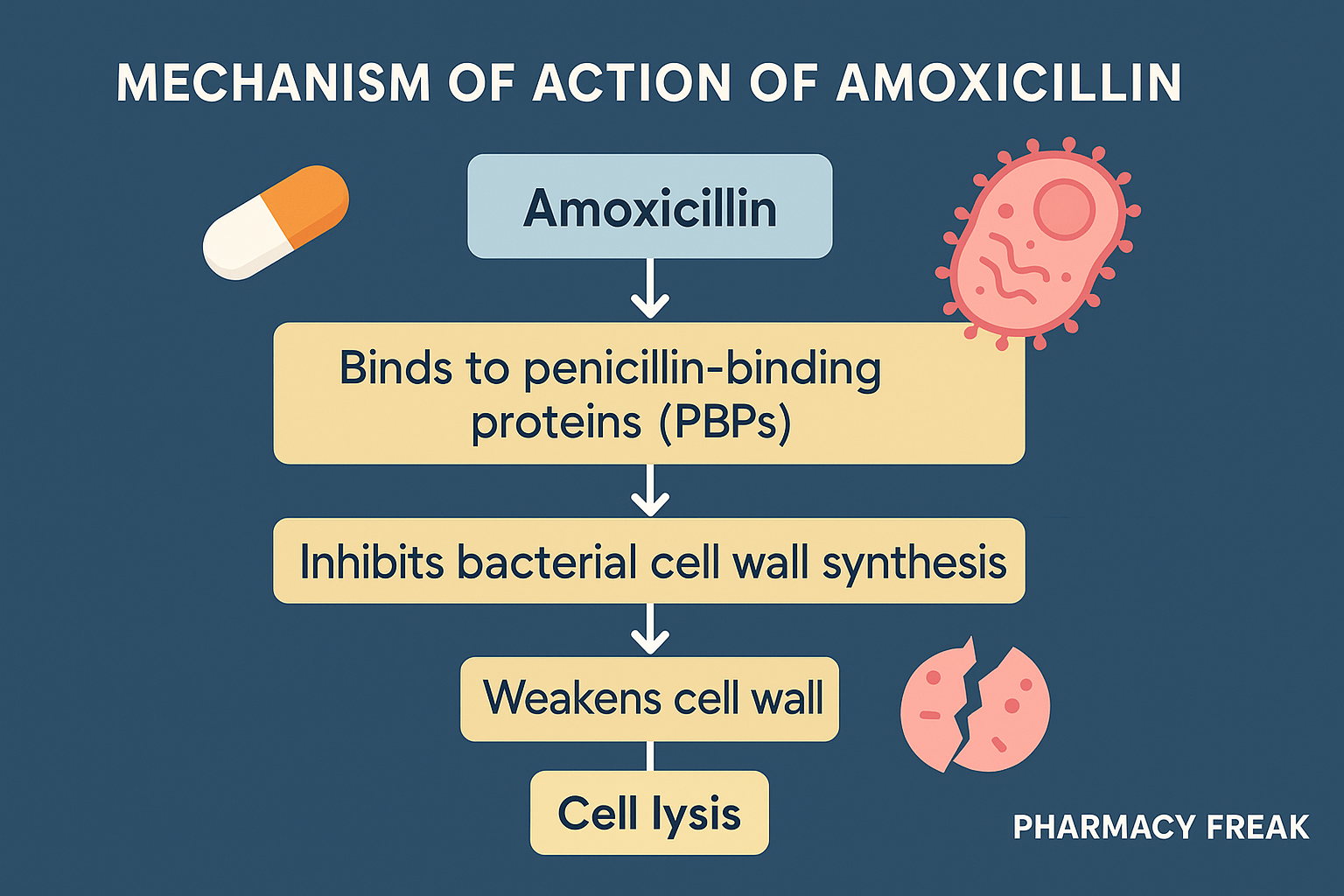
Amoxicillin – Mechanism of Action

Amoxicillin mechanism of action – inhibition of bacterial cell wall synthesis via PBPs

Introduction Amoxicillin is a widely used broad-spectrum penicillin antibiotic belonging to the β-lactam class. It is effective against a range of gram-positive and some gram-negative organisms, and is one of the most commonly prescribed antibiotics in both outpatient and inpatient settings in the United States. It is FDA-approved and widely used in: Because of its … Read more

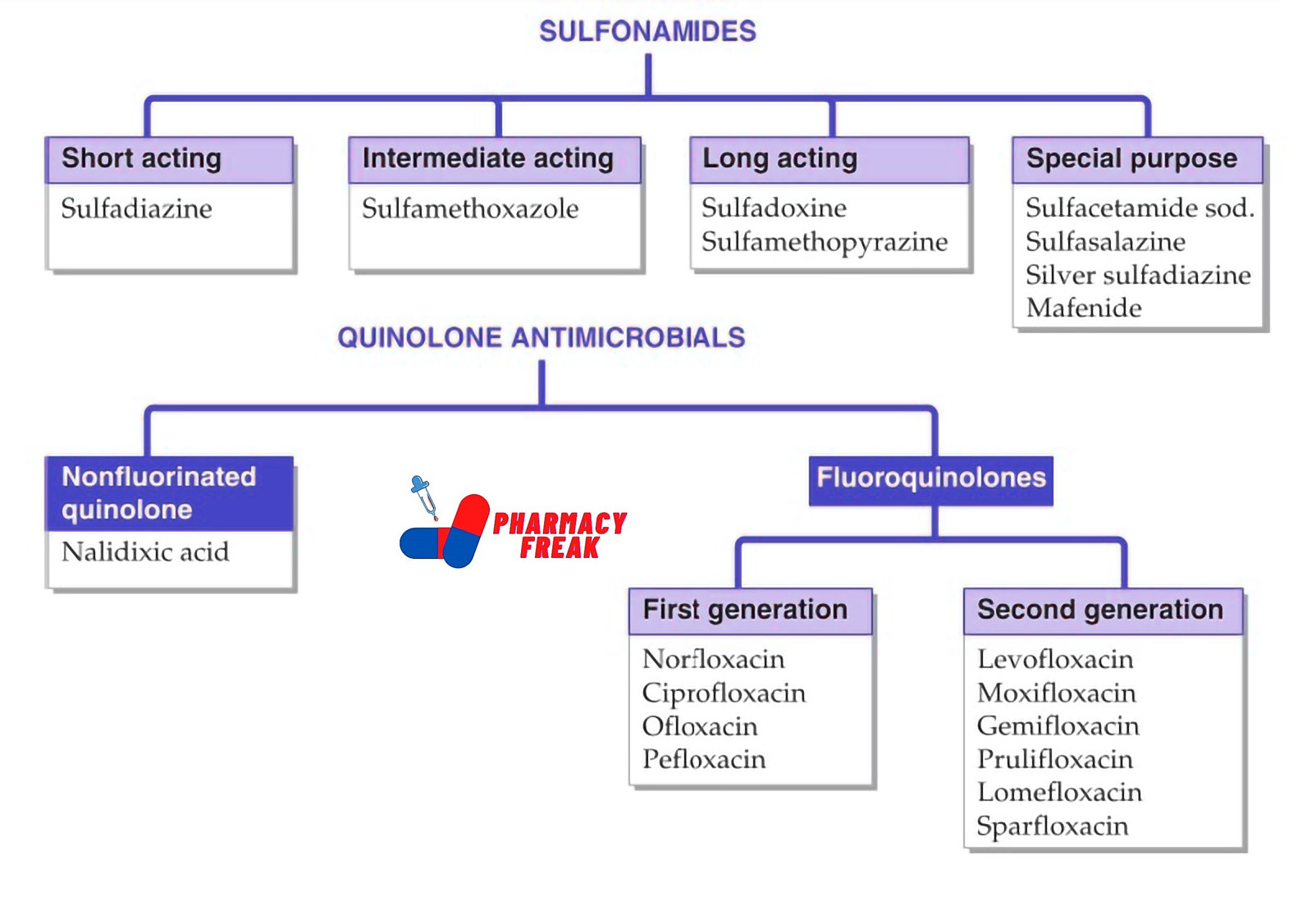
Classification of Sulfonamide and Quinolones

classification of sulfonamides and quinolones

What Are Sulfonamides? Sulfonamides, also known as sulfa drugs, are among the oldest classes of synthetic antimicrobial agents. They work by inhibiting folic acid synthesis in bacteria, which is essential for DNA replication and cell survival. They are bacteriostatic, meaning they stop bacteria from growing rather than killing them directly. Classification of Sulfonamides Sulfonamides are … Read more

Classification of Antibacterial Drugs

classification of antibacterial drugs

Classification Based on Mechanism of Action Antibacterial drugs are mainly classified by how they act inside the body. Each group targets a different part of the bacteria. Let’s look at classification of antibacterial drugs A. Drugs That Inhibit Cell Wall Synthesis These drugs stop bacteria from building their cell wall. Without a wall, bacteria die … Read more

PRO
Ad-Free Access
$3.99 / month
  • No Interruptions
  • Faster Page Loads
  • Support Content Creators