Trusted by 50K+ Pharmacy StudentsHigh Quality Notes, MCQs, Mock Tests & Study ResourcesGo Premium (Ads Free)
Pharmacy Freak

Paracetamol (Acetaminophen) Chemical Structure
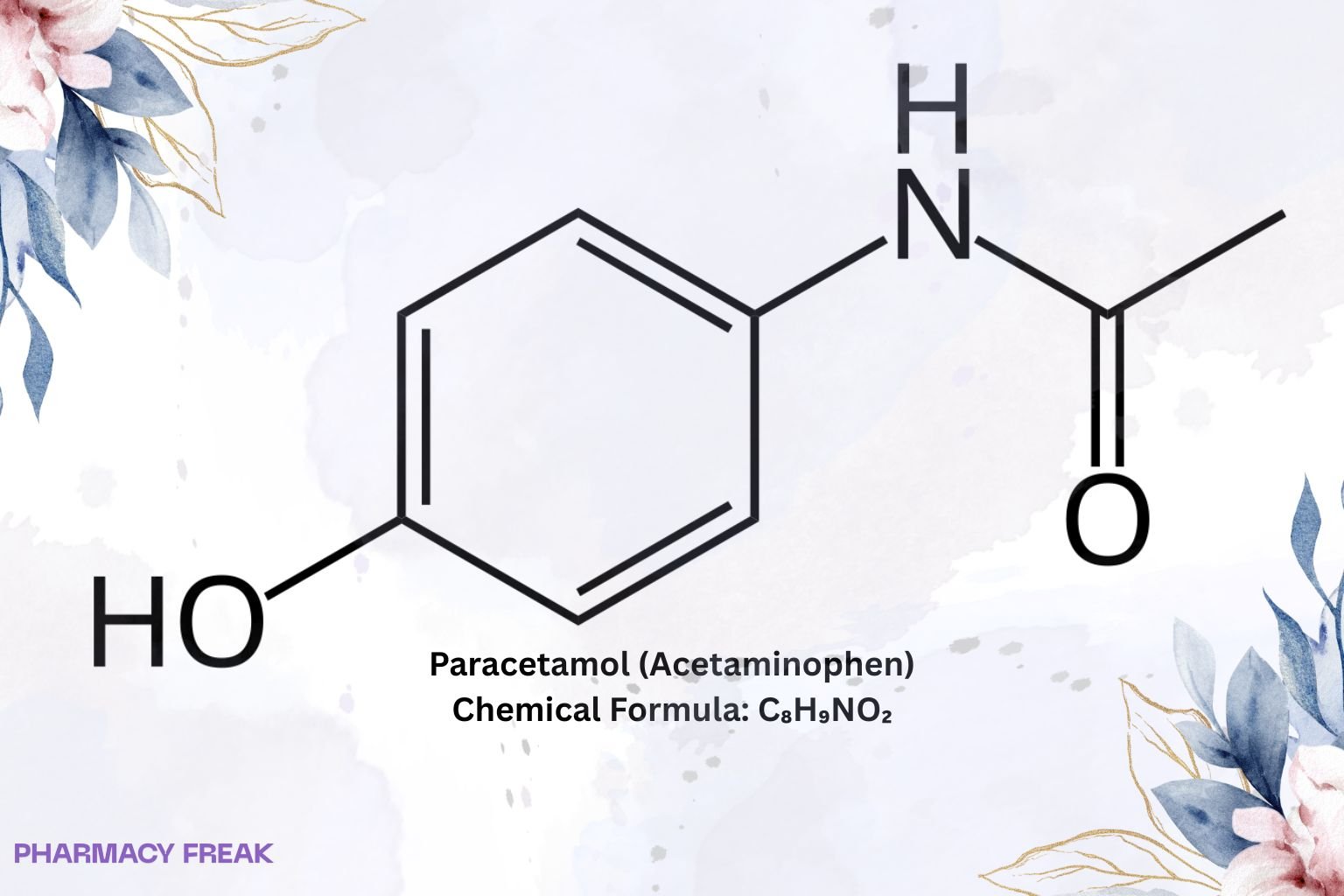
Paracetamol chemical structure with IUPAC

1. Identification SummaryWidely used non-opioid analgesic and antipyretic for mild–moderate pain and fever; centrally acting with minimal peripheral anti-inflammatory effects. Brand NamesExamples: Tylenol, Panadol, Calpol (brands vary by country). NameParacetamol (Acetaminophen) BackgroundDiscovered in the late 19th–early 20th century and adopted globally as a first-line antipyretic/analgesic. Included in many mono- and combination products across OTC and … Read more
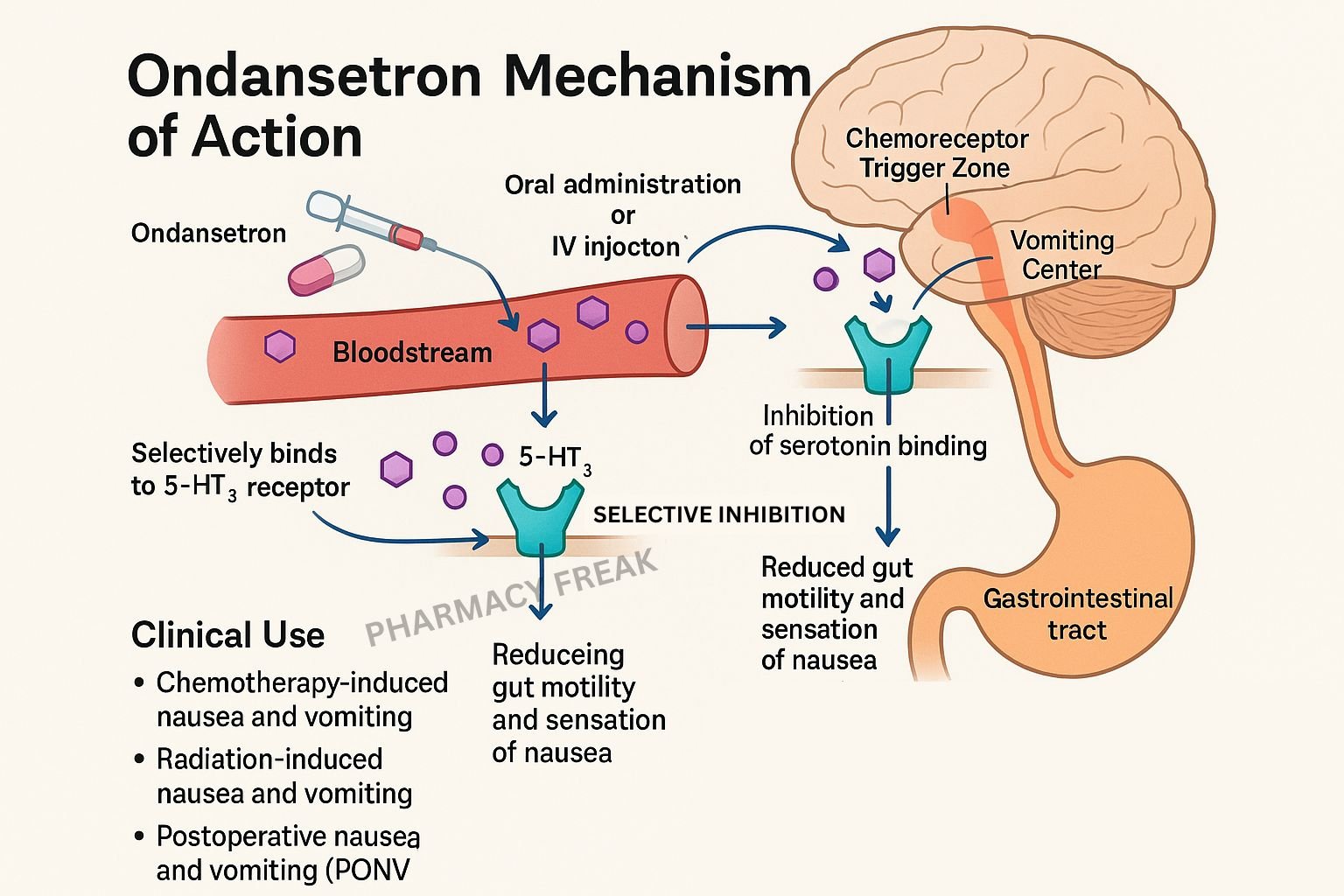
Mechanism of Action of Ondansetron

Ondansetron Mechanism of Action

Introduction Ondansetron is a highly selective 5‑hydroxytryptamine 3 (5‑HT₃) receptor antagonist used primarily as an antiemetic. It prevents nausea and vomiting triggered by chemotherapy, radiotherapy, surgery, and gastrointestinal irritants. It acts both peripherally in the gastrointestinal tract and centrally in the brainstem’s vomiting centers. Step‑by‑Step Mechanism of Action Pharmacokinetic Parameters Parameter Ondansetron Values Bioavailability ~60% … Read more

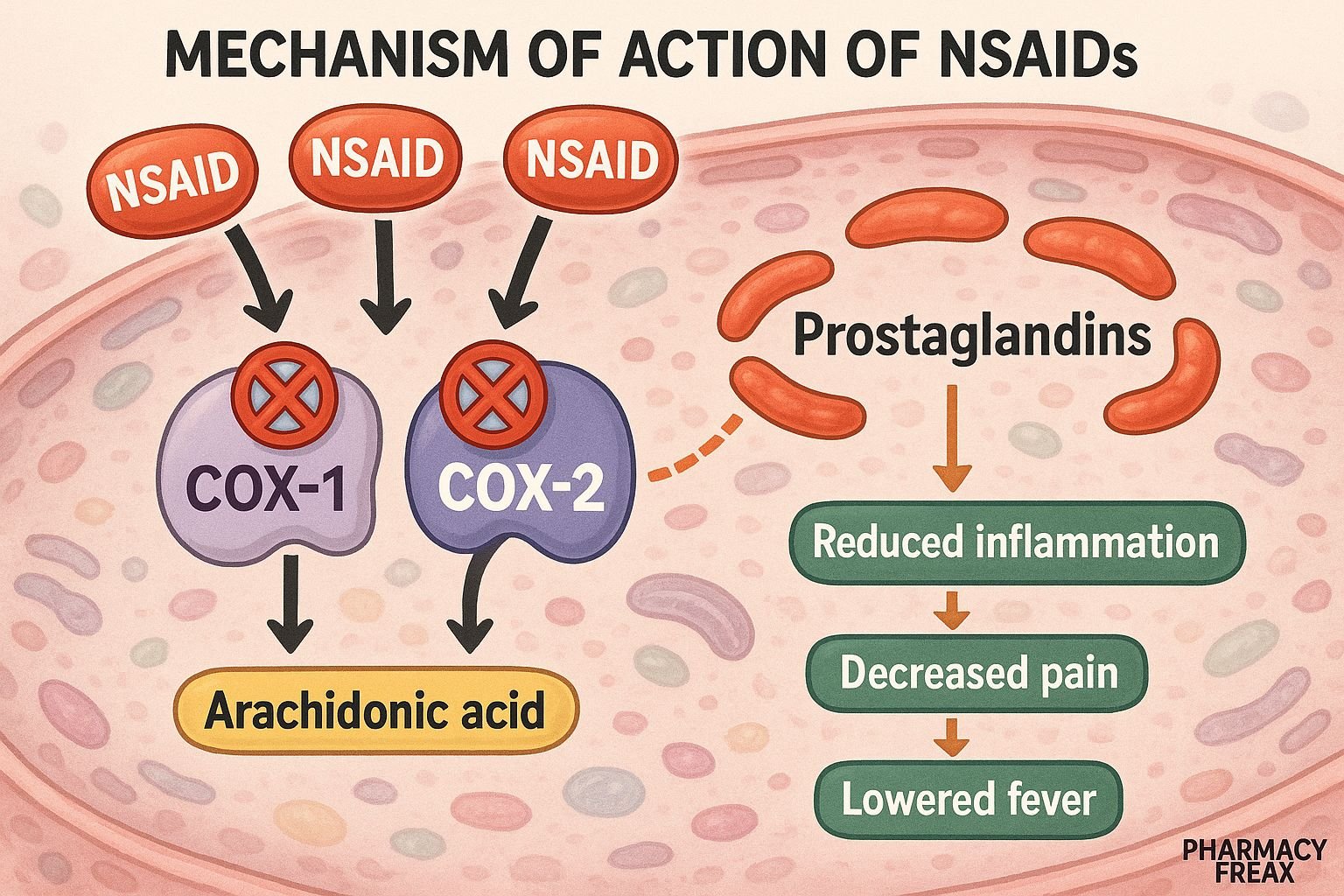
Mechanism of Action of NSAIDs

NSAID Mechanism of Action

Introduction Non-steroidal anti-inflammatory drugs (NSAIDs) are a widely used class of medications with analgesic, anti-inflammatory, and antipyretic properties. They are commonly prescribed for pain relief, reducing inflammation in conditions like arthritis, dysmenorrhea, and fevers. NSAIDs achieve these effects by inhibiting cyclooxygenase enzymes involved in prostaglandin synthesis. Step‑by‑Step Mechanism of Action Pharmacokinetic Parameters Parameter Ibuprofen (Representative … Read more

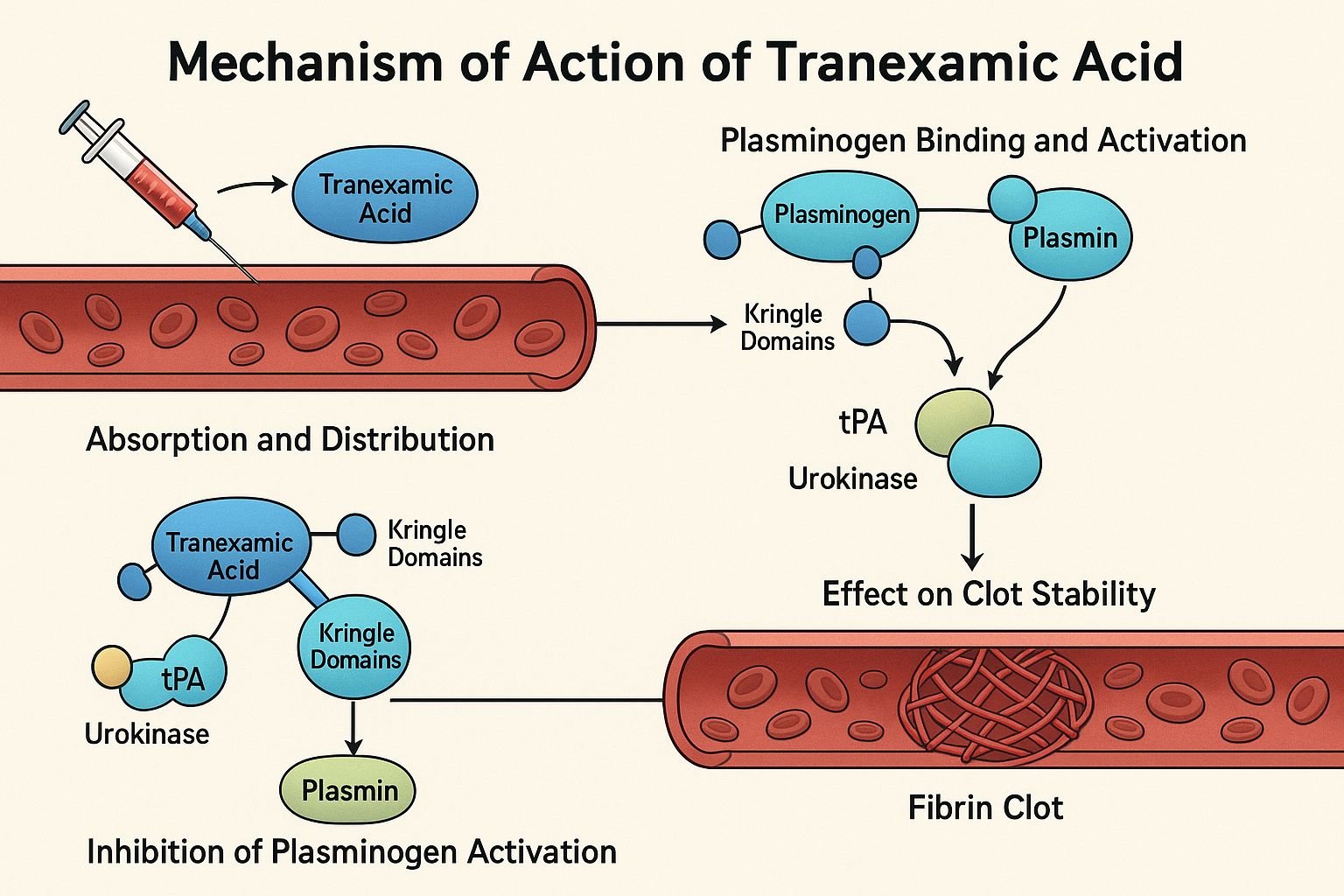
Mechanism of Action of Tranexamic Acid

Tranexamic Acid Mechanism of Action

Introduction Tranexamic acid (TXA) is an antifibrinolytic agent commonly used to control or prevent excessive bleeding in trauma, surgery, heavy menstrual bleeding, and in hemophilia patients undergoing dental procedures. It stabilizes clots by inhibiting the breakdown of fibrin, thus reducing blood loss and improving hemostasis. Step-by-Step Mechanism of Action Pharmacokinetic Parameters Parameter Value Bioavailability ~30–50% … Read more

Mechanism of Action of Hydralazine

hydralazine mechanism of action

Introduction Hydralazine is a potent vasodilator used primarily in the management of hypertension and heart failure, particularly in patients intolerant to ACE inhibitors or with resistant hypertension. It acts directly on vascular smooth muscle, causing arterial dilation and thereby reducing both afterload and cardiac workload. Its rapid onset and efficacy make it valuable in acute … Read more

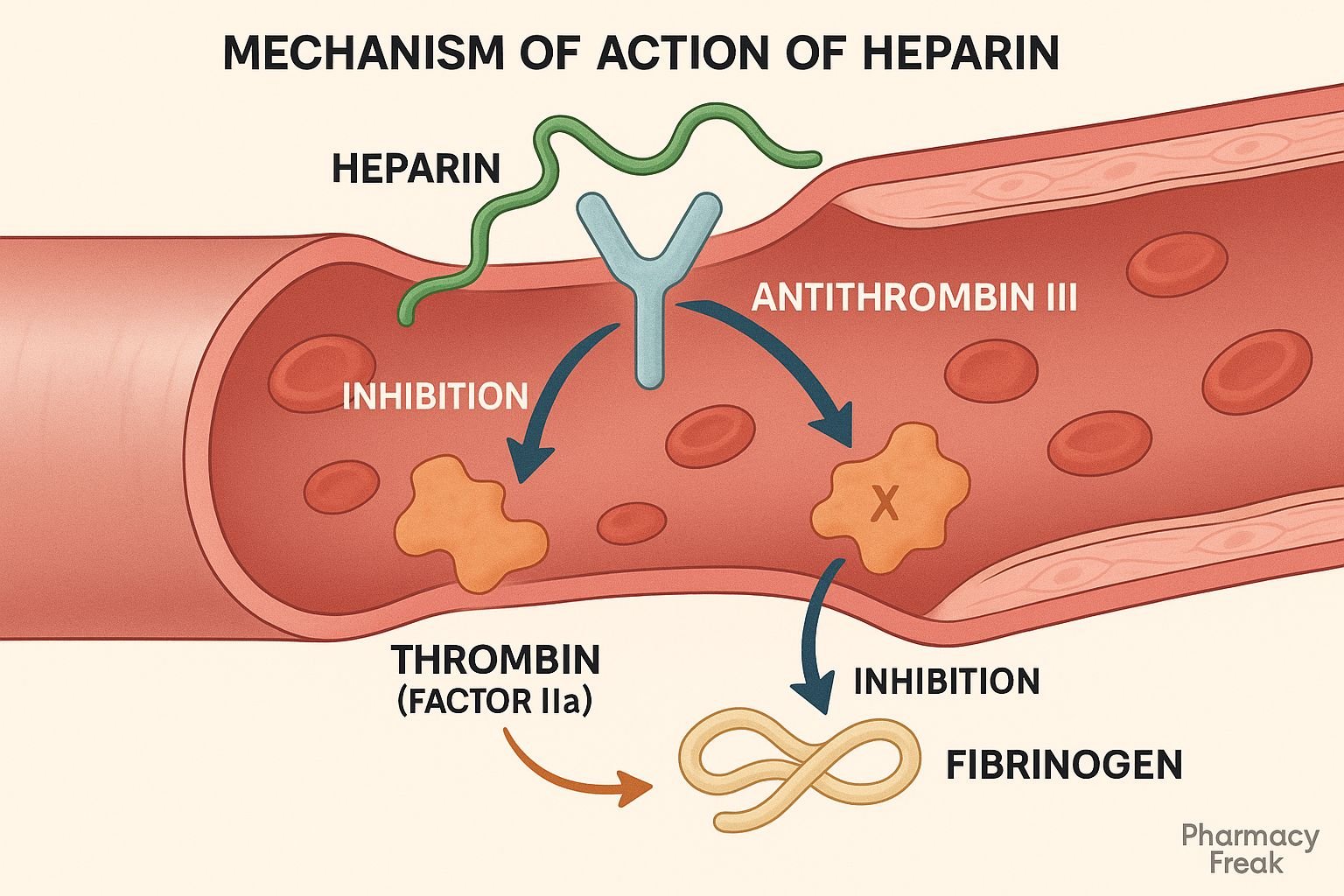
Mechanism of Action of Heparin

Heparin mechanism of action

Introduction Heparin is a widely used anticoagulant primarily employed in the prevention and treatment of thromboembolic disorders such as deep vein thrombosis, pulmonary embolism, and myocardial infarction. As a naturally occurring glycosaminoglycan, heparin exerts its anticoagulant effects by enhancing the activity of antithrombin III (AT III), leading to the inactivation of key coagulation factors. It … Read more

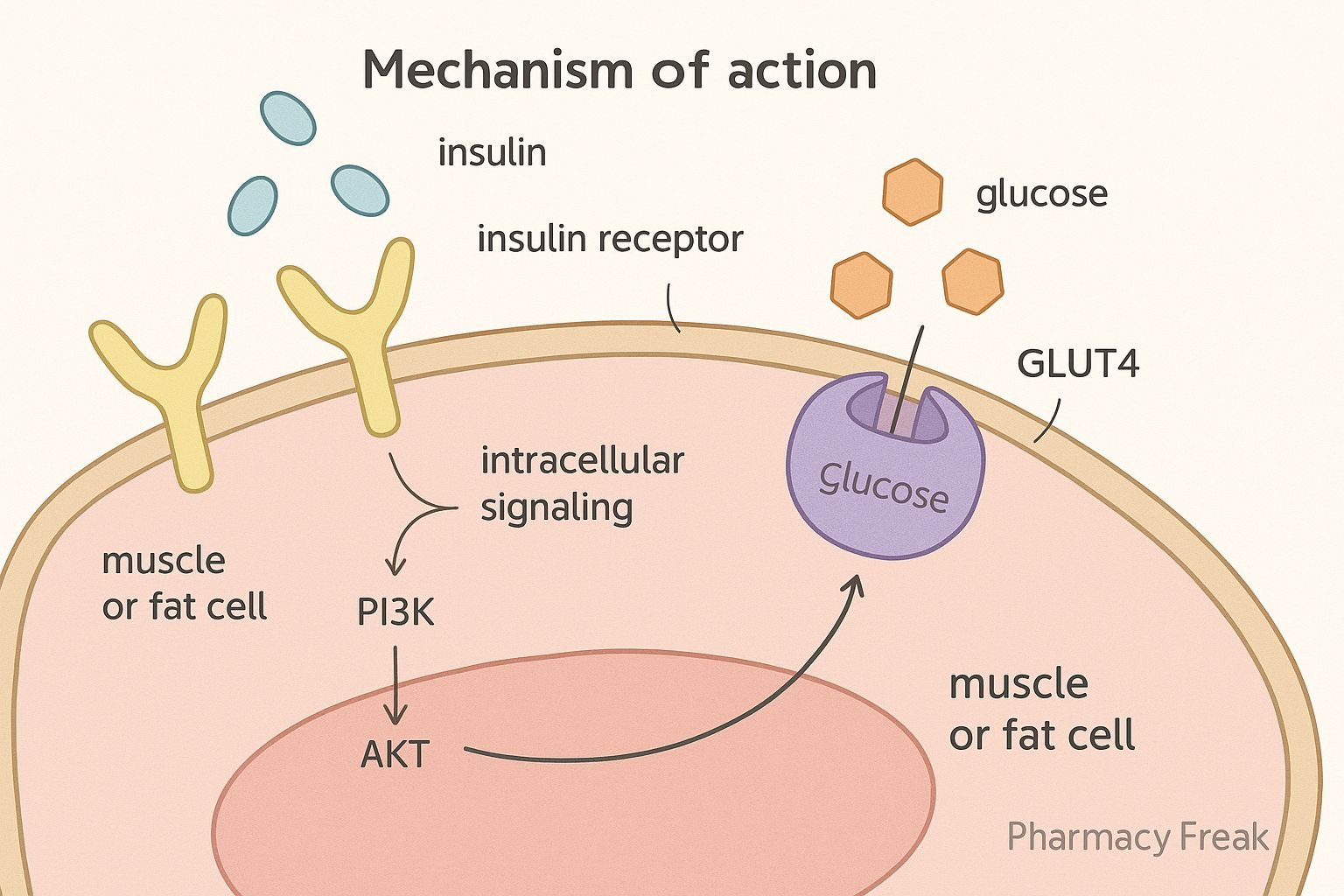
Mechanism of Action of Insulin

Insulin Mechanism of Action

Introduction Insulin is a peptide hormone produced by pancreatic β‑cells. It belongs to the class of anabolic hormones. It plays a vital role in maintaining blood glucose homeostasis. Insulin therapy is crucial for managing type 1 diabetes and advanced type 2 diabetes. Step-by-Step Mechanism of Action Pharmacokinetic Parameters Parameter Details Absorption Administered SC or IV; … Read more

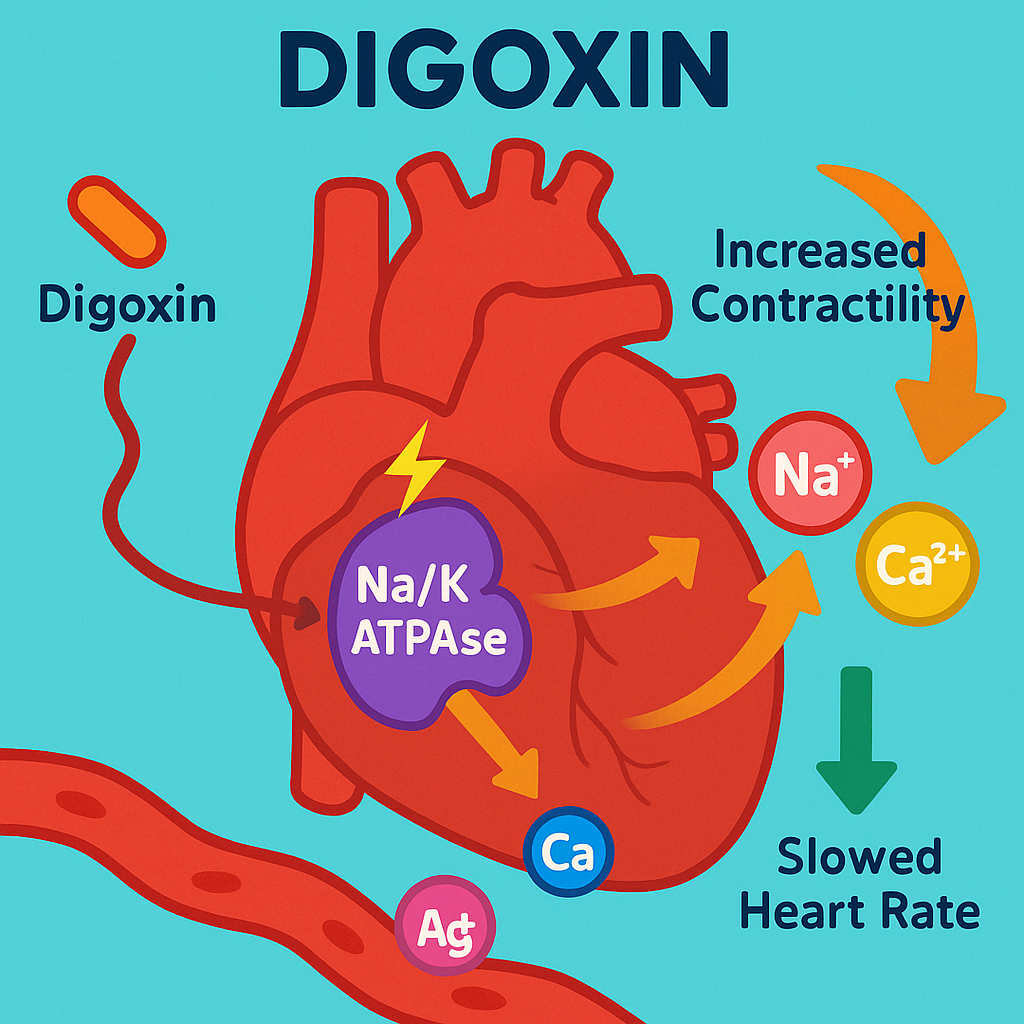
Mechanism of Action of Digoxin (Cardiac Glycoside)

Digoxin MOA – Inhibition of Na⁺/K⁺-ATPase Increasing Contractility

Introduction Digoxin is a well-known cardiac glycoside used in the treatment of heart failure and atrial fibrillation. Derived from Digitalis lanata, it has both positive inotropic and negative chronotropic effects. Its mechanism involves inhibition of the Na⁺/K⁺-ATPase pump, which indirectly increases intracellular calcium, enhancing myocardial contractility. Digoxin’s unique pharmacology and toxicity profile make it a … Read more

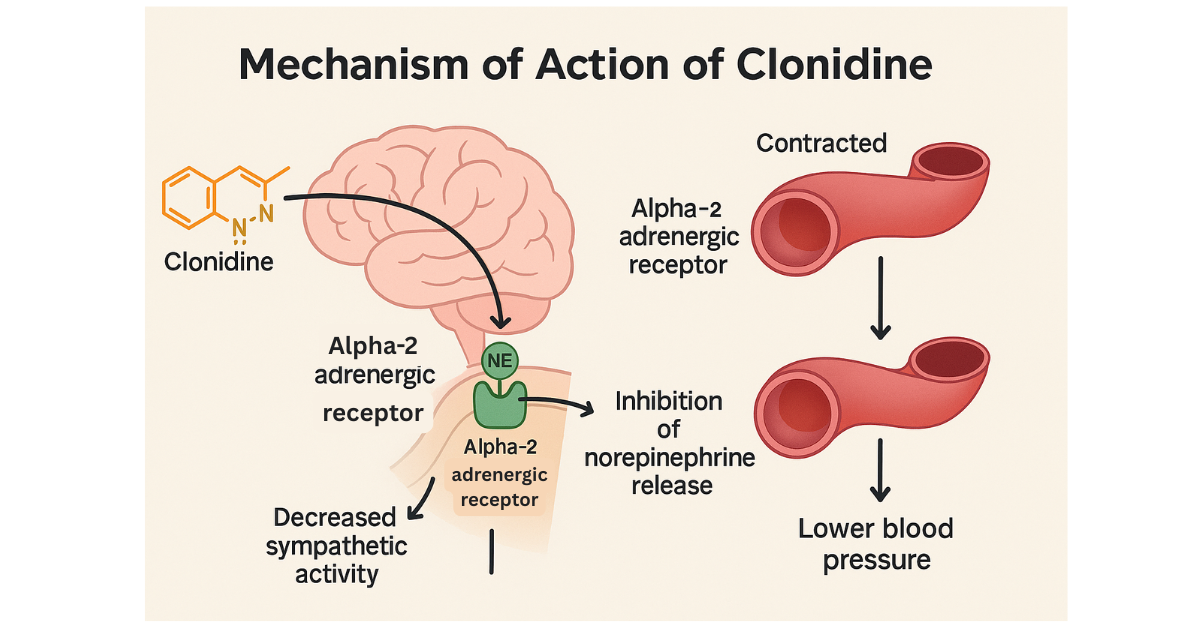
Mechanism of Action of Clonidine (Centrally Acting Antihypertensive)

Clonidine MOA – Central α2 Agonist Reducing Sympathetic Outflow

Introduction Clonidine is a centrally acting α2-adrenergic receptor agonist used primarily for hypertension, but also for opioid withdrawal, ADHD, pain management, and anxiety disorders. It lowers blood pressure by reducing sympathetic outflow from the central nervous system. Due to its broad clinical relevance and central mechanism, clonidine is a high-yield drug for exams like USMLE, … Read more

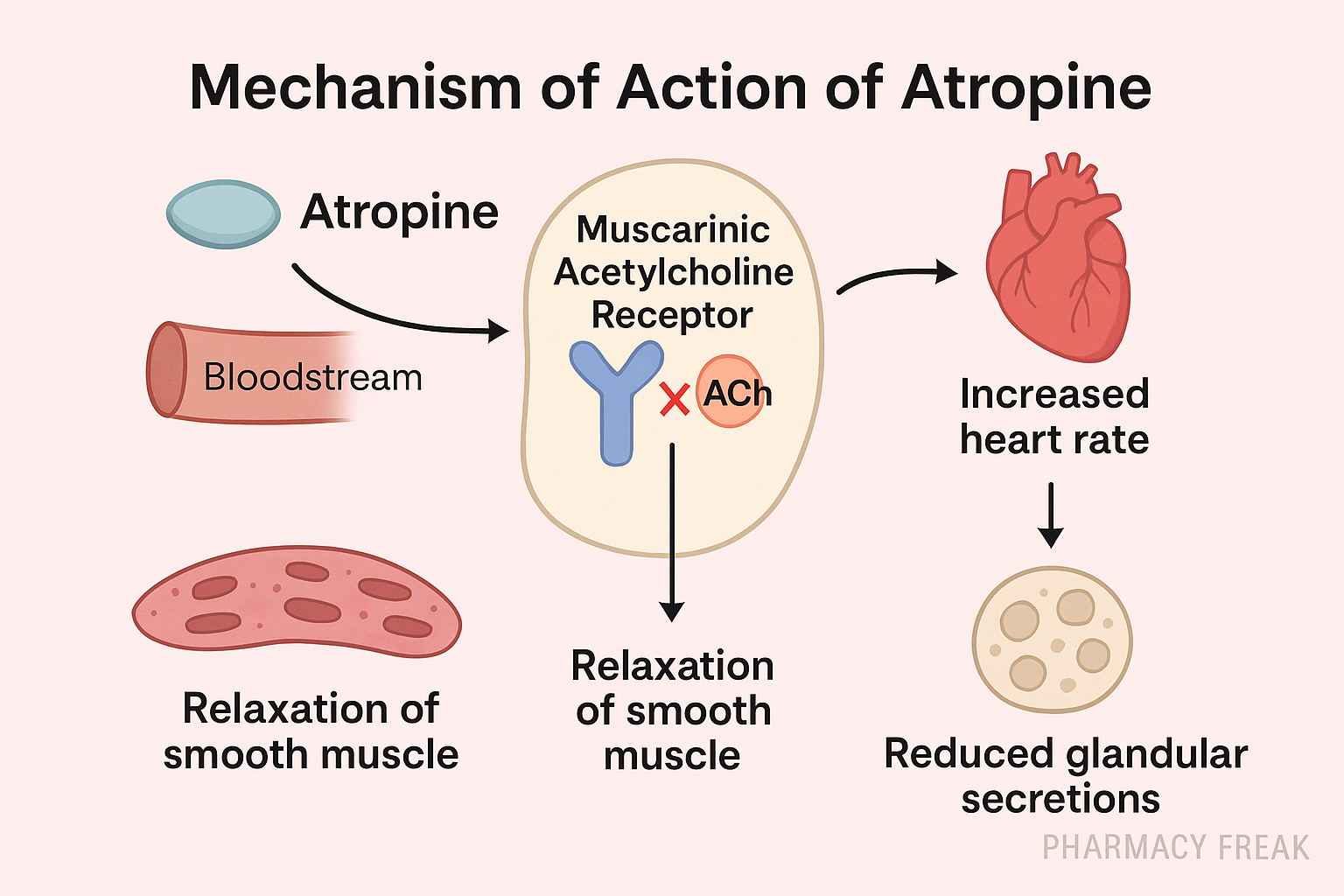
Mechanism of Action of Atropine (Muscarinic Antagonist)

Atropine MOA – Competitive Muscarinic Receptor Antagonist

Introduction Atropine is a classic anticholinergic drug that works by competitively inhibiting muscarinic acetylcholine receptors (mAChRs). It is derived from the plant Atropa belladonna and has wide clinical use in bradycardia, organophosphate poisoning, pre-anesthetic medication, and pupil dilation. Its importance spans autonomic pharmacology, emergency medicine, and toxicology, making it a high-yield topic for USMLE, NCLEX, … Read more

PRO
Ad-Free Access
$3.99 / month
  • No Interruptions
  • Faster Page Loads
  • Support Content Creators