Trusted by 50K+ Pharmacy StudentsHigh Quality Notes, MCQs, Mock Tests & Study ResourcesGo Premium (Ads Free)
Pharmacy Freak

Mechanism of Action of Topiramate
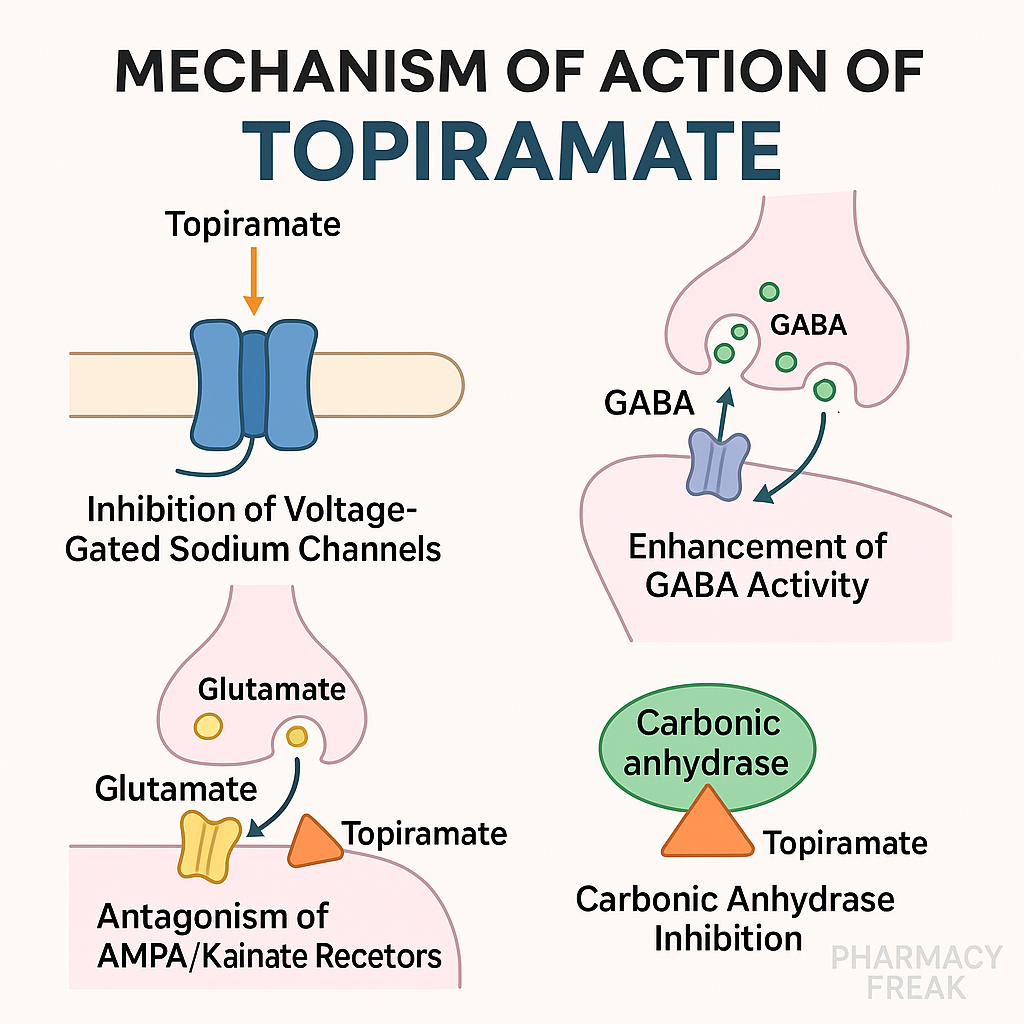
Topiramate MOA – GABA enhancer, AMPA blocker, sodium channel inhibitor

Introduction Topiramate is a broad-spectrum antiepileptic drug (AED) known for its use in treating partial and generalized seizures, migraine prophylaxis, and Lennox-Gastaut syndrome. It has a multi-modal mechanism, acting on sodium channels, GABA-A receptors, glutamate receptors, and carbonic anhydrase. Its wide range of targets makes it effective in both epilepsy and mood disorders, though side … Read more
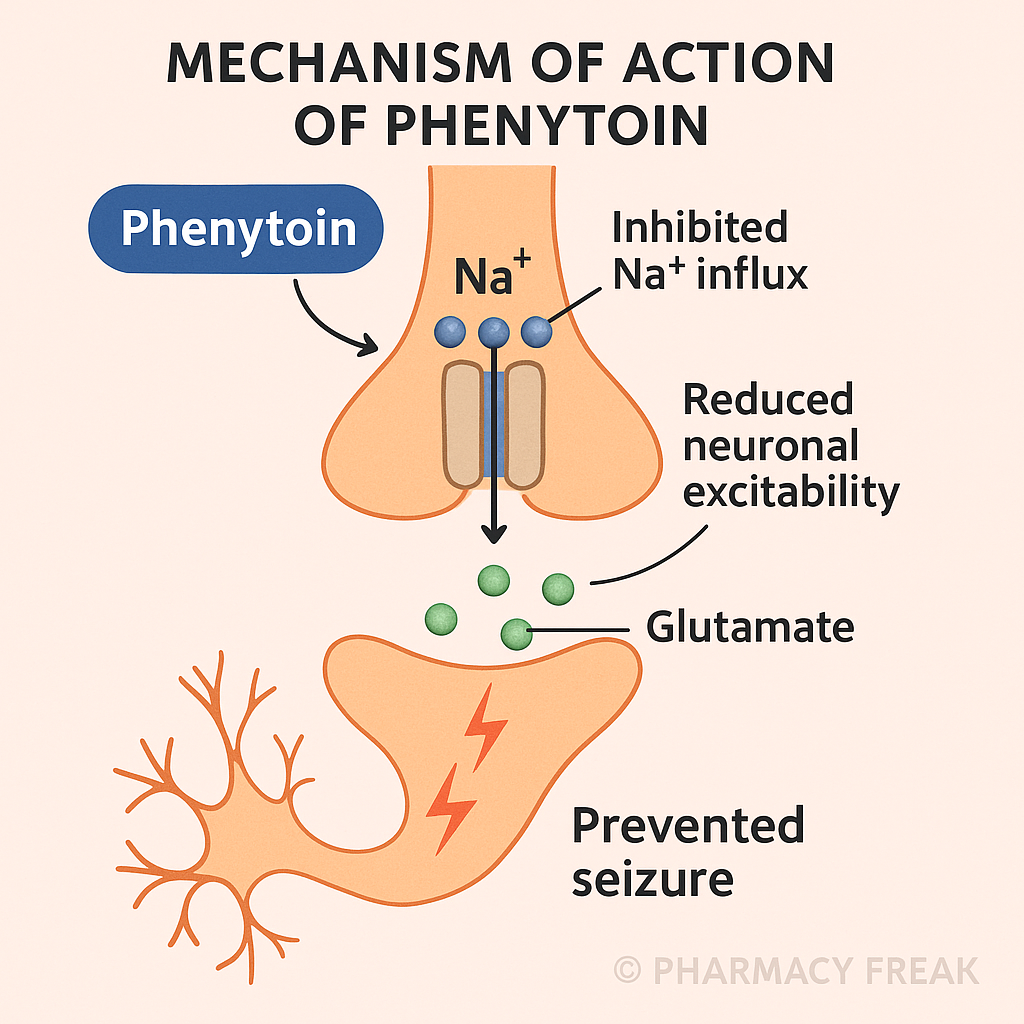
Mechanism of Action of Phenytoin

Phenytoin MOA – voltage-gated sodium channel blocker

Introduction Phenytoin is one of the oldest and most widely used antiepileptic drugs (AEDs), primarily for treating focal seizures and generalized tonic-clonic seizures. It has a well-known profile, acting on voltage-gated sodium channels to reduce high-frequency neuronal firing. Despite newer alternatives, phenytoin remains important, especially in emergency settings like status epilepticus (IV use). It’s a … Read more

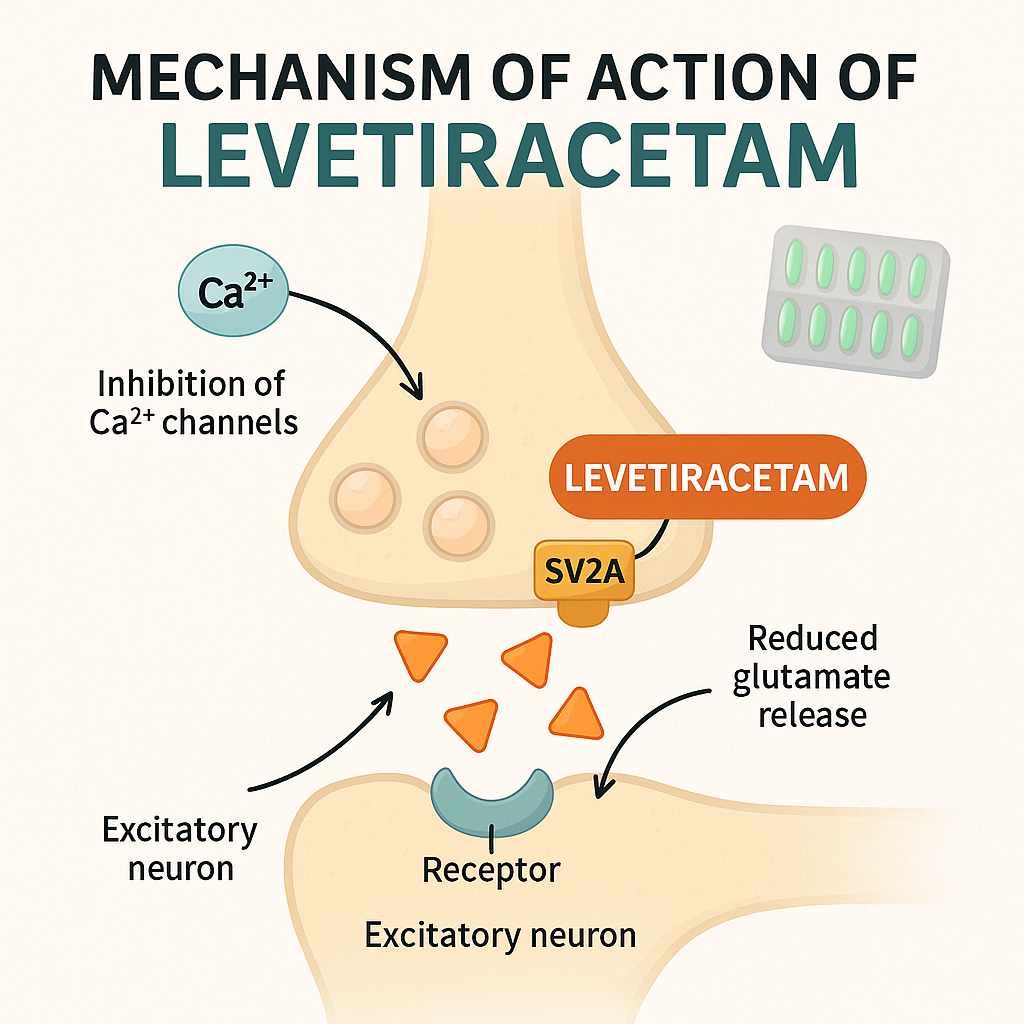
Mechanism of Action of Levetiracetam

Levetiracetam MOA – SV2A modulation in epilepsy

Introduction Levetiracetam is a novel, broad-spectrum antiepileptic drug (AED) used in the treatment of partial seizures, myoclonic seizures, and generalized tonic-clonic seizures. It is known for its favorable safety profile, minimal drug interactions, and ease of use in both adults and pediatric patients. Unlike older AEDs, levetiracetam acts through a unique synaptic mechanism. It is … Read more

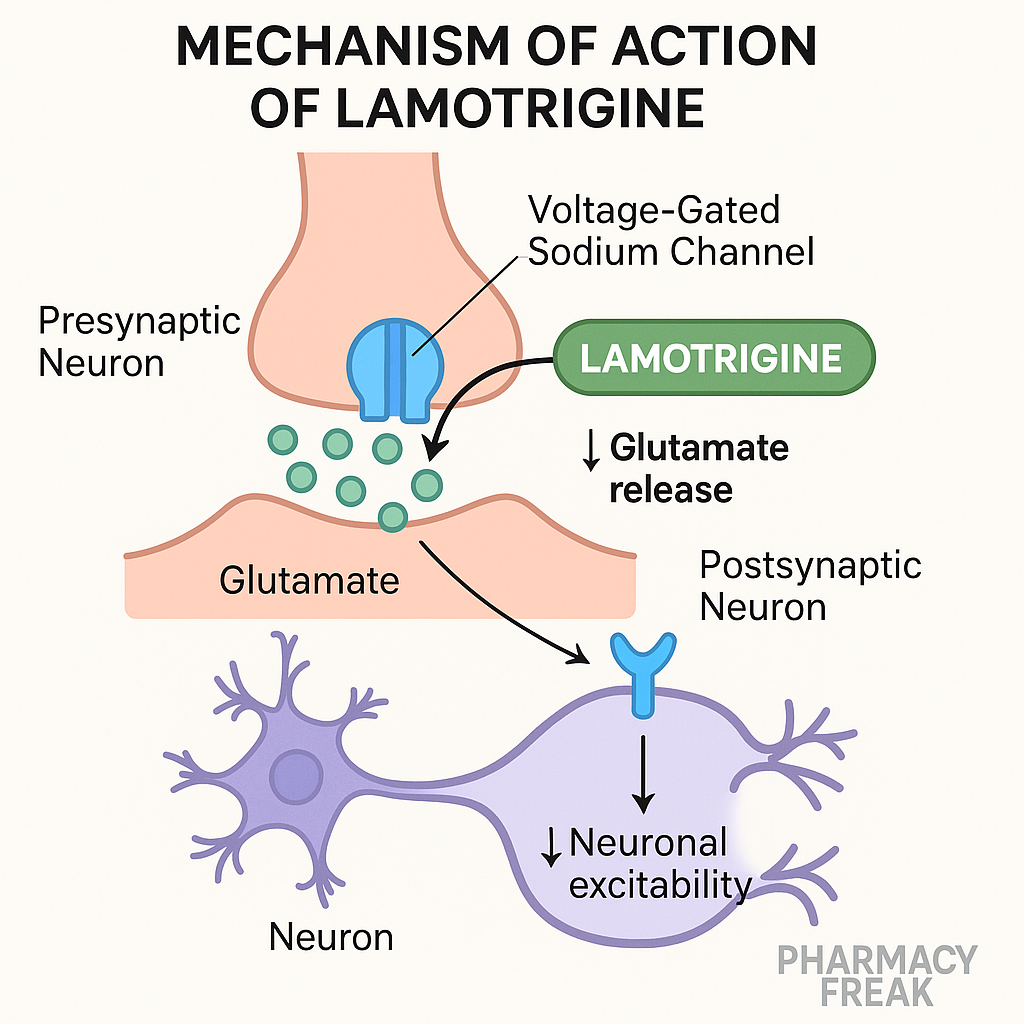
Mechanism of Action of Lamotrigine

Lamotrigine MOA – sodium channel blocker and glutamate inhibitor

Introduction Lamotrigine is a broad-spectrum antiepileptic drug (AED) and an effective mood stabilizer, especially in bipolar depression. It is commonly used to treat partial seizures, generalized seizures, Lennox-Gastaut syndrome, and maintenance therapy in bipolar disorder. Lamotrigine has a unique profile with low sedation, minimal weight gain, and fewer cognitive side effects, making it ideal for … Read more

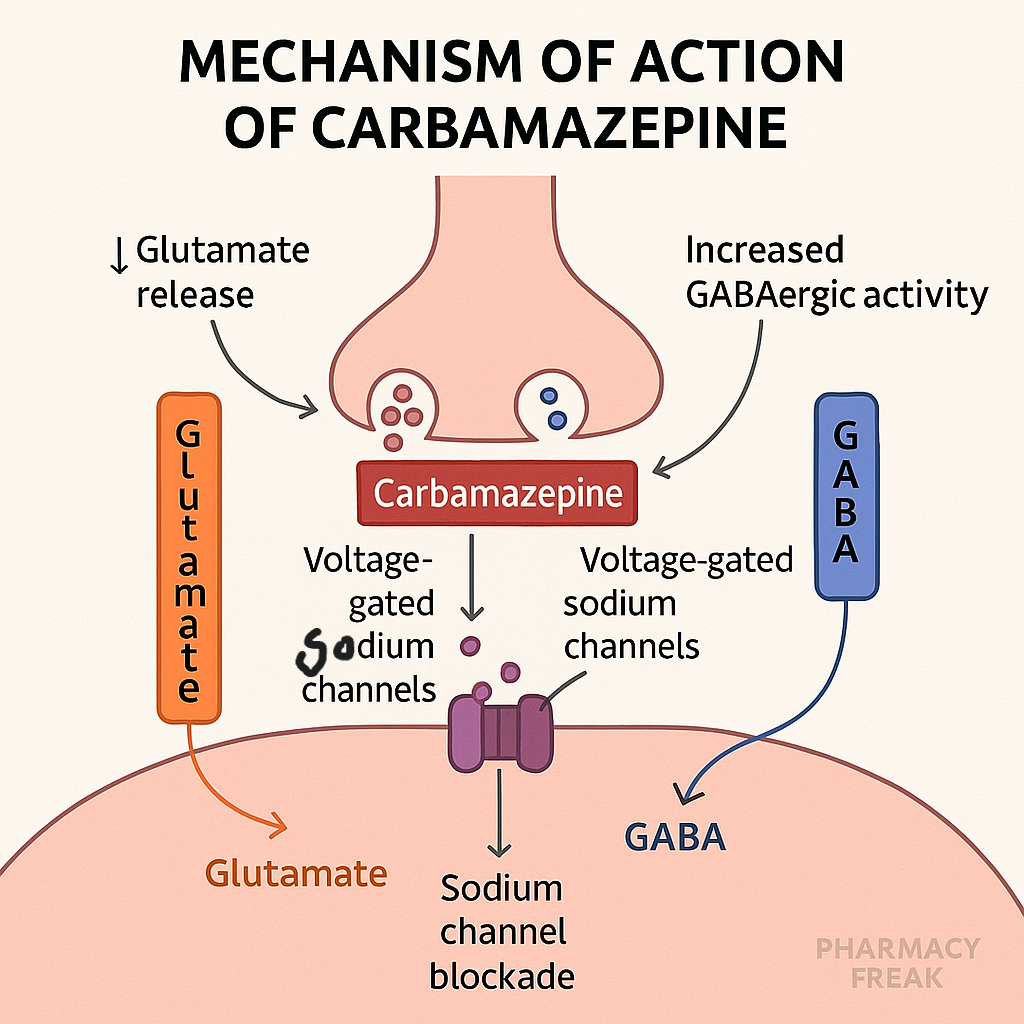
Mechanism of Action of Carbamazepine

Carbamazepine mechanism of action – sodium channel blocker in epilepsy and neuralgia

Introduction Carbamazepine is a classic antiepileptic drug (AED) and mood stabilizer. It is mainly used to treat partial and generalized tonic-clonic seizures, trigeminal neuralgia, and bipolar disorder. Its primary action involves blocking voltage-gated sodium channels, which stabilizes neuronal membranes and prevents repetitive firing. It is frequently tested in pharmacology sections of USMLE, NCLEX, GPAT, and … Read more

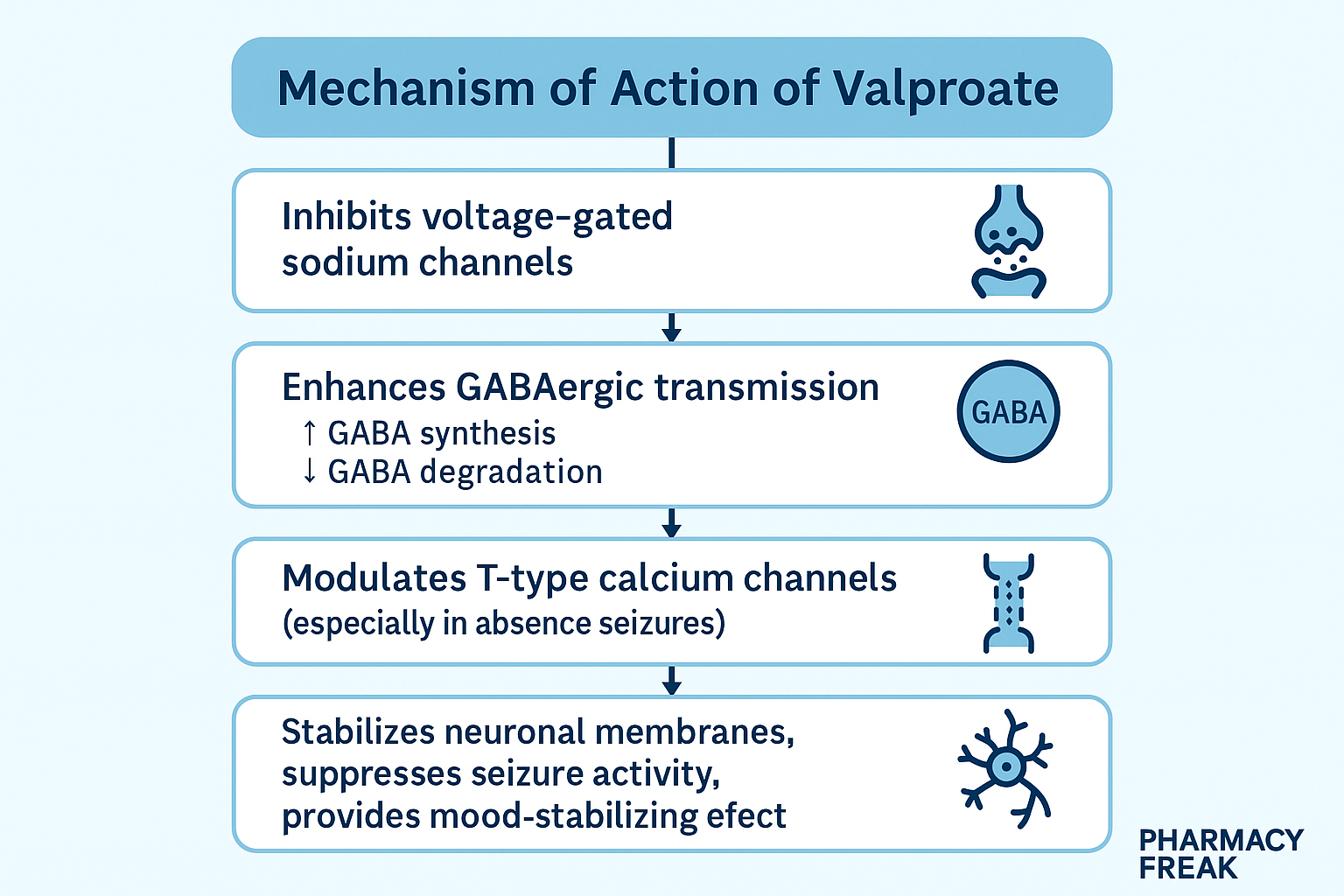
Mechanism of Action of Valproate (Mood Stabilizer & Antiepileptic)

Valproate mechanism of action – GABA elevation and ion channel blockade

Introduction Valproate (also known as valproic acid or divalproex sodium) is a widely used mood stabilizer and broad-spectrum antiepileptic. It is highly effective in treating bipolar disorder, generalized seizures, migraine prophylaxis, and acute mania. Its mechanism involves increased GABA levels, modulation of ion channels, and inhibition of intracellular signaling pathways. It’s frequently tested in exams … Read more

Mechanism of Action of Lithium (Mood Stabilizer)

Lithium mechanism of action – mood stabilization via inositol pathway inhibition

Introduction Lithium is the gold-standard mood stabilizer, used for managing bipolar disorder, especially to control acute manic episodes and prevent future mood swings. Though its exact mechanism isn’t completely understood, it’s known to influence intracellular signaling, neurotransmitter modulation, and second messenger systems. Lithium is also one of the few psychiatric medications that significantly reduces suicide … Read more

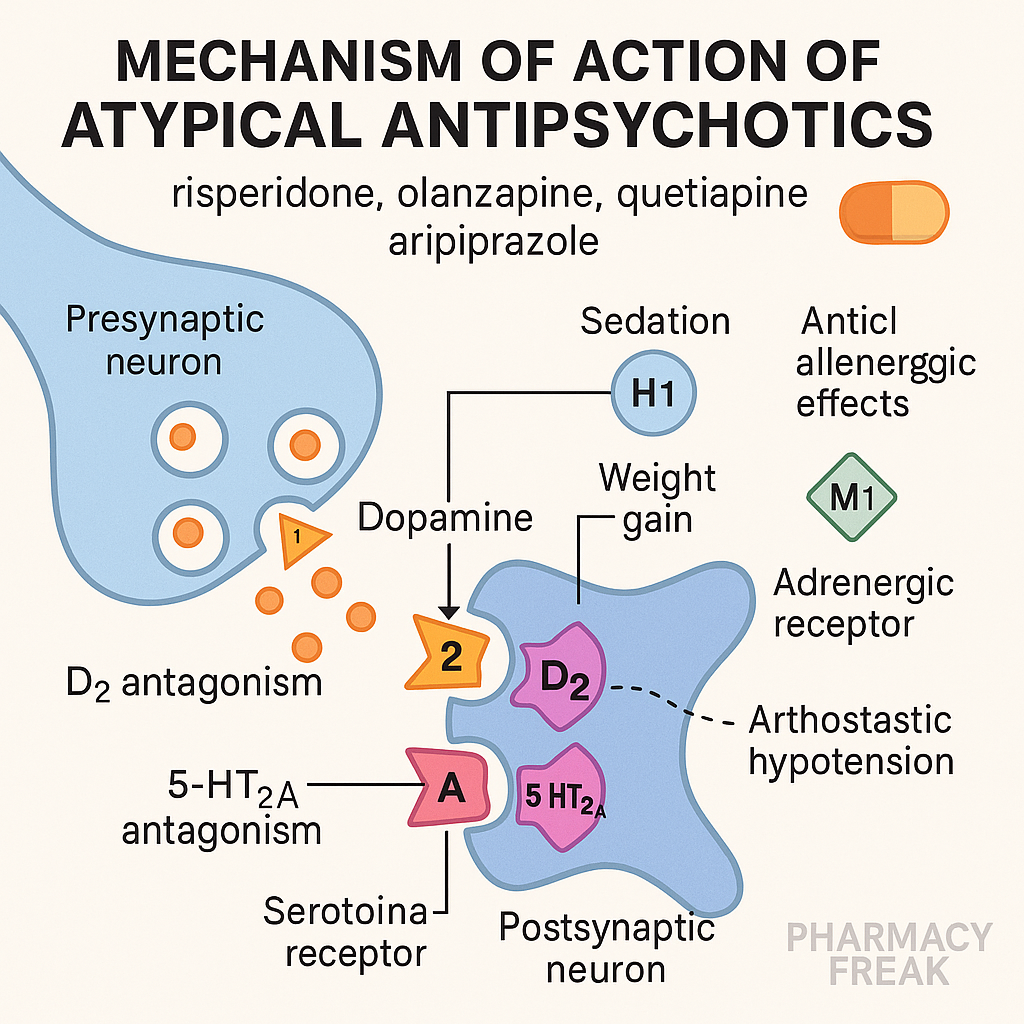
Mechanism of Action of Atypical Antipsychotics (Second-Generation)

Atypical antipsychotics MOA – D2 and 5-HT2A receptor action in schizophrenia

Introduction Atypical antipsychotics, also known as second-generation antipsychotics (SGAs), are widely used in the treatment of schizophrenia, bipolar disorder, major depressive disorder (as adjuncts), and autism-related irritability. Compared to typical antipsychotics, they offer fewer extrapyramidal symptoms (EPS) and better control of negative symptoms of schizophrenia due to their dual action on dopamine and serotonin receptors. … Read more

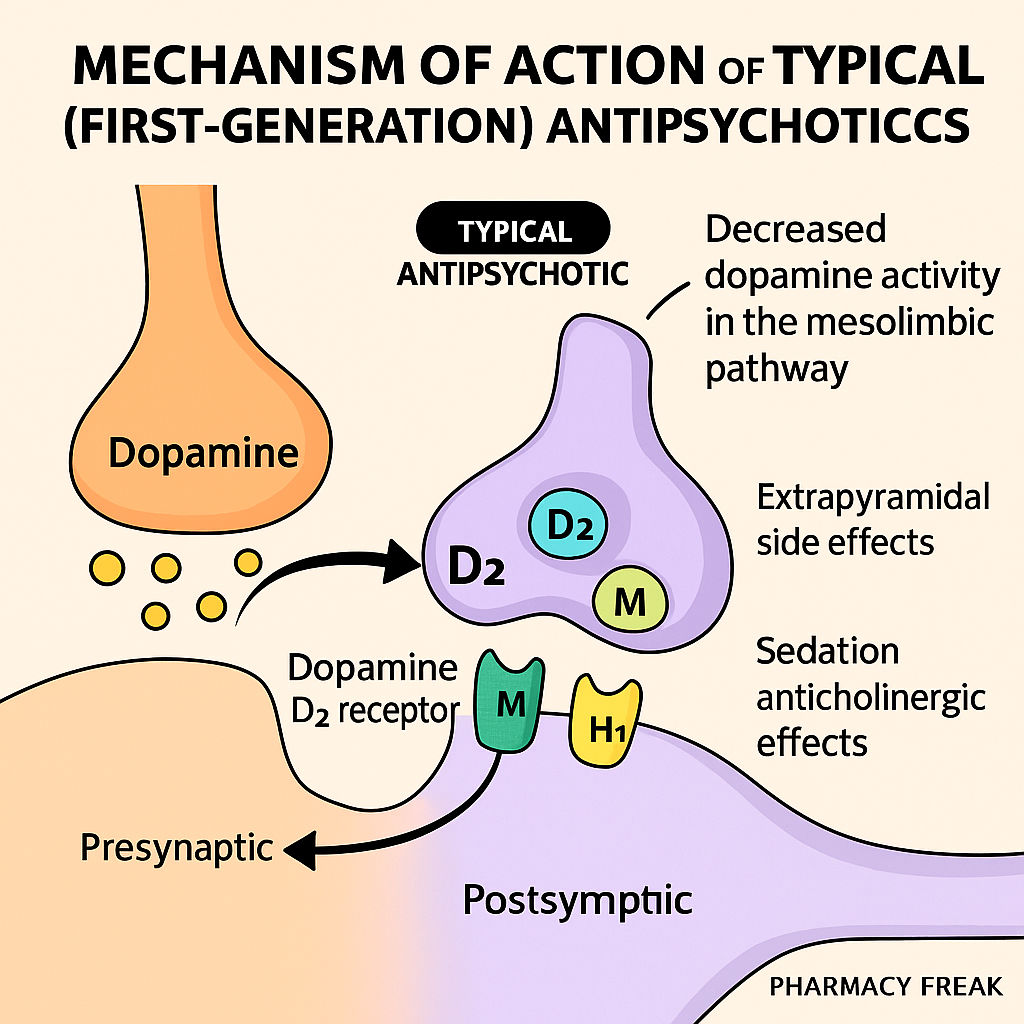
Mechanism of Action of Typical Antipsychotics (First-Generation)

Typical antipsychotics MOA – D2 receptor antagonism in mesolimbic pathway

Introduction Typical antipsychotics, also known as first-generation antipsychotics (FGAs), are primarily used to treat schizophrenia, acute psychosis, and manic episodes. Their therapeutic effect is mainly due to dopamine D2 receptor antagonism in the brain. However, this same action also causes many extrapyramidal side effects (EPS) and hyperprolactinemia. Common FGAs include: These drugs are frequently covered … Read more

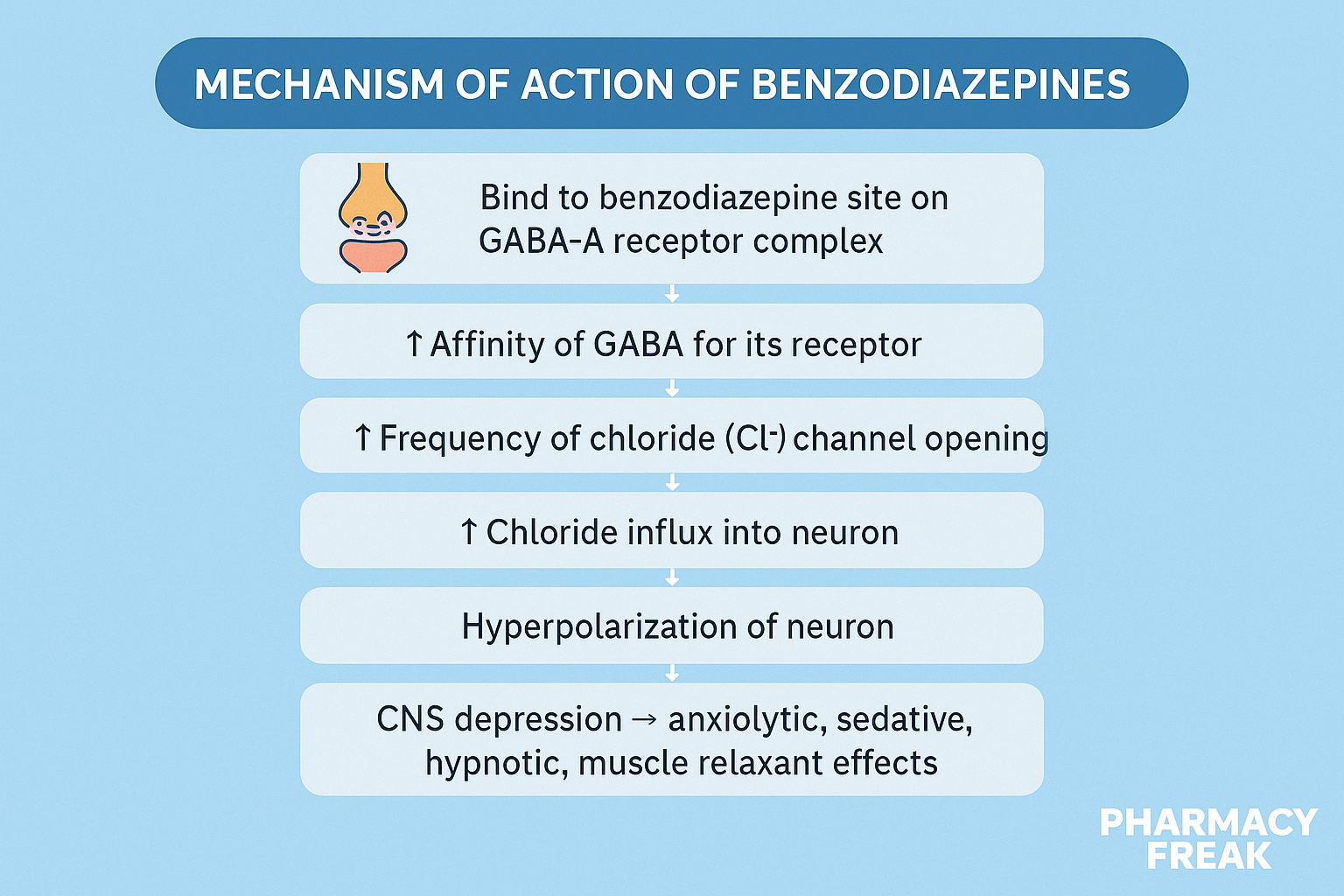
Mechanism of Action of Benzodiazepines

Benzodiazepines mechanism – GABA-A receptor binding and CNS depression

Introduction Benzodiazepines are a class of psychoactive drugs widely used for their anxiolytic, sedative, hypnotic, anticonvulsant, and muscle relaxant effects. They are commonly prescribed in conditions like generalized anxiety disorder (GAD), insomnia, status epilepticus, and alcohol withdrawal. Popular benzodiazepines include: These drugs are important for exams like USMLE, NCLEX, GPAT, and NEET-PG. Stepwise Mechanism of … Read more

PRO
Ad-Free Access
$3.99 / month
  • No Interruptions
  • Faster Page Loads
  • Support Content Creators