Trusted by 50K+ Pharmacy StudentsHigh Quality Notes, MCQs, Mock Tests & Study ResourcesGo Premium (Ads Free)
Pharmacy Freak

Mechanism of Action of Amlodipine (Calcium Channel Blocker)
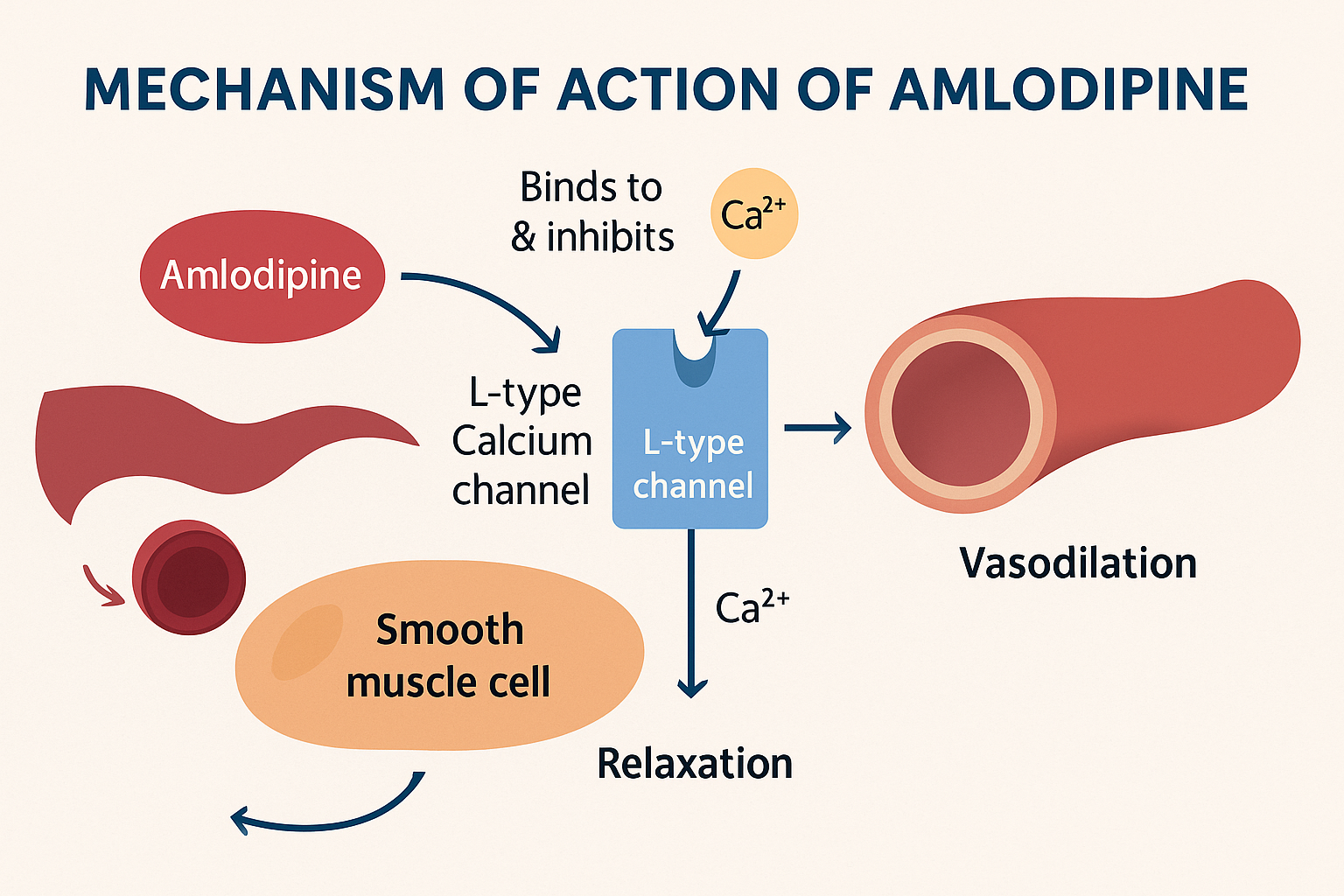
Amlodipine MOA – L-type calcium channel blocker causing vasodilation

Introduction Amlodipine is a commonly prescribed dihydropyridine calcium channel blocker (CCB) used in the treatment of hypertension, angina pectoris, and coronary artery disease. It works by relaxing vascular smooth muscle, leading to vasodilation and reduced blood pressure. With its once-daily dosing, long half-life, and minimal cardiac depression, it is a key drug in cardiovascular therapy. … Read more
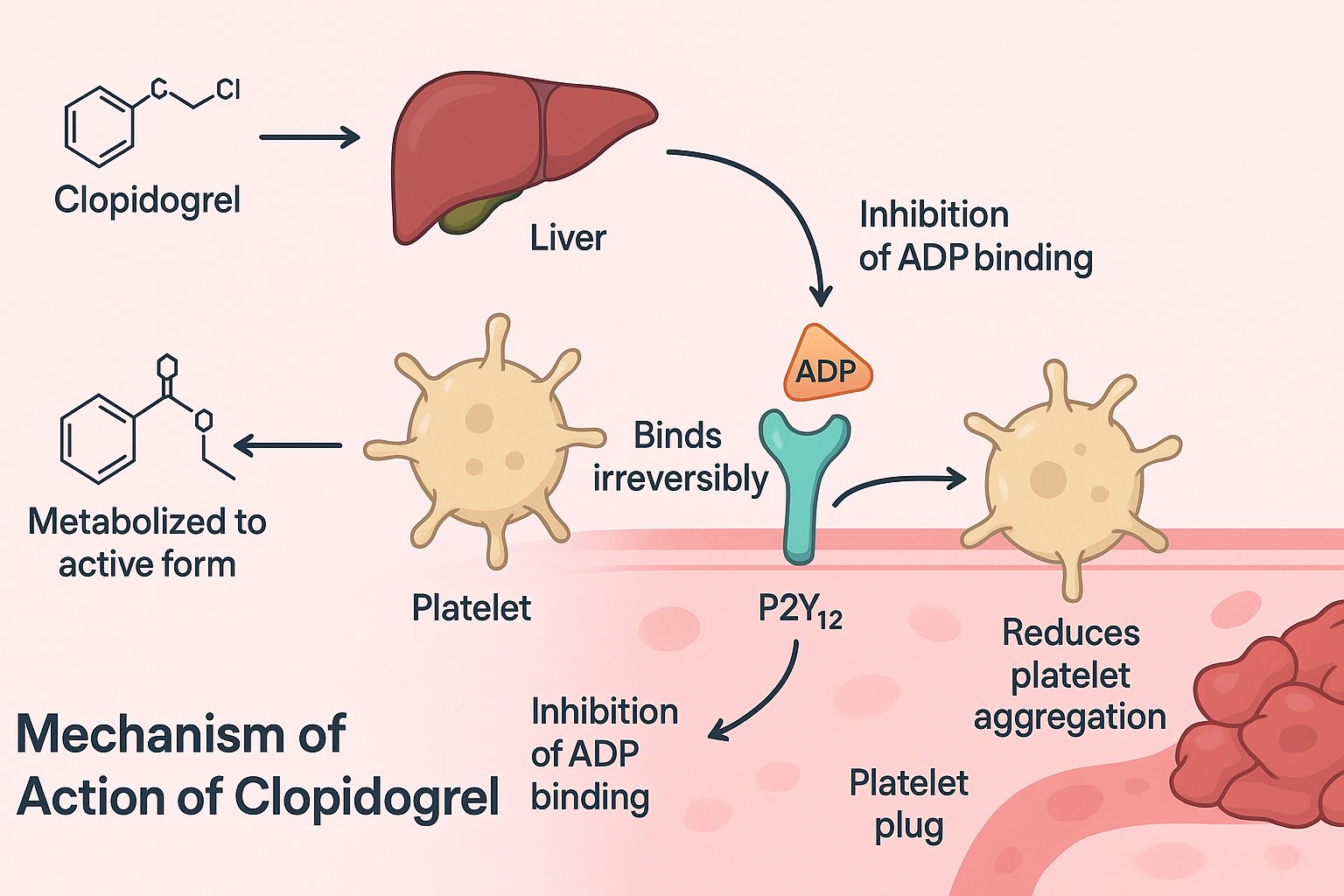
Mechanism of Action of Clopidogrel (Antiplatelet Agent)

Clopidogrel MOA – P2Y12 Receptor Inhibition on Platelets

Introduction Clopidogrel is a widely used oral antiplatelet drug belonging to the thienopyridine class. It plays a critical role in preventing thrombotic events such as myocardial infarction (MI) and ischemic stroke, especially in patients with coronary artery disease or those undergoing percutaneous coronary intervention (PCI). This drug is essential to understand for students preparing for … Read more

Mechanism of Action of Proton Pump Inhibitors (PPIs)

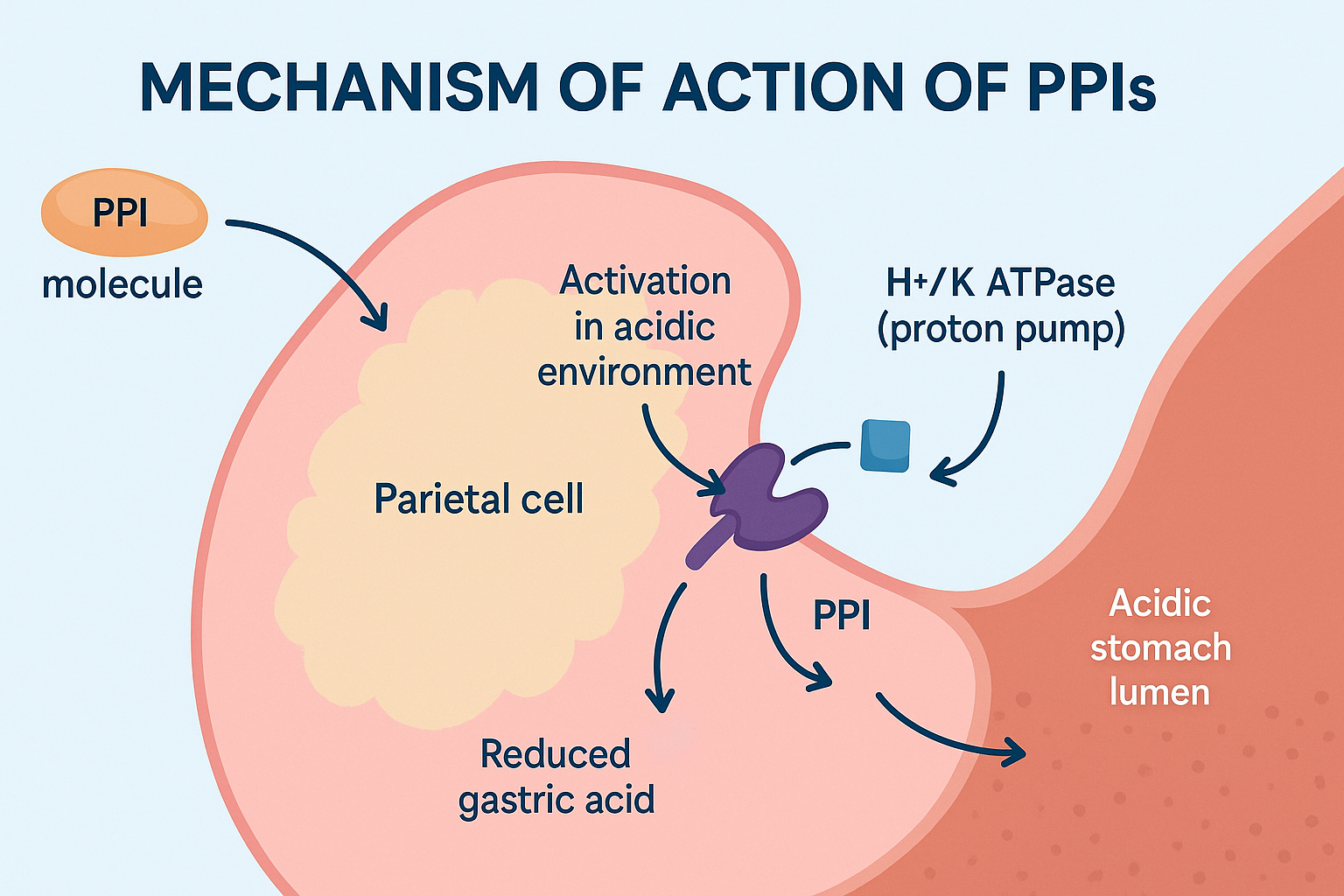
Proton Pump Inhibitor MOA – H⁺/K⁺ ATPase Inhibition

Introduction Proton Pump Inhibitors (PPIs) are potent acid-suppressing drugs widely used in the treatment of gastric and duodenal ulcers, GERD, Zollinger-Ellison syndrome, and for NSAID prophylaxis. Common PPIs include omeprazole, pantoprazole, esomeprazole, and lansoprazole. Their ability to irreversibly inhibit the H⁺/K⁺ ATPase enzyme in gastric parietal cells makes them high-yield for exams like USMLE, NCLEX, … Read more

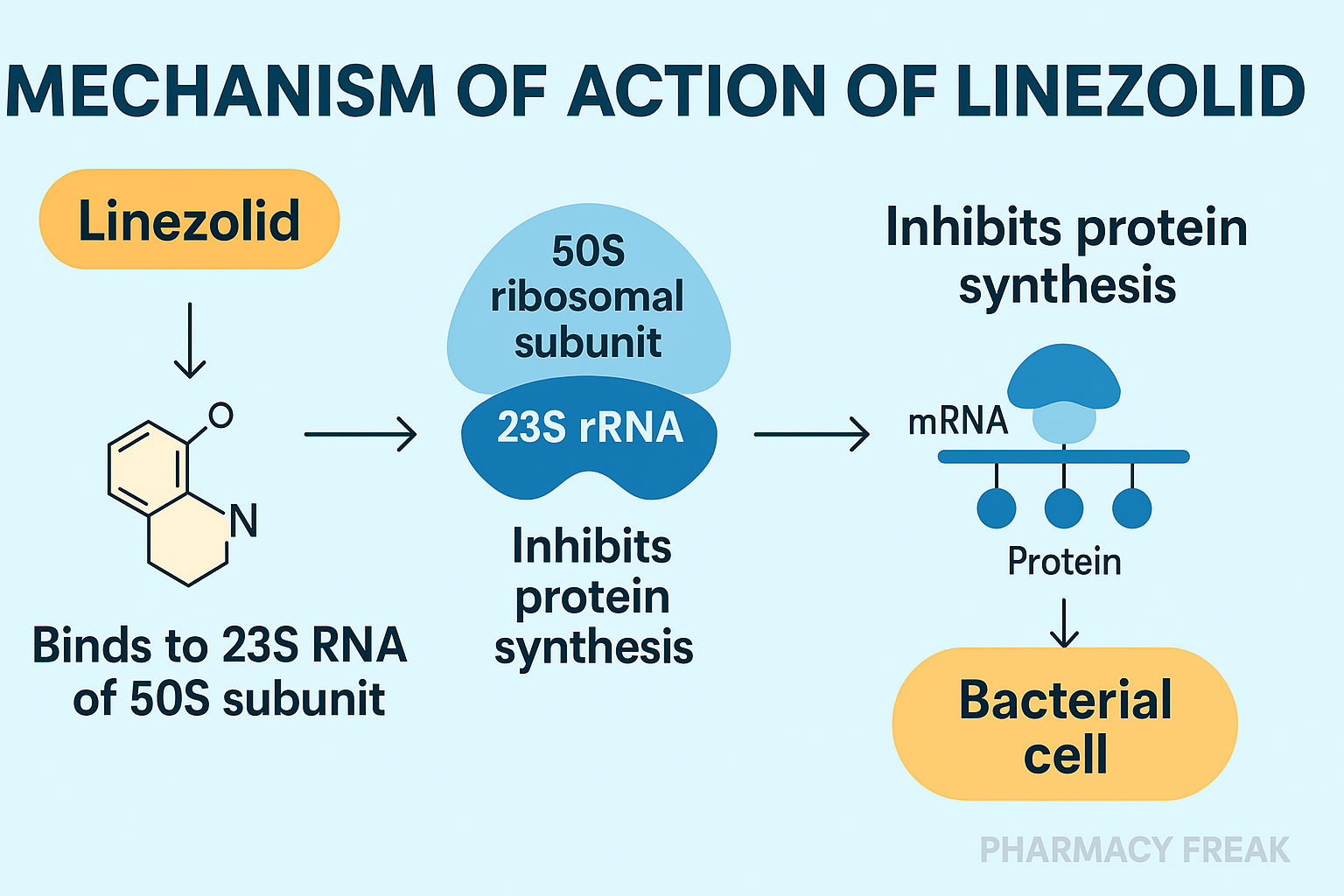
Mechanism of Action of Linezolid (Oxazolidinone Antibiotics)

Linezolid MOA – 50S ribosomal subunit and initiation inhibition

Introduction Linezolid is a synthetic bacteriostatic antibiotic belonging to the oxazolidinone class. It is primarily active against Gram-positive pathogens, including methicillin-resistant Staphylococcus aureus (MRSA), vancomycin-resistant Enterococci (VRE), and penicillin-resistant Streptococcus pneumoniae. Unlike other protein synthesis inhibitors, Linezolid binds to the 50S ribosomal subunit and blocks the initiation step of protein synthesis, making its mechanism unique … Read more

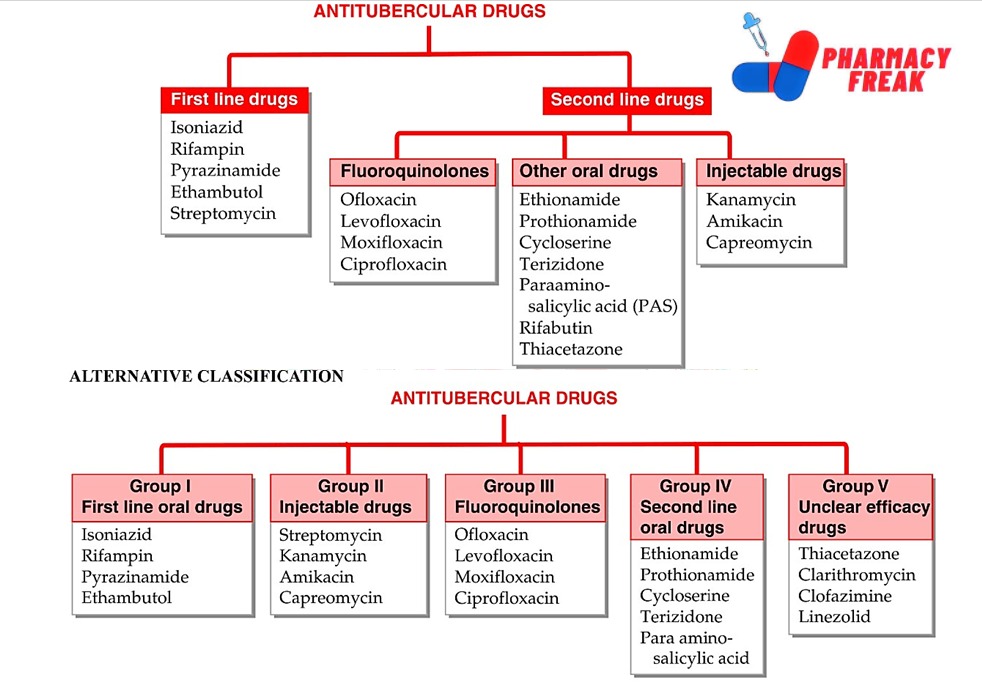
Classification of Antitubercular Drugs

classification of Antitubercular drugs

🔬 What Are Antitubercular Drugs? Antitubercular drugs are antibiotics specifically used to treat tuberculosis. They work by either killing actively growing mycobacteria or inhibiting bacterial protein and cell wall synthesis. TB treatment typically involves multiple drugs over 6 to 9 months, depending on the stage and resistance profile. 📊 Standard Classification of Antitubercular Drugs 🧪 … Read more

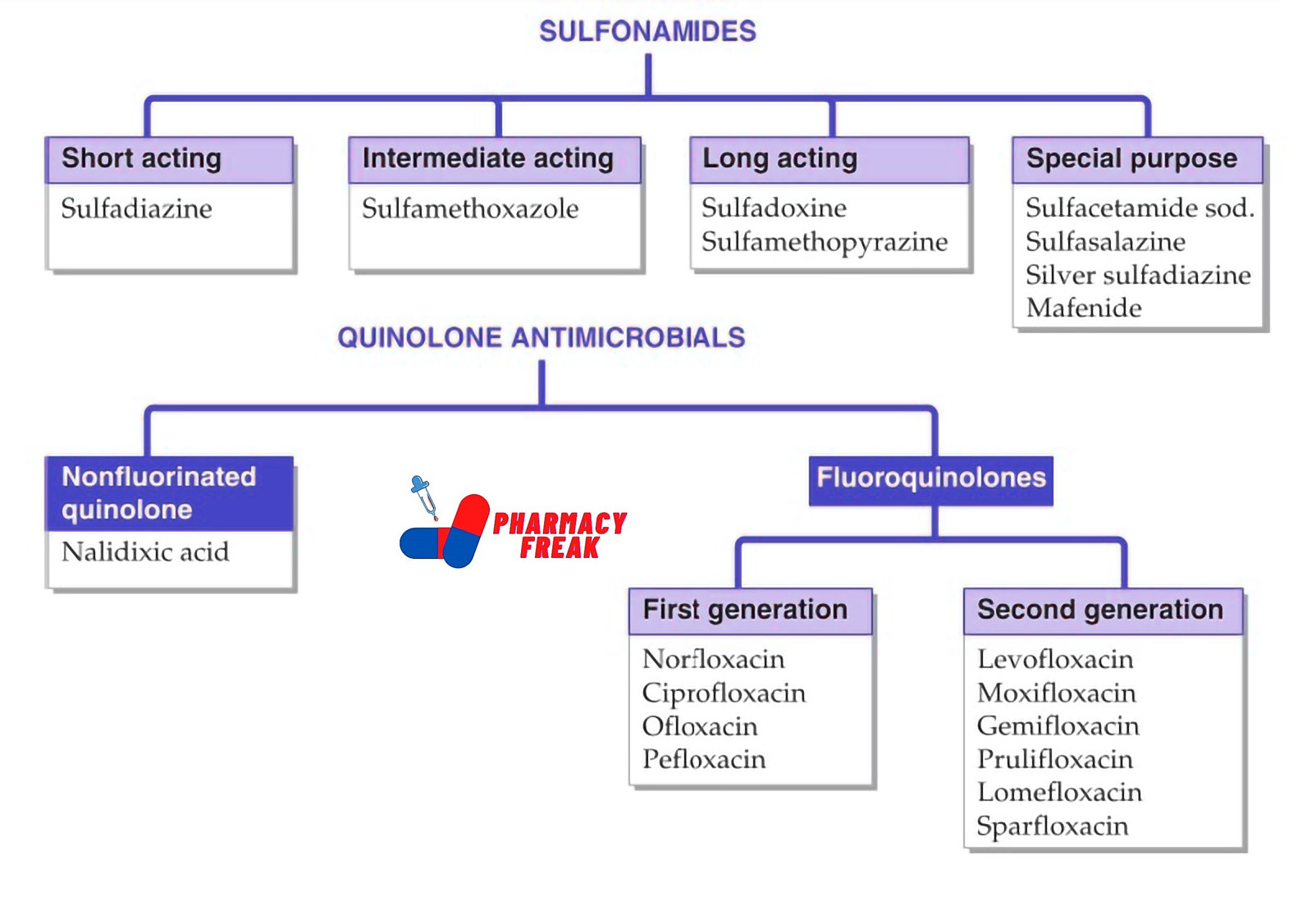
Classification of Sulfonamide and Quinolones

classification of sulfonamides and quinolones

What Are Sulfonamides? Sulfonamides, also known as sulfa drugs, are among the oldest classes of synthetic antimicrobial agents. They work by inhibiting folic acid synthesis in bacteria, which is essential for DNA replication and cell survival. They are bacteriostatic, meaning they stop bacteria from growing rather than killing them directly. Classification of Sulfonamides Sulfonamides are … Read more

Classification of Antibacterial Drugs

classification of antibacterial drugs

Classification Based on Mechanism of Action Antibacterial drugs are mainly classified by how they act inside the body. Each group targets a different part of the bacteria. Let’s look at classification of antibacterial drugs A. Drugs That Inhibit Cell Wall Synthesis These drugs stop bacteria from building their cell wall. Without a wall, bacteria die … Read more

Classification of Anti-Cancer Drugs (3)

Classification of Anti-Cancer Drug (3)

What Are Targeted Anti-Cancer Drugs? Targeted drugs act on specific parts of cancer cells. These drugs block the signals that cancer cells use to grow or divide. They don’t harm most normal cells. This makes them safer than traditional chemotherapy, here’s the classification of anticancer drugs for Targeted Anti-Cancer Drugs : Tyrosine Protein Kinase Inhibitors … Read more

Classification of Anti-Cancer Drugs (2)

Classification of Anti-Cancer Drug

Classification of Anti-Cancer Drugs (2) Microtubule Damaging Agents Vinca Alkaloids Taxanes Estramustine Topoisomerase Inhibitors Topoisomerase-2 Inhibitor Topoisomerase-1 Inhibitors Antibiotics with Anticancer Action These are not the usual antibiotics for infections. They attack DNA in cancer cells. Miscellaneous Agents These don’t fit into one single group but still treat cancer effectively. Uses of Anti-Cancer Drugs Different … Read more

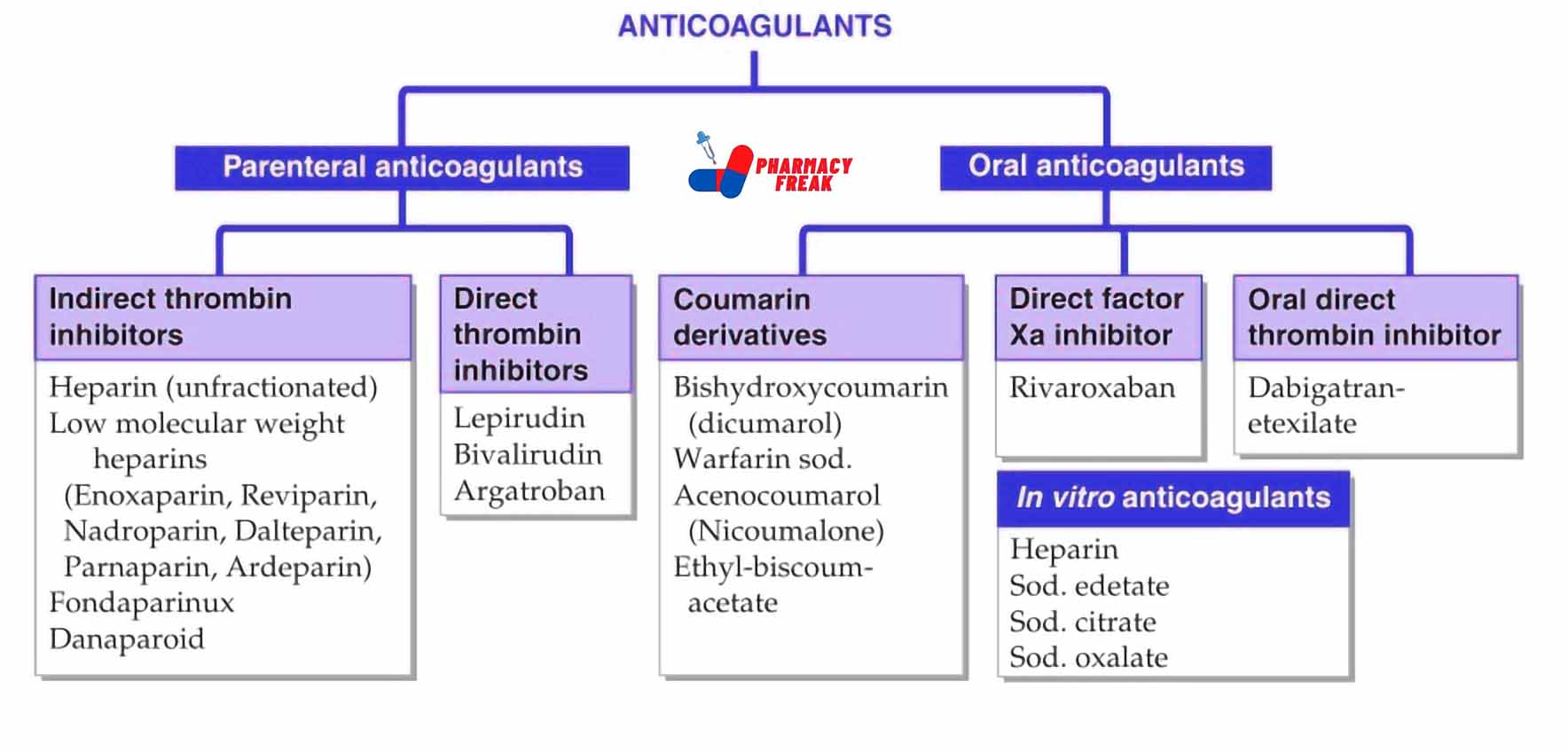
Classification of Anticoagulant

Anticoagulant Drugs Classifications

Anticoagulants are medicines that stop blood from clotting too quickly. They help keep blood flowing smoothly. These drugs don’t actually thin the blood, but they stop clots from forming or getting bigger. Doctors use them to treat and prevent serious health problems like heart attacks, strokes, and blood clots in the lungs or legs. Anticoagulants … Read more

PRO
Ad-Free Access
$3.99 / month
  • No Interruptions
  • Faster Page Loads
  • Support Content Creators