Trusted by 50K+ Pharmacy StudentsHigh Quality Notes, MCQs, Mock Tests & Study ResourcesGo Premium (Ads Free)
Pharmacy Freak

NSAID Classification – A Complete Guide for Pharmacy Students
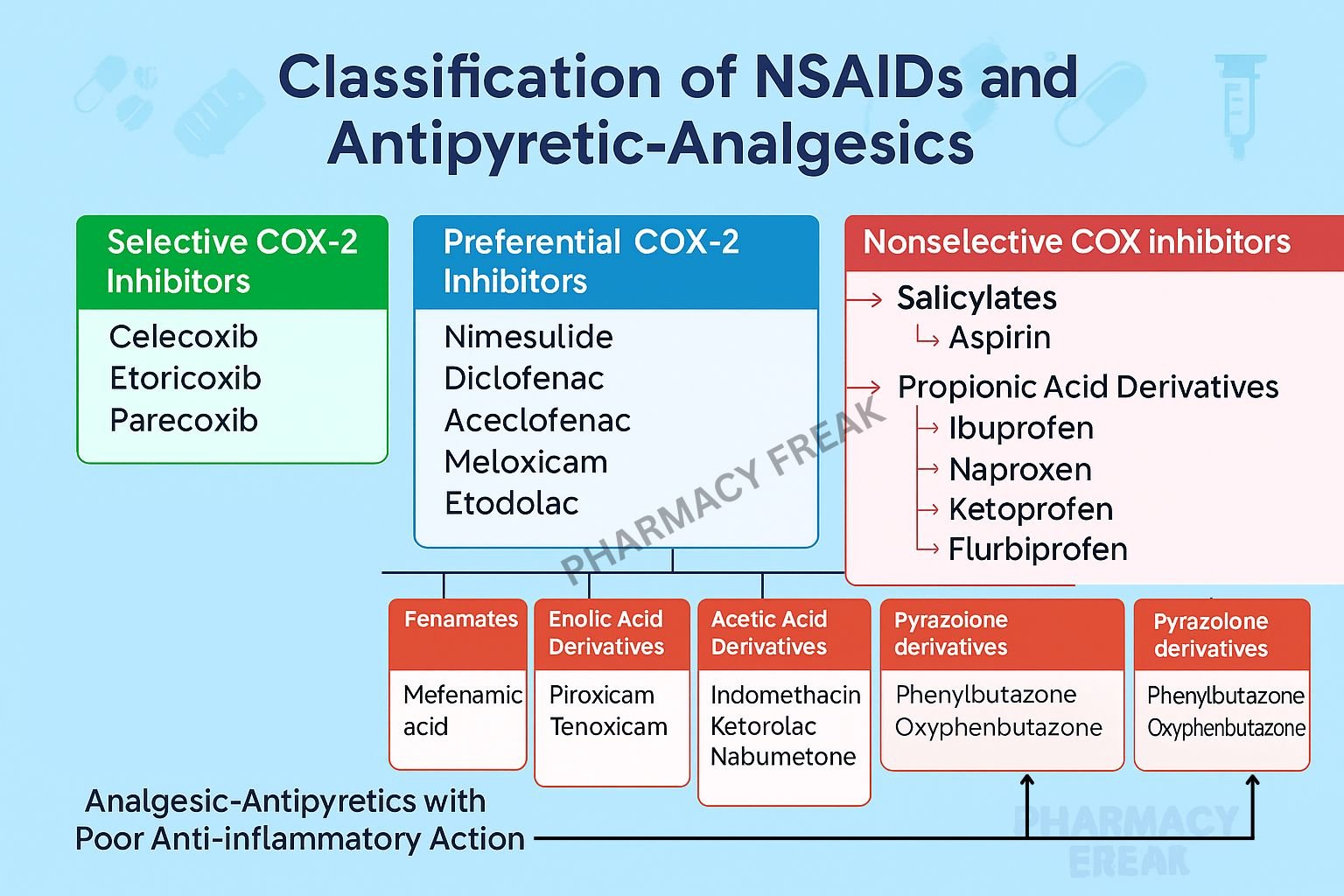
CLASSIFICATION OF NSAID

Introduction Non-steroidal anti-inflammatory drugs (NSAIDs) are among the most widely used medications globally. They are primarily prescribed for their analgesic, anti-inflammatory, and antipyretic properties. Whether it’s managing acute pain, chronic arthritis, or postoperative inflammation, NSAIDs are essential tools in clinical practice. Understanding their classification is critical for pharmacy students and healthcare professionals to ensure rational … Read more
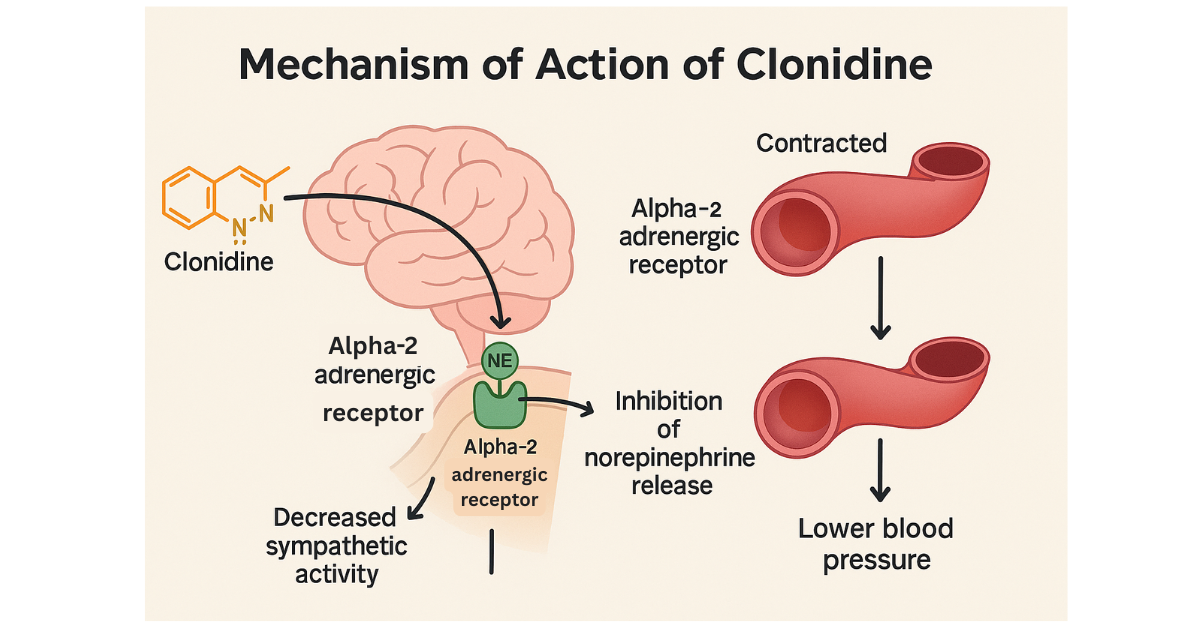
Mechanism of Action of Clonidine (Centrally Acting Antihypertensive)

Clonidine MOA – Central α2 Agonist Reducing Sympathetic Outflow

Introduction Clonidine is a centrally acting α2-adrenergic receptor agonist used primarily for hypertension, but also for opioid withdrawal, ADHD, pain management, and anxiety disorders. It lowers blood pressure by reducing sympathetic outflow from the central nervous system. Due to its broad clinical relevance and central mechanism, clonidine is a high-yield drug for exams like USMLE, … Read more

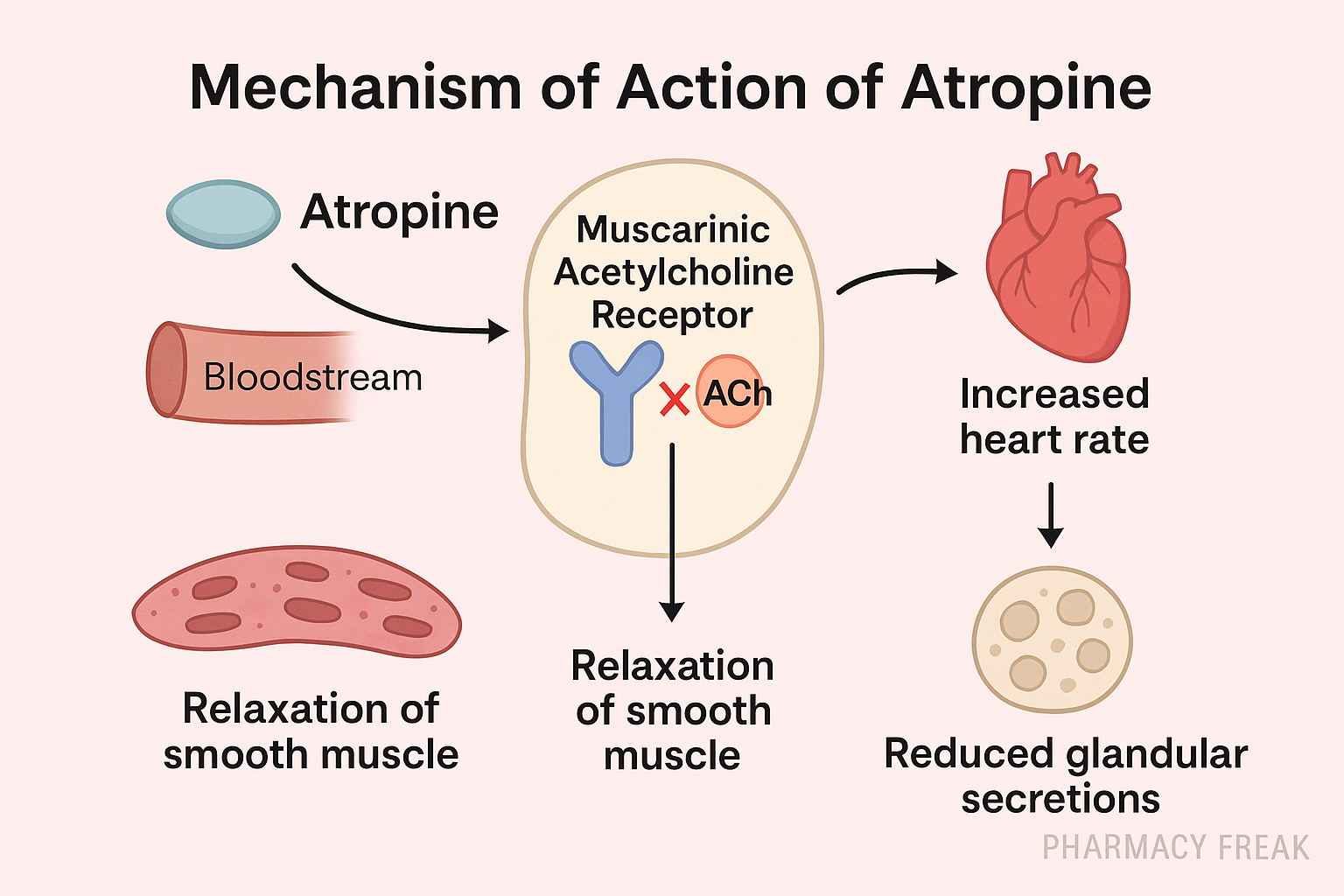
Mechanism of Action of Atropine (Muscarinic Antagonist)

Atropine MOA – Competitive Muscarinic Receptor Antagonist

Introduction Atropine is a classic anticholinergic drug that works by competitively inhibiting muscarinic acetylcholine receptors (mAChRs). It is derived from the plant Atropa belladonna and has wide clinical use in bradycardia, organophosphate poisoning, pre-anesthetic medication, and pupil dilation. Its importance spans autonomic pharmacology, emergency medicine, and toxicology, making it a high-yield topic for USMLE, NCLEX, … Read more

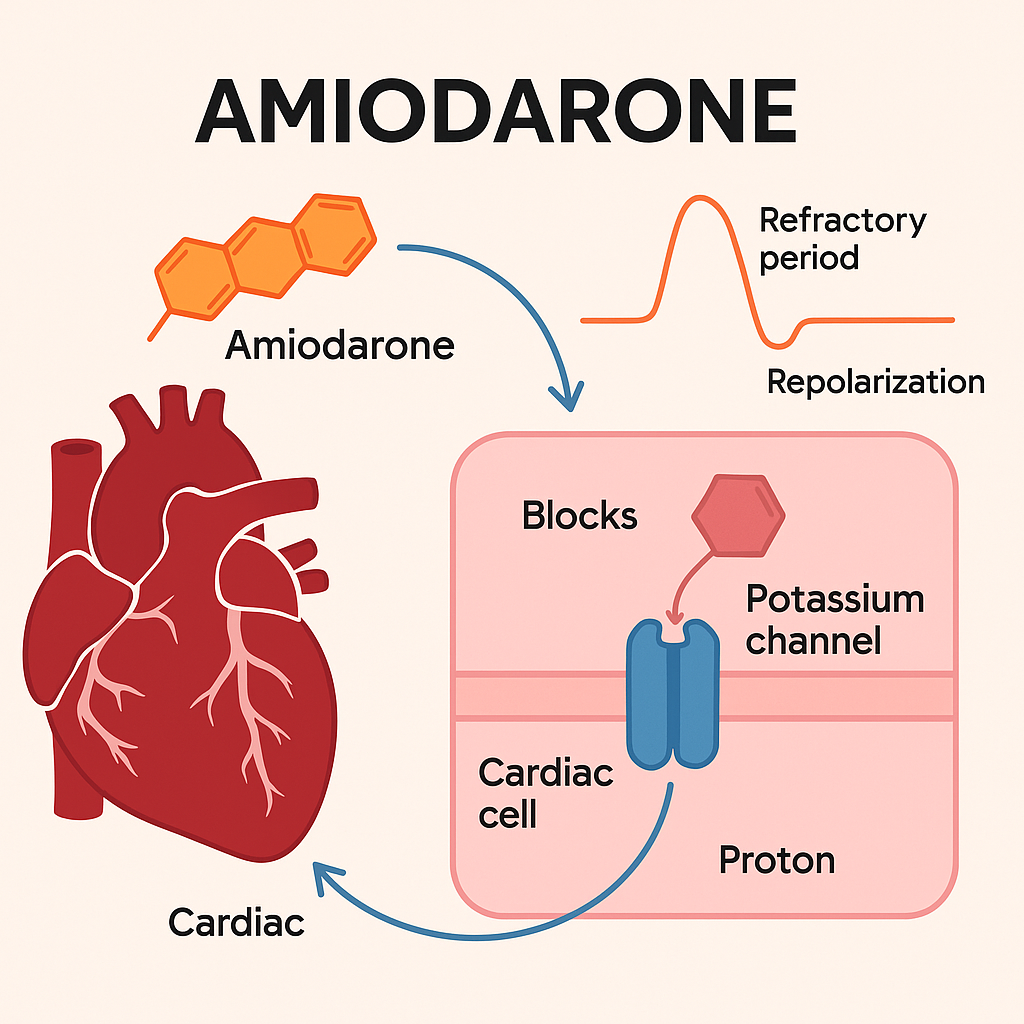
Mechanism of Action of Amiodarone (Class III Antiarrhythmic)

Amiodarone MOA – Multi-class antiarrhythmic with K⁺ channel blockade

Introduction Amiodarone is a powerful Class III antiarrhythmic agent used to treat various life-threatening cardiac arrhythmias, including ventricular tachycardia, ventricular fibrillation, and atrial fibrillation. It has a complex pharmacology, affecting multiple phases of the cardiac action potential and multiple ion channels. Due to its broad antiarrhythmic profile, multi-organ toxicity, and exam relevance, amiodarone is a … Read more

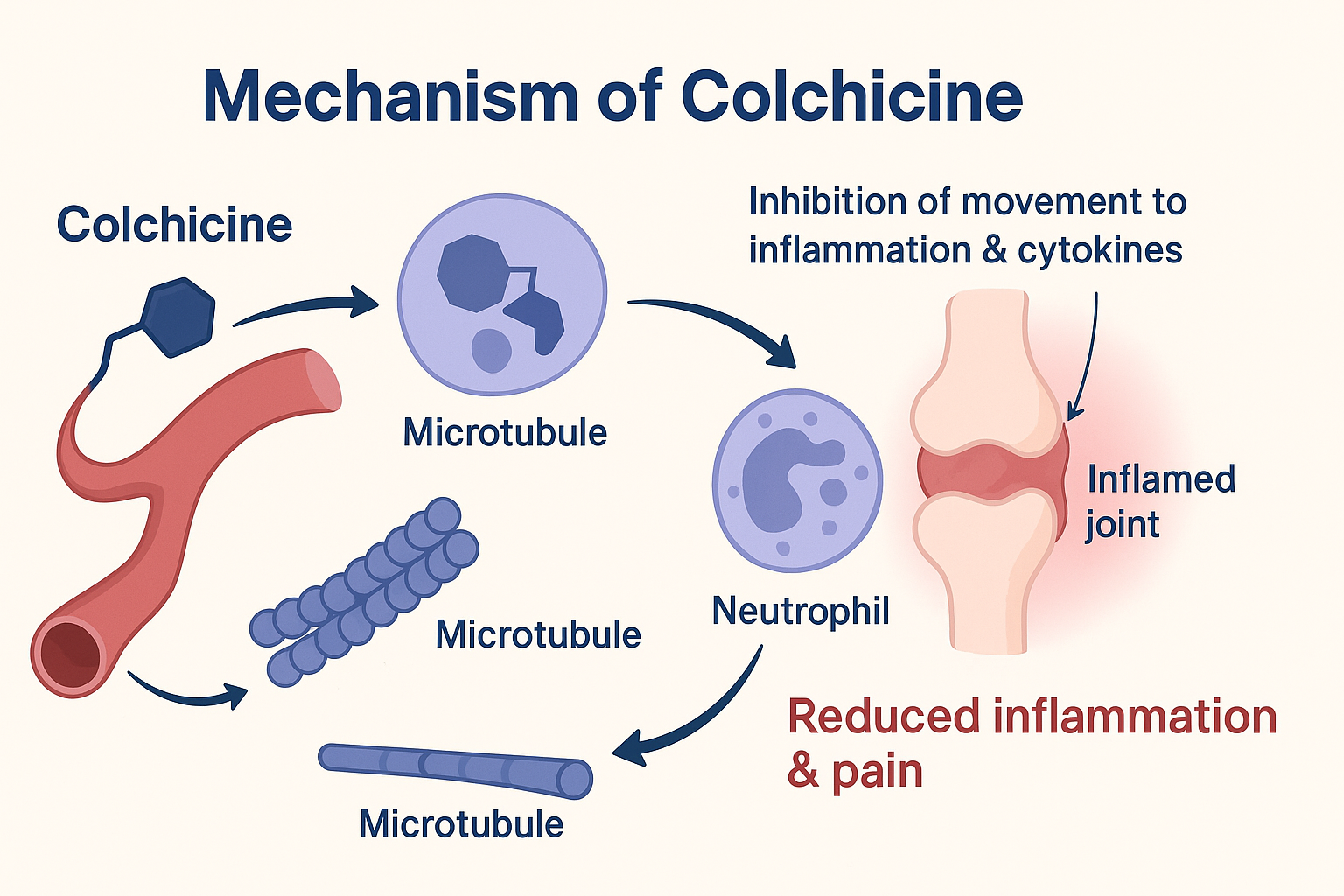
Mechanism of Action of Colchicine (Anti-inflammatory in Gout)

Colchicine MOA – Inhibition of microtubule polymerization in neutrophils

Introduction Colchicine is an anti-inflammatory drug primarily used in the management of acute gouty arthritis, familial Mediterranean fever, and sometimes in pericarditis. It is not an analgesic or uric acid–lowering agent, but it inhibits leukocyte activity, which is key to managing gout flare-ups. Given its unique mechanism, narrow therapeutic window, and exam relevance, colchicine is … Read more

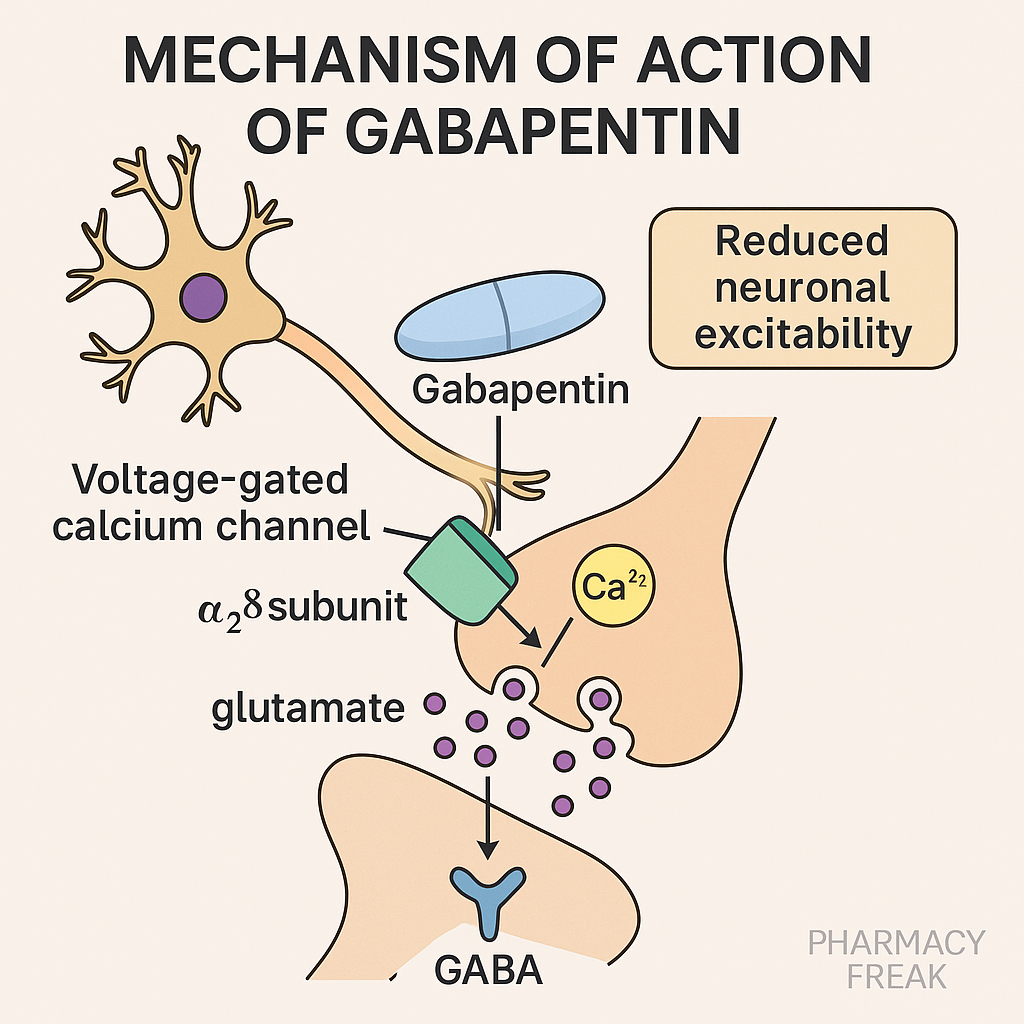
Mechanism of Action of Gabapentin

Gabapentin MOA – calcium channel modulator in epilepsy and neuropathic pain

Introduction Gabapentin is an antiepileptic drug and one of the most widely prescribed medications for neuropathic pain, postherpetic neuralgia, and partial seizures. Originally developed as a GABA analog, it surprisingly does not act directly on GABA receptors. Instead, it binds to voltage-gated calcium channels, altering neurotransmitter release. It is also used off-label for conditions like … Read more

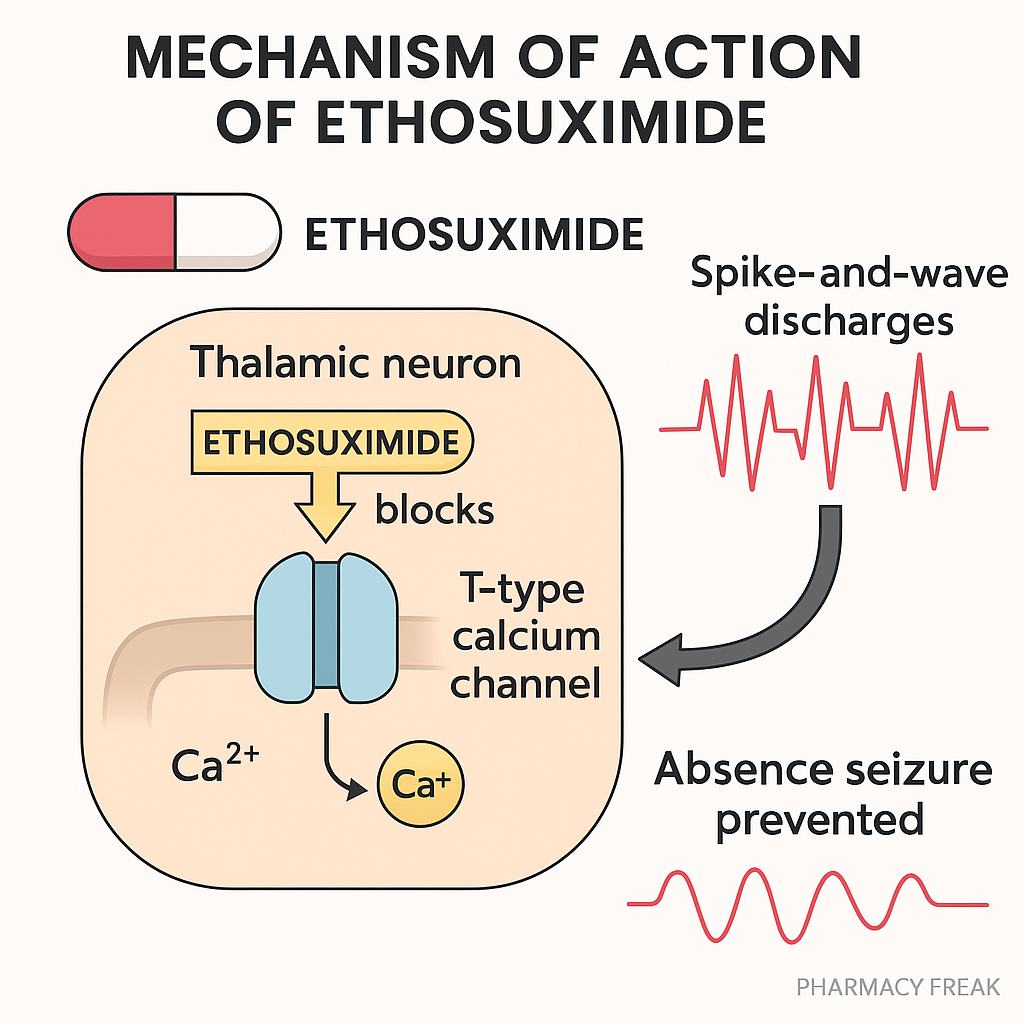
Mechanism of Action of Ethosuximide

Ethosuximide MOA – T-type calcium channel blocker for absence seizures

Introduction Ethosuximide is the first-line drug for treating absence seizures, a type of generalized seizure common in children. It is uniquely effective due to its action on T-type calcium channels in thalamic neurons, which are critical for the pathophysiology of absence seizures. Unlike most other AEDs, ethosuximide is not effective for other seizure types. It … Read more

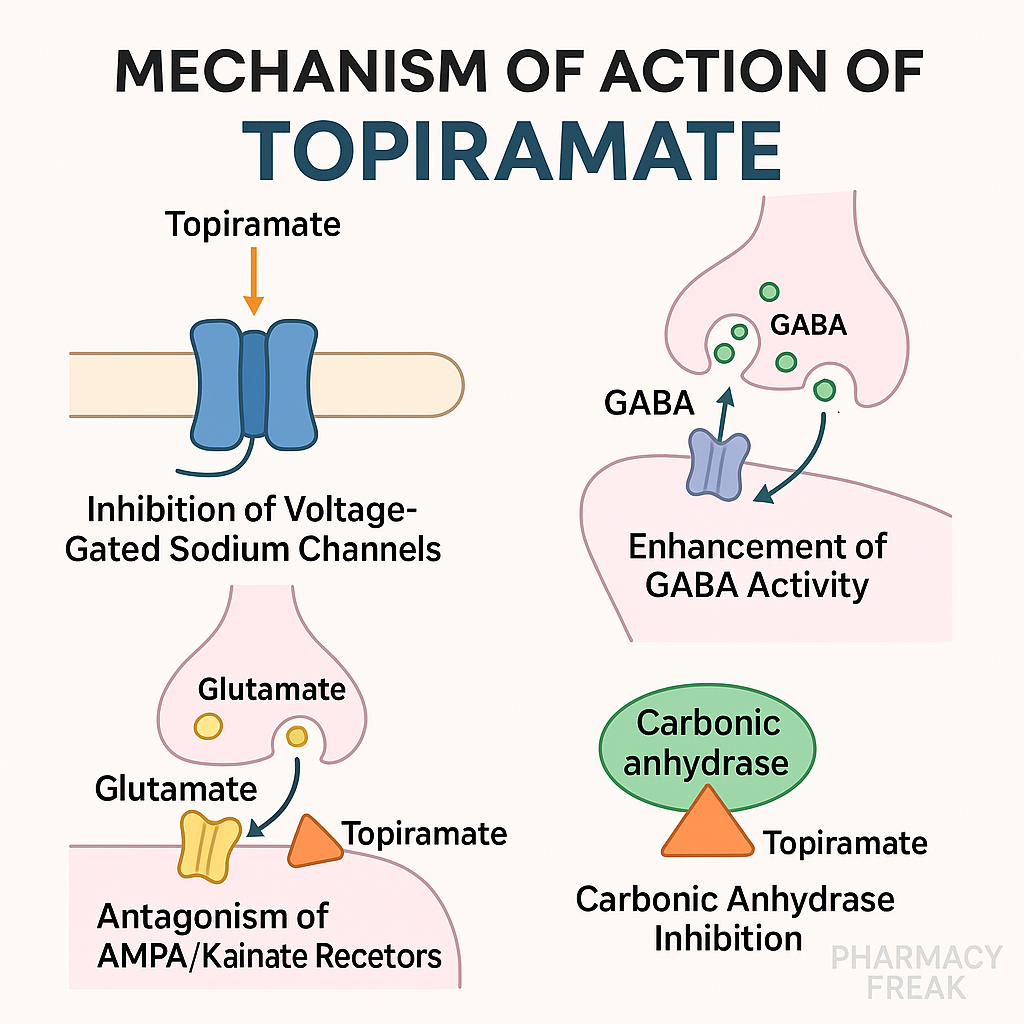
Mechanism of Action of Topiramate

Topiramate MOA – GABA enhancer, AMPA blocker, sodium channel inhibitor

Introduction Topiramate is a broad-spectrum antiepileptic drug (AED) known for its use in treating partial and generalized seizures, migraine prophylaxis, and Lennox-Gastaut syndrome. It has a multi-modal mechanism, acting on sodium channels, GABA-A receptors, glutamate receptors, and carbonic anhydrase. Its wide range of targets makes it effective in both epilepsy and mood disorders, though side … Read more

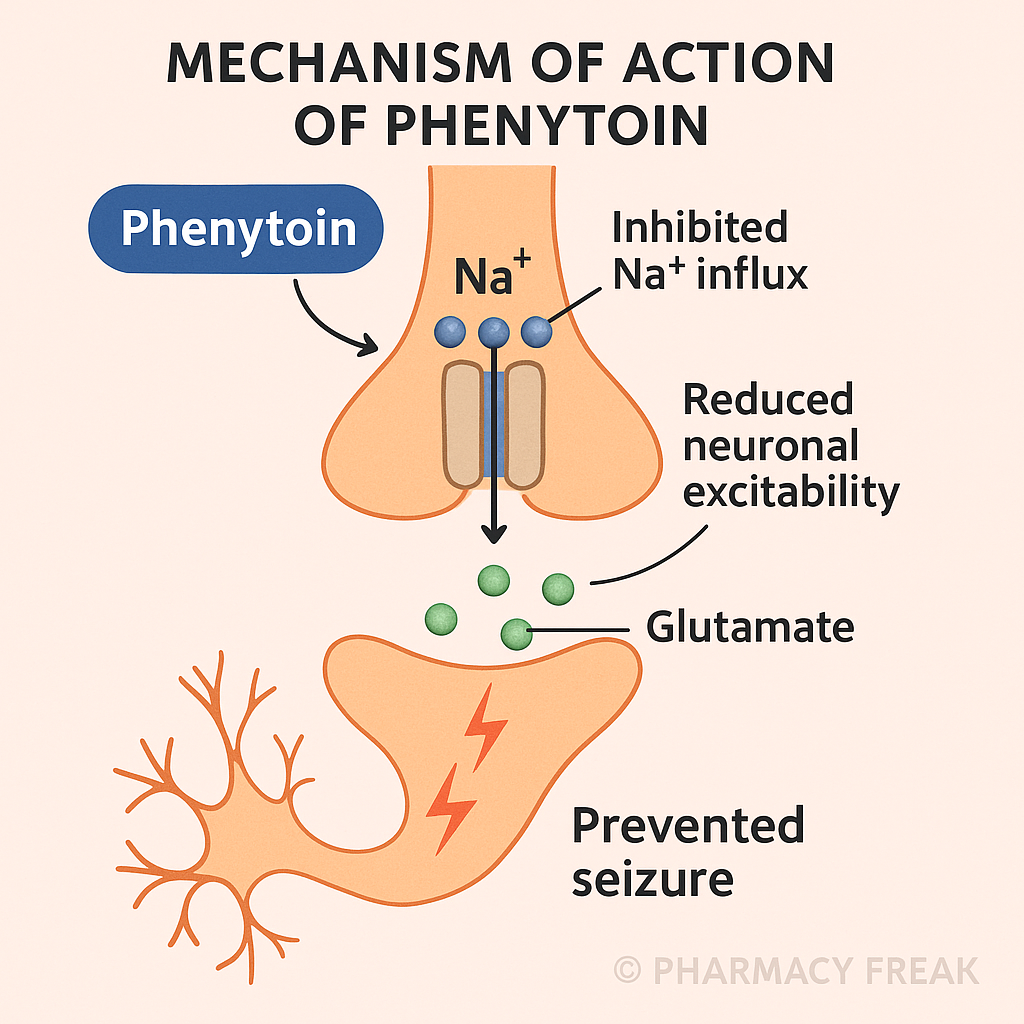
Mechanism of Action of Phenytoin

Phenytoin MOA – voltage-gated sodium channel blocker

Introduction Phenytoin is one of the oldest and most widely used antiepileptic drugs (AEDs), primarily for treating focal seizures and generalized tonic-clonic seizures. It has a well-known profile, acting on voltage-gated sodium channels to reduce high-frequency neuronal firing. Despite newer alternatives, phenytoin remains important, especially in emergency settings like status epilepticus (IV use). It’s a … Read more

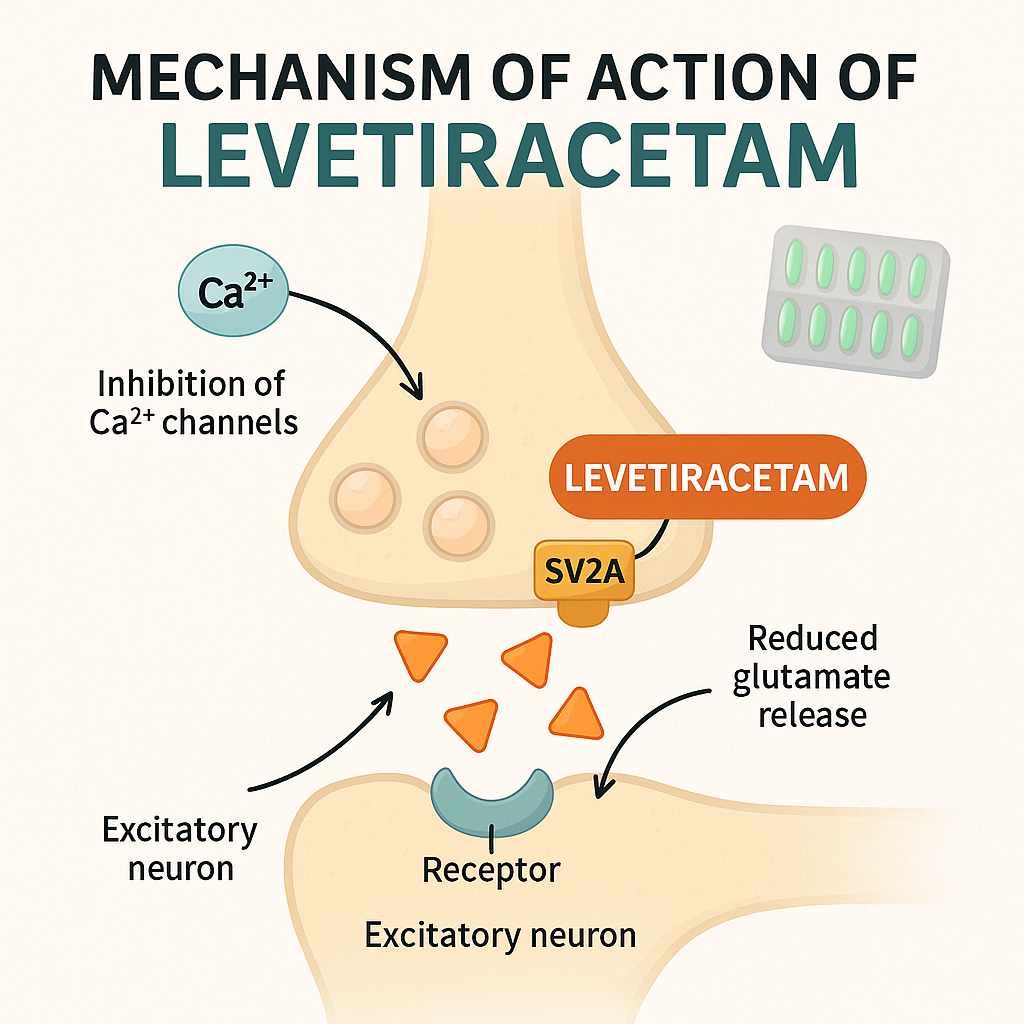
Mechanism of Action of Levetiracetam

Levetiracetam MOA – SV2A modulation in epilepsy

Introduction Levetiracetam is a novel, broad-spectrum antiepileptic drug (AED) used in the treatment of partial seizures, myoclonic seizures, and generalized tonic-clonic seizures. It is known for its favorable safety profile, minimal drug interactions, and ease of use in both adults and pediatric patients. Unlike older AEDs, levetiracetam acts through a unique synaptic mechanism. It is … Read more

PRO
Ad-Free Access
$3.99 / month
  • No Interruptions
  • Faster Page Loads
  • Support Content Creators