Trusted by 50K+ Pharmacy StudentsHigh Quality Notes, MCQs, Mock Tests & Study ResourcesGo Premium (Ads Free)
Pharmacy Freak

Mechanism of Action of Meglitinides

Meglitinides mechanism – insulin secretion by SUR1-mediated KATP channel blockade

Introduction Meglitinides, also known as glinides, are short-acting insulin secretagogues used in the treatment of type 2 diabetes mellitus. They function similarly to sulfonylureas but have a more rapid onset and shorter duration of action, making them ideal for postprandial glucose control. Common meglitinides include: These drugs are especially useful for meal-time glucose spikes and … Read more
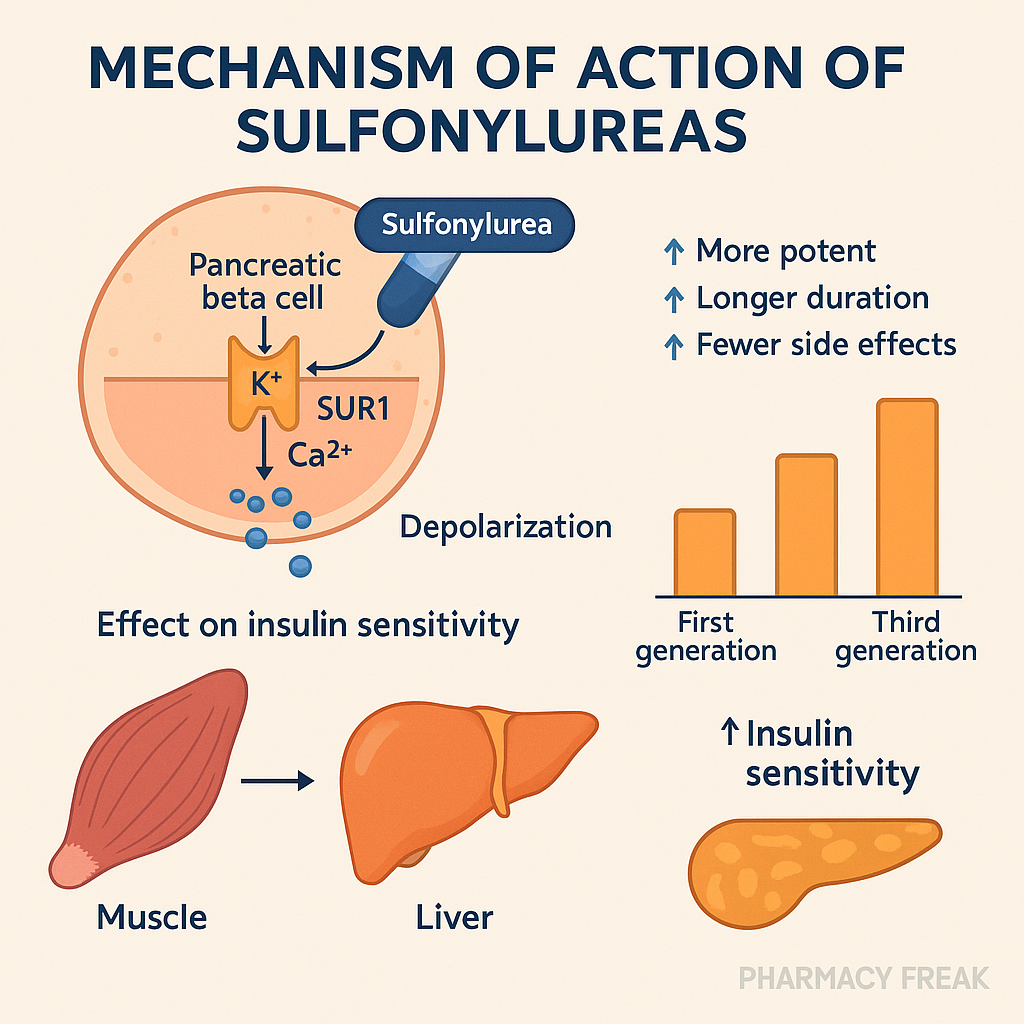
Mechanism of Action of Sulfonylureas

Sulfonylureas mechanism – insulin secretion via KATP channel inhibition

Introduction Sulfonylureas are one of the oldest and most widely used classes of oral antidiabetic agents. They are particularly effective in patients with type 2 diabetes mellitus who have residual pancreatic beta-cell function. They exert their effect by stimulating insulin secretion from pancreatic beta cells. Sulfonylureas are typically used in combination with other agents or … Read more

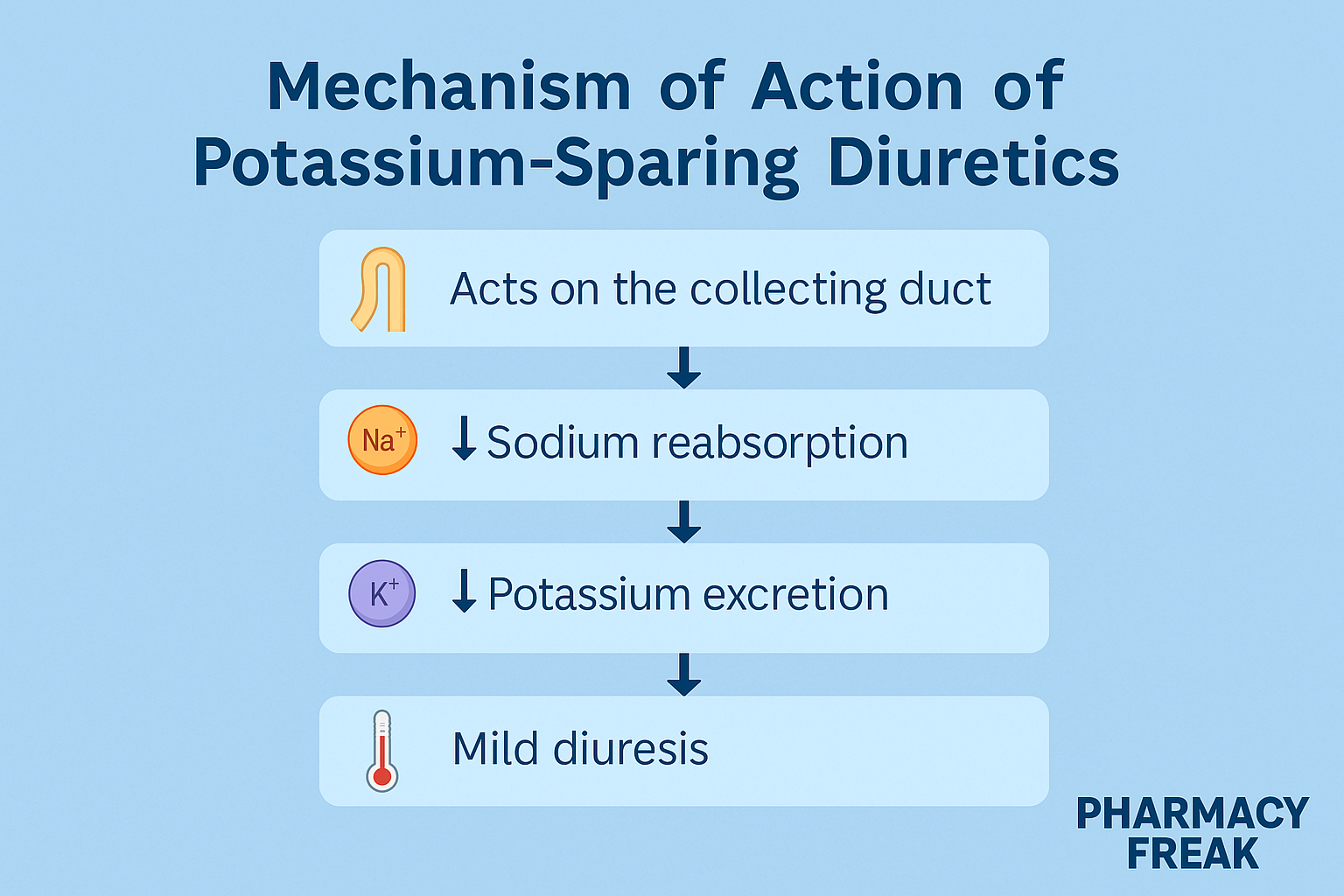
Mechanism of Action of Potassium-Sparing Diuretics

Potassium-sparing diuretics mechanism – aldosterone antagonism and ENaC blockade

Introduction Potassium-sparing diuretics are a unique subclass of diuretics that help conserve potassium levels while promoting mild diuresis. Unlike other diuretics, they do not cause hypokalemia, making them ideal as adjunct therapy with thiazide or loop diuretics. These drugs are grouped into two types: These drugs are tested frequently in USMLE, NCLEX, GPAT, NAPLEX, and … Read more

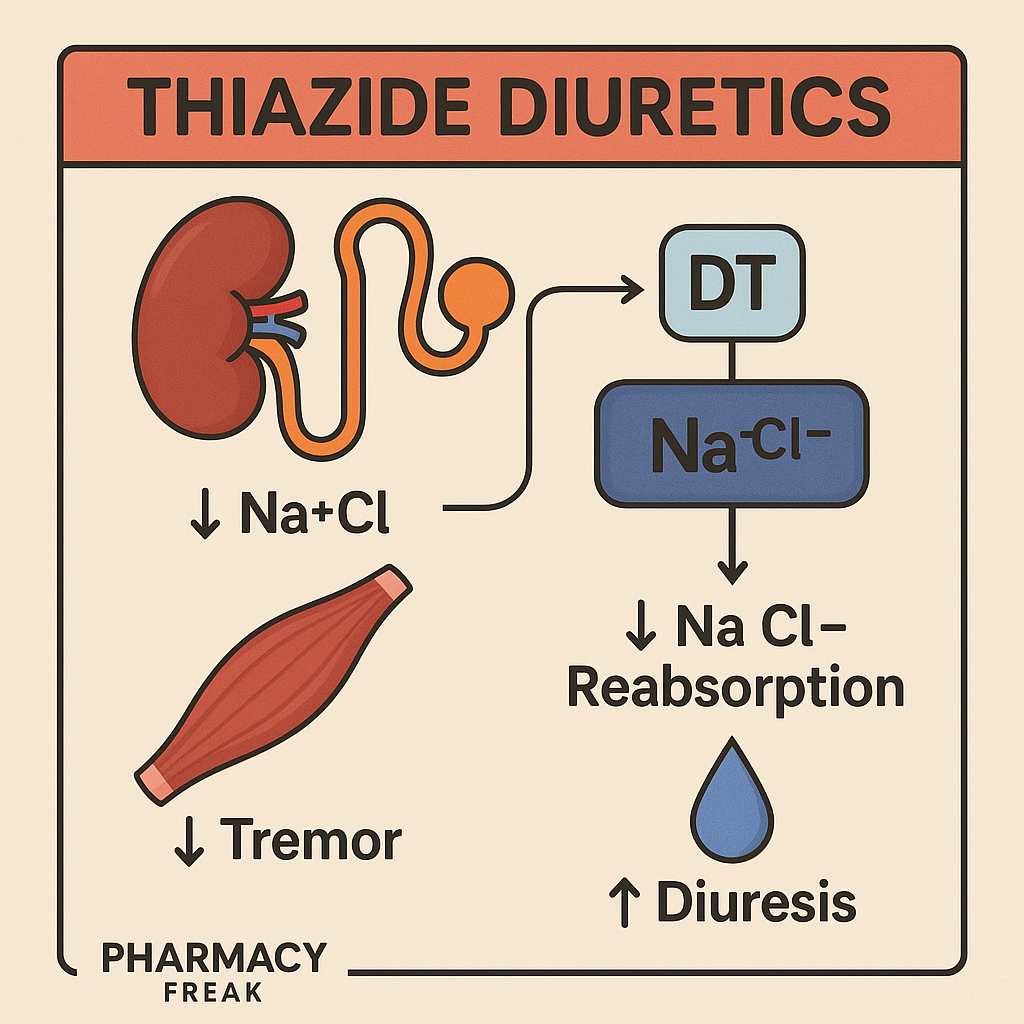
Mechanism of Action of Thiazide Diuretics

Thiazide diuretics mechanism – inhibition of sodium chloride symporter in the distal tubule

Introduction Thiazide diuretics are one of the most commonly prescribed classes of antihypertensive agents, especially in the U.S. They are highly effective in treating mild to moderate hypertension and are also useful in managing edema, calcium kidney stones, and heart failure. Examples include: Thiazides are recommended as first-line therapy for hypertension in JNC-8 and AHA/ACC … Read more

Mechanism of Action of Calcium Channel Blockers (CCBs)

Calcium channel blockers mechanism – L-type calcium channel inhibition and vasodilation

Introduction Calcium Channel Blockers (CCBs) are a major class of antihypertensive and anti-anginal medications. They work by blocking voltage-gated L-type calcium channels, leading to relaxation of smooth muscle in blood vessels and the heart. CCBs are divided into two major subtypes: They are widely prescribed in the U.S. and feature prominently in USMLE, NCLEX, NAPLEX, … Read more

Mechanism of Action of Angiotensin II Receptor Blockers (ARBs)

Angiotensin II receptor blockers mechanism – inhibition of AT1-mediated vasoconstriction

Introduction Angiotensin II Receptor Blockers (ARBs) are a major class of antihypertensive drugs. They selectively block the angiotensin II type 1 (AT1) receptor, reducing blood pressure and protecting organs from damage caused by chronic hypertension. Commonly used ARBs include: ARBs are widely prescribed for managing: Because of their safety profile and efficacy, they are commonly … Read more

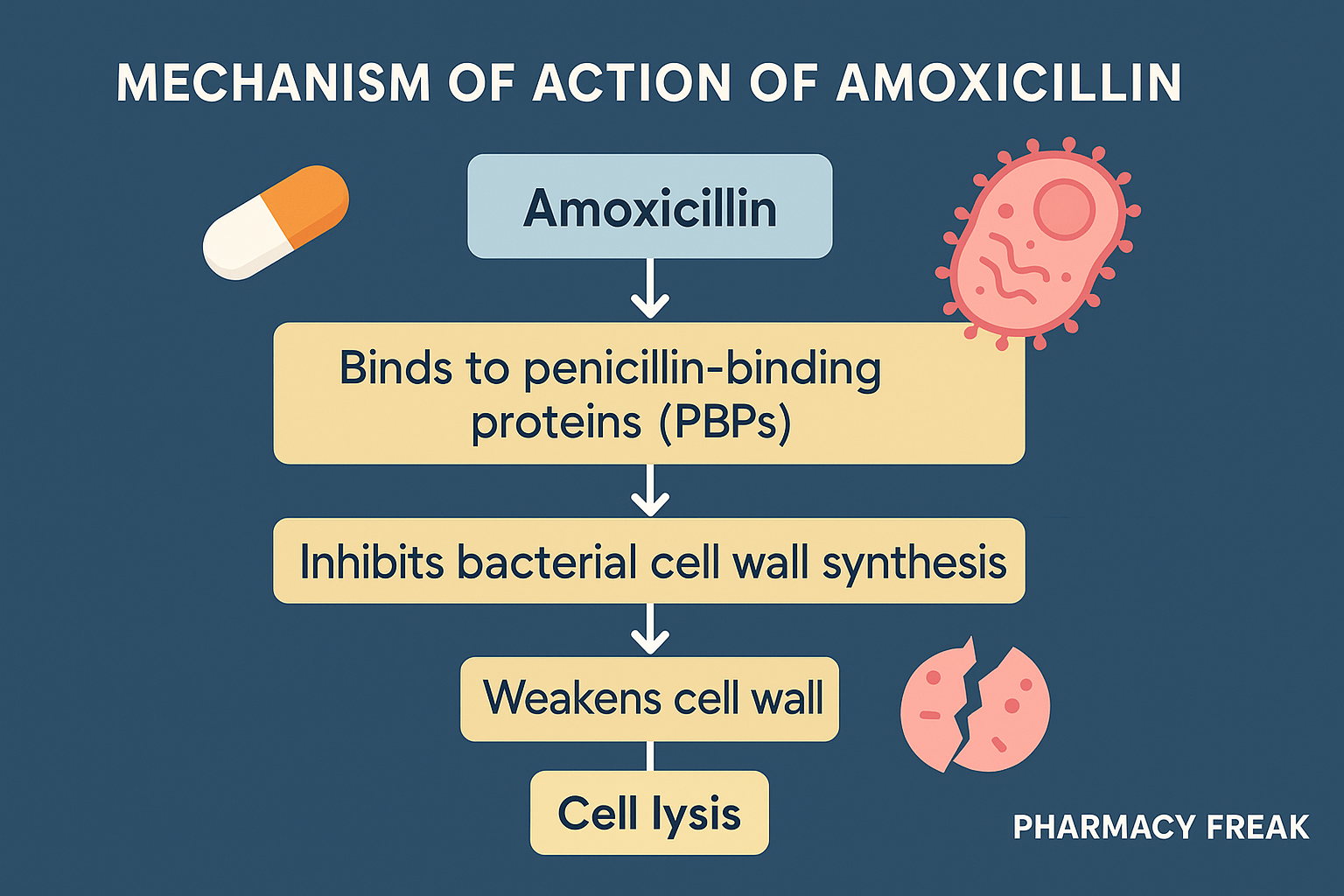
Amoxicillin – Mechanism of Action

Amoxicillin mechanism of action – inhibition of bacterial cell wall synthesis via PBPs

Introduction Amoxicillin is a widely used broad-spectrum penicillin antibiotic belonging to the β-lactam class. It is effective against a range of gram-positive and some gram-negative organisms, and is one of the most commonly prescribed antibiotics in both outpatient and inpatient settings in the United States. It is FDA-approved and widely used in: Because of its … Read more

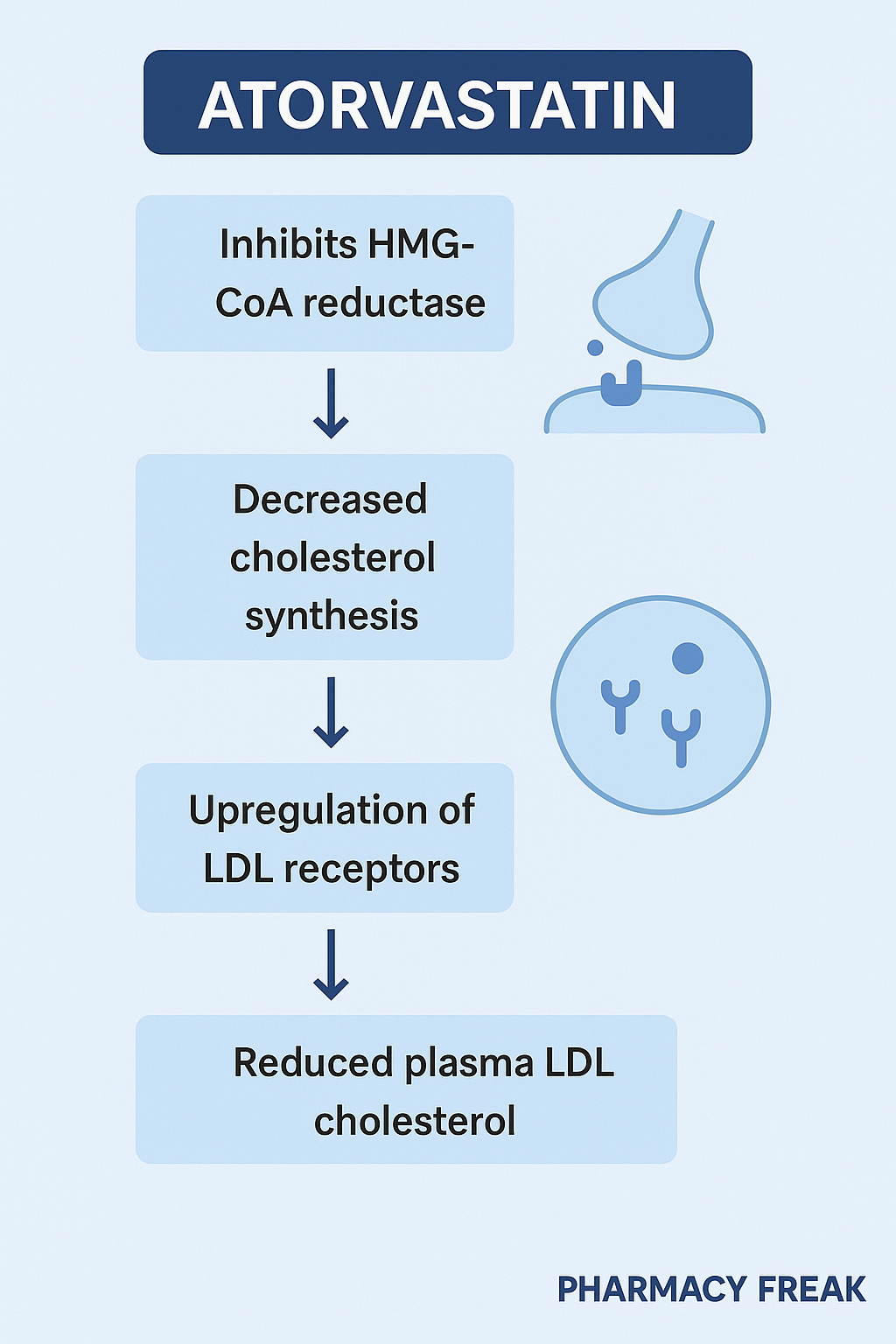
Mechanism of Action of Atorvastatin

Atorvastatin mechanism of action – HMG-CoA reductase inhibition and LDL receptor upregulation

🔍 Introduction Atorvastatin is a widely used lipid-lowering agent that belongs to the class of HMG-CoA reductase inhibitors, commonly known as statins. It is one of the most prescribed drugs worldwide due to its effectiveness in lowering LDL cholesterol and reducing cardiovascular risk. It plays a major role in: Because of its clinical importance and … Read more

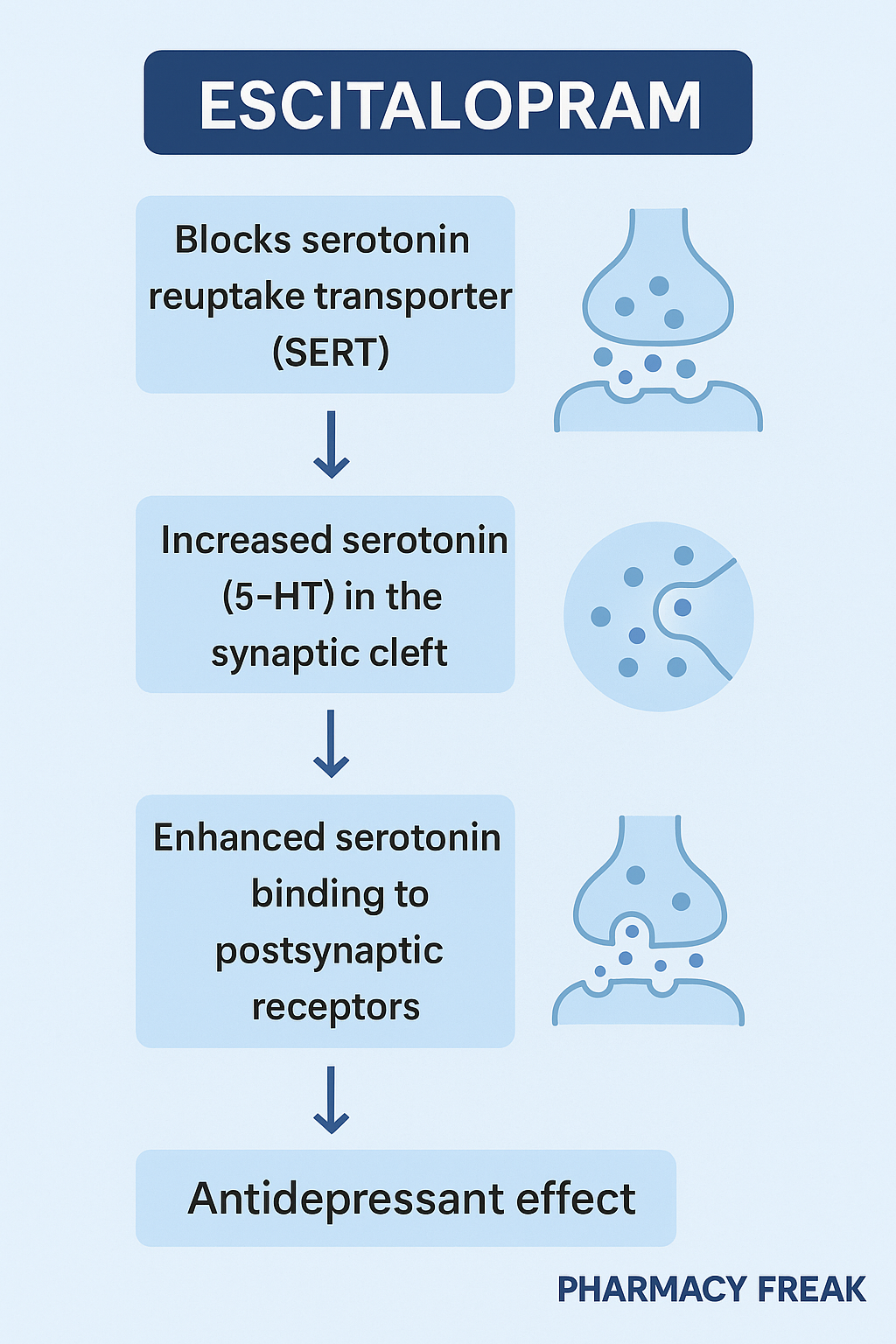
Escitalopram – Mechanism of Action

Escitalopram mechanism of action – selective serotonin reuptake inhibition and enhanced serotonergic transmission

🔍 Introduction Escitalopram is a widely prescribed antidepressant belonging to the class of Selective Serotonin Reuptake Inhibitors (SSRIs). It is the S-enantiomer of citalopram and is considered one of the most selective SSRIs available. Escitalopram is mainly used to treat: Due to its clean pharmacological profile and importance in psychiatry, Escitalopram is frequently tested in … Read more

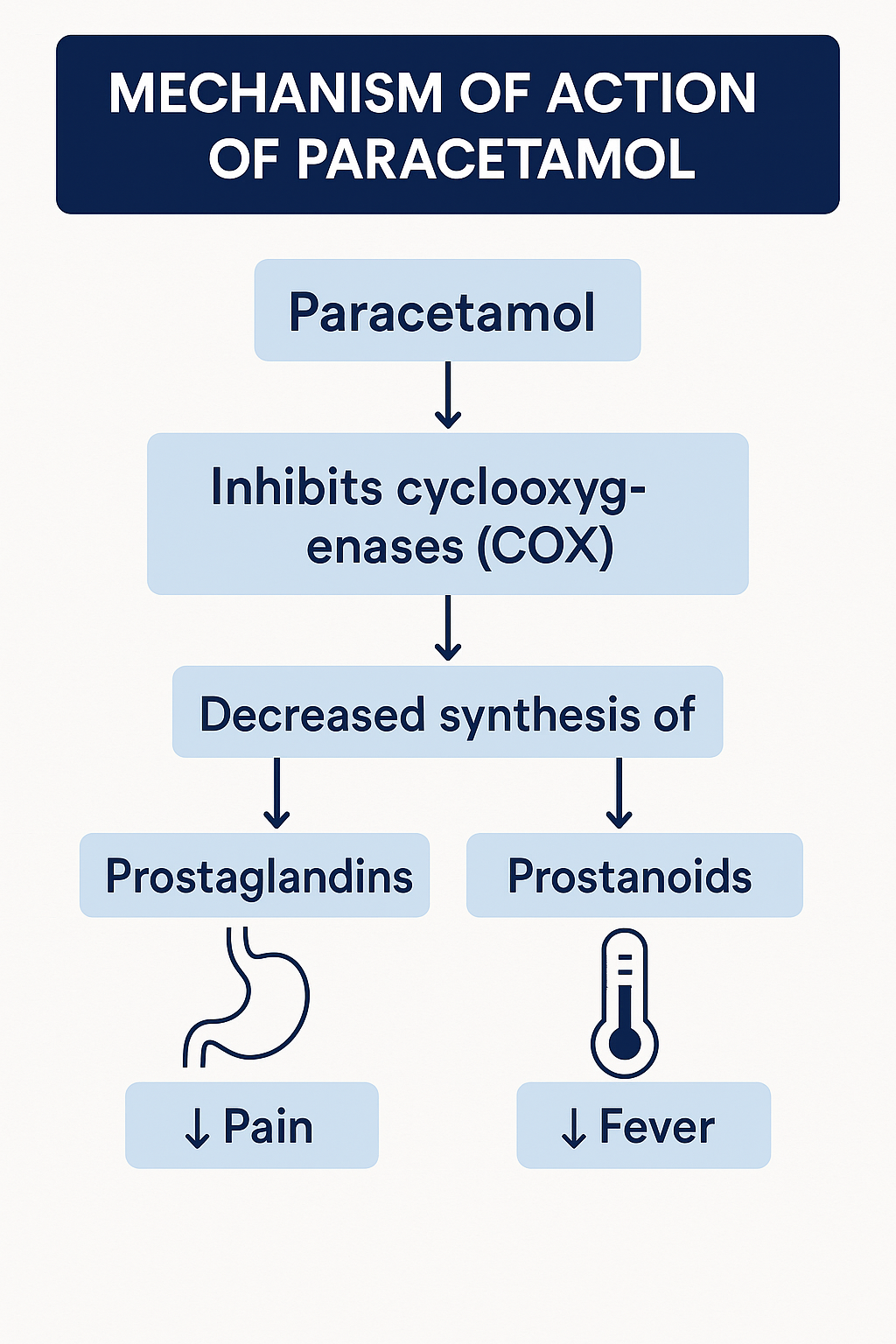
Paracetamol – Mechanism of Action

Paracetamol mechanism of action – central COX inhibition and antipyretic action via hypothalamus

Introduction Paracetamol (also known as Acetaminophen) is one of the most commonly used drugs for fever and mild-to-moderate pain. Unlike NSAIDs, it has minimal anti-inflammatory action and does not cause gastric irritation. It is classified as: Despite its widespread use, its exact mechanism of action has long been debated and is often misunderstood—making it a … Read more

PRO
Ad-Free Access
$3.99 / month
  • No Interruptions
  • Faster Page Loads
  • Support Content Creators