Trusted by 50K+ Pharmacy StudentsHigh Quality Notes, MCQs, Mock Tests & Study ResourcesGo Premium (Ads Free)
Pharmacy Freak

Mechanism of Action of Penicillins (β-lactam Antibiotics)
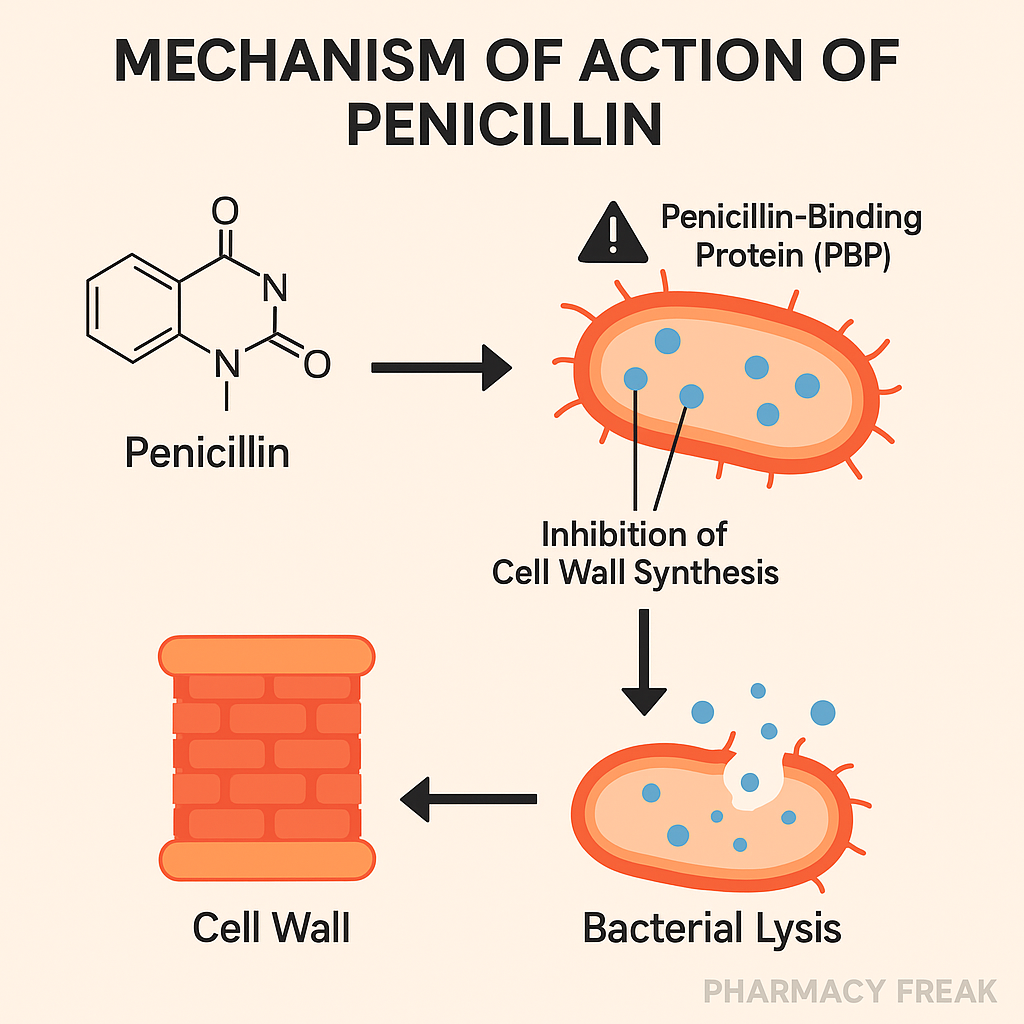
Penicillins MOA – Cell wall synthesis inhibition

Introduction Penicillins are one of the oldest and most widely used classes of antibiotics, belonging to the β-lactam family. They’re highly effective against Gram-positive bacteria and some Gram-negatives, depending on the type. Their mechanism centers on inhibiting bacterial cell wall synthesis, which leads to bacterial lysis and death. Penicillins remain a foundational topic for USMLE, … Read more
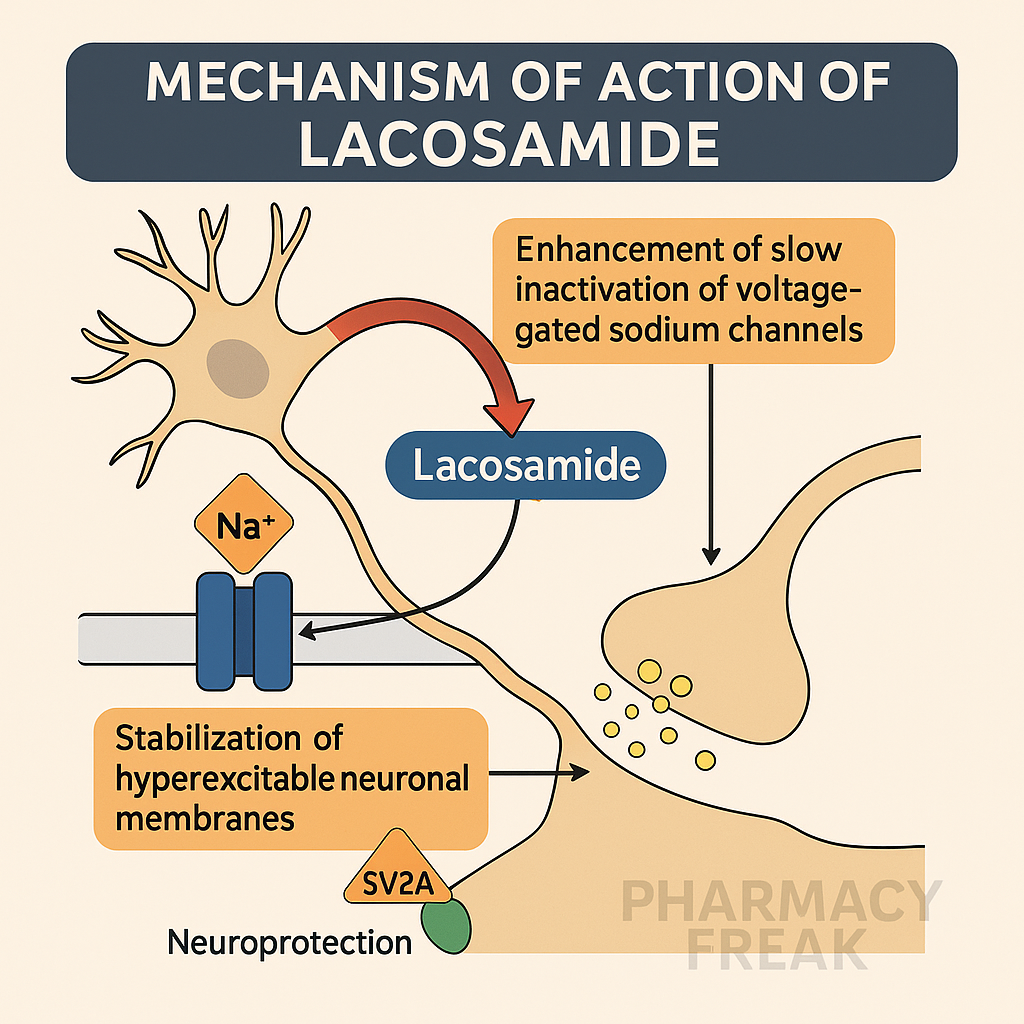
Mechanism of Action of Lacosamide (Newer Antiepileptic Drug)

Lacosamide MOA – Enhances slow inactivation of sodium channels in epilepsy

Introduction Lacosamide is a newer-generation antiepileptic drug (AED) used for the treatment of focal (partial) seizures and adjunctive therapy for generalized seizures. It has a novel mechanism, targeting slow inactivation of voltage-gated sodium channels, which differentiates it from older AEDs. It is well tolerated and commonly prescribed in the US for both adults and children. … Read more

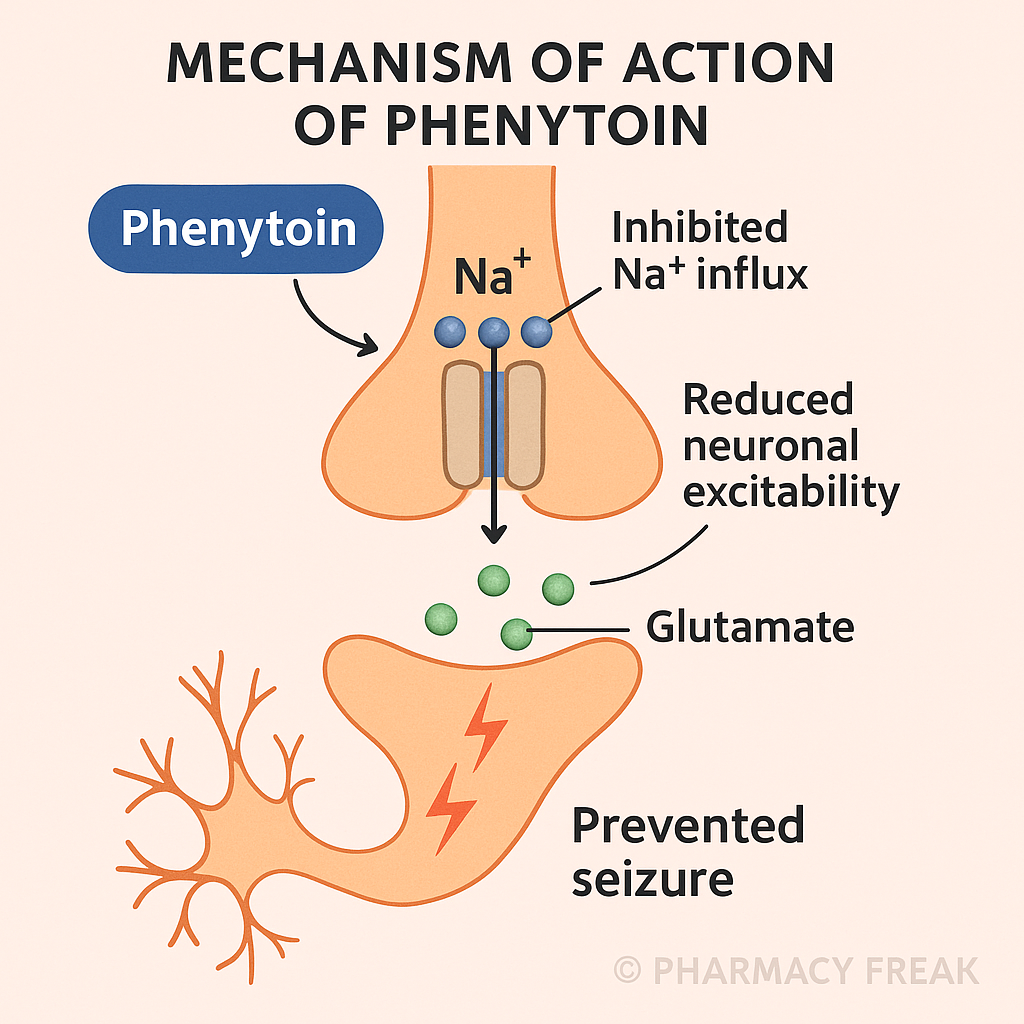
Mechanism of Action of Phenytoin

Phenytoin MOA – voltage-gated sodium channel blocker

Introduction Phenytoin is one of the oldest and most widely used antiepileptic drugs (AEDs), primarily for treating focal seizures and generalized tonic-clonic seizures. It has a well-known profile, acting on voltage-gated sodium channels to reduce high-frequency neuronal firing. Despite newer alternatives, phenytoin remains important, especially in emergency settings like status epilepticus (IV use). It’s a … Read more

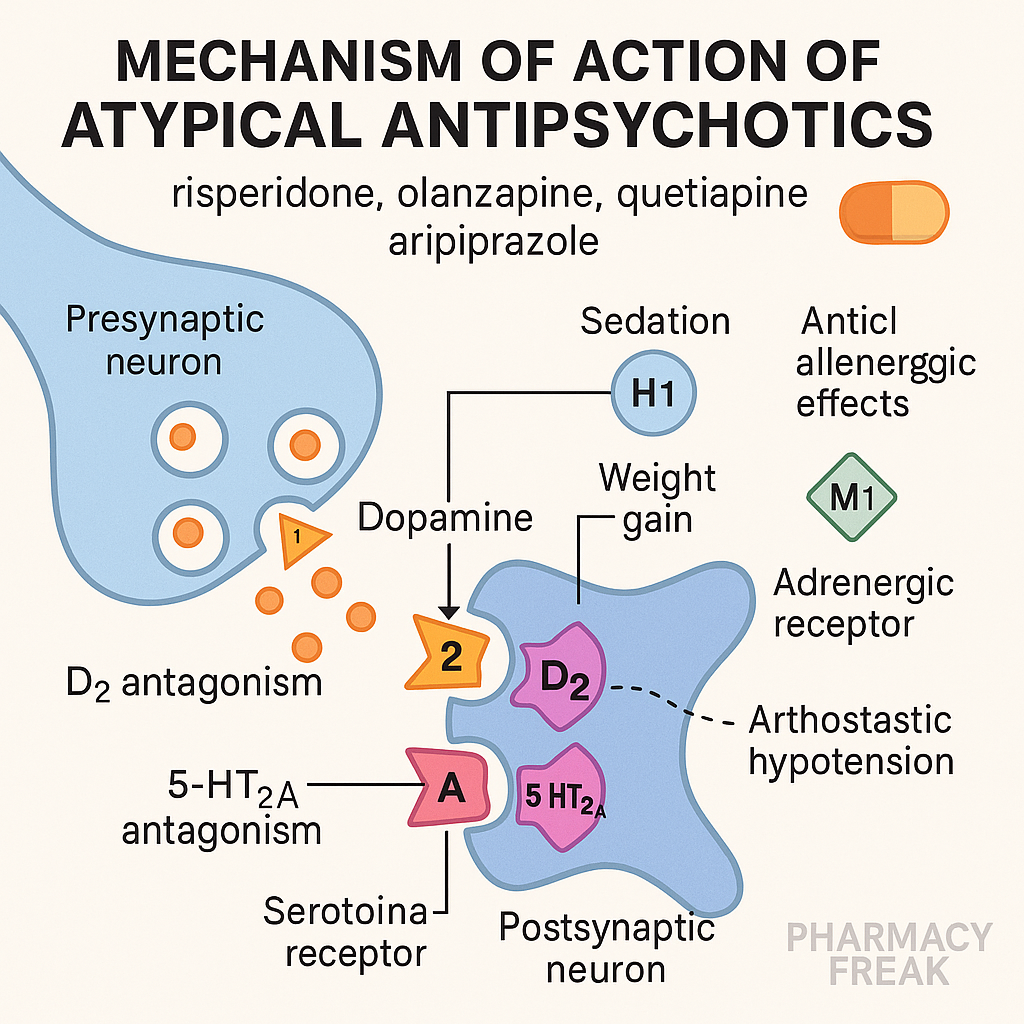
Mechanism of Action of Atypical Antipsychotics (Second-Generation)

Atypical antipsychotics MOA – D2 and 5-HT2A receptor action in schizophrenia

Introduction Atypical antipsychotics, also known as second-generation antipsychotics (SGAs), are widely used in the treatment of schizophrenia, bipolar disorder, major depressive disorder (as adjuncts), and autism-related irritability. Compared to typical antipsychotics, they offer fewer extrapyramidal symptoms (EPS) and better control of negative symptoms of schizophrenia due to their dual action on dopamine and serotonin receptors. … Read more

Mechanism of Action of Tricyclic Antidepressants (TCAs)

TCA mechanism – serotonin and norepinephrine reuptake inhibition with receptor blockade

Introduction Tricyclic antidepressants (TCAs) are one of the oldest classes of antidepressant medications. Although largely replaced by SSRIs due to their improved safety profiles, TCAs are still widely used for treatment-resistant depression, neuropathic pain, and other off-label conditions. They work by inhibiting the reuptake of norepinephrine and serotonin, thereby increasing the levels of these neurotransmitters … Read more

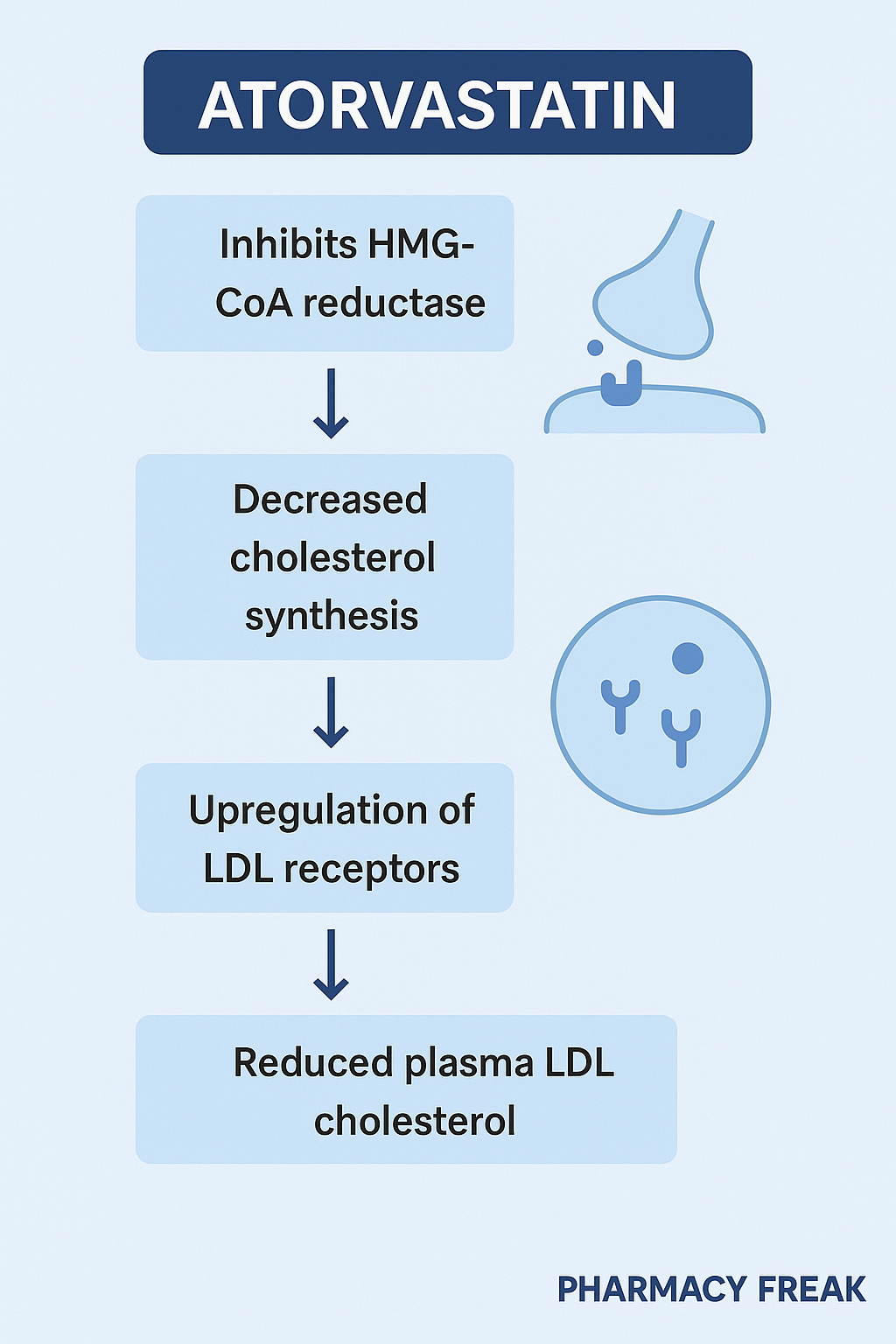
Mechanism of Action of Atorvastatin

Atorvastatin mechanism of action – HMG-CoA reductase inhibition and LDL receptor upregulation

🔍 Introduction Atorvastatin is a widely used lipid-lowering agent that belongs to the class of HMG-CoA reductase inhibitors, commonly known as statins. It is one of the most prescribed drugs worldwide due to its effectiveness in lowering LDL cholesterol and reducing cardiovascular risk. It plays a major role in: Because of its clinical importance and … Read more

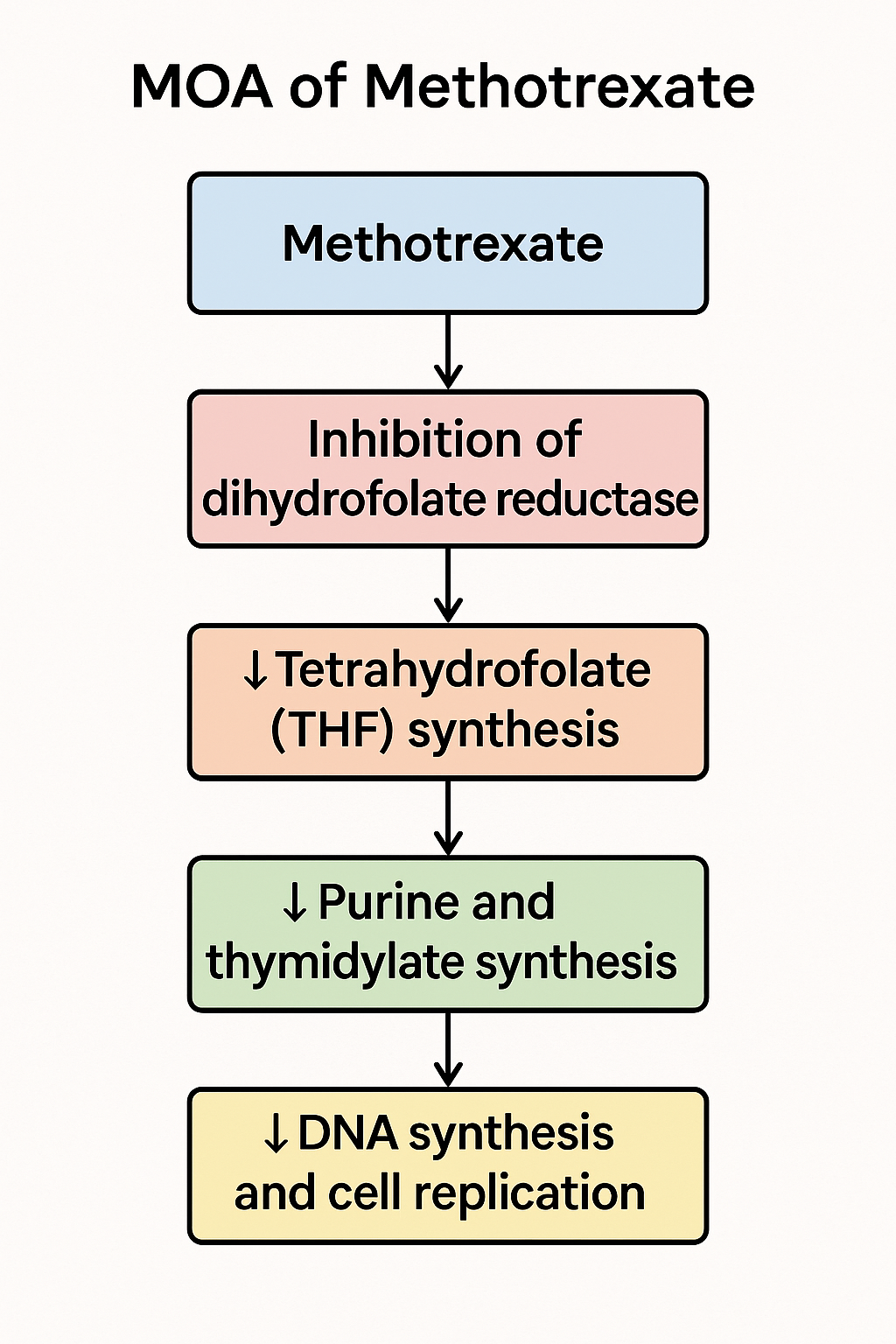
Methotrexate – Mechanism of Action

Flowchart of Methotrexate mechanism of action showing DHFR inhibition and suppression of DNA synthesis in S-phase

Introduction Methotrexate is a cornerstone drug in both anticancer chemotherapy and immunosuppressive therapy. Structurally, it is a folic acid antagonist and functions as an antimetabolite. It is widely used in: Due to its dual role in oncology and immunology, Methotrexate is a high-yield topic in exams like GPAT, NIPER, NEET-PG, NCLEX, and essential for PharmD, … Read more

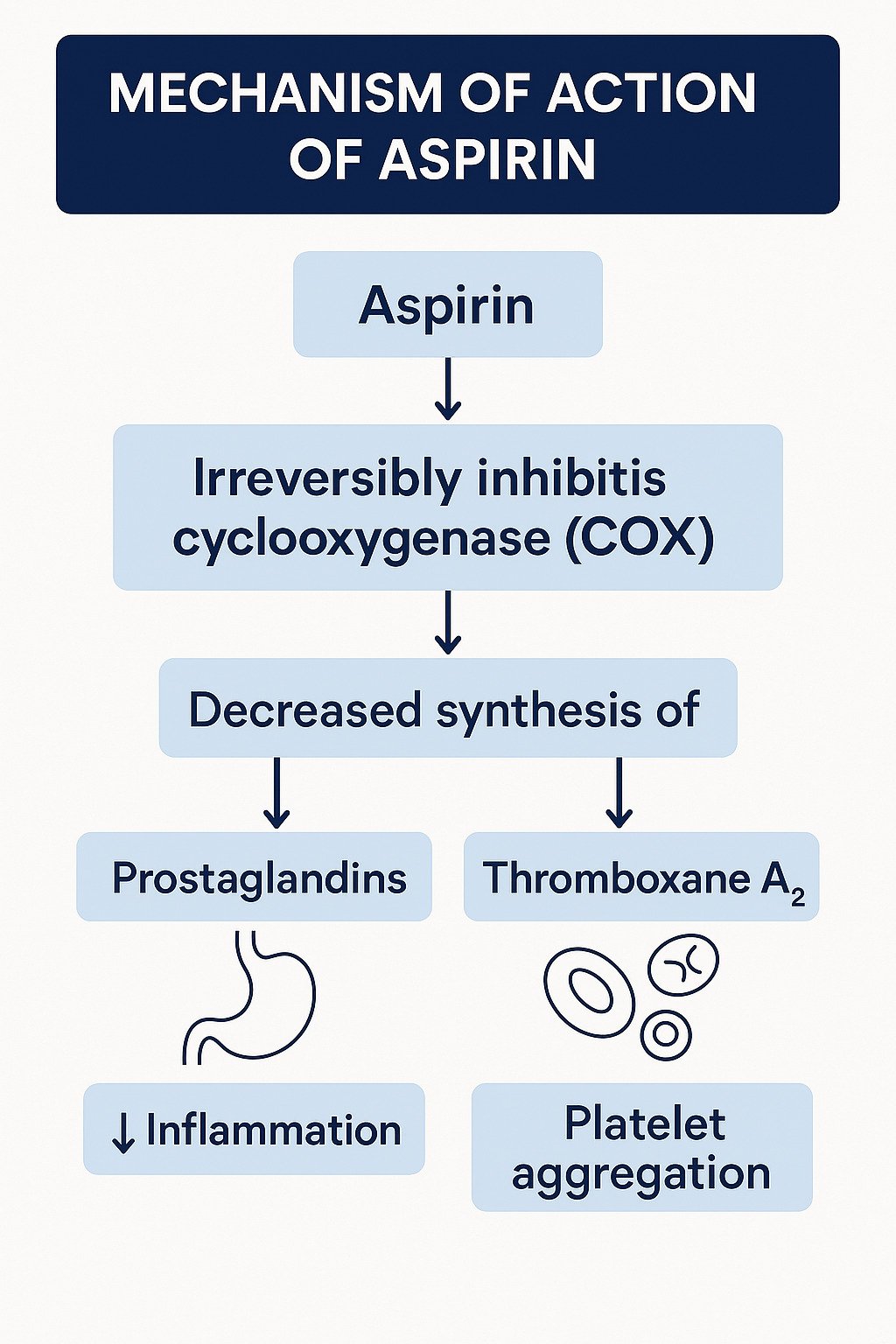
Aspirin – Mechanism of Action

Stepwise mechanism of action of Aspirin showing COX inhibition and antiplatelet effect

Introduction Aspirin, also known as acetylsalicylic acid, is a widely used Non-Steroidal Anti-Inflammatory Drug (NSAID). It’s primarily known for its analgesic (pain-relieving), antipyretic (fever-reducing), anti-inflammatory, and antiplatelet actions. Belonging to the salicylate class, Aspirin is often prescribed for: Due to its clinical importance and frequent exam presence, understanding its mechanism of action is essential for … Read more

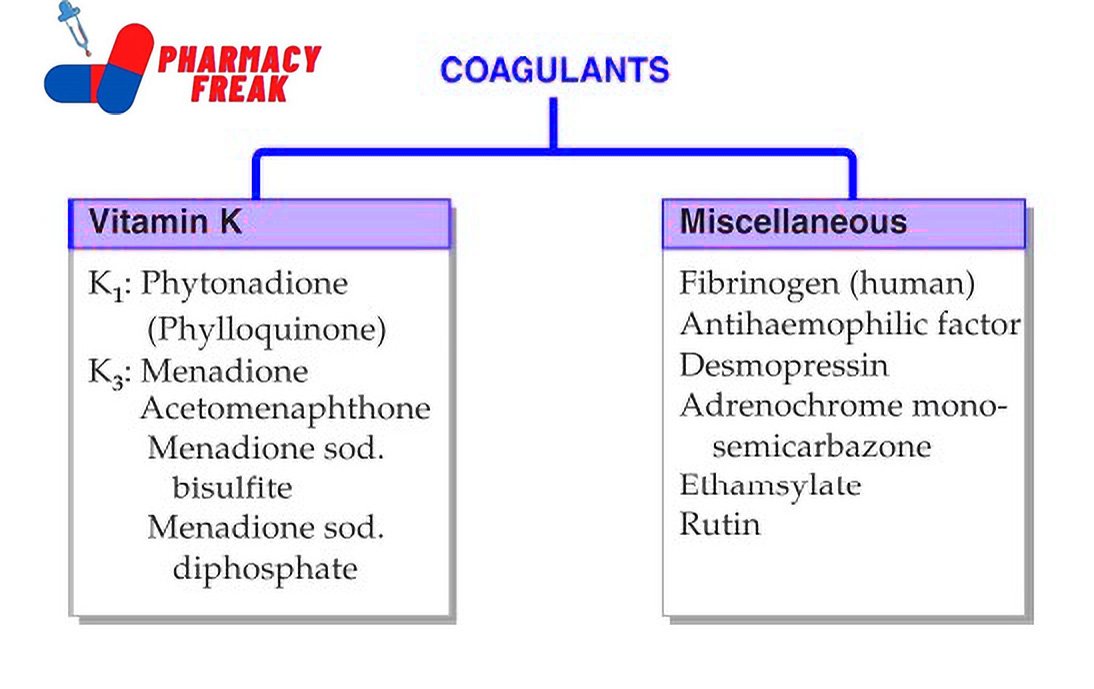
Classification of Coagulants

COAGULANTS CLASSIFICATION

Coagulants are agents used to promote blood clotting in cases of bleeding disorders or excessive anticoagulation. They are used in various clinical settings including surgery, trauma, hemophilia, liver disease, and anticoagulant overdose. These drugs act by either supplying deficient clotting factors or enhancing the natural clotting process. This blog from Pharmacy Freak outlines the classification, … Read more

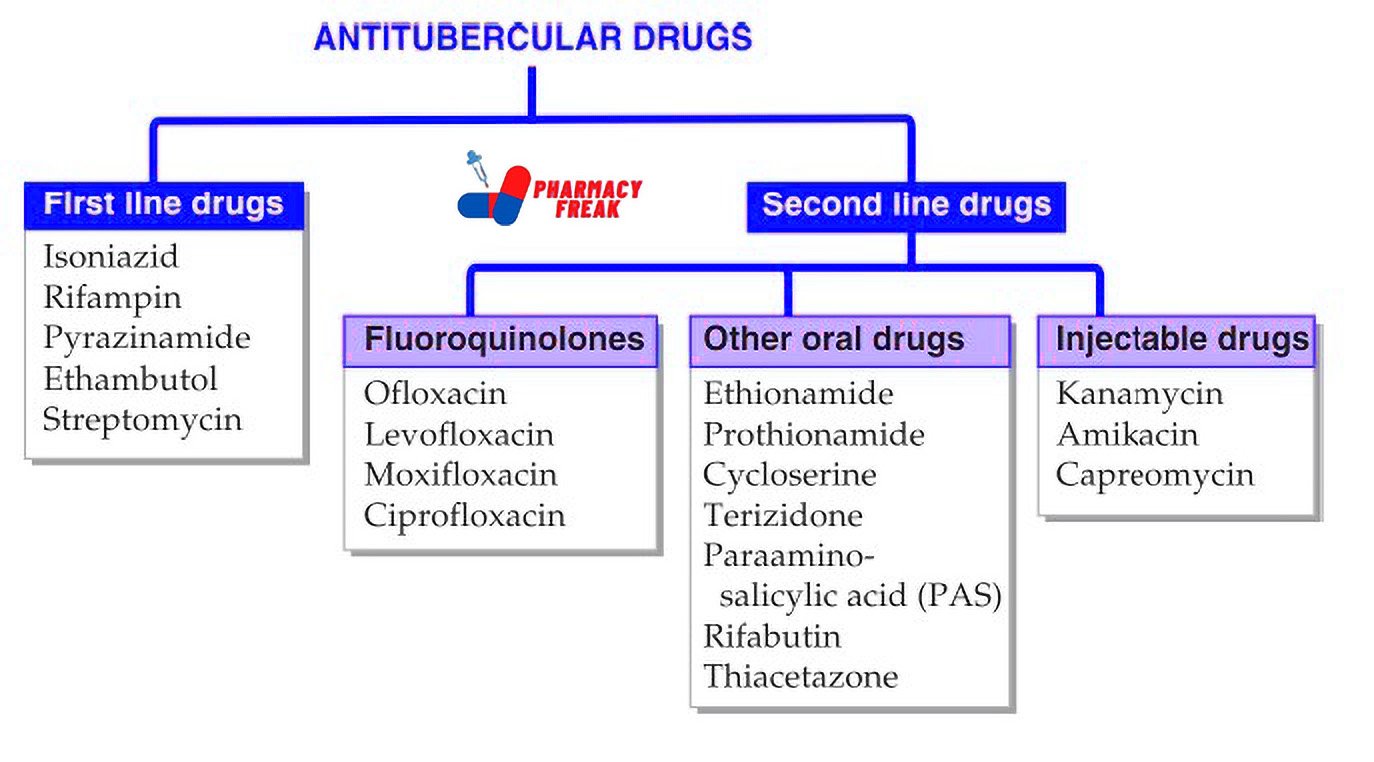
Classification of Antitubercular Drug

ANTITUBERCULAR DRUG CLASSIFICATION

Tuberculosis (TB) is a chronic infectious disease caused primarily by Mycobacterium tuberculosis. It affects the lungs most commonly but can involve other organs. The treatment of TB requires prolonged multidrug therapy to ensure complete eradication and prevent resistance. Antitubercular drugs are classified according to their mechanism of action and their role in treatment regimens. This … Read more

PRO
Ad-Free Access
$3.99 / month
  • No Interruptions
  • Faster Page Loads
  • Support Content Creators