Trusted by 50K+ Pharmacy StudentsHigh Quality Notes, MCQs, Mock Tests & Study ResourcesGo Premium (Ads Free)
Pharmacy Freak

Metformin Chemical Structure

Metformin 2D chemical structure (N,N-dimethylbiguanide), C4H11N5

1.Identification SummaryFirst-line oral antihyperglycemic (biguanide) used in type 2 diabetes mellitus; lowers hepatic glucose output, improves insulin sensitivity, and has minimal risk of hypoglycemia when used alone. Brand NamesGlucophage, Riomet, Fortamet, Glumetza (regional availability varies) NameMetformin BackgroundA synthetic dimethylbiguanide introduced clinically in the mid-20th century; retained on essential-medicine lists worldwide due to efficacy, safety profile, … Read more
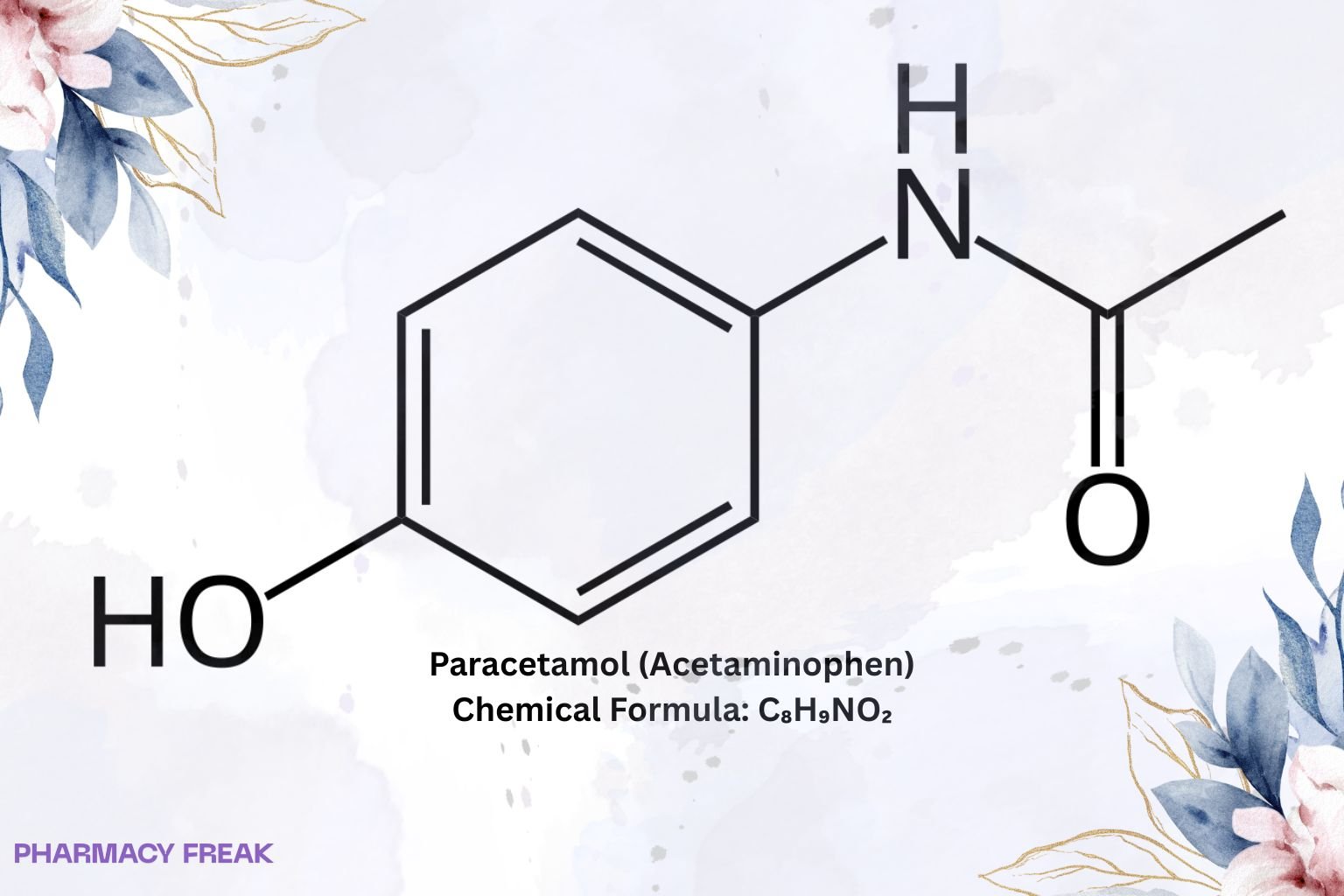
Paracetamol (Acetaminophen) Chemical Structure

Paracetamol chemical structure with IUPAC

1. Identification SummaryWidely used non-opioid analgesic and antipyretic for mild–moderate pain and fever; centrally acting with minimal peripheral anti-inflammatory effects. Brand NamesExamples: Tylenol, Panadol, Calpol (brands vary by country). NameParacetamol (Acetaminophen) BackgroundDiscovered in the late 19th–early 20th century and adopted globally as a first-line antipyretic/analgesic. Included in many mono- and combination products across OTC and … Read more

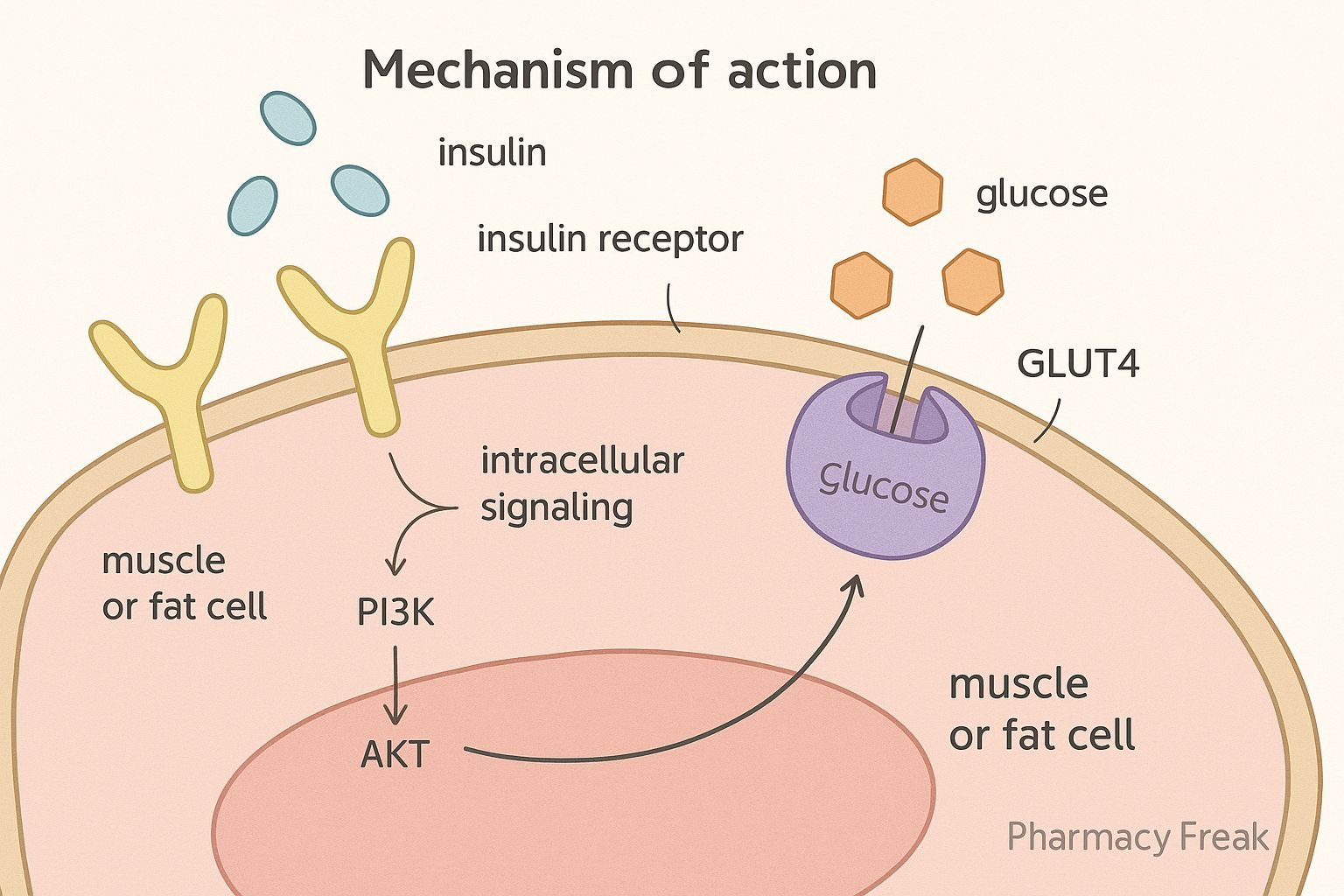
Mechanism of Action of Insulin

Insulin Mechanism of Action

Introduction Insulin is a peptide hormone produced by pancreatic β‑cells. It belongs to the class of anabolic hormones. It plays a vital role in maintaining blood glucose homeostasis. Insulin therapy is crucial for managing type 1 diabetes and advanced type 2 diabetes. Step-by-Step Mechanism of Action Pharmacokinetic Parameters Parameter Details Absorption Administered SC or IV; … Read more

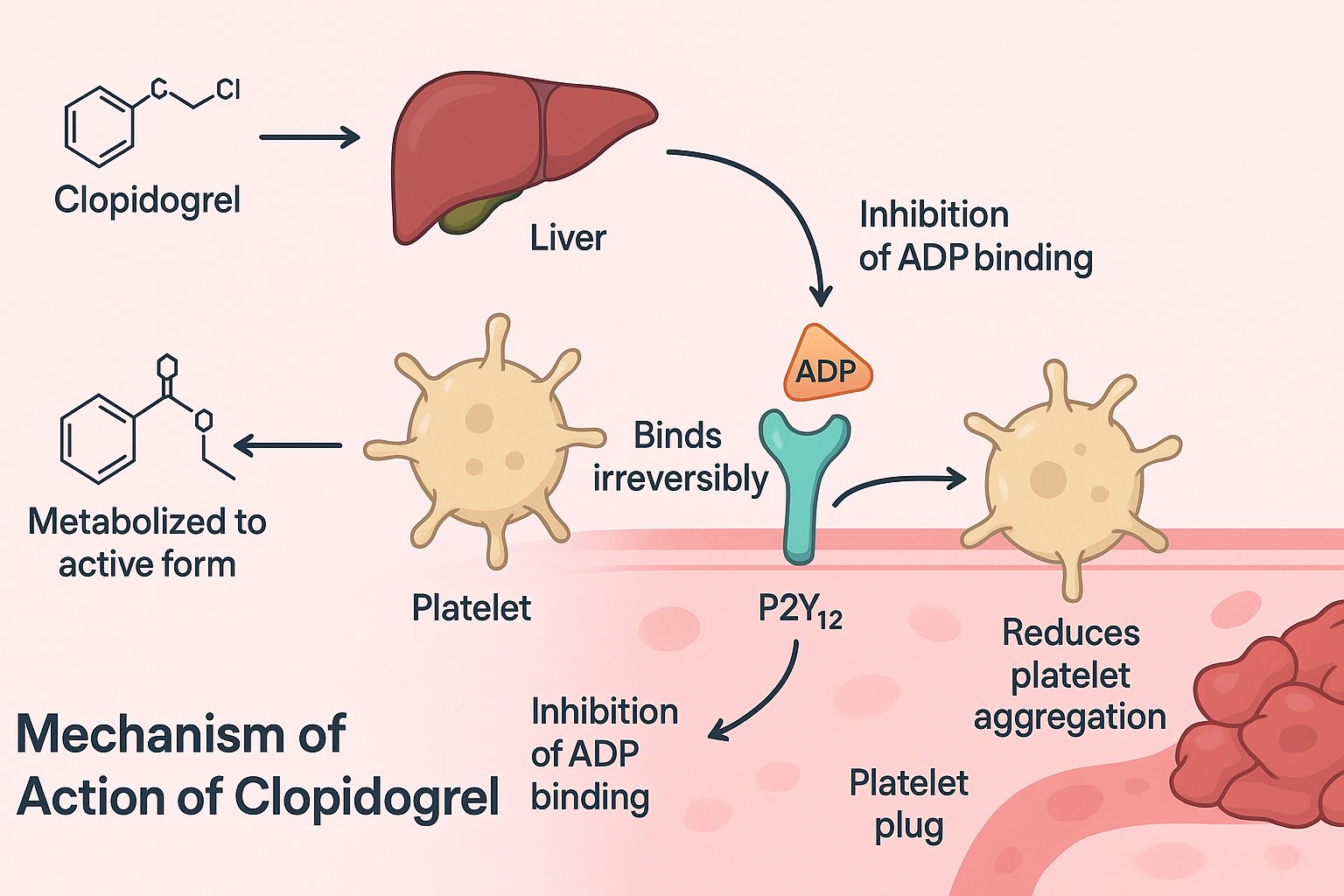
Mechanism of Action of Clopidogrel (Antiplatelet Agent)

Clopidogrel MOA – P2Y12 Receptor Inhibition on Platelets

Introduction Clopidogrel is a widely used oral antiplatelet drug belonging to the thienopyridine class. It plays a critical role in preventing thrombotic events such as myocardial infarction (MI) and ischemic stroke, especially in patients with coronary artery disease or those undergoing percutaneous coronary intervention (PCI). This drug is essential to understand for students preparing for … Read more

Mechanism of Action of Benzodiazepines (CNS Depressants)

Benzodiazepine MOA – GABA-A receptor binding and chloride channel modulation

Introduction Benzodiazepines are a widely used class of central nervous system (CNS) depressants known for their anxiolytic, sedative, hypnotic, anticonvulsant, and muscle relaxant properties. Common agents include diazepam, lorazepam, alprazolam, and clonazepam. They enhance the action of gamma-aminobutyric acid (GABA) — the brain’s primary inhibitory neurotransmitter — making them essential drugs in psychiatry, neurology, and … Read more

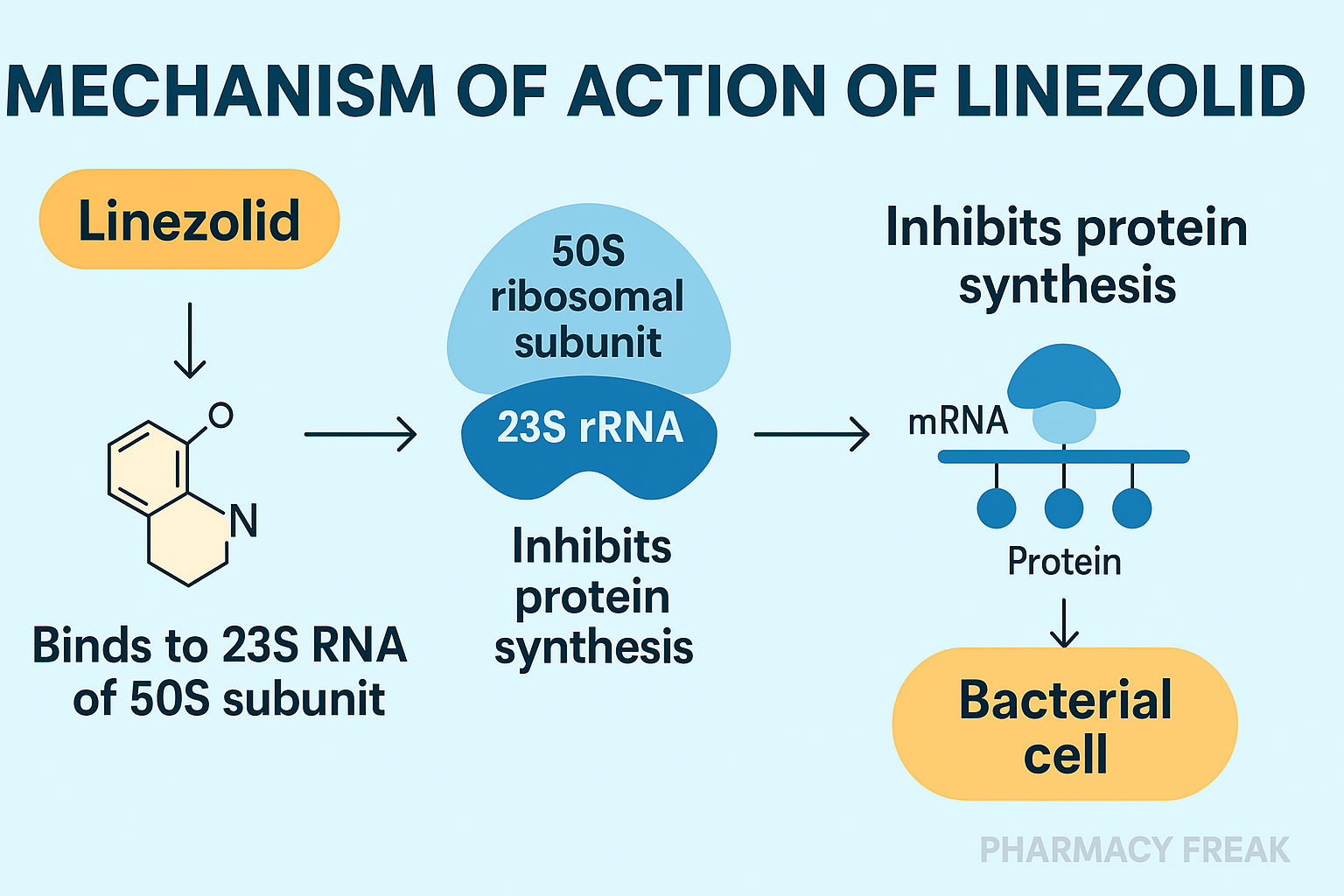
Mechanism of Action of Linezolid (Oxazolidinone Antibiotics)

Linezolid MOA – 50S ribosomal subunit and initiation inhibition

Introduction Linezolid is a synthetic bacteriostatic antibiotic belonging to the oxazolidinone class. It is primarily active against Gram-positive pathogens, including methicillin-resistant Staphylococcus aureus (MRSA), vancomycin-resistant Enterococci (VRE), and penicillin-resistant Streptococcus pneumoniae. Unlike other protein synthesis inhibitors, Linezolid binds to the 50S ribosomal subunit and blocks the initiation step of protein synthesis, making its mechanism unique … Read more

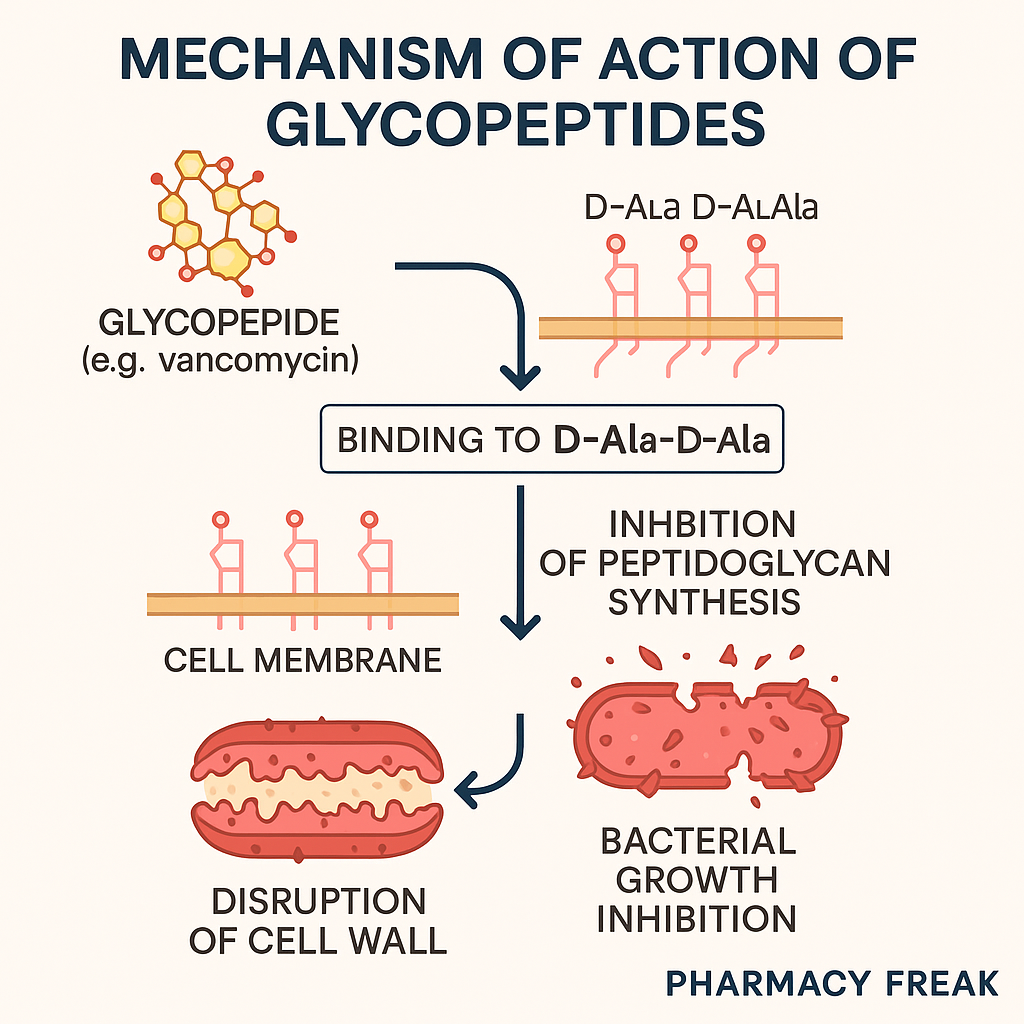
Mechanism of Action of Glycopeptides (e.g., Vancomycin)

Vancomycin MOA – D-Ala-D-Ala binding and peptidoglycan inhibition

Introduction Glycopeptides, most notably vancomycin, are a class of bactericidal antibiotics that inhibit bacterial cell wall synthesis by a mechanism distinct from β-lactams. Vancomycin is a crucial agent against Gram-positive infections, especially methicillin-resistant Staphylococcus aureus (MRSA) and Clostridium difficile. These antibiotics are vital for USMLE, NCLEX, GPAT, and NEET-PG due to their life-saving role, narrow … Read more

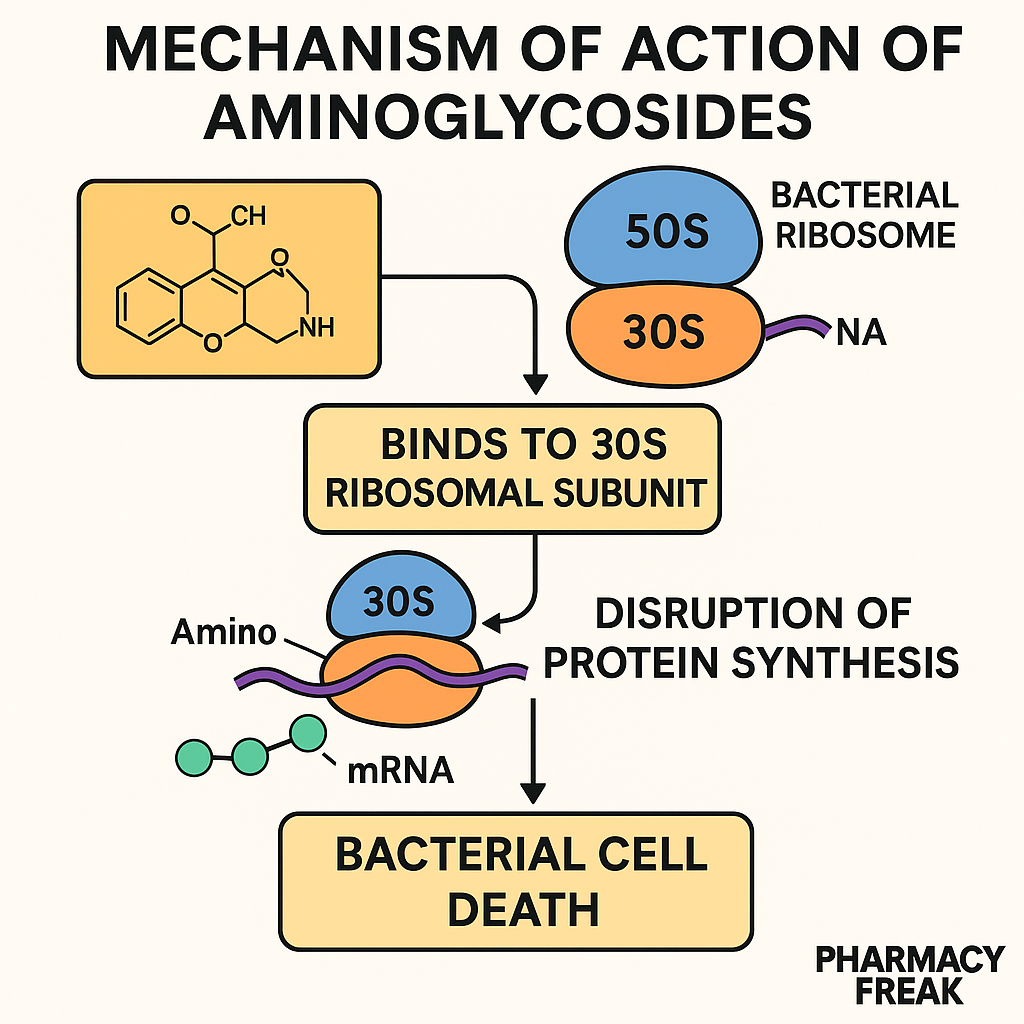
Mechanism of Action of Aminoglycosides

Aminoglycoside MOA – 30S ribosomal subunit binding and mRNA misreading

Introduction Aminoglycosides are potent bactericidal antibiotics used mainly against aerobic Gram-negative bacilli and serious systemic infections. Common examples include gentamicin, amikacin, tobramycin, streptomycin, and neomycin. Unlike most protein synthesis inhibitors, aminoglycosides are bactericidal, not bacteriostatic. They bind to the 30S subunit of the bacterial ribosome and cause misreading of mRNA, leading to faulty protein synthesis … Read more

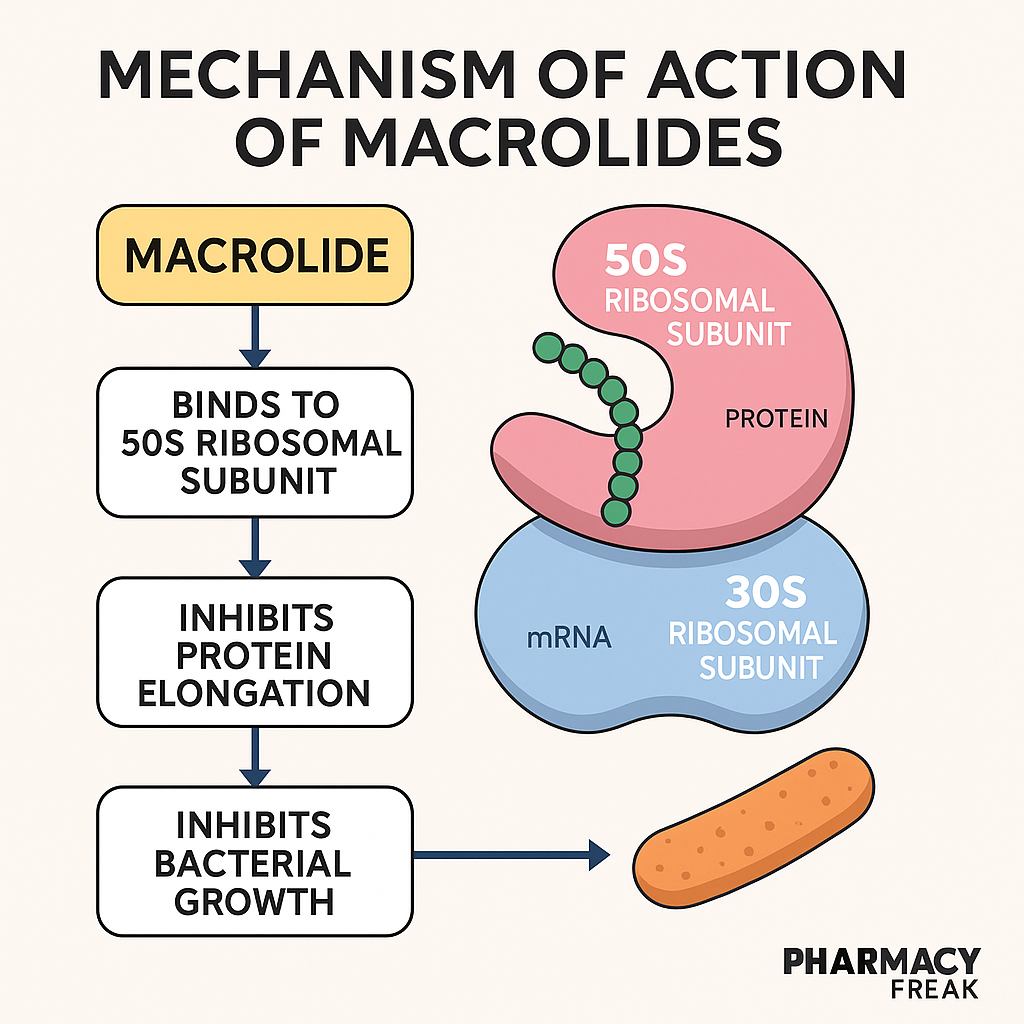
Mechanism of Action of Macrolides (Protein Synthesis Inhibitor Antibiotics)

Macrolide MOA – 50S ribosome binding and protein synthesis inhibition

Introduction Macrolides are a widely used class of bacteriostatic antibiotics that inhibit bacterial protein synthesis. They are especially effective against Gram-positive cocci, atypical organisms, and some Gram-negative pathogens. Common macrolides include erythromycin, azithromycin, and clarithromycin. Their use extends to respiratory tract infections, STDs, and skin infections, with azithromycin being a favorite due to its long … Read more

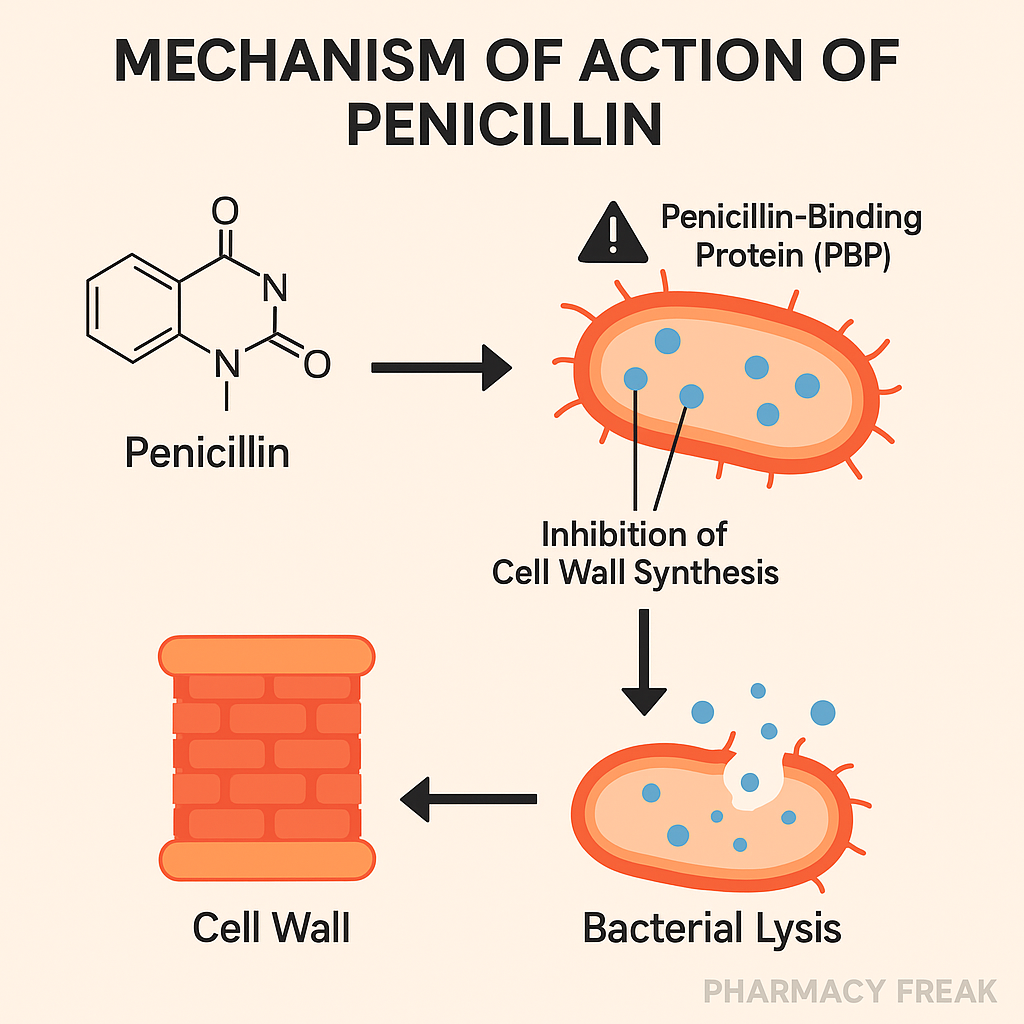
Mechanism of Action of Penicillins (β-lactam Antibiotics)

Penicillins MOA – Cell wall synthesis inhibition

Introduction Penicillins are one of the oldest and most widely used classes of antibiotics, belonging to the β-lactam family. They’re highly effective against Gram-positive bacteria and some Gram-negatives, depending on the type. Their mechanism centers on inhibiting bacterial cell wall synthesis, which leads to bacterial lysis and death. Penicillins remain a foundational topic for USMLE, … Read more

PRO
Ad-Free Access
$3.99 / month
  • No Interruptions
  • Faster Page Loads
  • Support Content Creators