Trusted by 50K+ Pharmacy StudentsHigh Quality Notes, MCQs, Mock Tests & Study ResourcesGo Premium (Ads Free)
Pharmacy Freak

Mechanism of Action of Antibacterial Drugs
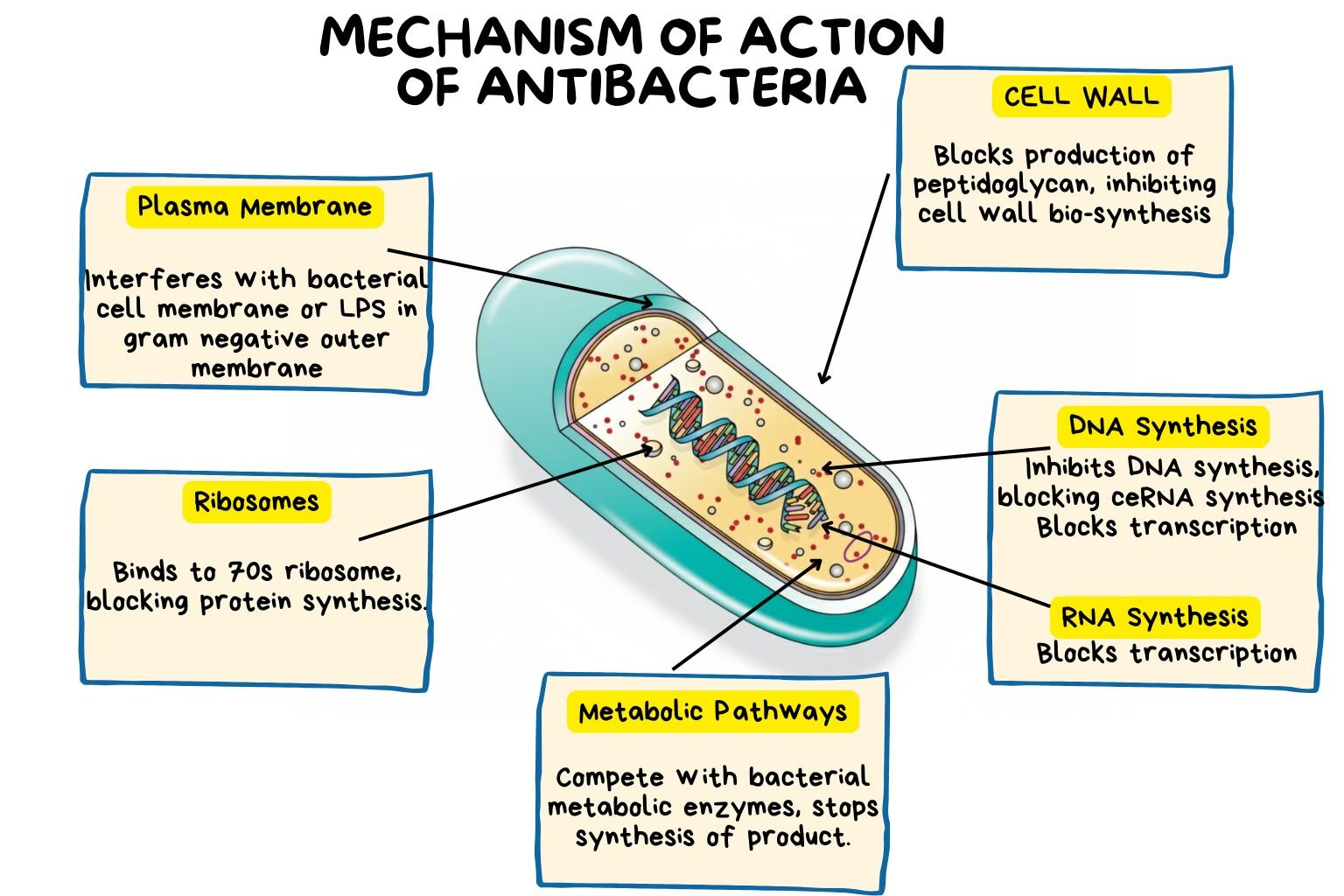
MOA of Antibacterial Drugs

Introduction Antibacterial drugs, commonly called antibiotics, are agents that kill or inhibit the growth of bacteria by targeting essential cellular processes unique to prokaryotic organisms. Mechanism of Action of Antibacterial Drugs revolves around interference with cell wall synthesis, protein synthesis, nucleic acid replication, metabolic pathways, or cell membrane integrity. Understanding these mechanisms is essential for … Read more
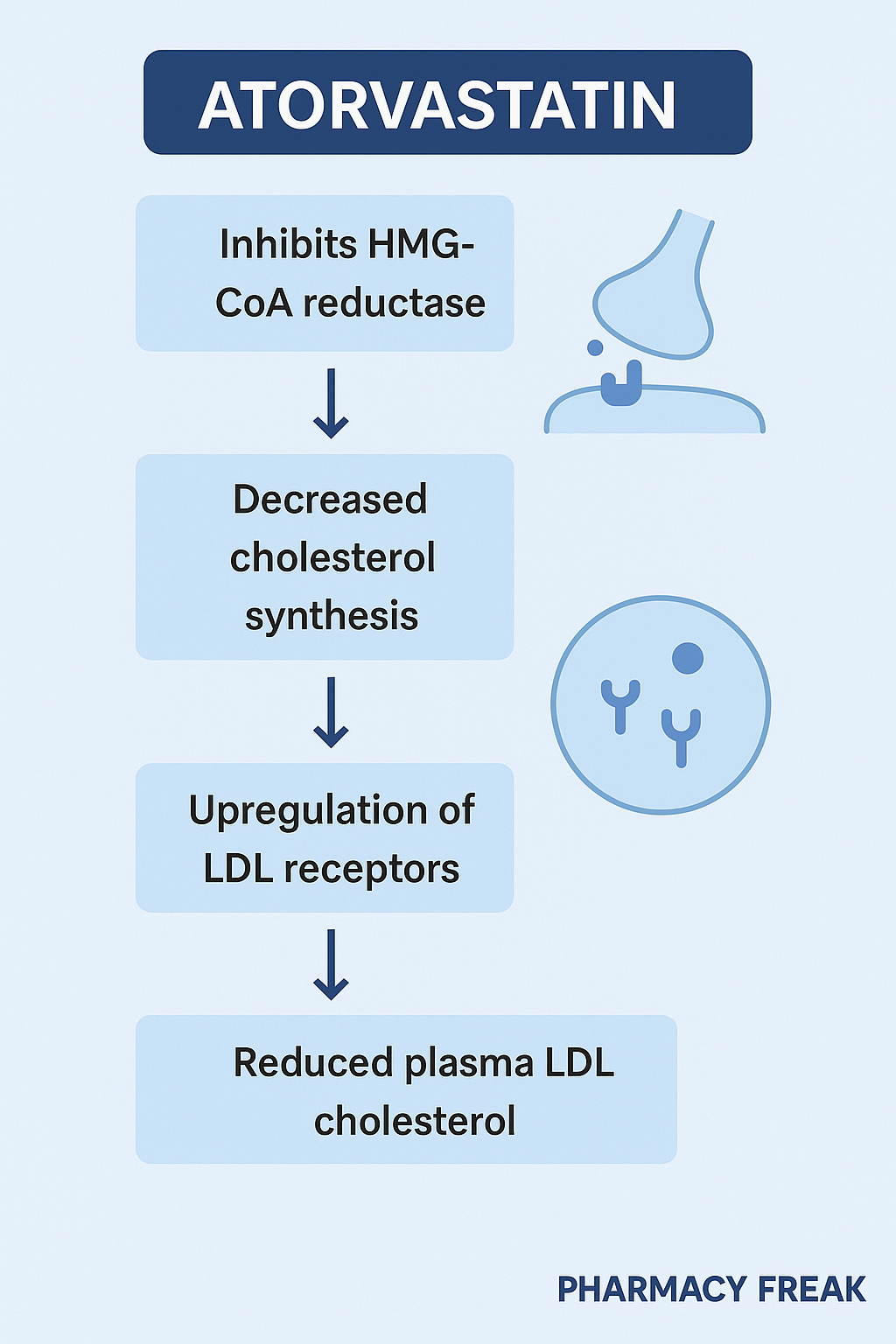
Mechanism of Action of Atorvastatin

Atorvastatin mechanism of action – HMG-CoA reductase inhibition and LDL receptor upregulation

🔍 Introduction Atorvastatin is a widely used lipid-lowering agent that belongs to the class of HMG-CoA reductase inhibitors, commonly known as statins. It is one of the most prescribed drugs worldwide due to its effectiveness in lowering LDL cholesterol and reducing cardiovascular risk. It plays a major role in: Because of its clinical importance and … Read more

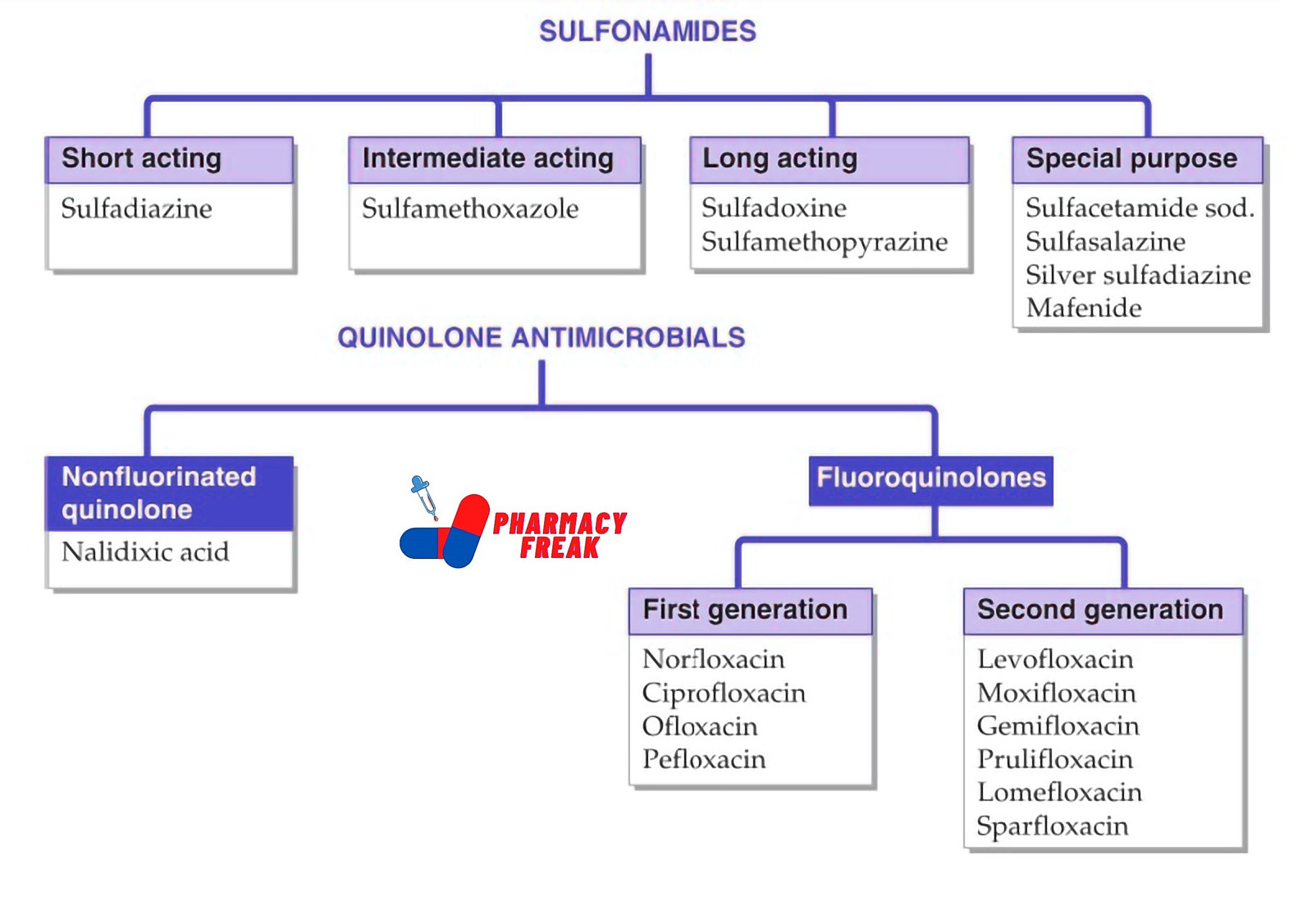
Classification of Sulfonamide and Quinolones

classification of sulfonamides and quinolones

What Are Sulfonamides? Sulfonamides, also known as sulfa drugs, are among the oldest classes of synthetic antimicrobial agents. They work by inhibiting folic acid synthesis in bacteria, which is essential for DNA replication and cell survival. They are bacteriostatic, meaning they stop bacteria from growing rather than killing them directly. Classification of Sulfonamides Sulfonamides are … Read more

Classification of Antibacterial Drugs

classification of antibacterial drugs

Classification Based on Mechanism of Action Antibacterial drugs are mainly classified by how they act inside the body. Each group targets a different part of the bacteria. Let’s look at classification of antibacterial drugs A. Drugs That Inhibit Cell Wall Synthesis These drugs stop bacteria from building their cell wall. Without a wall, bacteria die … Read more

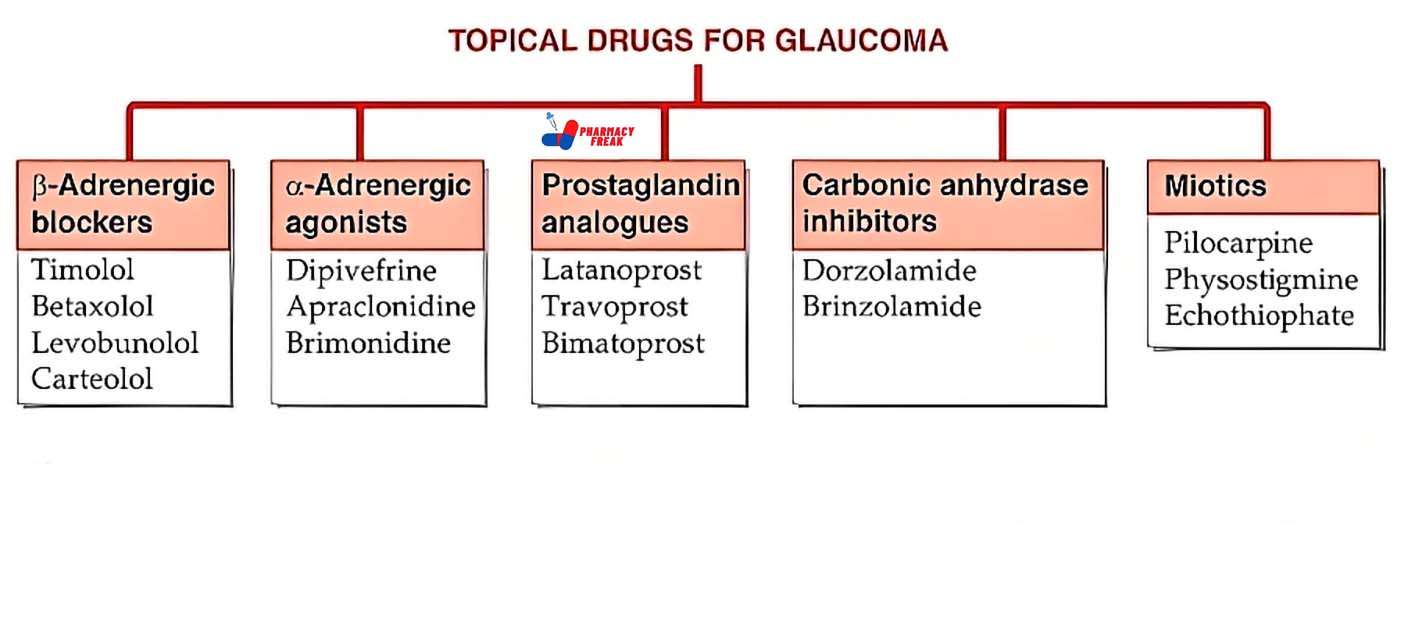
CLASSIFICATION OF GLAUCOMA DRUGS

glaucoma drugs classification

Glaucoma drugs Glaucoma drugs is a group of eye diseases that cause damage to the optic nerve, often as a result of high intraocular pressure. Glaucoma can be treated with a variety of medications, including: Classification TOPICAL DRUGS FOR GLAUCOMA Related Links Reference

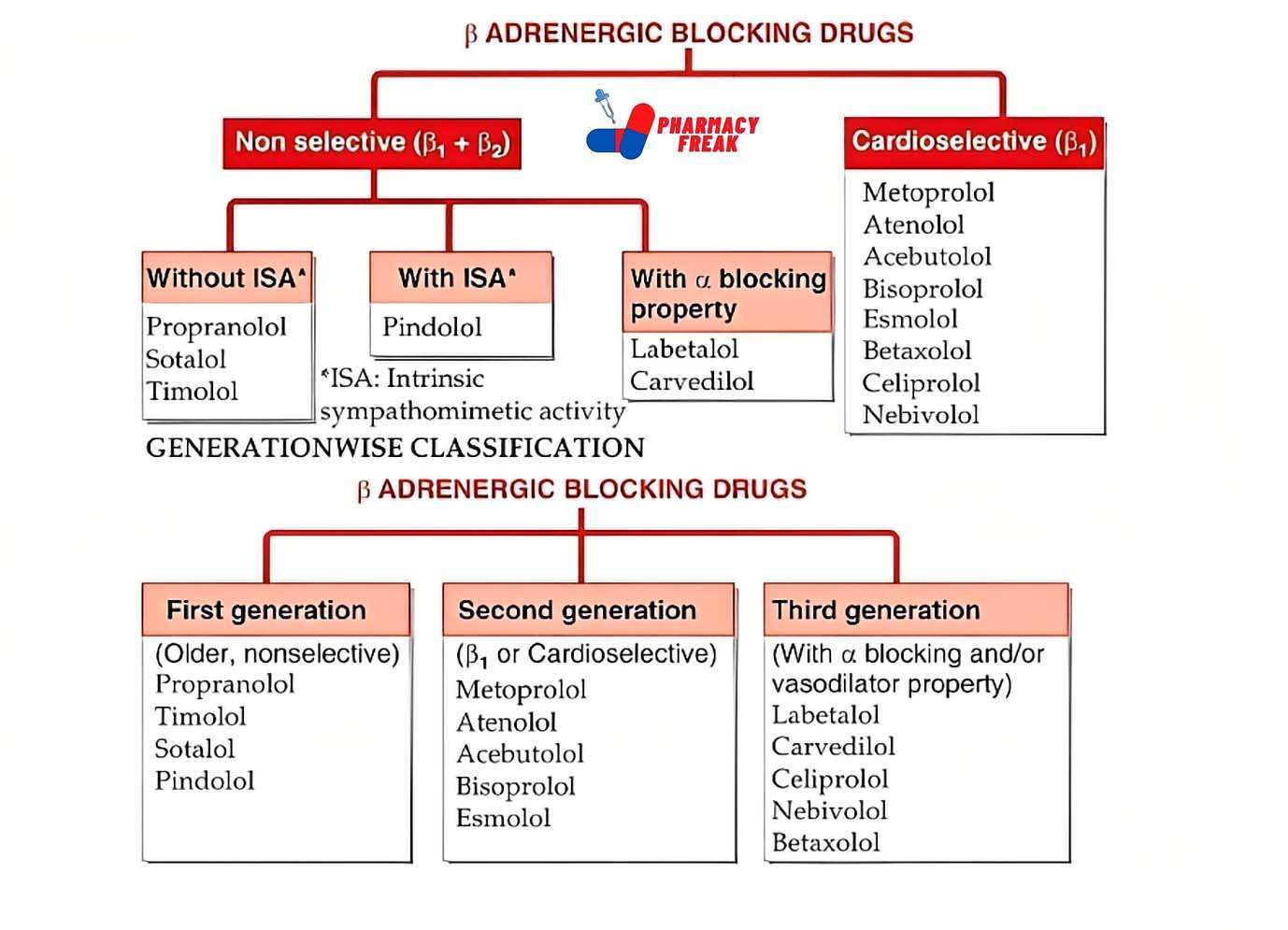
CLASSIFICATION OF BETA ADRENERGIC BLOCKERS

Beta ADRENERGIC BLOCKERS classification

Beta(β) blockers Beta(β) blockers, also known as beta-adrenergic blocking agents, are blood pressure medications. The hormone epinephrine, also known as adrenaline, is inhibited by beta blockers. Beta blockers cause the heart to beat more slowly and forcefully, lowering blood pressure. Beta blockers also aid in the widening of veins and arteries, which improves blood flow. … Read more

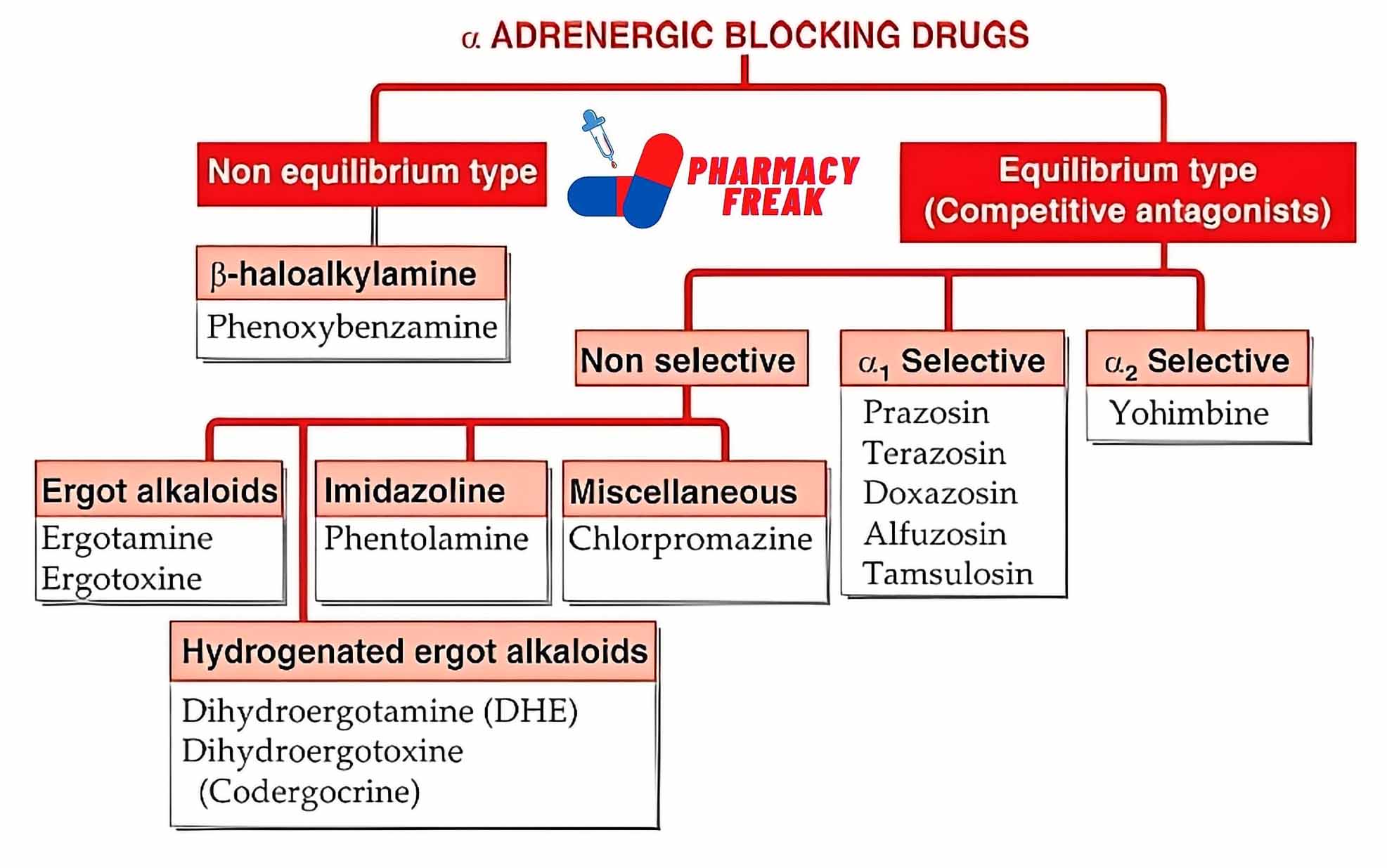
CLASSIFICATION OF ALPHA ADRENERGIC BLOCKERS

classification of Alpha ADRENERGIC BLOCKERS

Alpha (α)-adrenergic blockers Alpha (α)-adrenergic blockers, also known as alpha-blockers, are a class of drugs that block the action of the alpha-adrenergic receptors in the body. These receptors are found in various tissues, including blood vessels, the bladder, and the prostate gland. Alpha (α)-blockers are commonly used to treat conditions such as high blood pressure, … Read more

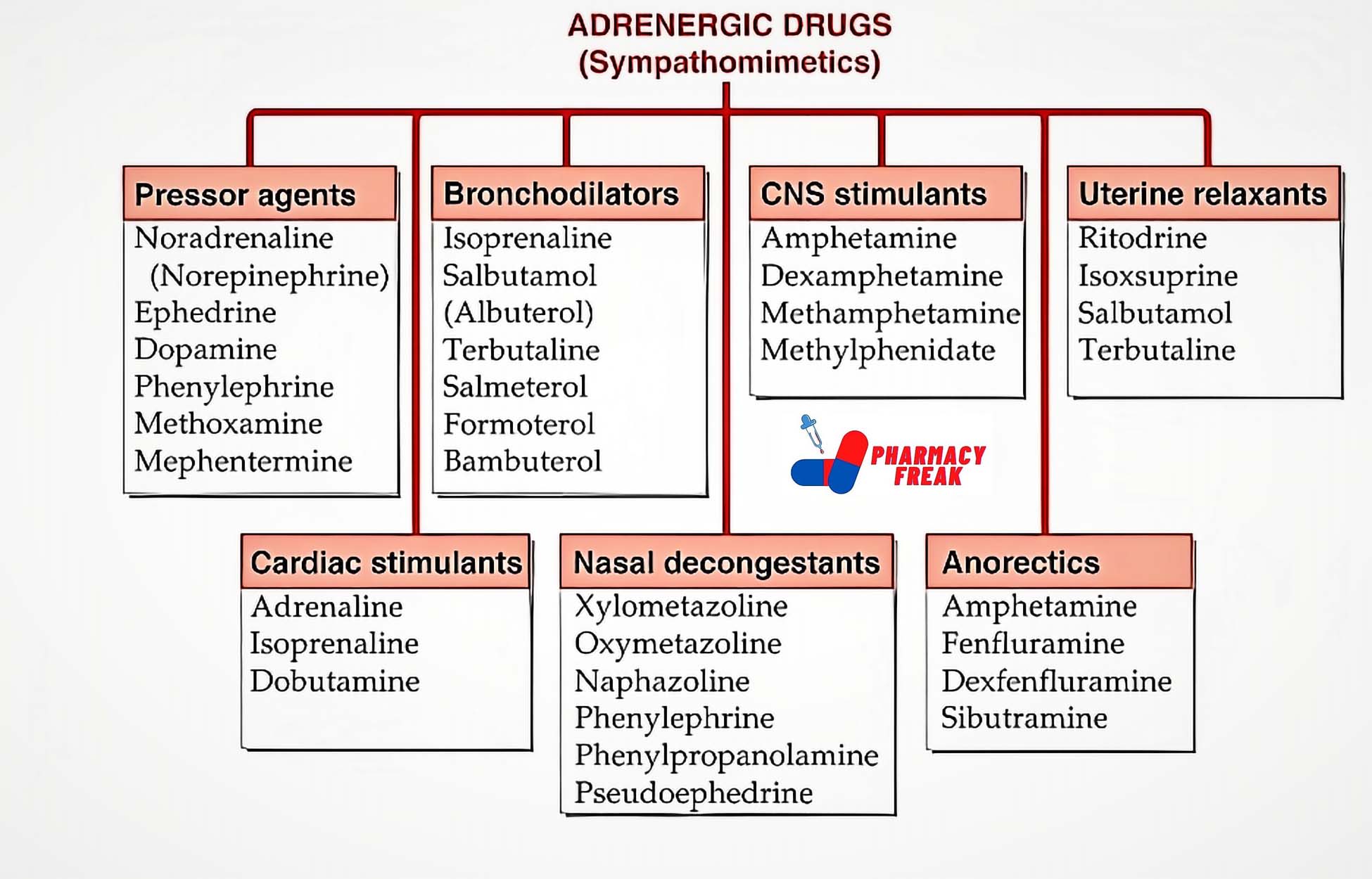
CLASSIFICATION OF ADRENERGIC DRUGS

adrenergic drug classification

Adrenergic drugs Adrenergic drugs, also known as sympathomimetic drugs. These are a class of medications that activate the sympathetic nervous system. These drugs mimic the effects of the neurotransmitters norepinephrine and epinephrine, which are released by the adrenal glands in response to stress or danger. Adrenergic drugs are used to treat a variety of medical … Read more

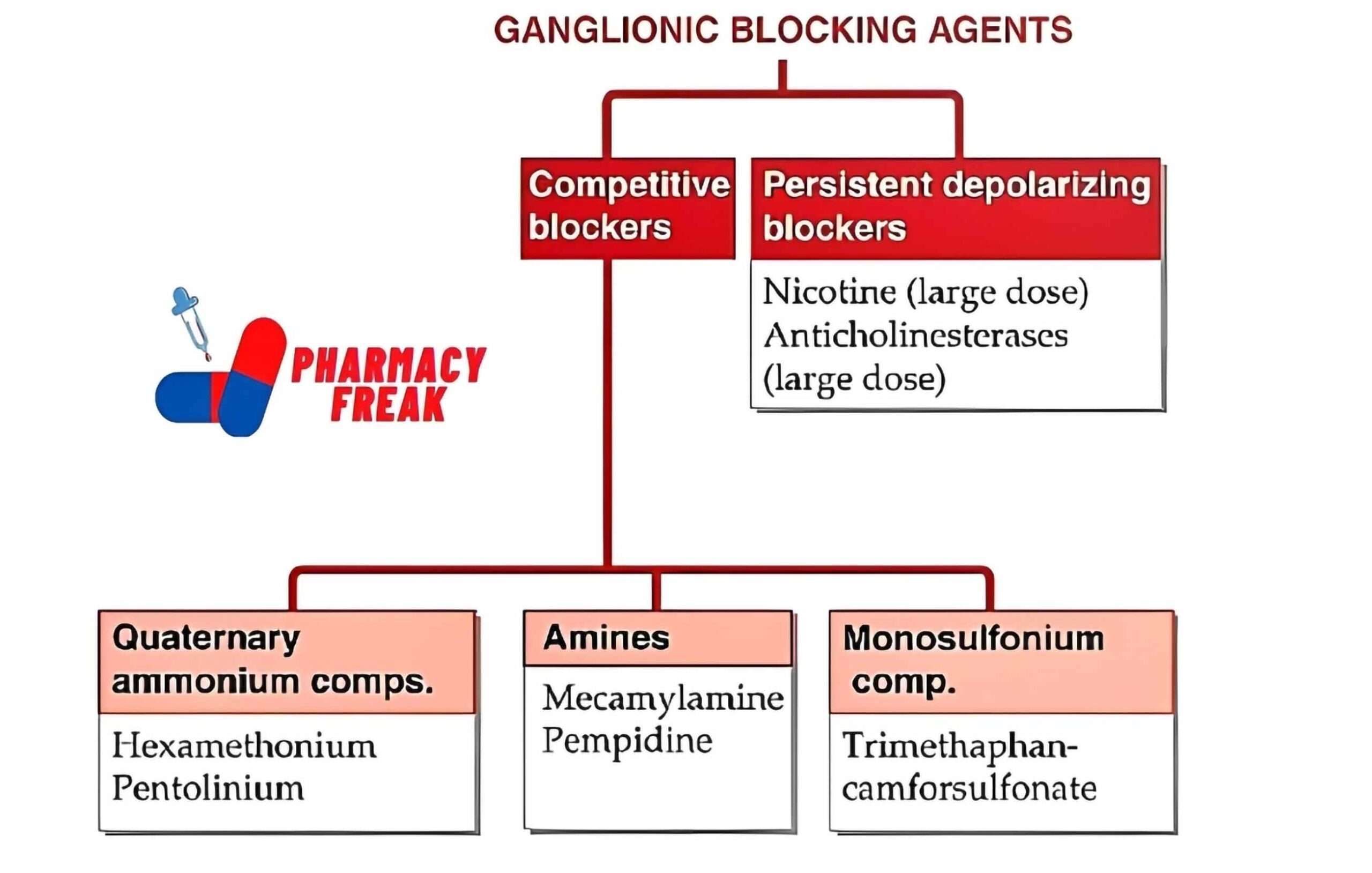
CLASSIFICATION OF GANGLIONIC BLOCKING AGENTS

Ganglionic blocking agents A family of medications known as ganglionic blocking agents, also referred to as ganglionic blockers, affects the autonomic nervous system by preventing the transmission of nerve impulses at ganglia, which are collections of nerve cell bodies outside the central nervous system. Ganglionic blockers were once used to address conditions like hypertension, angina, … Read more

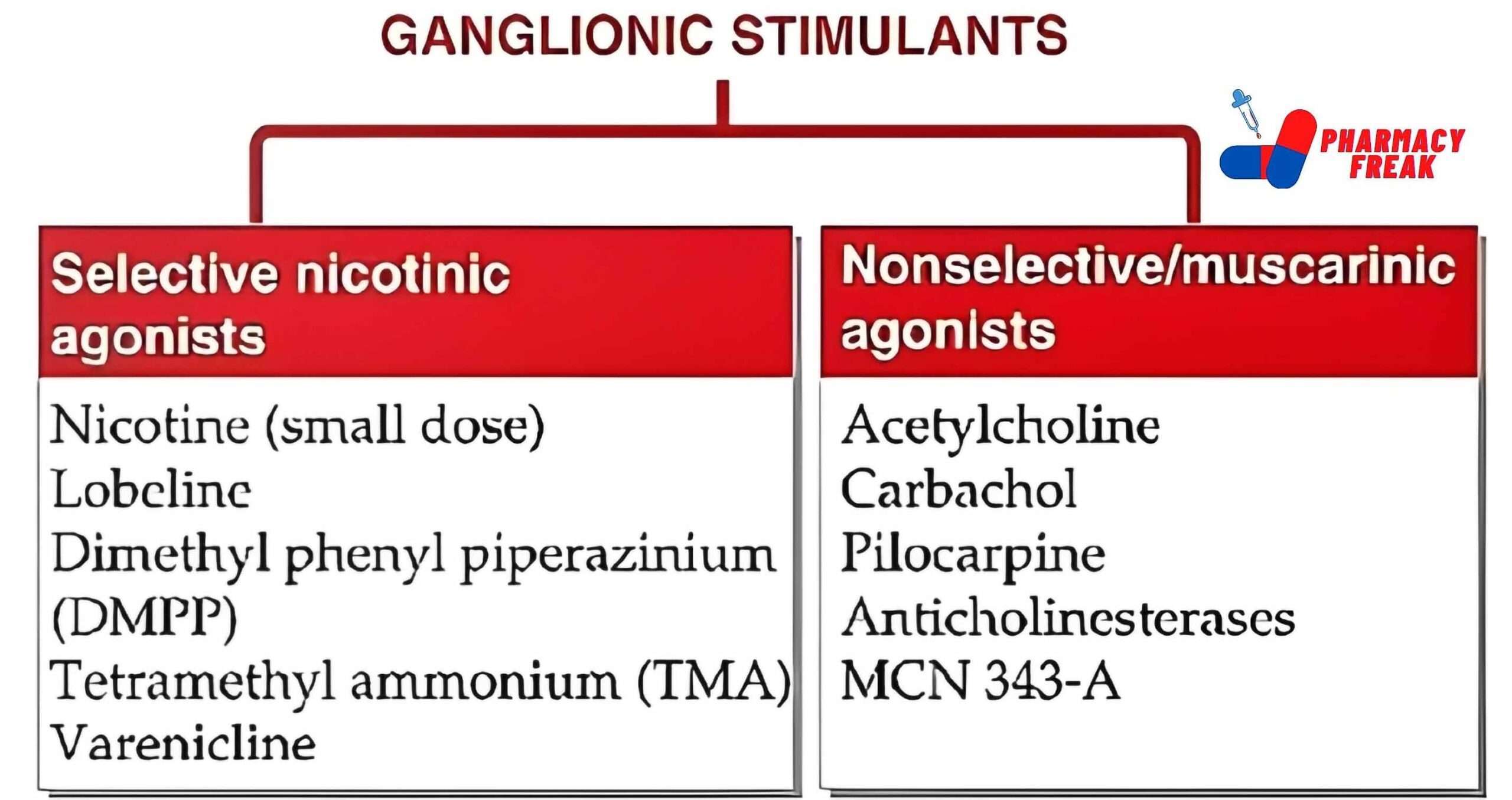
Classification of Ganglionic Stimulants

classification of ganglionic stimulants

Ganglionic stimulants Ganglionic stimulants are drugs that activate the autonomic ganglia. These are nerve cell clusters that regulate involuntary functions such as heart rate, blood pressure, and digestion. They were historically used to treat conditions such as hypotension and urinary retention, but are now rarely used due to their high potential for adverse effects, such … Read more

PRO
Ad-Free Access
$3.99 / month
  • No Interruptions
  • Faster Page Loads
  • Support Content Creators