Trusted by 50K+ Pharmacy StudentsHigh Quality Notes, MCQs, Mock Tests & Study ResourcesGo Premium (Ads Free)
Pharmacy Freak

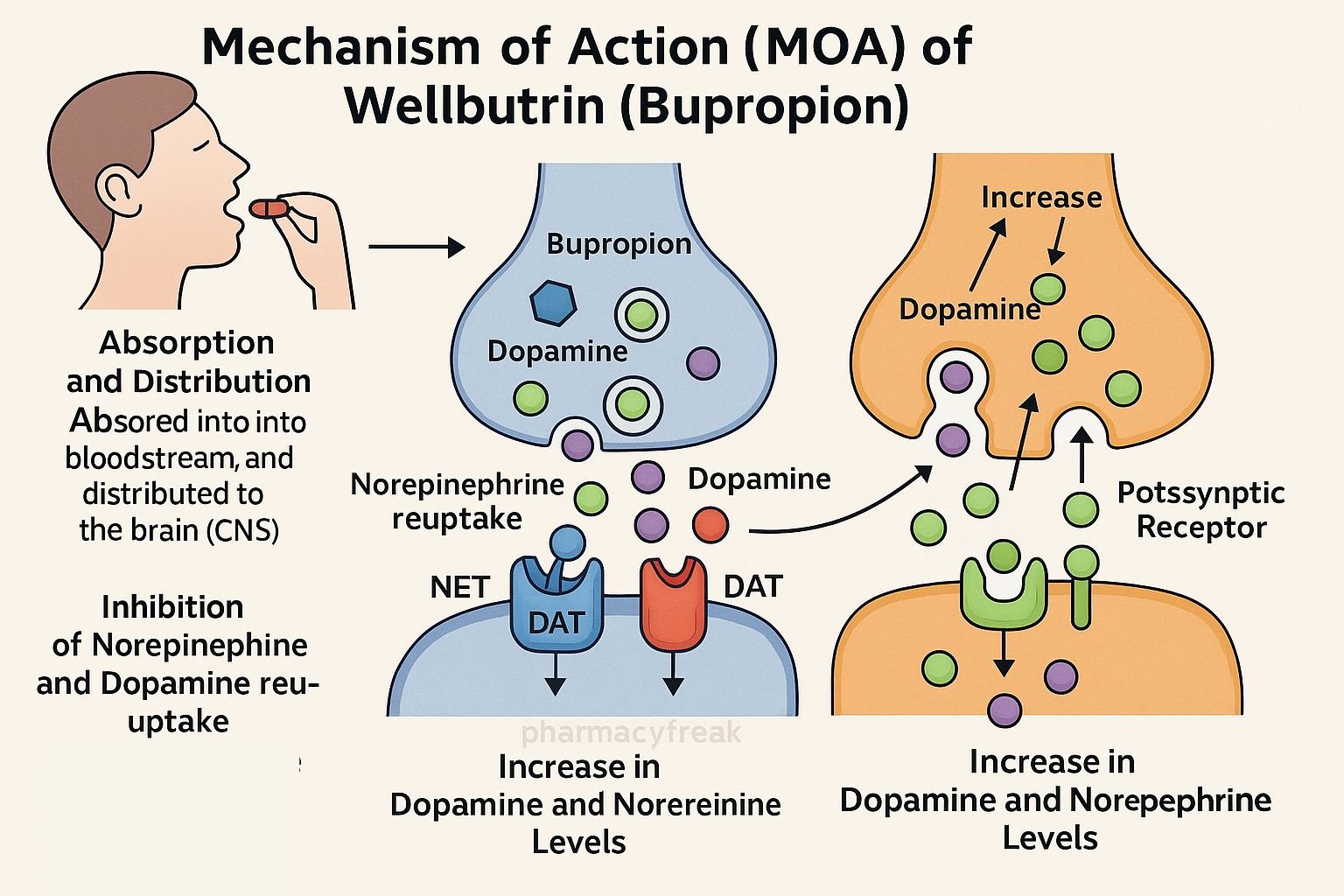
Mechanism of Action of Wellbutrin (Bupropion)

Mechanism of action of Wellbutrin

Introduction Wellbutrin (bupropion) is an atypical antidepressant and smoking cessation aid. It primarily works by inhibiting reuptake of norepinephrine and dopamine, without affecting serotonin. Additionally, it acts as a nicotinic receptor antagonist, reducing nicotine cravings. Step-by-Step Mechanism of Action Pharmacokinetic Parameters Parameter Value Route Oral (IR, SR, XL formulations) Bioavailability ~5–20% Time to Peak (Tmax) … Read more

Mechanism of Action of Januvia (Sitagliptin)

Mechanism of action of Januvia

Introduction Januvia (sitagliptin) is an oral dipeptidyl peptidase‑4 (DPP‑4) inhibitor used to improve glycemic control in type 2 diabetes mellitus (T2DM). It enhances incretin levels, thereby increasing insulin secretion and lowering glucagon in a glucose-dependent manner. Step-by-Step Mechanism of Action Pharmacokinetic Parameters Parameter Value Route Oral (tablet) Bioavailability ~87% Time to Peak (Tmax) ~1–4 hours Protein … Read more

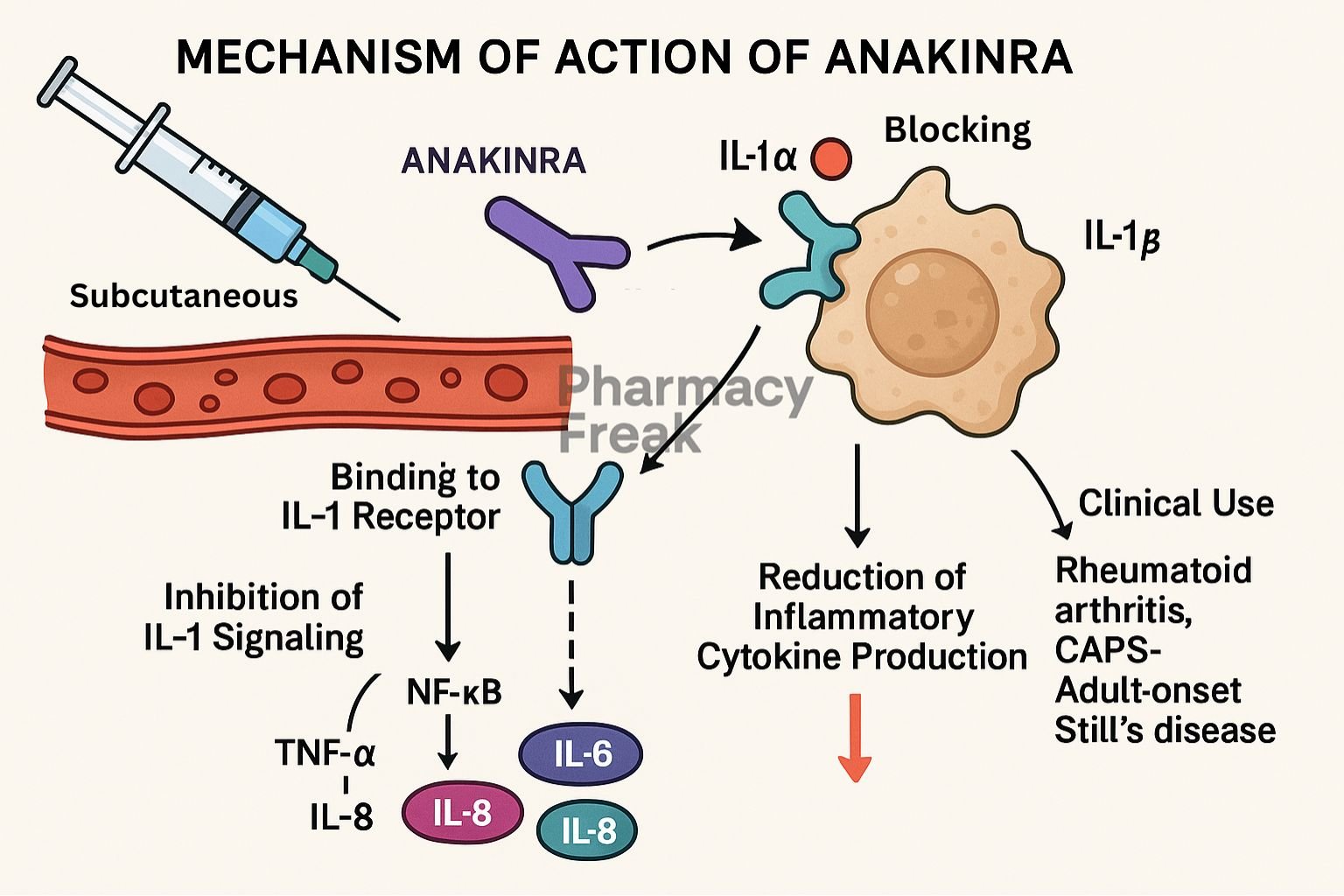
Mechanism of Action of Anakinra

Mechanism of action of Anakinra

Introduction Anakinra is a recombinant human interleukin‑1 receptor antagonist (IL‑1Ra) used to treat rheumatoid arthritis, neonatal-onset multisystem inflammatory disease (NOMID), and other autoinflammatory conditions. It competitively inhibits IL‑1α and IL‑1β binding to IL‑1 receptors, effectively reducing inflammation. Step-by-Step Mechanism of Action Pharmacokinetic Parameters Parameter Value Route Subcutaneous injection (daily) Bioavailability ~95% Time to Peak (Tmax) … Read more

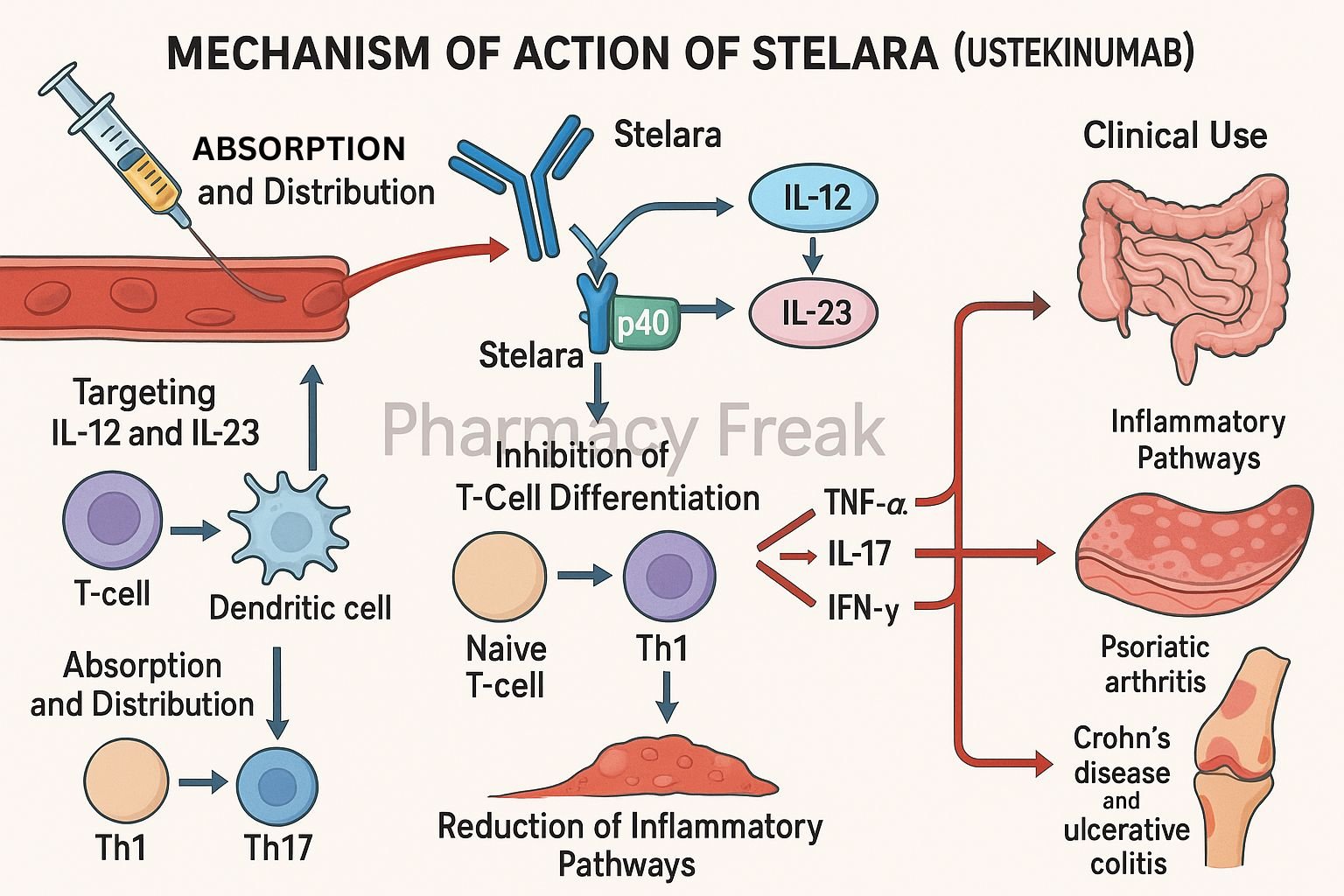
Mechanism of Action of Stelara (Ustekinumab)

Mechanism of action of Stelara

Introduction Stelara (ustekinumab) is a fully human IgG1κ monoclonal antibody designed to target key cytokines involved in immune-mediated diseases. It selectively binds to the p40 subunit common to interleukin-12 (IL-12) and interleukin-23 (IL-23), blocking their interaction with cell surface receptors. Stelara is approved for several chronic inflammatory conditions including plaque psoriasis, psoriatic arthritis, Crohn’s disease, … Read more

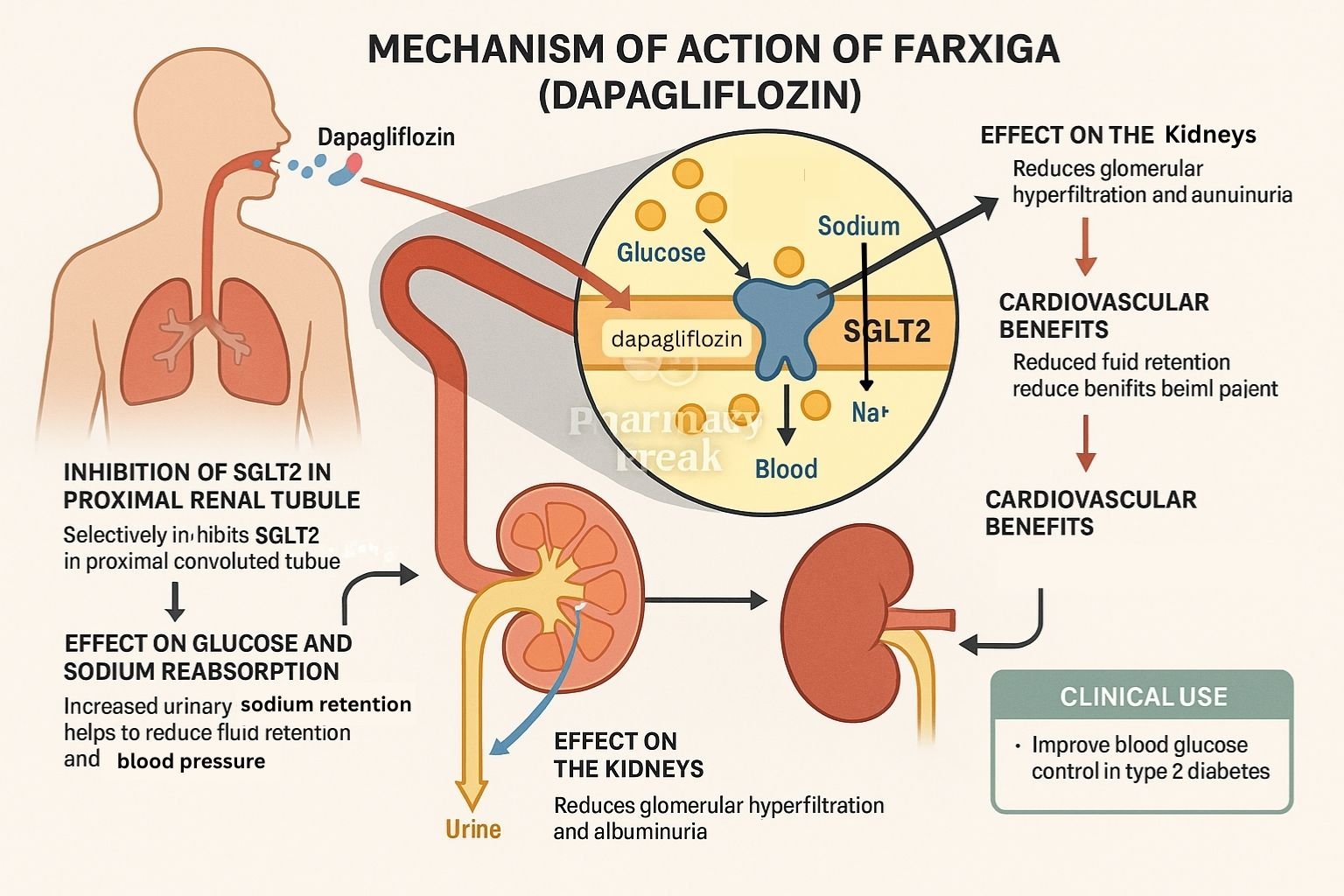
Mechanism of Action of Farxiga (Dapagliflozin)

Mechanism of action Farxiga

Introduction Dapagliflozin (trade name Farxiga) is a sodium–glucose co‑transporter 2 (SGLT2) inhibitor used in type 2 diabetes mellitus (T2DM) and heart failure with reduced ejection fraction (HFrEF). It lowers blood glucose by promoting renal excretion of glucose and also provides cardiovascular and renal benefits beyond glycemic control. Step-by-Step Mechanism of Action Pharmacokinetic Parameters Parameter Value Route Oral … Read more

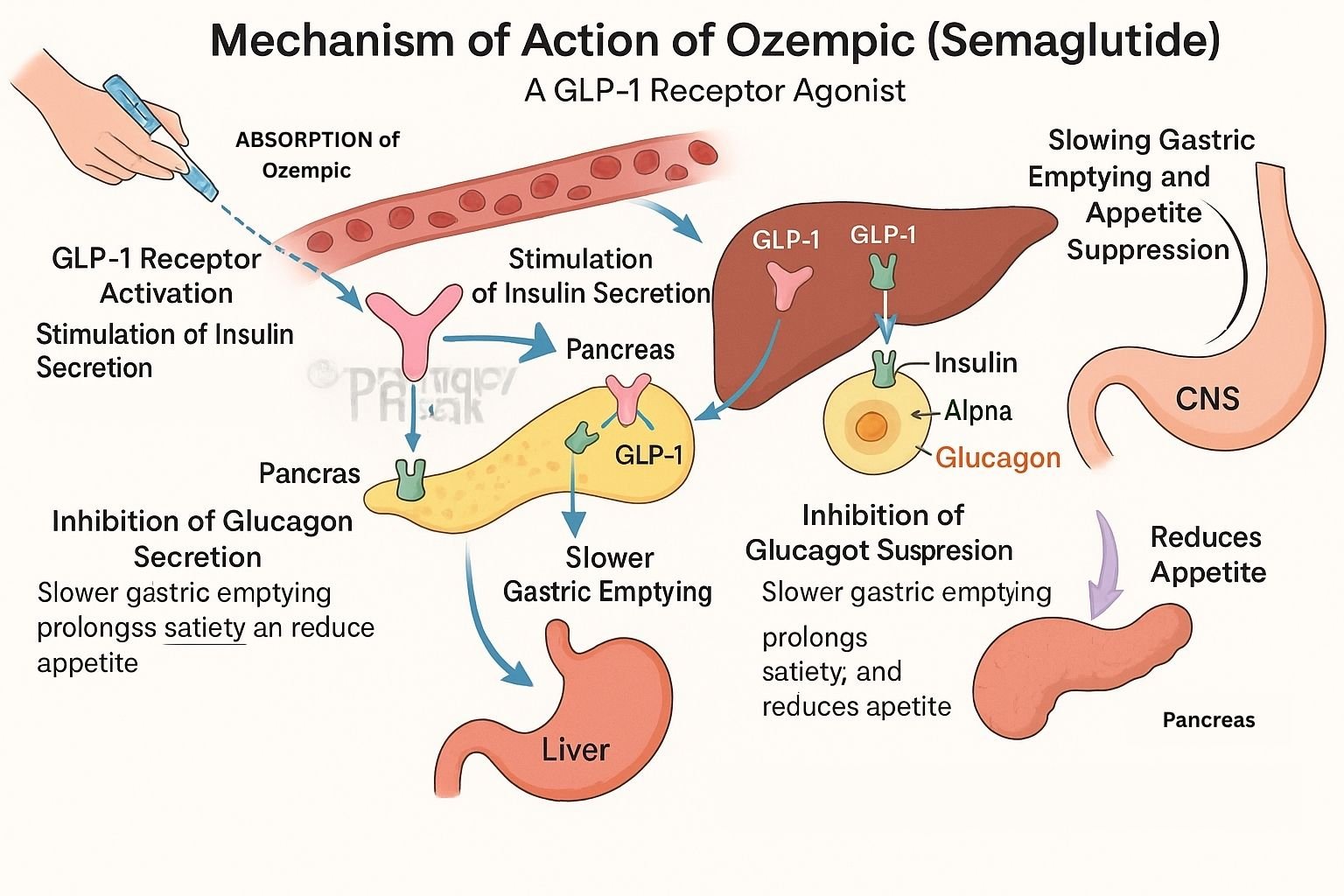
Mechanism of Action of Semaglutide (Ozempic/Wegovy)

Semaglutide Mechanism of Action

Introduction Semaglutide (Ozempic for diabetes; Wegovy for obesity) is a GLP‑1 receptor agonist used for type 2 diabetes mellitus management and chronic weight loss. It mimics the incretin hormone glucagon‑like peptide‑1 (GLP‑1), leading to improved glycemic control, reduced appetite, delayed gastric emptying, and favorable effects on cardiovascular risk. Step-by-Step Mechanism of Action Pharmacokinetic Parameters Parameter Value … Read more

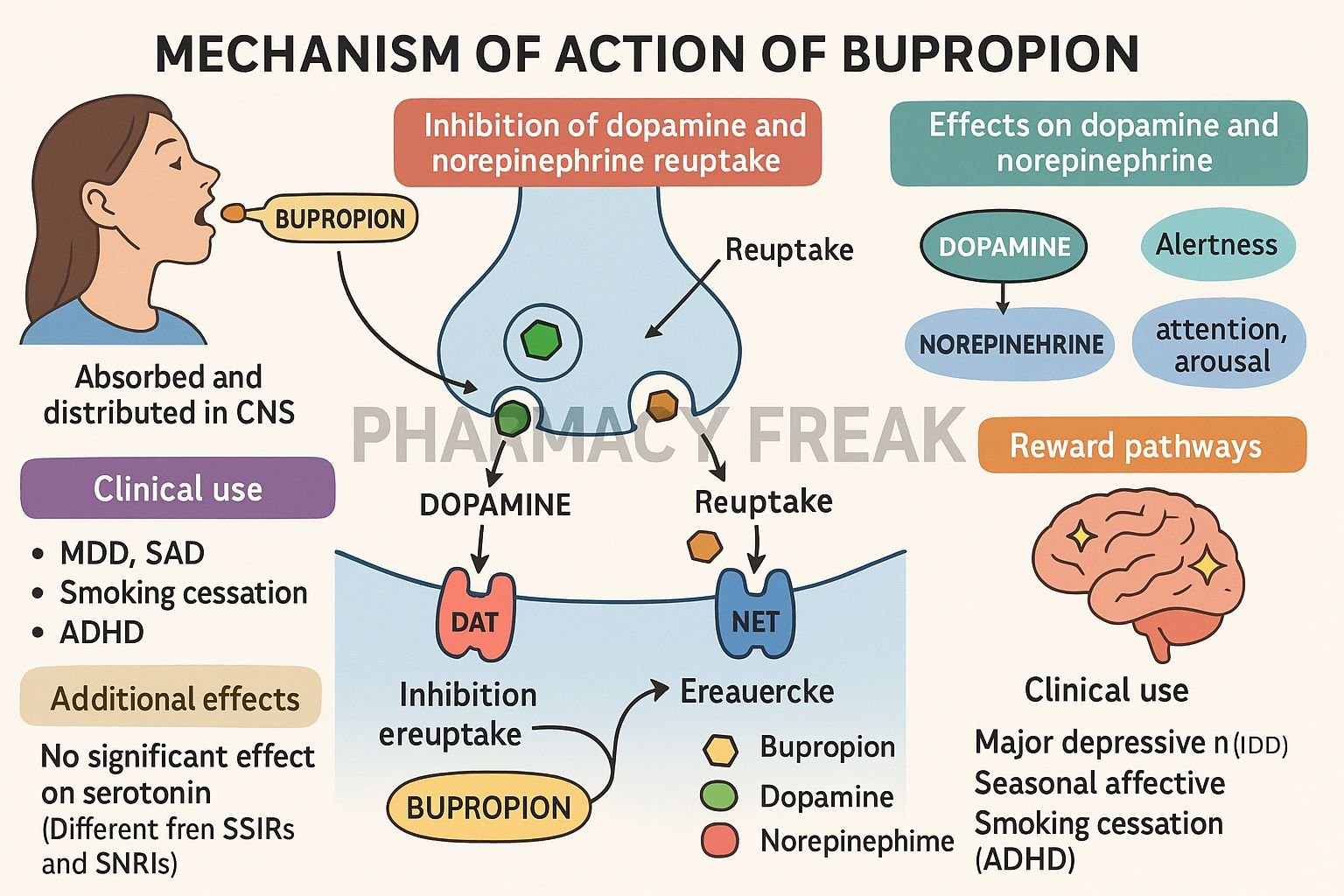
Mechanism of Action of Bupropion

Bupropion Mechanism of Action

Introduction Bupropion is an atypical antidepressant primarily used to treat major depressive disorder, seasonal affective disorder, and as an aid for smoking cessation. Unlike SSRIs, bupropion exerts its effects via modulation of dopamine and norepinephrine neurotransmission, offering a unique mechanism without significant serotonergic side effects. Step-by-Step Mechanism of Action Pharmacokinetic Parameters Parameter Value Route Oral … Read more

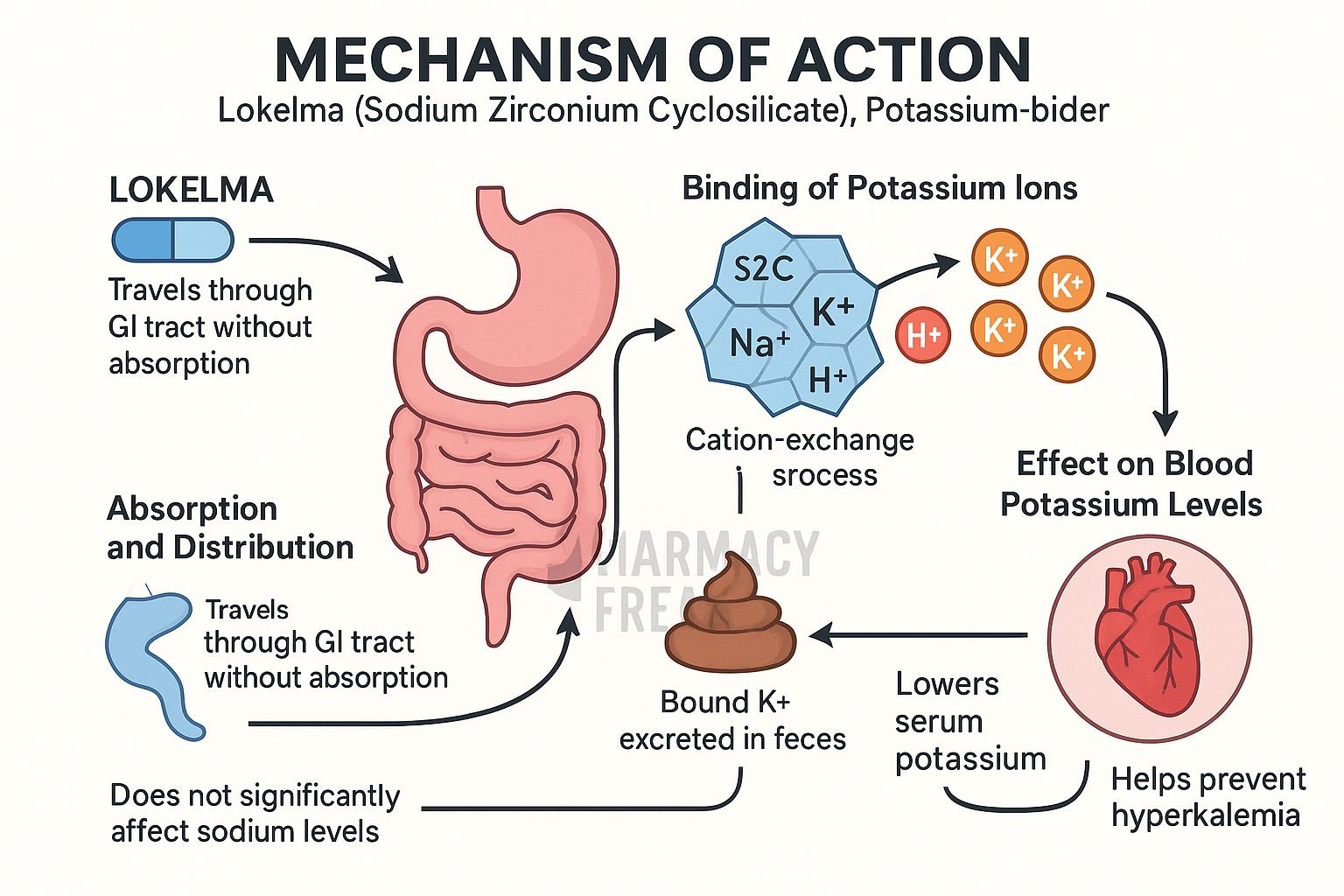
Mechanism of Action of Lokelma (Sodium Zirconium Cyclosilicate)

Lokelma Mechanism of Action

Introduction Lokelma is an oral, non-absorbed potassium binder used to treat hyperkalemia. It works by selectively trapping potassium ions in the gastrointestinal tract, thereby lowering serum potassium levels and promoting potassium excretion via feces. Step-by-Step Mechanism of Action Pharmacokinetic Parameters Clinical Uses Adverse Effects Comparative Analysis Lokelma offers higher selectivity and fewer systemic effects than … Read more

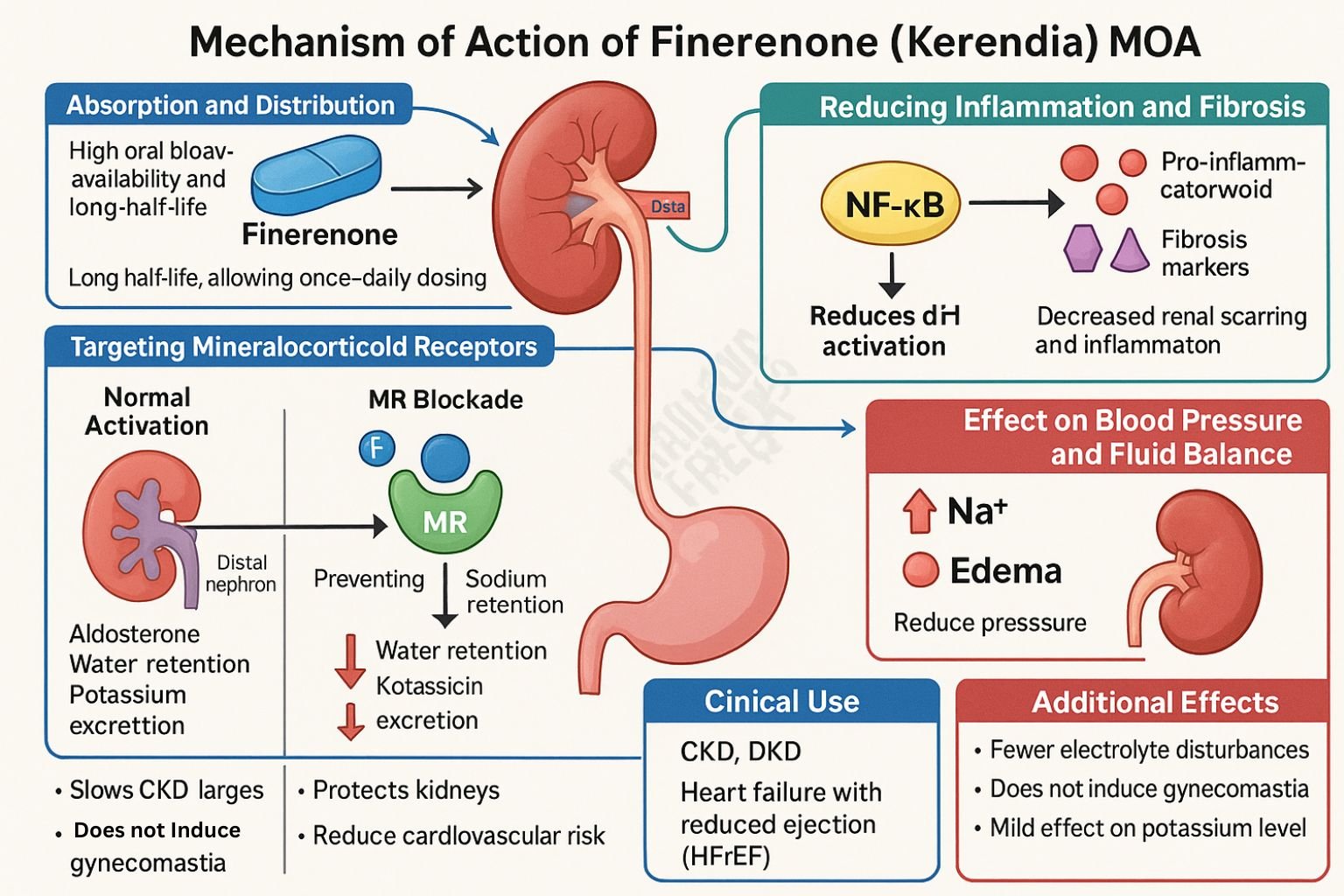
Mechanism of Action of Finerenone (Kerendia)

Finerenone Mechanism of Action

Introduction Finerenone is a nonsteroidal, selective mineralocorticoid receptor antagonist (MRA) approved for reducing the risk of cardiovascular and renal events in adults with chronic kidney disease (CKD) associated with type 2 diabetes mellitus (T2DM). Unlike steroidal MRAs such as spironolactone, finerenone offers greater mineralocorticoid receptor selectivity, minimizing off-target hormonal effects. Step-by-Step Mechanism of Action Pharmacokinetic … Read more

Mechanism of Action of Mounjaro (Tirzepatide)

Mounjaro Mechanism of Action

Introduction Tirzepatide, marketed as Mounjaro for type 2 diabetes and Zepbound for obesity, is a dual GIP/GLP‑1 receptor agonist. This innovative “twincretin” enhances insulin secretion, suppresses glucagon, delays gastric emptying, and promotes satiety. It offers significant HbA₁c reduction and weight loss advantages over GLP‑1 agonists alone. Step-by-Step Mechanism of Action Pharmacokinetic Parameters Parameter Value Route … Read more

PRO
Ad-Free Access
$3.99 / month
  • No Interruptions
  • Faster Page Loads
  • Support Content Creators