Trusted by 50K+ Pharmacy StudentsHigh Quality Notes, MCQs, Mock Tests & Study ResourcesGo Premium (Ads Free)
Pharmacy Freak

Mechanism of Action of Cimetidine
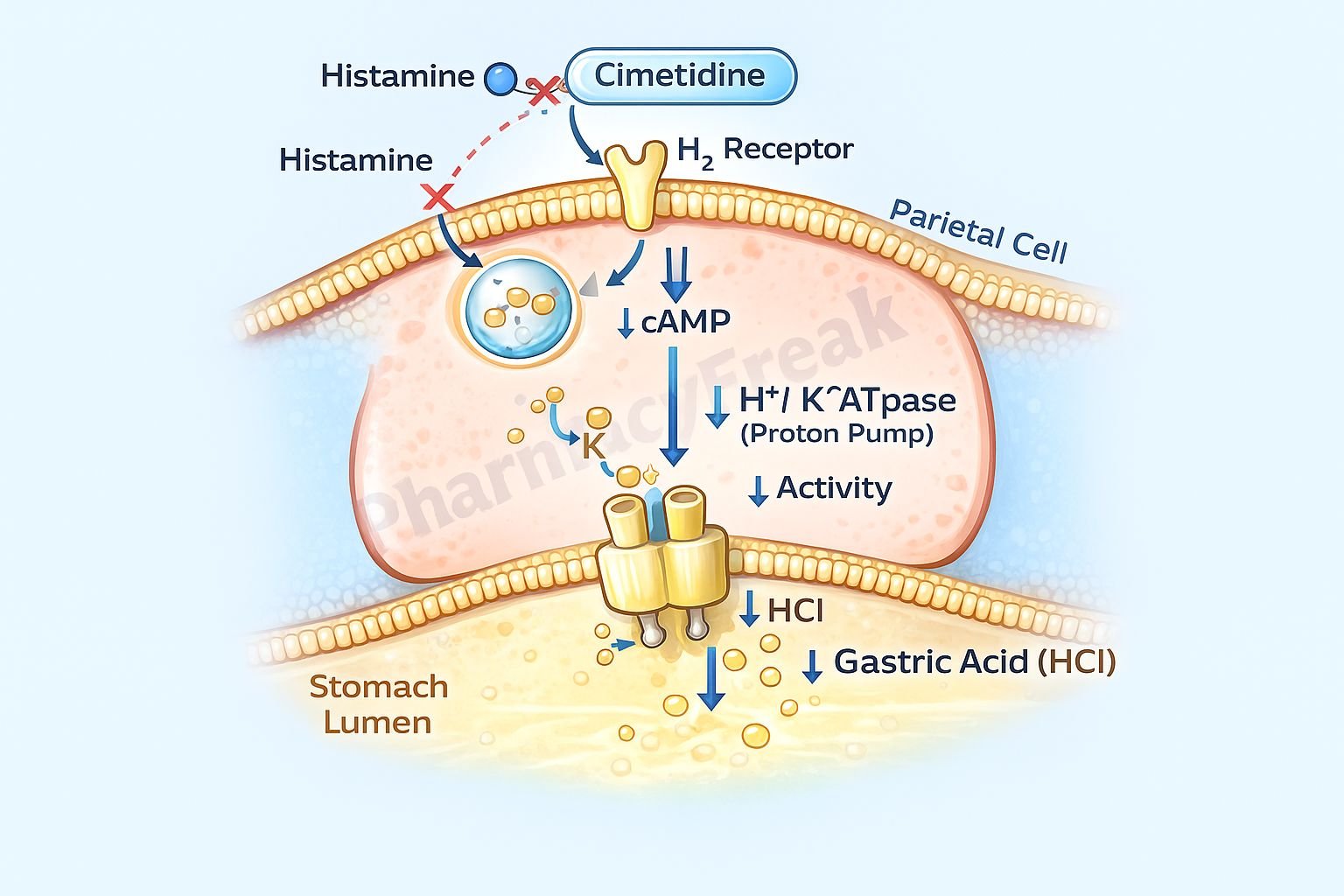
MOA of cimetidine

Introduction Cimetidine is a first-generation histamine H₂-receptor antagonist (H₂ blocker) widely used in the management of acid-related gastrointestinal disorders. It was the first clinically successful H₂ receptor antagonist and marked a major advance in the treatment of peptic ulcer disease by directly reducing gastric acid secretion. Although newer H₂ blockers and proton pump inhibitors (PPIs) … Read more
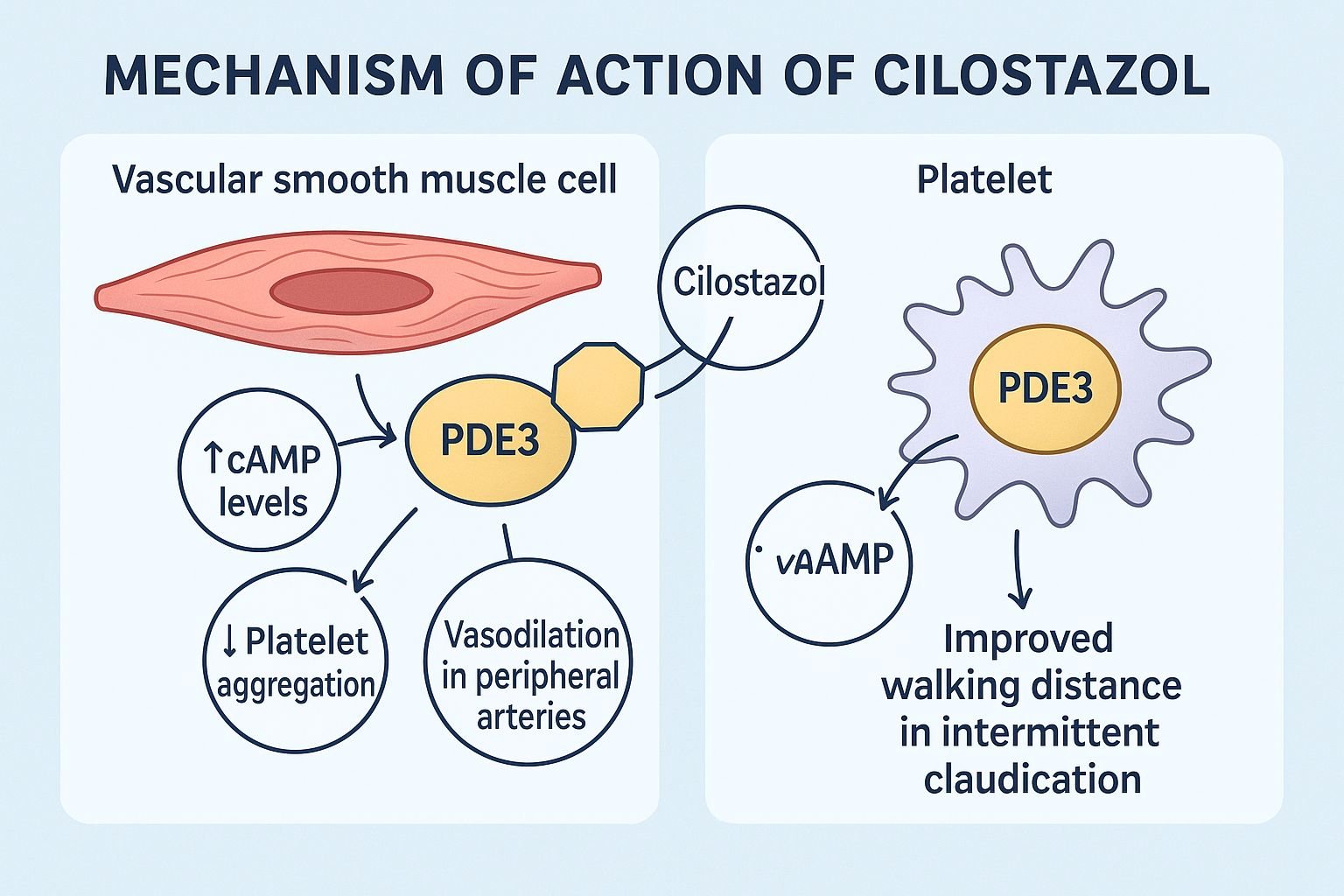
Mechanism of Action of Cilostazol

MOA of Cilostazol

Introduction Cilostazol is a phosphodiesterase-3 (PDE3) inhibitor used primarily for the treatment of intermittent claudication caused by peripheral arterial disease (PAD). It improves walking distance and reduces pain by promoting vasodilation and inhibiting platelet aggregation. The Mechanism of Action of Cilostazol involves inhibition of PDE3, resulting in increased cyclic adenosine monophosphate (cAMP) levels in platelets … Read more

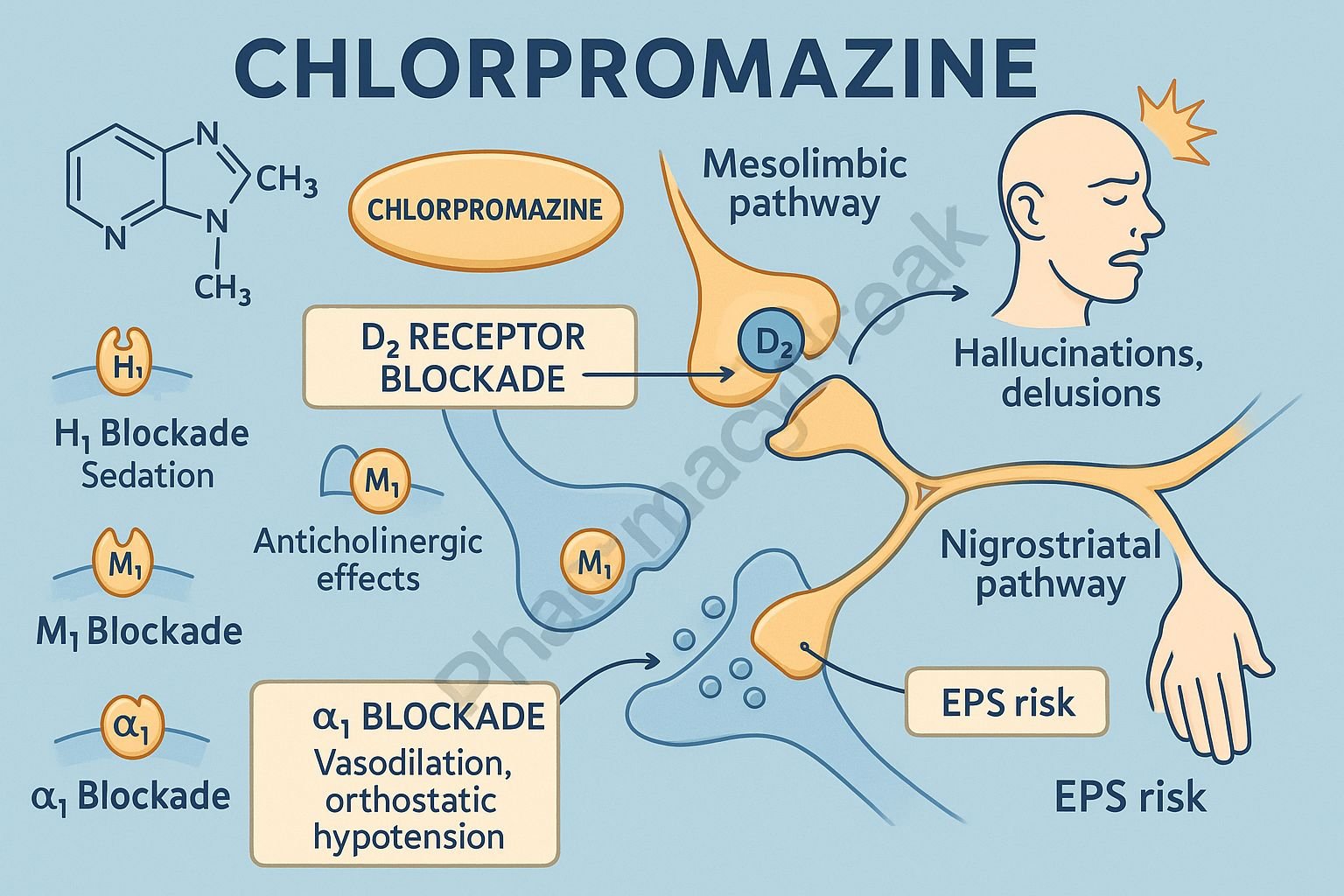
Mechanism of Action of Chlorpromazine

Chlorpromazine D2 receptor blockade

Introduction Chlorpromazine is a first-generation (typical) antipsychotic, belonging to the phenothiazine class. It is used for schizophrenia, acute psychosis, bipolar mania, severe agitation, intractable hiccups, nausea, and tetanus-associated agitation. The Mechanism of Action of Chlorpromazine centers on dopamine D2 receptor antagonism in the mesolimbic system, along with additional blockade of histamine, muscarinic, and alpha-1 adrenergic … Read more

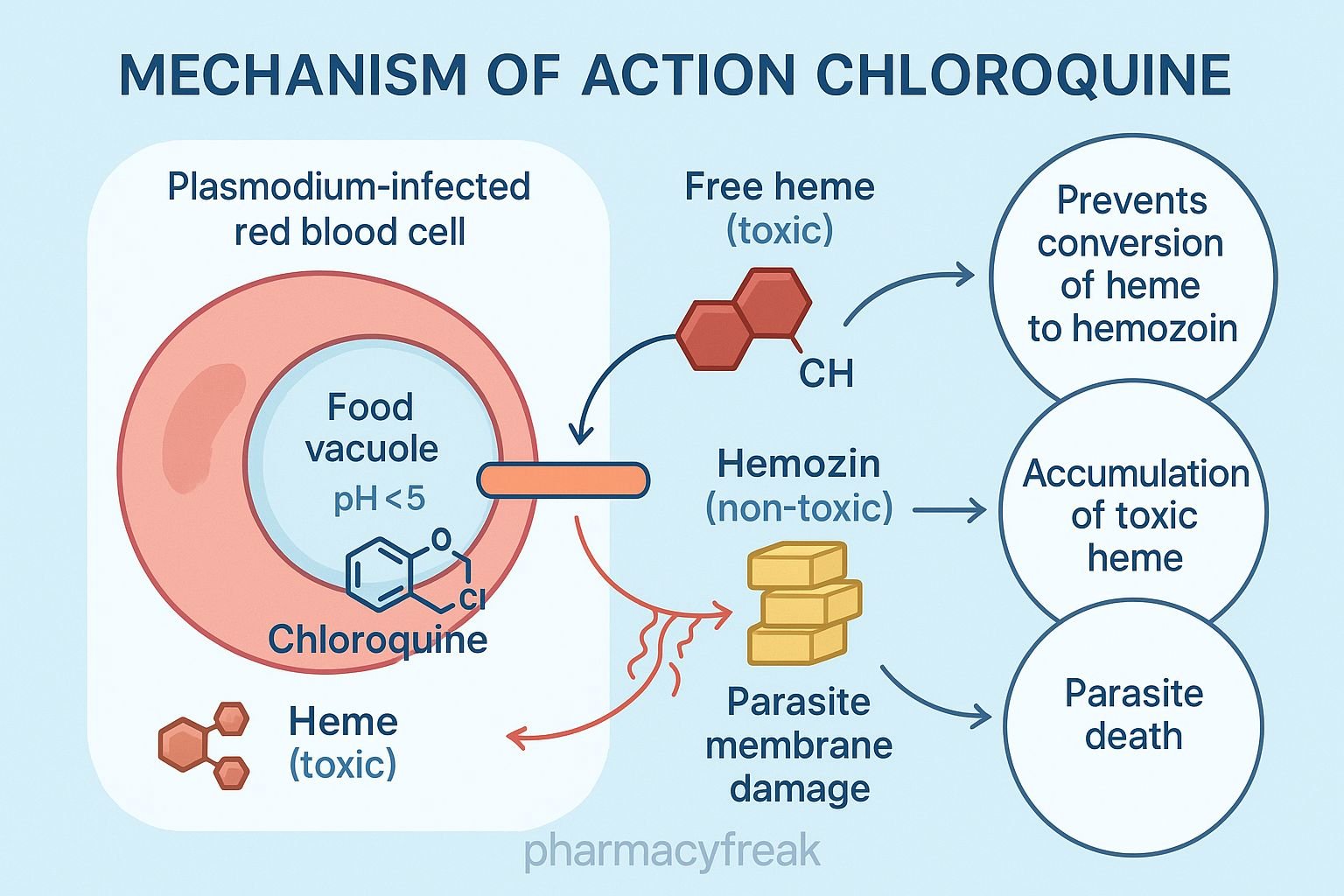
Mechanism of Action of Chloroquine

MOA of Chloroquine

Introduction Chloroquine is a 4-aminoquinoline antimalarial drug historically used for the treatment and prophylaxis of Plasmodium falciparum, P. vivax, P. malariae, and P. ovale infections. Although resistance limits its use in many regions, chloroquine remains essential for sensitive strains and for autoimmune diseases such as rheumatoid arthritis and lupus. The Mechanism of Action of Chloroquine … Read more

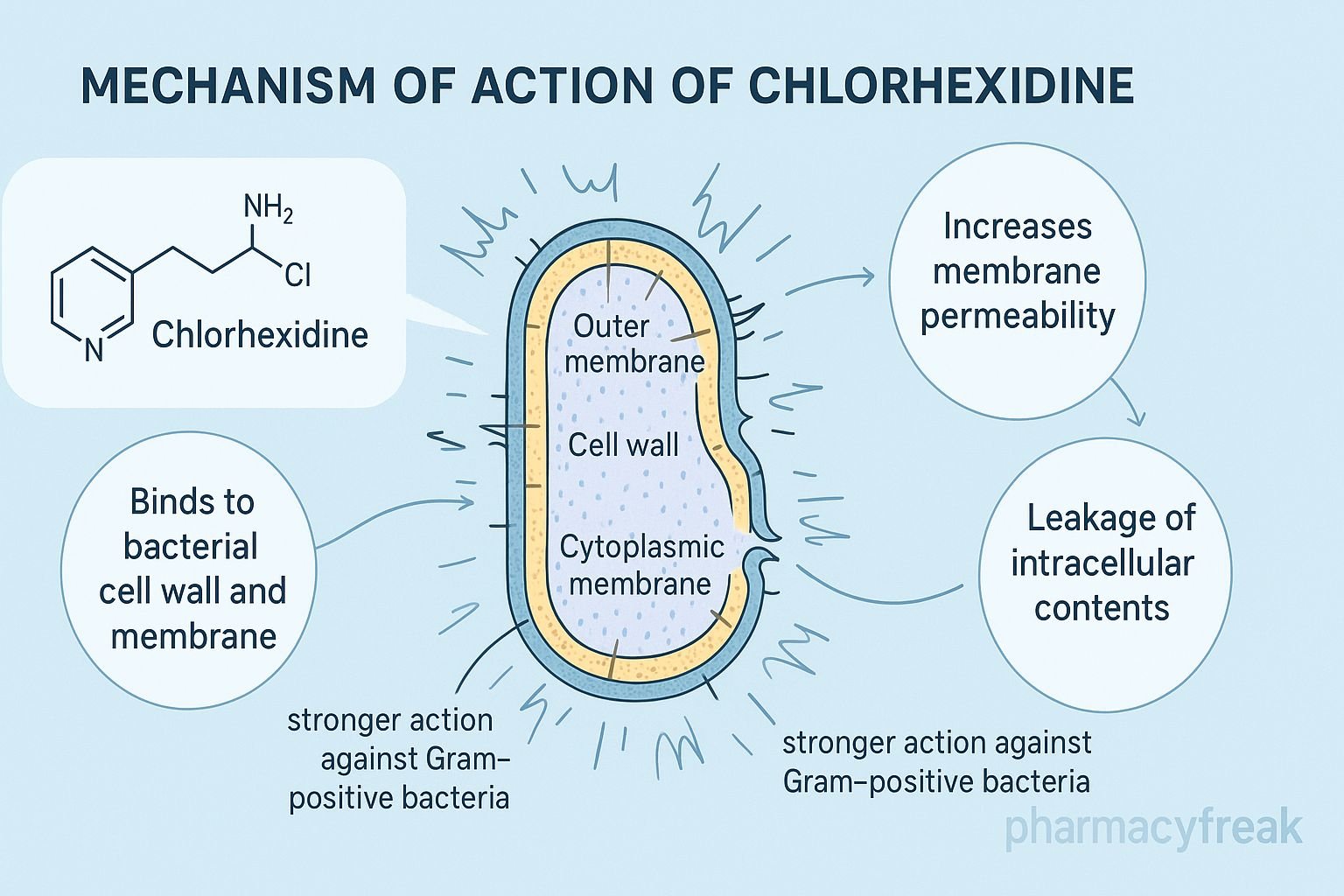
Mechanism of Action of Chlorhexidine

MOA of Chlorhexidine

Introduction Chlorhexidine is a broad-spectrum antiseptic and disinfectant widely used in clinical practice for skin preparation, oral hygiene, wound cleansing, surgical scrubs, and catheter care. It is highly effective against gram-positive and gram-negative bacteria, yeasts, and some viruses. The Mechanism of Action of Chlorhexidine is based on disruption of microbial cell membranes, leading to leakage … Read more

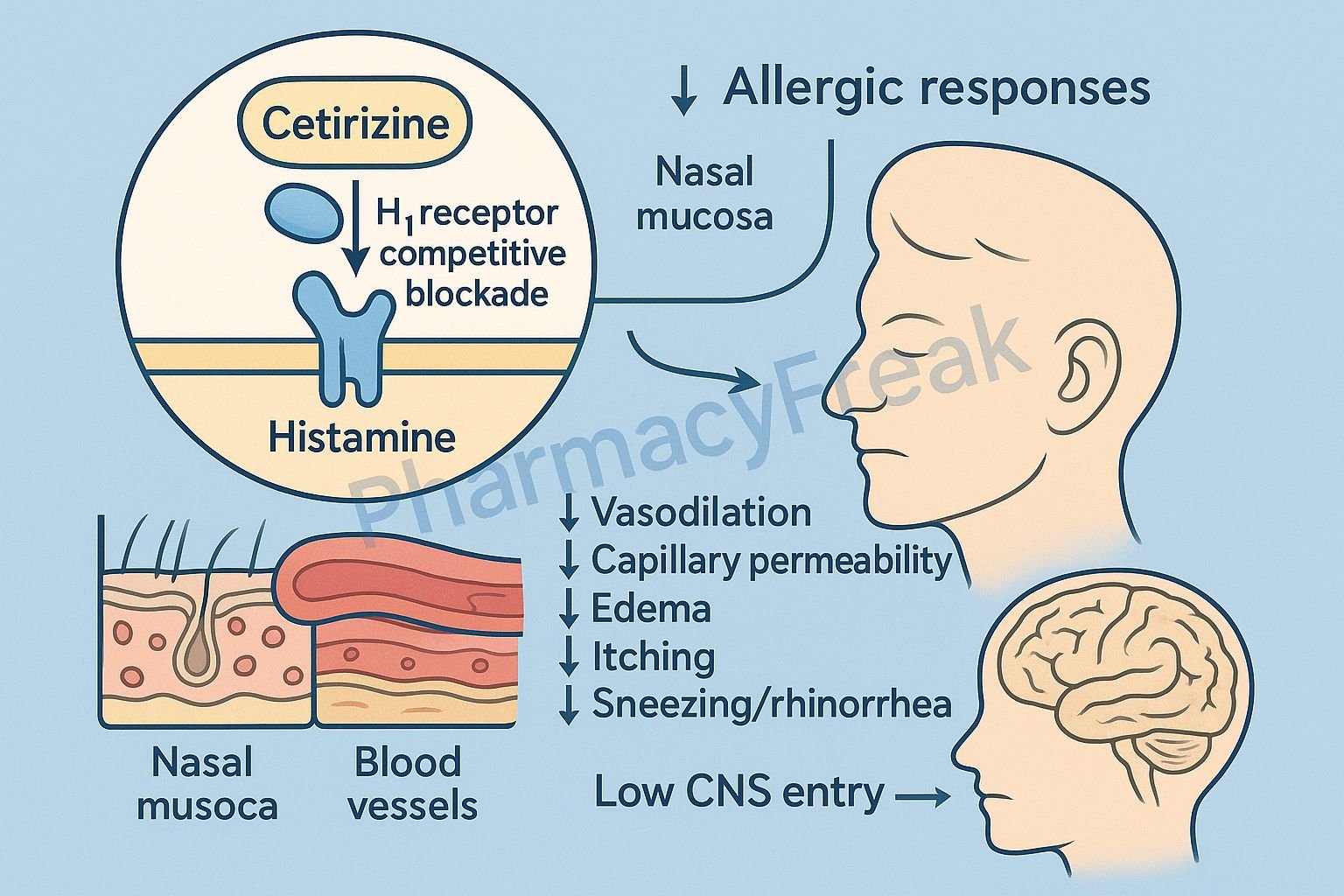
Mechanism of Action of Cetirizine

MOA of Cetirizine

Introduction Cetirizine is a second-generation antihistamine widely used for the management of allergic rhinitis, urticaria, and other allergic disorders. It is favored for its minimal sedative effects, long duration of action, and excellent safety profile. The Mechanism of Action of Cetirizine involves selective antagonism of peripheral H1 histamine receptors, reducing allergic symptoms such as itching, … Read more

Mechanism of Action of Celecoxib

Introduction Celecoxib is a selective cyclooxygenase-2 (COX-2) inhibitor used widely for pain, inflammation, and osteoarthritis/rheumatoid arthritis management. Unlike nonselective NSAIDs, celecoxib spares COX-1, reducing the risks of gastric irritation and gastrointestinal bleeding while providing potent anti-inflammatory and analgesic effects. The Mechanism of Action of Celecoxib centers on selective inhibition of COX-2, leading to decreased synthesis … Read more

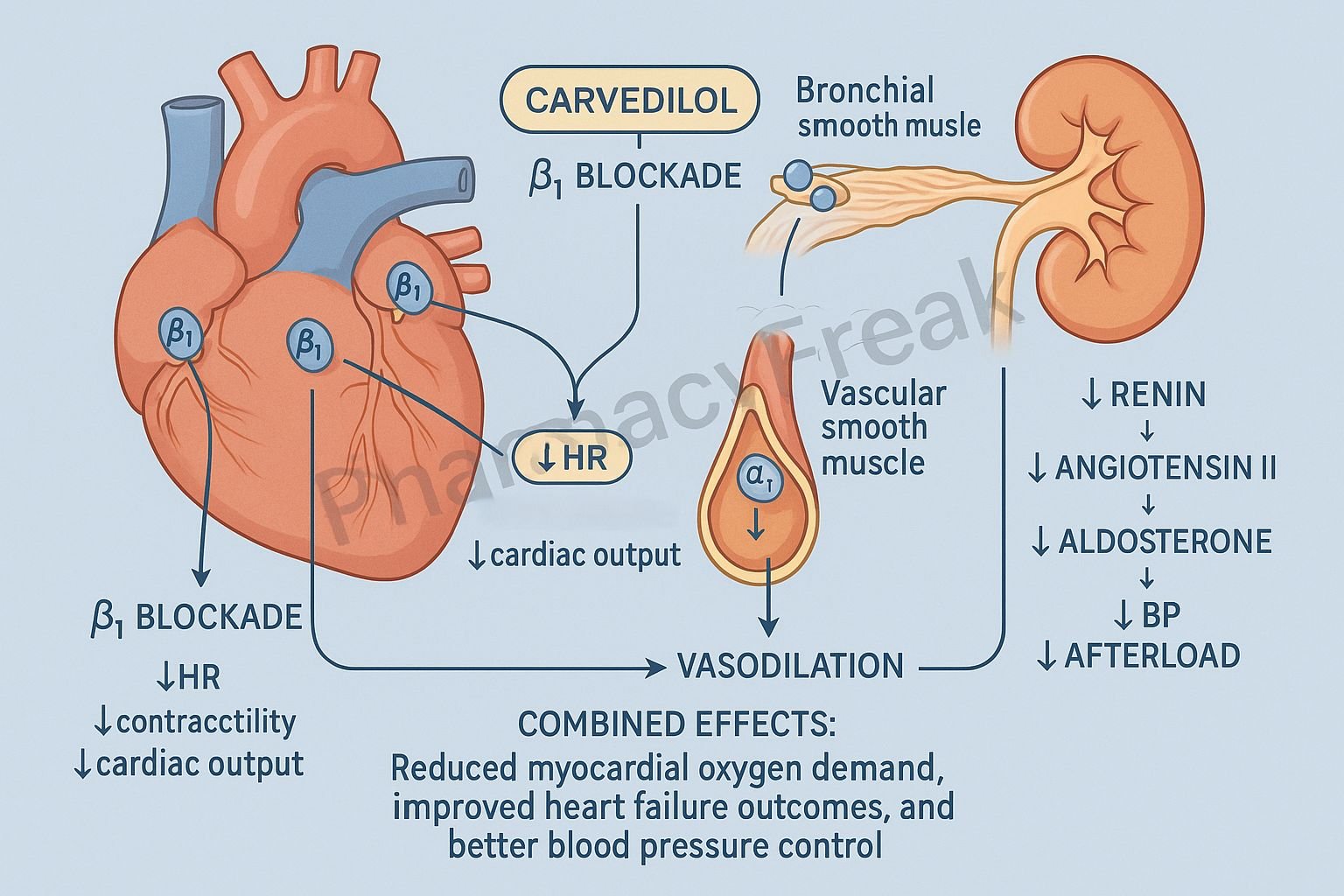
Mechanism of Action of Carvedilol

MOA of Carvedilol

Introduction Carvedilol is a nonselective beta-blocker with additional alpha-1 blocking activity. It is widely used in heart failure, hypertension, ischemic heart disease, and for reducing mortality post-myocardial infarction. Unlike traditional beta-blockers, carvedilol provides combined beta-blockade, alpha-blockade, antioxidant properties, and anti-remodeling effects, making it a cornerstone therapy in chronic heart failure. The Mechanism of Action of … Read more

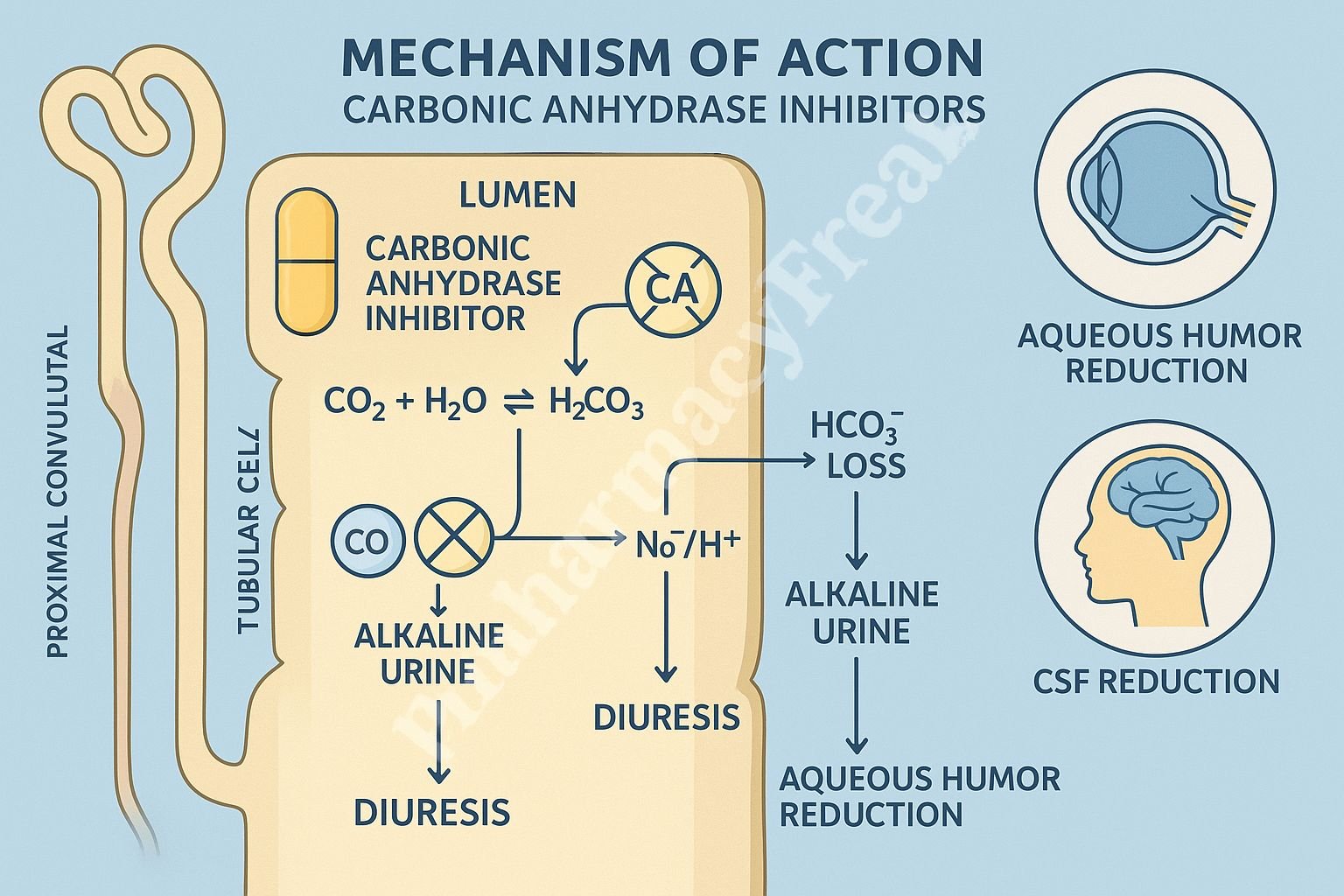
Mechanism of Action of Carbonic Anhydrase Inhibitors

MOA of Carbonic Anhydrase Inhibitors

Introduction Carbonic anhydrase inhibitors (CAIs) are a class of diuretics and antiglaucoma drugs represented primarily by acetazolamide, dorzolamide, and brinzolamide. They reduce bicarbonate reabsorption in the kidney, decrease aqueous humor formation in the eye, and modulate cerebrospinal fluid (CSF) production. The Mechanism of Action of Carbonic Anhydrase Inhibitors centers on blocking the enzyme carbonic anhydrase … Read more

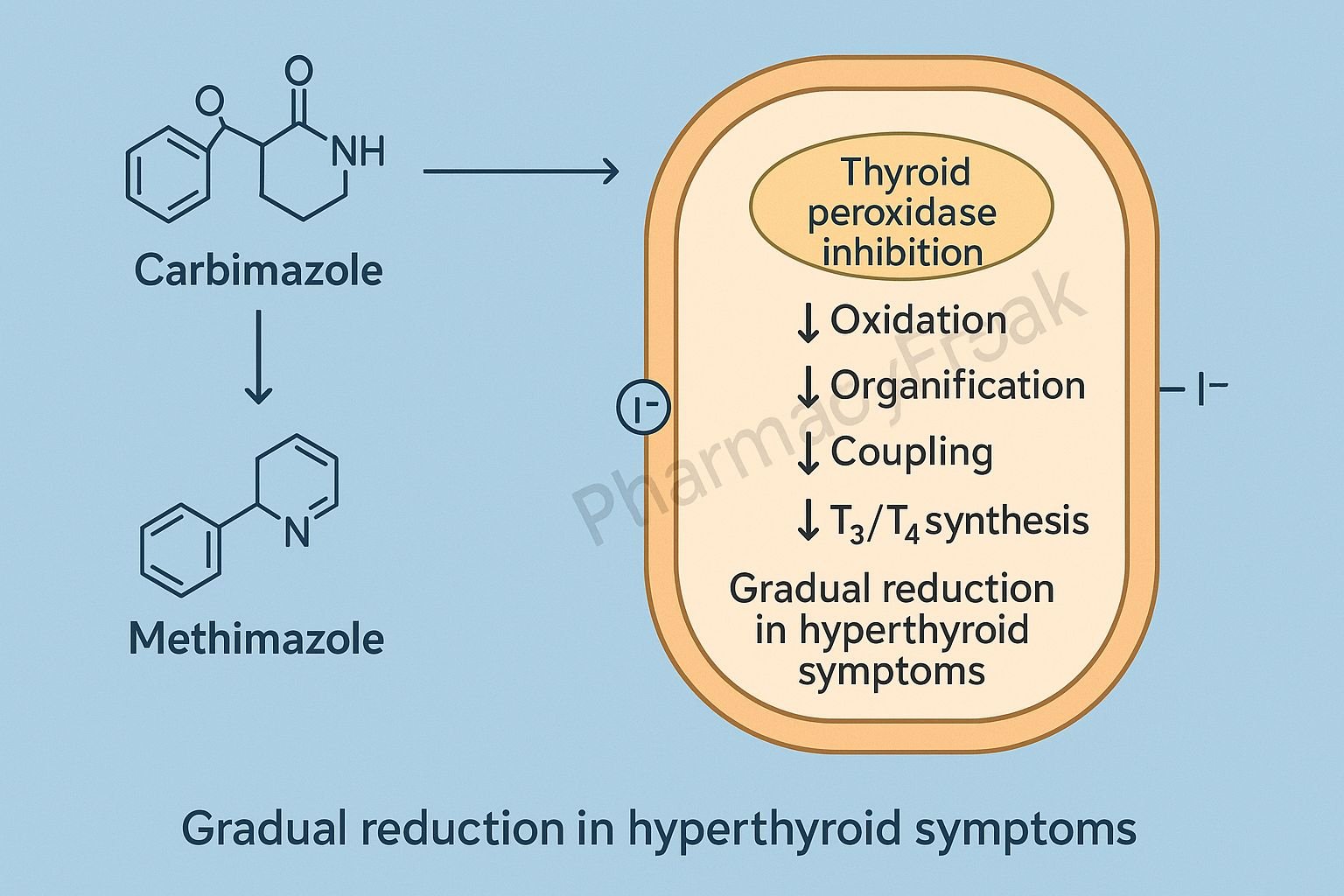
Mechanism of Action of Carbimazole

MOA of Carbimazole

Introduction Carbimazole is a thiourea-derived antithyroid drug used primarily in the management of hyperthyroidism, especially Graves’ disease, toxic multinodular goiter, and thyroid storm (as adjunct therapy). After oral administration, carbimazole is rapidly converted to its active metabolite methimazole, which exerts the therapeutic effects. The Mechanism of Action of Carbimazole involves suppression of thyroid hormone synthesis … Read more

PRO
Ad-Free Access
$3.99 / month
  • No Interruptions
  • Faster Page Loads
  • Support Content Creators