Trusted by 50K+ Pharmacy StudentsHigh Quality Notes, MCQs, Mock Tests & Study ResourcesGo Premium (Ads Free)
Pharmacy Freak

CLASSIFICATION OF DRUGS FOR COUGH
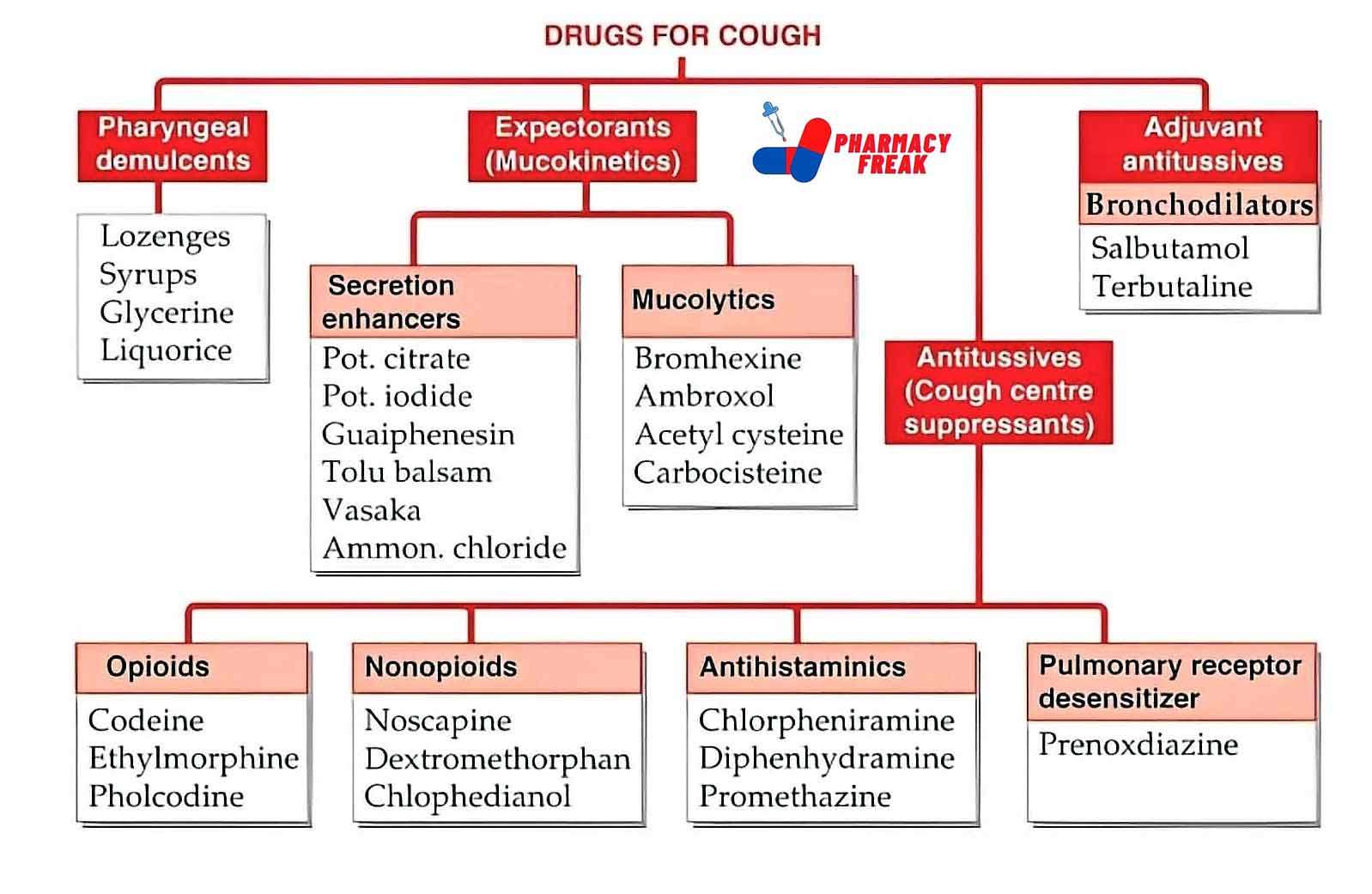
cough drug classification- KDT

DRUGS FOR COUGH The best of cough medicine for you will depend on the type of cough you have and any underlying medical concerns you might have. There are various different types of cough medicines available. Before taking any cough medication you should always take advice of a pharmacist or a doctor because some cough … Read more
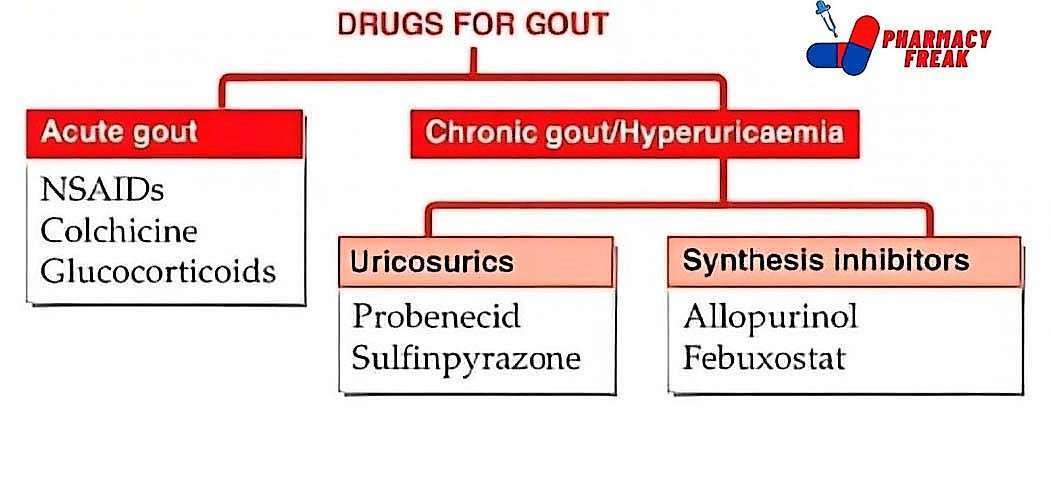
CLASSIFICATION OF DRUGS FOR GOUT

classification of drugs of gout

DRUGS FOR GOUT Gout is a kind of arthritis caused by the buildup of uric acid crystals in the joints. It causes pain, swelling, and inflammation. Main goals of Gout medications are to reduce pain, inflammation, and the frequency of gout attacks, as well as to prevent long-term renal and joint damage. classification DRUGS FOR … Read more

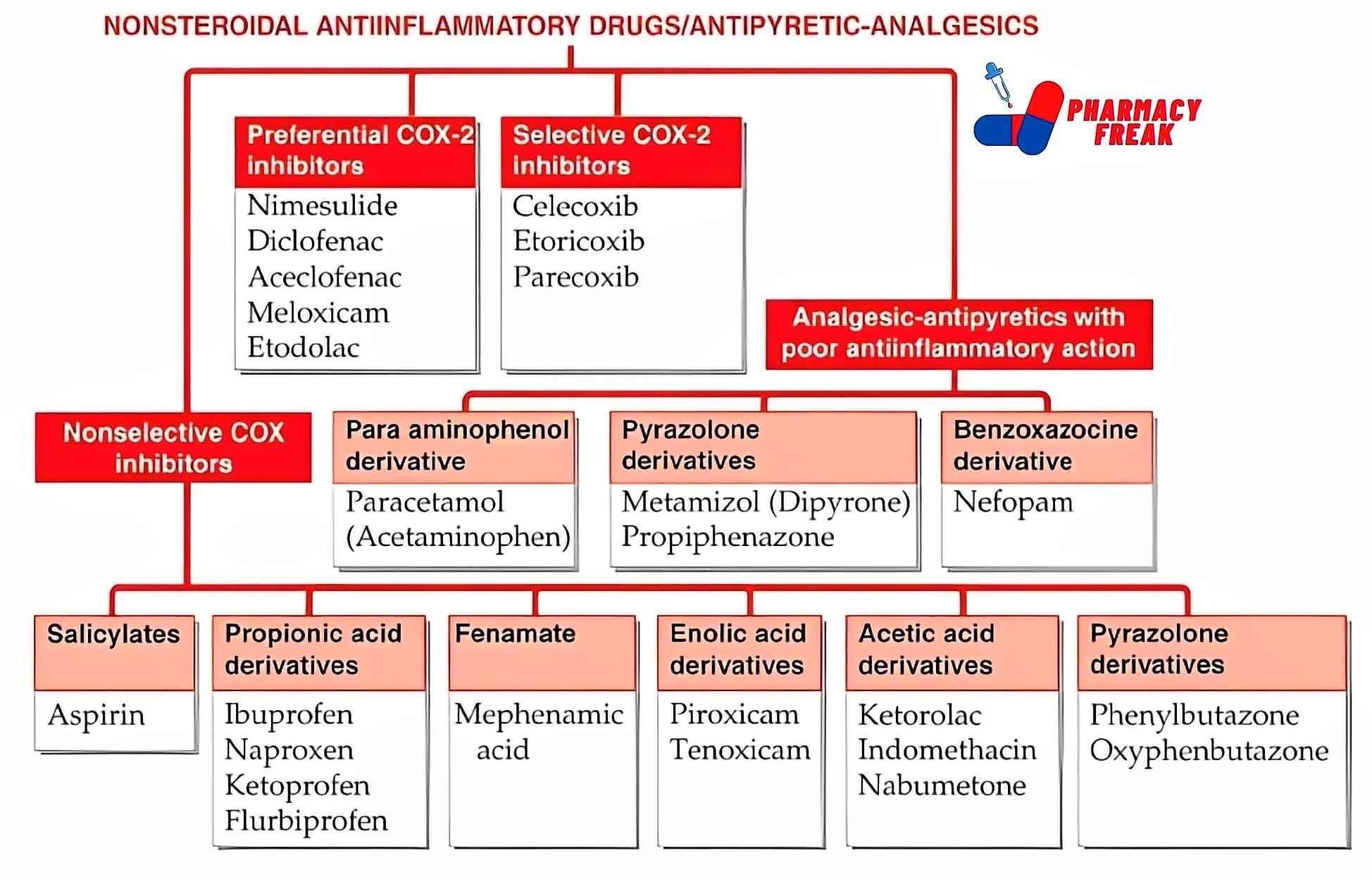
CLASSIFICATION OF NON STEROIDAL ANTI INFLAMMATORY DRUGS

classification of NSAIDs

NSAIDs It is also called ANTIPYRETIC-ANALGESICS or NSAIDs. NSAIDs are frequently used to treat pain, to reduce inflammation, and lower fever. They function by preventing the body from producing prostaglandins. Prostaglandinsare substances that contribute to inflammation and discomfort.Aspirin, ibuprofen, and naproxen are a few examples of NSAIDs. These drugs are very commonly used. Many medications … Read more

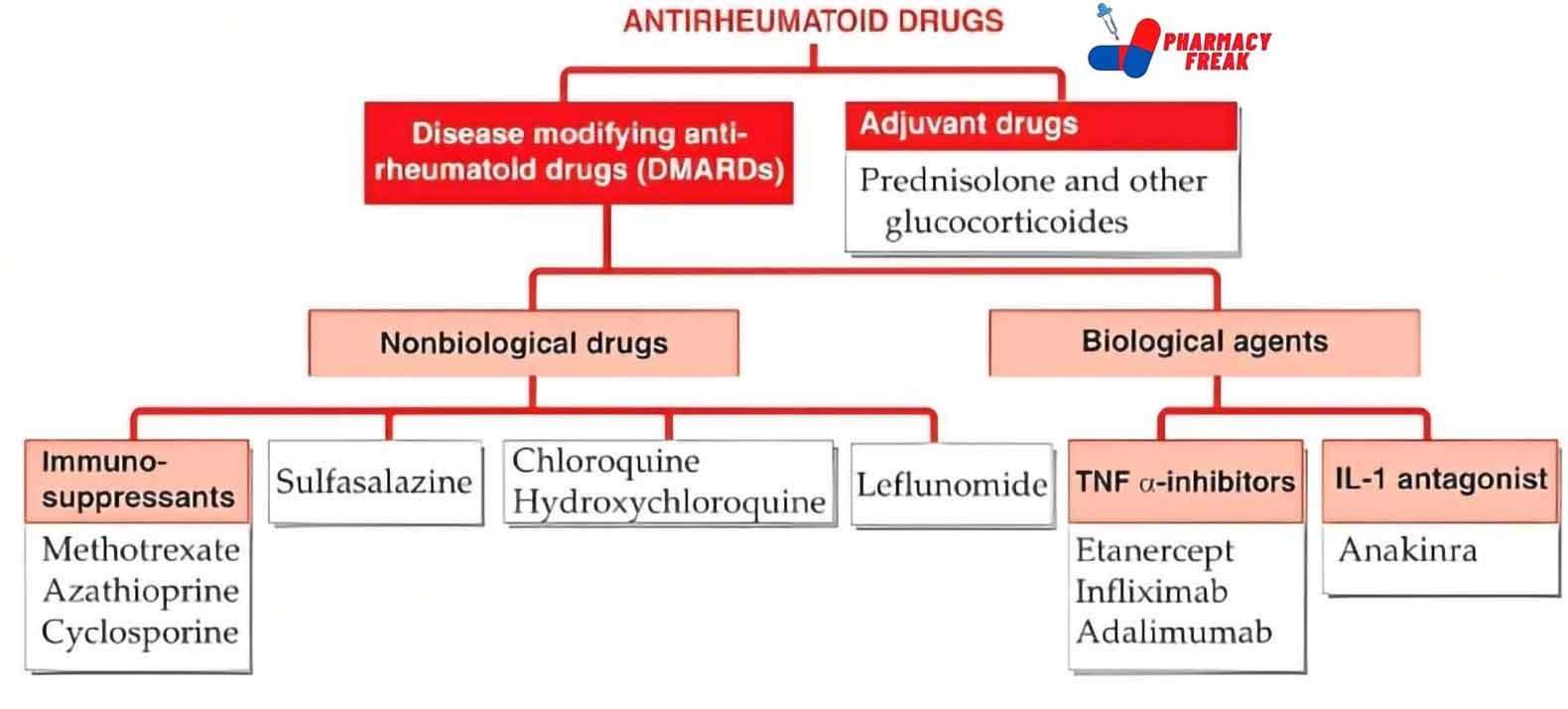
CLASSIFICATION OF ANTIRHEUMATOID DRUGS

Antirheumatoid Drugs Rheumatoid arthritis is treated with antirheumatoid medicines. It is an autoimmune illness that causes inflammation and pain in the joints. These drugs act by lowering inflammation and halting the progression of the disease. Uses CLASSIFICATION ANTIRHEUMATOID DRUGS Related links Reference

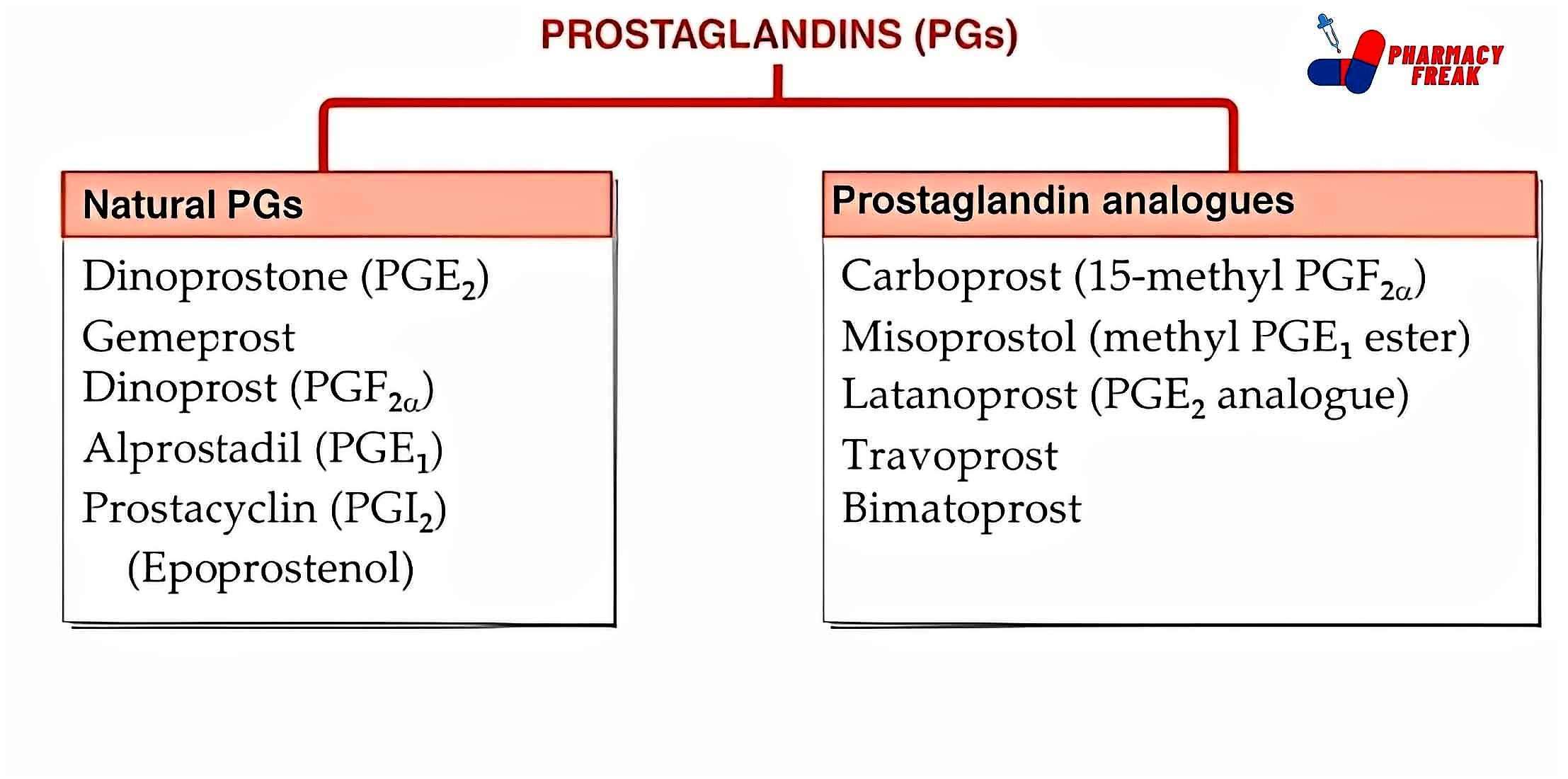
CLASSIFICATION OF PROSTAGLANDINS

Prostaglandins Prostaglandins (PGs) are lipid compounds derived from arachidonic acid. Arachidonic acid is a fatty acid found in cell membranes. They have roles in different physiological processes, including inflammation, pain, blood clotting, and reproduction. Cells in almost all tissues produce PGs, which are rapidly metabolised and deactivated. They have a short half-life and act locally … Read more

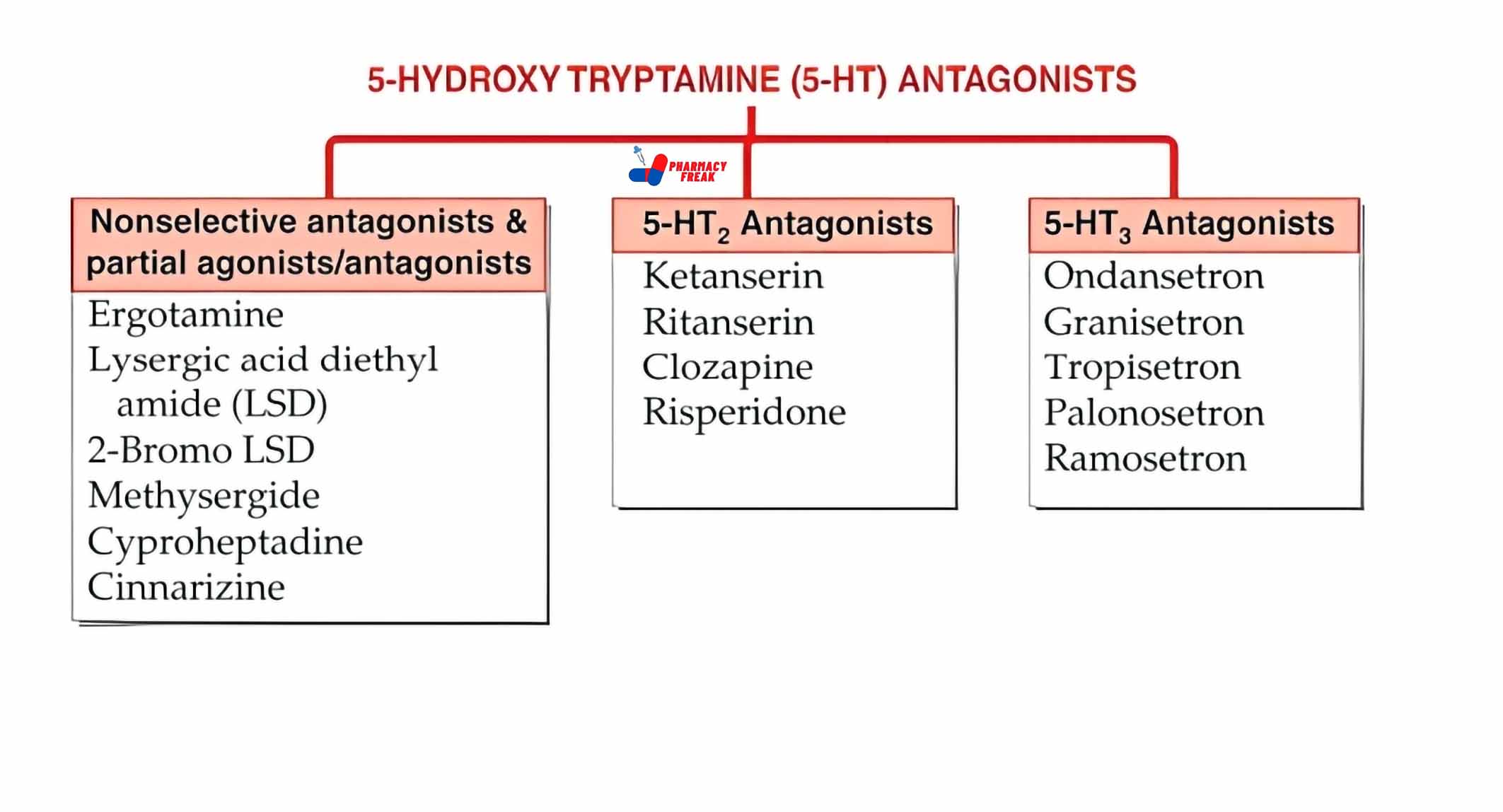
CLASSIFICATION OF 5-HYDROXY TRYPTAMINE (5-HT) ANTAGONISTS

5-hydroxytryptamine (5-HT) antagonists 5-hydroxytryptamine (5-HT) antagonists are known as serotonin receptor antagonists. They are a type of medication that prevents serotonin from acting in the body. Serotonin is a neurotransmitter and it regulates mood, appetite, sleep, and other things. EXAMPLE 5-HT antagonists work by binding to serotonin receptors and preventing serotonin from activating these receptors. … Read more

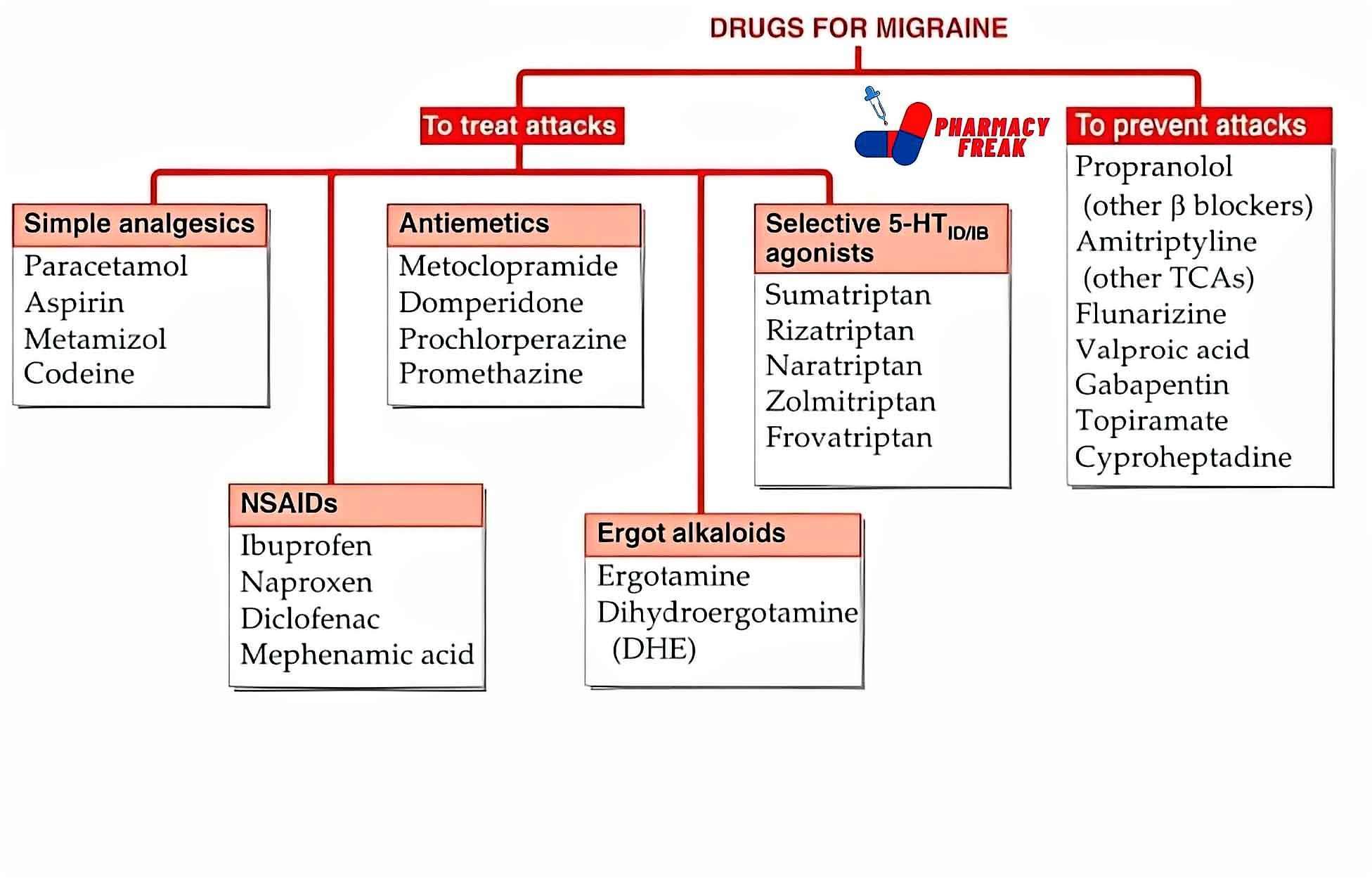
CLASSIFICATION OF DRUGS FOR MIGRAINE

MIGRAINE Migraine is a neurological disorder characterised by recurrent headaches ranging in intensity from mild to severe. Migraine headaches are characterised by throbbing pain on one side of the head, but they can affect both sides. Other symptoms include light, sound, and smell sensitivity, nausea, and vomiting. Changes in the brainstem and its interactions with … Read more

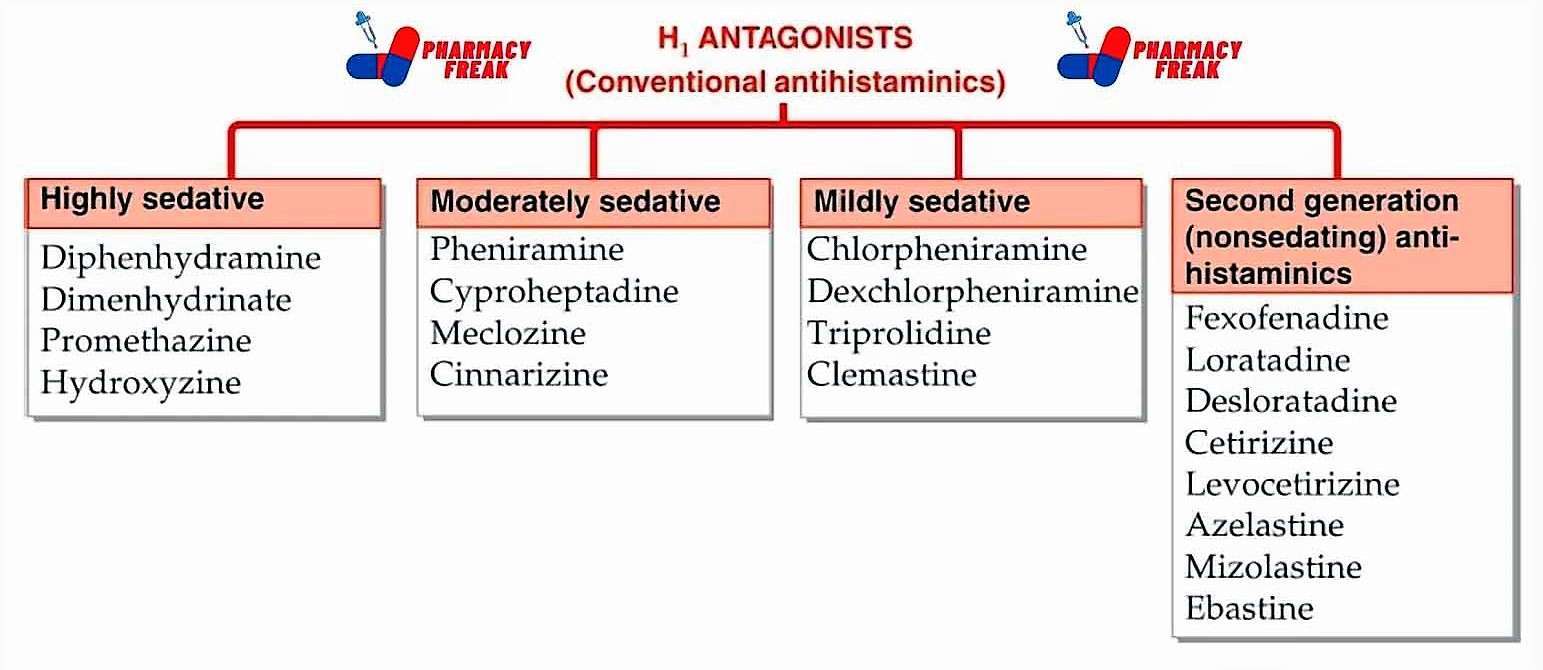
CLASSIFICATION OF H1 ANTAGONISTS

H1 antagonists H1 antagonists, also known as antihistamines, are a type of medication that prevents histamine from acting on H1 receptors. Histamine is a chemical that mast cells release in response to an allergic reaction, causing itching, swelling, and inflammation. H1 antagonists can alleviate or prevent these symptoms by blocking H1 receptors. Allergies such as … Read more

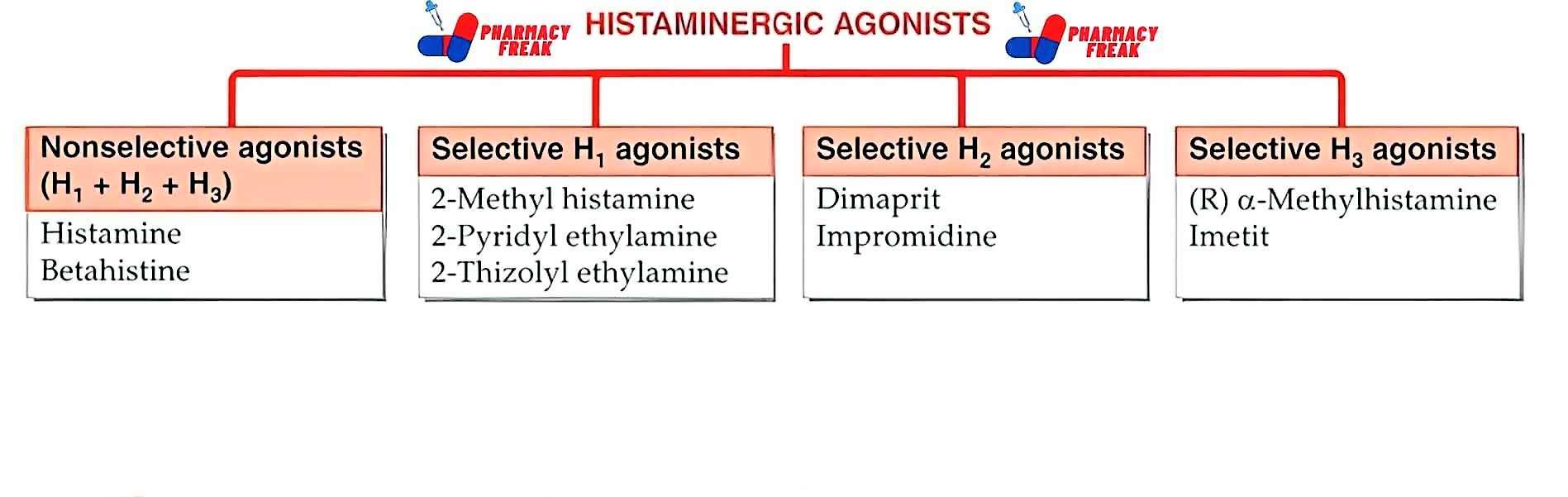
CLASSIFICATION OF HISTAMINERGIC AGONISTS

Histaminergic agonists Histaminergic agonists are a type of drug that stimulates the body’s histamine receptors. Histamine is a chemical that the body produces naturally and is involved in a variety of physiological processes such as immune response, inflammation, and sleep-wake cycle regulation. Histamine receptors come in a variety of forms, including H1, H2, H3, and … Read more

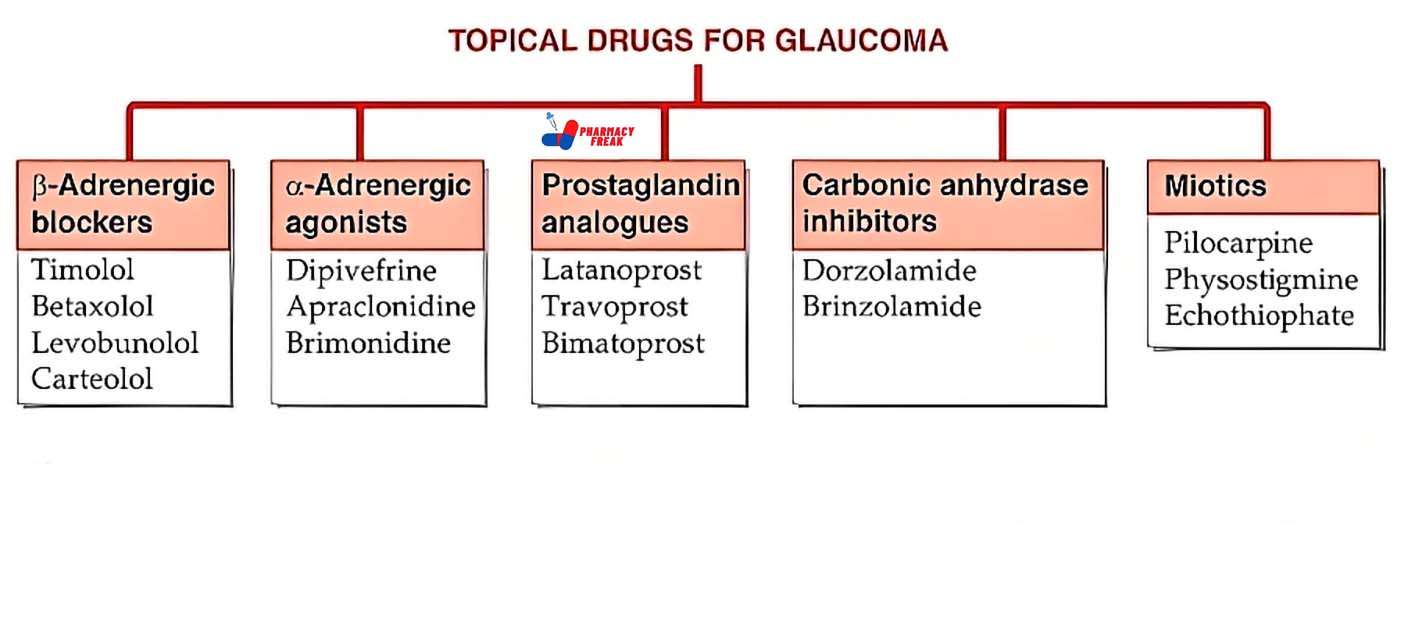
CLASSIFICATION OF GLAUCOMA DRUGS

glaucoma drugs classification

Glaucoma drugs Glaucoma drugs is a group of eye diseases that cause damage to the optic nerve, often as a result of high intraocular pressure. Glaucoma can be treated with a variety of medications, including: Classification TOPICAL DRUGS FOR GLAUCOMA Related Links Reference

PRO
Ad-Free Access
$3.99 / month
  • No Interruptions
  • Faster Page Loads
  • Support Content Creators