Trusted by 50K+ Pharmacy StudentsHigh Quality Notes, MCQs, Mock Tests & Study ResourcesGo Premium (Ads Free)
Pharmacy Freak

Mechanism of Action of Probenecid
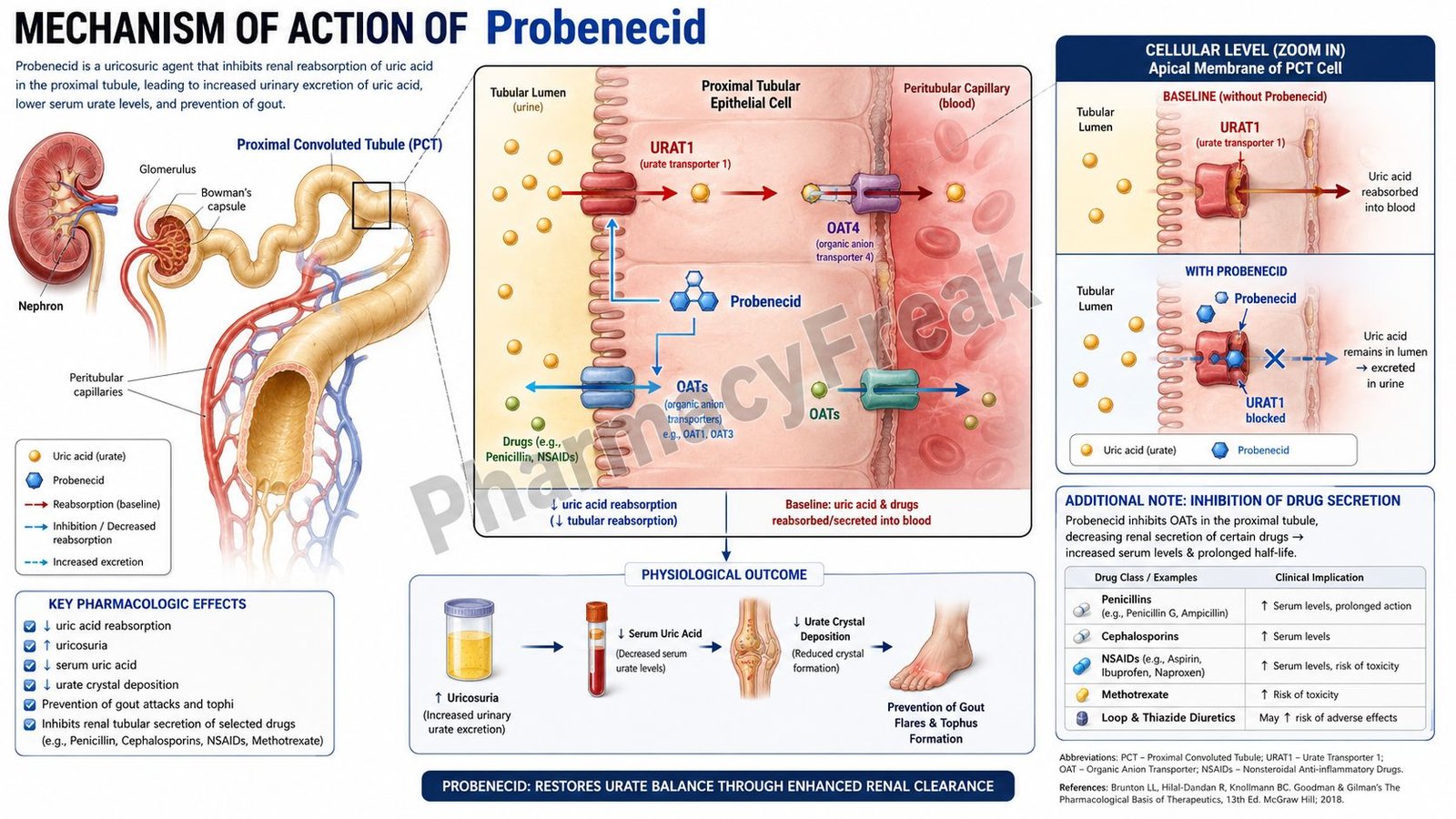
Mechanism of action of Probenecid

Introduction Probenecid is a uricosuric drug used primarily in the treatment of chronic gout and hyperuricemia. It lowers serum uric acid levels by increasing renal excretion of uric acid. Probenecid also affects renal tubular transport of various drugs, including penicillins, by inhibiting organic anion transporters in the kidney. Mechanism of Action (Step-wise) A key exam … Read more
Mechanism of Action of Primidone

Mechanism of action of Primidone

Introduction Primidone is an antiepileptic drug used in the treatment of generalized tonic-clonic seizures, focal seizures, and essential tremor. It is structurally related to barbiturates and is metabolized into active metabolites including phenobarbital and phenylethylmalonamide (PEMA). Primidone reduces neuronal excitability and suppresses abnormal electrical activity in the brain. Mechanism of Action (Step-wise) A key exam … Read more
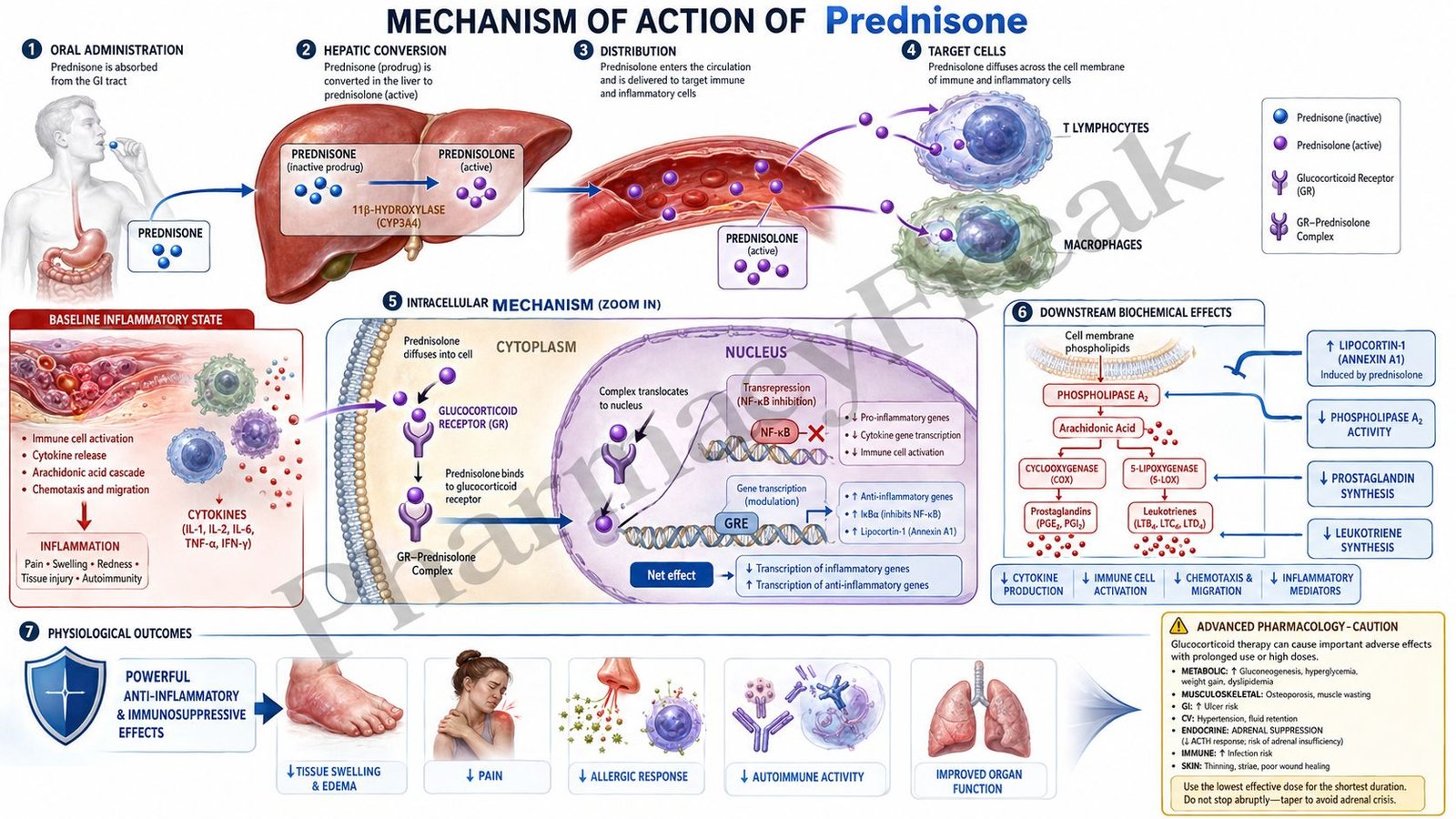
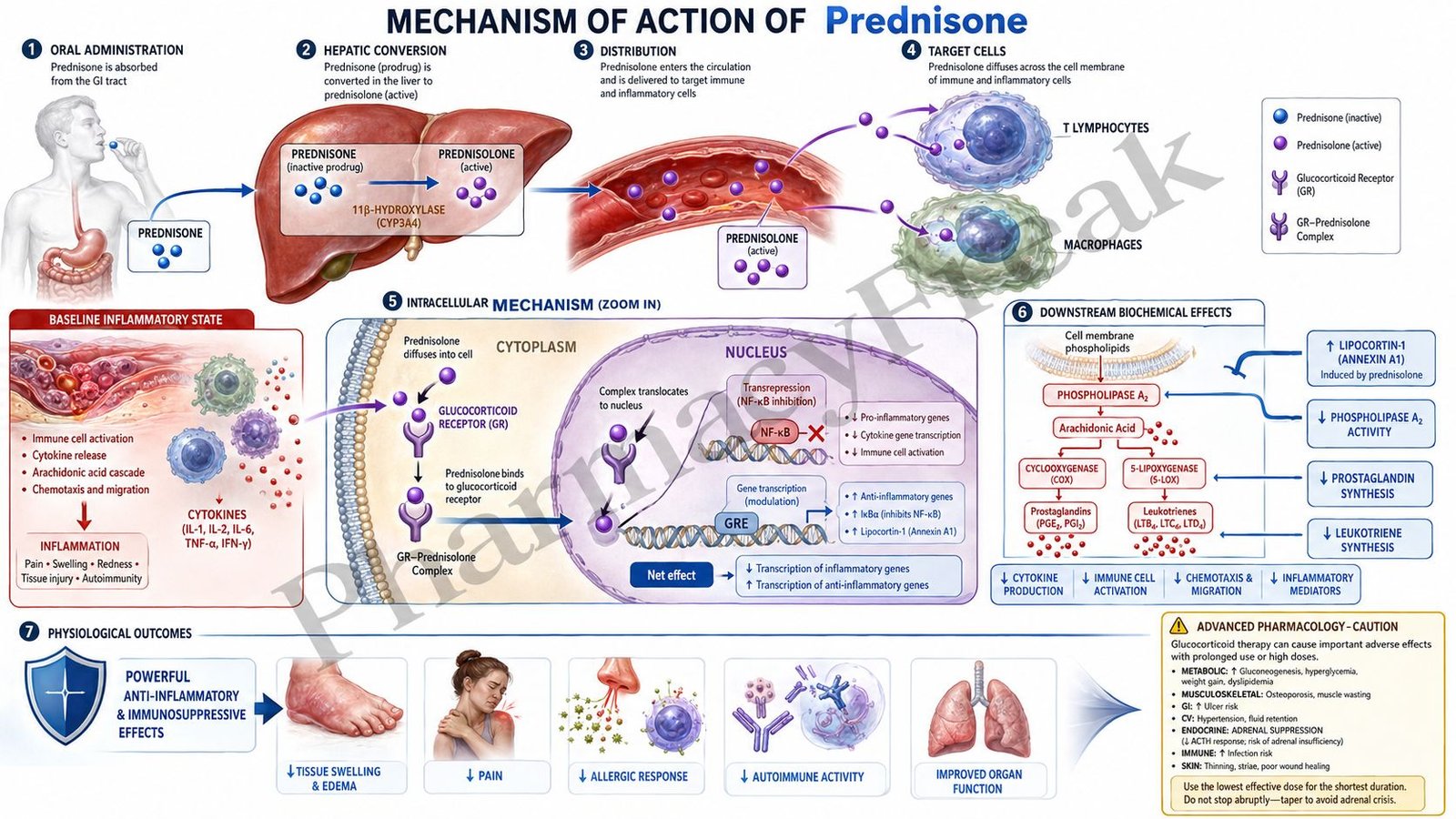
Mechanism of Action of Prednisone

Mechanism of action of Prednisone

Introduction Prednisone is a synthetic glucocorticoid widely used for its anti-inflammatory and immunosuppressive properties. It is commonly prescribed in autoimmune diseases, allergic conditions, inflammatory disorders, and certain malignancies. Prednisone is converted in the liver to its active form, prednisolone, which acts on intracellular glucocorticoid receptors to regulate gene transcription and suppress inflammatory responses. Mechanism of … Read more

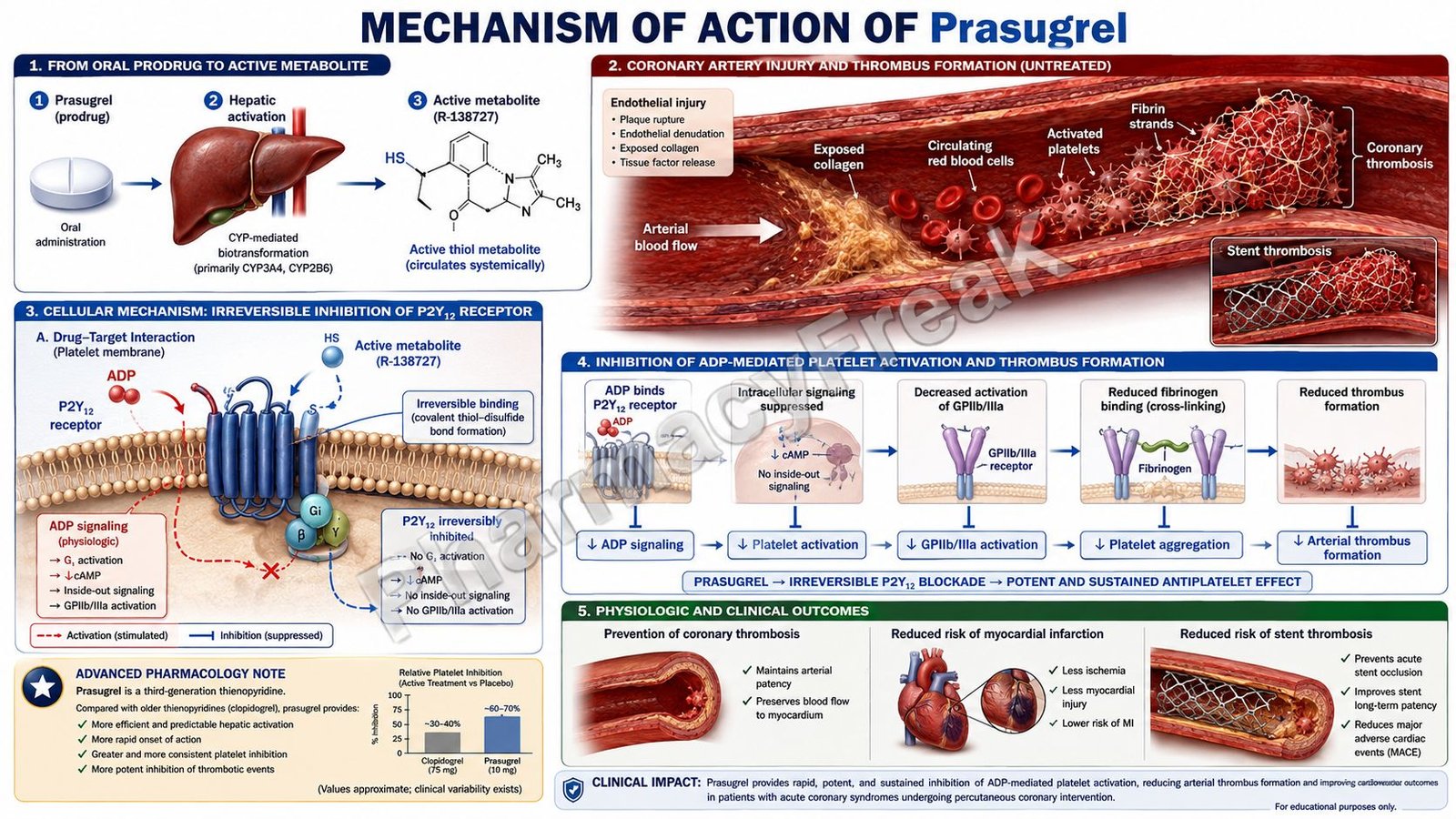
Mechanism of Action of Prasugrel

MOA of Prasugrel

Introduction Prasugrel is a thienopyridine antiplatelet drug used to prevent thrombotic cardiovascular events in patients with acute coronary syndrome undergoing percutaneous coronary intervention (PCI). It inhibits platelet activation and aggregation by irreversibly blocking ADP receptors on platelets. Compared with clopidogrel, prasugrel produces more rapid and potent platelet inhibition. Mechanism of Action (Step-wise) A key exam … Read more
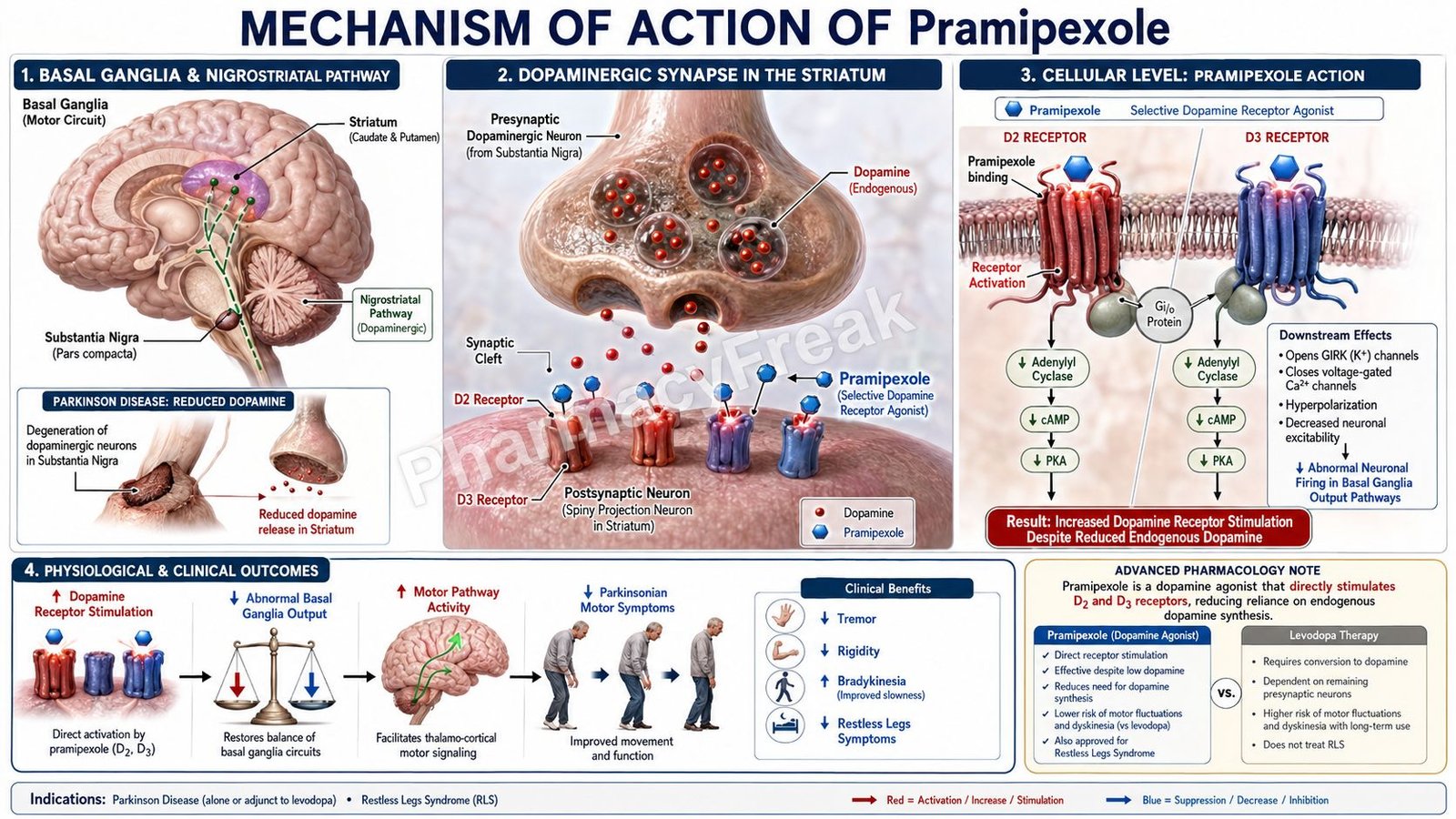
Mechanism of Action of Pramipexole

MOA of Pramipexole

Introduction Pramipexole is a dopamine agonist primarily used in the treatment of Parkinson disease and restless legs syndrome (RLS). It directly stimulates dopamine receptors in the brain, helping compensate for dopamine deficiency in the nigrostriatal pathway. Compared to levodopa, pramipexole has a lower risk of motor fluctuations early in therapy but may produce behavioral adverse … Read more

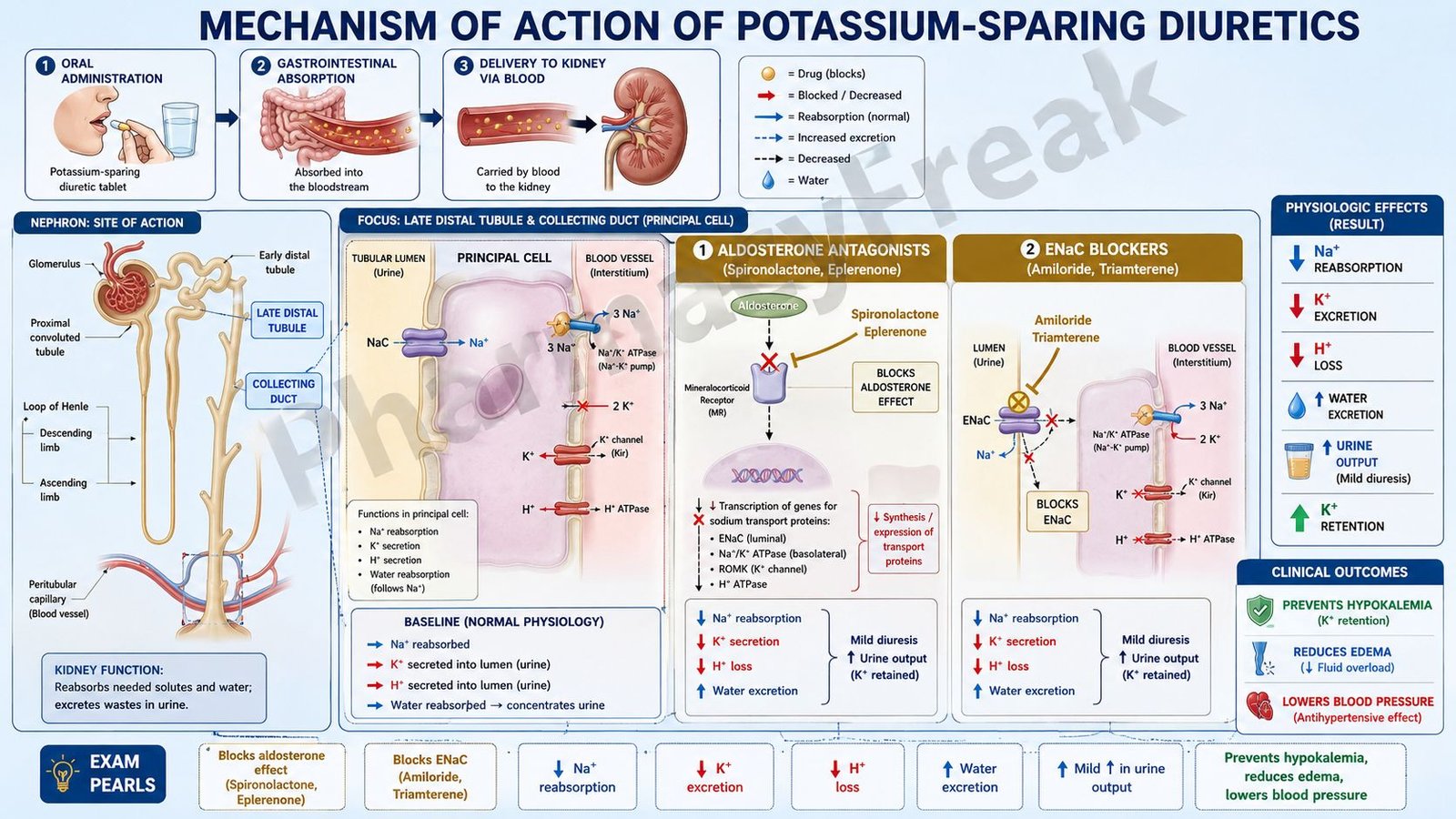
Mechanism of Action of Potassium-Sparing Diuretics

Mechanism of action of Potassium-Sparing Diuretics

Introduction Potassium-sparing diuretics are a group of diuretic drugs that increase sodium and water excretion while conserving potassium. They are mainly used in hypertension, heart failure, hyperaldosteronism, and conditions associated with potassium loss caused by other diuretics. Unlike loop and thiazide diuretics, potassium-sparing diuretics reduce potassium excretion and help prevent hypokalemia. Mechanism of Action (Step-wise) … Read more

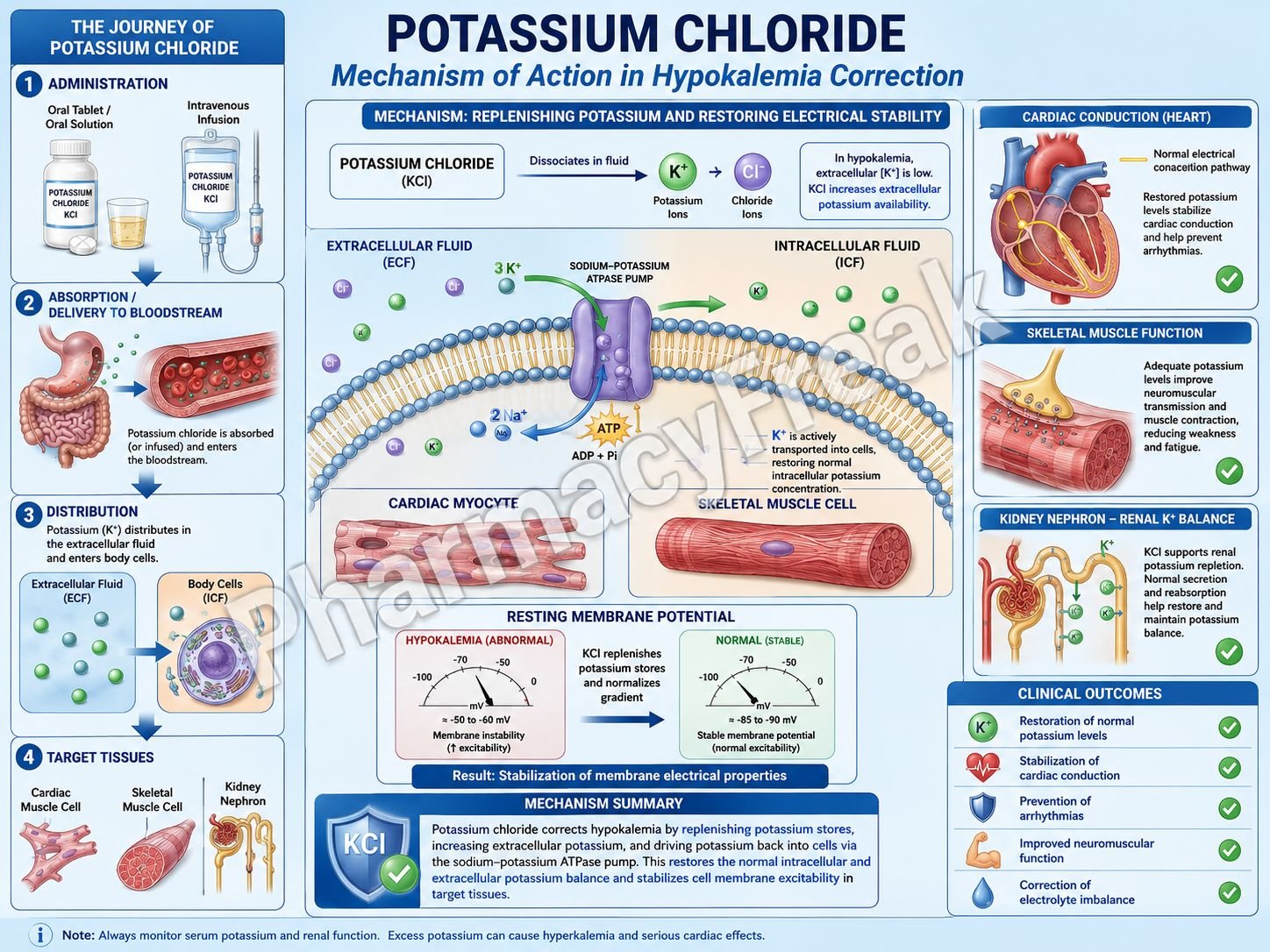
Mechanism of Action of Potassium Chloride

MOA of Potassium Chloride

Introduction Potassium chloride is an electrolyte replacement therapy used to prevent and treat hypokalemia. Potassium is the major intracellular cation and is essential for normal nerve conduction, muscle contraction, and cardiac electrical activity. Potassium chloride restores potassium balance and helps maintain normal cellular membrane potential and neuromuscular function. Mechanism of Action (Step-wise) A key exam … Read more
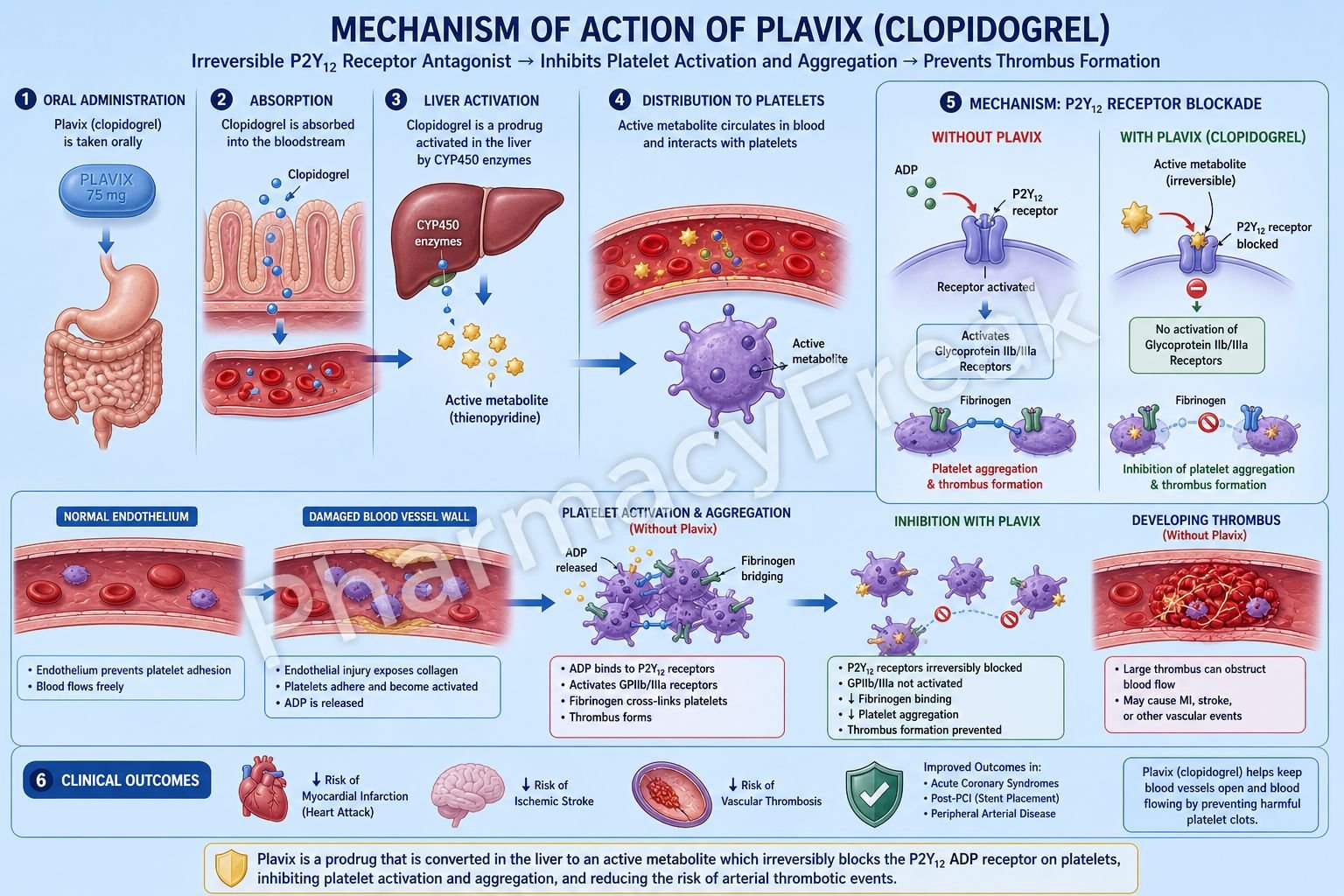
Mechanism of Action of Plavix (Clopidogrel)

Mechanism of Action of Plavix Flowchart

Introduction Plavix is the brand name for clopidogrel, an antiplatelet drug widely used in the prevention of thrombotic cardiovascular events. It inhibits platelet aggregation by blocking ADP-mediated platelet activation. Clopidogrel is commonly prescribed in patients with acute coronary syndrome, myocardial infarction, ischemic stroke, and after coronary stent placement. Mechanism of Action (Step-wise) A key exam … Read more
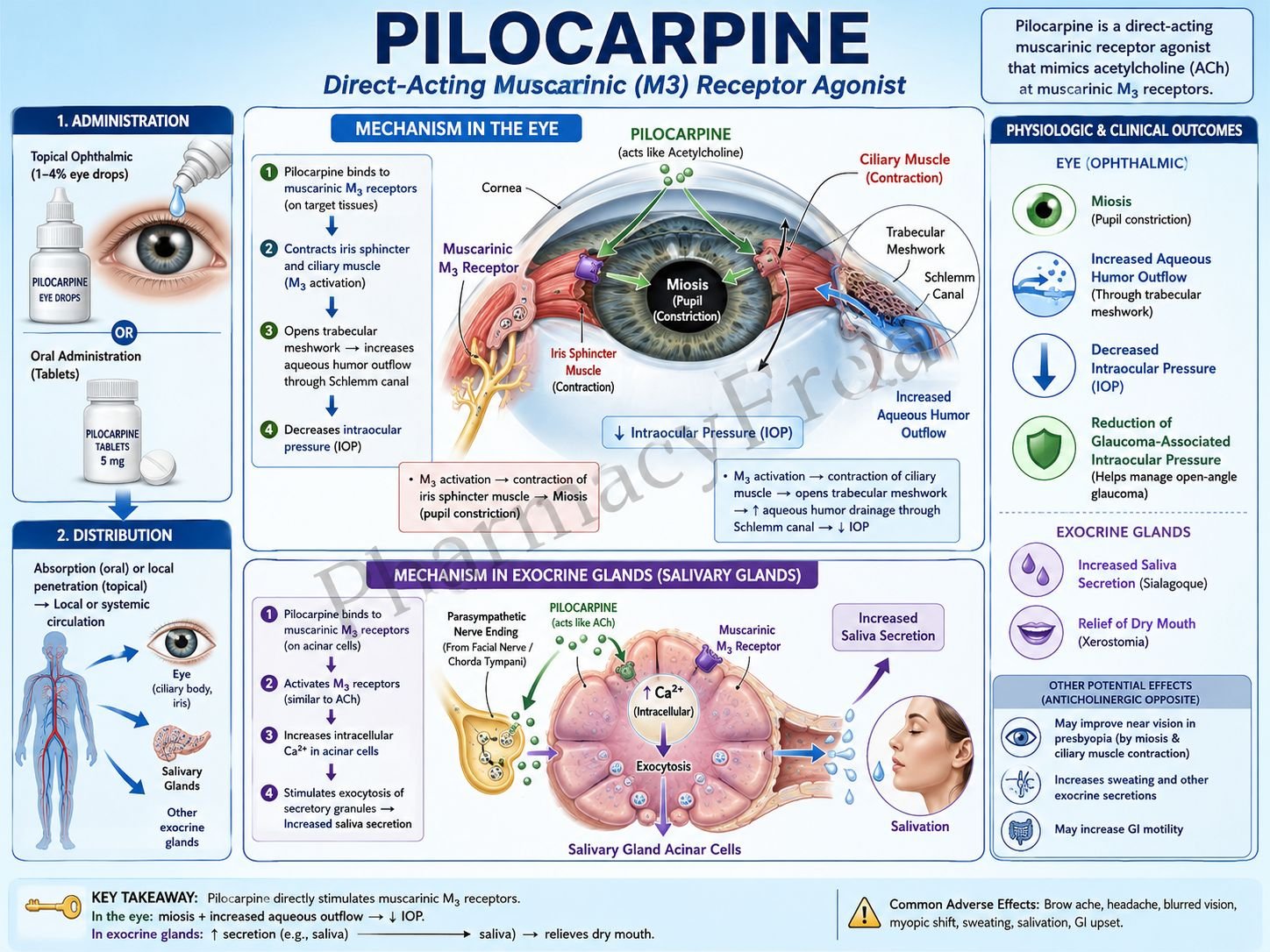
Mechanism of Action of Pilocarpine

Mechanism of action of Pilocarpine

Introduction Pilocarpine is a direct-acting muscarinic receptor agonist used primarily in glaucoma and xerostomia. It mimics the action of acetylcholine at muscarinic receptors, producing parasympathetic effects. In ophthalmology, pilocarpine lowers intraocular pressure by increasing aqueous humor outflow. It is also used to stimulate salivary secretion in conditions such as Sjögren syndrome. Mechanism of Action (Step-wise) … Read more

PRO
Ad-Free Access
$3.99 / month
  • No Interruptions
  • Faster Page Loads
  • Support Content Creators