Trusted by 50K+ Pharmacy StudentsHigh Quality Notes, MCQs, Mock Tests & Study ResourcesGo Premium (Ads Free)
Pharmacy Freak

Mechanism of Action of Ramipril
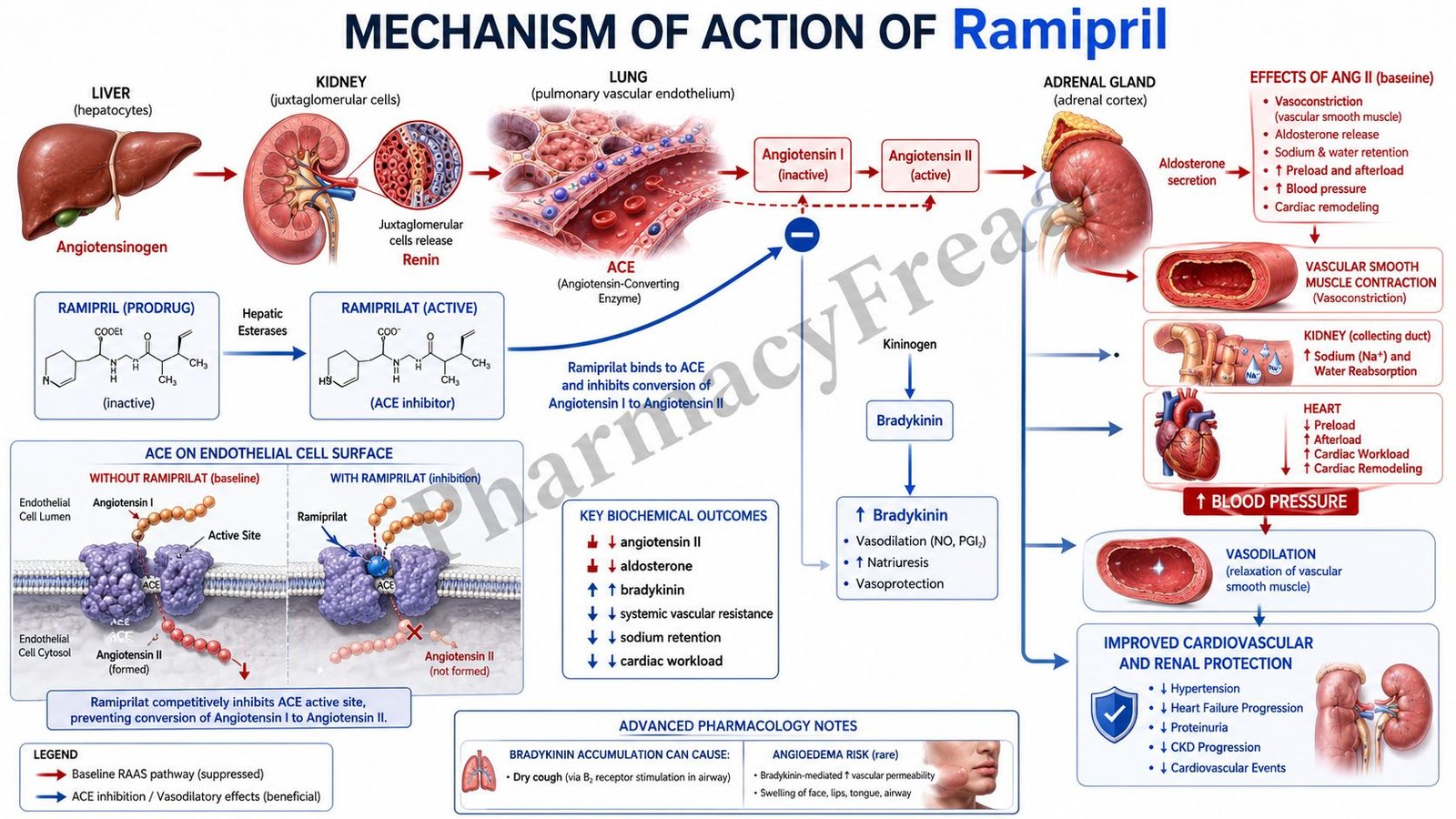
Mechanism of Action of Ramipril

Introduction Ramipril is an angiotensin-converting enzyme (ACE) inhibitor widely used in hypertension, heart failure, diabetic nephropathy, and cardiovascular risk reduction. It lowers blood pressure by inhibiting formation of angiotensin II and reducing aldosterone secretion. Ramipril also increases bradykinin levels, contributing to vasodilation and cardiovascular protection. Mechanism of Action (Step-wise) A key exam point is that … Read more
Mechanism of Action of Raloxifene

Mechanism of action of Raloxifene

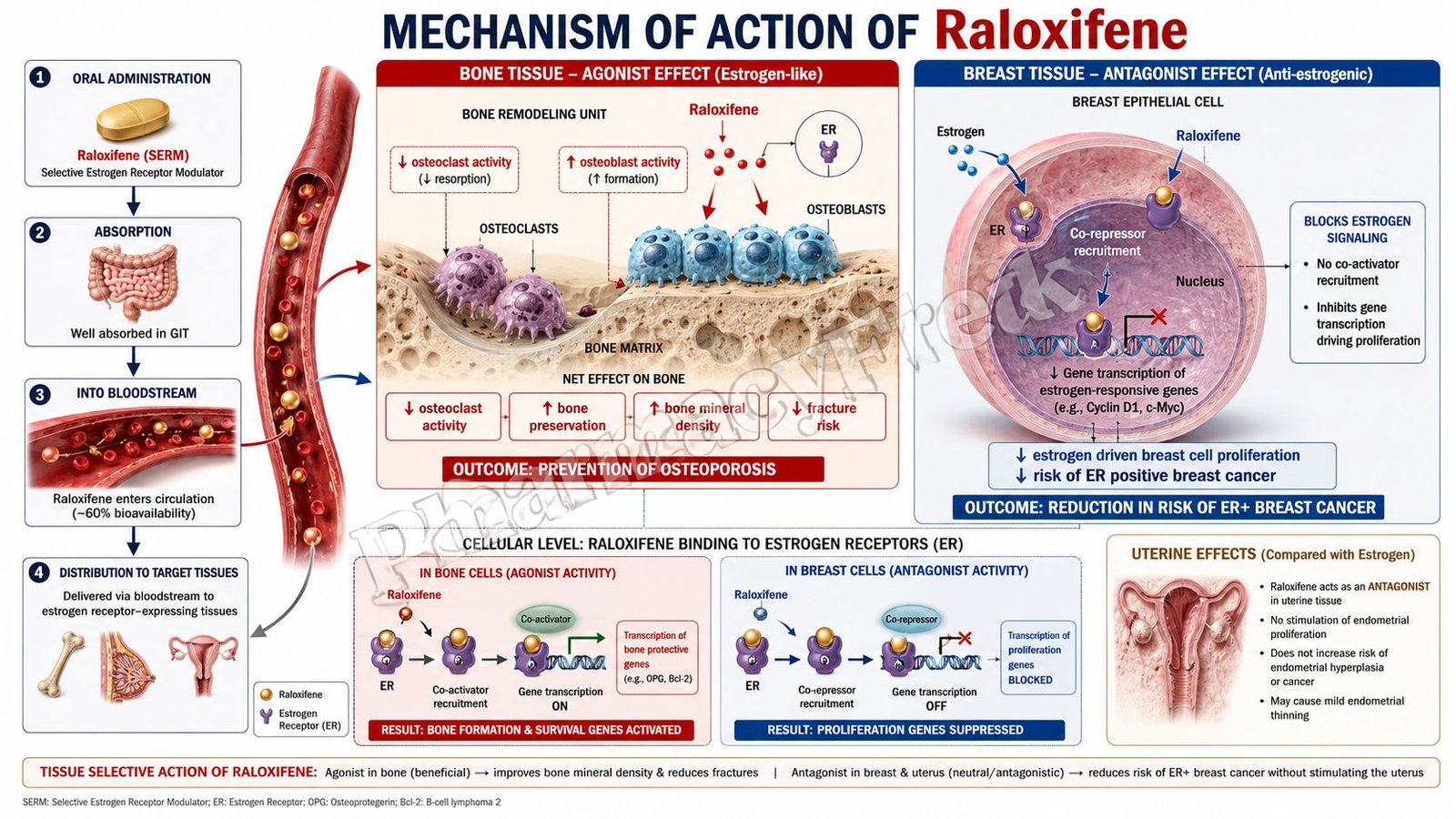
Introduction Raloxifene is a selective estrogen receptor modulator (SERM) used primarily in the prevention and treatment of osteoporosis in postmenopausal women. It exhibits estrogen agonist effects on bone and lipid metabolism while acting as an estrogen antagonist in breast and uterine tissue. This tissue-selective activity allows raloxifene to provide beneficial skeletal effects with reduced risk … Read more

Mechanism of Action of Racecadotril

MOA of Racecadotril

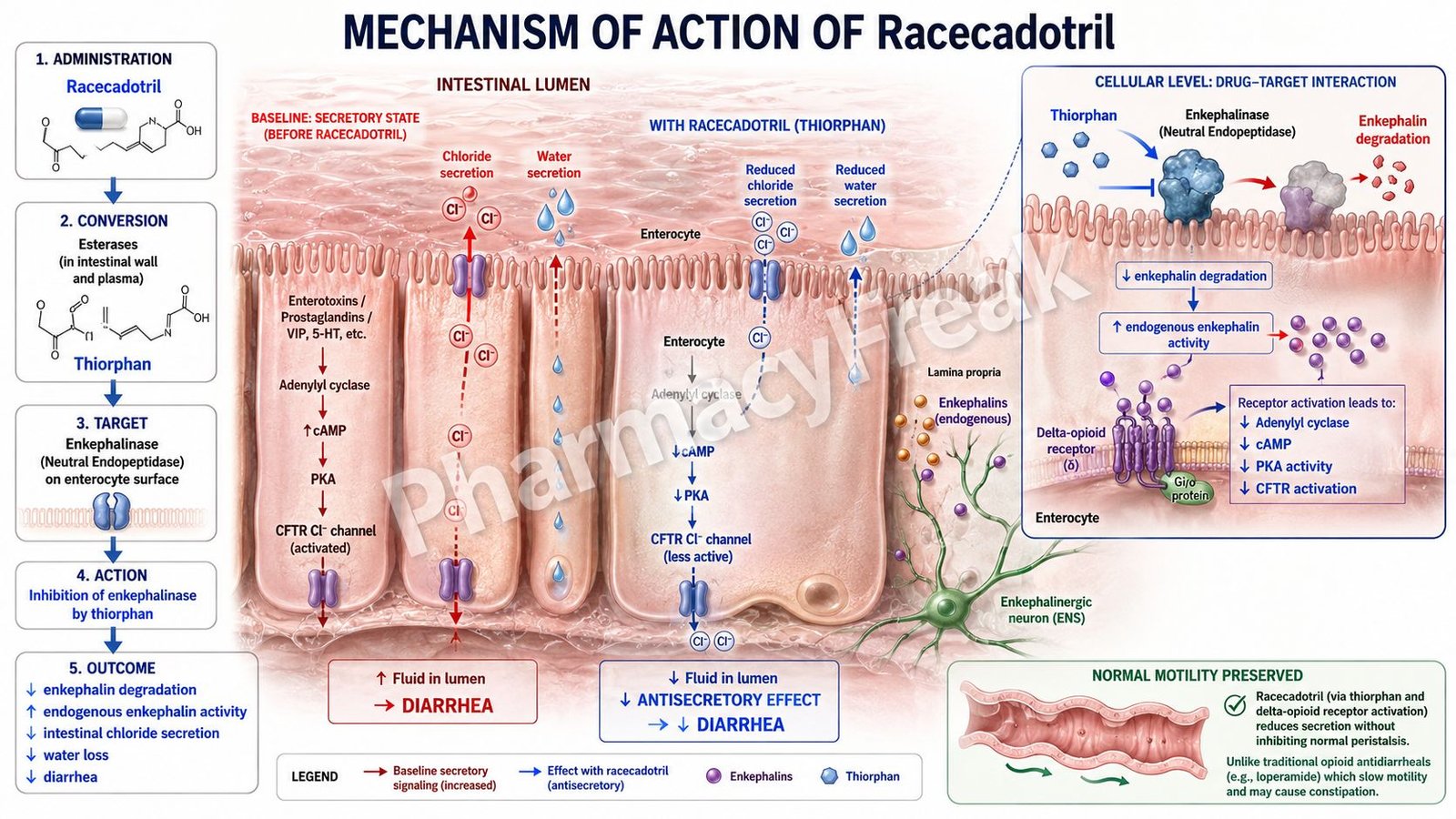
Introduction Racecadotril is an antidiarrheal drug used mainly in acute secretory diarrhea. Unlike opioid-based antidiarrheal agents, it does not significantly reduce intestinal motility. Racecadotril acts by inhibiting enkephalinase, thereby enhancing endogenous enkephalin activity in the gastrointestinal tract and reducing excessive intestinal secretion. Mechanism of Action (Step-wise) A key exam point is that racecadotril inhibits enkephalinase, … Read more

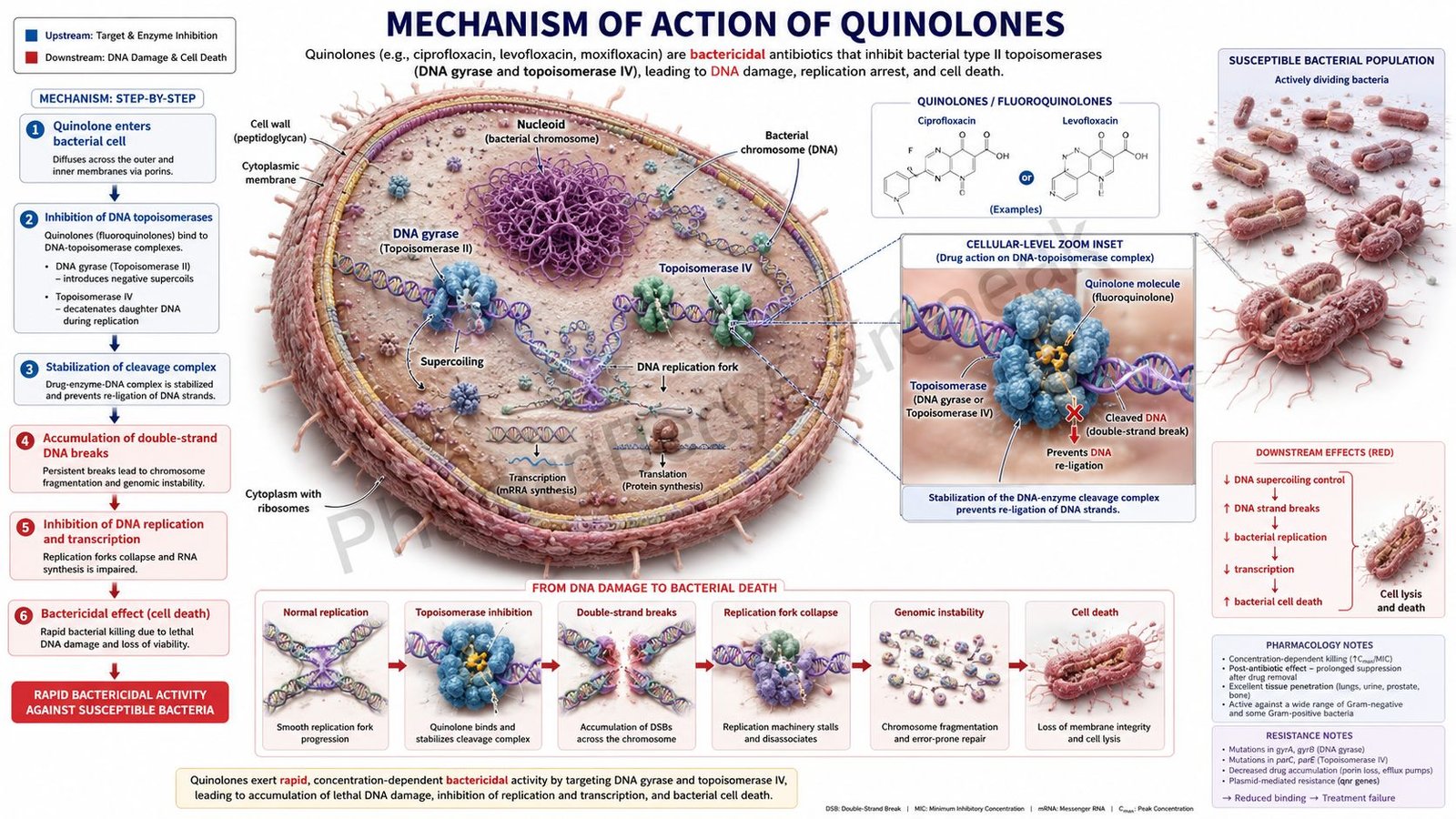
Mechanism of Action of Quinolones

MOA of Quinolones

Introduction Quinolones, also known as fluoroquinolones, are broad-spectrum antibacterial agents used to treat various bacterial infections including urinary tract infections, respiratory tract infections, gastrointestinal infections, and certain sexually transmitted diseases. These drugs act by inhibiting bacterial DNA replication and transcription through interference with bacterial topoisomerase enzymes. Mechanism of Action (Step-wise) A key exam point is … Read more

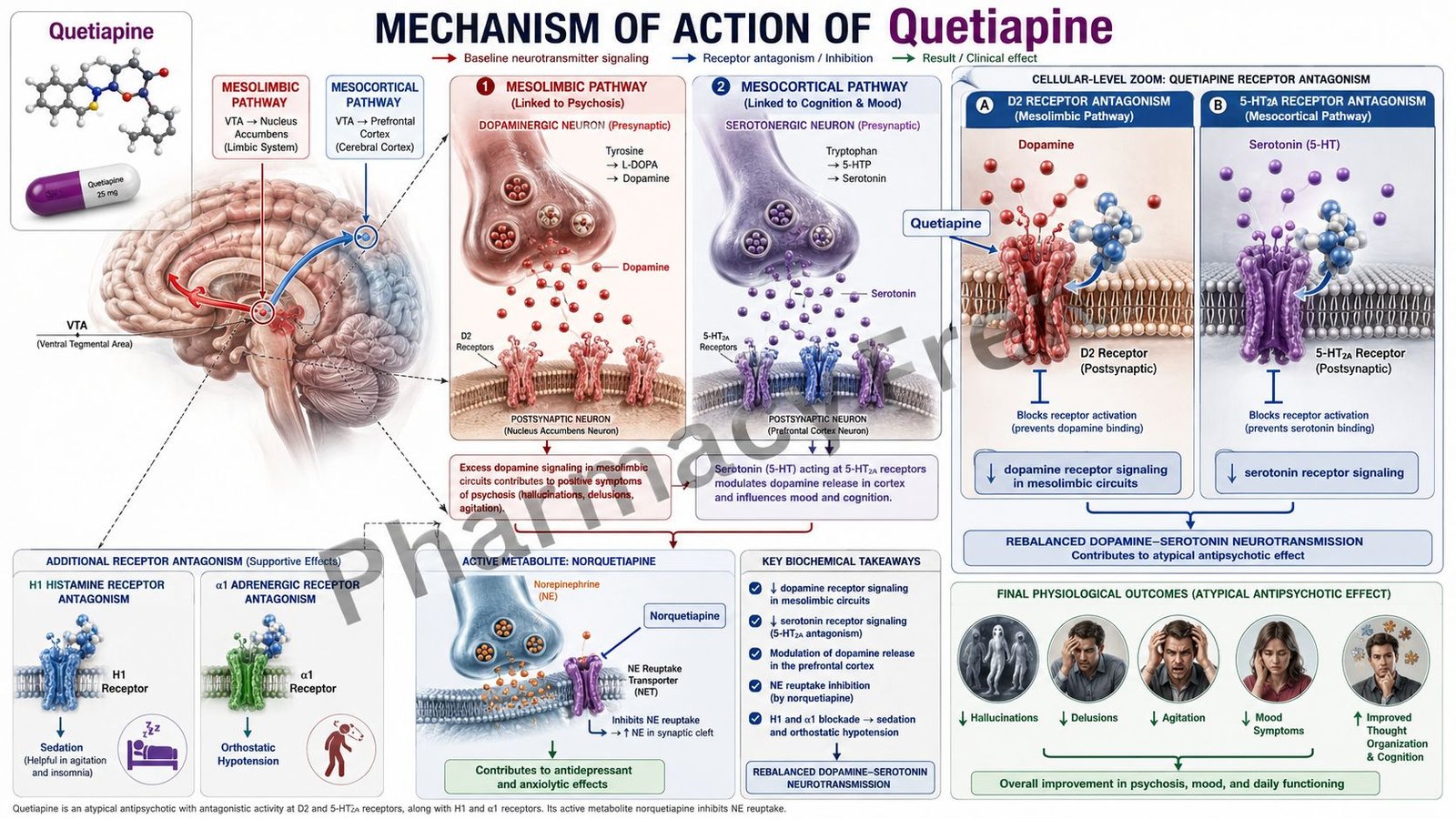
Mechanism of Action of Quetiapine

MOA of Quetiapine

Introduction Quetiapine is an atypical antipsychotic medication used in schizophrenia, bipolar disorder, and major depressive disorder. It acts on multiple neurotransmitter receptors in the central nervous system, particularly dopamine and serotonin receptors. Compared with typical antipsychotics, quetiapine has lower risk of extrapyramidal side effects because of its serotonin-dopamine antagonistic profile. Mechanism of Action (Step-wise) A … Read more

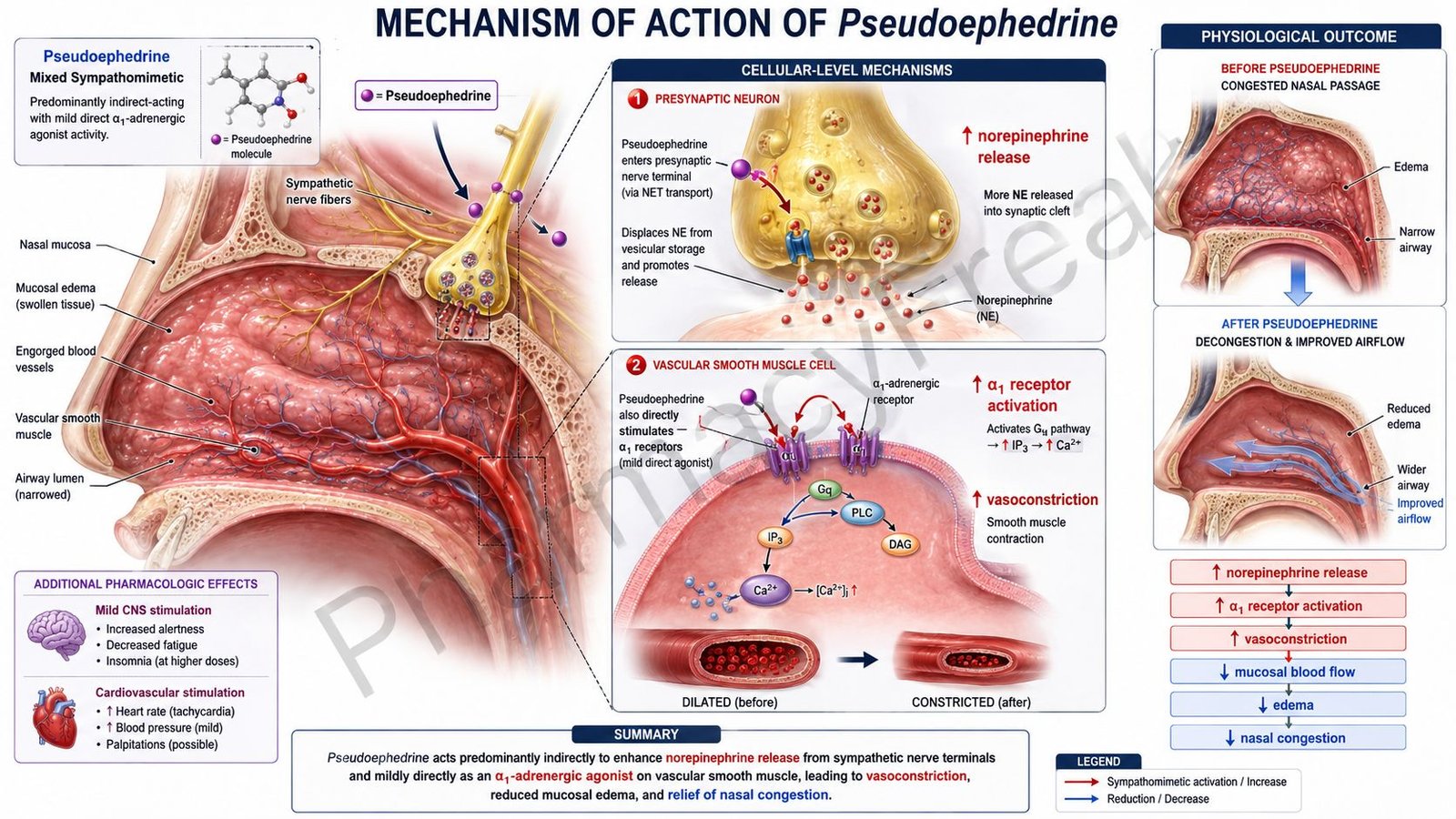
Mechanism of Action of Pseudoephedrine

Mechanism of action of Pseudoephedrine

Introduction Pseudoephedrine is a sympathomimetic decongestant commonly used to relieve nasal congestion associated with colds, allergies, and sinusitis. It acts primarily by stimulating adrenergic receptors and promoting vasoconstriction in the nasal mucosa. This reduces swelling and improves airflow through the nasal passages. Mechanism of Action (Step-wise) A key exam point is that pseudoephedrine relieves nasal … Read more

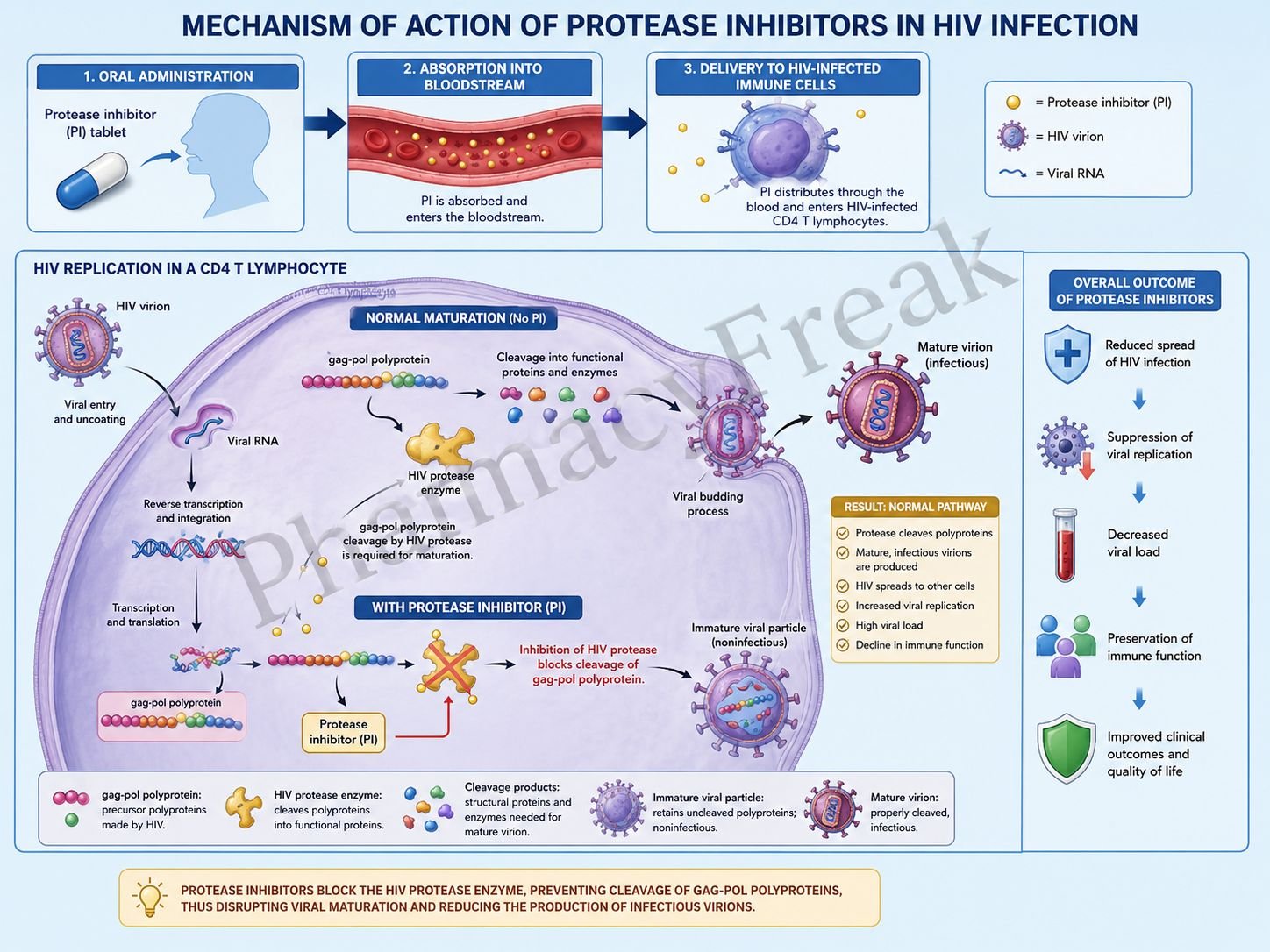
Mechanism of Action of Protease Inhibitors

MOA of Protease Inhibitors

Introduction Protease inhibitors are antiviral drugs primarily used in the treatment of human immunodeficiency virus (HIV) infection and, in some cases, hepatitis C virus (HCV) infection. In HIV therapy, these drugs inhibit the viral protease enzyme required for maturation of infectious viral particles. Protease inhibitors are an important component of highly active antiretroviral therapy (HAART) … Read more

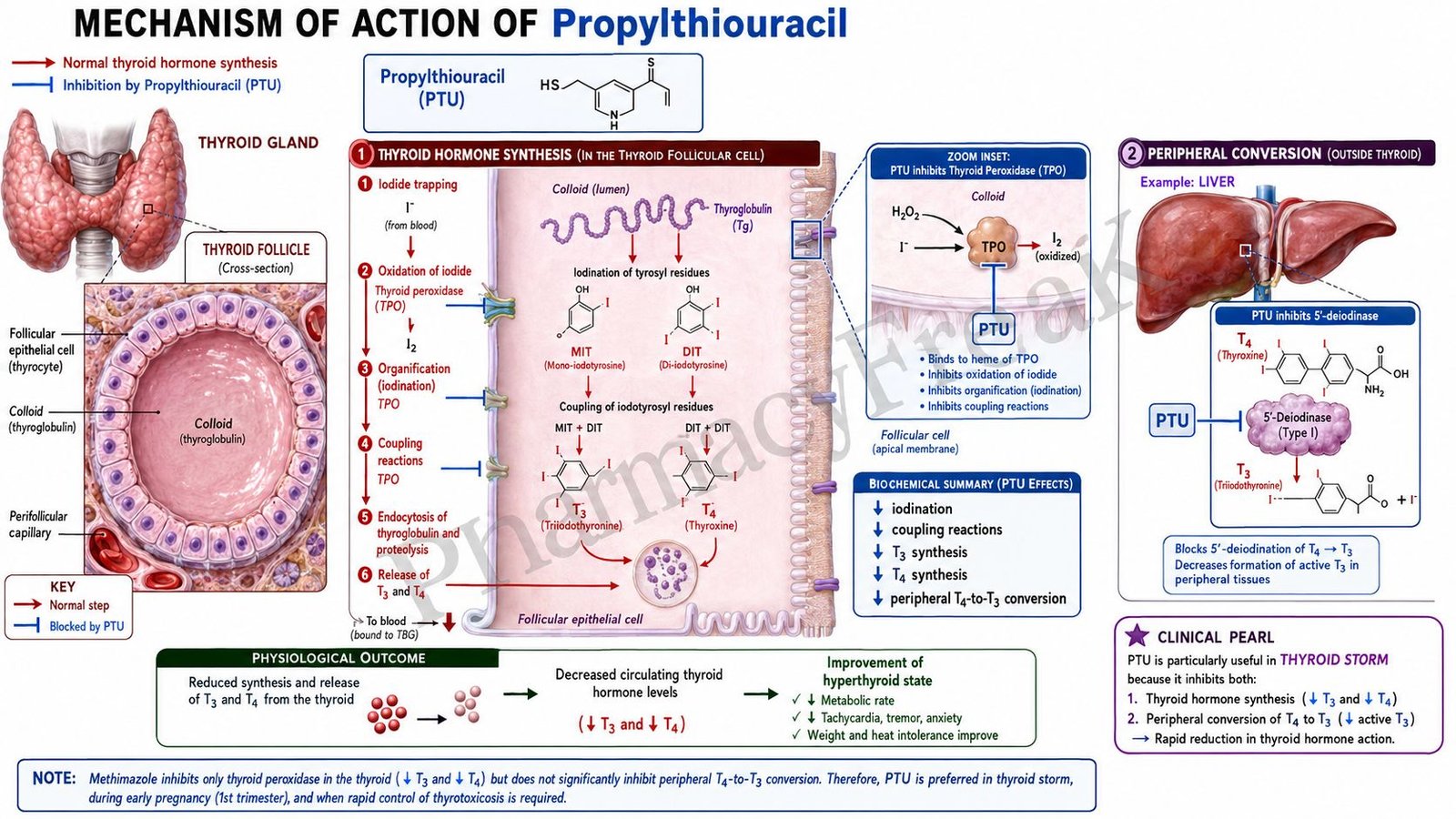
Mechanism of Action of Propylthiouracil

Introduction Propylthiouracil (PTU) is an antithyroid drug used in the treatment of hyperthyroidism and thyrotoxicosis, especially Graves disease. It belongs to the thioamide class and works by inhibiting thyroid hormone synthesis. PTU also decreases peripheral conversion of thyroxine (T4) to triiodothyronine (T3), making it particularly useful in thyroid storm. Mechanism of Action (Step-wise) A key … Read more

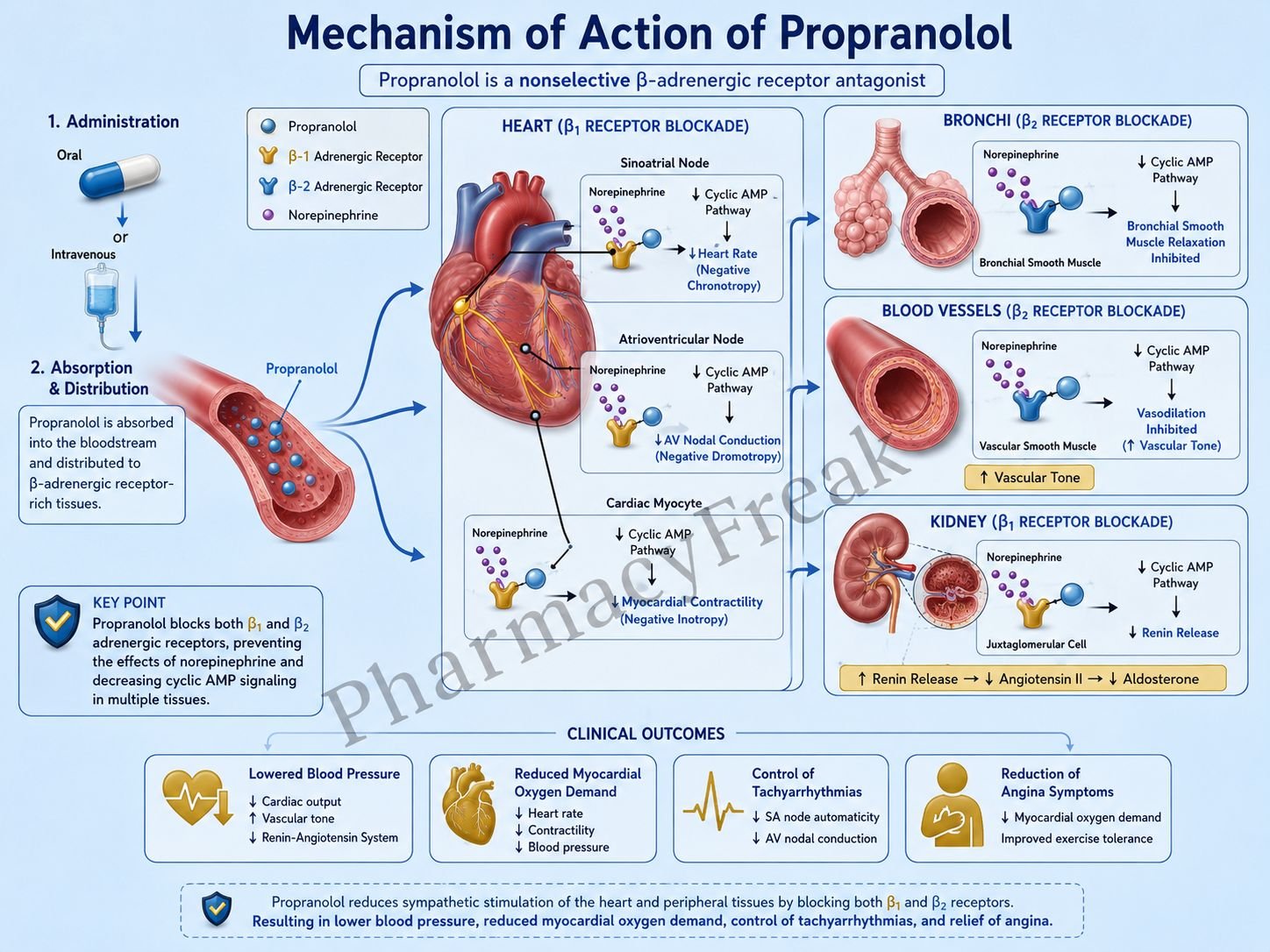
Mechanism of Action of Propranolol

Mechanism of Action of Propranolol

Introduction Propranolol is a nonselective β-adrenergic receptor blocker widely used in cardiovascular, neurologic, and endocrine disorders. It blocks both β1 and β2 adrenergic receptors, reducing sympathetic nervous system activity. Propranolol is commonly prescribed in hypertension, angina, arrhythmias, essential tremor, migraine prophylaxis, and hyperthyroidism. Mechanism of Action (Step-wise) A key exam point is that propranolol is … Read more

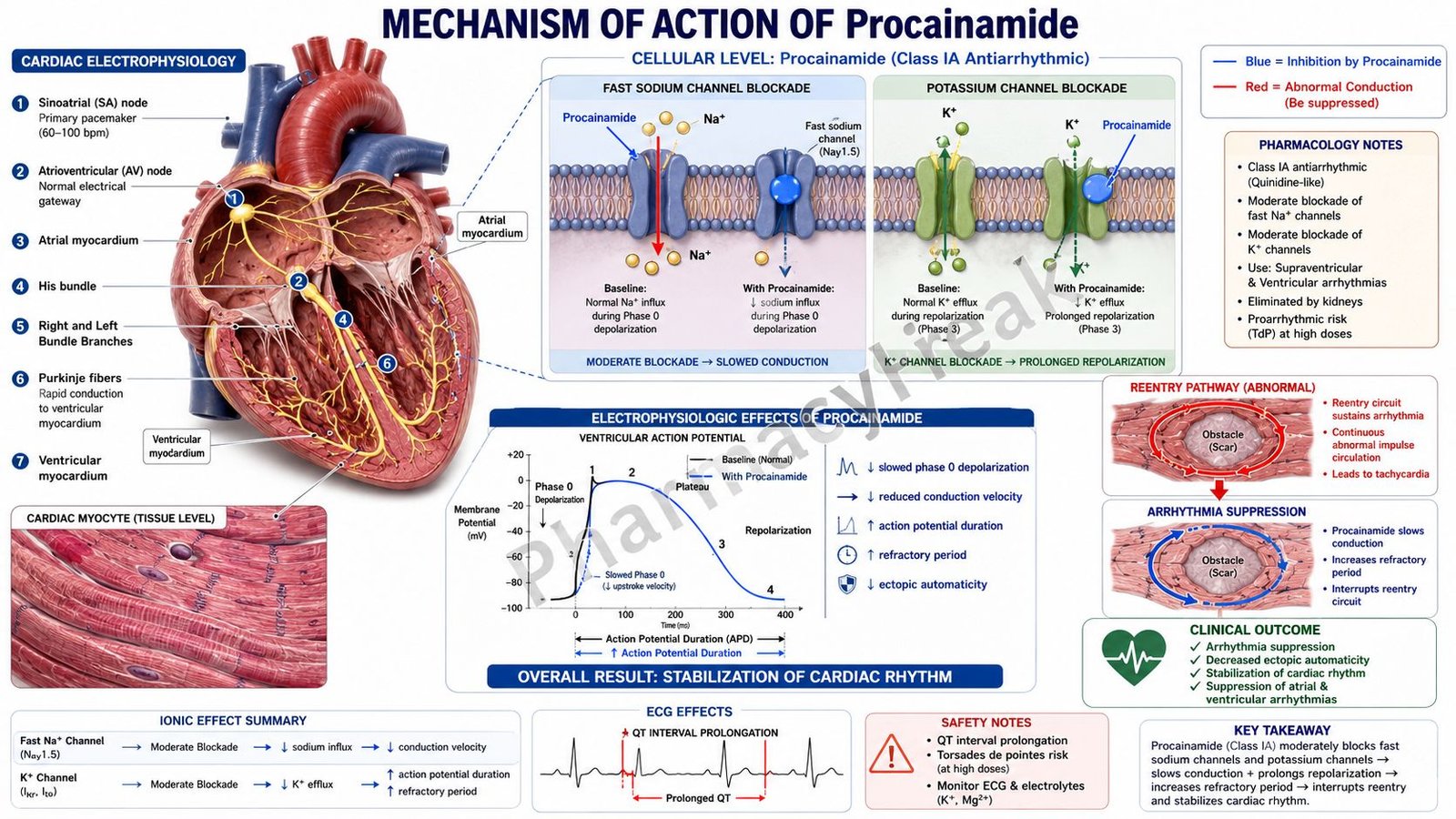
Mechanism of Action of Procainamide

Mechanism of action of Procainamide

Introduction Procainamide is a class IA antiarrhythmic drug used in the management of atrial and ventricular arrhythmias. It works by blocking sodium channels in cardiac tissue, thereby slowing impulse conduction and prolonging repolarization. Procainamide is particularly useful in ventricular tachycardia and certain supraventricular arrhythmias, including arrhythmias associated with Wolff-Parkinson-White syndrome. Mechanism of Action (Step-wise) A … Read more

PRO
Ad-Free Access
$3.99 / month
  • No Interruptions
  • Faster Page Loads
  • Support Content Creators