Trusted by 50K+ Pharmacy StudentsHigh Quality Notes, MCQs, Mock Tests & Study ResourcesGo Premium (Ads Free)
Pharmacy Freak

Mechanism of Action of Atypical Antipsychotics (Second-Generation)
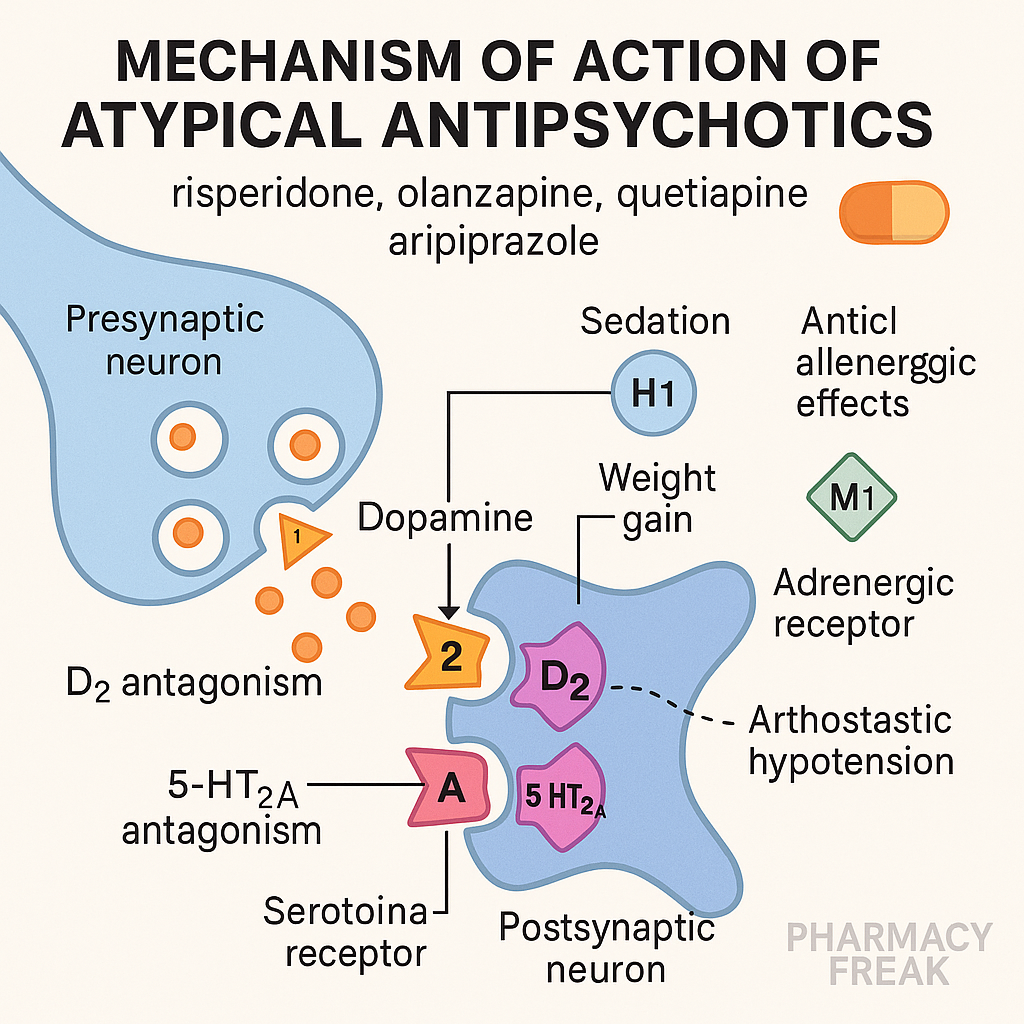
Atypical antipsychotics MOA – D2 and 5-HT2A receptor action in schizophrenia

Introduction Atypical antipsychotics, also known as second-generation antipsychotics (SGAs), are widely used in the treatment of schizophrenia, bipolar disorder, major depressive disorder (as adjuncts), and autism-related irritability. Compared to typical antipsychotics, they offer fewer extrapyramidal symptoms (EPS) and better control of negative symptoms of schizophrenia due to their dual action on dopamine and serotonin receptors. … Read more
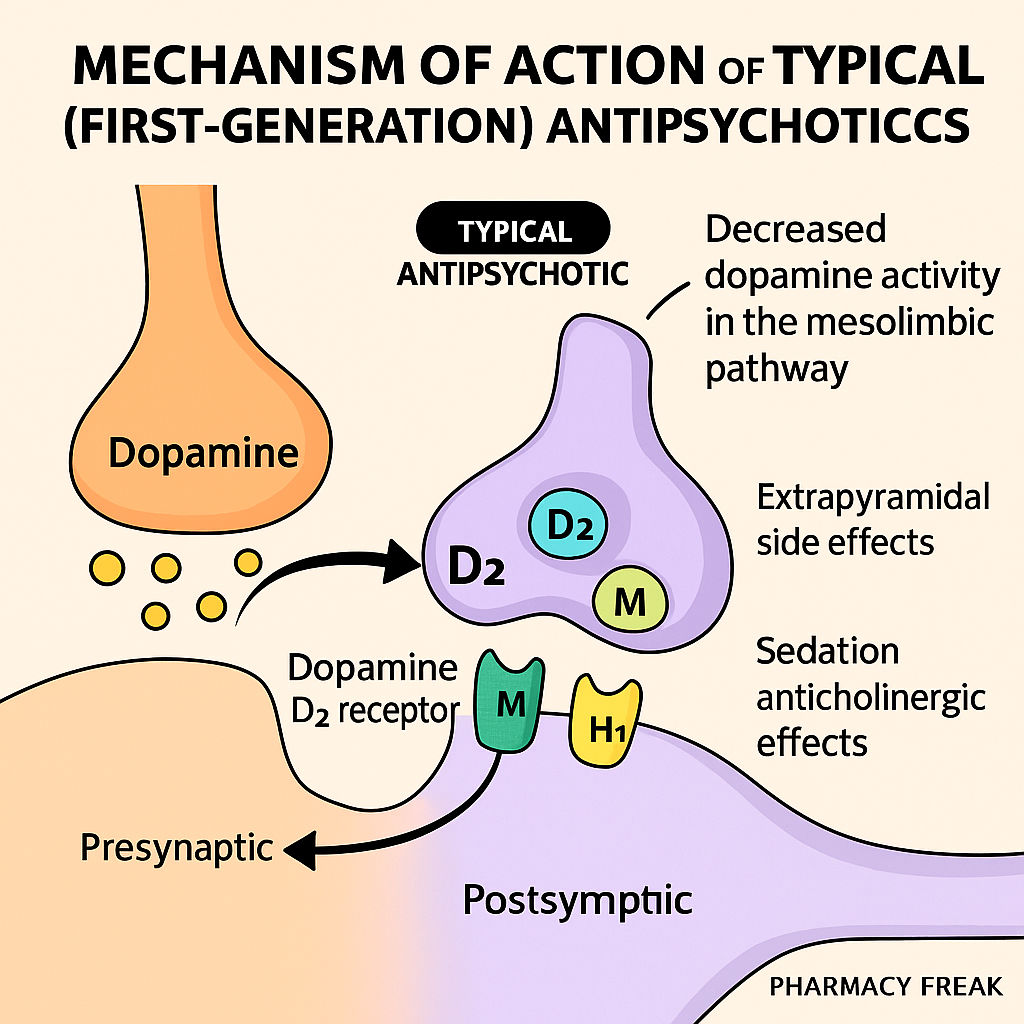
Mechanism of Action of Typical Antipsychotics (First-Generation)

Typical antipsychotics MOA – D2 receptor antagonism in mesolimbic pathway

Introduction Typical antipsychotics, also known as first-generation antipsychotics (FGAs), are primarily used to treat schizophrenia, acute psychosis, and manic episodes. Their therapeutic effect is mainly due to dopamine D2 receptor antagonism in the brain. However, this same action also causes many extrapyramidal side effects (EPS) and hyperprolactinemia. Common FGAs include: These drugs are frequently covered … Read more

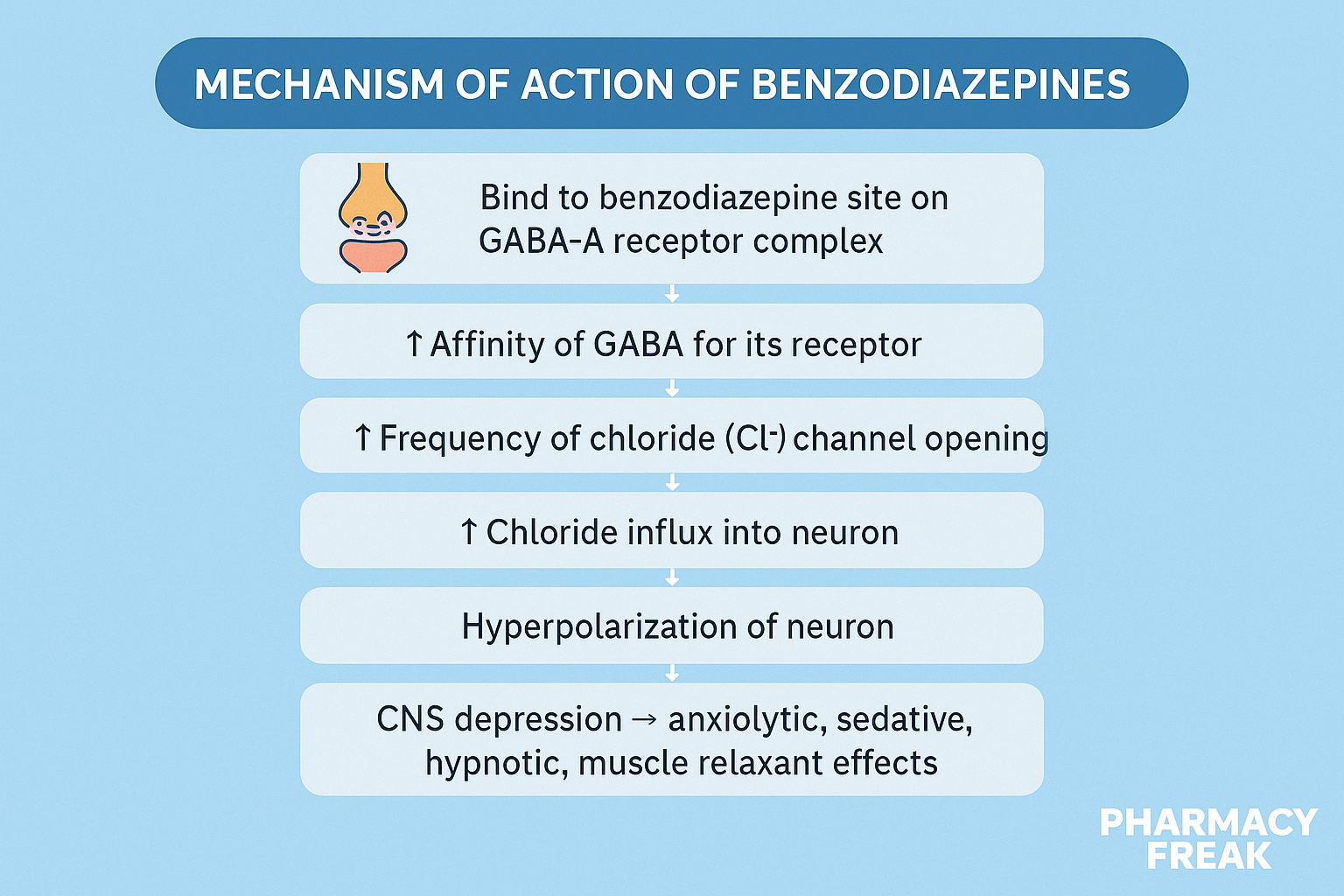
Mechanism of Action of Benzodiazepines

Benzodiazepines mechanism – GABA-A receptor binding and CNS depression

Introduction Benzodiazepines are a class of psychoactive drugs widely used for their anxiolytic, sedative, hypnotic, anticonvulsant, and muscle relaxant effects. They are commonly prescribed in conditions like generalized anxiety disorder (GAD), insomnia, status epilepticus, and alcohol withdrawal. Popular benzodiazepines include: These drugs are important for exams like USMLE, NCLEX, GPAT, and NEET-PG. Stepwise Mechanism of … Read more

Mechanism of Action of Tricyclic Antidepressants (TCAs)

TCA mechanism – serotonin and norepinephrine reuptake inhibition with receptor blockade

Introduction Tricyclic antidepressants (TCAs) are one of the oldest classes of antidepressant medications. Although largely replaced by SSRIs due to their improved safety profiles, TCAs are still widely used for treatment-resistant depression, neuropathic pain, and other off-label conditions. They work by inhibiting the reuptake of norepinephrine and serotonin, thereby increasing the levels of these neurotransmitters … Read more

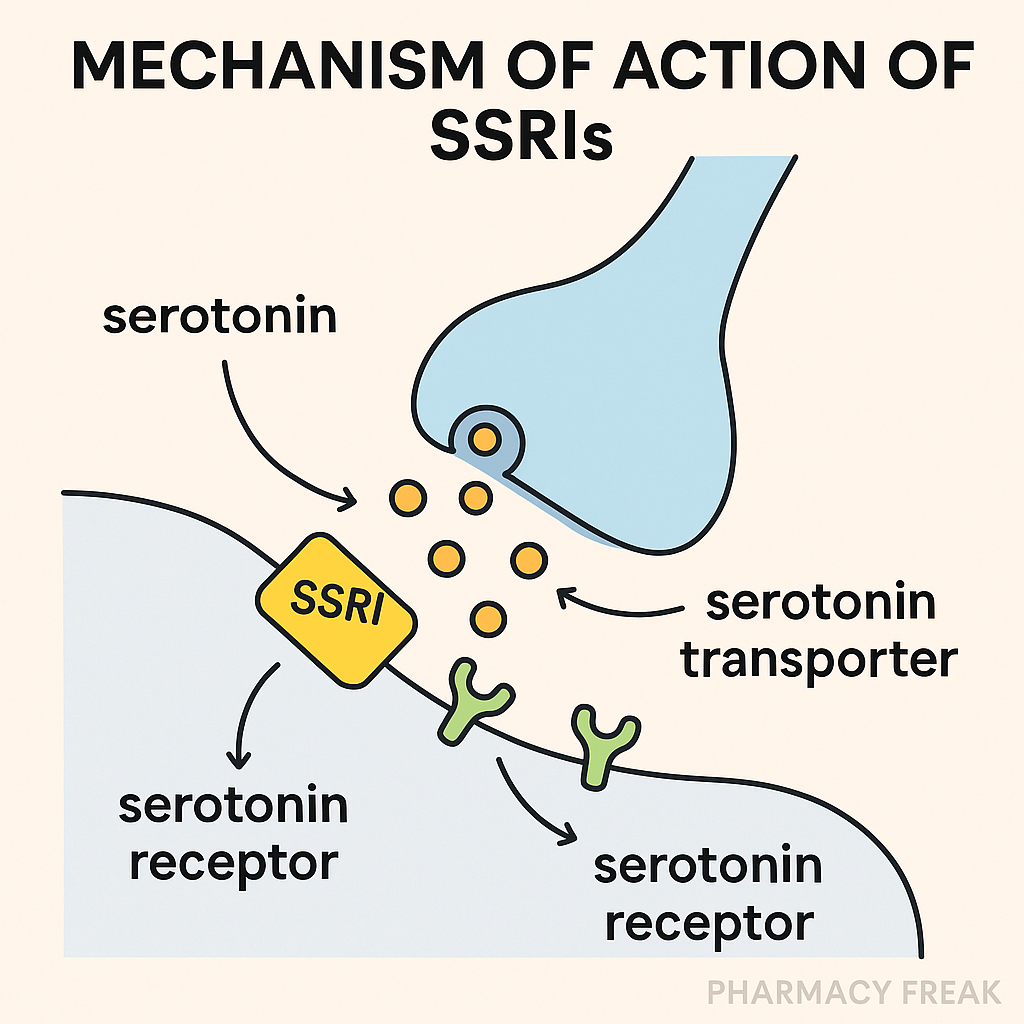
Mechanism of Action of SSRIs (Selective Serotonin Reuptake Inhibitors)

SSRIs mechanism – serotonin reuptake inhibition in synaptic cleft

Mechanism of Action of SSRIs (Selective Serotonin Reuptake Inhibitors) Introduction Selective Serotonin Reuptake Inhibitors (SSRIs) are first-line antidepressants commonly used in the treatment of major depressive disorder, generalized anxiety disorder, panic disorder, and other psychiatric conditions. They act by increasing the availability of serotonin (5-HT) in the synaptic cleft and are preferred for their favorable … Read more

Mechanism of Action of Alpha-Glucosidase Inhibitors

Alpha-glucosidase inhibitors mechanism – delayed carbohydrate digestion at intestinal brush border

Introduction Alpha-glucosidase inhibitors are oral antidiabetic agents that reduce postprandial hyperglycemia by delaying carbohydrate digestion and glucose absorption in the intestine. These drugs are especially effective when taken with meals rich in complex carbohydrates. Commonly used agents include: Unlike insulin-dependent agents, they work locally in the gut and have no direct effect on insulin secretion, … Read more

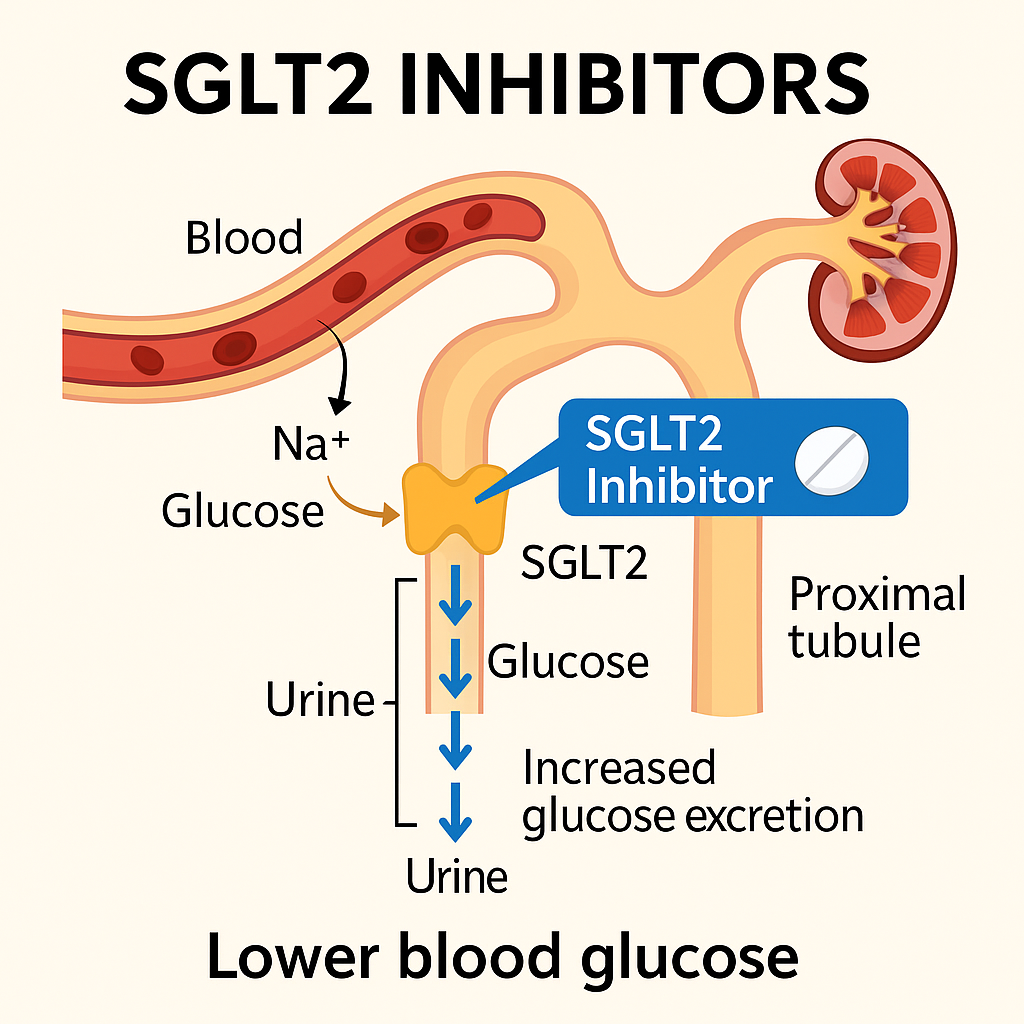
Mechanism of Action of SGLT2 Inhibitors

SGLT2 inhibitors mechanism – increased glucose excretion via renal tubules

Introduction SGLT2 Inhibitors, or sodium-glucose co-transporter 2 inhibitors, are a newer class of oral antidiabetic drugs that reduce blood glucose levels by promoting urinary glucose excretion. Unlike insulin-dependent drugs, they work via the kidneys and help in both glycemic control and weight reduction. Commonly used SGLT2 inhibitors include: These drugs are now also used for … Read more

Mechanism of Action of DPP-4 Inhibitors

DPP-4 inhibitors mechanism – incretin hormone enhancement via enzyme blockade

Introduction Dipeptidyl Peptidase-4 (DPP-4) Inhibitors, commonly referred to as gliptins, are oral antidiabetic drugs that enhance the action of incretin hormones, especially GLP-1 (glucagon-like peptide-1) and GIP (glucose-dependent insulinotropic peptide). They help regulate postprandial and fasting blood glucose levels in patients with type 2 diabetes mellitus. Commonly used DPP-4 inhibitors include: These agents are known … Read more

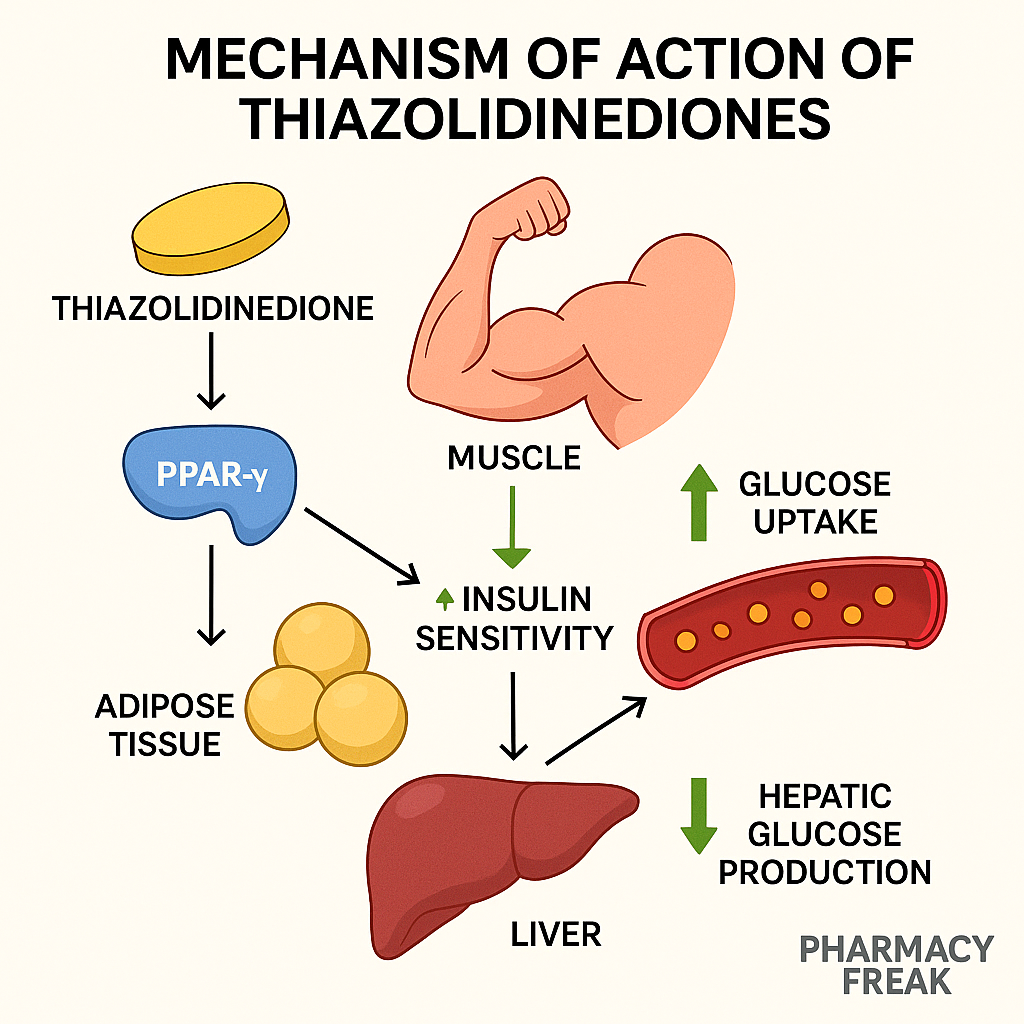
Mechanism of Action of Thiazolidinediones

TZD mechanism – PPAR gamma activation and insulin sensitivity improvement

Introduction Thiazolidinediones (TZDs), also known as glitazones, are oral antidiabetic drugs used to improve insulin sensitivity in patients with type 2 diabetes mellitus. Unlike insulin secretagogues, TZDs do not stimulate insulin release—they enhance the body’s response to insulin. Common examples include: They act by binding to PPAR-γ (peroxisome proliferator-activated receptor gamma) and modulating gene transcription, … Read more

Mechanism of Action of Meglitinides

Meglitinides mechanism – insulin secretion by SUR1-mediated KATP channel blockade

Introduction Meglitinides, also known as glinides, are short-acting insulin secretagogues used in the treatment of type 2 diabetes mellitus. They function similarly to sulfonylureas but have a more rapid onset and shorter duration of action, making them ideal for postprandial glucose control. Common meglitinides include: These drugs are especially useful for meal-time glucose spikes and … Read more

PRO
Ad-Free Access
$3.99 / month
  • No Interruptions
  • Faster Page Loads
  • Support Content Creators