Trusted by 50K+ Pharmacy StudentsHigh Quality Notes, MCQs, Mock Tests & Study ResourcesGo Premium (Ads Free)
Pharmacy Freak

Mechanism of Action of Ethambutol
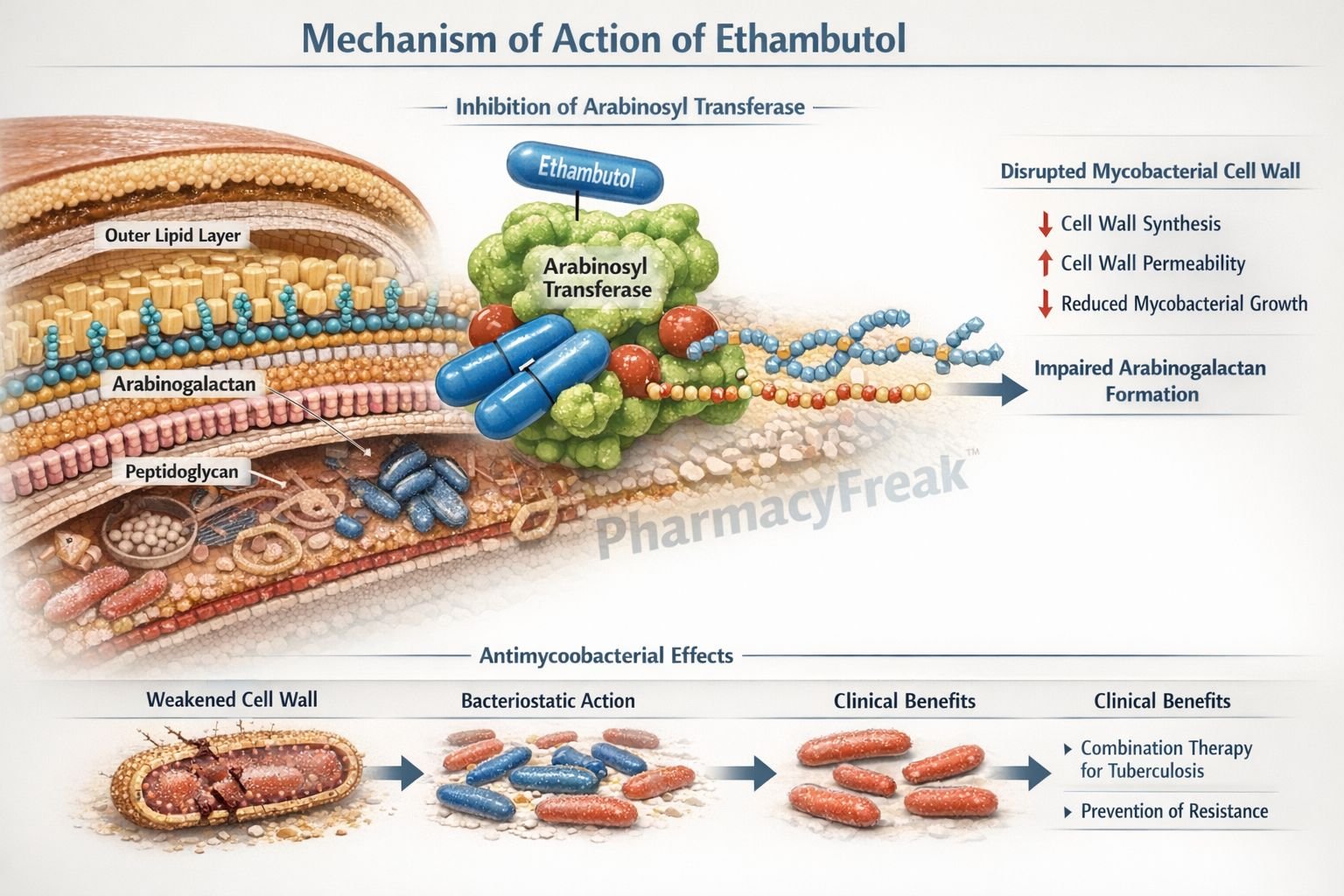
Mechanism of Action of Ethambutol

Introduction Ethambutol is a first-line antitubercular drug used as part of combination therapy for the treatment of tuberculosis. It is classified as a bacteriostatic agent and plays a crucial role in preventing the emergence of drug resistance when used with other anti-TB drugs such as isoniazid and rifampicin. Ethambutol is high-yield for examinations because of … Read more
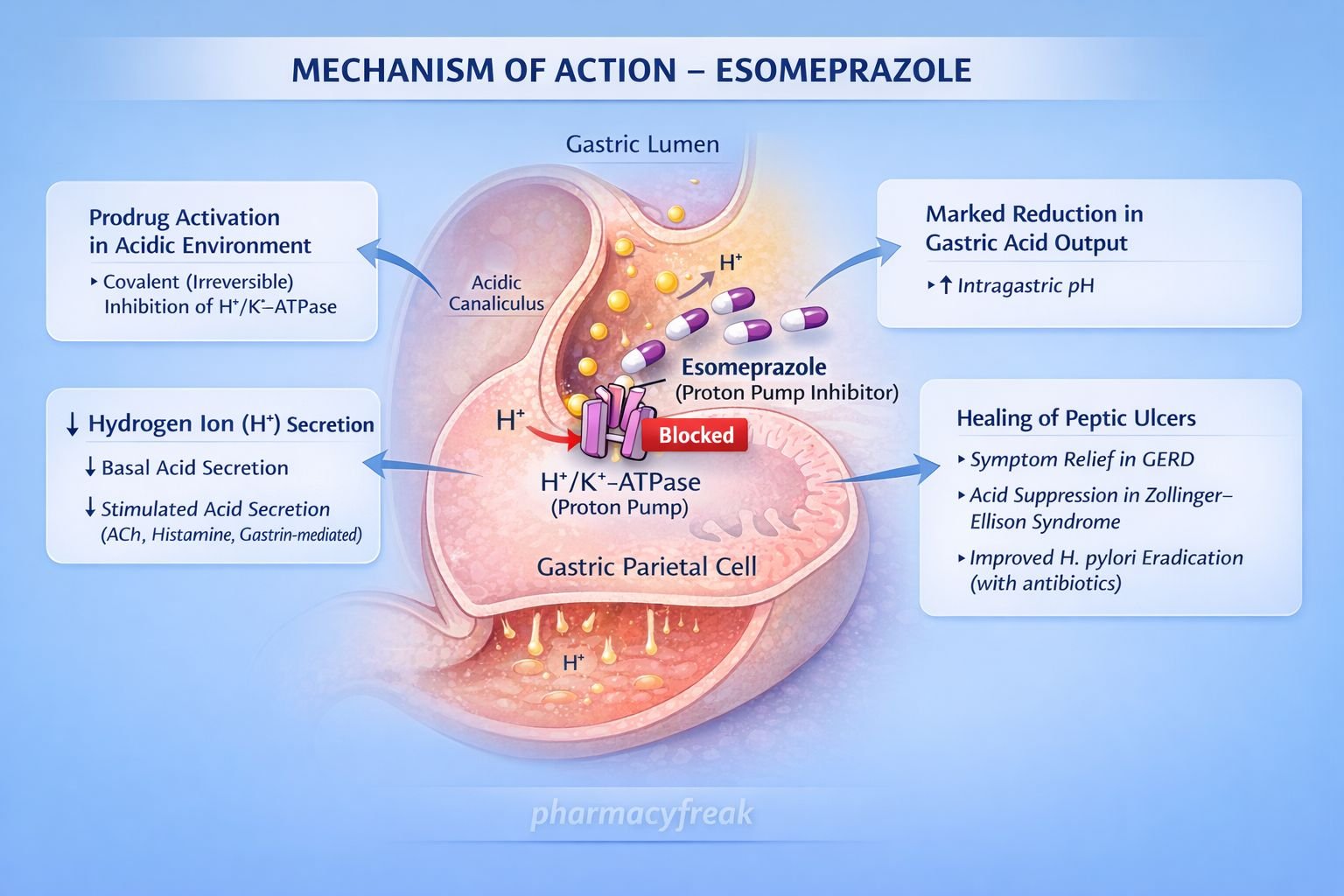
Mechanism of Action of Esomeprazole

Mechanism of Action of Esomeprazole

Introduction Esomeprazole is a proton pump inhibitor (PPI) used extensively in the treatment of acid-related gastrointestinal disorders. It is the S-isomer of omeprazole and offers improved pharmacokinetic consistency and acid suppression compared with the racemic mixture. Esomeprazole is a high-yield drug for pharmacology and clinical examinations due to its irreversible enzyme inhibition, acid-activated mechanism, and … Read more

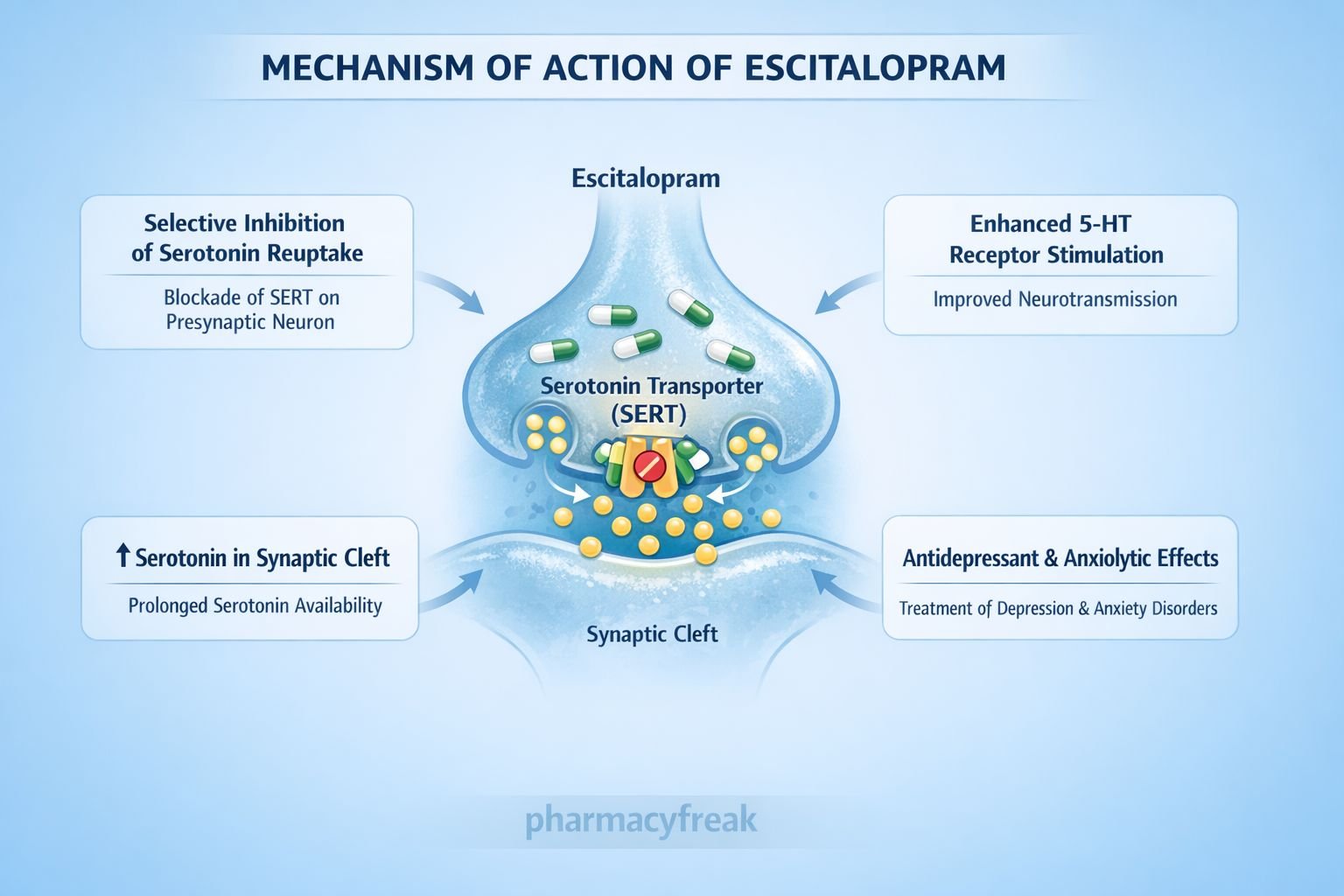
Mechanism of Action of Escitalopram

Mechanism of Action of Escitalopram

Introduction Escitalopram is a selective serotonin reuptake inhibitor (SSRI) widely prescribed for depressive and anxiety disorders. It is the S-enantiomer of citalopram and represents one of the most selective SSRIs available. Its clinical importance lies in its high efficacy, favorable tolerability, and minimal drug–drug interactions compared with older antidepressants. For medical and pharmacy examinations, escitalopram … Read more

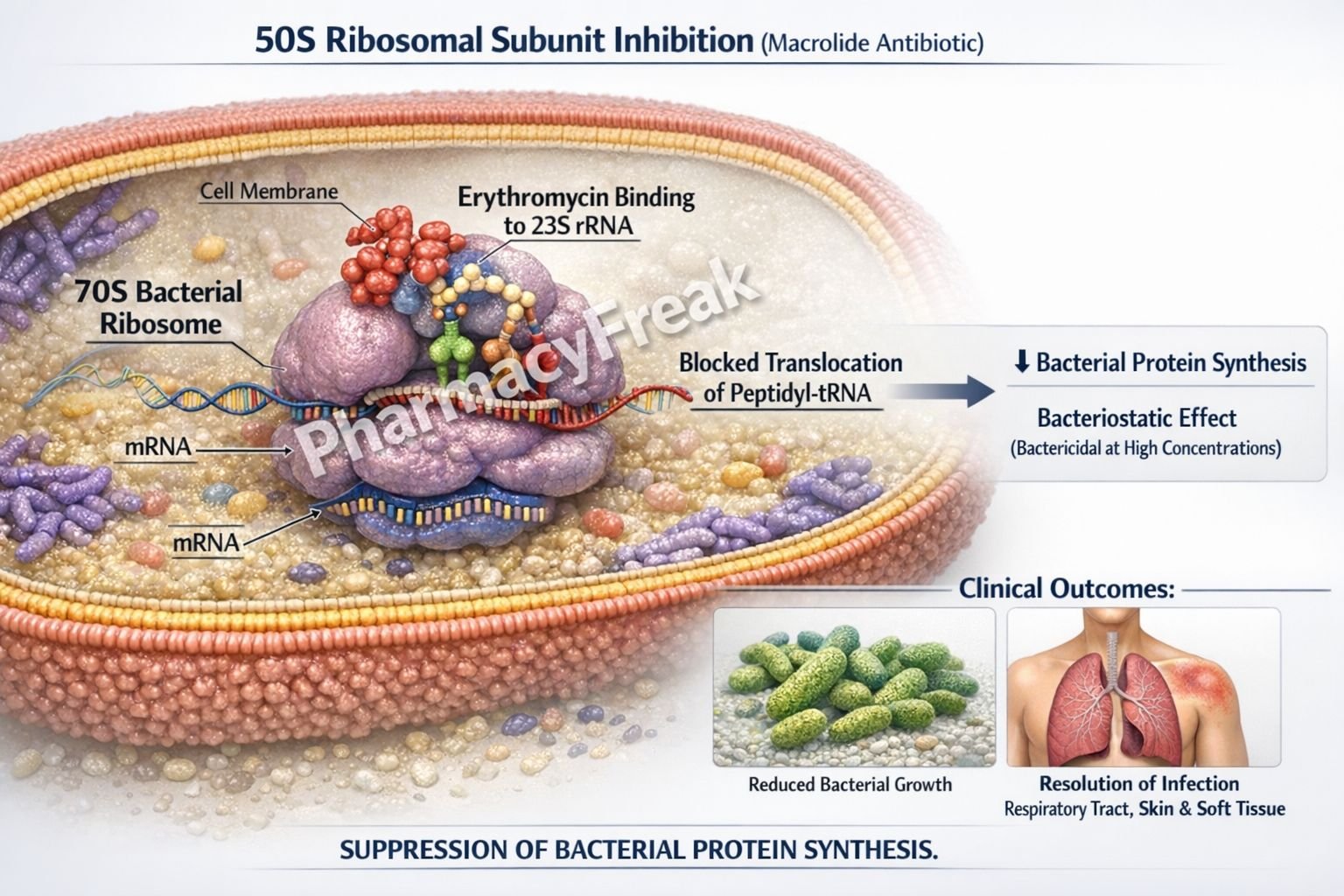
Mechanism of Action of Erythromycin

Mechanism of action of Erythromycin

Introduction Erythromycin is a macrolide antibiotic widely used in the treatment of infections caused by gram-positive cocci, atypical pathogens, and certain gram-negative organisms. It is a bacteriostatic agent that inhibits bacterial protein synthesis and serves as an important alternative in patients allergic to penicillin. From an exam perspective, erythromycin is high-yield due to its ribosomal … Read more

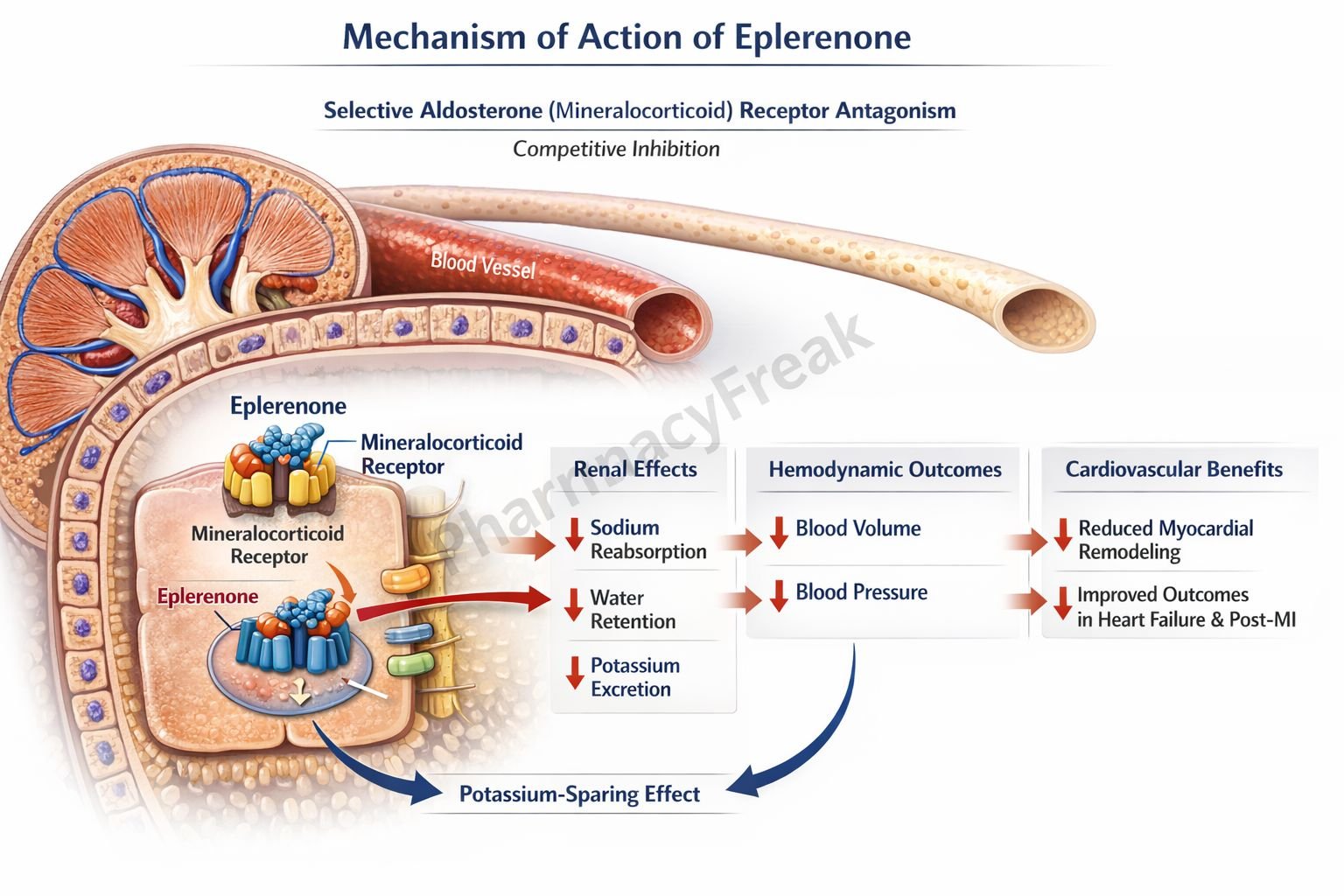
Mechanism of Action of Eplerenone

Mechanism of Action of Eplerenone

Introduction Eplerenone is a selective mineralocorticoid receptor antagonist (MRA) used primarily in cardiovascular disorders such as heart failure and hypertension. It is a steroidal compound structurally related to spironolactone but with greater receptor selectivity, resulting in fewer endocrine adverse effects. From an exam and clinical standpoint, eplerenone is important due to its role in blocking … Read more

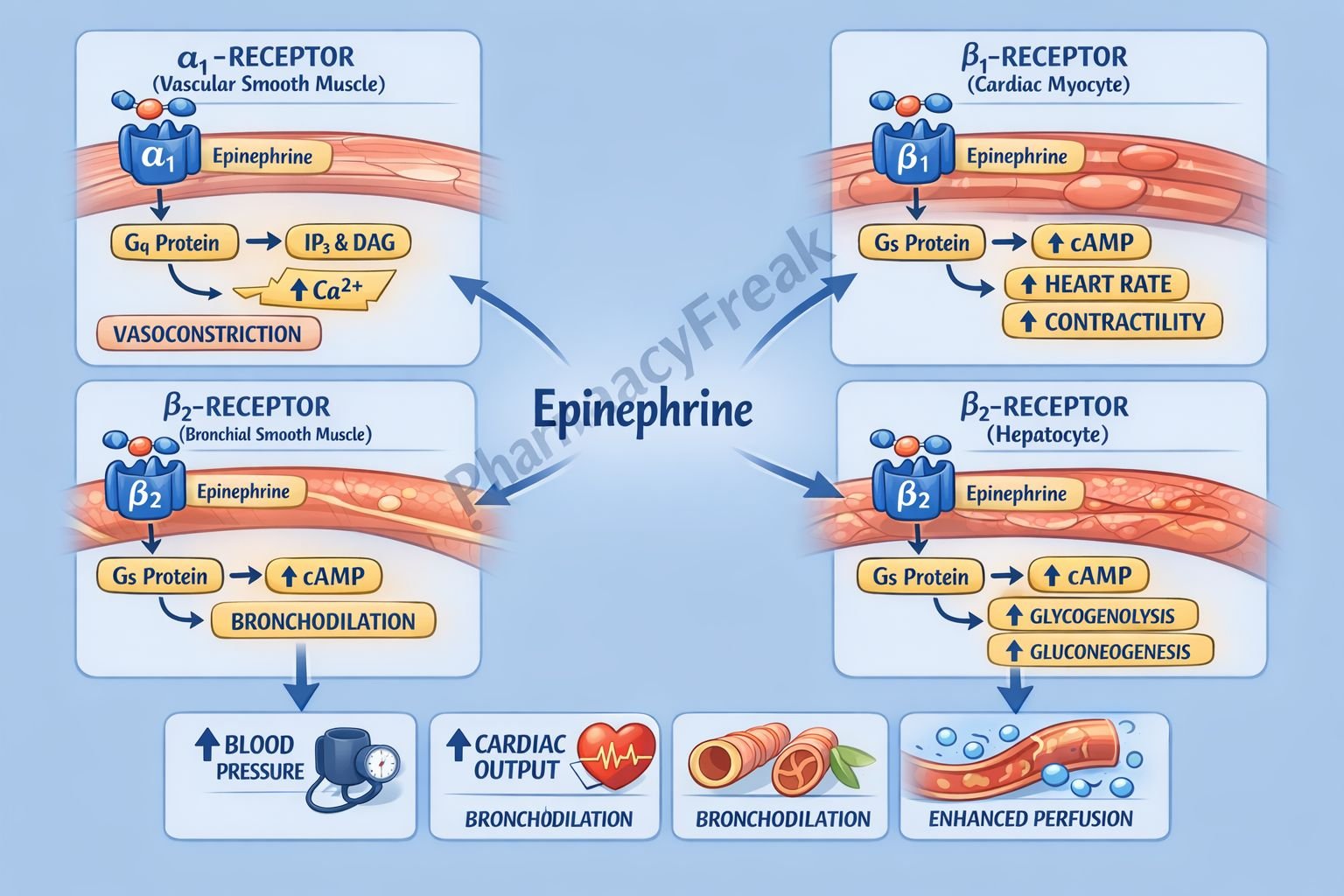
Mechanism of Action of Epinephrine

Mechanism of Action of Epinephrine

Introduction Epinephrine (adrenaline) is an endogenous catecholamine and a potent sympathomimetic agent that acts as a non-selective agonist at both α- and β-adrenergic receptors. It plays a critical physiological role in the “fight-or-flight” response and is widely used clinically in emergency medicine, anesthesia, cardiology, and allergy management. From an exam perspective, epinephrine is a high-yield … Read more

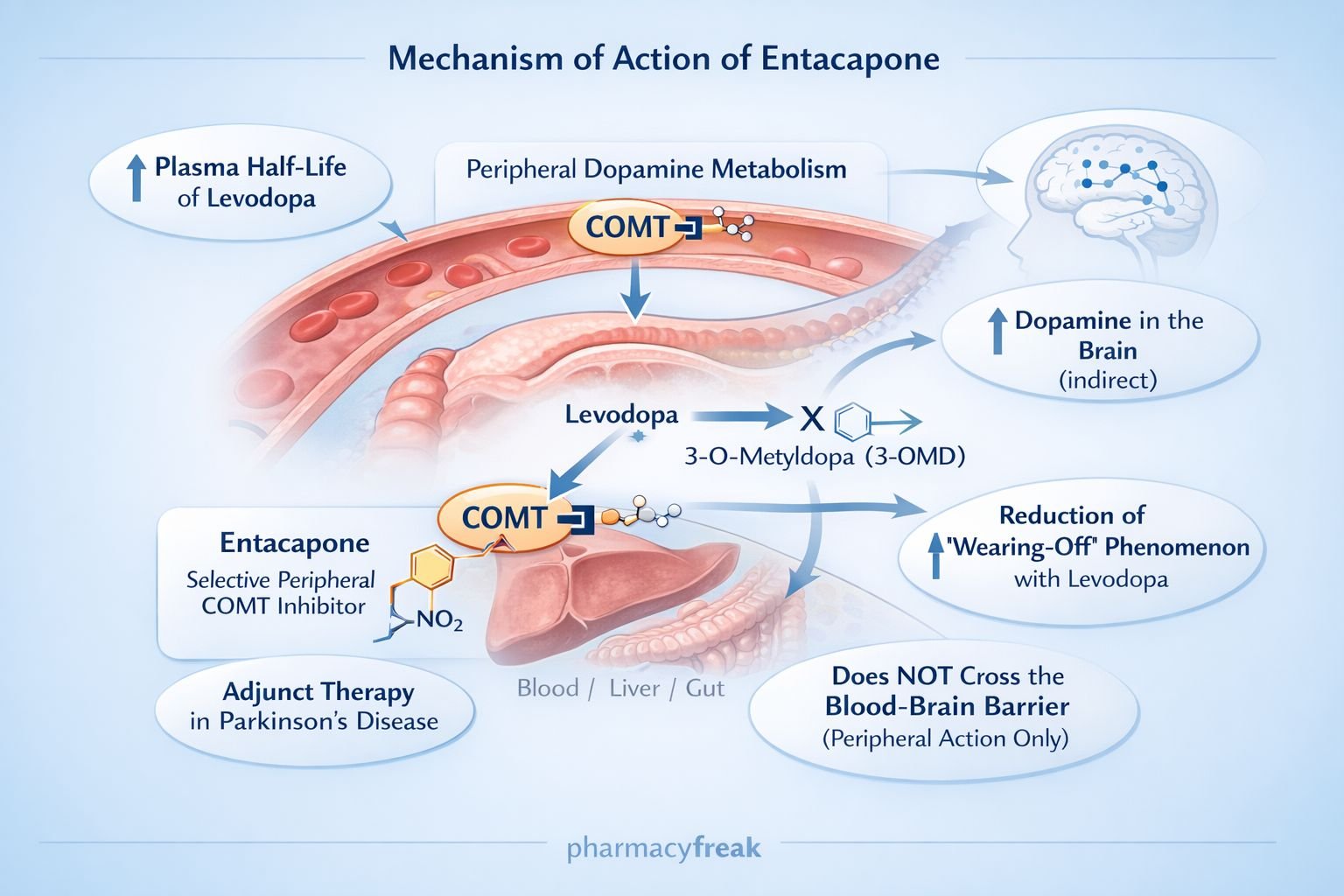
Mechanism of Action of Entacapone

MOA of entacapone

Introduction Entacapone is a catechol-O-methyltransferase (COMT) inhibitor used as an adjunct therapy in Parkinson’s disease, particularly in patients experiencing end-of-dose “wearing-off” phenomena with levodopa. It enhances and prolongs the effect of levodopa by reducing its peripheral metabolism. Entacapone is a high-yield drug in pharmacology and neurology examinations because of its enzyme inhibition–based mechanism and its … Read more

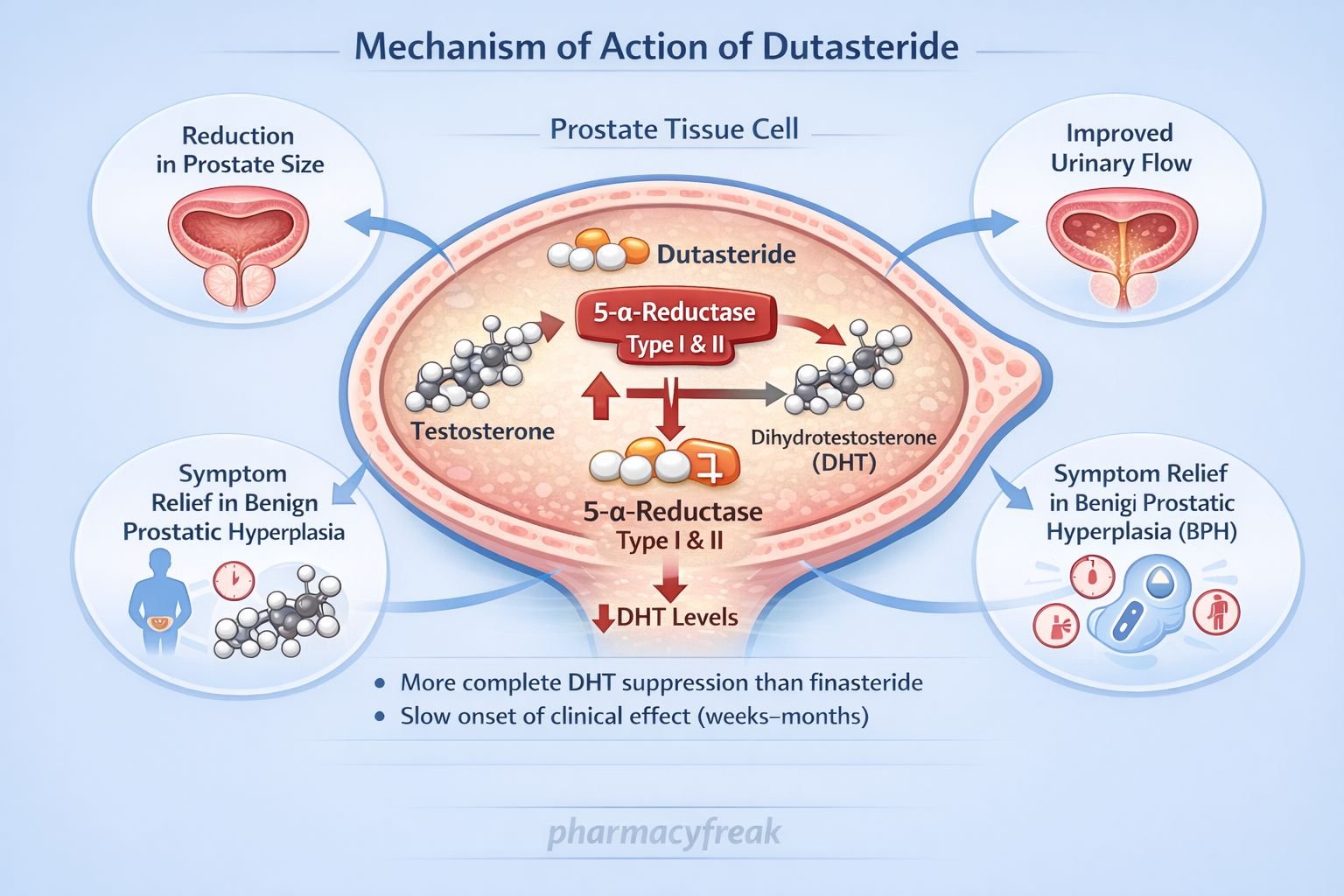
Mechanism of Action of Dutasteride

Mechanism of Action of Dutasteride

Introduction Dutasteride is a 5-alpha reductase inhibitor used primarily in the management of benign prostatic hyperplasia (BPH). It reduces prostate volume and improves lower urinary tract symptoms by profoundly suppressing dihydrotestosterone (DHT) synthesis. Dutasteride is a high-yield drug in pharmacology, urology, and endocrine examinations because it inhibits both isoforms of 5-alpha reductase, making it more … Read more

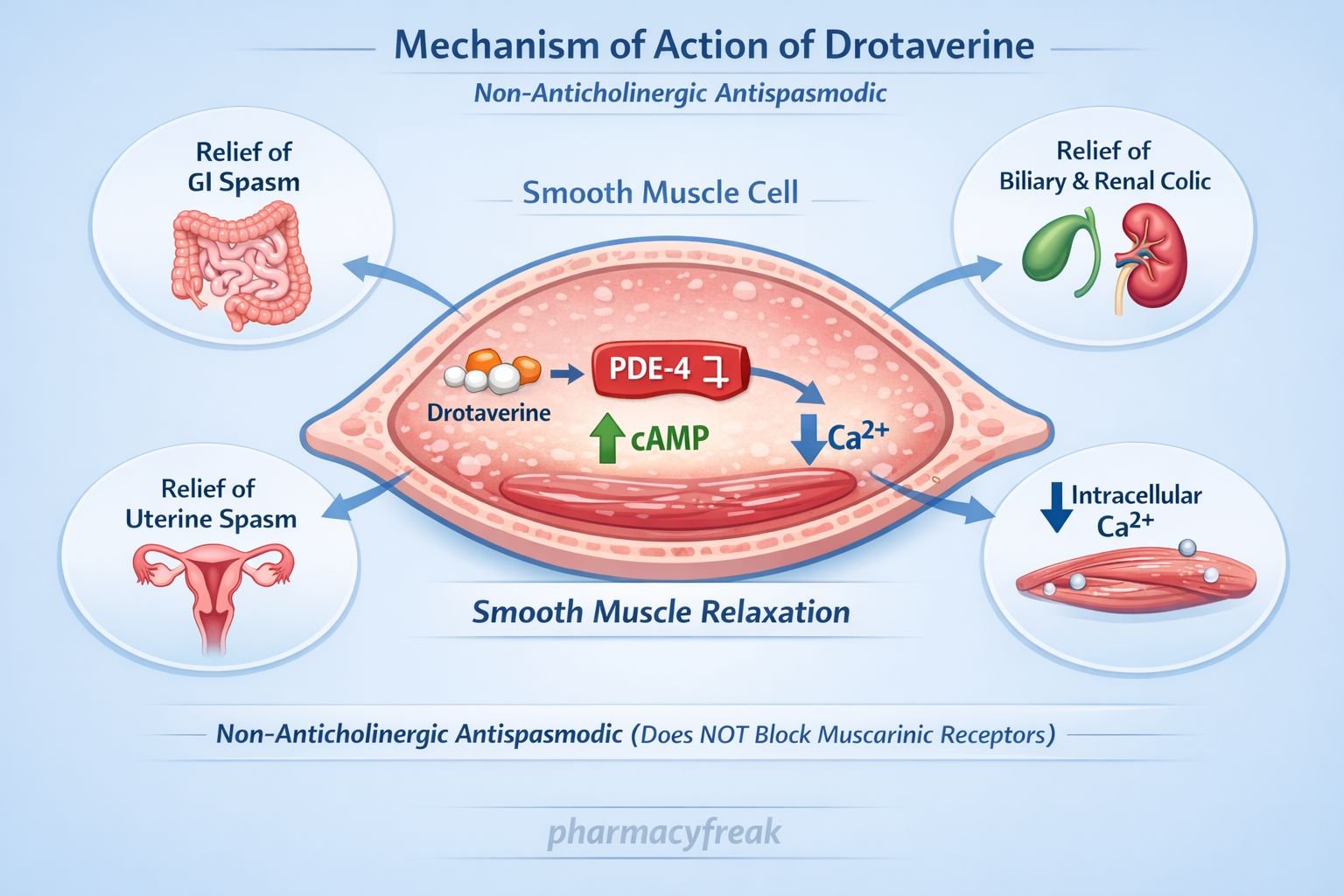
Mechanism of Action of Drotaverine

MOA of drotaverine

Introduction Drotaverine is a myotropic antispasmodic agent widely used for the relief of smooth muscle spasm–related pain involving the gastrointestinal, biliary, genitourinary, and uterine systems. Unlike anticholinergic antispasmodics, drotaverine acts directly on smooth muscle without significant effects on autonomic receptors. It is a high-yield drug in pharmacology and clinical examinations because of its phosphodiesterase inhibition–based … Read more

Mechanism of Action of Doxorubicin

Mechanism of Action of Doxorubicin

Introduction Doxorubicin is a potent anthracycline antineoplastic antibiotic widely used in the treatment of a broad range of solid tumors and hematological malignancies. It is a cornerstone drug in many chemotherapy regimens due to its multiple cytotoxic mechanisms, but its use is limited by dose-dependent cardiotoxicity. Doxorubicin is a high-yield drug in pharmacology, oncology, and … Read more

PRO
Ad-Free Access
$3.99 / month
  • No Interruptions
  • Faster Page Loads
  • Support Content Creators