Trusted by 50K+ Pharmacy StudentsHigh Quality Notes, MCQs, Mock Tests & Study ResourcesGo Premium (Ads Free)
Pharmacy Freak

Mechanism of Action of Doxazosin
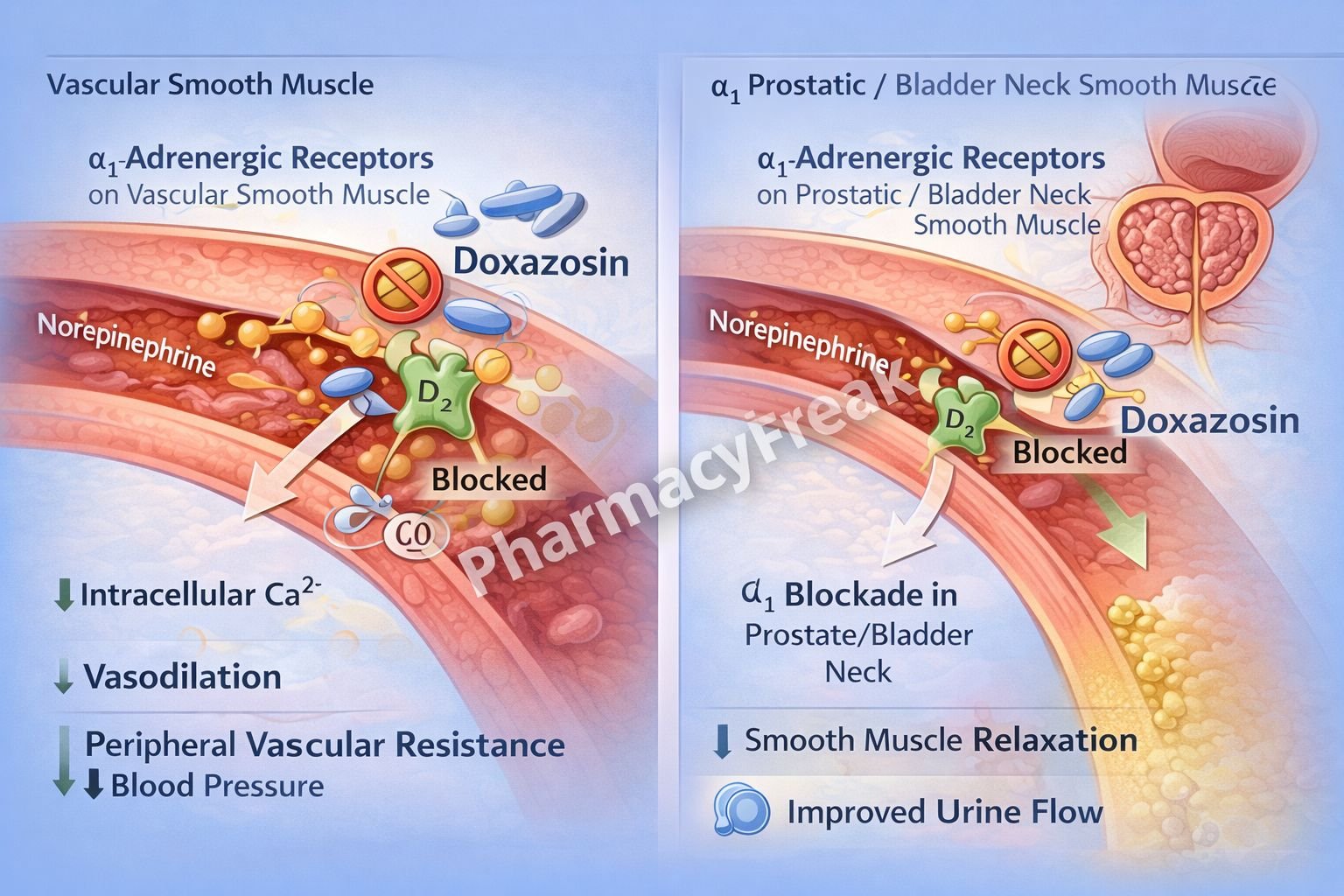
MOA of doxazosin

Introduction Doxazosin is a selective α₁-adrenergic receptor blocker used primarily in the management of hypertension and benign prostatic hyperplasia (BPH). By targeting α₁ receptors in vascular smooth muscle and the lower urinary tract, doxazosin produces both vasodilatory and urodynamic benefits. It is a high-yield drug in pharmacology, cardiology, and urology examinations due to its receptor … Read more
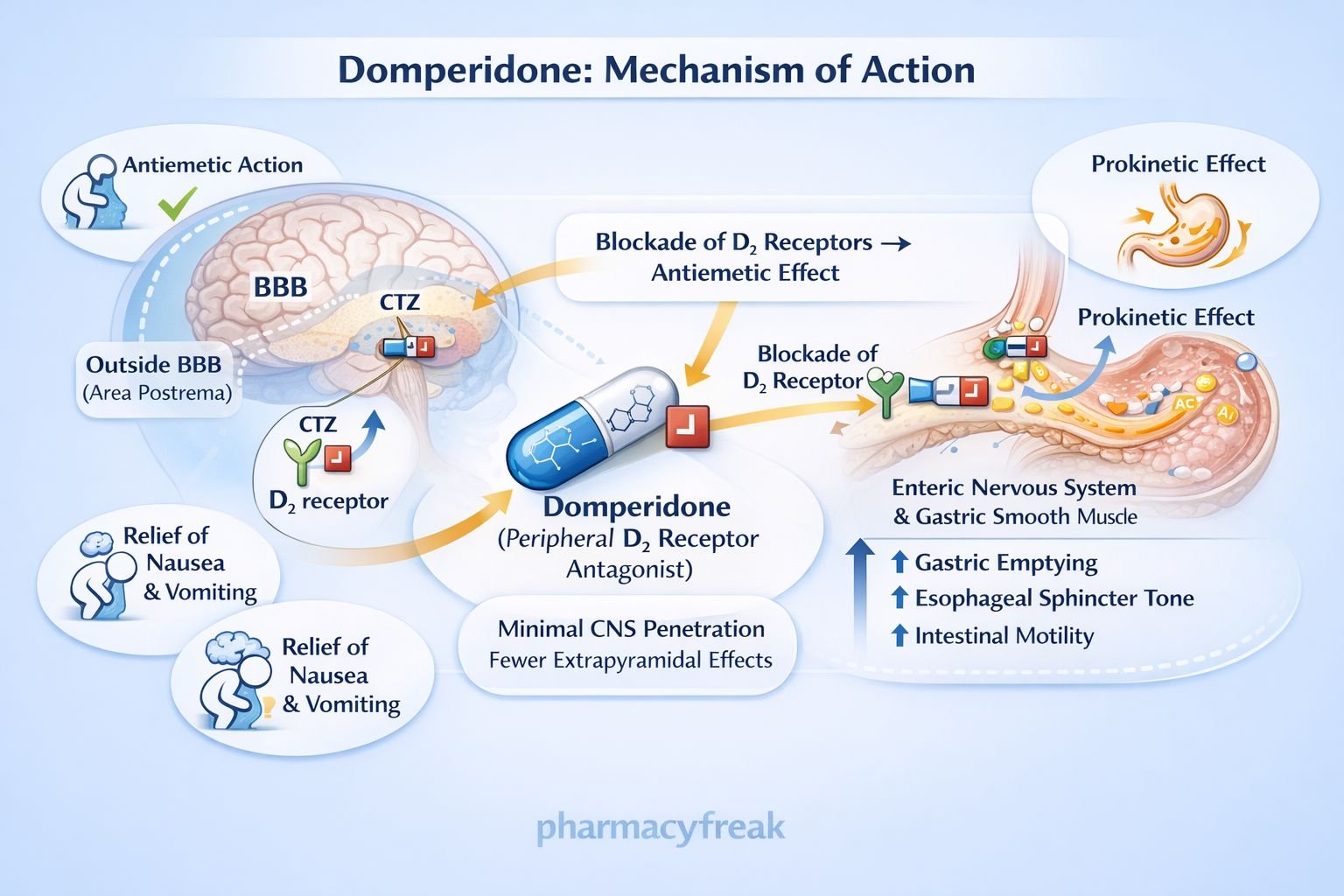
Mechanism of Action of Domperidone

MOA of domperidone

Introduction Domperidone is a peripherally selective dopamine D₂ receptor antagonist used primarily as a prokinetic and antiemetic agent. It enhances gastrointestinal motility and suppresses nausea and vomiting without significant central nervous system effects because of its poor penetration across the blood–brain barrier. Domperidone is a high-yield drug in pharmacology, gastroenterology, and clinical examinations due to … Read more

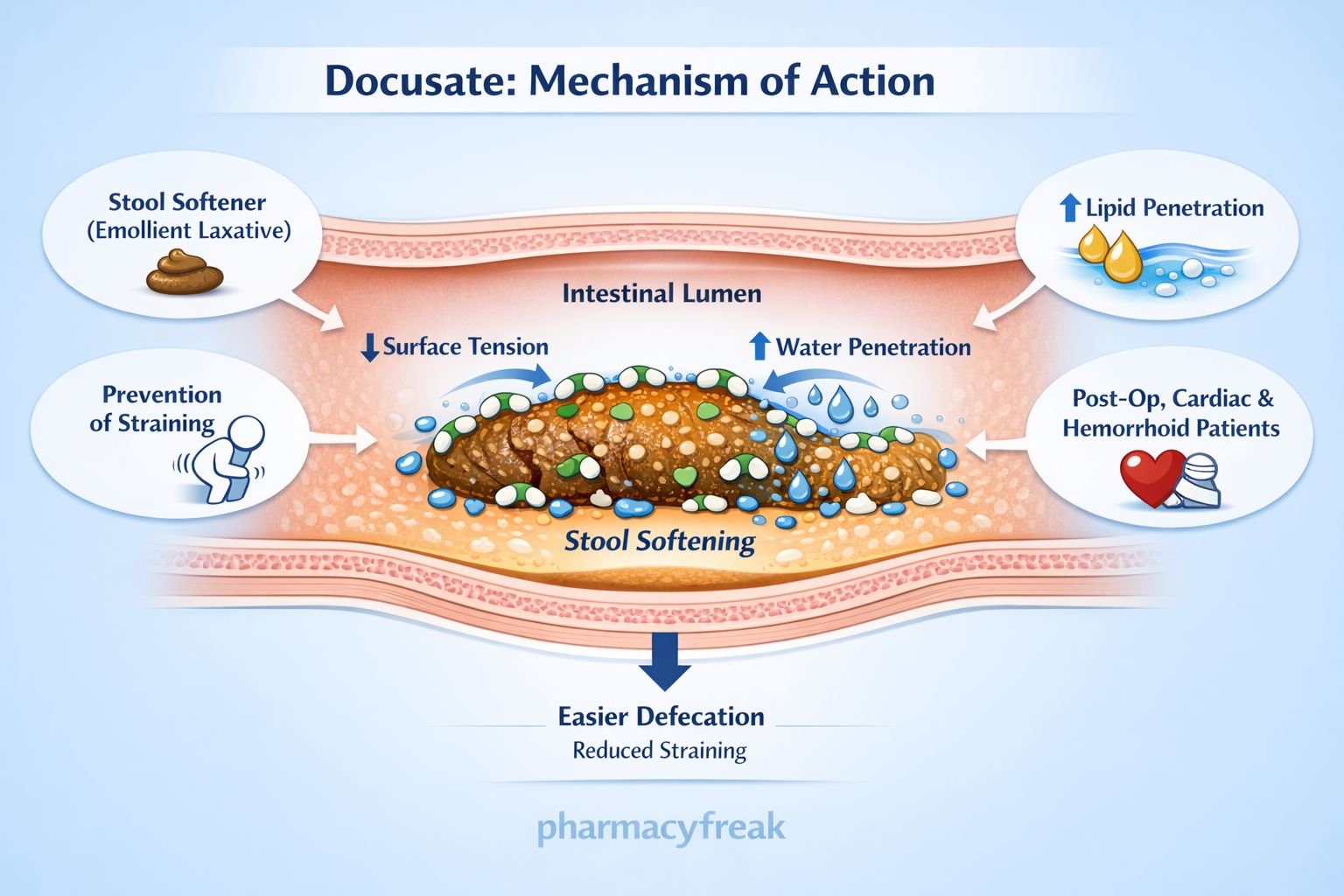
Mechanism of Action of Docusate

MOA of docusate

Introduction Docusate is a stool softener (emollient laxative) commonly used for the prevention and treatment of constipation, particularly in patients who should avoid straining during defecation. It is widely prescribed in postoperative care, cardiovascular disease, pregnancy, and chronic constipation. Docusate is a high-yield drug in pharmacology and clinical examinations because of its surfactant-based mechanism, which … Read more

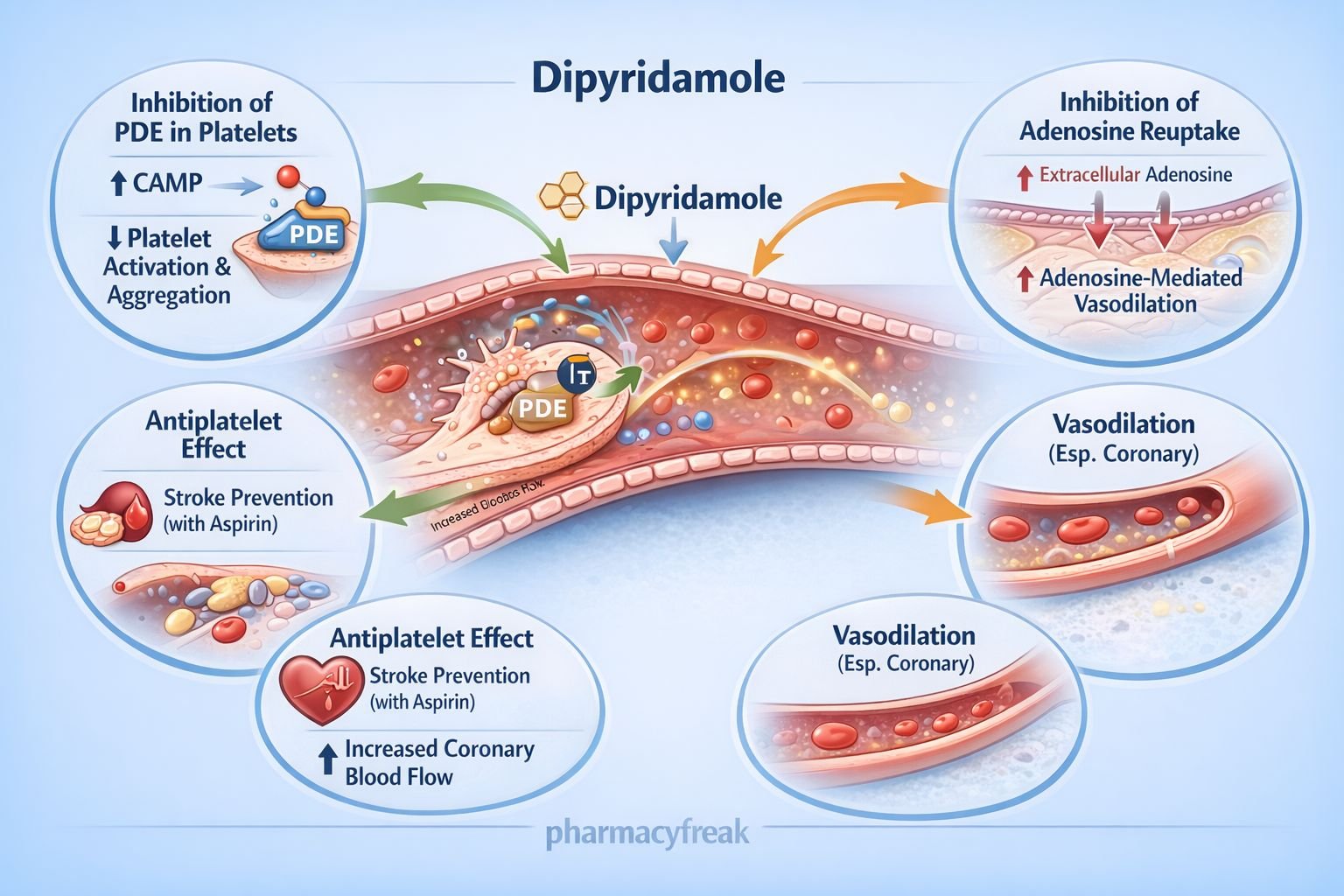
Mechanism of Action of Dipyridamole

MOA of dipyridamole

Introduction Dipyridamole is an antiplatelet and vasodilator drug primarily used in the prevention of thromboembolic events, especially in combination with aspirin for secondary stroke prevention. It also has an important diagnostic role in pharmacologic stress testing for coronary artery disease. Dipyridamole is a high-yield drug in pharmacology, cardiology, and neurology examinations due to its phosphodiesterase … Read more

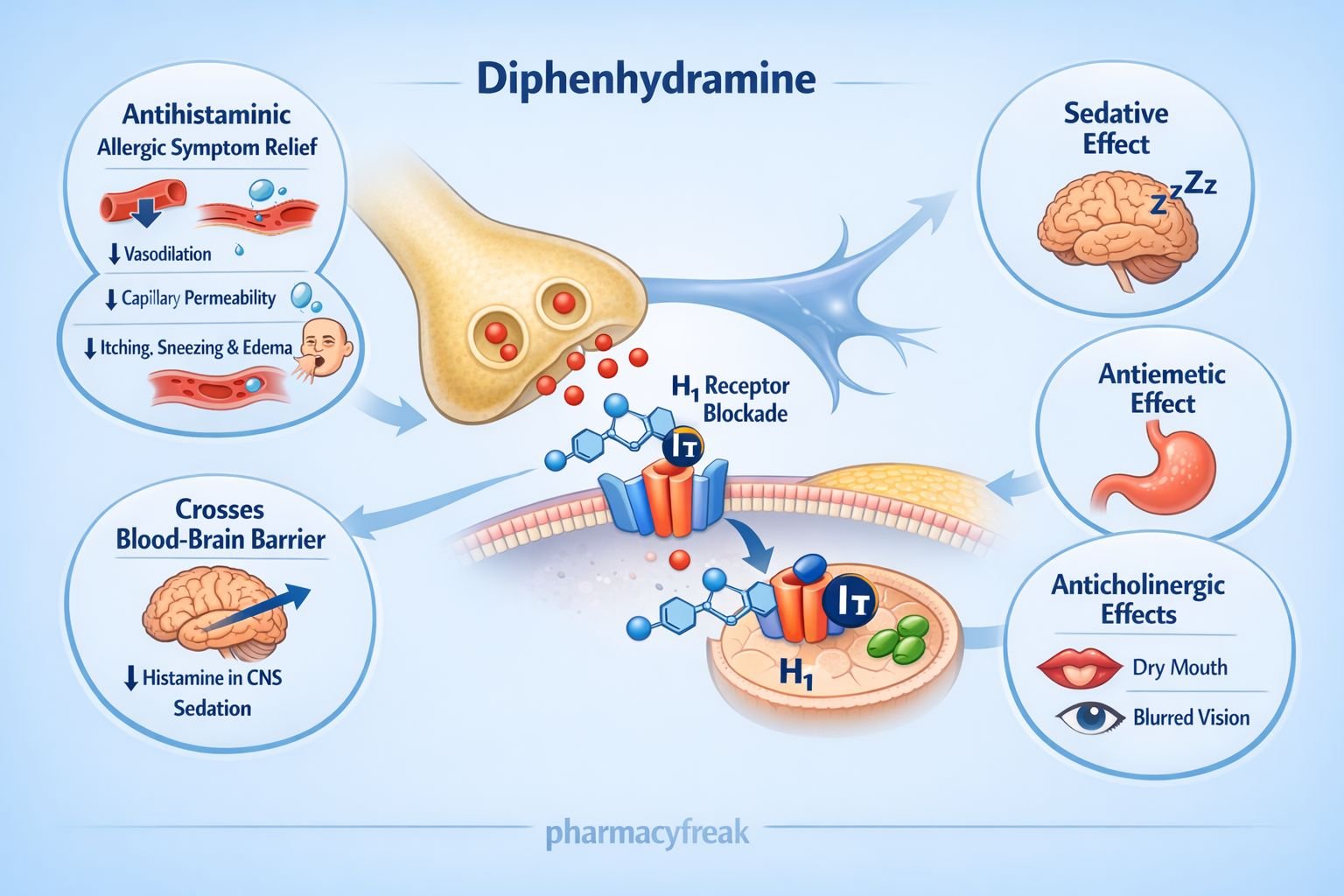
Mechanism of Action of Diphenhydramine

Mechanism of Action of Diphenhydramine

Introduction Diphenhydramine is a first-generation H₁ antihistamine belonging to the ethanolamine class. It is widely used for the treatment of allergic conditions and is also commonly employed as a sedative, antiemetic, antitussive, and antiparkinsonian adjunct. Because of its strong central anticholinergic and sedative properties, diphenhydramine is a high-yield drug in pharmacology, medicine, nursing, and emergency … Read more

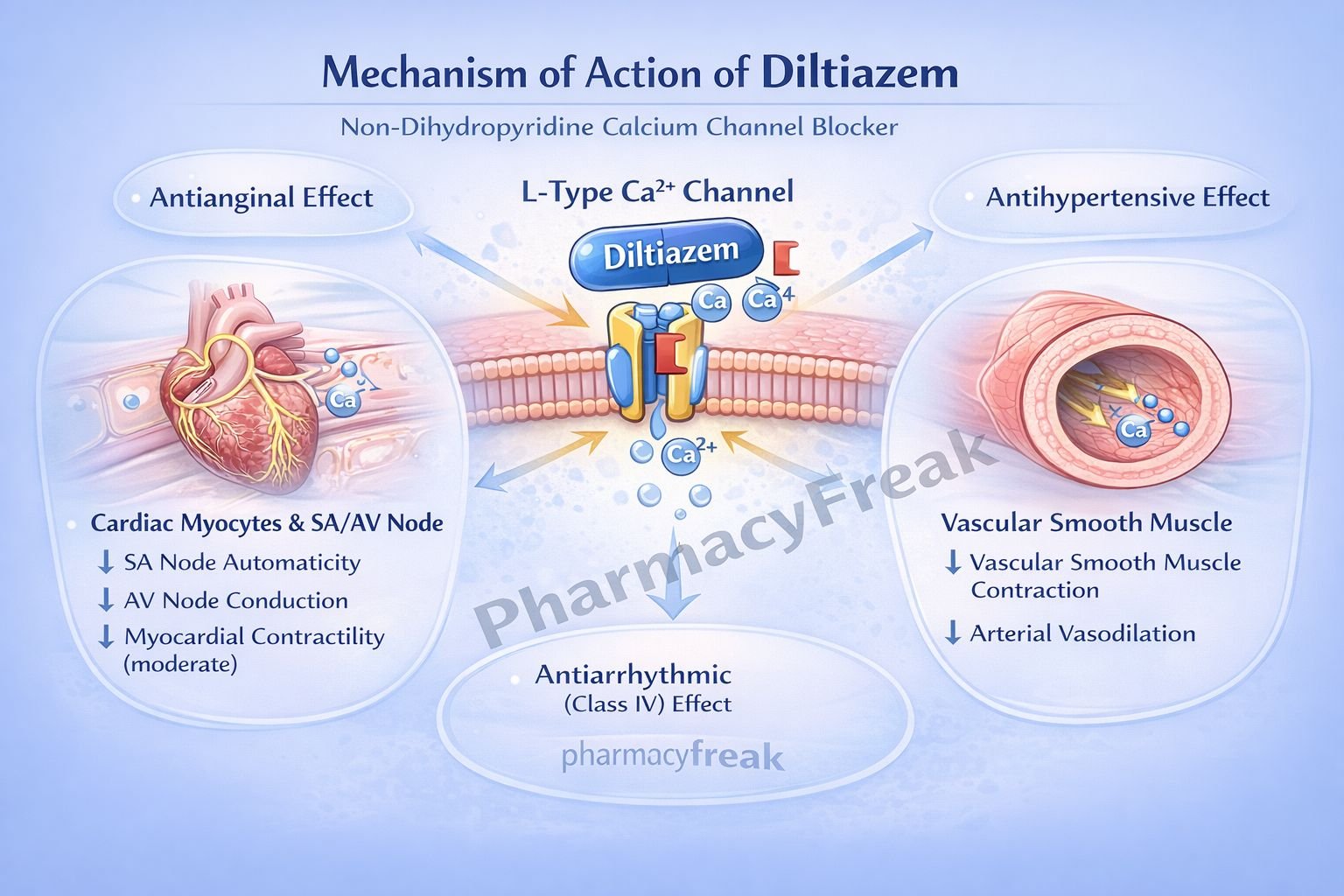
Mechanism of Action of Diltiazem

Mechanism of Action of Diltiazem

Introduction Diltiazem is a non-dihydropyridine calcium channel blocker (CCB) belonging to the benzothiazepine class. It is widely used in the management of hypertension, angina pectoris, and supraventricular arrhythmias. Diltiazem occupies an intermediate position between verapamil and dihydropyridines, exerting significant effects on both the heart and vascular smooth muscle. Because of its dual cardiac and vascular … Read more

Mechanism of Action of Dicyclomine

Mechanism of Action of Dicyclomine

Introduction Dicyclomine (dicycloverine) is an anticholinergic antispasmodic agent primarily used in the management of irritable bowel syndrome (IBS) and other functional gastrointestinal disorders. It relieves abdominal pain and cramping by reducing smooth muscle spasm in the gastrointestinal tract. Dicyclomine is a high-yield drug in pharmacology and gastroenterology examinations because of its muscarinic receptor antagonism and … Read more

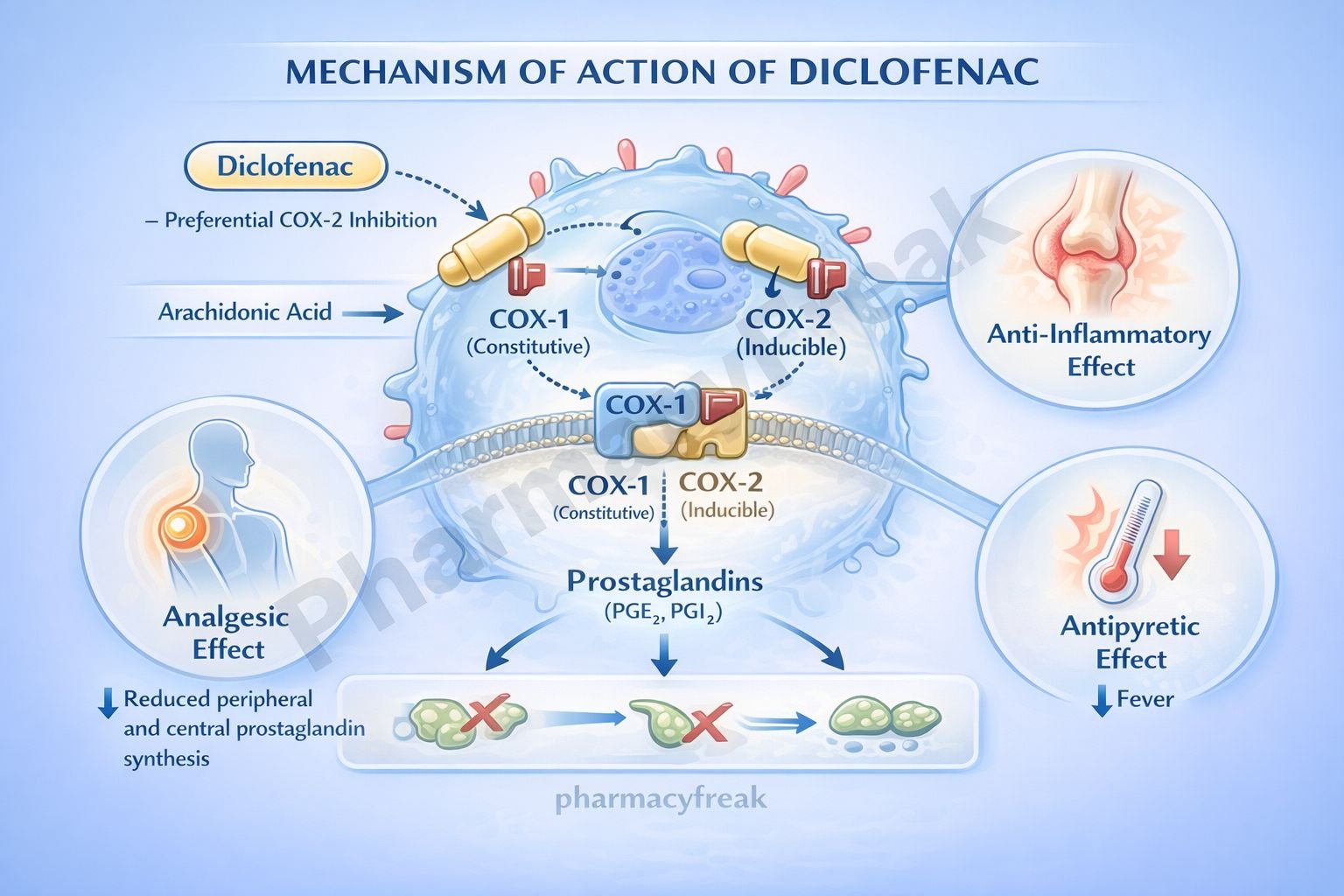
Mechanism of Action of Diclofenac

Mechanism of Action of Diclofenac

Introduction Diclofenac is a widely used nonsteroidal anti-inflammatory drug (NSAID) belonging to the phenylacetic acid class. It exhibits potent anti-inflammatory, analgesic, and antipyretic properties and is commonly prescribed for musculoskeletal disorders, postoperative pain, arthritis, and dysmenorrhea. Diclofenac is a high-yield NSAID in pharmacology and clinical examinations because of its strong COX inhibition, relative COX-2 preference, … Read more

Mechanism of Action of Diazoxide

Mechanism of Action of Diazoxide

Introduction Diazoxide is a benzothiadiazine derivative pharmacologically related to thiazide diuretics but lacking diuretic activity. It is primarily used as a hyperglycemic agent in the management of hypoglycemia due to hyperinsulinism and as a rapid-acting vasodilator in hypertensive emergencies (historical and limited current use). Diazoxide is a high-yield drug in pharmacology, endocrinology, and internal medicine … Read more

Mechanism of Action of Diazepam

Mechanism of Action of Diazepam

Introduction Diazepam is a long-acting benzodiazepine widely used for its anxiolytic, sedative–hypnotic, anticonvulsant, muscle relaxant, and amnestic properties. It acts on the central nervous system by enhancing inhibitory neurotransmission mediated by gamma-aminobutyric acid (GABA). Diazepam is a high-yield drug in pharmacology, psychiatry, neurology, anesthesia, and emergency medicine examinations due to its rapid onset, multiple indications, … Read more

PRO
Ad-Free Access
$3.99 / month
  • No Interruptions
  • Faster Page Loads
  • Support Content Creators