Trusted by 50K+ Pharmacy StudentsHigh Quality Notes, MCQs, Mock Tests & Study ResourcesGo Premium (Ads Free)
Pharmacy Freak

Classification Of Anticholinargic Drugs
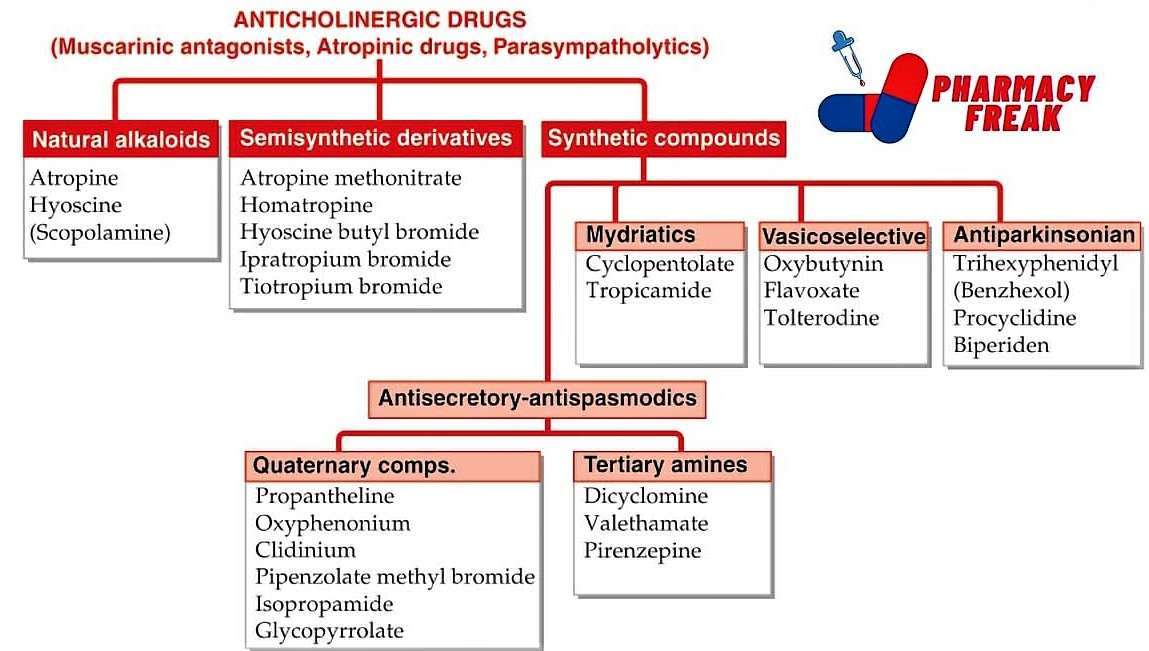
classification of anticholinargic drugs

Anticholinergic drugs Anticholinergic drugs are a class of medications that block the actions of acetylcholine, a neurotransmitter, in the central and peripheral nervous system. Uses They are used to treat a variety of conditions including: Classification ANTICHOLINERGIC DRUGS (Muscarinic antagonists, Atropinic drugs, Parasympatholytics) Related Links Reference

Microbial Spoilage

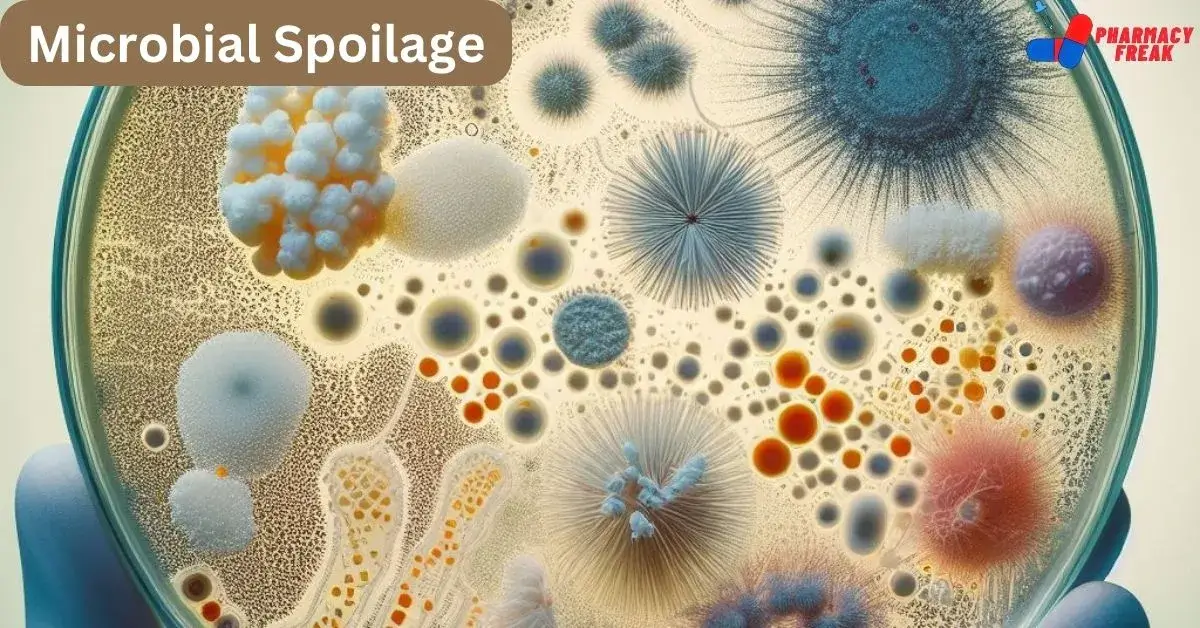
Microbial Spoilage

Microorganisms are ubiquitous in the air, food, oil, water, etc, and form an integral part of our environment. Different types of microorganisms mainly contaminate pharmaceutical preparations and spoil them. Such results in major health problems for the users and financial problems for the manufacturer due to the loss of product or expensive litigation with aggrieved … Read more

ASEPTIC AREA

ASEPTIC AREA

ASEPTIC AREA AND MICROBIAL CONTROL Aseptic techniques are used to prevent microbial and particular contamination into ophthalmic and parenteral products. Control of microbial contamination is also necessary to eliminate toxic bacterial products. Terminally sterilized products (products sealed in a container and then sterilized) are prepared in a clean area. Products that are not terminally sterilized … Read more

GROWTH OF ANIMAL CELLS IN CULTURE

GROWTH OF ANIMAL CELLS IN CULTURE

The ability to study cells depends largely on how readily they can be grown and manipulated in the laboratory. Although the process is technically far more difficult than the culture of bacteria or yeasts, a wide variety of animal and plant cells can be grown and manipulated in culture. Such in vitro cell culture systems … Read more

Complexation- Application, Classification, Analysis and Drug action

Complexation Usually, non-covalent interaction between two or more compounds that are capable of independent existence is called a complexation. Generally, it results from a donor-acceptor mechanism or Lewis acid-base reactions between two or more different chemical constituents. Any non-metallic atom or ionic (free or bound) that can donate electrons pair serves as a donor. The … Read more

Disinfectants Microbiology – Types, Uses

Disinfectants  Chemicals that can kill vegetative bacteria, fungi, viruses & rarely bacteria spores. Disinfection It is a process of destruction or removal of microorganisms capable of producing an infection. We use disinfectants for such processes.   Antisepsis It is the destruction or inhibition of microorganisms in living tissues thereby preventing the harmful effects of infection … Read more

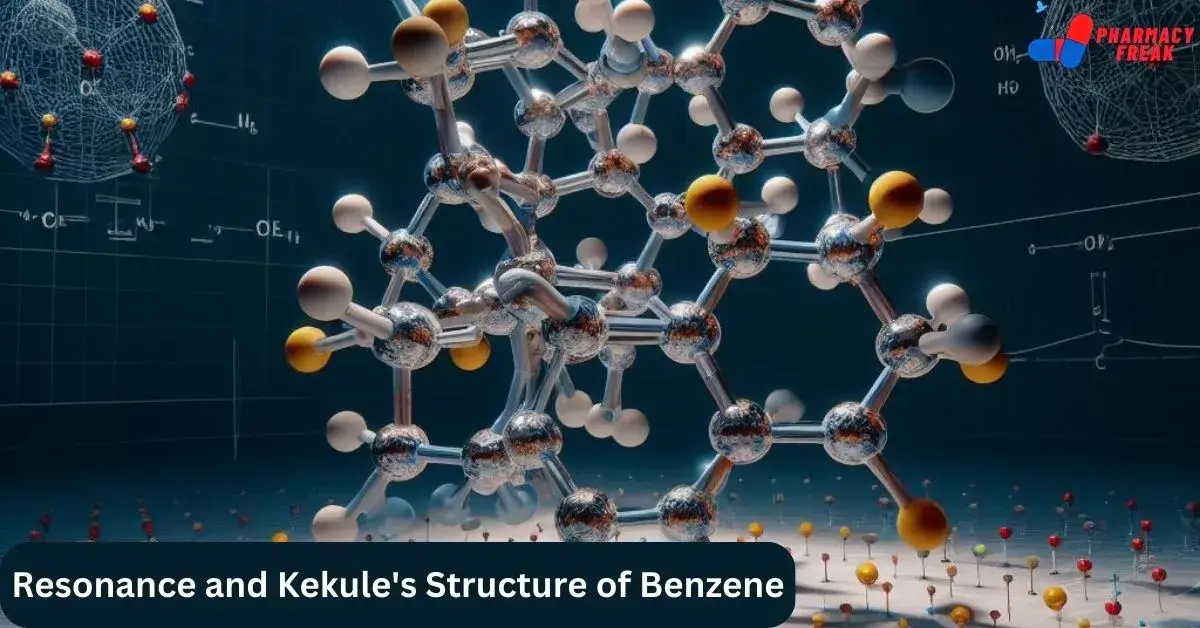
Explain the Resonance and Kekule’s Structure of Benzene

Explain the Resonance and Kekule's Structure of Benzene

Kekule’s structure of benzene Frederick August Kekule gave Kekule’s structure of benzene in 1865. He stated that the six carbon atoms of benzene attach with alternate single and double bonds and form hexagonal rings. Each carbon is further connected to a hydrogen atom. However, there are three main objections to Kekule’s structure. The three main … Read more

MCQ/ Fats and Oils Pharmaceutical Organic Chemistry 3rd semester B.Pharmacy

MULTIPLE CHOICE QUESTIONS of Fats and Oils of Pharmaceutical organic Chemistry B.Pharmacy 3rd semester. 1. Fats and oils are ester of a) Acetic acid and alcohols b) Fatty acid and alcohols c) Carboxylic acid and alcohols d) None of above Answer- b) Fatty acid and alcohols 2. Melting point of fat is…………..and melting point of … Read more

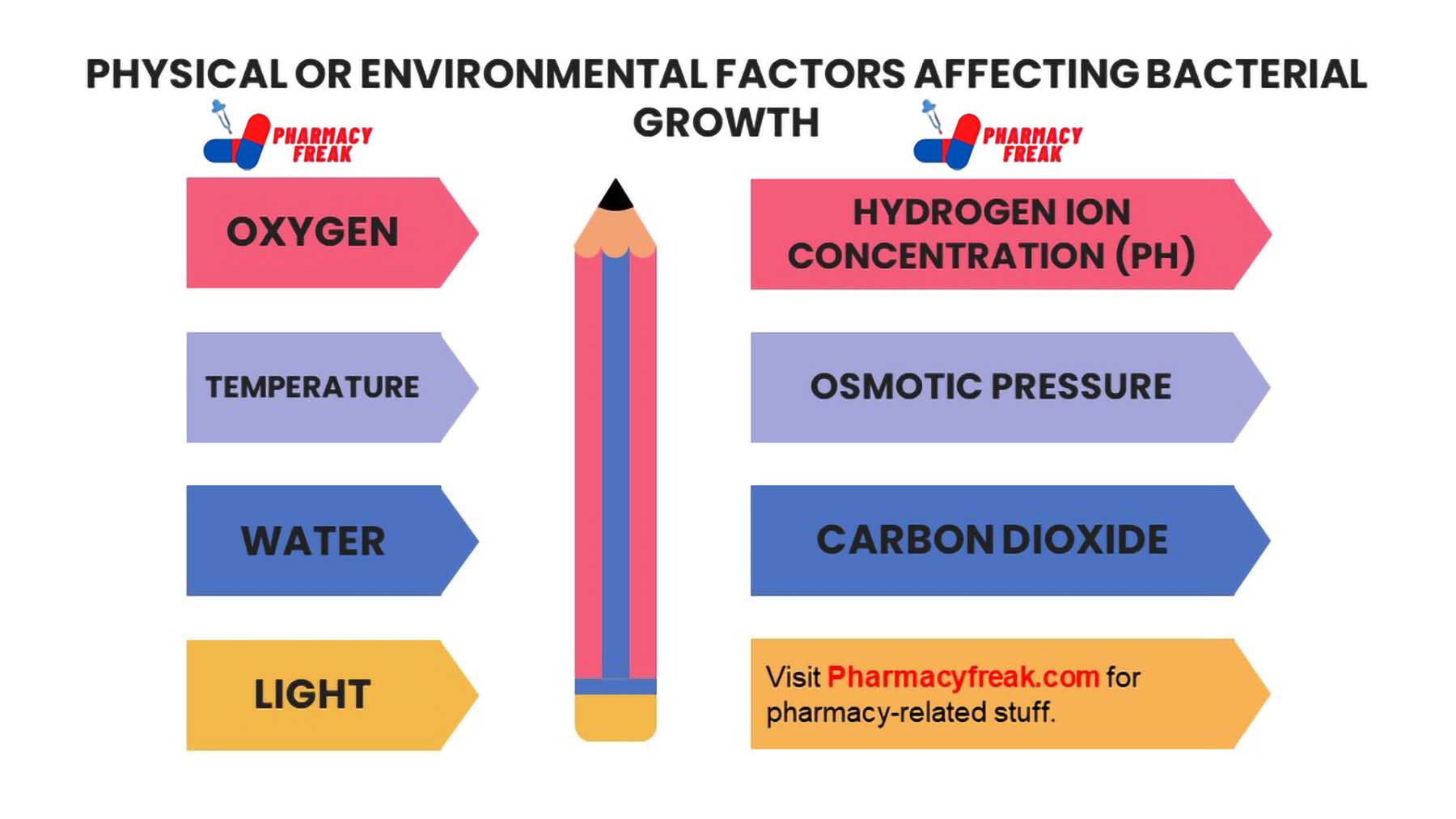
Factors Affecting Bacterial Growth

PHYSICAL OR ENVIRONMENTAL FACTORS AFFECTING BACTERIAL GROWTH The various factors affecting bacterial growth are: 1. Oxygen Oxygen is a universal component of cells and is always provided in large amounts by H₂O. Bacteria differ in their requirement for molecular oxygen and are mainly divided into two groups. a. Aerobes They require oxygen for growth. b. … Read more

Scope of Microbiology

Write down the scope of microbiology. The scope of microbiology : Production of Antibiotics Antibiotics are compounds that can inhibit the growth or kill microorganisms. There are two main types of antibiotics: bacteriostatic, which inhibit the growth of bacteria, and bactericidal, which kill the bacteria. In 1929, Alexander Fleming discovered penicillin from Penicillium notatum, which … Read more

PRO
Ad-Free Access
$3.99 / month
  • No Interruptions
  • Faster Page Loads
  • Support Content Creators