Trusted by 50K+ Pharmacy StudentsHigh Quality Notes, MCQs, Mock Tests & Study ResourcesGo Premium (Ads Free)
Pharmacy Freak

Mechanism of Action of Benzodiazepines (CNS Depressants)

Benzodiazepine MOA – GABA-A receptor binding and chloride channel modulation

Introduction Benzodiazepines are a widely used class of central nervous system (CNS) depressants known for their anxiolytic, sedative, hypnotic, anticonvulsant, and muscle relaxant properties. Common agents include diazepam, lorazepam, alprazolam, and clonazepam. They enhance the action of gamma-aminobutyric acid (GABA) — the brain’s primary inhibitory neurotransmitter — making them essential drugs in psychiatry, neurology, and … Read more

Mechanism of Action of Metronidazole (DNA-Damaging Antibiotic)

Metronidazole MOA – DNA damage via nitro radical formation

Introduction Metronidazole is a unique antibiotic and antiprotozoal agent that exerts its action by damaging DNA in anaerobic organisms. It’s a first-line treatment for anaerobic bacterial infections, Clostridium difficile, and protozoal infections like Giardiasis and Trichomoniasis. It is especially important for medical and pharmacy students in the US preparing for USMLE, NCLEX, NAPLEX, and GPAT, … Read more

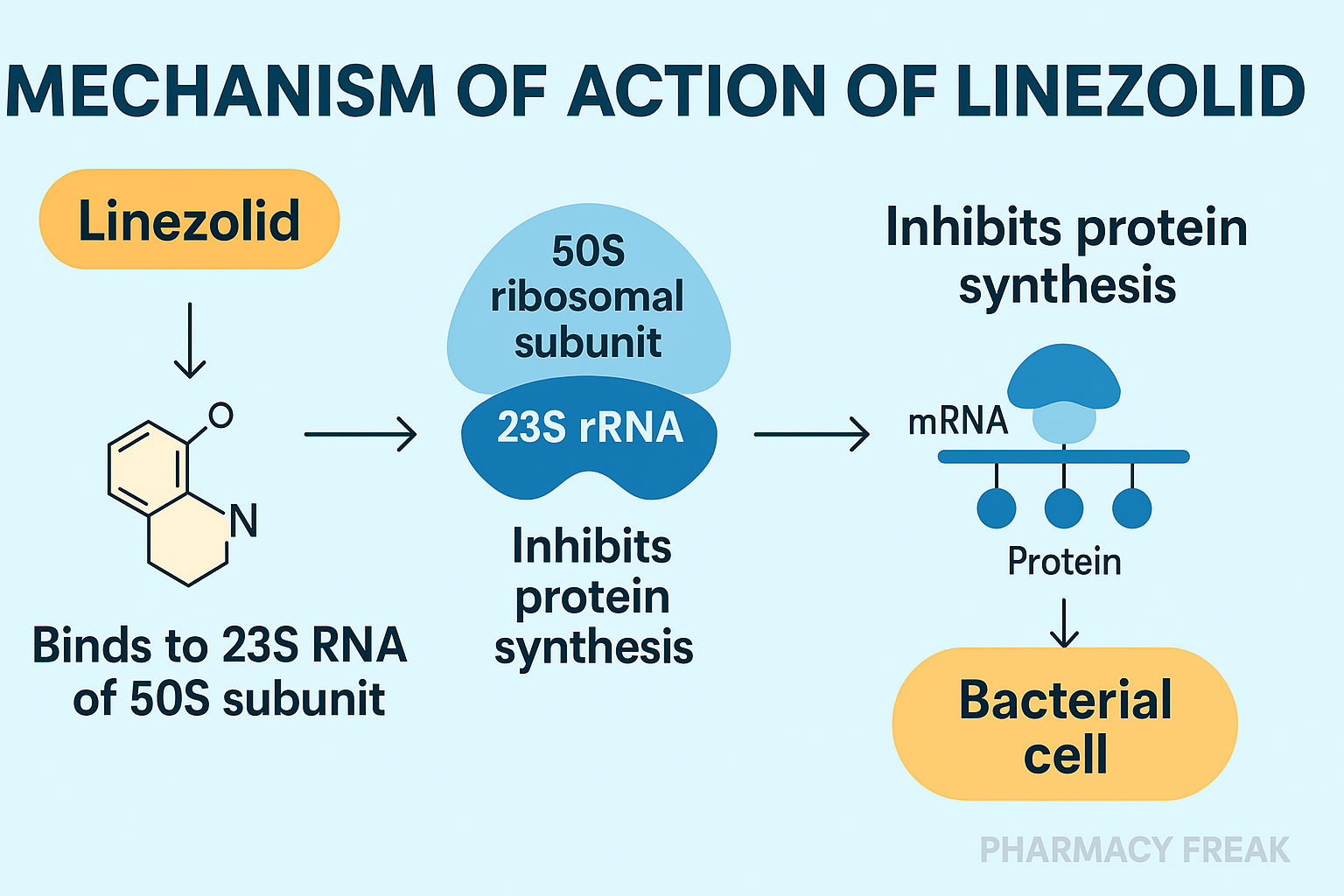
Mechanism of Action of Linezolid (Oxazolidinone Antibiotics)

Linezolid MOA – 50S ribosomal subunit and initiation inhibition

Introduction Linezolid is a synthetic bacteriostatic antibiotic belonging to the oxazolidinone class. It is primarily active against Gram-positive pathogens, including methicillin-resistant Staphylococcus aureus (MRSA), vancomycin-resistant Enterococci (VRE), and penicillin-resistant Streptococcus pneumoniae. Unlike other protein synthesis inhibitors, Linezolid binds to the 50S ribosomal subunit and blocks the initiation step of protein synthesis, making its mechanism unique … Read more

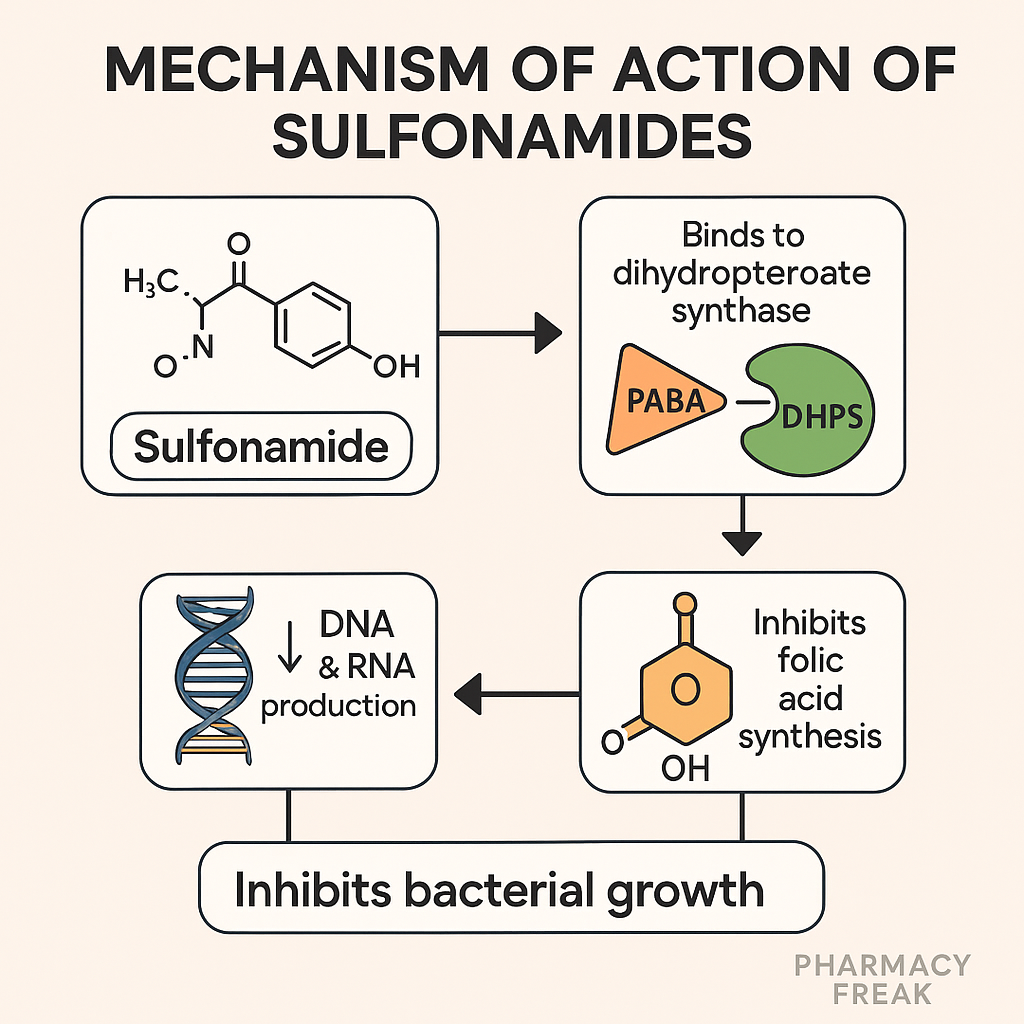
Mechanism of Action of Sulfonamides (Folic Acid Synthesis Inhibitors)

Sulfonamide MOA – Folic acid synthesis inhibition via dihydropteroate synthase

Introduction Sulfonamides are synthetic bacteriostatic antibiotics that inhibit folic acid synthesis in bacteria. Because mammals obtain folate from the diet, while bacteria synthesize it de novo, sulfonamides offer selective toxicity. Commonly used sulfonamides include sulfamethoxazole, sulfadiazine, and sulfisoxazole — often combined with trimethoprim for synergistic effects. This class is important in pharmacology exams like USMLE, … Read more

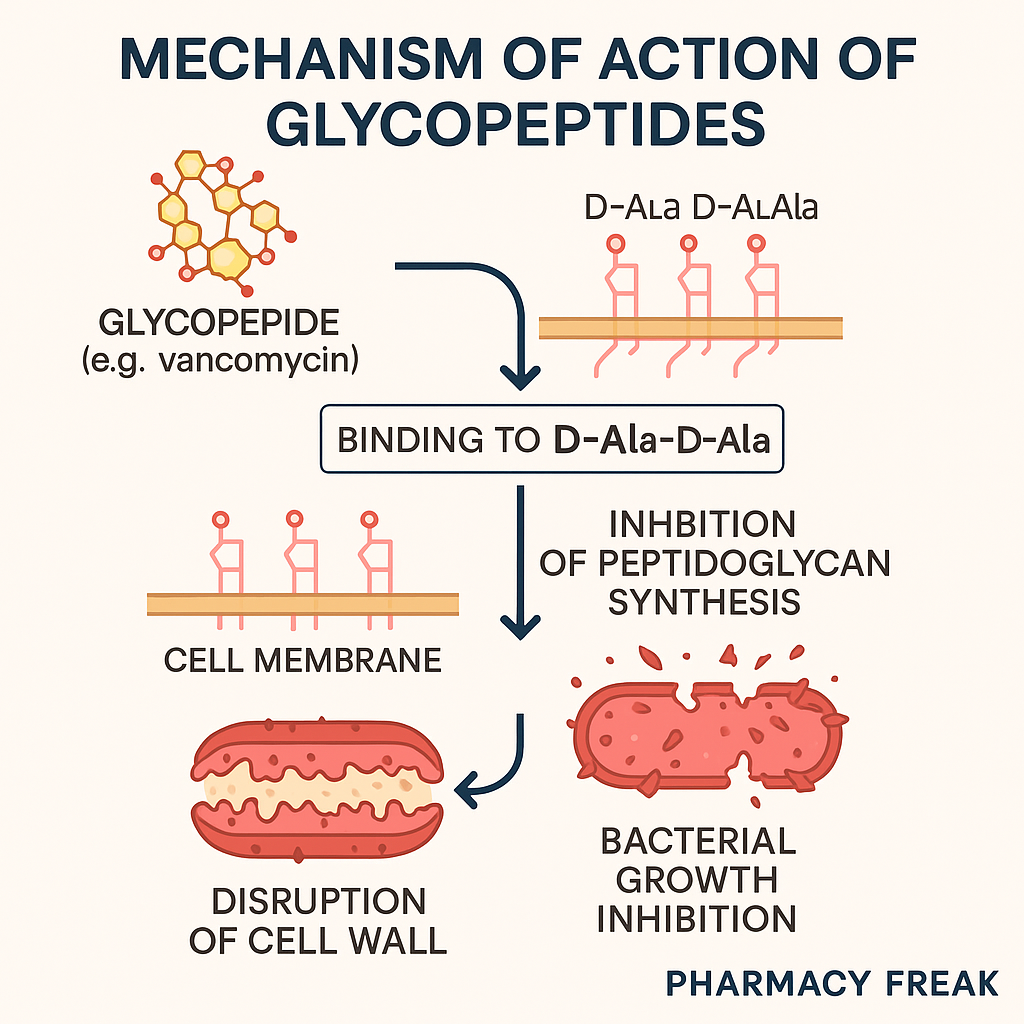
Mechanism of Action of Glycopeptides (e.g., Vancomycin)

Vancomycin MOA – D-Ala-D-Ala binding and peptidoglycan inhibition

Introduction Glycopeptides, most notably vancomycin, are a class of bactericidal antibiotics that inhibit bacterial cell wall synthesis by a mechanism distinct from β-lactams. Vancomycin is a crucial agent against Gram-positive infections, especially methicillin-resistant Staphylococcus aureus (MRSA) and Clostridium difficile. These antibiotics are vital for USMLE, NCLEX, GPAT, and NEET-PG due to their life-saving role, narrow … Read more

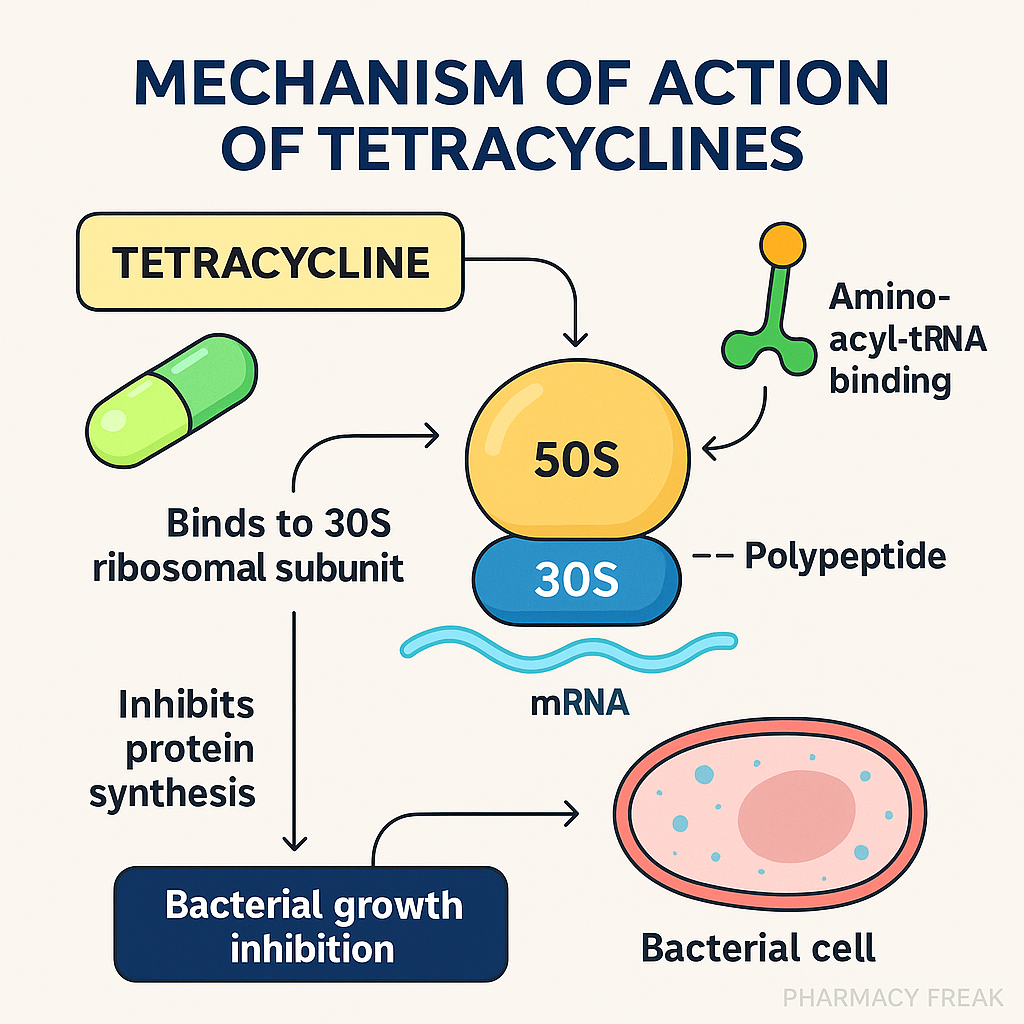
Mechanism of Action of Tetracyclines (Broad-Spectrum 30S Ribosome Inhibitors)

Tetracycline MOA – 30S ribosome binding and tRNA blocking

Introduction Tetracyclines are a class of broad-spectrum bacteriostatic antibiotics that inhibit bacterial protein synthesis. Common examples include tetracycline, doxycycline, minocycline, and demeclocycline. They are effective against a wide variety of Gram-positive, Gram-negative, and atypical organisms, including Rickettsia, Chlamydia, Mycoplasma, and Borrelia. Due to their broad usage and distinct mechanism, tetracyclines are high-yield topics for USMLE, … Read more

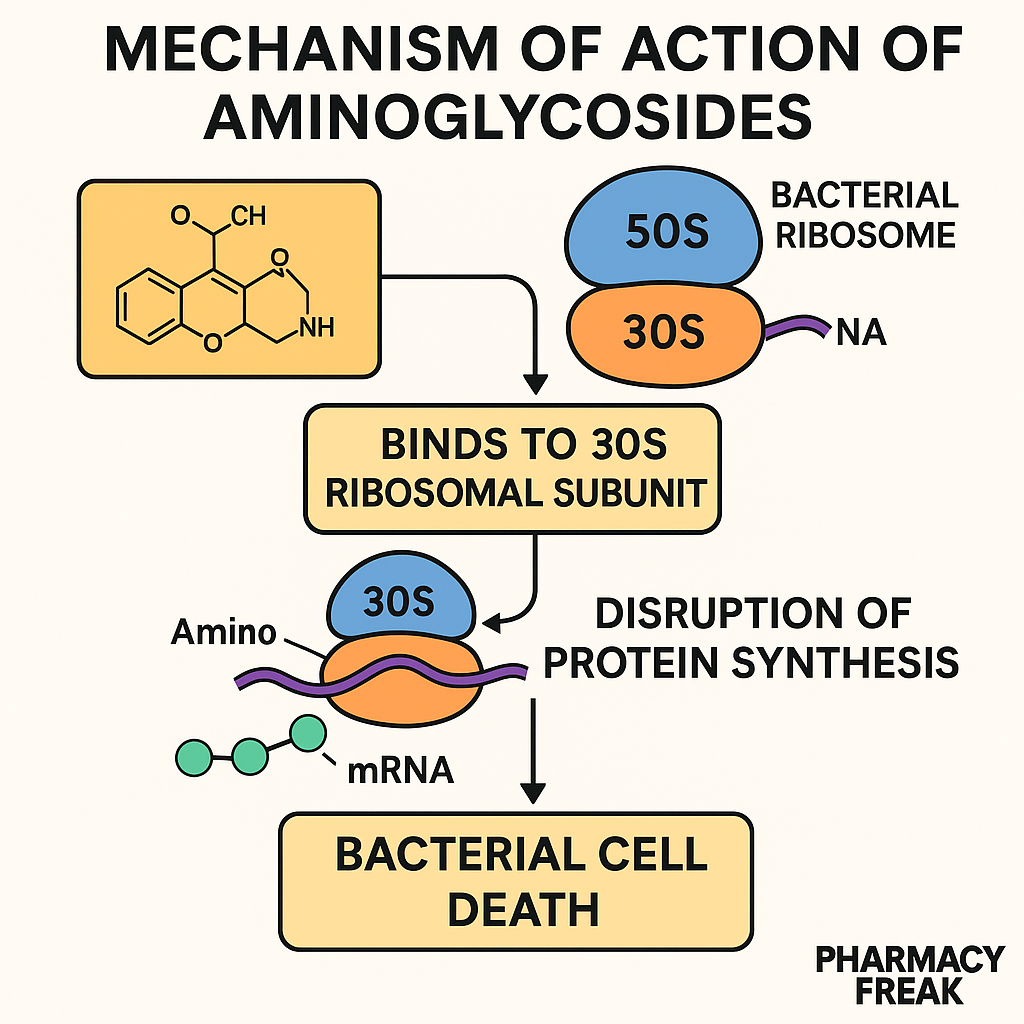
Mechanism of Action of Aminoglycosides

Aminoglycoside MOA – 30S ribosomal subunit binding and mRNA misreading

Introduction Aminoglycosides are potent bactericidal antibiotics used mainly against aerobic Gram-negative bacilli and serious systemic infections. Common examples include gentamicin, amikacin, tobramycin, streptomycin, and neomycin. Unlike most protein synthesis inhibitors, aminoglycosides are bactericidal, not bacteriostatic. They bind to the 30S subunit of the bacterial ribosome and cause misreading of mRNA, leading to faulty protein synthesis … Read more

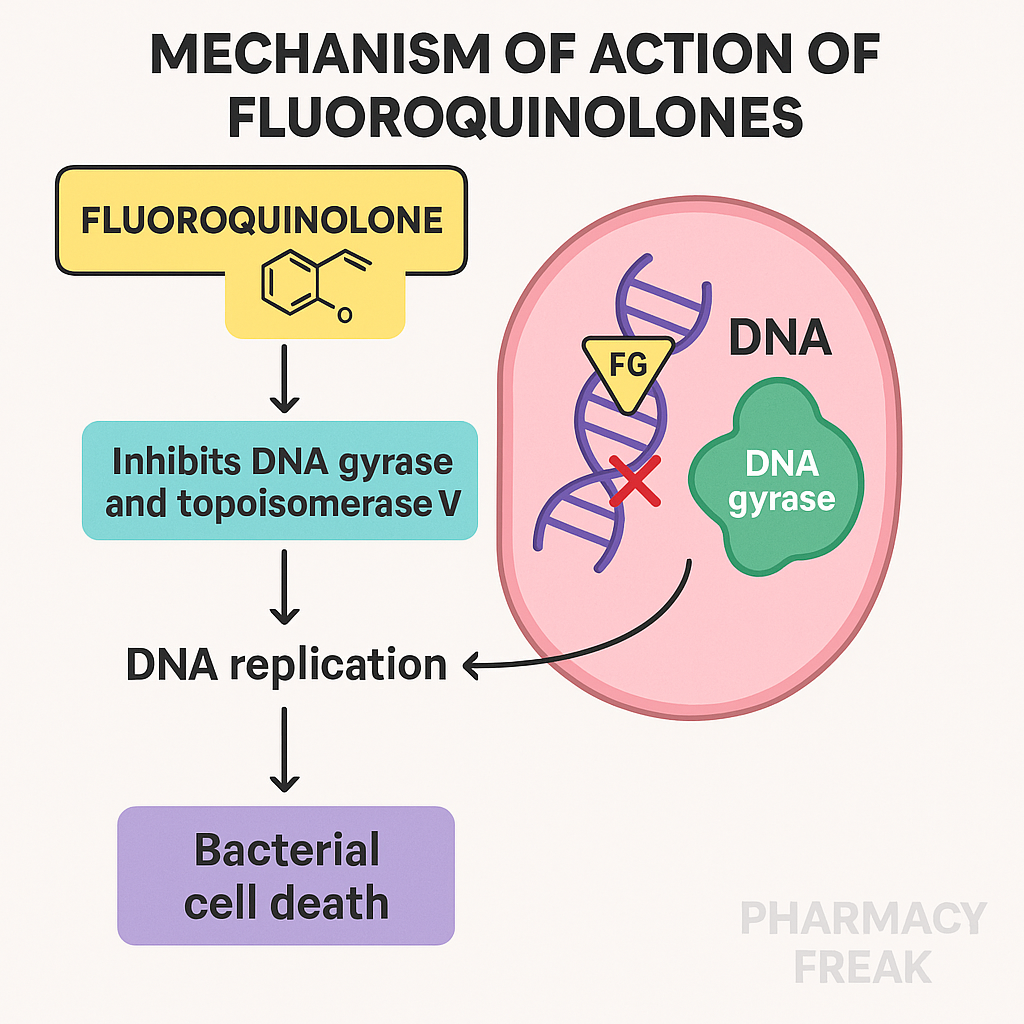
Mechanism of Action of Fluoroquinolones (DNA Gyrase and Topoisomerase Inhibitors)

Fluoroquinolone MOA – Inhibition of DNA gyrase and topoisomerase

Introduction Fluoroquinolones are a powerful class of bactericidal antibiotics that inhibit bacterial DNA replication. They are widely used to treat urinary tract infections (UTIs), respiratory infections, gastrointestinal infections, and sexually transmitted diseases. Common agents include ciprofloxacin, levofloxacin, and moxifloxacin. They exhibit broad-spectrum activity against Gram-positive, Gram-negative, and atypical organisms. Because of their unique mechanism of … Read more

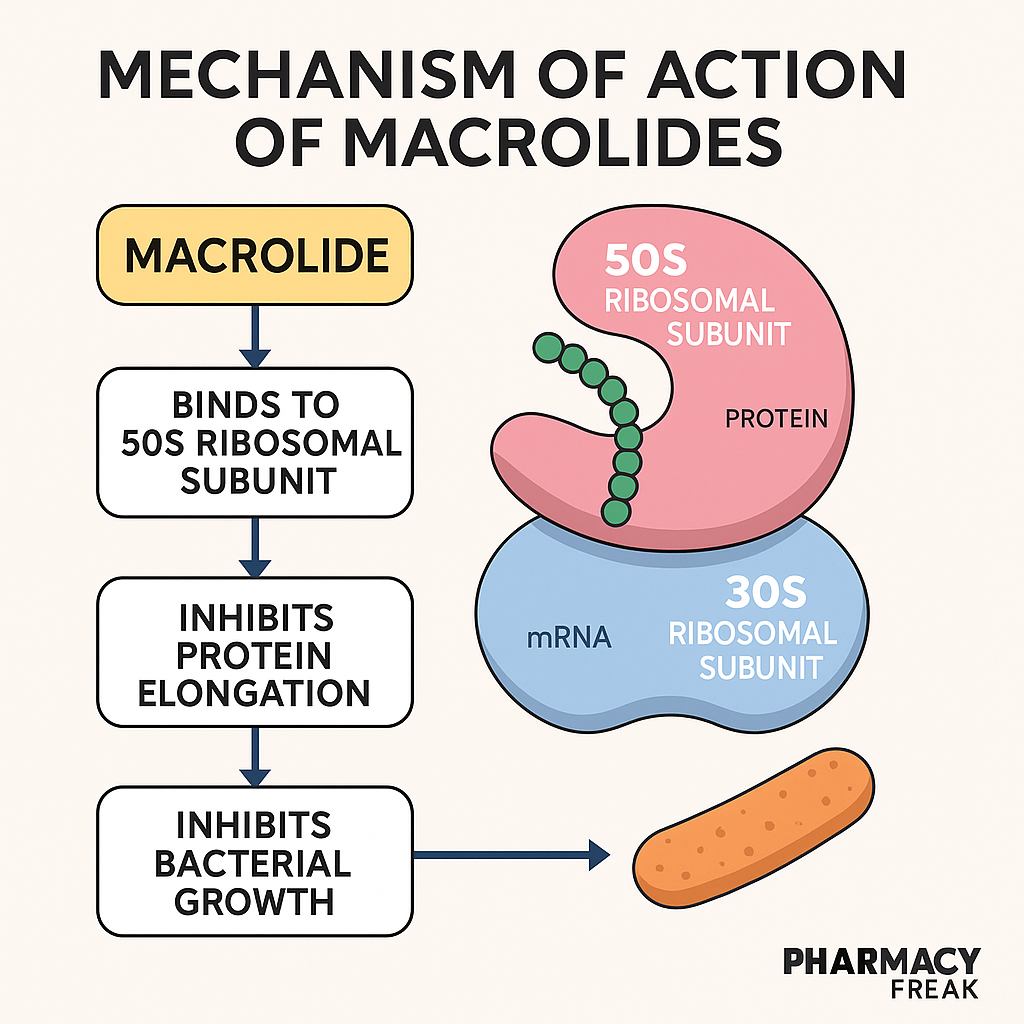
Mechanism of Action of Macrolides (Protein Synthesis Inhibitor Antibiotics)

Macrolide MOA – 50S ribosome binding and protein synthesis inhibition

Introduction Macrolides are a widely used class of bacteriostatic antibiotics that inhibit bacterial protein synthesis. They are especially effective against Gram-positive cocci, atypical organisms, and some Gram-negative pathogens. Common macrolides include erythromycin, azithromycin, and clarithromycin. Their use extends to respiratory tract infections, STDs, and skin infections, with azithromycin being a favorite due to its long … Read more

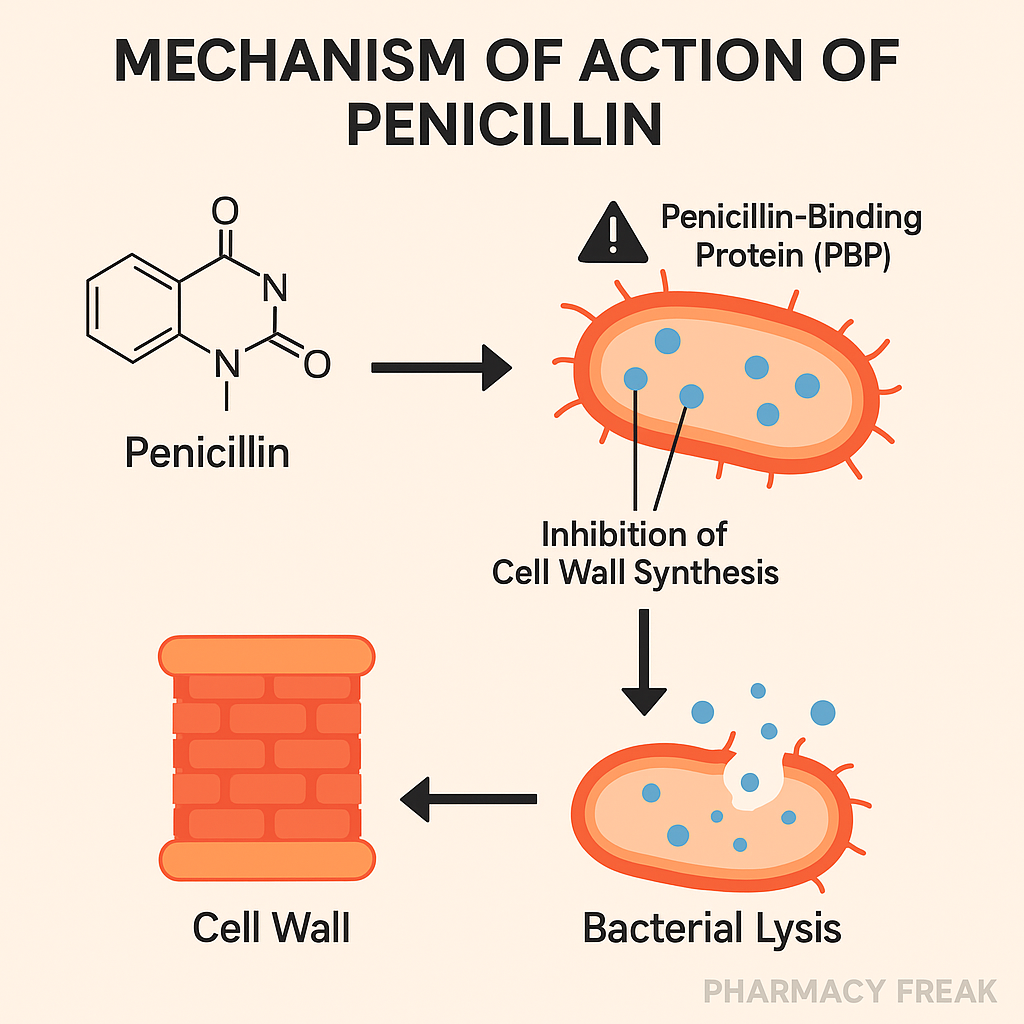
Mechanism of Action of Penicillins (β-lactam Antibiotics)

Penicillins MOA – Cell wall synthesis inhibition

Introduction Penicillins are one of the oldest and most widely used classes of antibiotics, belonging to the β-lactam family. They’re highly effective against Gram-positive bacteria and some Gram-negatives, depending on the type. Their mechanism centers on inhibiting bacterial cell wall synthesis, which leads to bacterial lysis and death. Penicillins remain a foundational topic for USMLE, … Read more

PRO
Ad-Free Access
$3.99 / month
  • No Interruptions
  • Faster Page Loads
  • Support Content Creators