Trusted by 50K+ Pharmacy StudentsHigh Quality Notes, MCQs, Mock Tests & Study ResourcesGo Premium (Ads Free)
Pharmacy Freak

Mechanism of Action of Fluoroquinolones (DNA Gyrase and Topoisomerase Inhibitors)
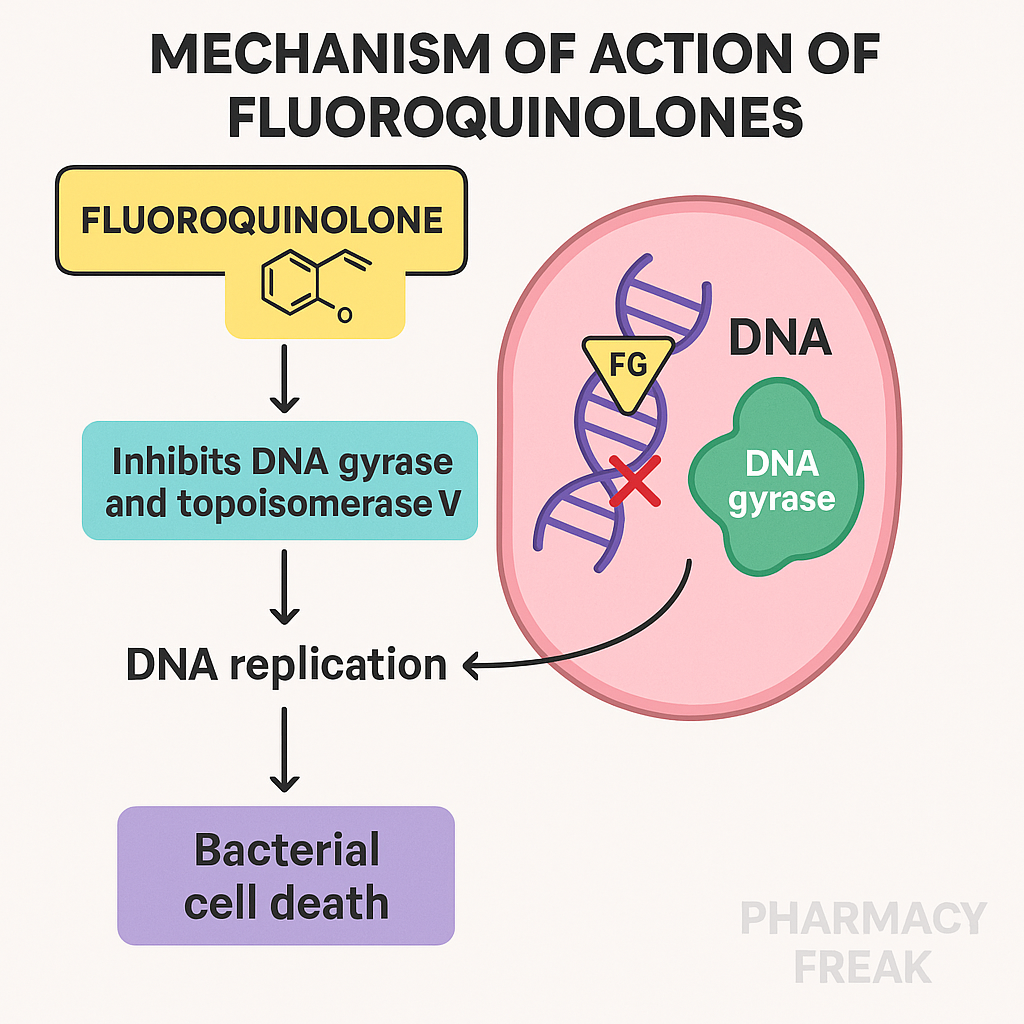
Fluoroquinolone MOA – Inhibition of DNA gyrase and topoisomerase

Introduction Fluoroquinolones are a powerful class of bactericidal antibiotics that inhibit bacterial DNA replication. They are widely used to treat urinary tract infections (UTIs), respiratory infections, gastrointestinal infections, and sexually transmitted diseases. Common agents include ciprofloxacin, levofloxacin, and moxifloxacin. They exhibit broad-spectrum activity against Gram-positive, Gram-negative, and atypical organisms. Because of their unique mechanism of … Read more
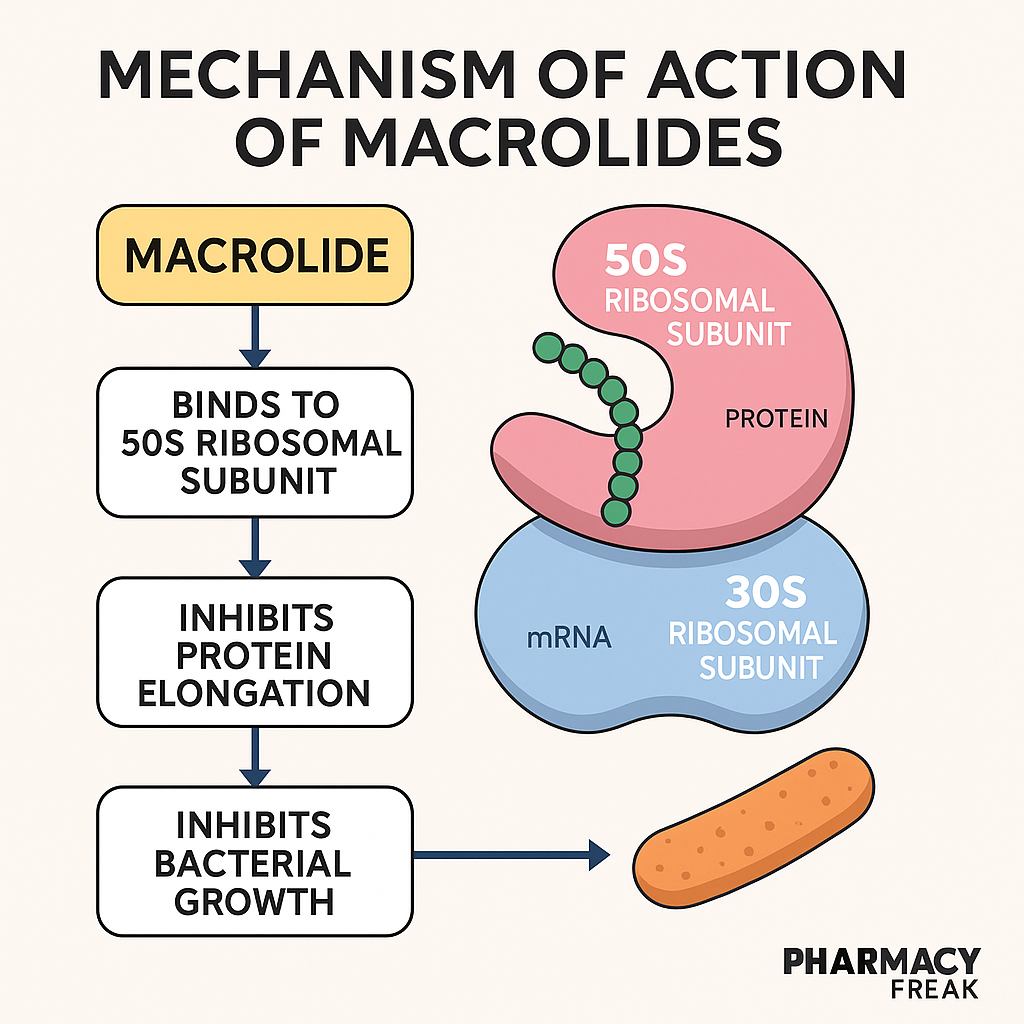
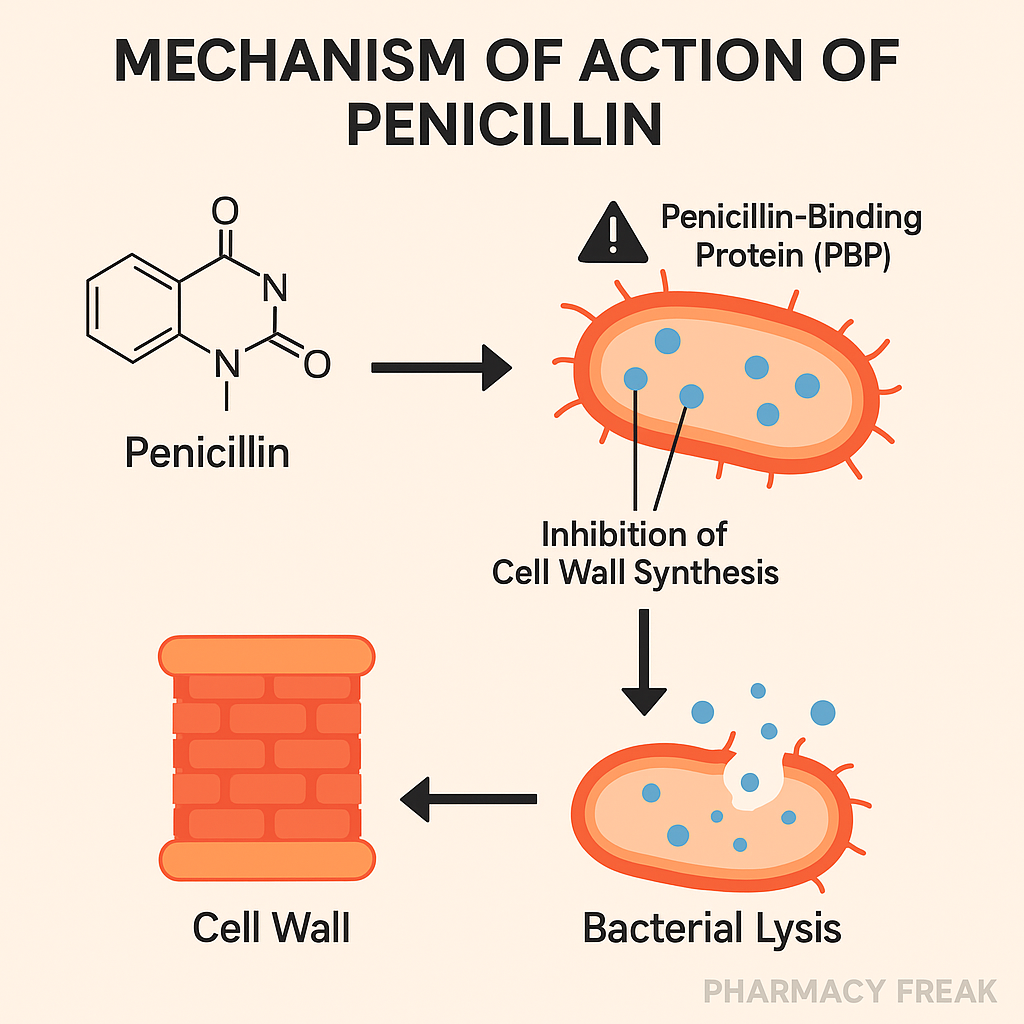
Mechanism of Action of Macrolides (Protein Synthesis Inhibitor Antibiotics)

Macrolide MOA – 50S ribosome binding and protein synthesis inhibition

Introduction Macrolides are a widely used class of bacteriostatic antibiotics that inhibit bacterial protein synthesis. They are especially effective against Gram-positive cocci, atypical organisms, and some Gram-negative pathogens. Common macrolides include erythromycin, azithromycin, and clarithromycin. Their use extends to respiratory tract infections, STDs, and skin infections, with azithromycin being a favorite due to its long … Read more

Mechanism of Action of Penicillins (β-lactam Antibiotics)

Penicillins MOA – Cell wall synthesis inhibition

Introduction Penicillins are one of the oldest and most widely used classes of antibiotics, belonging to the β-lactam family. They’re highly effective against Gram-positive bacteria and some Gram-negatives, depending on the type. Their mechanism centers on inhibiting bacterial cell wall synthesis, which leads to bacterial lysis and death. Penicillins remain a foundational topic for USMLE, … Read more

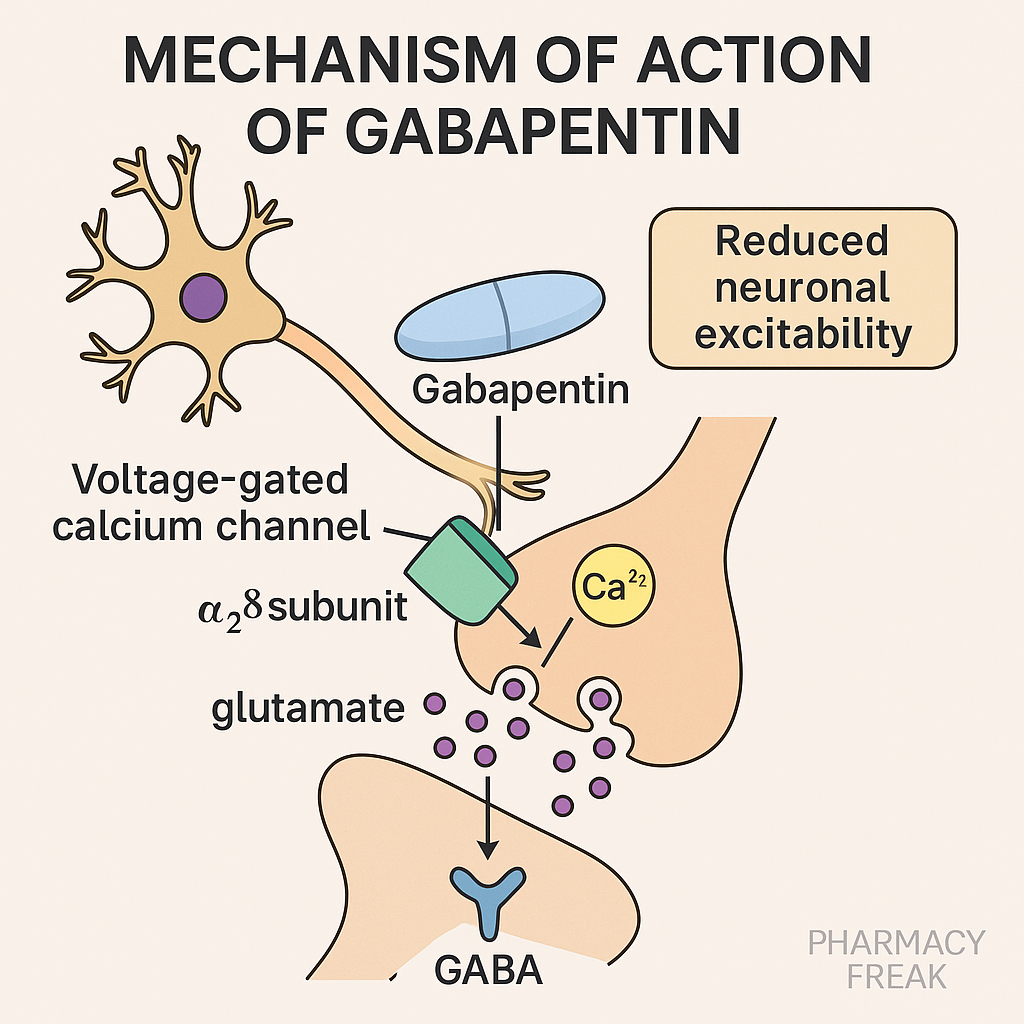
Mechanism of Action of Gabapentin

Gabapentin MOA – calcium channel modulator in epilepsy and neuropathic pain

Introduction Gabapentin is an antiepileptic drug and one of the most widely prescribed medications for neuropathic pain, postherpetic neuralgia, and partial seizures. Originally developed as a GABA analog, it surprisingly does not act directly on GABA receptors. Instead, it binds to voltage-gated calcium channels, altering neurotransmitter release. It is also used off-label for conditions like … Read more

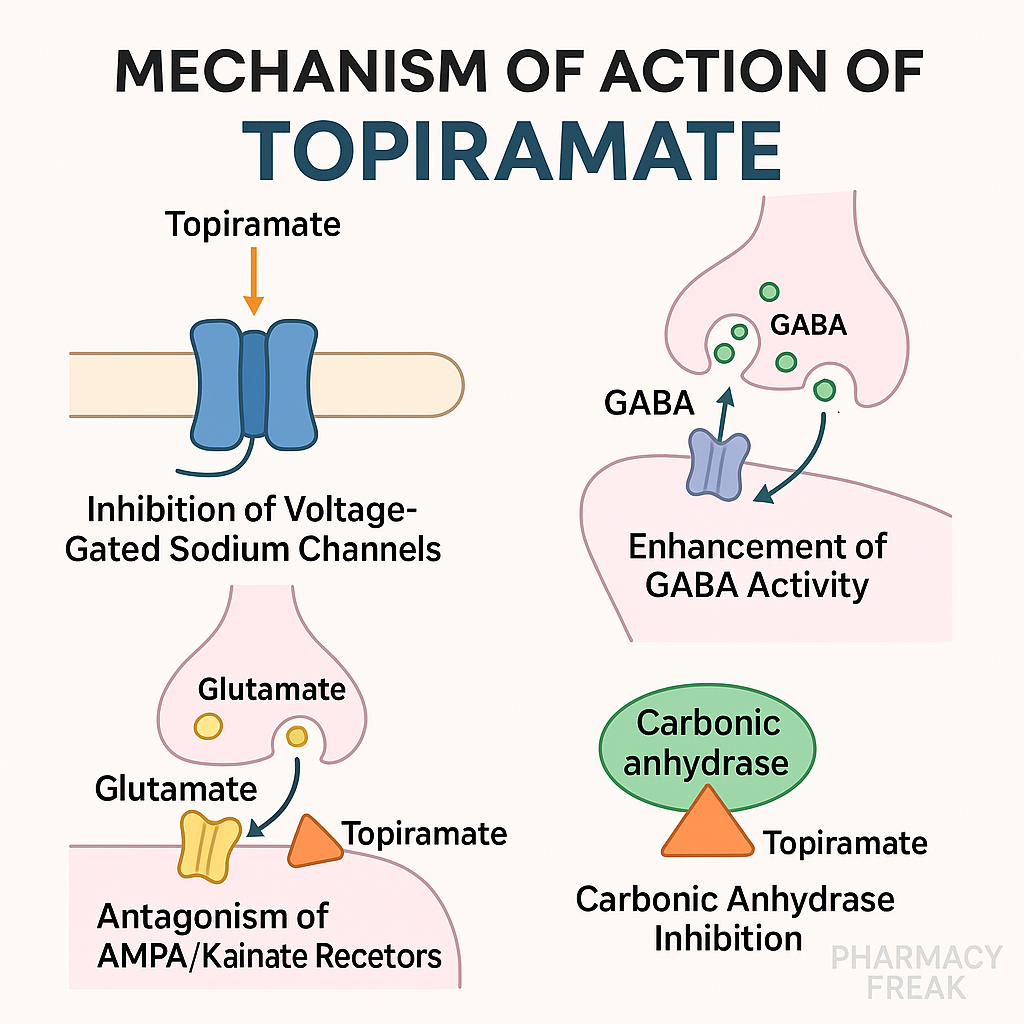
Mechanism of Action of Topiramate

Topiramate MOA – GABA enhancer, AMPA blocker, sodium channel inhibitor

Introduction Topiramate is a broad-spectrum antiepileptic drug (AED) known for its use in treating partial and generalized seizures, migraine prophylaxis, and Lennox-Gastaut syndrome. It has a multi-modal mechanism, acting on sodium channels, GABA-A receptors, glutamate receptors, and carbonic anhydrase. Its wide range of targets makes it effective in both epilepsy and mood disorders, though side … Read more

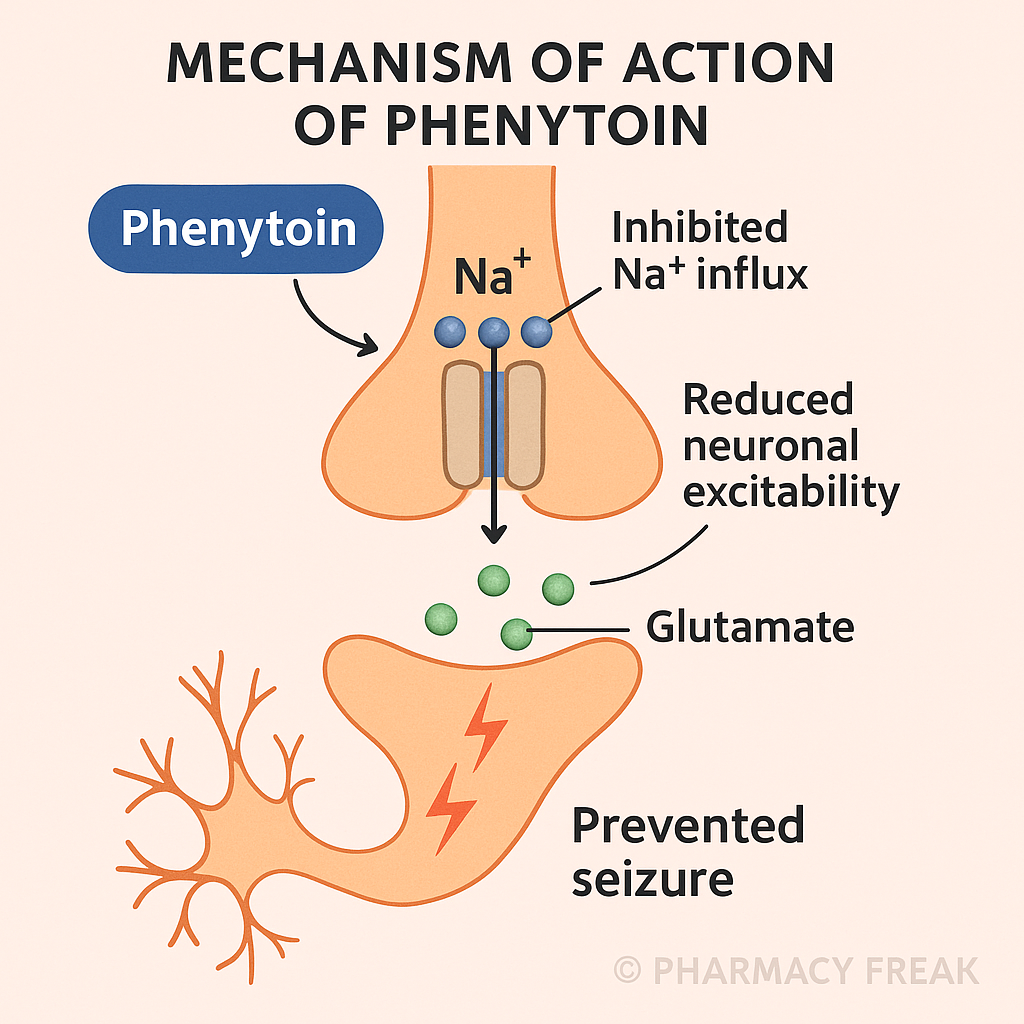
Mechanism of Action of Phenytoin

Phenytoin MOA – voltage-gated sodium channel blocker

Introduction Phenytoin is one of the oldest and most widely used antiepileptic drugs (AEDs), primarily for treating focal seizures and generalized tonic-clonic seizures. It has a well-known profile, acting on voltage-gated sodium channels to reduce high-frequency neuronal firing. Despite newer alternatives, phenytoin remains important, especially in emergency settings like status epilepticus (IV use). It’s a … Read more

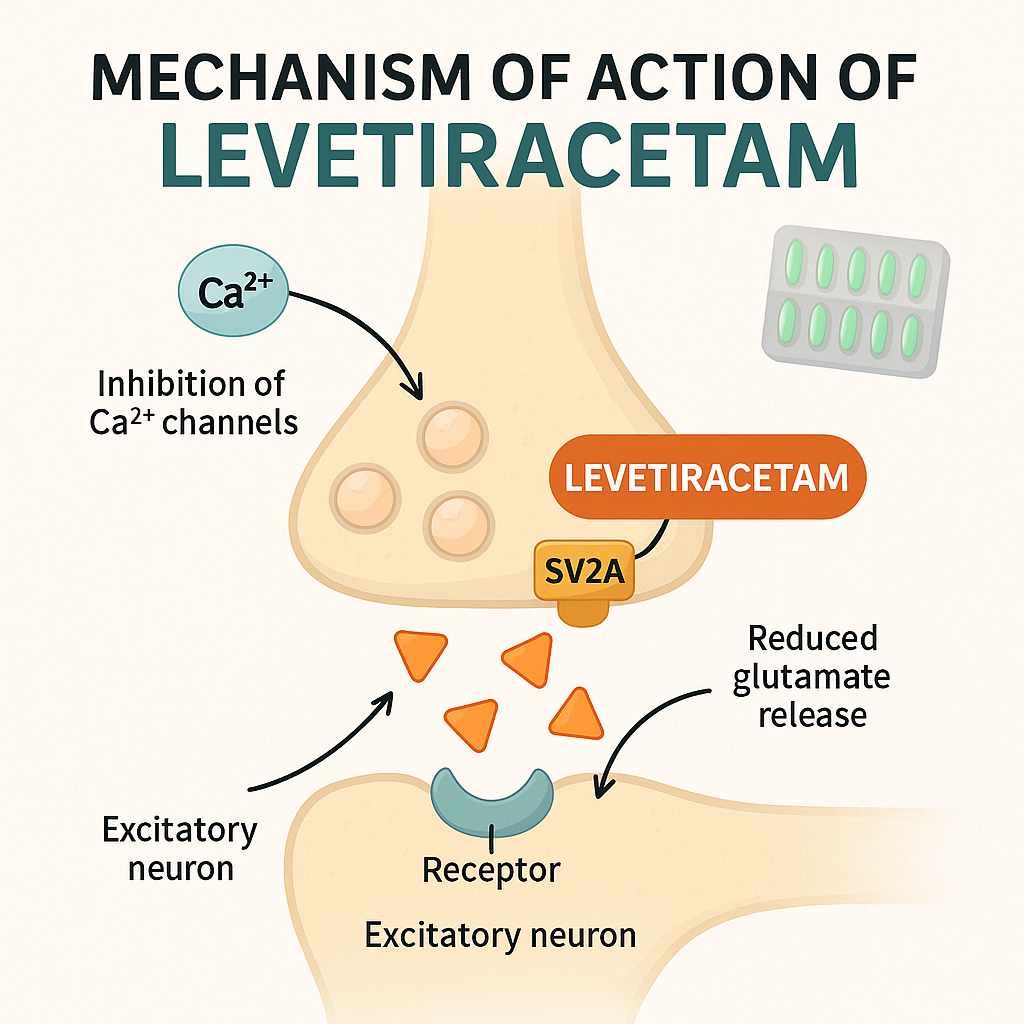
Mechanism of Action of Levetiracetam

Levetiracetam MOA – SV2A modulation in epilepsy

Introduction Levetiracetam is a novel, broad-spectrum antiepileptic drug (AED) used in the treatment of partial seizures, myoclonic seizures, and generalized tonic-clonic seizures. It is known for its favorable safety profile, minimal drug interactions, and ease of use in both adults and pediatric patients. Unlike older AEDs, levetiracetam acts through a unique synaptic mechanism. It is … Read more

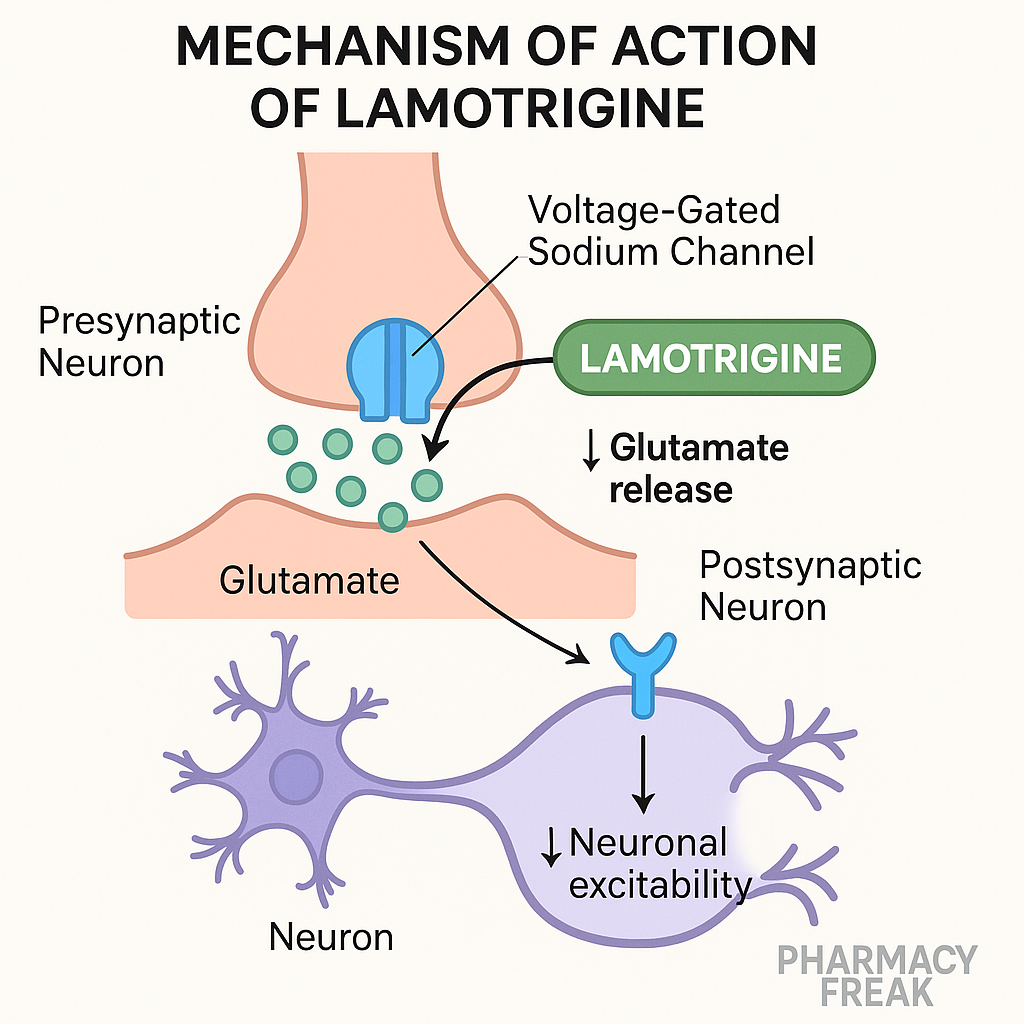
Mechanism of Action of Lamotrigine

Lamotrigine MOA – sodium channel blocker and glutamate inhibitor

Introduction Lamotrigine is a broad-spectrum antiepileptic drug (AED) and an effective mood stabilizer, especially in bipolar depression. It is commonly used to treat partial seizures, generalized seizures, Lennox-Gastaut syndrome, and maintenance therapy in bipolar disorder. Lamotrigine has a unique profile with low sedation, minimal weight gain, and fewer cognitive side effects, making it ideal for … Read more

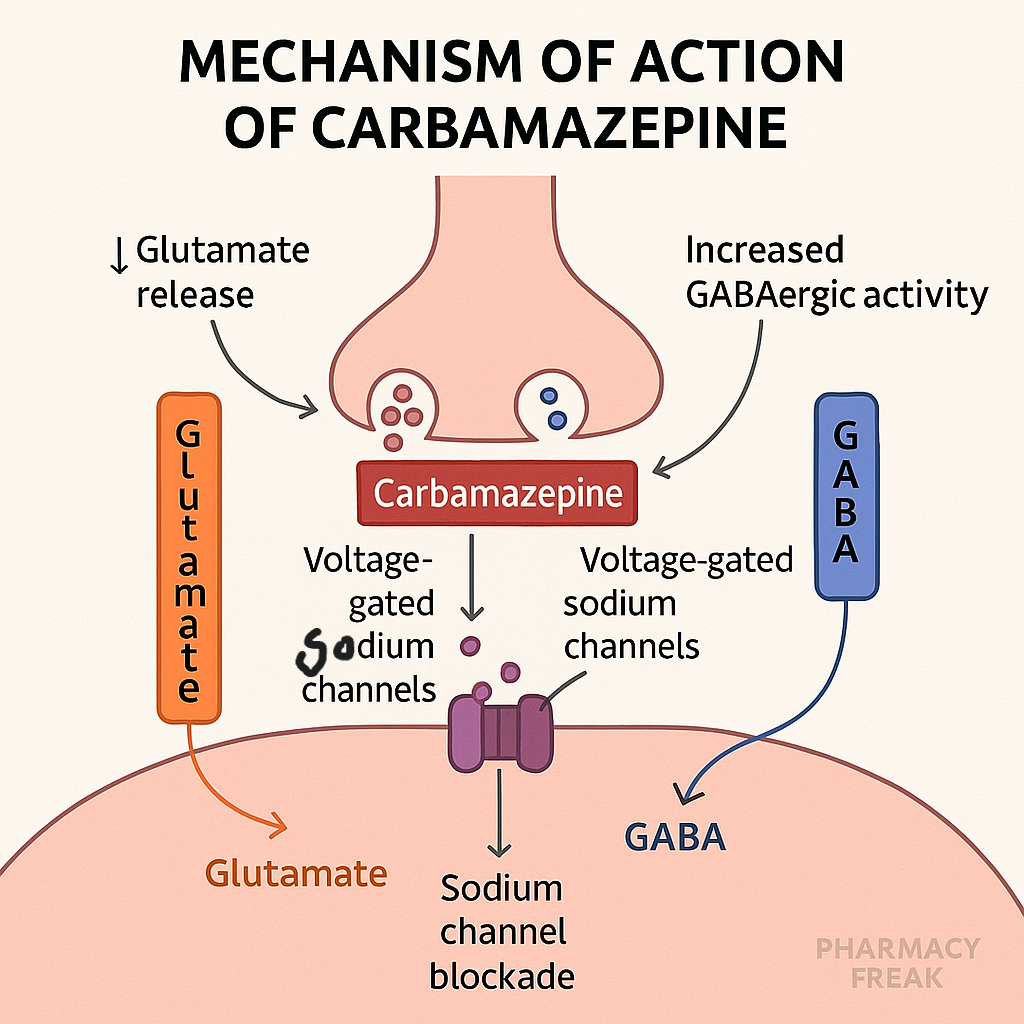
Mechanism of Action of Carbamazepine

Carbamazepine mechanism of action – sodium channel blocker in epilepsy and neuralgia

Introduction Carbamazepine is a classic antiepileptic drug (AED) and mood stabilizer. It is mainly used to treat partial and generalized tonic-clonic seizures, trigeminal neuralgia, and bipolar disorder. Its primary action involves blocking voltage-gated sodium channels, which stabilizes neuronal membranes and prevents repetitive firing. It is frequently tested in pharmacology sections of USMLE, NCLEX, GPAT, and … Read more

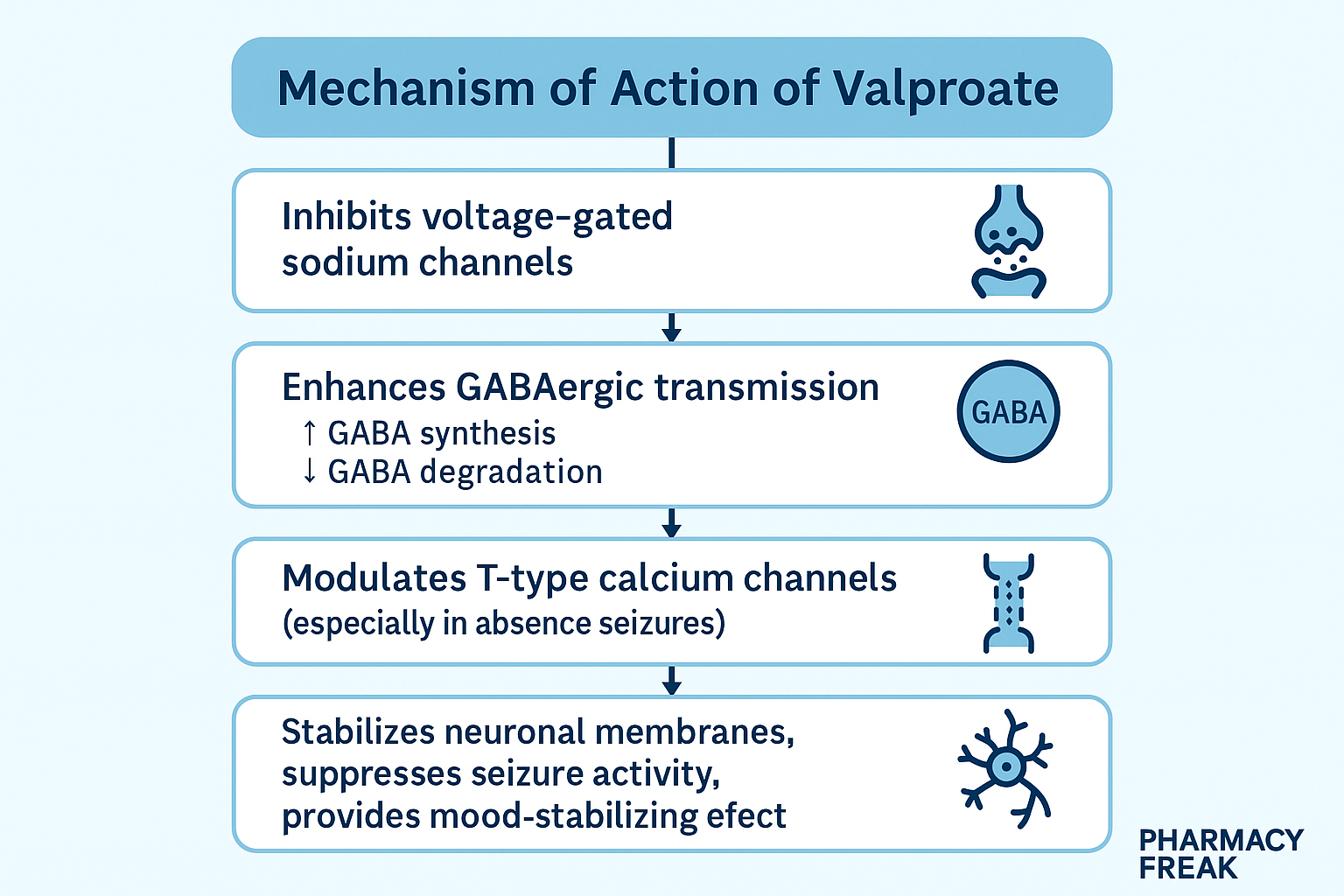
Mechanism of Action of Valproate (Mood Stabilizer & Antiepileptic)

Valproate mechanism of action – GABA elevation and ion channel blockade

Introduction Valproate (also known as valproic acid or divalproex sodium) is a widely used mood stabilizer and broad-spectrum antiepileptic. It is highly effective in treating bipolar disorder, generalized seizures, migraine prophylaxis, and acute mania. Its mechanism involves increased GABA levels, modulation of ion channels, and inhibition of intracellular signaling pathways. It’s frequently tested in exams … Read more

PRO
Ad-Free Access
$3.99 / month
  • No Interruptions
  • Faster Page Loads
  • Support Content Creators