Trusted by 50K+ Pharmacy StudentsHigh Quality Notes, MCQs, Mock Tests & Study ResourcesGo Premium (Ads Free)
Pharmacy Freak

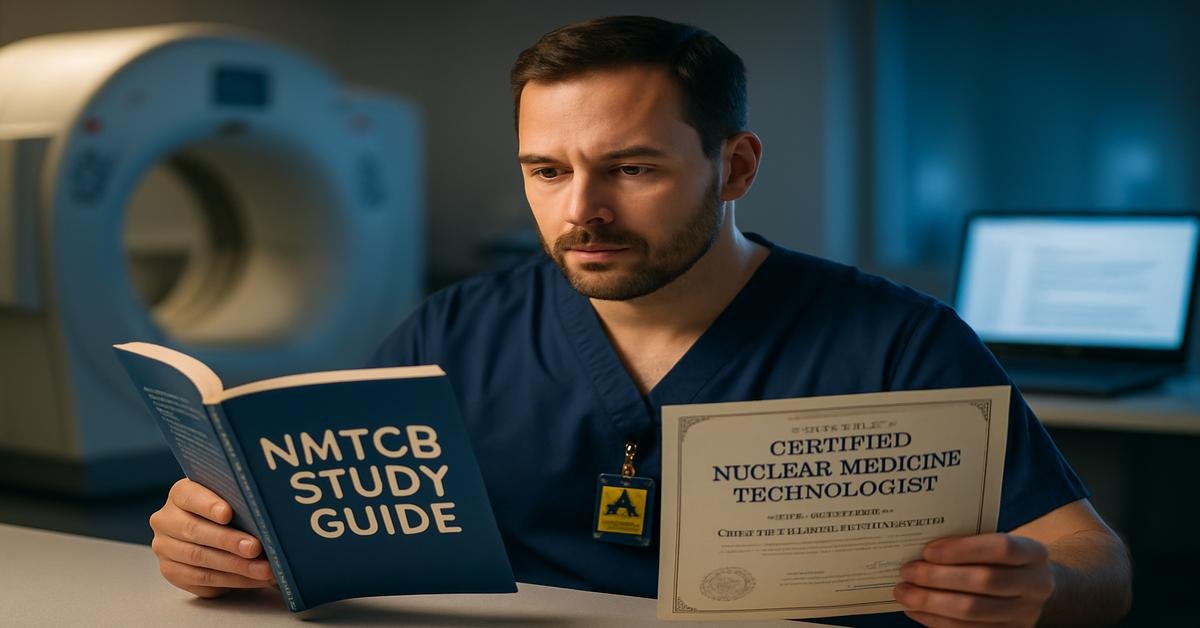
ARRT (N) Nuclear Medicine: Mastering Radioisotopes, How to Pass the ARRT Nuclear Medicine Board Exam

ARRT (N) Nuclear Medicine: Mastering Radioisotopes, How to Pass the ARRT Nuclear Medicine Board Exam

The ARRT (N) Nuclear Medicine certification exam is not just a test of memory. It checks whether you can think like a safe, entry-level nuclear medicine technologist. That means you need more than a list of isotopes and half-lives. You need to understand how radiopharmaceuticals behave, why certain imaging protocols are used, how quality control … Read more

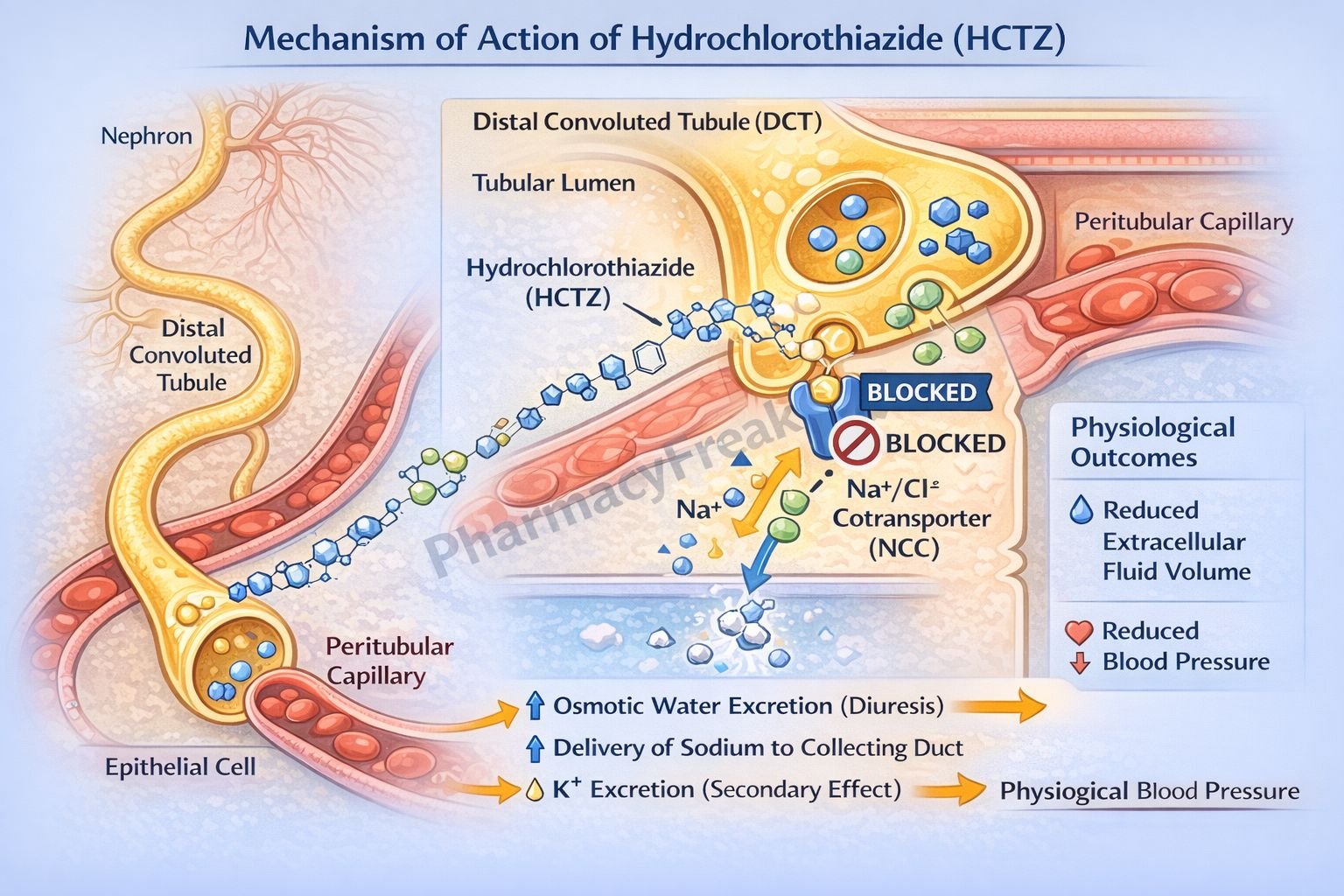
Mechanism of Action of Hydrochlorothiazide (HCTZ)

Mechanism of Action of Hydrochlorothiazide

Introduction Hydrochlorothiazide (HCTZ) is a thiazide diuretic widely used in the treatment of hypertension, edema, and certain kidney disorders. It acts primarily on the distal convoluted tubule of the nephron to promote sodium and water excretion. By reducing extracellular fluid volume and decreasing peripheral vascular resistance, hydrochlorothiazide effectively lowers blood pressure. Thiazide diuretics are among … Read more

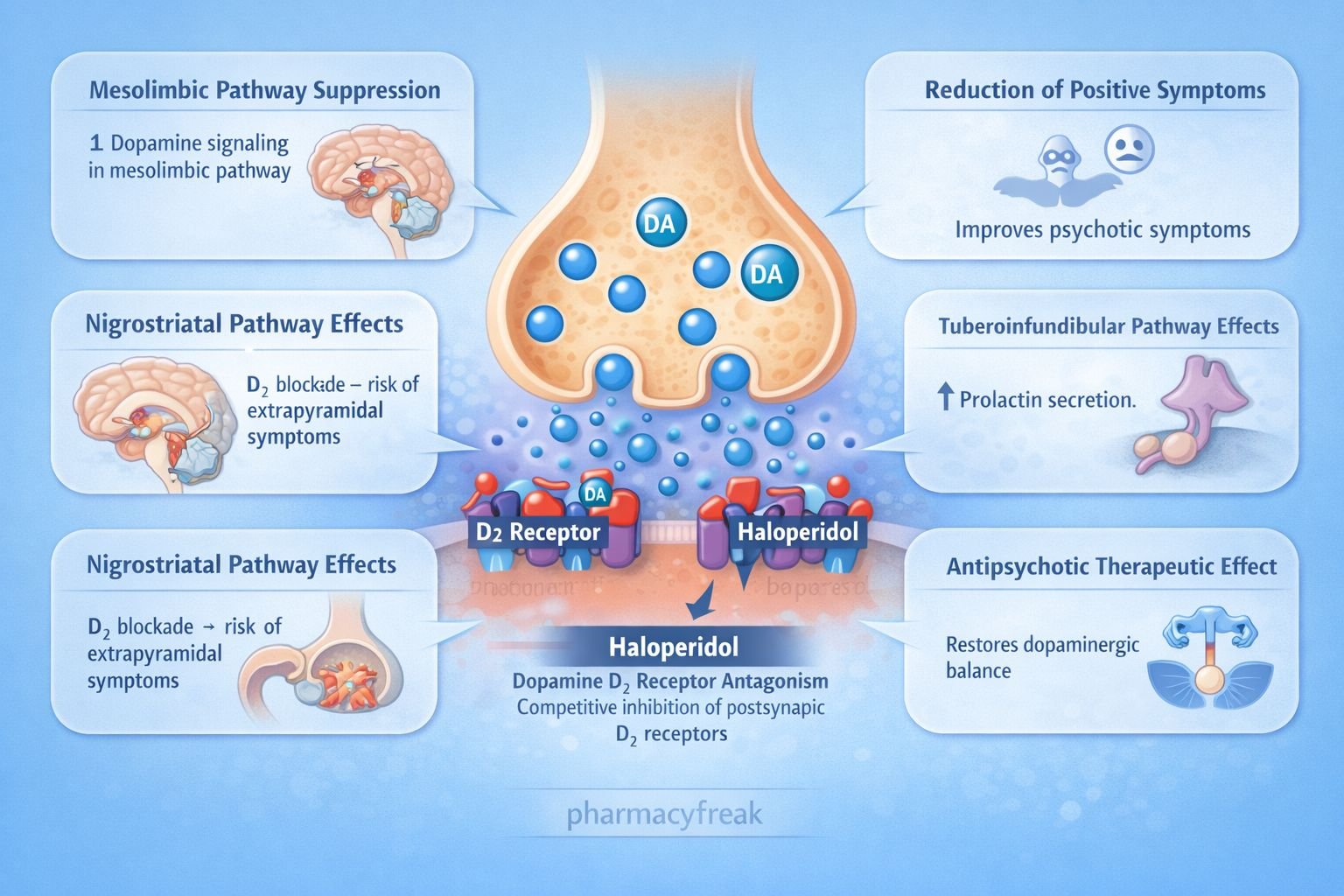
Mechanism of Action of Haloperidol

Mechanism of Action of Haloperidol

Introduction Haloperidol is a first generation (typical) antipsychotic belonging to the butyrophenone class. It is widely used in the treatment of schizophrenia, acute psychosis, delirium, and severe agitation. Haloperidol primarily works by blocking dopamine receptors in the central nervous system, particularly in the mesolimbic pathway. Because excessive dopamine activity in the mesolimbic pathway is associated … Read more

Mechanism of Action of H2 Antagonists

Mechanism of Action of H2 Antagonists

Introduction H2 antagonists, also called H2 receptor blockers, are drugs used to reduce gastric acid secretion in conditions such as peptic ulcer disease, gastroesophageal reflux disease (GERD), and Zollinger–Ellison syndrome. These drugs block histamine H2 receptors located on gastric parietal cells, thereby inhibiting acid production. Common H2 antagonists include cimetidine, ranitidine, famotidine, and nizatidine. By … Read more

MRI Tech Careers: Why ARRT (MRI) is One of the Most Profitable Specialties in Medical Imaging

MRI Tech Careers: Why ARRT (MRI) is One of the Most Profitable Specialties in Medical Imaging

MRI is one of the most specialized roles in medical imaging, and that specialization often shows up in pay, job demand, and long-term career stability. For technologists who already work in radiologic technology or for students choosing an imaging path, the ARRT (MRI) credential stands out because it sits at the intersection of skill, responsibility, … Read more

ARRT (MRI) Study Guide: High-Yield MRI Physics and Safety Protocols for the Board Certification

ARRT (MRI) Study Guide: High-Yield MRI Physics and Safety Protocols for the Board Certification

The ARRT MRI exam rewards two things: clear physics understanding and safe clinical judgment. You do not need to become a physicist to pass, but you do need to know how MRI works well enough to predict what happens when a parameter changes, recognize image artifacts, and keep patients and staff safe. That is why … Read more

NCLEX Question of the Day – Sunday, March 15, 2026

NCLEX Question of the Day - Sunday, March 15, 2026

Today’s NCLEX question focuses on priority action in a pediatric respiratory situation. This skill matters because children can worsen fast when their breathing is affected. A nurse has to notice early danger signs, act in the right order, and choose the response that protects oxygenation first. Clinical Scenario A 3-year-old child is brought to the … Read more

ARRT (MRI) Resonance Imaging: Mastering the Magnet, How to Pass the ARRT MRI Registry Exam

ARRT (MRI) Resonance Imaging: Mastering the Magnet, How to Pass the ARRT MRI Registry Exam

The ARRT MRI registry exam is a big step for anyone who wants to work in magnetic resonance imaging. It tests more than memorized facts. It checks whether you understand how MRI works, how to keep patients safe, and how to produce useful images in real clinical situations. That is why many people find it … Read more

ARRT (CT) Study Guide: High-Yield Cross-Sectional Anatomy and Physics for CT Technologists

ARRT (CT) Study Guide: High-Yield Cross-Sectional Anatomy and Physics for CT Technologists

Preparing for the ARRT CT exam can feel broad at first. The content spans patient care, procedures, image production, anatomy, and physics. But most CT technologists know where the pressure really sits: cross-sectional anatomy and CT physics. These are the areas that test whether you can look at an image, understand what you are seeing, … Read more

PRO
Ad-Free Access
$3.99 / month
  • No Interruptions
  • Faster Page Loads
  • Support Content Creators