Trusted by 50K+ Pharmacy StudentsHigh Quality Notes, MCQs, Mock Tests & Study ResourcesGo Premium (Ads Free)
Pharmacy Freak

Mechanism of Action of Ibuprofen
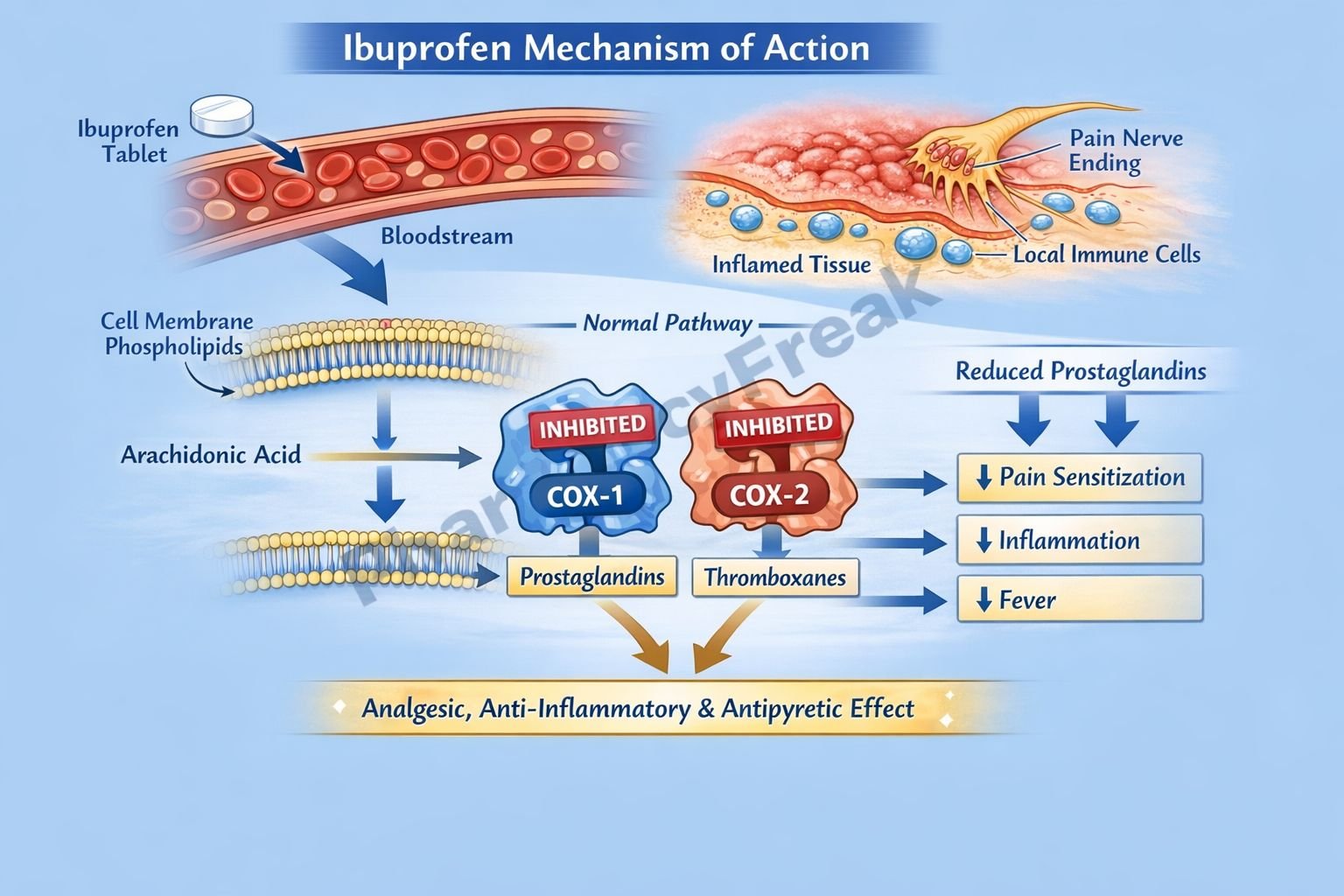
Mechanism of Action of Ibuprofen

Introduction Ibuprofen is a widely used nonsteroidal anti-inflammatory drug (NSAID) belonging to the propionic acid class. It is commonly used for its analgesic, antipyretic, and anti-inflammatory properties. Ibuprofen is frequently prescribed in conditions such as pain, fever, and inflammatory disorders, making it a staple drug in both clinical and over-the-counter settings. Mechanism of Action (Step-wise) … Read more
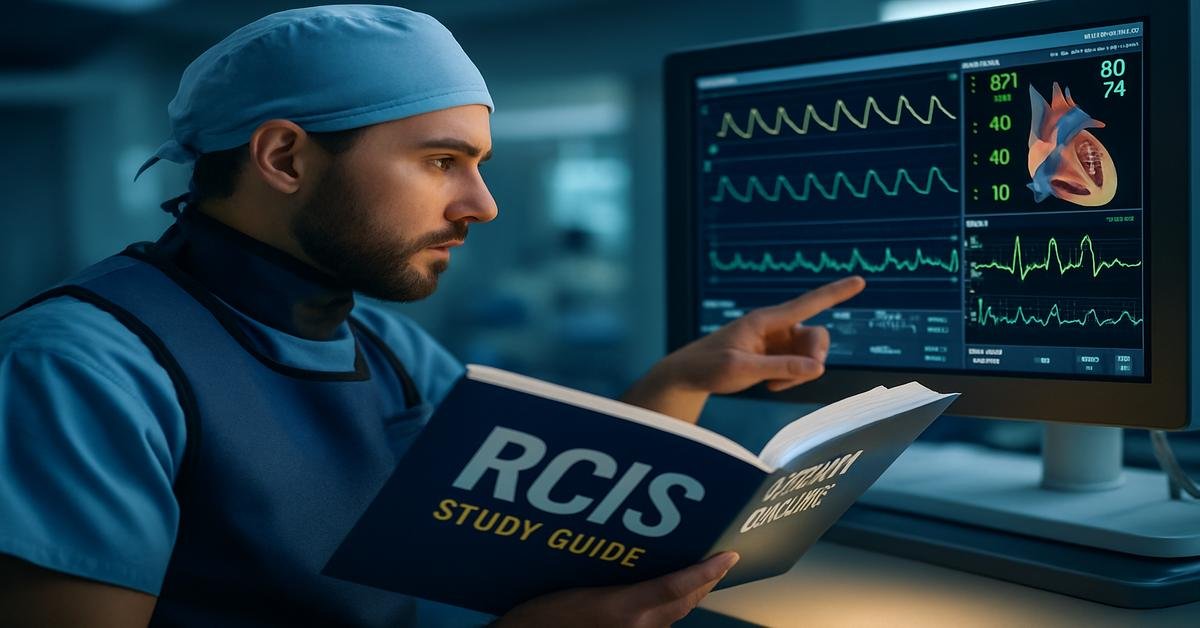
RCIS Study Guide: High-Yield Hemodynamic Monitoring and Cardiac Procedure Knowledge for Techs

RCIS Study Guide: High-Yield Hemodynamic Monitoring and Cardiac Procedure Knowledge for Techs

The RCIS exam asks you to think like a working cath lab professional, not like a student memorizing disconnected facts. That is why hemodynamic monitoring and procedure knowledge carry so much weight. In real cases, you are expected to notice pressure changes, recognize dangerous patterns, understand what the physician is doing, and respond fast. A … Read more

NCLEX Question of the Day – Thursday, March 19, 2026

NCLEX Question of the Day - Thursday, March 19, 2026

Today’s question targets early recognition and first-line nursing action for medication-related complications. This matters because many patient problems on a real shift start with a subtle change after a drug is given. Nurses need to spot the pattern fast, decide what is most urgent, and act before the patient declines. Clinical Scenario A 68-year-old man … Read more

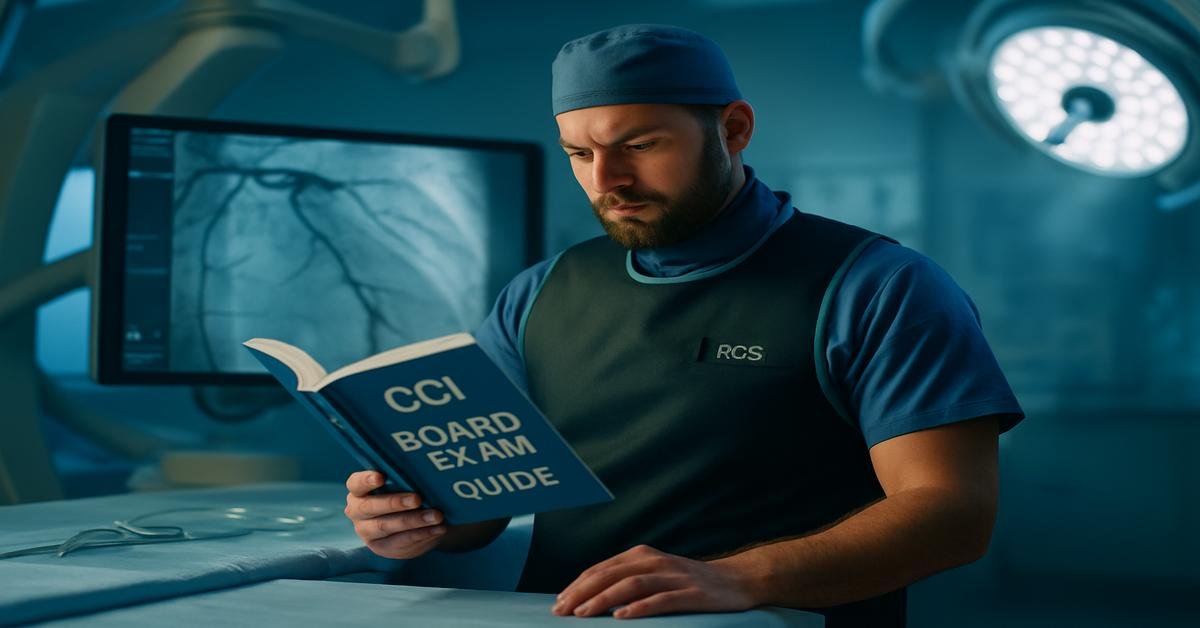
RCIS Cardiovascular Invasive: Mastering the Cath Lab, How to Pass the CCI Specialist Board Exam

RCIS Cardiovascular Invasive: Mastering the Cath Lab, How to Pass the CCI Specialist Board Exam

The RCIS credential matters because it proves you can work safely and competently in one of the most demanding areas of cardiovascular care: the cath lab. RCIS stands for Registered Cardiovascular Invasive Specialist, and the exam is offered by Cardiovascular Credentialing International, or CCI. For many people, the test feels intimidating for a simple reason: … Read more

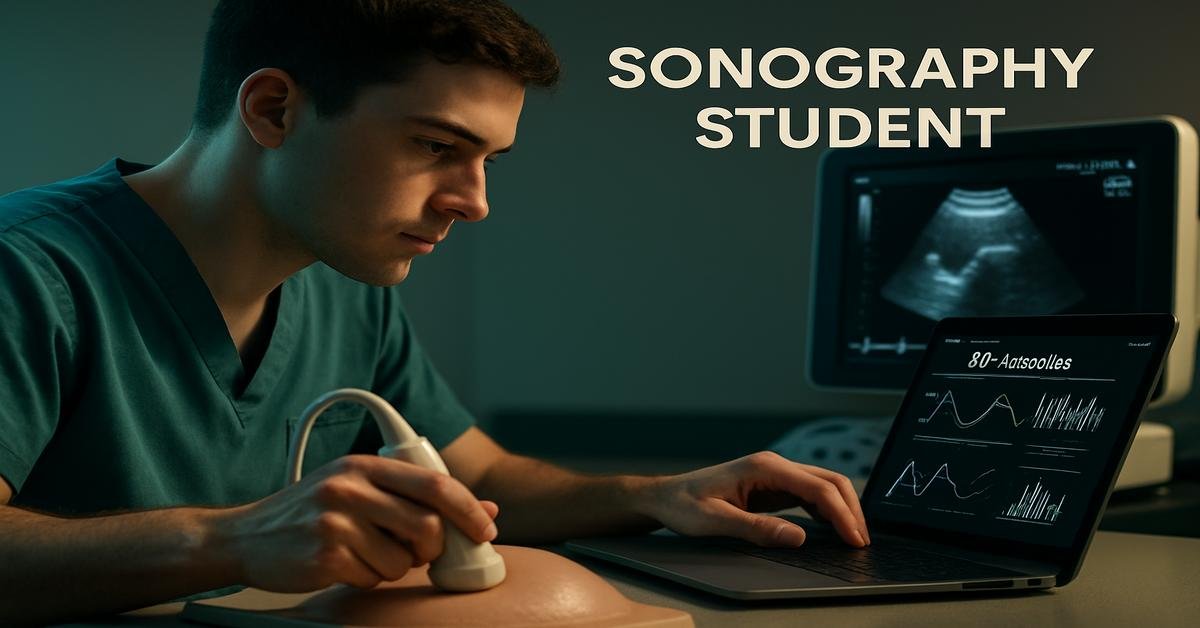
Passing the SPI: Why Every Ultrasound Student Must Master This Exam Before Taking Specialty Boards

Passing the SPI: Why Every Ultrasound Student Must Master This Exam Before Taking Specialty Boards

For ultrasound students, the Sonography Principles and Instrumentation exam, usually called the SPI, can feel like one more hurdle on a long path. In reality, it is much more than a box to check. The SPI tests whether you understand how ultrasound works, how images are created, and how to use the machine safely and … Read more

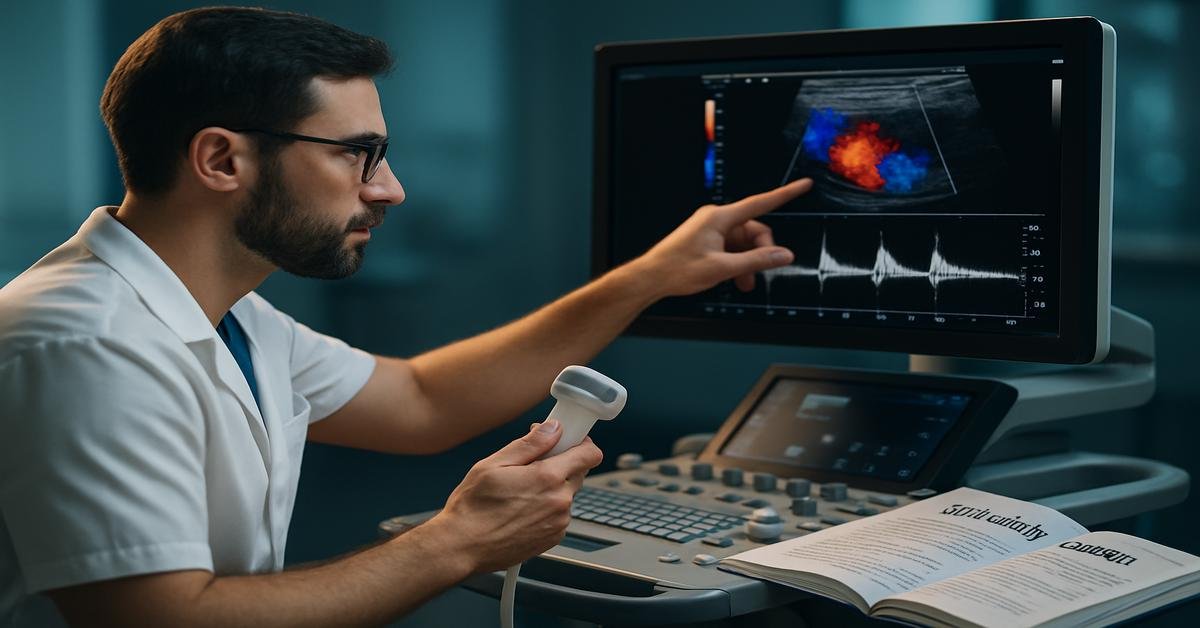
SPI Study Guide: High-Yield Topics on Hemodynamics and Ultrasound Instrumentation for Sonographers

SPI Study Guide: High-Yield Topics on Hemodynamics and Ultrasound Instrumentation for Sonographers

The SPI exam tests how well you understand the physics behind ultrasound, not just how to recognize images. Two areas show up again and again because they matter in daily scanning: hemodynamics and instrumentation. Hemodynamics explains what blood flow is doing and why Doppler looks the way it does. Instrumentation explains how the machine creates, … Read more

NCLEX Question of the Day – Wednesday, March 18, 2026

NCLEX Question of the Day - Wednesday, March 18, 2026

Today’s question targets safe medication administration in a changing patient condition. This matters because nurses often give routine drugs during busy shifts, but the right action depends on what is happening with the patient right now, not just what is on the MAR. Good NCLEX thinking means noticing a risk, holding the medication when needed, … Read more

SPI Sonography Principles: Mastering Ultrasound Physics, How to Pass the ARDMS Foundation Exam

SPI Sonography Principles: Mastering Ultrasound Physics, How to Pass the ARDMS Foundation Exam

The Sonography Principles and Instrumentation, or SPI, exam is the physics gatekeeper for ARDMS credentials. Many people find it harder than some specialty exams because it tests ideas, not just memorized facts. You need to understand how sound behaves in tissue, how the machine creates an image, and what changes when you touch a control … Read more

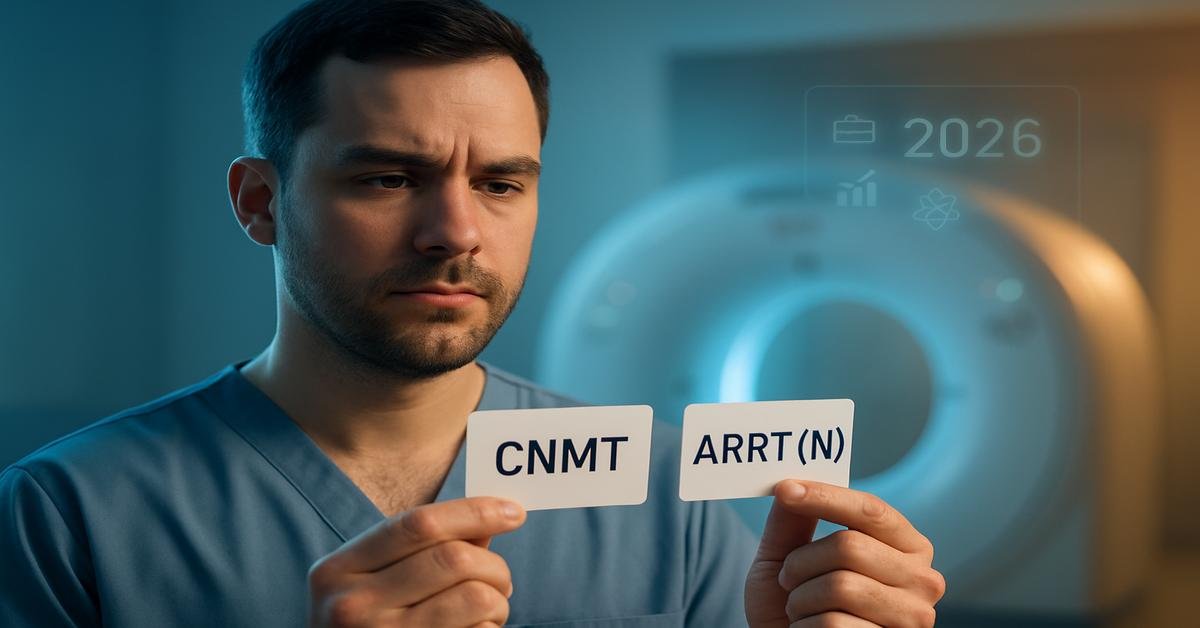
CNMT vs. ARRT (N): Which Nuclear Medicine Certification is Better for Your Career in 2026?

CNMT vs. ARRT (N): Which Nuclear Medicine Certification is Better for Your Career in 2026?

If you want to work in nuclear medicine in 2026, one question comes up fast: should you pursue the CNMT credential or the ARRT (N) credential? Both are respected. Both can help you get hired. And in many workplaces, either one may qualify you for similar roles. But they are not identical. They come from … Read more

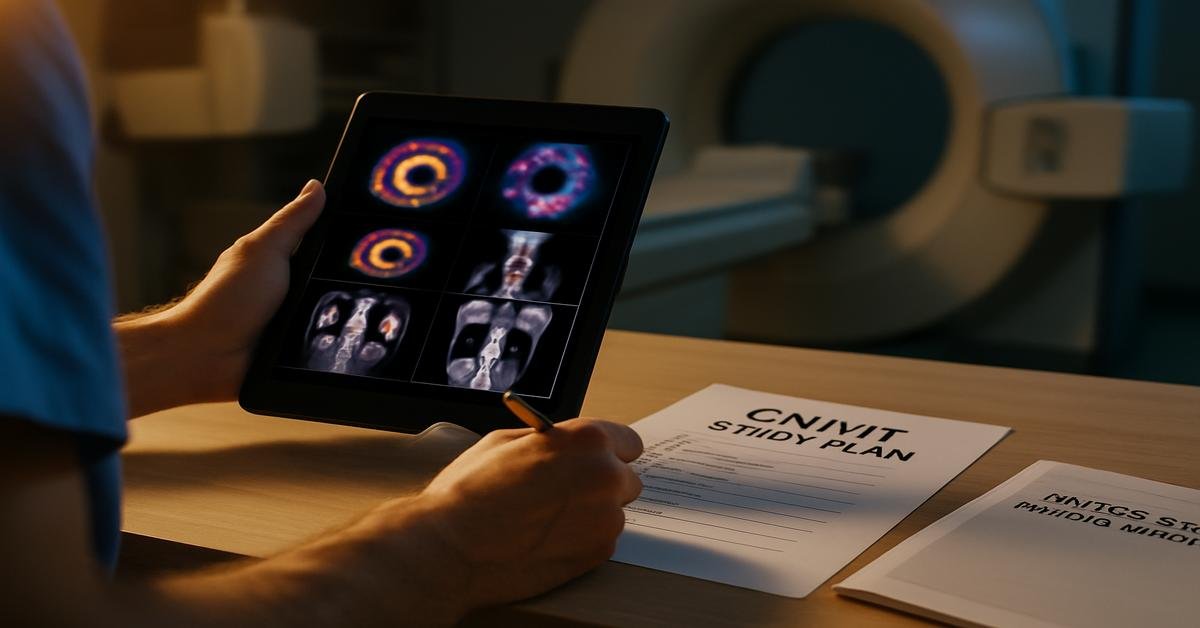
CNMT Study Plan: High-Yield Nuclear Cardiology and Oncology Topics for the NMTCB Certification

CNMT Study Plan: High-Yield Nuclear Cardiology and Oncology Topics for the NMTCB Certification

The NMTCB certification exam covers broad nuclear medicine practice, but two areas often decide how confident you feel on test day: nuclear cardiology and nuclear oncology. These topics show up often because they reflect real daily work. They also require more than memorization. You need to understand why a stress image looks different from a … Read more

PRO
Ad-Free Access
$3.99 / month
  • ✓ No Interruptions
  • ✓ Faster Page Loads
  • ✓ Support Content Creators