Trusted by 50K+ Pharmacy StudentsHigh Quality Notes, MCQs, Mock Tests & Study ResourcesGo Premium (Ads Free)
Pharmacy Freak

Mechanism of Action of Apixaban

Apixaban Mechanism of Action

Introduction Apixaban is a direct oral anticoagulant (DOAC) used to prevent and treat thrombosis. It is specifically indicated for stroke prevention in non-valvular atrial fibrillation, treatment and prevention of venous thromboembolism (VTE), and management of deep vein thrombosis (DVT) and pulmonary embolism (PE). Its predictable pharmacokinetics and oral administration make it a widely used alternative … Read more
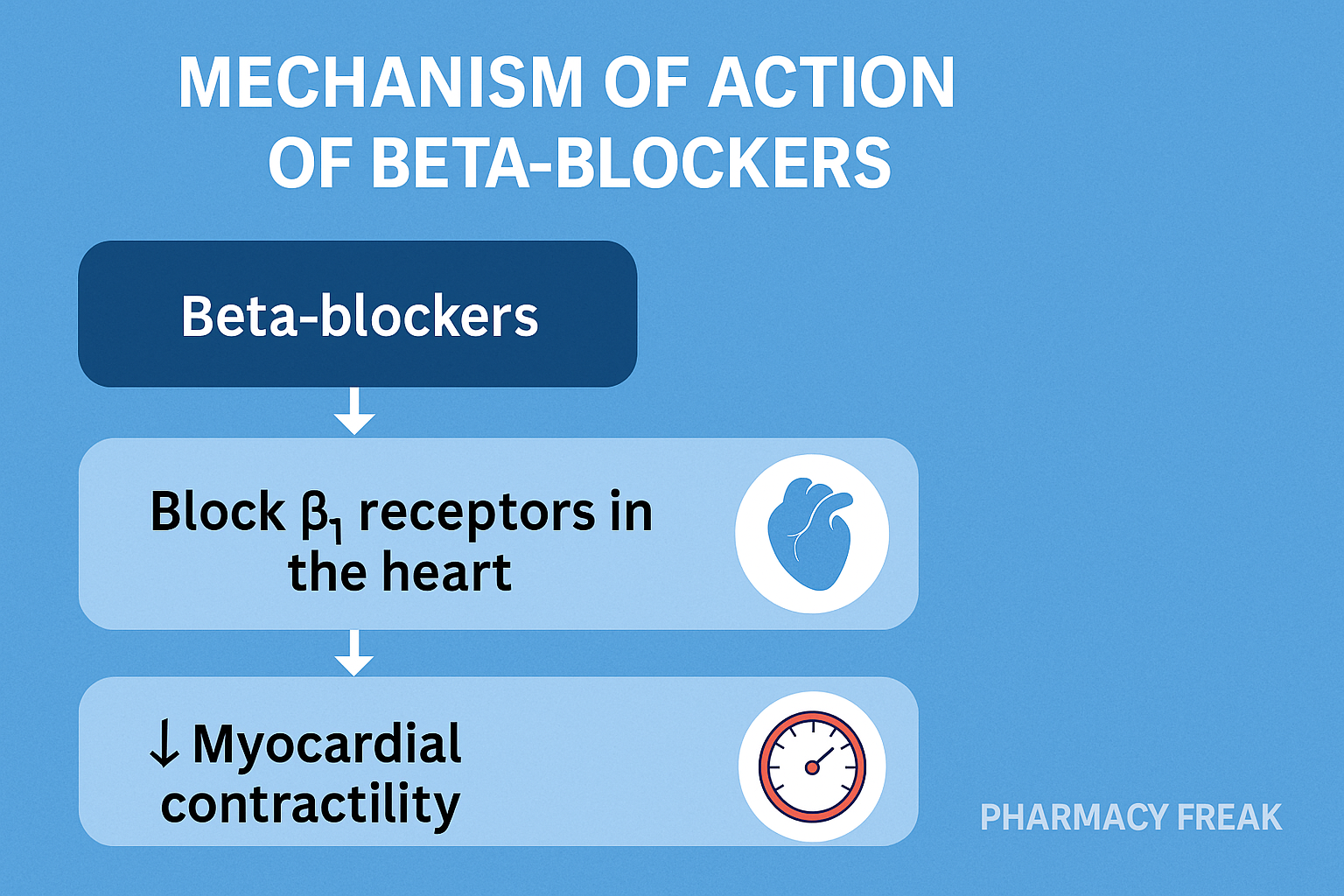
Mechanism of Action of Beta-Blockers

Beta-blockers mechanism of action – antagonism of beta-adrenergic receptors reducing heart rate and contractility

Introduction Beta-blockers are a widely used class of drugs in cardiovascular medicine. They block the effects of catecholamines, particularly norepinephrine and epinephrine, on beta-adrenergic receptors. This results in decreased heart rate, myocardial contractility, and renin release, leading to lower blood pressure and decreased myocardial oxygen demand. Common beta-blockers include: Beta-blockers are used in managing hypertension, … Read more

Mechanism of Action of Calcium Channel Blockers (CCBs)

Calcium channel blockers mechanism – L-type calcium channel inhibition and vasodilation

Introduction Calcium Channel Blockers (CCBs) are a major class of antihypertensive and anti-anginal medications. They work by blocking voltage-gated L-type calcium channels, leading to relaxation of smooth muscle in blood vessels and the heart. CCBs are divided into two major subtypes: They are widely prescribed in the U.S. and feature prominently in USMLE, NCLEX, NAPLEX, … Read more

Mechanism of Action of Angiotensin II Receptor Blockers (ARBs)

Angiotensin II receptor blockers mechanism – inhibition of AT1-mediated vasoconstriction

Introduction Angiotensin II Receptor Blockers (ARBs) are a major class of antihypertensive drugs. They selectively block the angiotensin II type 1 (AT1) receptor, reducing blood pressure and protecting organs from damage caused by chronic hypertension. Commonly used ARBs include: ARBs are widely prescribed for managing: Because of their safety profile and efficacy, they are commonly … Read more

ACE Inhibitors – Mechanism of Action

: ACE inhibitors mechanism of action – inhibition of angiotensin II and bradykinin elevation

Introduction ACE inhibitors (Angiotensin-Converting Enzyme Inhibitors) are a foundational class of antihypertensive drugs. They are used to treat hypertension, heart failure, and various forms of renal and cardiovascular disease. Common examples include: These drugs are frequently tested in both clinical exams and licensure tests due to their dual impact on the cardiovascular and renal systems. … Read more

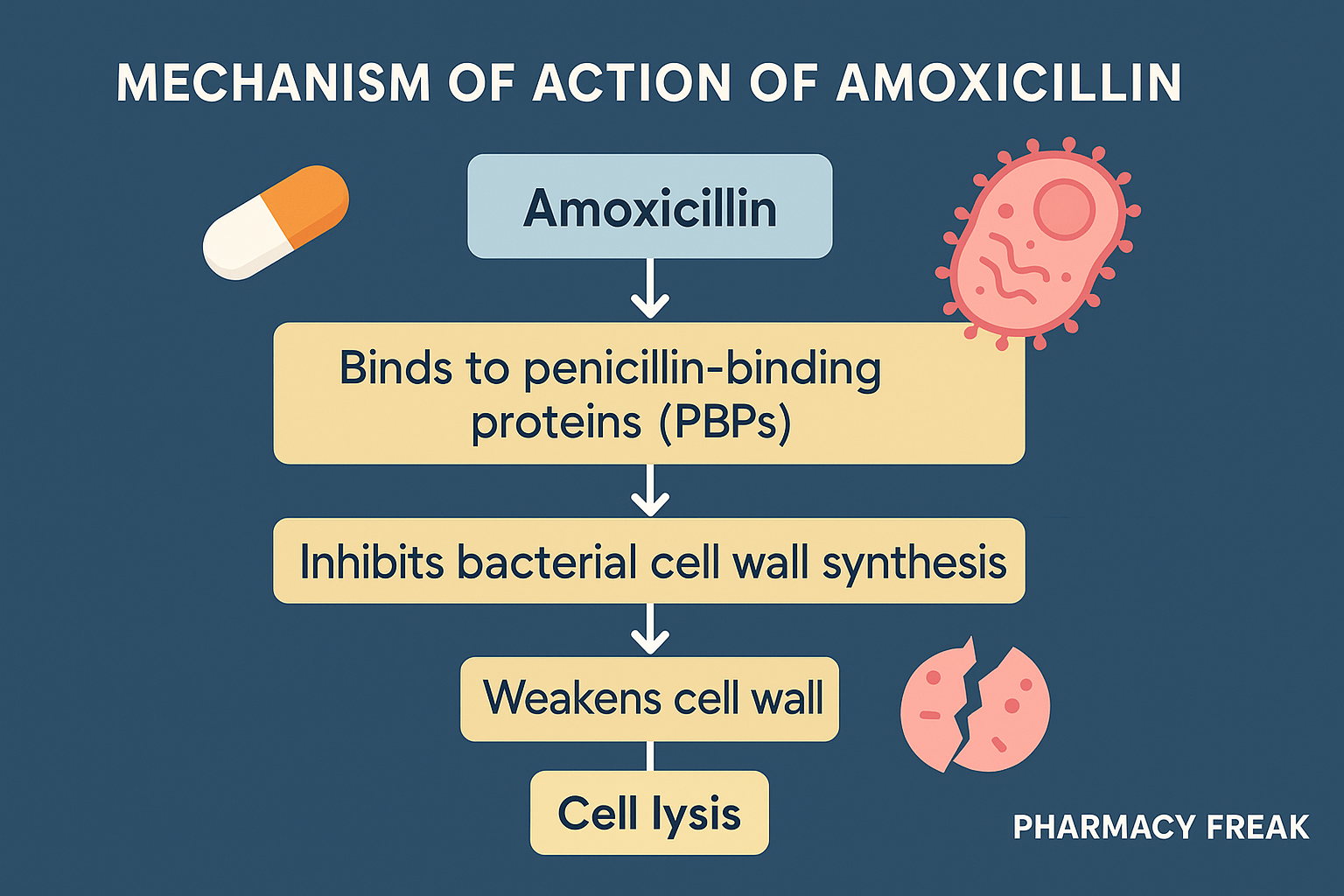
Amoxicillin – Mechanism of Action

Amoxicillin mechanism of action – inhibition of bacterial cell wall synthesis via PBPs

Introduction Amoxicillin is a widely used broad-spectrum penicillin antibiotic belonging to the β-lactam class. It is effective against a range of gram-positive and some gram-negative organisms, and is one of the most commonly prescribed antibiotics in both outpatient and inpatient settings in the United States. It is FDA-approved and widely used in: Because of its … Read more

PRO
Ad-Free Access
$3.99 / month
  • No Interruptions
  • Faster Page Loads
  • Support Content Creators