Trusted by 50K+ Pharmacy StudentsHigh Quality Notes, MCQs, Mock Tests & Study ResourcesGo Premium (Ads Free)
Pharmacy Freak

Limit test for Chloride MCQs With Answer

Limit Test for Chloride MCQs With Answer helps B. Pharm students master a key pharmacopoeial quality control test. In IP/BP/USP, the limit test for chloride detects trace chloride impurities by precipitating chloride ions with silver nitrate in nitric acid medium, producing a characteristic opalescence (AgCl) compared visually against a standard in matched Nessler cylinders. Understanding … Read more

Types of impurities MCQs With Answer

Introduction: Types of Impurities MCQs With Answer for B. Pharm Types of impurities in pharmaceuticals include organic impurities (process-related impurities, intermediates, degradation products), inorganic impurities (reagents, catalysts, residual salts, elemental impurities), and residual solvents. B. Pharm students must know ICH guidelines (Q3A/Q3B for impurities in drug substances/products, Q3C for residual solvents, Q3D for elemental impurities), … Read more

Sources of impurities MCQs With Answer

Sources of Impurities MCQs With Answer for B. Pharm: B. Pharm students must master the sources of pharmaceutical impurities to ensure drug quality control, safety, and regulatory compliance. This concise, Student-friendly guide covers impurities from raw materials, starting materials, reagents, residual solvents, catalysts, water systems, equipment, packaging/closures, degradation products (hydrolysis, oxidation, photolysis), microbial/endotoxin contamination, and … Read more

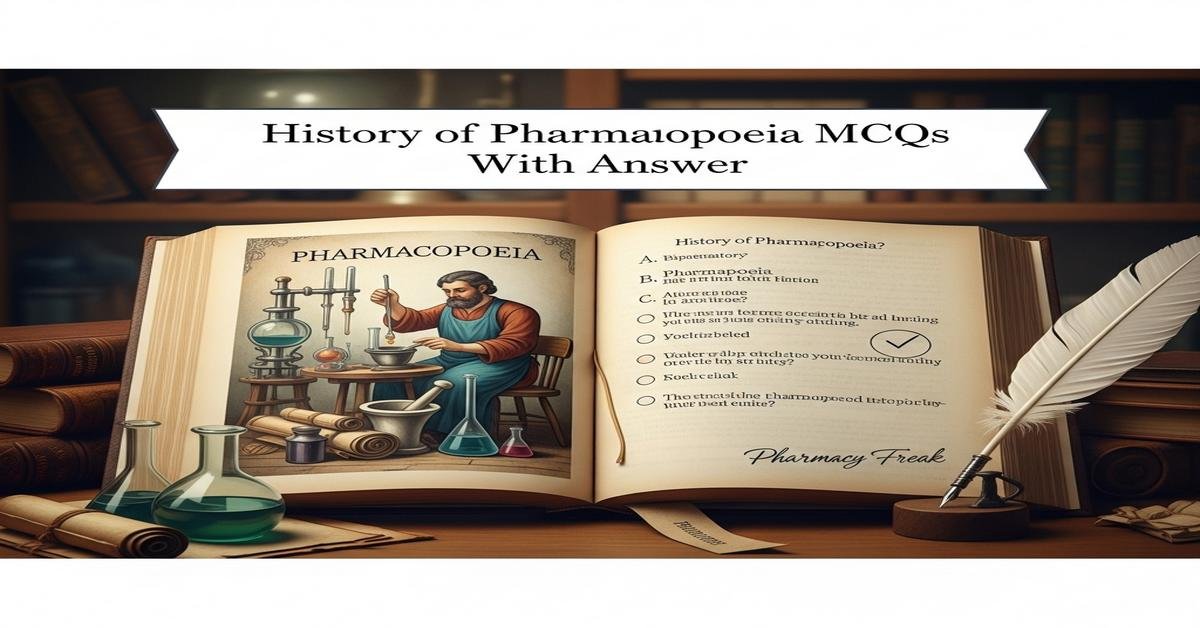
History of Pharmacopoeia MCQs With Answer

History of Pharmacopoeia MCQs With Answer helps B. Pharm students grasp how official drug standards evolved from early apothecary recipes to modern, legally enforceable compendia. Learn the origins of the term “pharmacopoeia,” milestones like the British Pharmacopoeia (BP), United States Pharmacopeia (USP), Indian Pharmacopoeia (IP), Japanese Pharmacopoeia (JP), European Pharmacopoeia (Ph. Eur.), and WHO’s International … Read more

Mechanism of Action of Miralax

mechanism of action of miralax

Mechanism of Action of Miralax Introduction Miralax, with the active ingredient polyethylene glycol 3350 (PEG 3350), is a commonly used osmotic laxative indicated for the treatment of occasional constipation. Its popularity stems from its non-stimulant mechanism, gentle action on the gastrointestinal tract, and favorable safety profile. Miralax does not cause dependency and is generally well-tolerated, … Read more

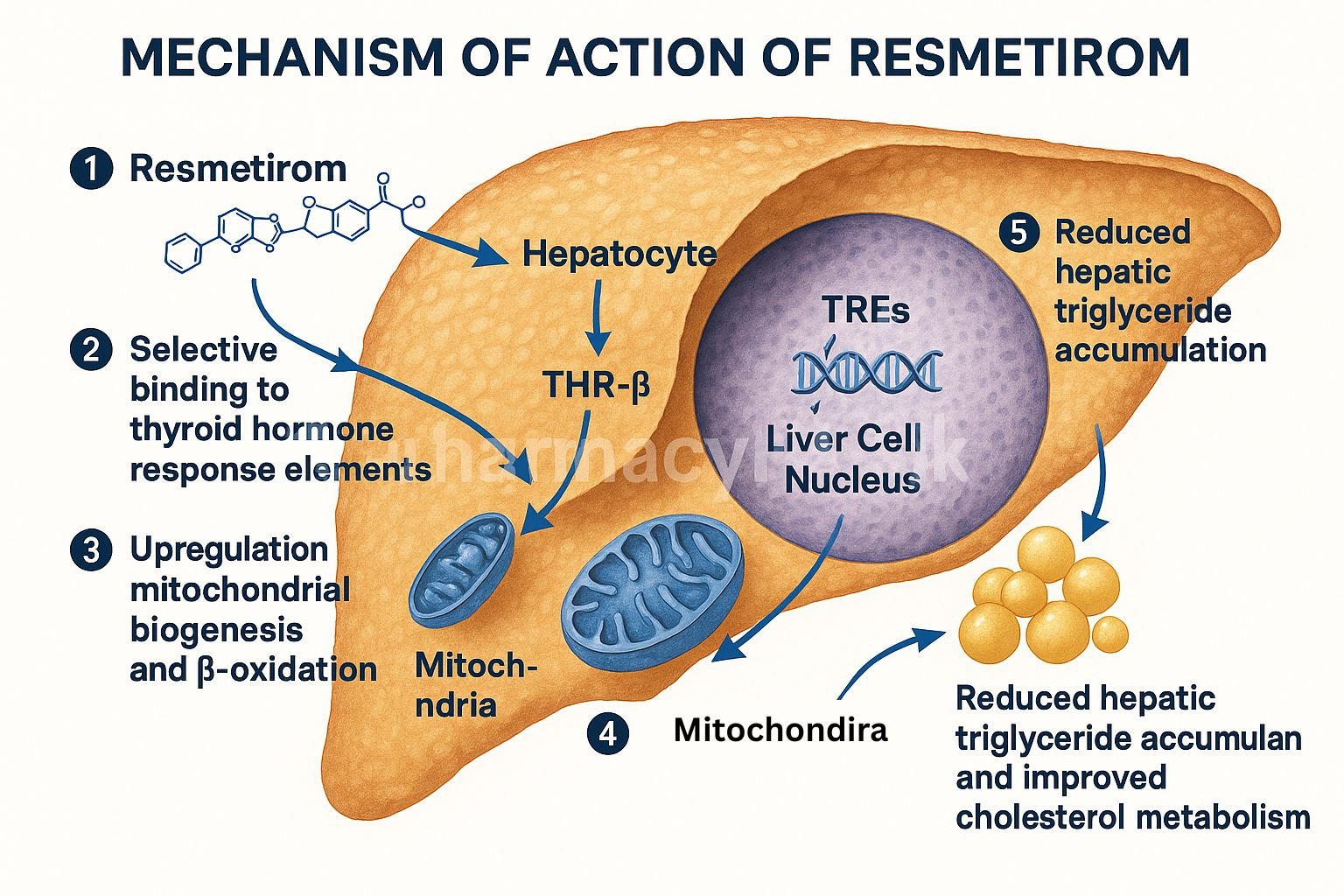
Mechanism of Action of Resmetirom

mechanism of action of resmetirom

Introduction Resmetirom is a liver-directed, selective thyroid hormone receptor-beta (THR-β) agonist used in the treatment of noncirrhotic nonalcoholic steatohepatitis (NASH) with moderate to advanced fibrosis. Its unique pharmacological profile allows for hepatic targeting to correct lipid metabolism abnormalities while avoiding systemic thyroid hormone-related side effects. Approved in 2024, resmetirom is a first-in-class therapeutic designed to … Read more

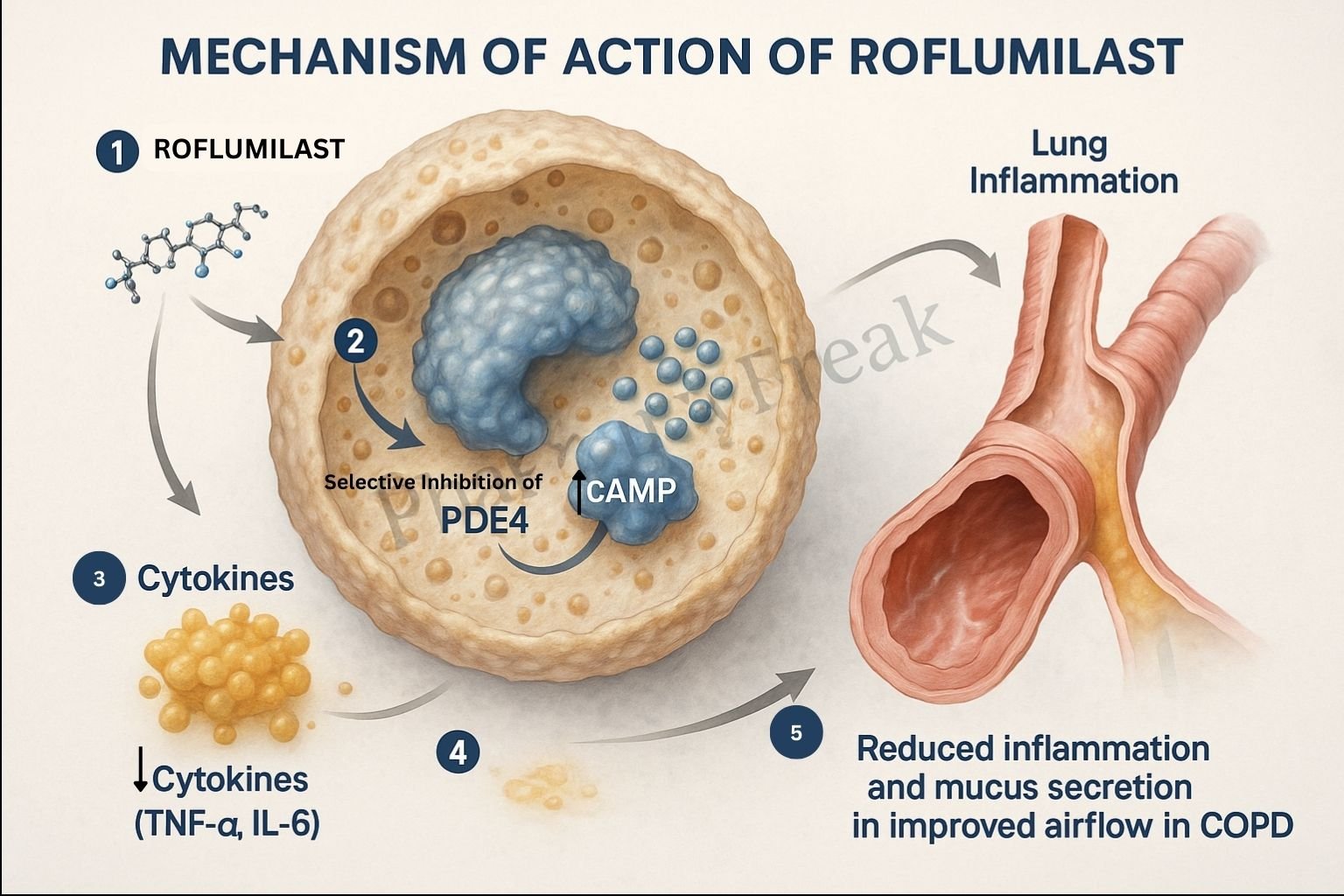
Mechanism of Action of Roflumilast

Roflumilast Mechanism of Action

Introduction Roflumilast is an oral selective phosphodiesterase-4 (PDE4) inhibitor used in the long-term management of severe chronic obstructive pulmonary disease (COPD) associated with chronic bronchitis. Unlike bronchodilators that target airway smooth muscle, roflumilast works primarily through anti-inflammatory mechanisms. Its distinct pharmacological action makes it a valuable adjunct in reducing the frequency of exacerbations in COPD … Read more

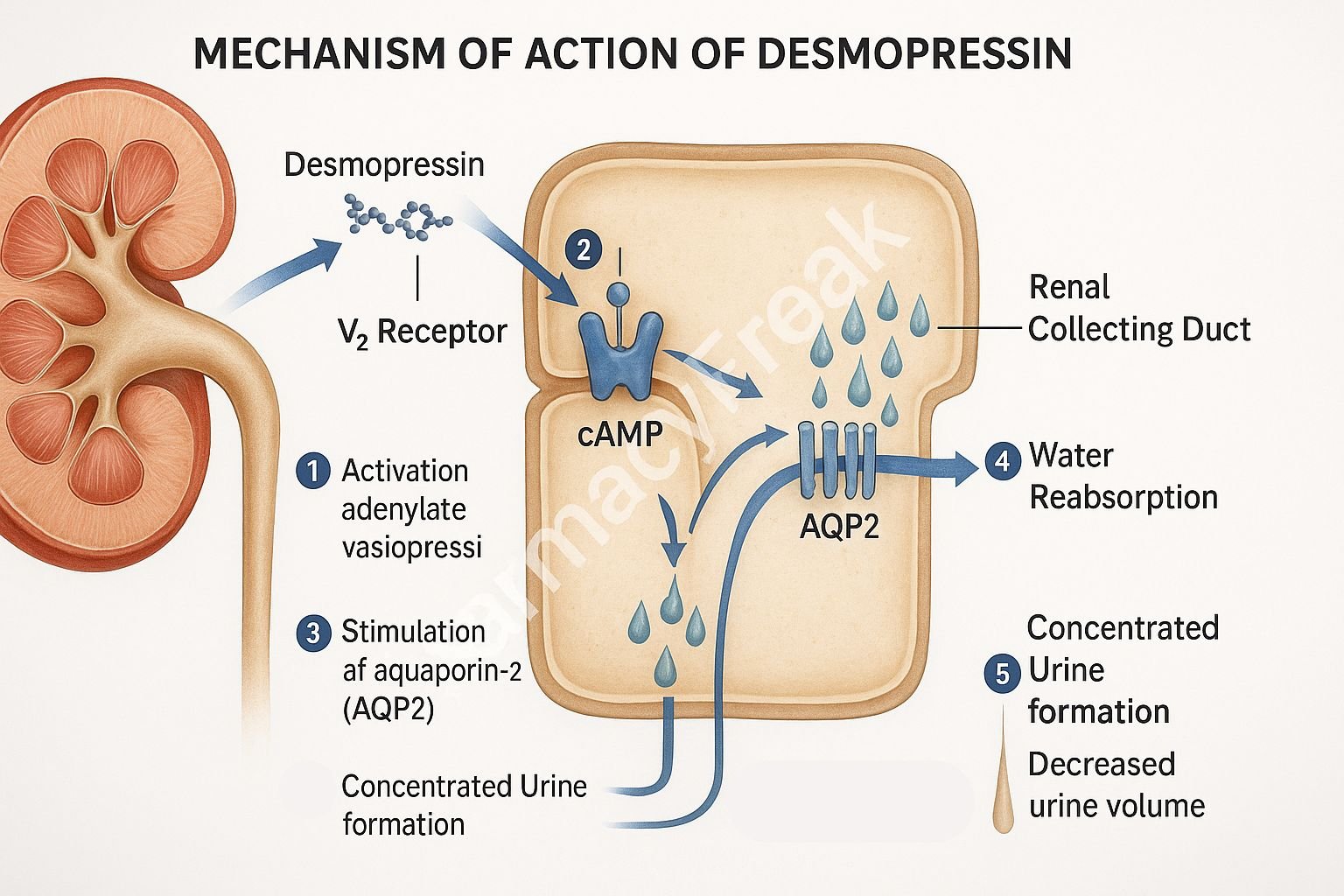
Mechanism of Action of Desmopressin

Desmopressin Mechanism of Action

Introduction Desmopressin (1-deamino-8-D-arginine vasopressin; DDAVP) is a synthetic analogue of the natural antidiuretic hormone vasopressin. It exhibits strong antidiuretic properties with minimal vasopressor activity, which makes it an effective and safer alternative in treating disorders involving water balance and bleeding diatheses. Its high affinity for V2 receptors and negligible action on V1 receptors differentiates it … Read more

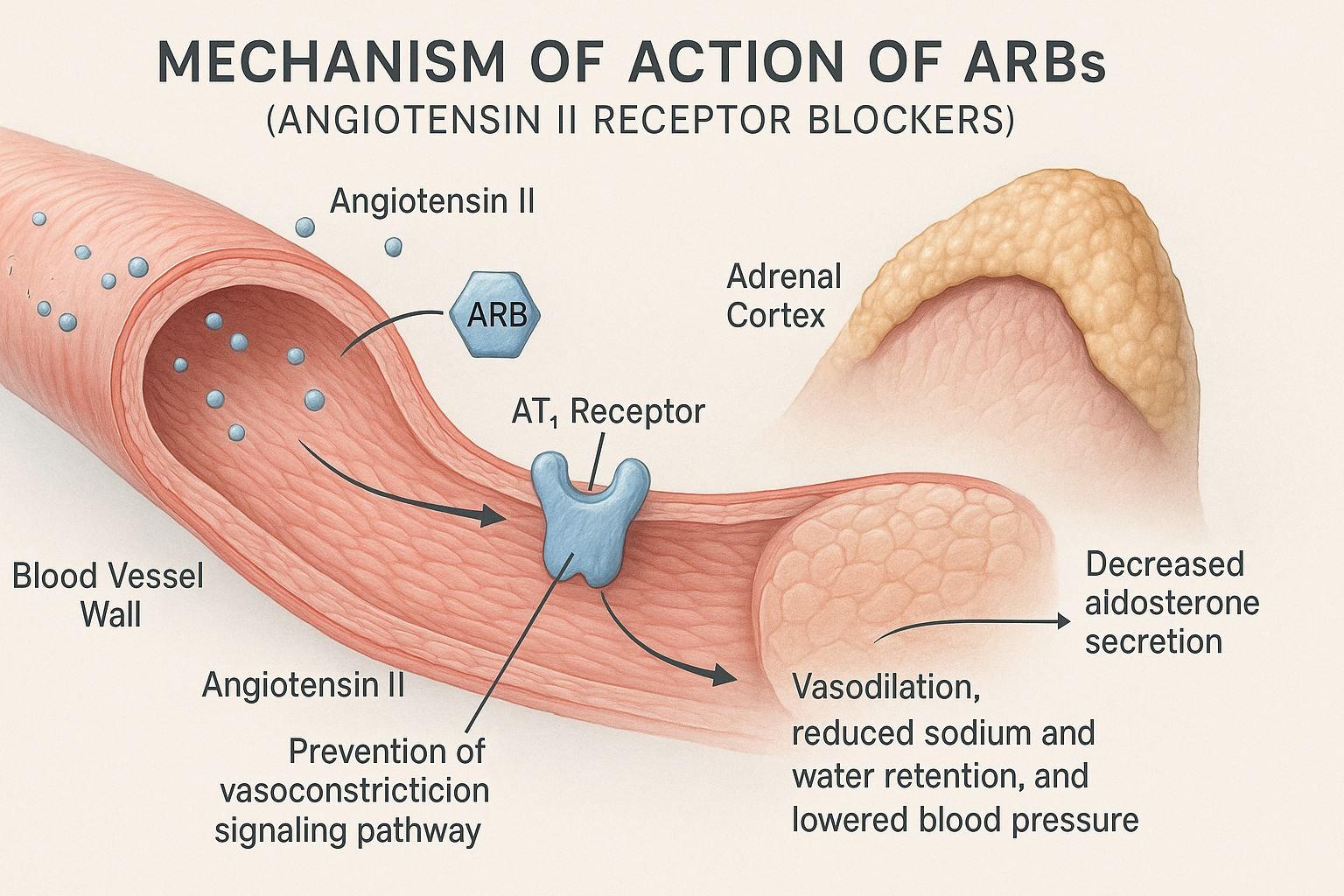
Mechanism of Action of ARBs

ARBs Mechanism of Action

Introduction Angiotensin Receptor Blockers (ARBs) are a class of drugs primarily used in the management of hypertension, heart failure, and diabetic nephropathy. They selectively inhibit the binding of angiotensin II to the angiotensin type 1 (AT₁) receptor, providing an alternative to ACE inhibitors with fewer adverse effects like cough and angioedema. Mechanism of Action (Stepwise) … Read more

Mechanism of Action of Vonoprazan

Vonoprazan Mechanism of Action

Introduction Vonoprazan is a novel potassium-competitive acid blocker (P-CAB), introduced as a more potent and faster-acting alternative to proton pump inhibitors (PPIs). It is primarily used for acid-related disorders such as gastroesophageal reflux disease (GERD), peptic ulcer disease, and Helicobacter pylori eradication. Mechanism of Action (Stepwise Points) Pharmacokinetics Clinical Uses Adverse Effects Comparative Analysis Feature … Read more

PRO
Ad-Free Access
$3.99 / month
  • No Interruptions
  • Faster Page Loads
  • Support Content Creators