Trusted by 50K+ Pharmacy StudentsHigh Quality Notes, MCQs, Mock Tests & Study ResourcesGo Premium (Ads Free)
Pharmacy Freak

Mechanism of Action of N-Acetylcysteine
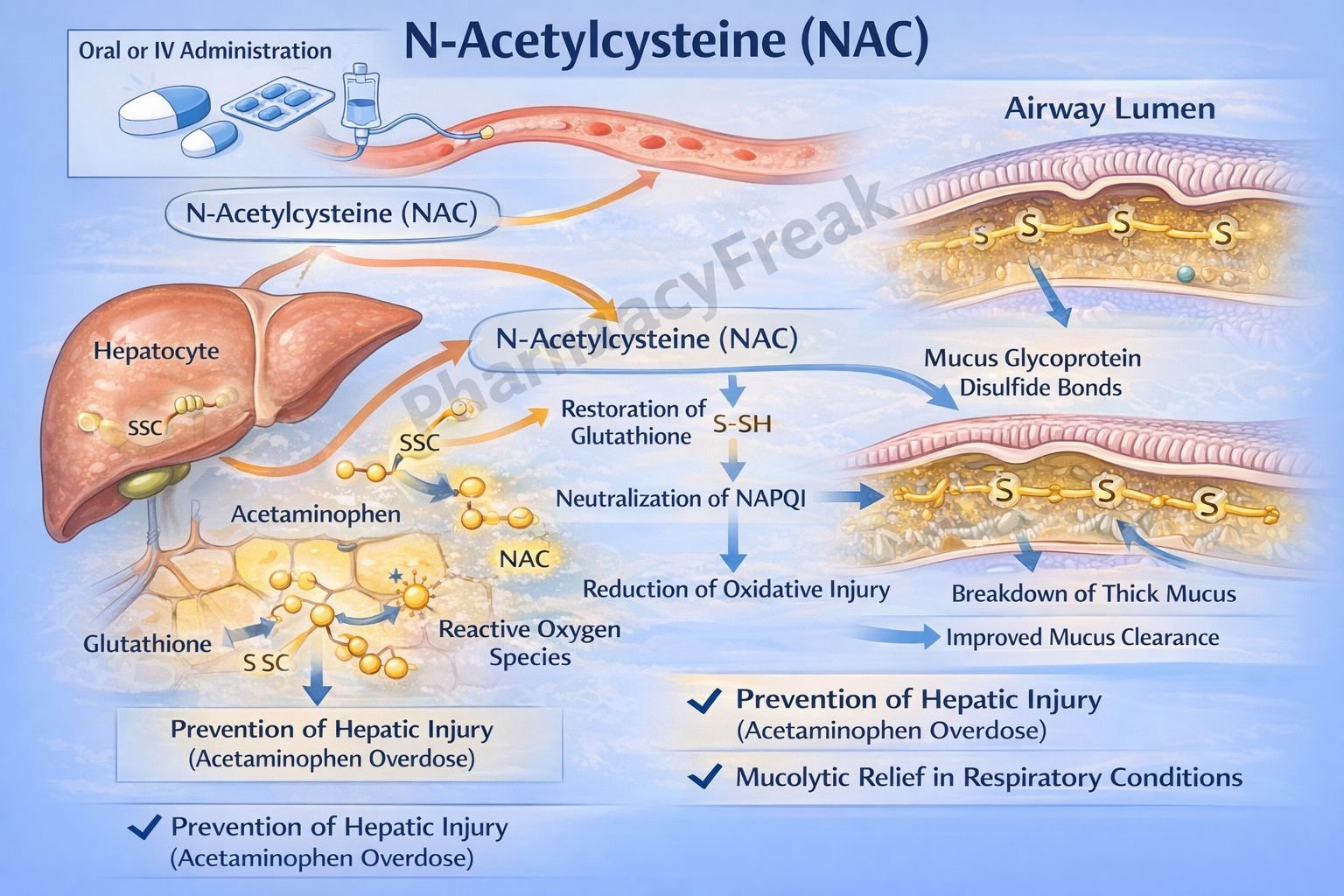
Mechanism of Action of N-Acetylcysteine

Introduction N-Acetylcysteine (NAC) is a mucolytic and antioxidant drug widely used in the management of acetaminophen (paracetamol) toxicity and respiratory conditions with thick mucus. It serves as a precursor to glutathione and plays a crucial role in detoxification and reduction of oxidative stress. NAC has both pulmonary and hepatic protective effects. Mechanism of Action (Step-wise) … Read more
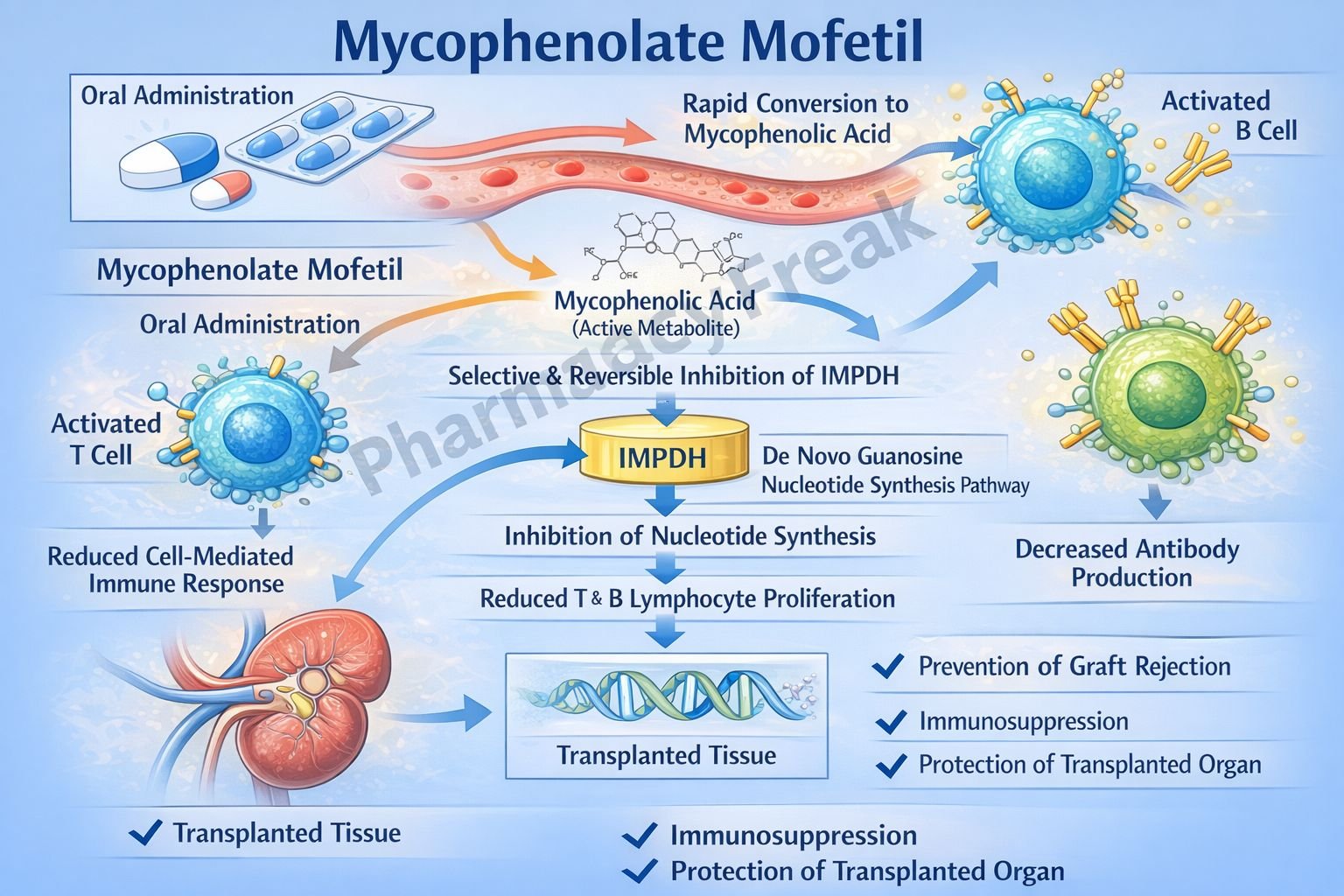
Mechanism of Action of Mycophenolate Mofetil

Mechanism of Action of Mycophenolate Mofetil

Introduction Mycophenolate mofetil is an immunosuppressive drug widely used in organ transplantation and autoimmune diseases. It is a prodrug that is converted to mycophenolic acid (MPA), its active form. It selectively inhibits lymphocyte proliferation, making it highly effective in preventing graft rejection and treating immune-mediated disorders. Mechanism of Action (Step-wise) A key exam point is … Read more

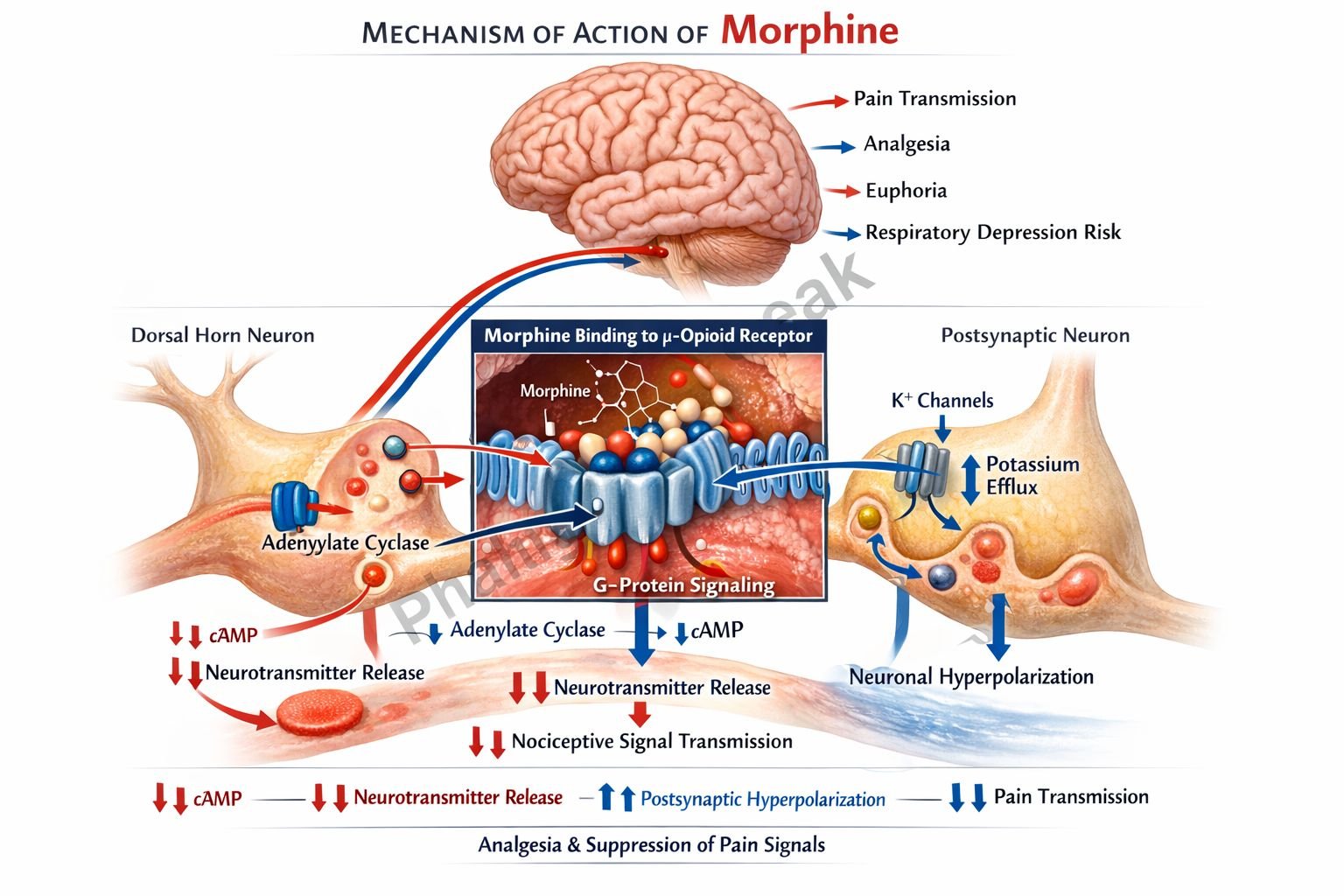
Mechanism of Action of Morphine

Mechanism of Action of Morphine

Introduction Morphine is a potent opioid analgesic derived from opium and widely used for the management of moderate to severe pain. It acts primarily on opioid receptors in the central nervous system to produce analgesia, sedation, and euphoria. Morphine is considered the prototype opioid and is commonly used in postoperative pain, cancer pain, and acute … Read more

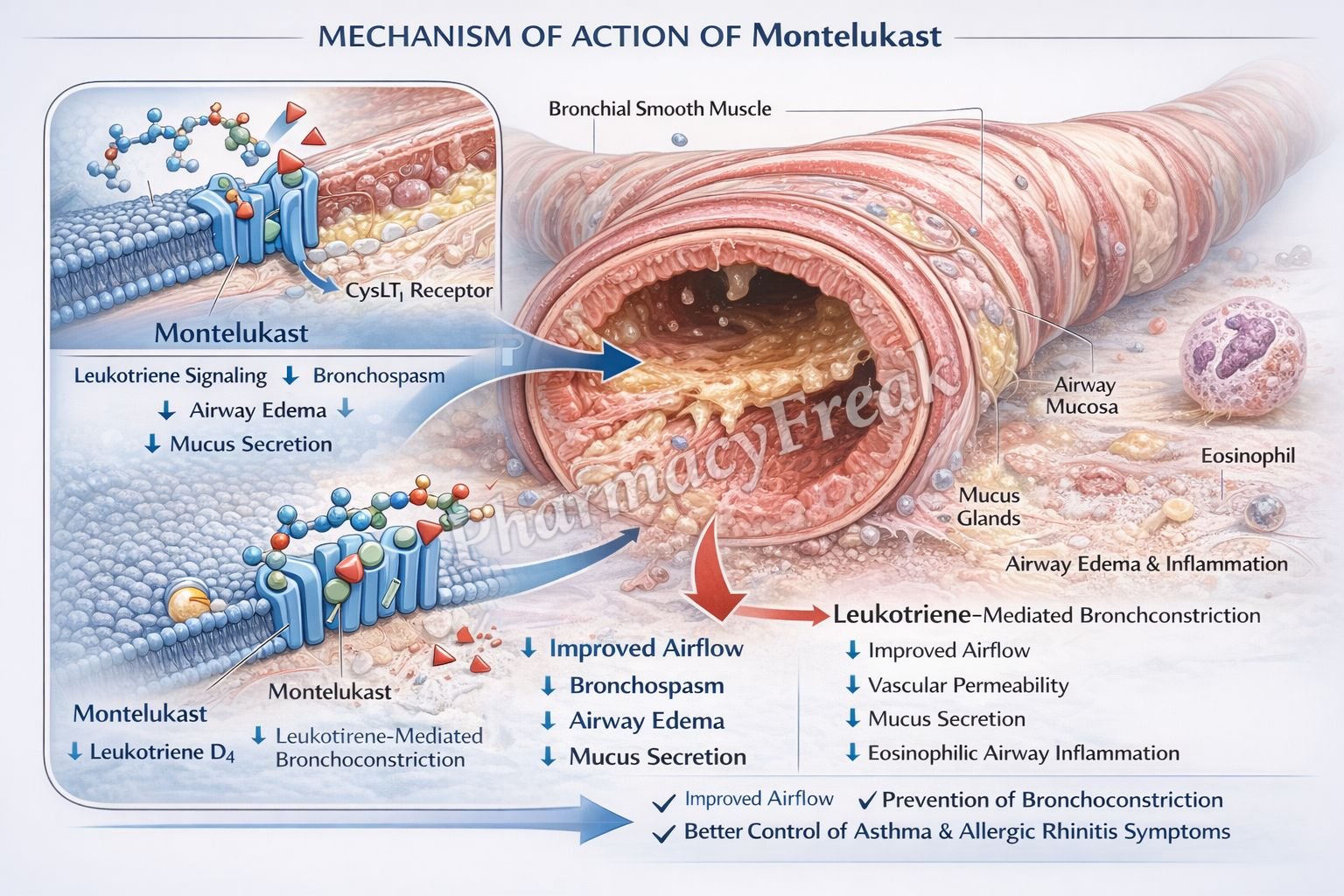
Mechanism of Action of Montelukast

Mechanism of action of Montelukast

Introduction Montelukast is a leukotriene receptor antagonist (LTRA) used in the management of asthma and allergic rhinitis. It is particularly effective in controlling chronic inflammation and preventing bronchoconstriction. Unlike bronchodilators, montelukast does not provide immediate relief but is used as a maintenance therapy to reduce airway inflammation and improve respiratory function. Mechanism of Action (Step-wise) … Read more
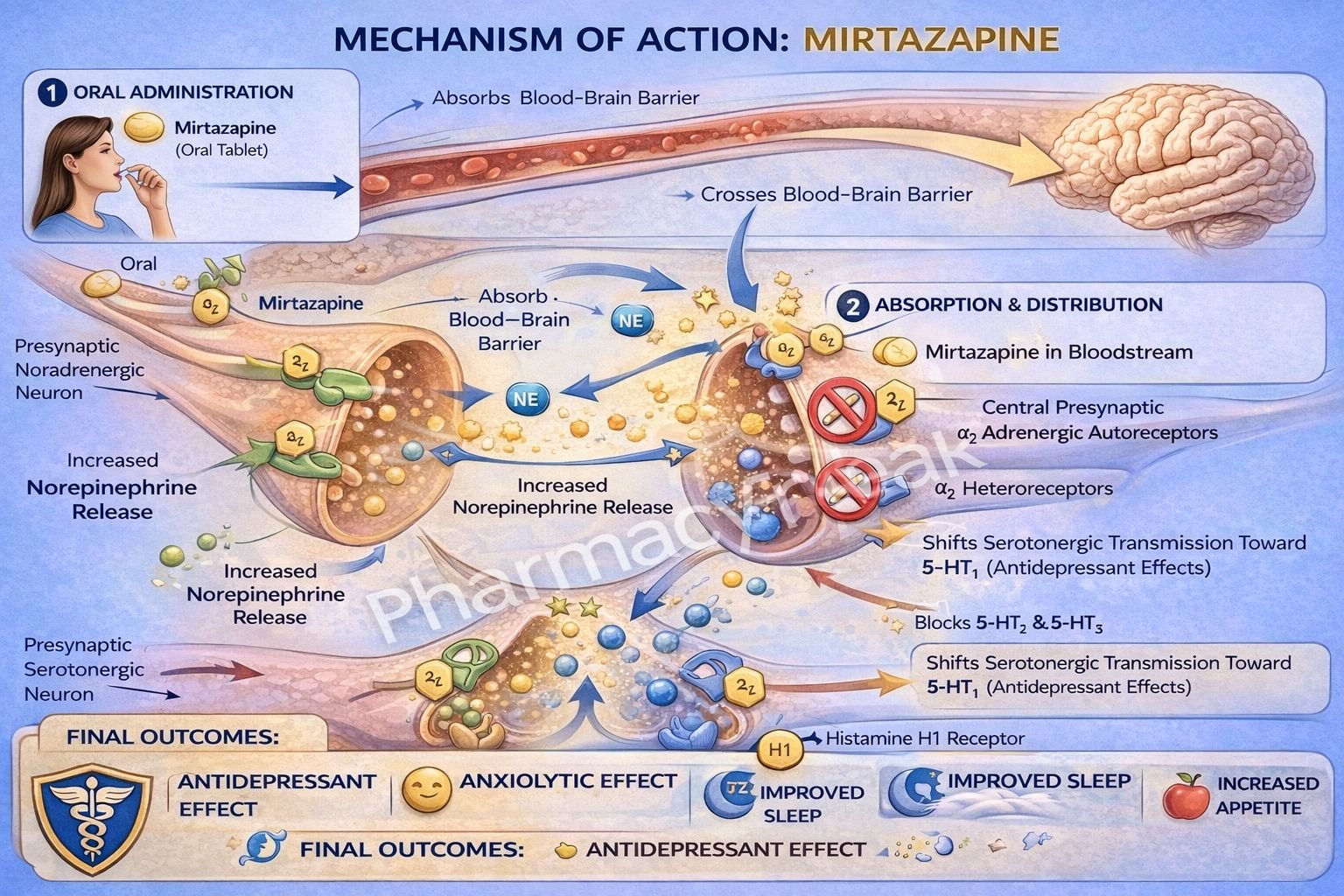
Mechanism of Action of Mirtazapine

MOA of Mirtazapine

Introduction Mirtazapine is an atypical antidepressant classified as a noradrenergic and specific serotonergic antidepressant (NaSSA). It is commonly used in major depressive disorder, particularly in patients with insomnia, weight loss, or anxiety. Unlike SSRIs and TCAs, mirtazapine enhances neurotransmitter release by blocking inhibitory receptors rather than inhibiting reuptake. Mechanism of Action (Step-wise) A key exam … Read more

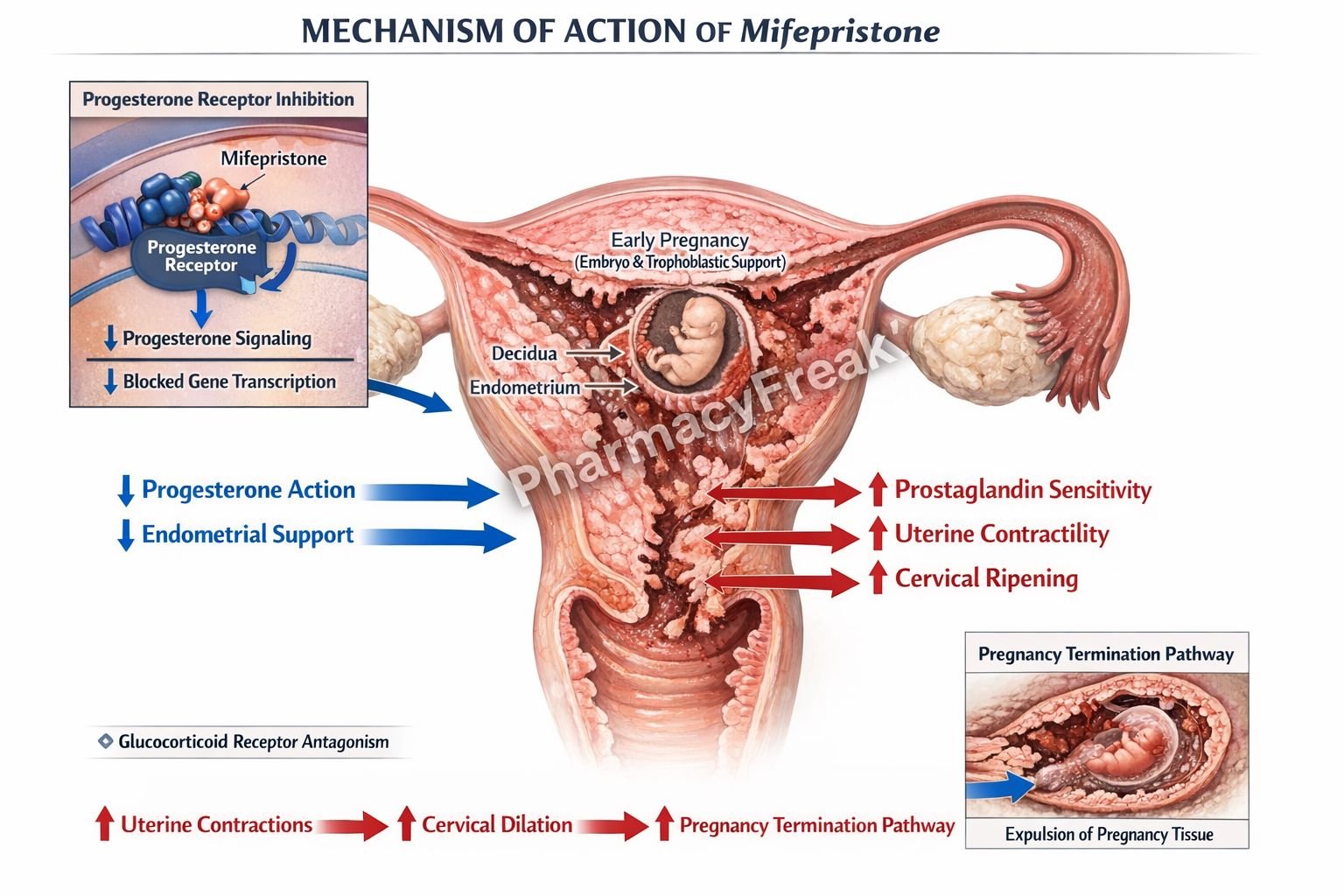
Mechanism of Action of Mifepristone

MOA of Mifepristone

Introduction Mifepristone is a synthetic steroidal drug primarily used as an abortifacient and in the management of conditions such as Cushing syndrome. It acts as a progesterone receptor antagonist, disrupting the hormonal support required for pregnancy. Its ability to block glucocorticoid receptors also contributes to its use in hypercortisolism. Mechanism of Action (Step-wise) A key … Read more

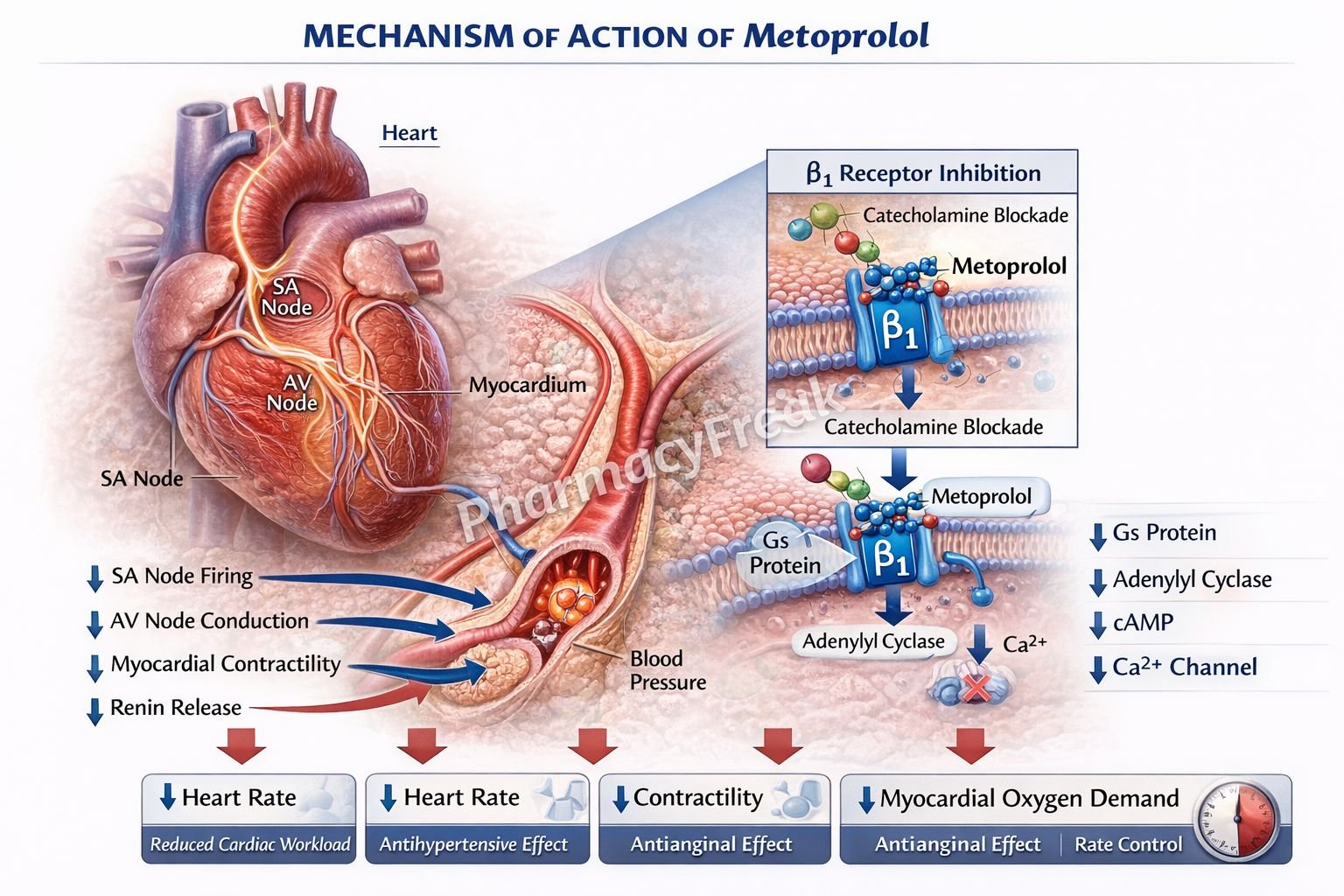
Mechanism of Action of Metoprolol

Mechanism of action of Metoprolol

Introduction Metoprolol is a selective β1-adrenergic receptor blocker (cardioselective beta-blocker) widely used in the management of hypertension, angina, heart failure, and arrhythmias. By selectively targeting β1 receptors in the heart, metoprolol reduces cardiac workload and oxygen demand while minimizing effects on β2 receptors in the lungs at therapeutic doses. Mechanism of Action (Step-wise) A key … Read more

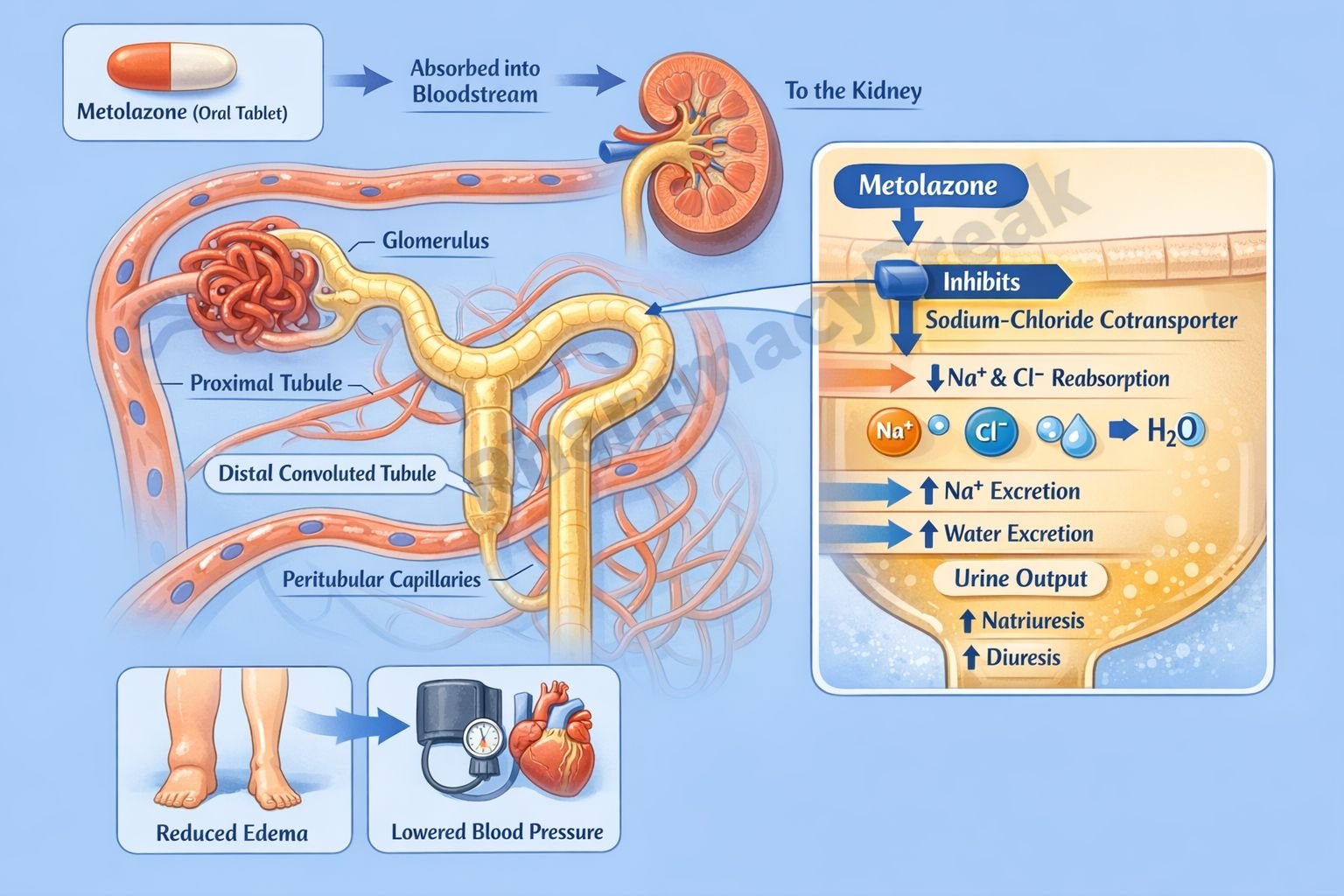
Mechanism of Action of Metolazone

Mechanism of Metolazone action

Introduction Metolazone is a thiazide-like diuretic commonly used in the management of hypertension and edema, particularly in patients with heart failure or chronic kidney disease. It is especially useful when combined with loop diuretics in resistant edema. Metolazone acts primarily on the distal convoluted tubule of the nephron to promote sodium and water excretion. Mechanism … Read more

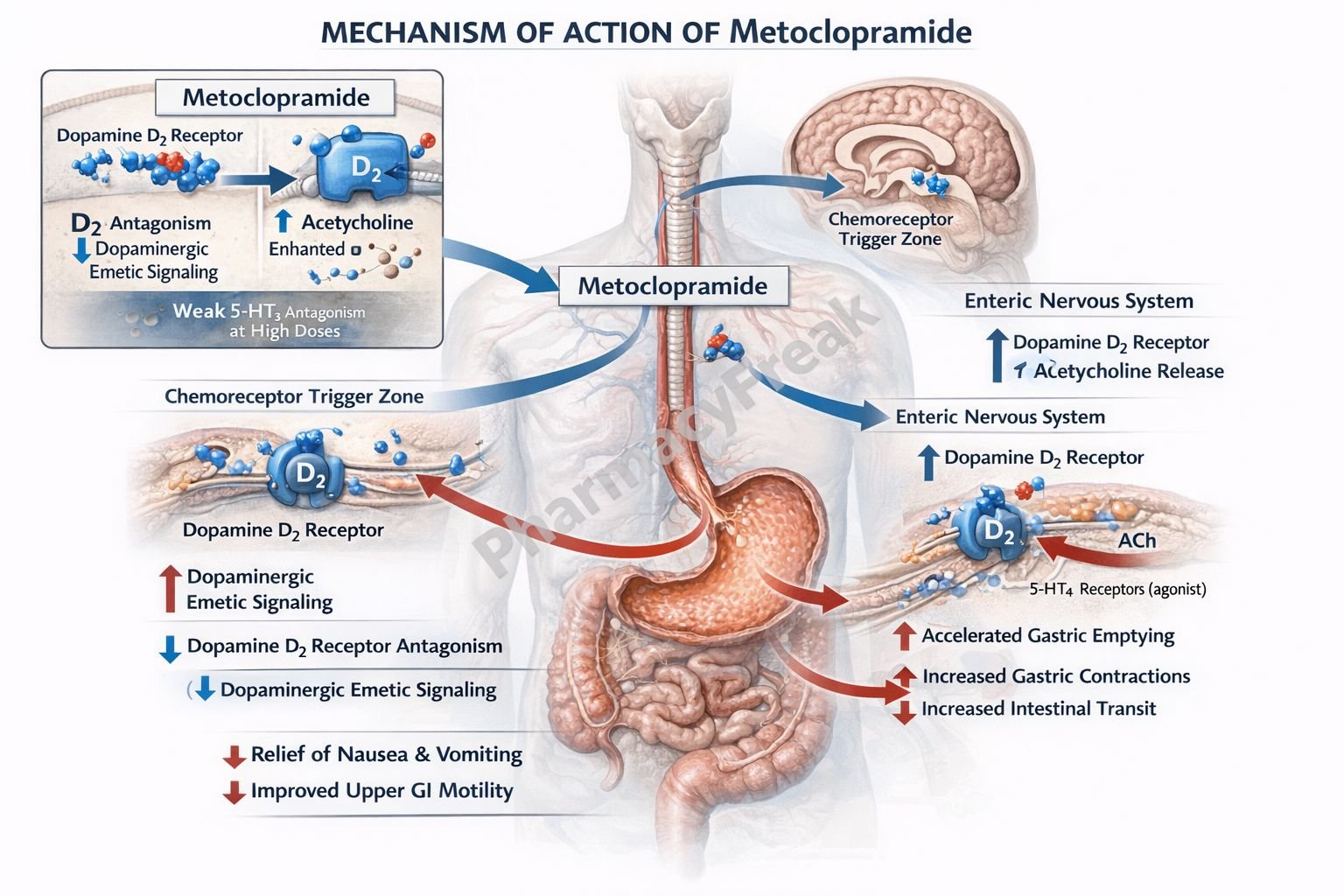
Mechanism of Action of Metoclopramide

MOA of Metoclopramide

Introduction Metoclopramide is a prokinetic and antiemetic drug commonly used in gastrointestinal disorders and nausea-related conditions. It enhances gastrointestinal motility and accelerates gastric emptying while also acting centrally to reduce nausea and vomiting. It is widely used in conditions such as gastroparesis, gastroesophageal reflux disease (GERD), and chemotherapy-induced nausea. Mechanism of Action (Step-wise) A key … Read more

Mechanism of Action of Methylxanthines

MOA of Methylxanthines

Introduction Methylxanthines are a class of drugs that include theophylline, aminophylline, and caffeine. They are primarily used as bronchodilators in respiratory diseases such as asthma and chronic obstructive pulmonary disease (COPD). In addition to respiratory effects, they also have central nervous system stimulant and cardiovascular effects. Their mechanism of action involves multiple pathways, including phosphodiesterase … Read more

PRO
Ad-Free Access
$3.99 / month
  • No Interruptions
  • Faster Page Loads
  • Support Content Creators