Trusted by 50K+ Pharmacy StudentsHigh Quality Notes, MCQs, Mock Tests & Study ResourcesGo Premium (Ads Free)
Pharmacy Freak

Mechanism of Action of Terlipressin
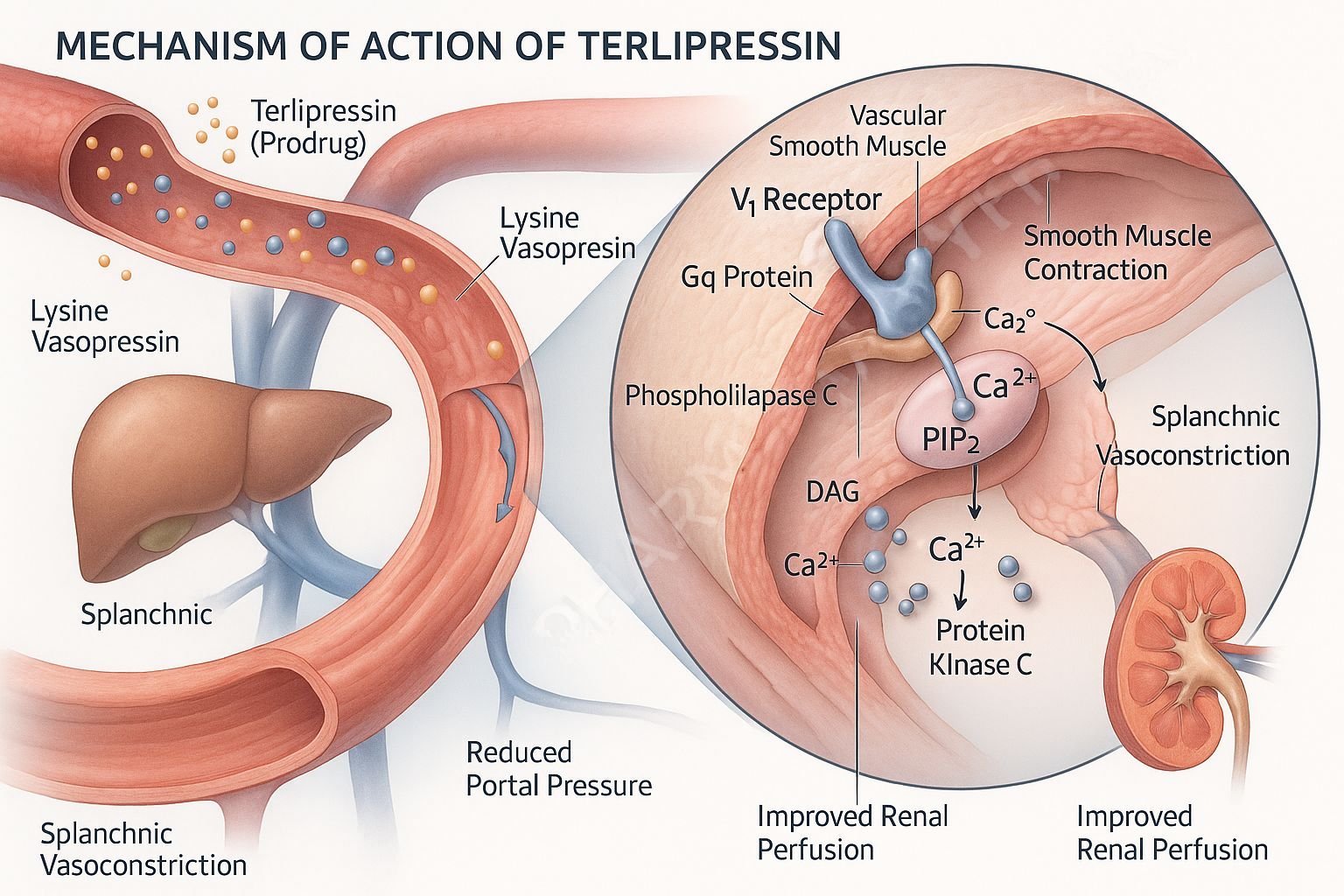
mechanism of action of terlipressin

Introduction Terlipressin is a synthetic vasopressin analogue and prodrug of lysine-vasopressin, primarily used to manage acute variceal bleeding and hepatorenal syndrome (HRS) in patients with advanced liver disease. It exerts selective vasoconstrictive effects through vasopressin V1 receptors, targeting the splanchnic circulation to improve effective arterial blood volume and renal perfusion. Mechanism of Action (Step-wise) 1. … Read more

Mechanism of Action of Pyridostigmine

mechanism of action of pyridostigmine

Introduction Pyridostigmine is a reversible acetylcholinesterase inhibitor of the quaternary ammonium carbamate class. It is primarily used to treat myasthenia gravis, reverse nondepolarizing neuromuscular blockade, and has a role in certain autonomic dysfunctions. Known for its peripheral action and minimal central nervous system penetration, pyridostigmine improves neuromuscular transmission by increasing acetylcholine availability at synapses. Mechanism … Read more

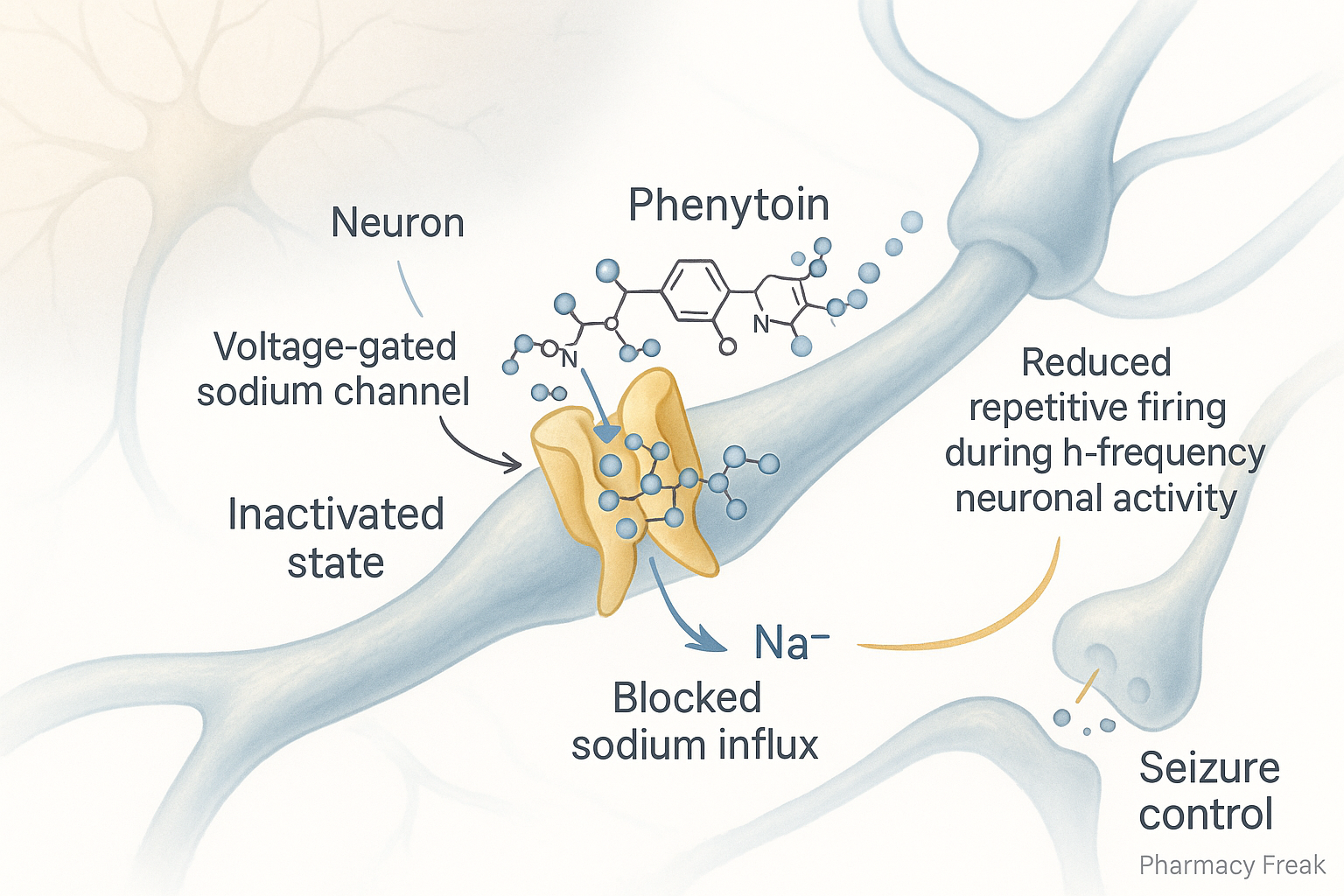
Mechanism of Action of Phenytoin

mechanism of action of phenytoin

Introduction Phenytoin is a first-generation anticonvulsant and hydantoin derivative widely utilized for the management of generalized tonic-clonic seizures, complex partial seizures, and status epilepticus. It also has historical use in certain cardiac arrhythmias. Known for its narrow therapeutic index, phenytoin requires careful dosing and monitoring, yet remains a mainstay in epilepsy therapy due to its … Read more

Mechanism of Action of Miralax

mechanism of action of miralax

Mechanism of Action of Miralax Introduction Miralax, with the active ingredient polyethylene glycol 3350 (PEG 3350), is a commonly used osmotic laxative indicated for the treatment of occasional constipation. Its popularity stems from its non-stimulant mechanism, gentle action on the gastrointestinal tract, and favorable safety profile. Miralax does not cause dependency and is generally well-tolerated, … Read more

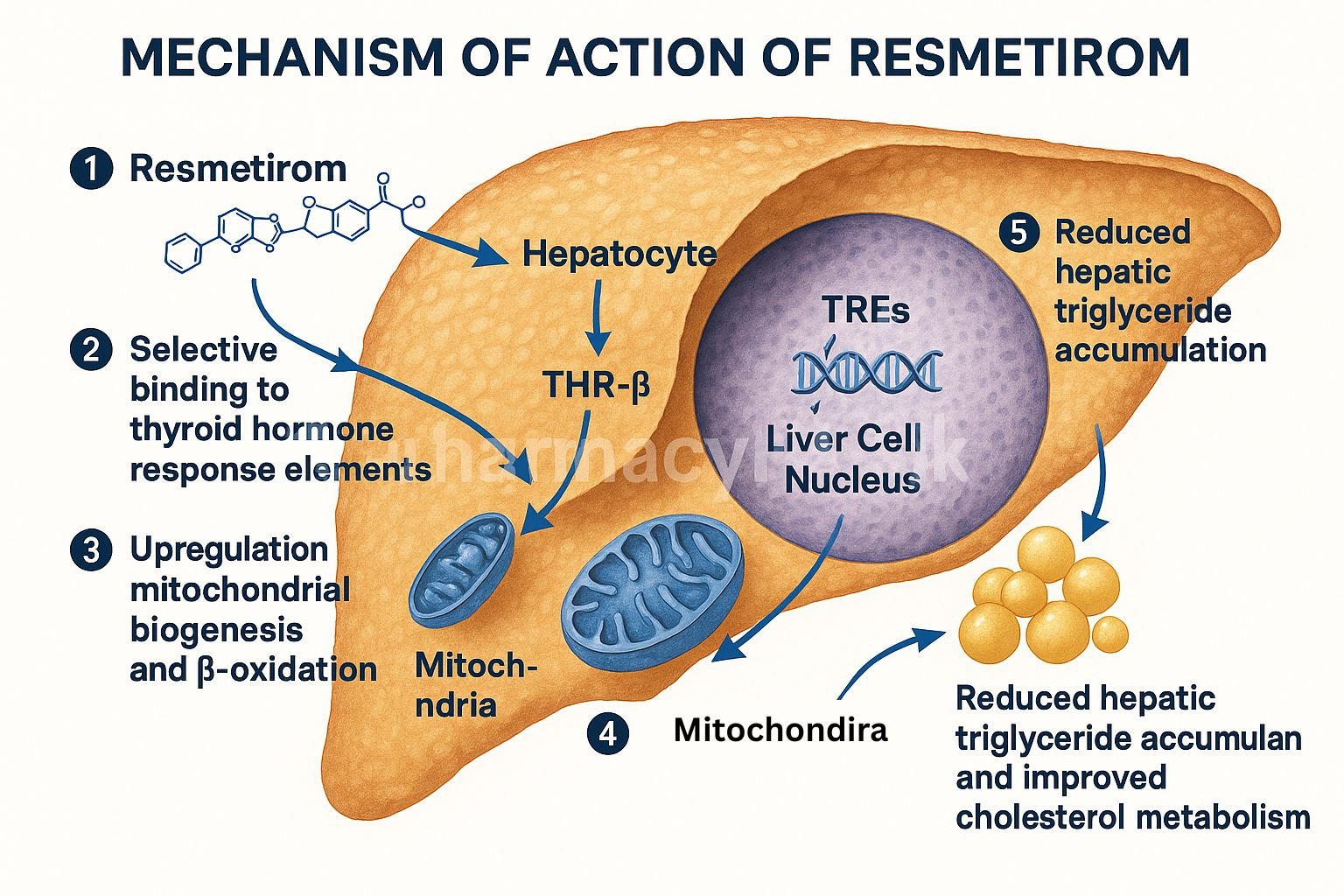
Mechanism of Action of Resmetirom

mechanism of action of resmetirom

Introduction Resmetirom is a liver-directed, selective thyroid hormone receptor-beta (THR-β) agonist used in the treatment of noncirrhotic nonalcoholic steatohepatitis (NASH) with moderate to advanced fibrosis. Its unique pharmacological profile allows for hepatic targeting to correct lipid metabolism abnormalities while avoiding systemic thyroid hormone-related side effects. Approved in 2024, resmetirom is a first-in-class therapeutic designed to … Read more

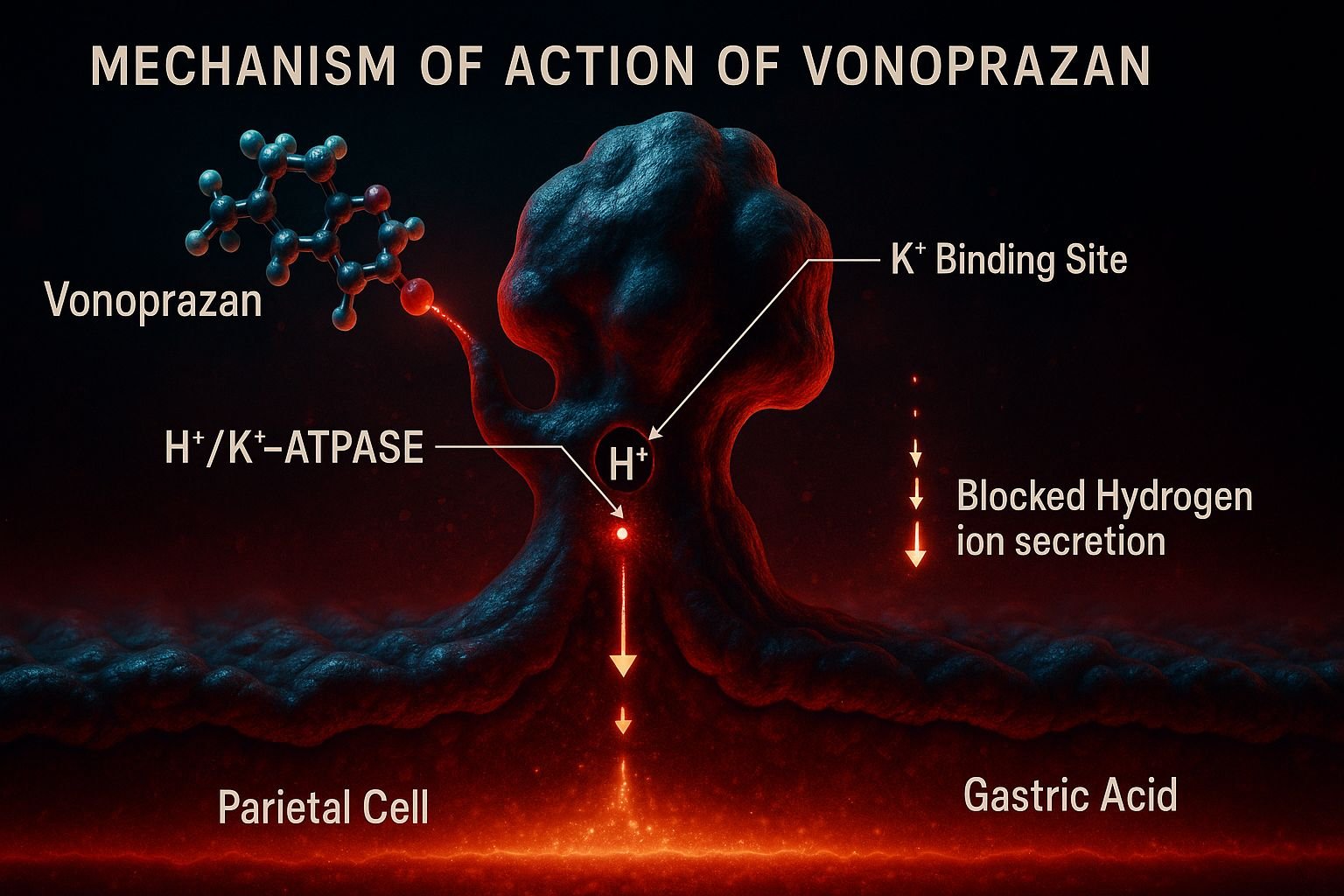
Mechanism of Action of Vonoprazan

Vonoprazan Mechanism of Action

Introduction Vonoprazan is a novel potassium-competitive acid blocker (P-CAB), introduced as a more potent and faster-acting alternative to proton pump inhibitors (PPIs). It is primarily used for acid-related disorders such as gastroesophageal reflux disease (GERD), peptic ulcer disease, and Helicobacter pylori eradication. Mechanism of Action (Stepwise Points) Pharmacokinetics Clinical Uses Adverse Effects Comparative Analysis Feature … Read more

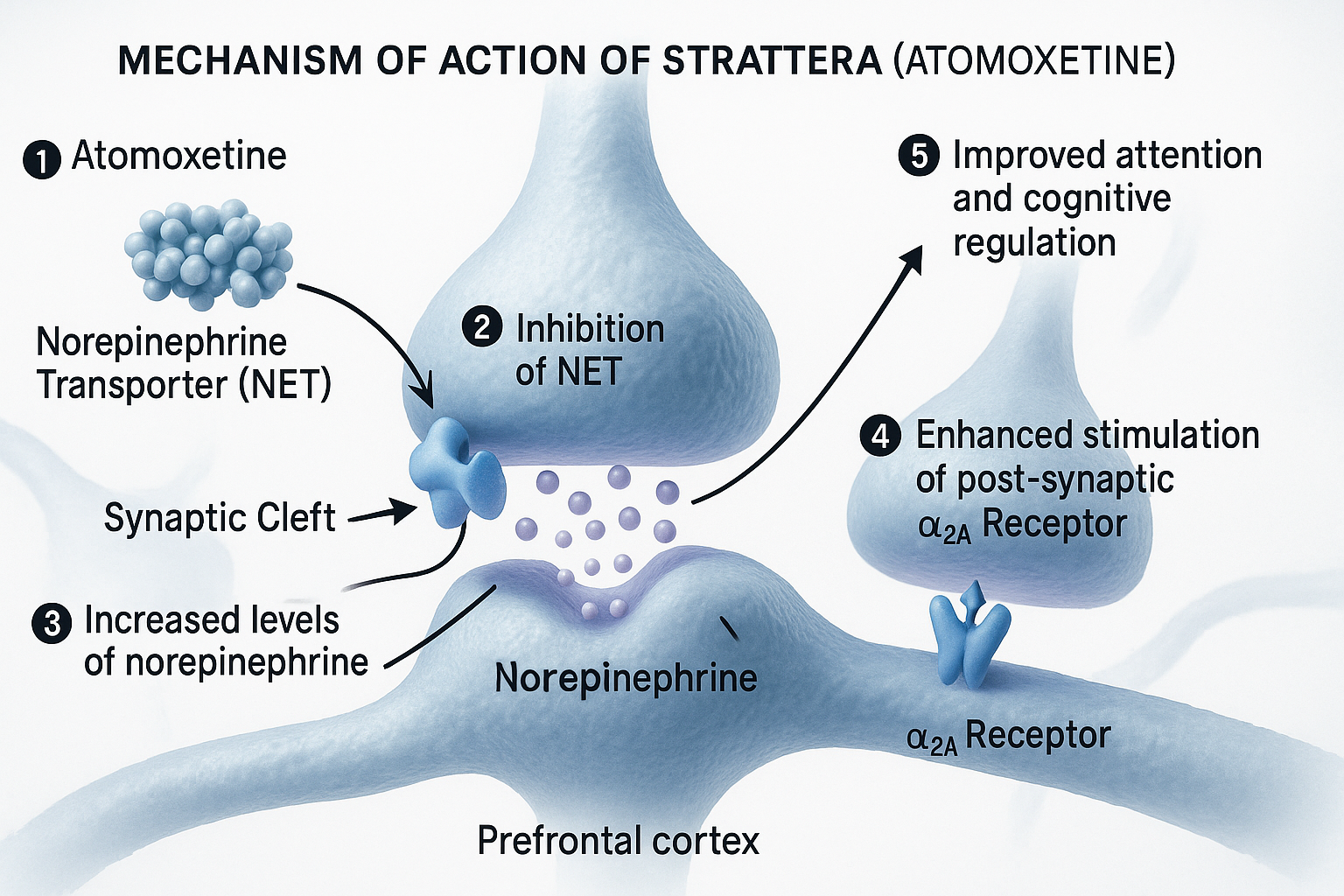
Mechanism of Action of Strattera (Atomoxetine)

Strattera Mechanism of Action

Introduction Strattera, the brand name for atomoxetine, is a non-stimulant medication used primarily in the treatment of attention-deficit hyperactivity disorder (ADHD). Unlike stimulant medications such as methylphenidate or amphetamines, atomoxetine works through selective modulation of norepinephrine. Mechanism of Action (Stepwise Points) Pharmacokinetics Clinical Uses Adverse Effects Comparative Analysis Feature Atomoxetine (Strattera) Methylphenidate Amphetamine Drug Class … Read more

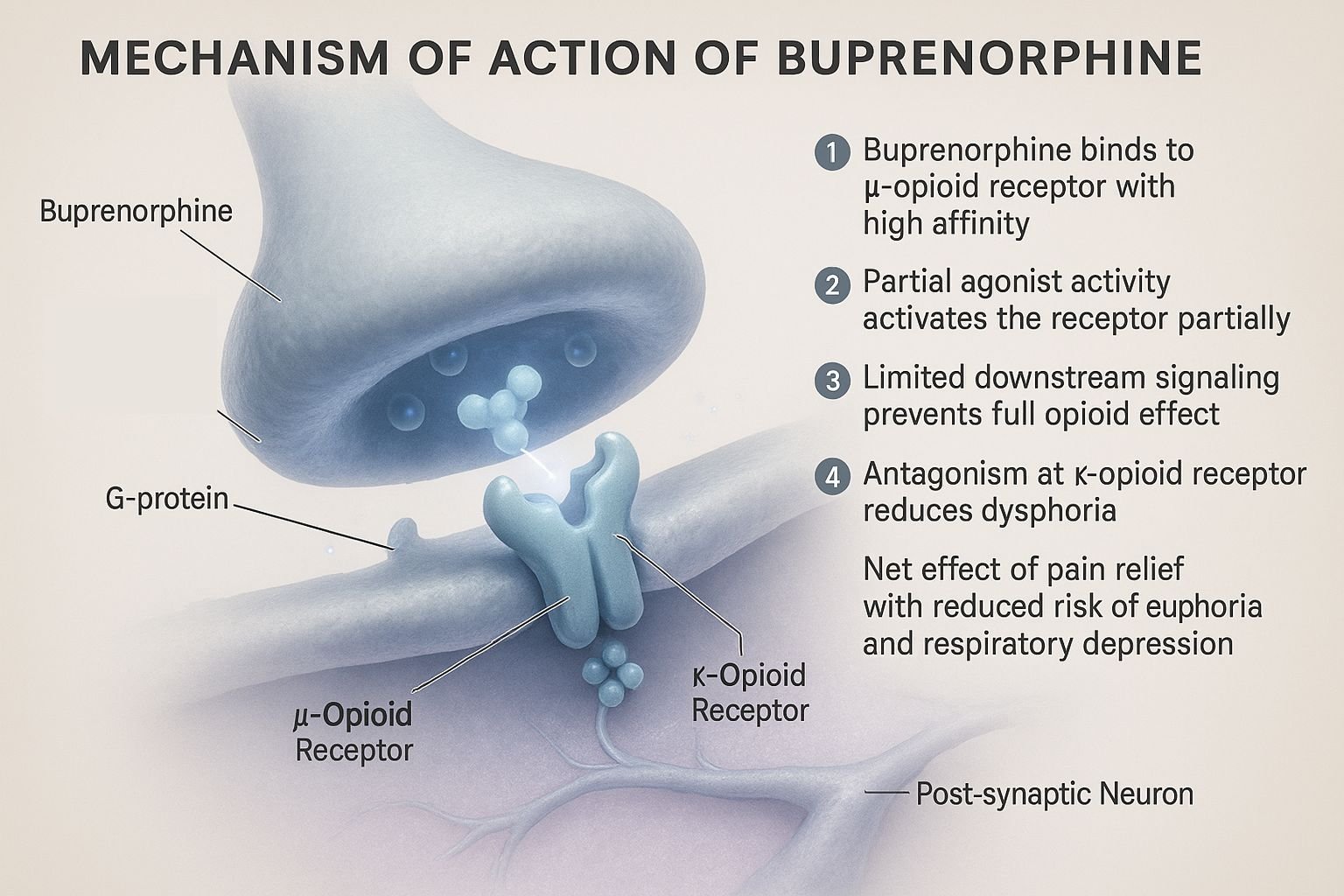
Mechanism of Action of Buprenorphine

Buprenorphine Mechanism of Action

Introduction Buprenorphine is a semi-synthetic opioid derived from thebaine, widely used in both pain management and opioid dependence treatment. Its unique receptor profile—acting as a partial agonist at μ-opioid receptors—gives it a favorable safety and efficacy profile compared to full agonists. Mechanism of Action (Stepwise Points) Pharmacokinetics Clinical Uses Adverse Effects Comparative Analysis Feature Buprenorphine … Read more

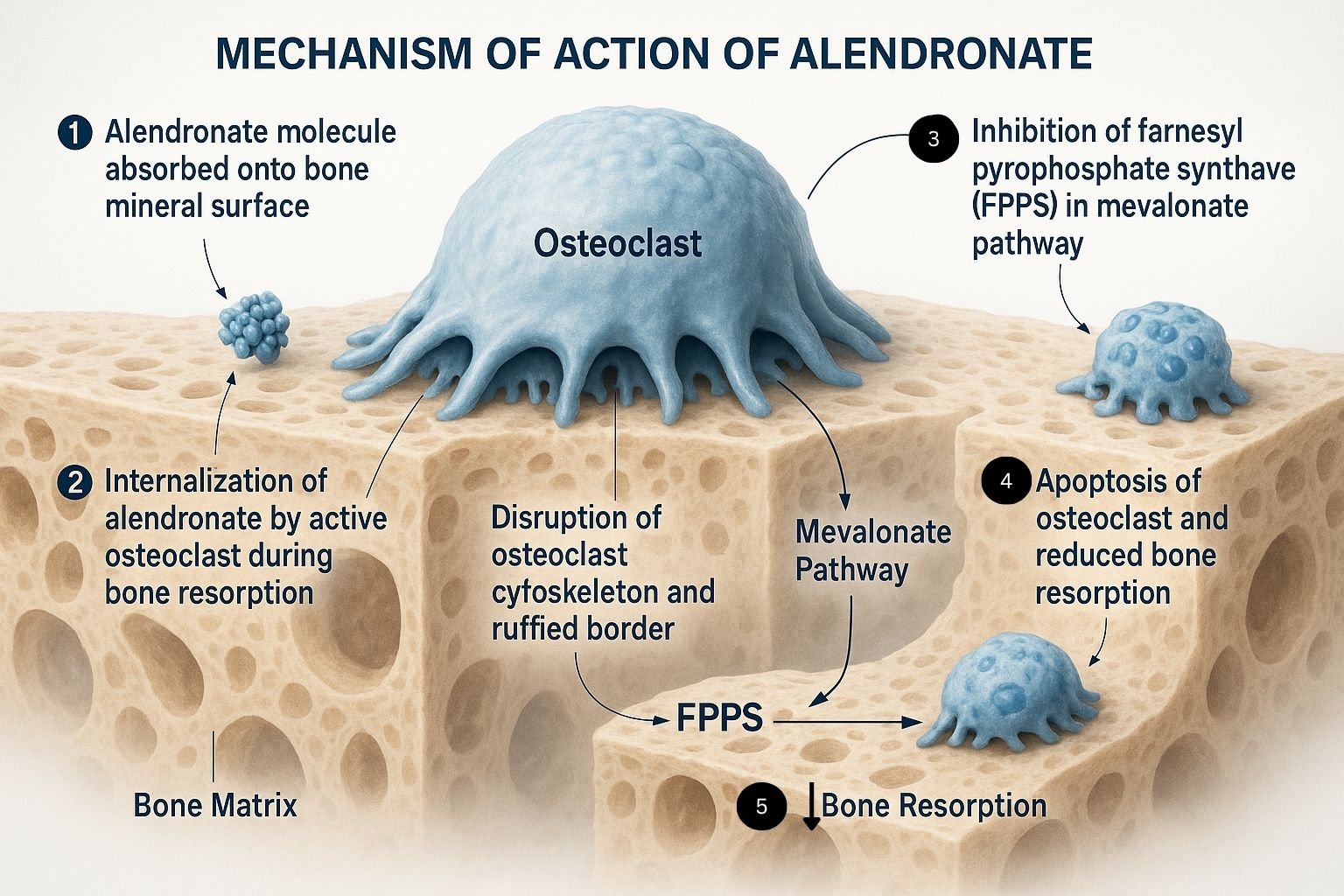
Mechanism of Action of Alendronate

Alendronate Mechanism of Action

Introduction Alendronate is a nitrogen-containing bisphosphonate used primarily in the treatment and prevention of osteoporosis and other bone-resorptive disorders. It acts by inhibiting osteoclast-mediated bone resorption, thereby maintaining or increasing bone mineral density. Mechanism of Action (Stepwise Points) Pharmacokinetics Clinical Uses Adverse Effects Comparative Analysis Parameter Alendronate Risedronate Zoledronate Route Oral Oral IV Dosing Frequency … Read more

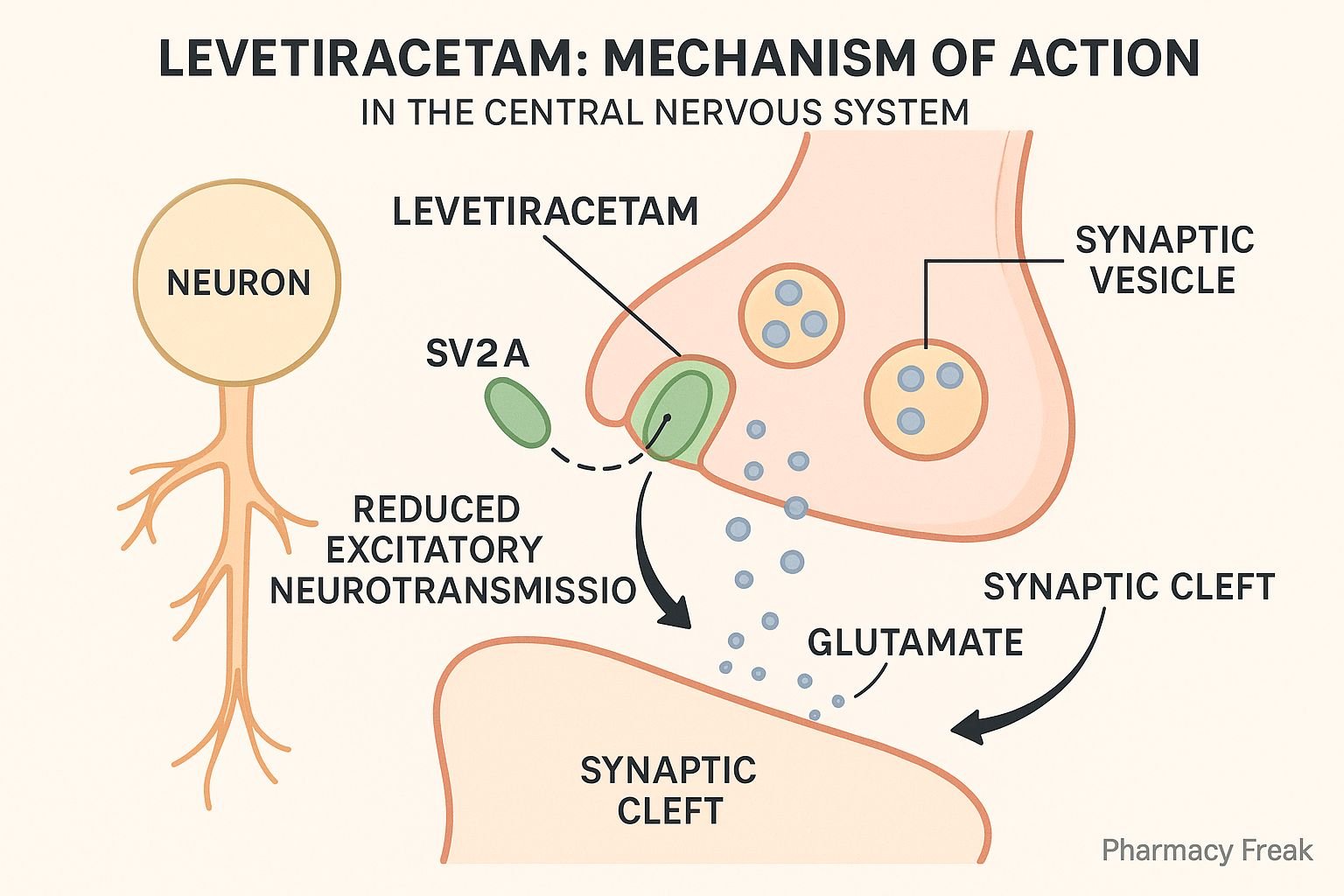
Mechanism of Action of Levetiracetam

Levetiracetam Mechanism of Action

Introduction Levetiracetam is a widely used antiepileptic drug (AED) known for its unique mechanism of action, high tolerability, and minimal drug interactions. It is indicated in the treatment of various seizure types and is favored in both pediatric and adult populations. Mechanism of Action (Stepwise Points) Pharmacokinetics Clinical Uses Adverse Effects Comparative Analysis Feature Levetiracetam … Read more

PRO
Ad-Free Access
$3.99 / month
  • No Interruptions
  • Faster Page Loads
  • Support Content Creators