Trusted by 50K+ Pharmacy StudentsHigh Quality Notes, MCQs, Mock Tests & Study ResourcesGo Premium (Ads Free)
Pharmacy Freak

Mechanism of Action of Alcohol
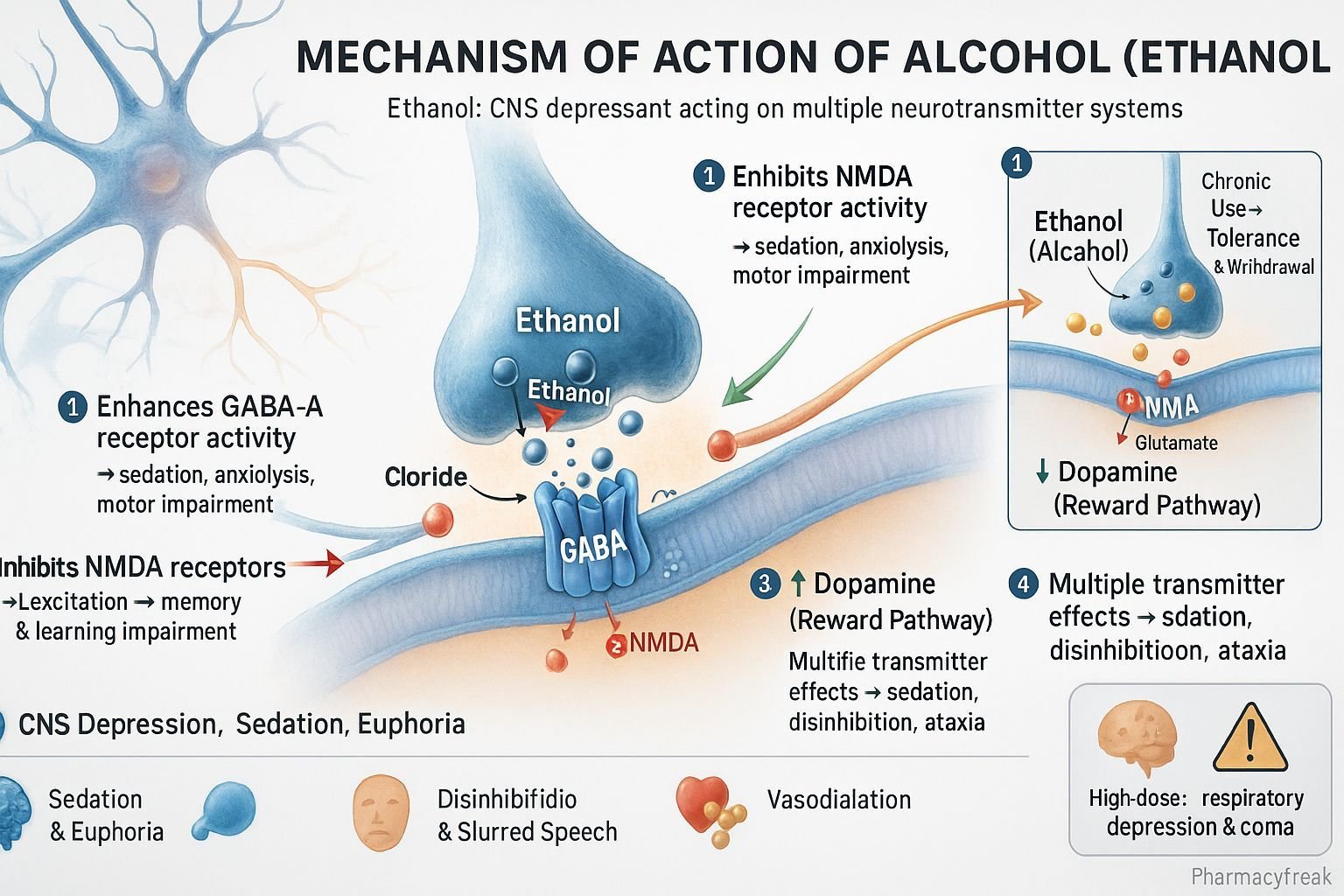
MOA of Alcohol

Introduction Ethanol, commonly referred to as alcohol, is a psychoactive substance and central nervous system (CNS) depressant with widespread social and clinical significance. Mechanism of Action of Alcohol involves modulation of several neurotransmitter systems—most notably GABA, glutamate, and dopamine—leading to sedation, euphoria, impaired motor coordination, and cognitive effects. Ethanol’s pharmacological effects depend on dose, chronicity … Read more
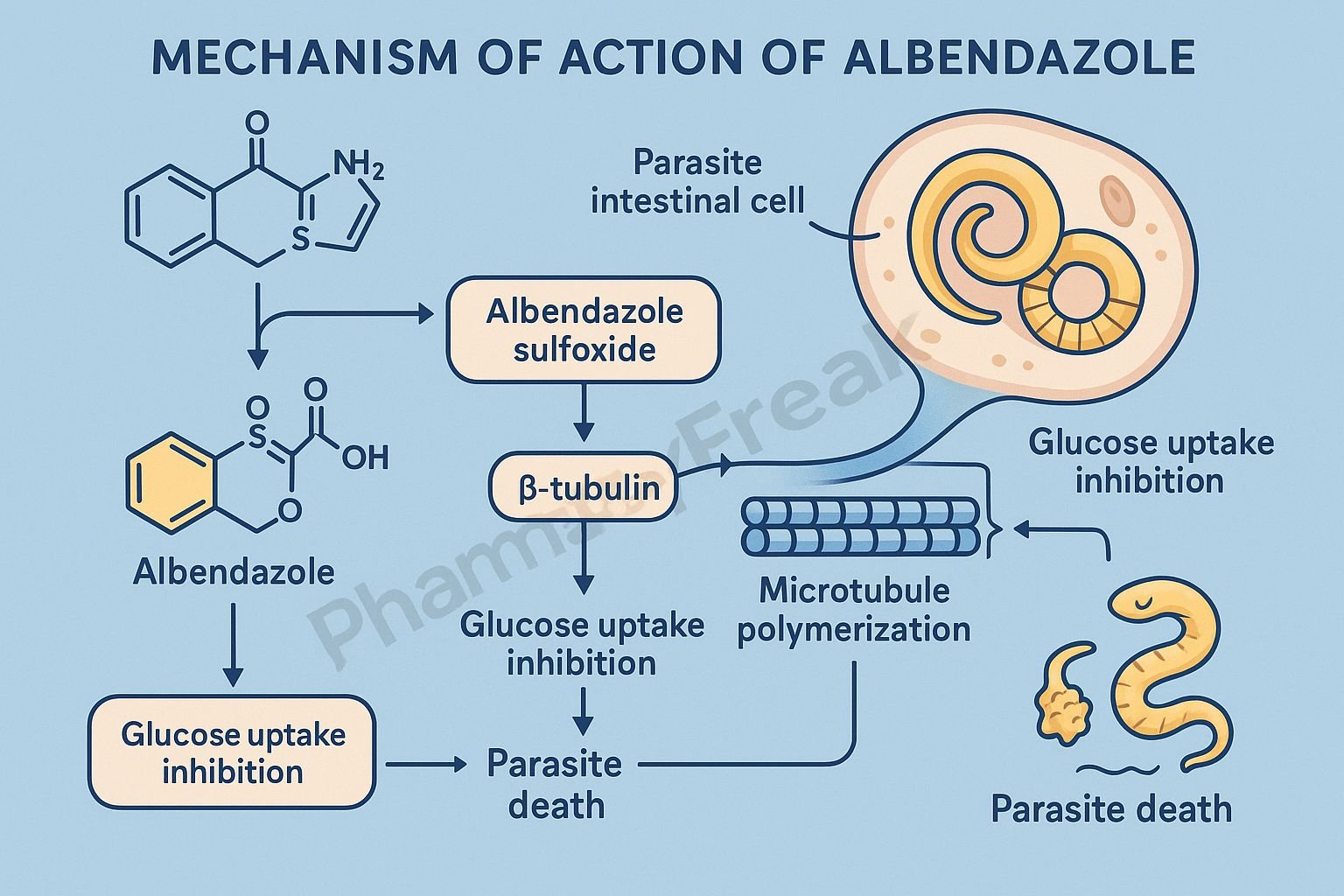
Mechanism of Action of Albendazole

MOA of Albendazole

Introduction Albendazole is a broad-spectrum anthelmintic drug belonging to the benzimidazole class. Mechanism of Action of Albendazole involves inhibition of microtubule polymerization in parasitic worms, leading to impaired glucose uptake and depletion of energy stores. It is highly effective against a wide range of intestinal and tissue helminth infections such as ascariasis, hookworm, neurocysticercosis, and … Read more

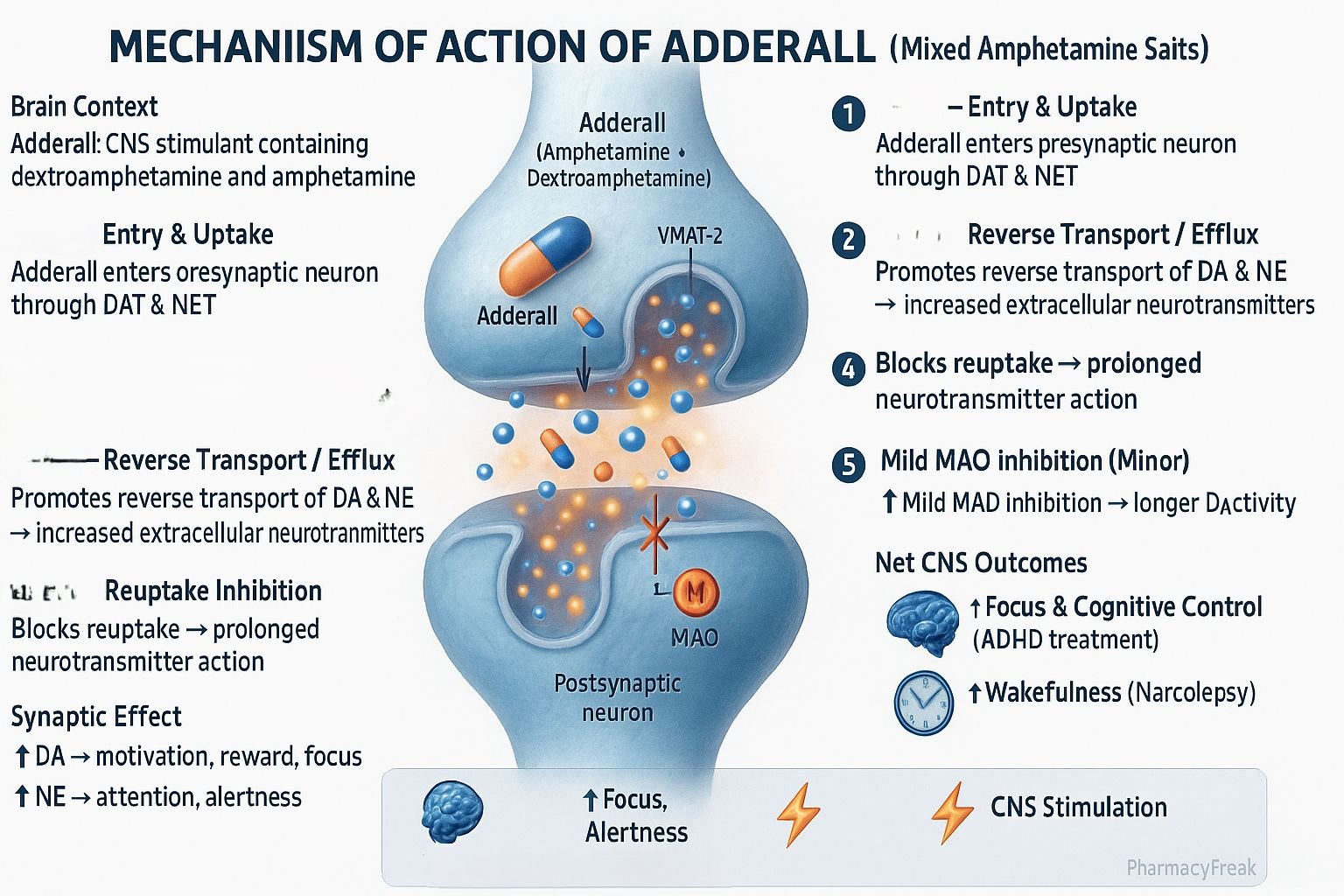
Mechanism of Action of Adderall

MOA of Adderall

Introduction Adderall is a central nervous system (CNS) stimulant containing a combination of amphetamine and dextroamphetamine. Mechanism of Action of Adderall involves increasing the levels of key neurotransmitters—dopamine, norepinephrine, and serotonin—in the brain. It is primarily prescribed for Attention-Deficit/Hyperactivity Disorder (ADHD) and narcolepsy, improving focus, alertness, and cognitive performance. Understanding its pharmacological mechanism helps explain … Read more

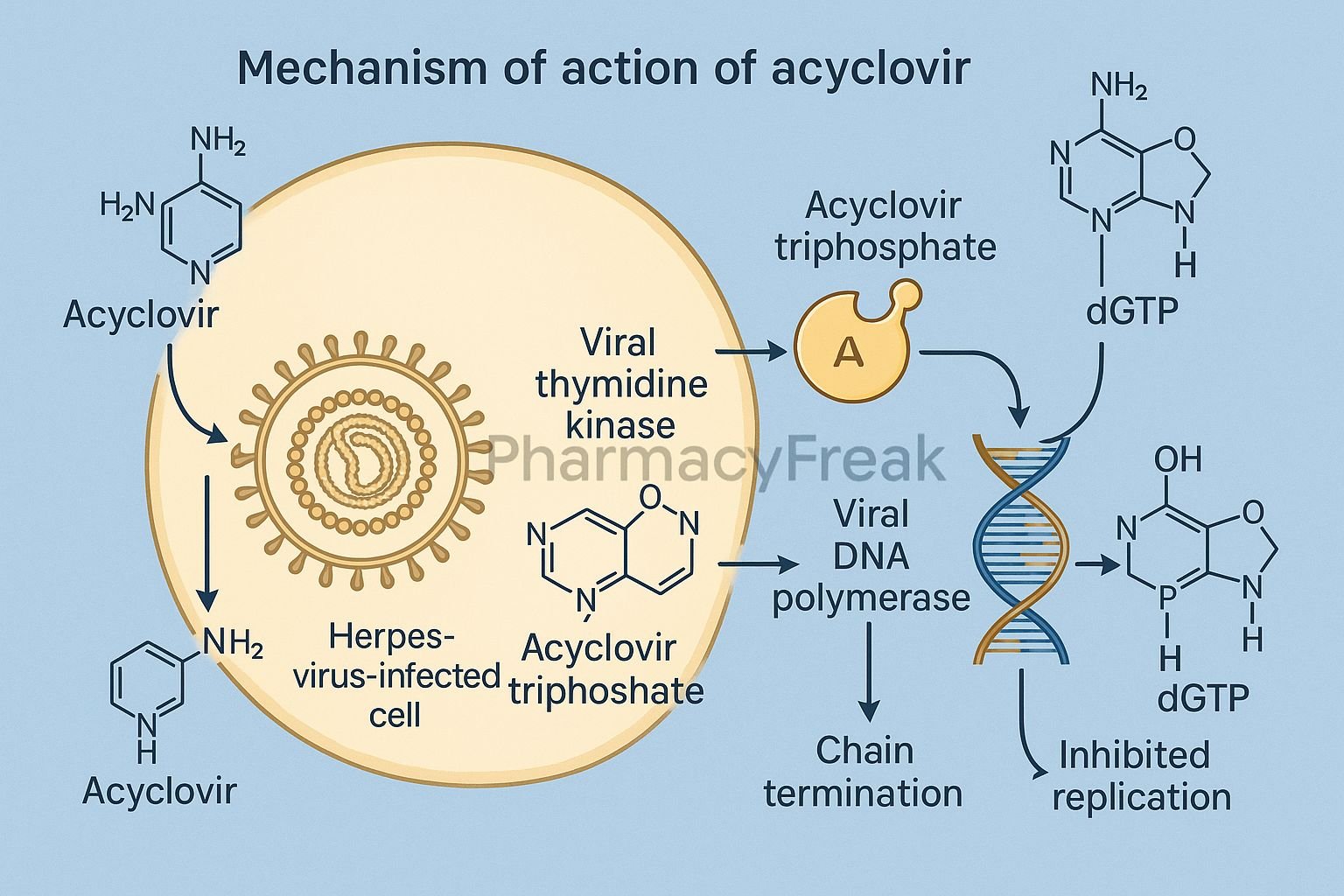
Mechanism of Action of Acyclovir

MOA of Acyclovir

Introduction Acyclovir is a guanine nucleoside analogue antiviral drug primarily used to treat infections caused by herpes simplex virus (HSV-1 and HSV-2) and varicella-zoster virus (VZV). Mechanism of Action of Acyclovir involves selective inhibition of viral DNA synthesis, resulting in the termination of viral replication. It is widely prescribed for herpes labialis, genital herpes, herpes … Read more

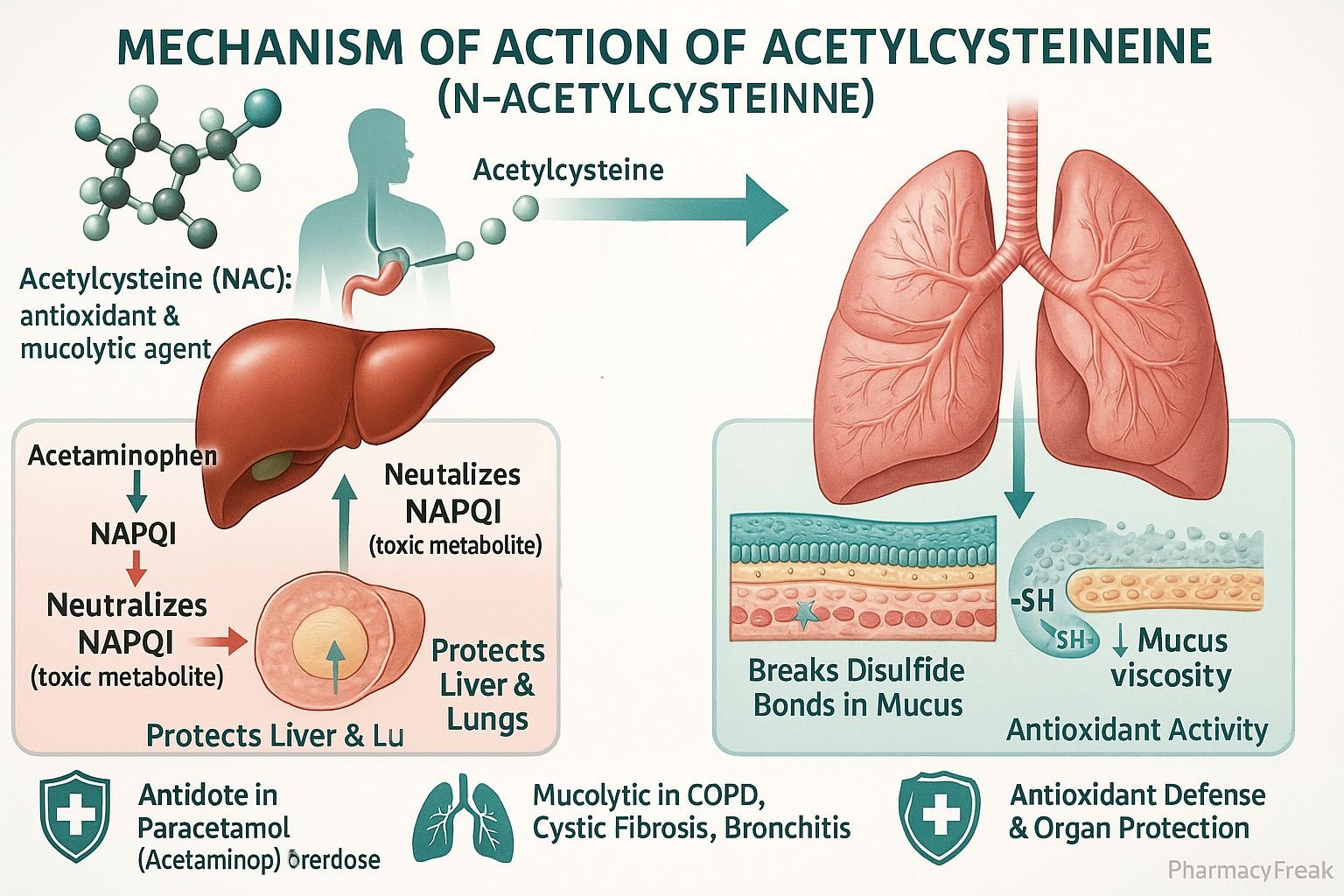
Mechanism of Action of Acetylcysteine

MOA of Acetylcysteine

Introduction Acetylcysteine, also known as N-acetylcysteine (NAC), is a versatile therapeutic agent with mucolytic, antioxidant, and hepatoprotective properties. Mechanism of Action of Acetylcysteine is based on its ability to break disulfide bonds in mucus, replenish intracellular glutathione, and detoxify harmful metabolites such as N-acetyl-p-benzoquinone imine (NAPQI) in acetaminophen poisoning. Clinically, it is used in respiratory … Read more

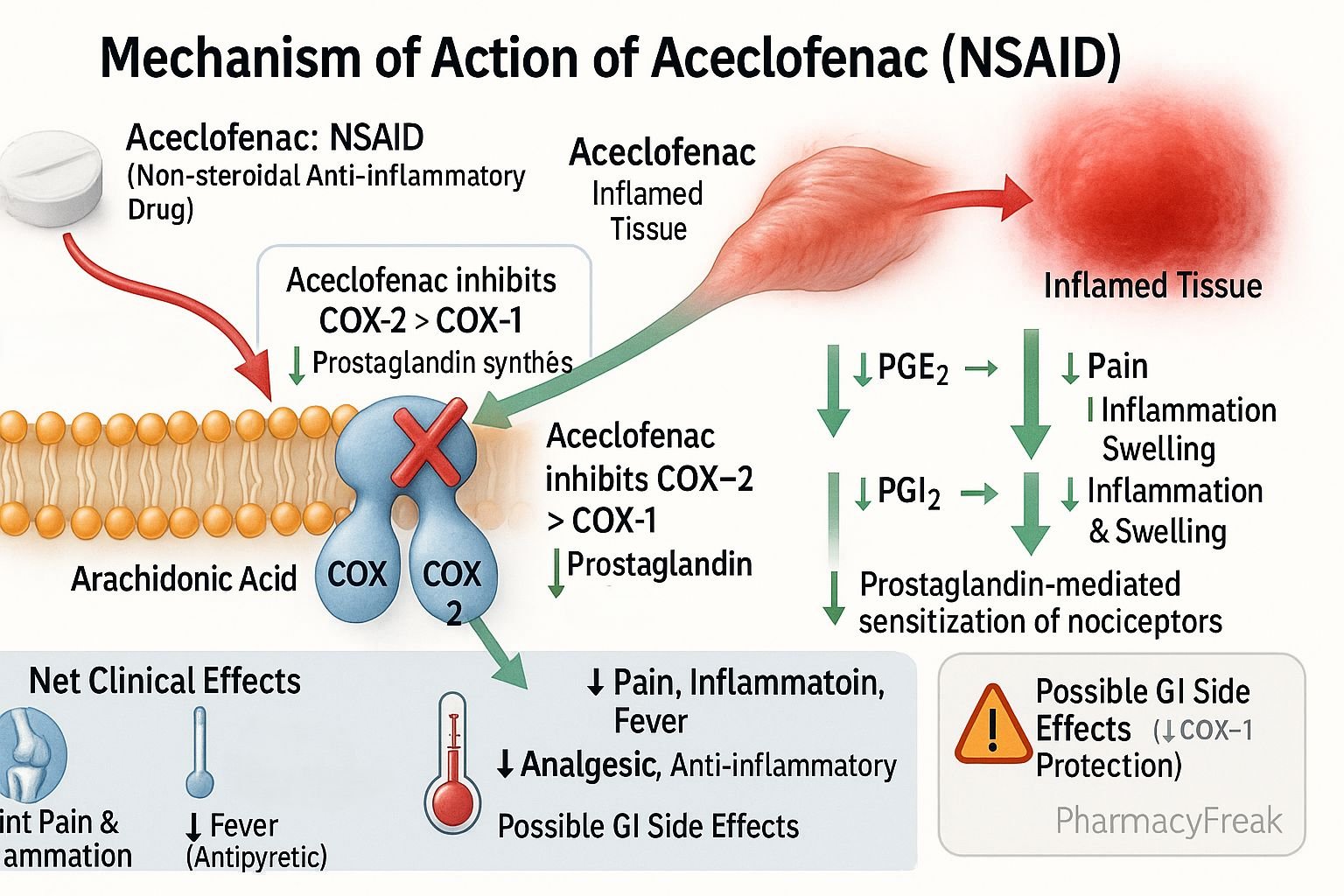
Mechanism of Action of Aceclofenac

MOA of Aceclofenac

Introduction Aceclofenac is a widely used nonsteroidal anti-inflammatory drug (NSAID) indicated for pain relief and reduction of inflammation in musculoskeletal and joint disorders. Mechanism of Action of Aceclofenac primarily involves inhibition of cyclooxygenase (COX) enzymes, leading to reduced prostaglandin synthesis. It is often preferred for its relatively better gastrointestinal tolerability compared to some older NSAIDs. … Read more

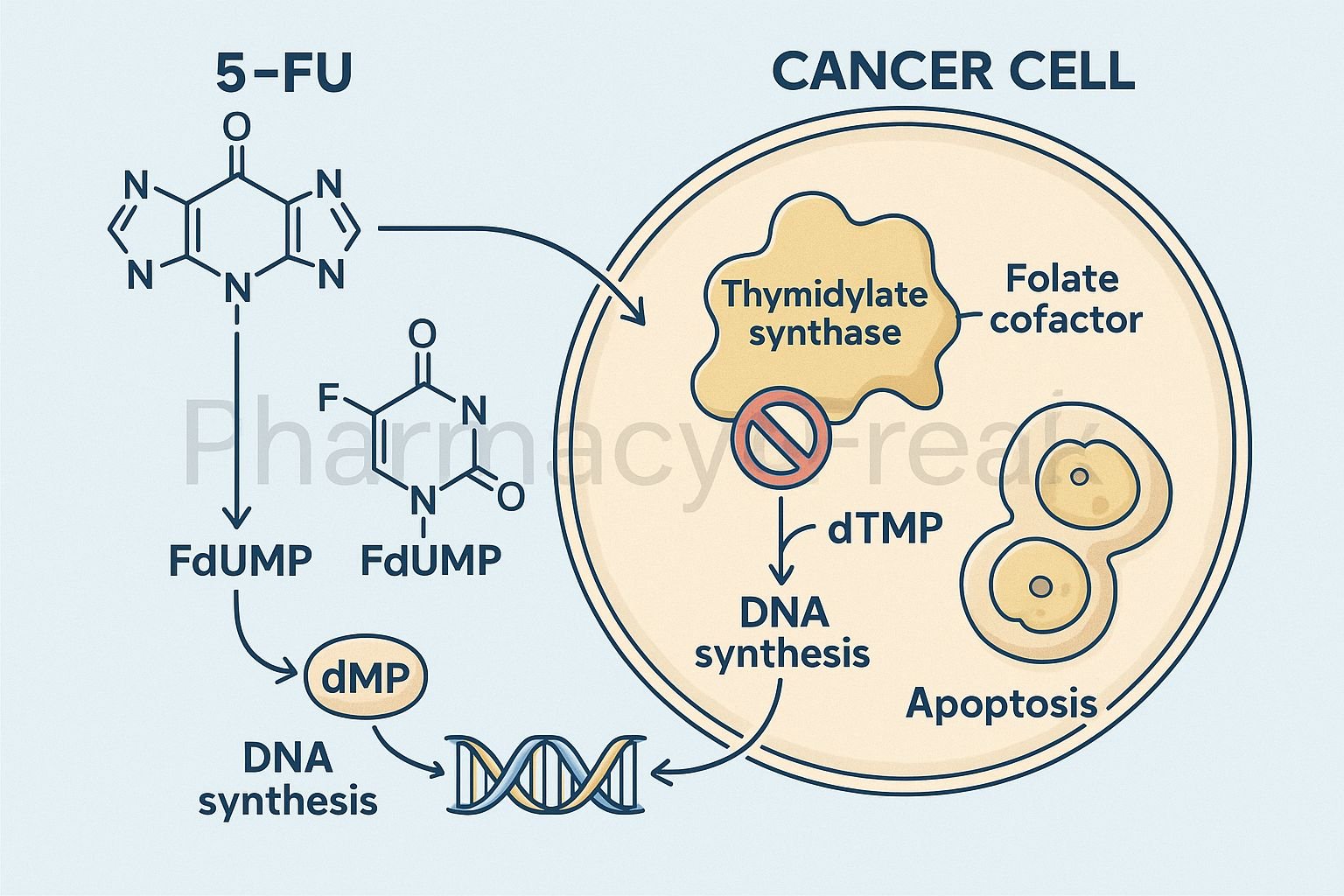
Mechanism of Action of 5-Fluorouracil

MOA of 5-Fluorouracil

Introduction 5-Fluorouracil (5-FU) is an antimetabolite chemotherapeutic drug used in the treatment of various solid tumors, including colorectal, breast, head and neck, and gastrointestinal cancers. Mechanism of Action of 5-Fluorouracil centers on its ability to inhibit DNA and RNA synthesis, leading to impaired cell proliferation. As a pyrimidine analog, 5-FU interferes with rapidly dividing cancer … Read more

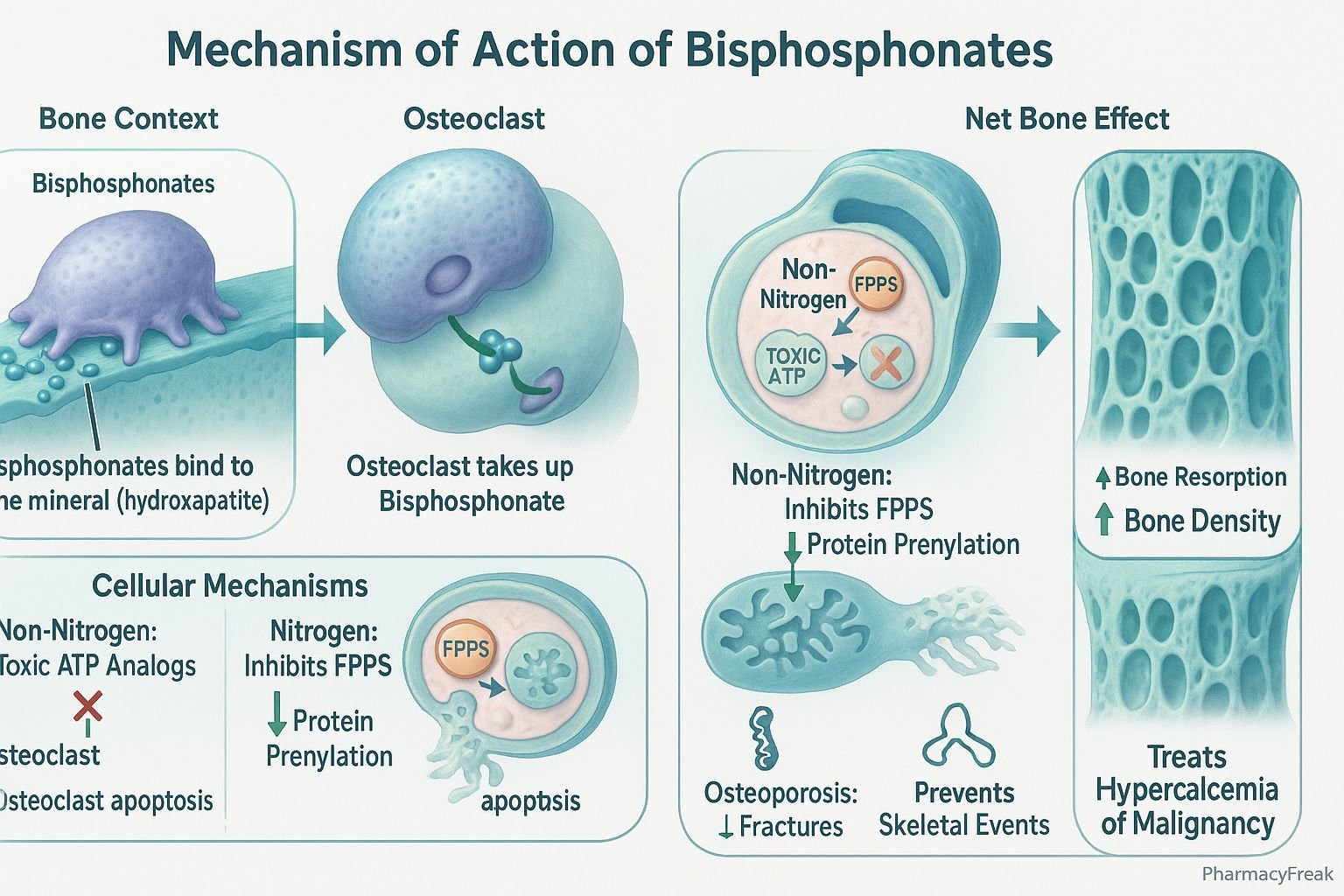
Mechanism of Action of Bisphosphonates

MOA of Bisphosphonates

Introduction Bisphosphonates are a major class of drugs used to prevent and treat bone resorption disorders. Mechanism of Action of Bisphosphonates revolves around their ability to inhibit osteoclast-mediated bone breakdown, thereby preserving bone density. They are widely used in conditions such as osteoporosis, Paget’s disease of bone, multiple myeloma, and bone metastases. Their unique affinity … Read more

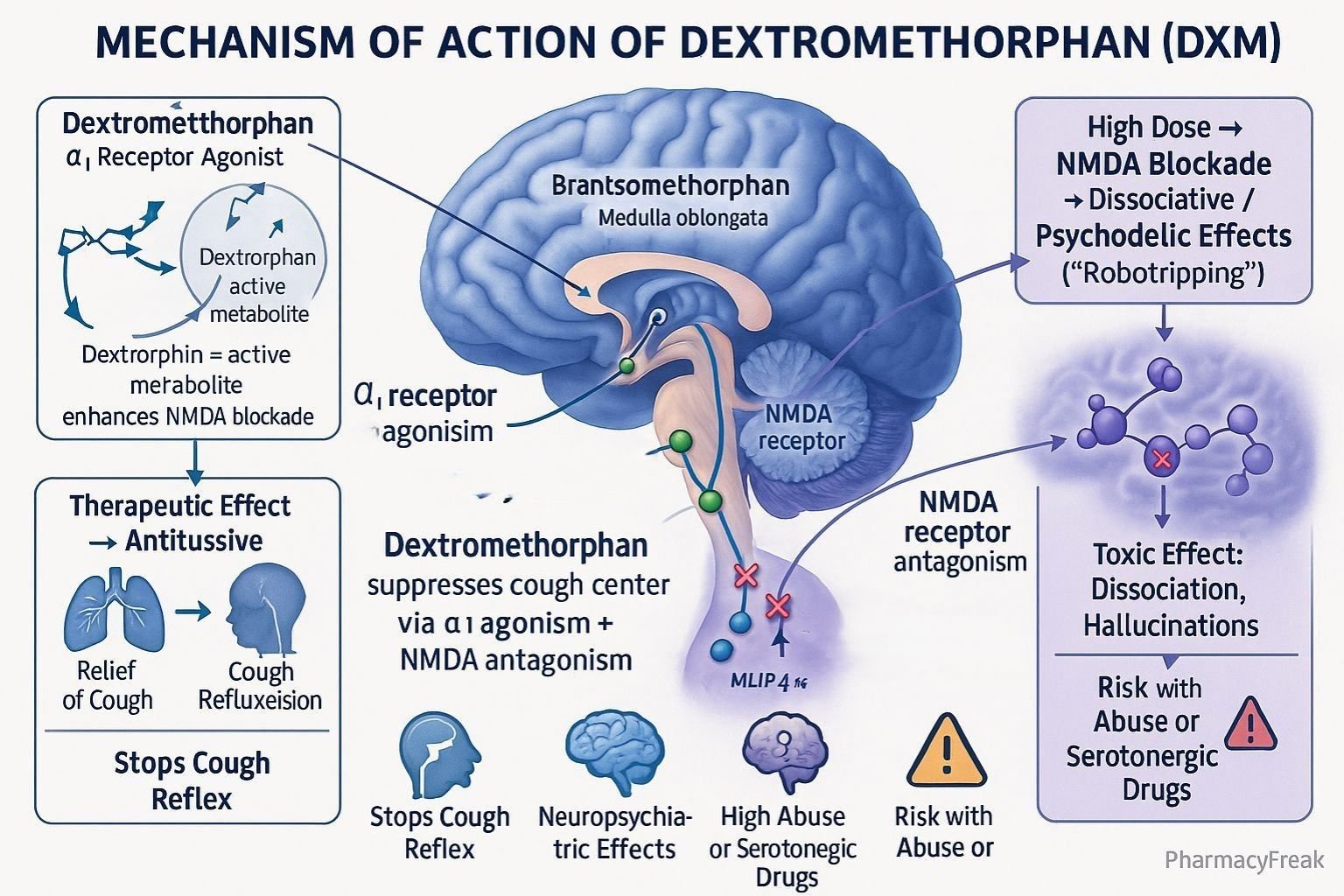
Mechanism of Action of Dextromethorphan

MOA of Dextromethorphan

Introduction Dextromethorphan is a widely used antitussive (cough suppressant) agent found in over-the-counter cold and cough formulations. Mechanism of Action of Dextromethorphan involves modulation of the central nervous system by acting on multiple receptors, including NMDA, sigma-1, and serotonin transporters. Beyond cough suppression, it has emerging roles in neurology and psychiatry, such as treatment of … Read more

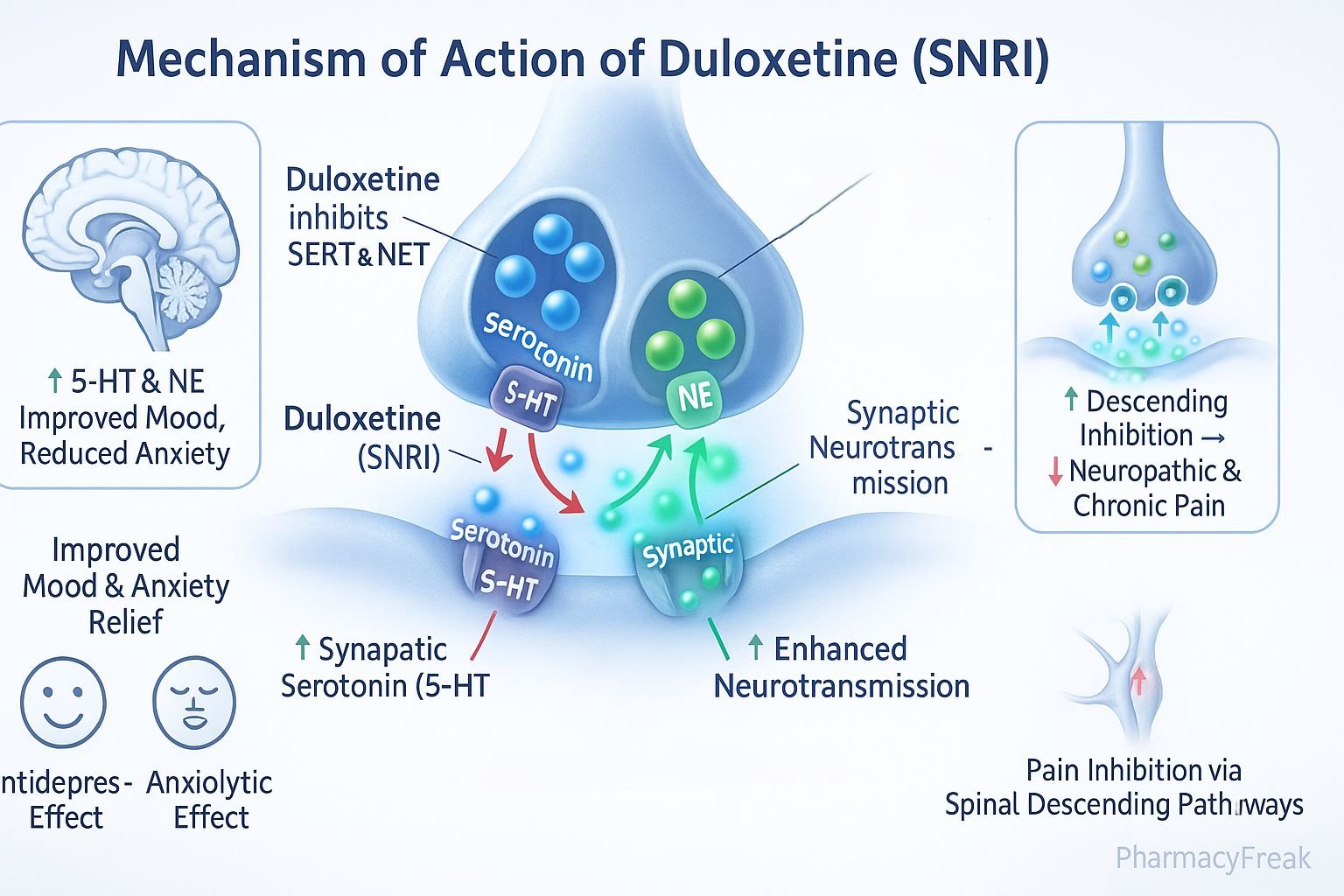
Mechanism of Action of Duloxetine

MOA of Duloxetine

Introduction Duloxetine is a serotonin-norepinephrine reuptake inhibitor (SNRI) widely used in psychiatry and neurology. It is prescribed for major depressive disorder, generalized anxiety disorder, neuropathic pain, fibromyalgia, and chronic musculoskeletal pain. Mechanism of Action of Duloxetine centers on its ability to modulate central monoaminergic neurotransmission by inhibiting reuptake of serotonin and norepinephrine. This dual mechanism … Read more

PRO
Ad-Free Access
$3.99 / month
  • No Interruptions
  • Faster Page Loads
  • Support Content Creators