Trusted by 50K+ Pharmacy StudentsHigh Quality Notes, MCQs, Mock Tests & Study ResourcesGo Premium (Ads Free)
Pharmacy Freak

Mechanism of Action of GLP-1 Analogues
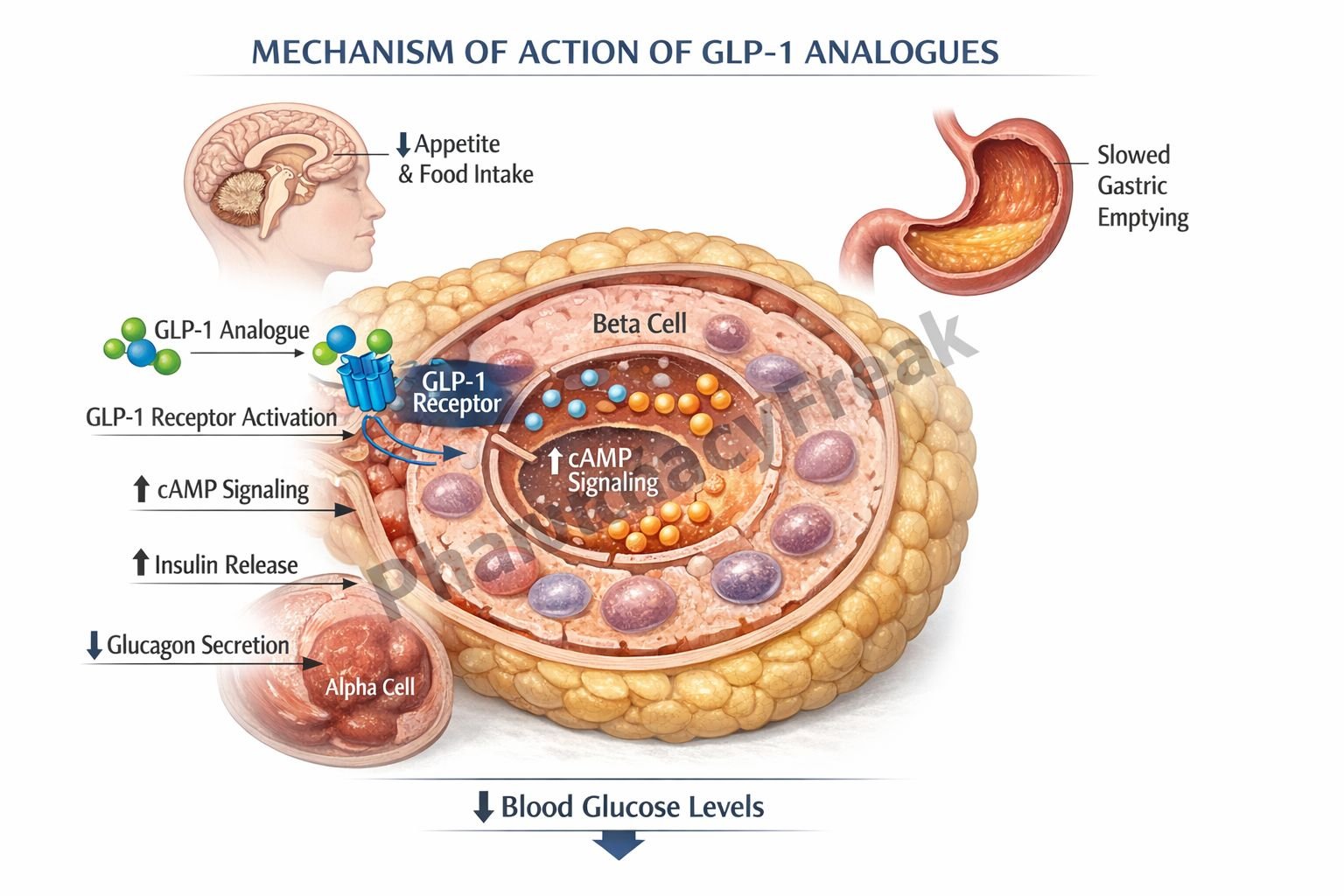
Mechanism of Action of GLP-1 Analogues

Introduction GLP-1 analogues, also known as GLP-1 receptor agonists, are an important class of antidiabetic drugs used in the management of type 2 diabetes mellitus and obesity. These drugs mimic the action of the endogenous incretin hormone glucagon-like peptide-1 (GLP-1), which is secreted from intestinal L-cells after food intake. GLP-1 analogues enhance glucose dependent insulin … Read more
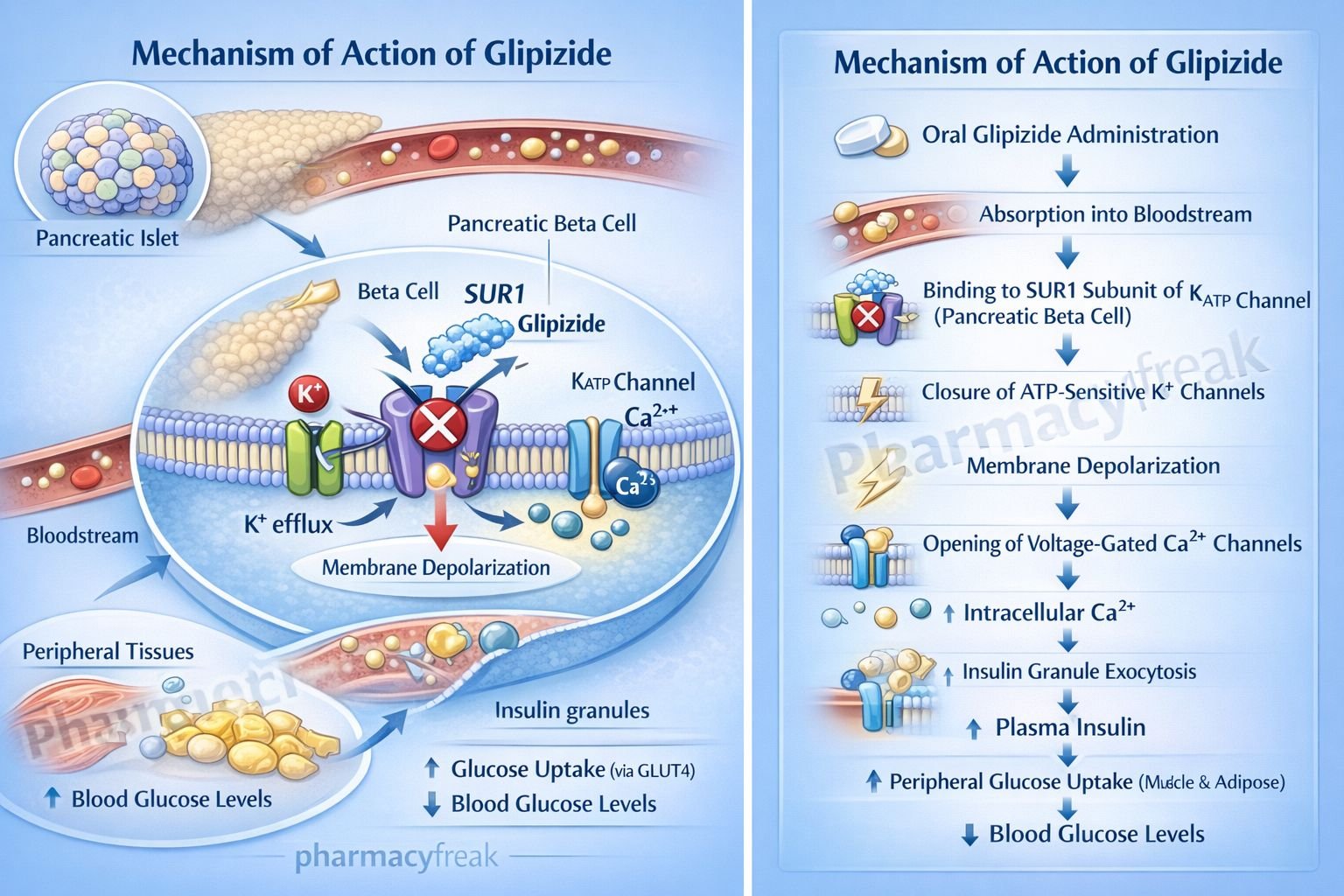
Mechanism of Action of Glipizide

Mechanism of Action of Glipizide

Introduction Glipizide is a second generation sulfonylurea used in the management of type 2 diabetes mellitus. It functions as an insulin secretagogue, lowering blood glucose by stimulating pancreatic beta cells to release insulin. Compared with first generation sulfonylureas, glipizide has greater potency, improved safety, and fewer drug interactions. It is a high yield drug in … Read more

Mechanism of Action of Glimepiride

Mechanism of Action of Glimepiride

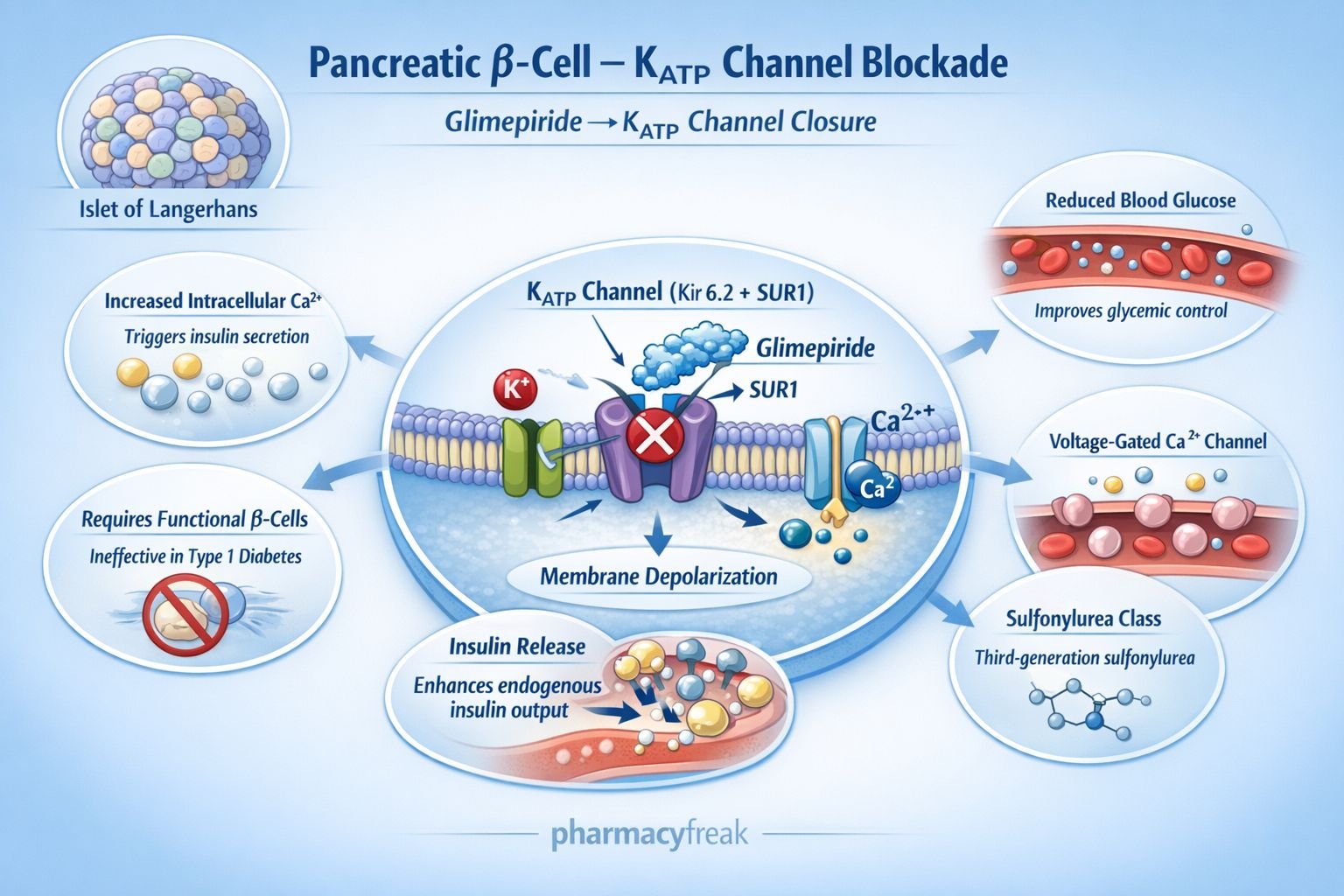
Introduction Glimepiride is a third generation sulfonylurea used in the treatment of type 2 diabetes mellitus. It functions primarily as an insulin secretagogue by stimulating pancreatic beta cells to release insulin. Compared with earlier sulfonylureas, glimepiride is often associated with a lower risk of prolonged hypoglycemia and may exhibit additional extrapancreatic effects that improve insulin … Read more

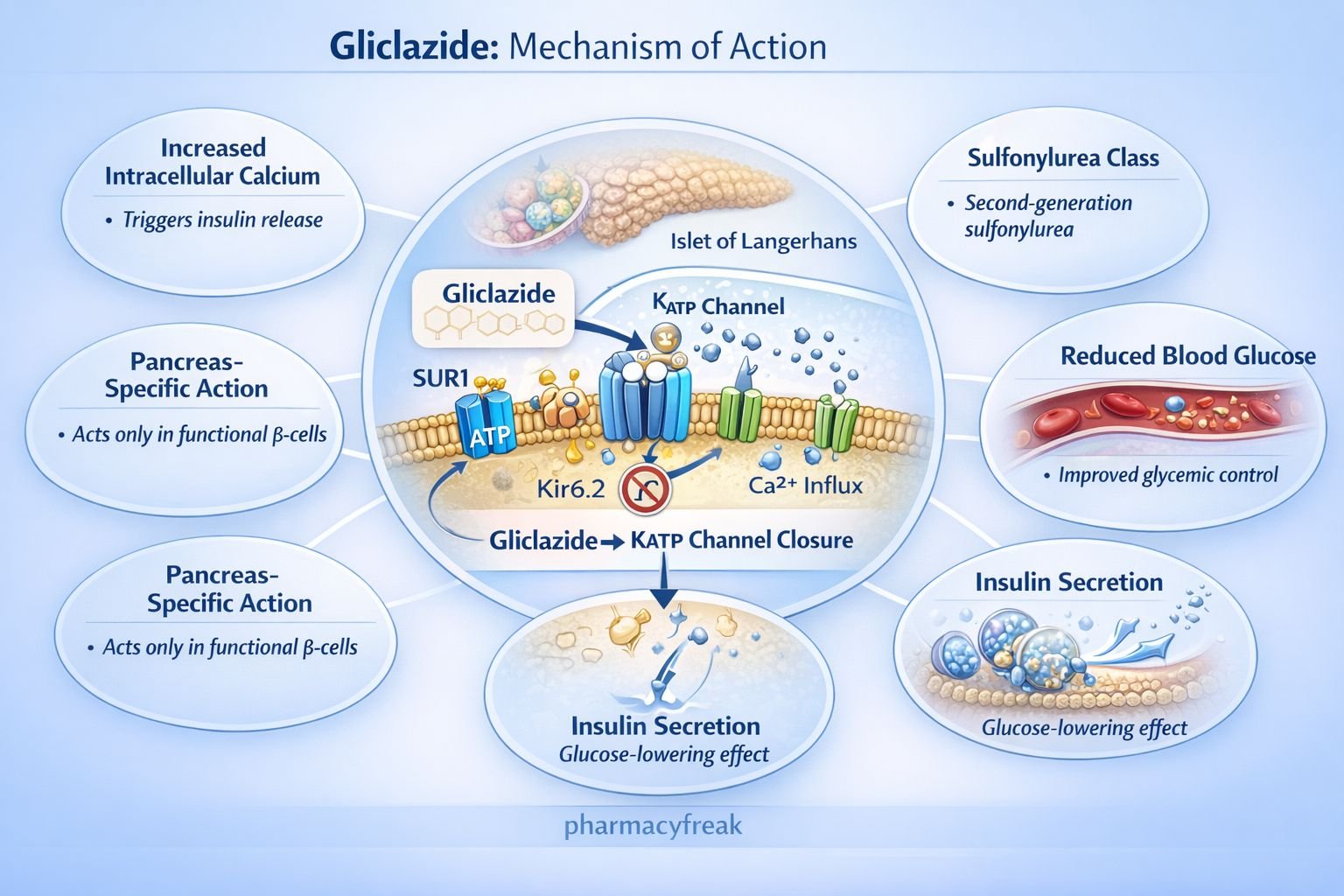
Mechanism of Action of Gliclazide

Mechanism of Action of Gliclazide

Unlock 9 GPAT Mock Tests at ₹ 19 | Ads Free | Membership Required

You must be a Unlock 9 GPAT Mock Tests at ₹ 19 | Ads Free | member to access this content.

Join Now

Already a member? Log in here

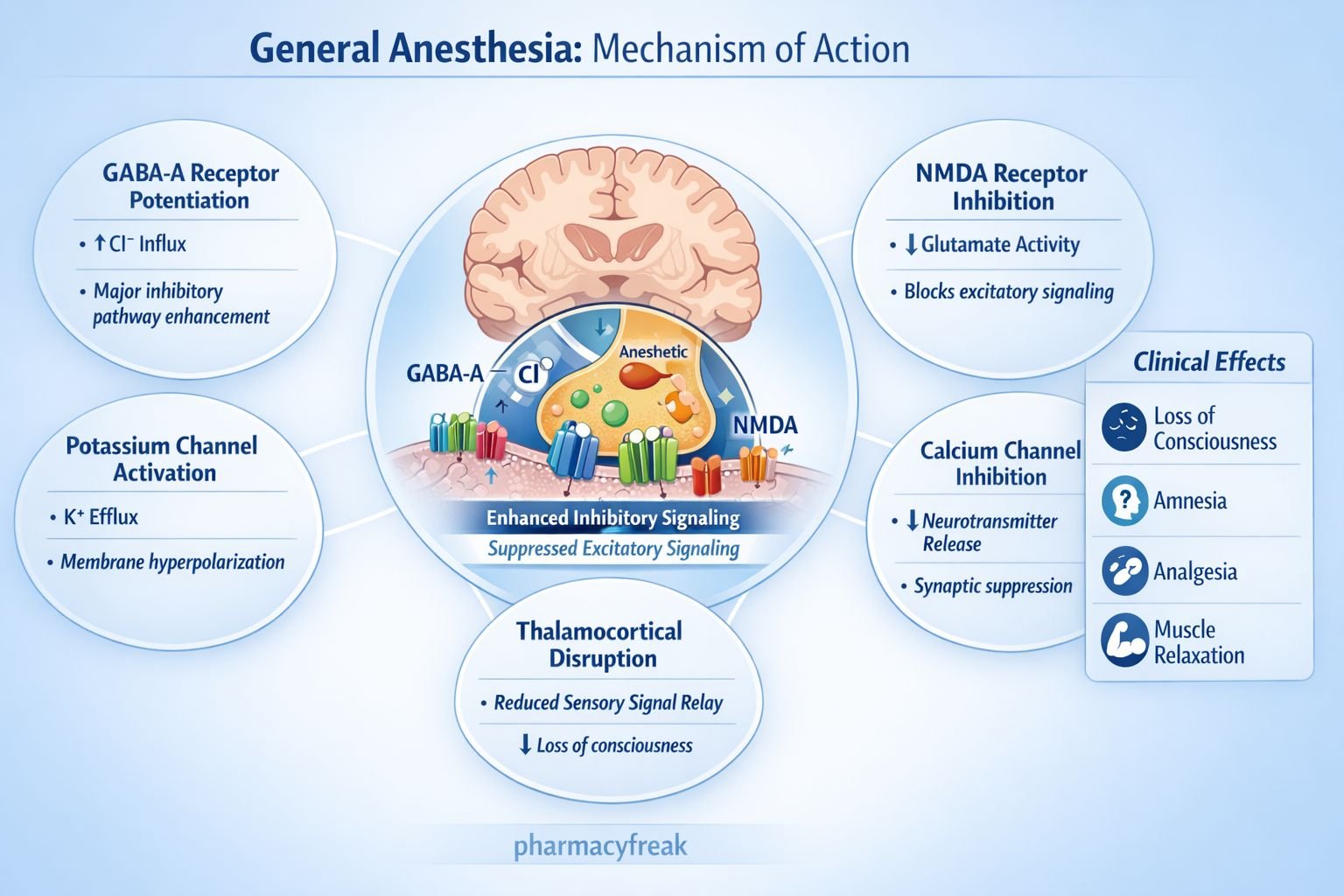
Mechanism of Action of General Anesthesia

Mechanism of action of General Anesthesia

Introduction General anesthesia is a reversible drug induced state characterized by unconsciousness, amnesia, analgesia, and immobility with suppression of autonomic responses. It is produced by a combination of intravenous and inhalational anesthetic agents acting on the central nervous system. Unlike a single drug mechanism, general anesthesia represents a coordinated depression of neuronal activity across cortical, … Read more

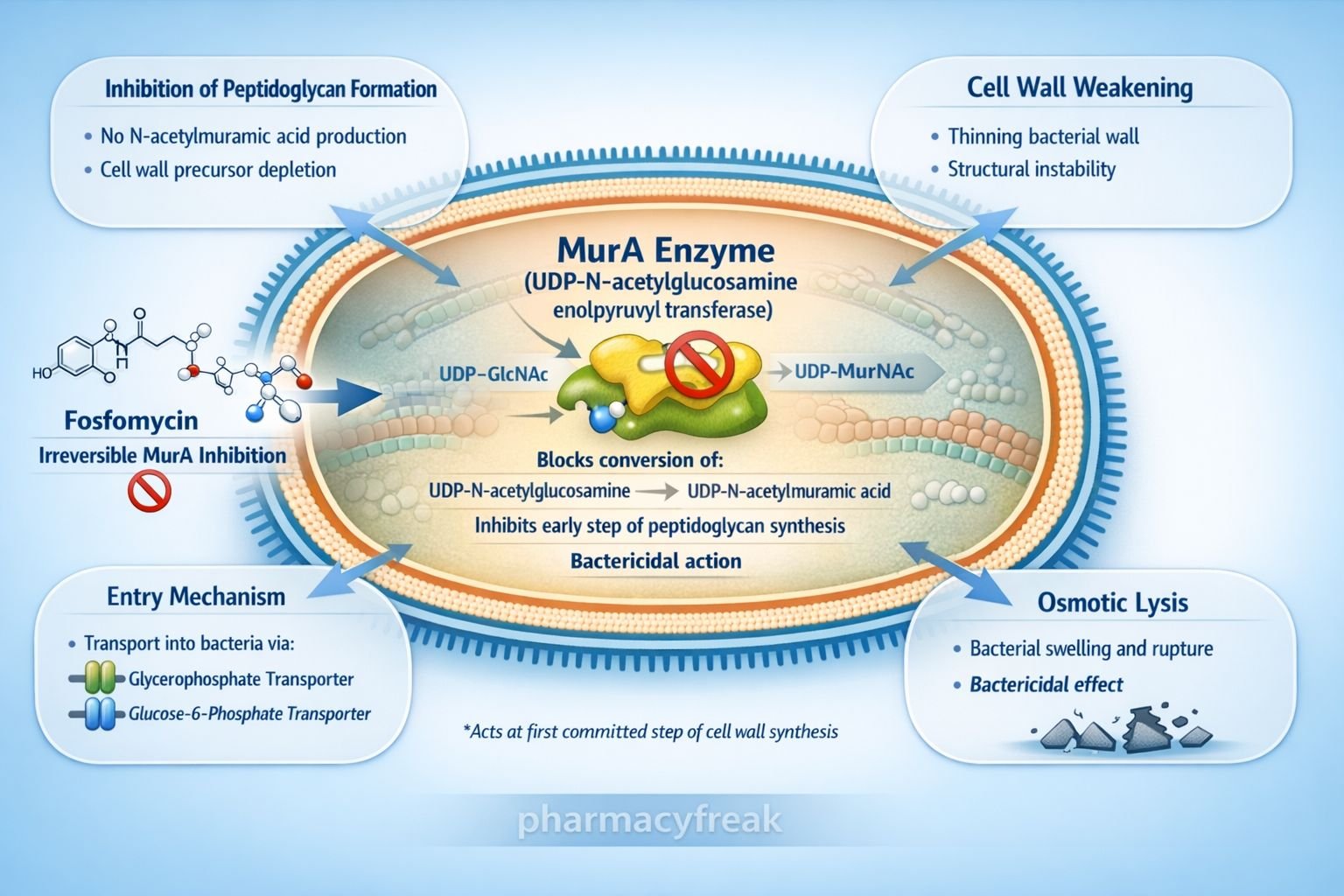
Mechanism of Action of Fosfomycin

Mechanism of Action of Fosfomycin

Introduction Fosfomycin is a broad spectrum bactericidal antibiotic primarily used in the treatment of uncomplicated urinary tract infections. It is structurally unrelated to other major antibiotic classes and represents a unique inhibitor of bacterial cell wall synthesis. Because of its distinct mechanism, fosfomycin retains activity against many multidrug resistant organisms, including ESBL producing Enterobacteriaceae and … Read more

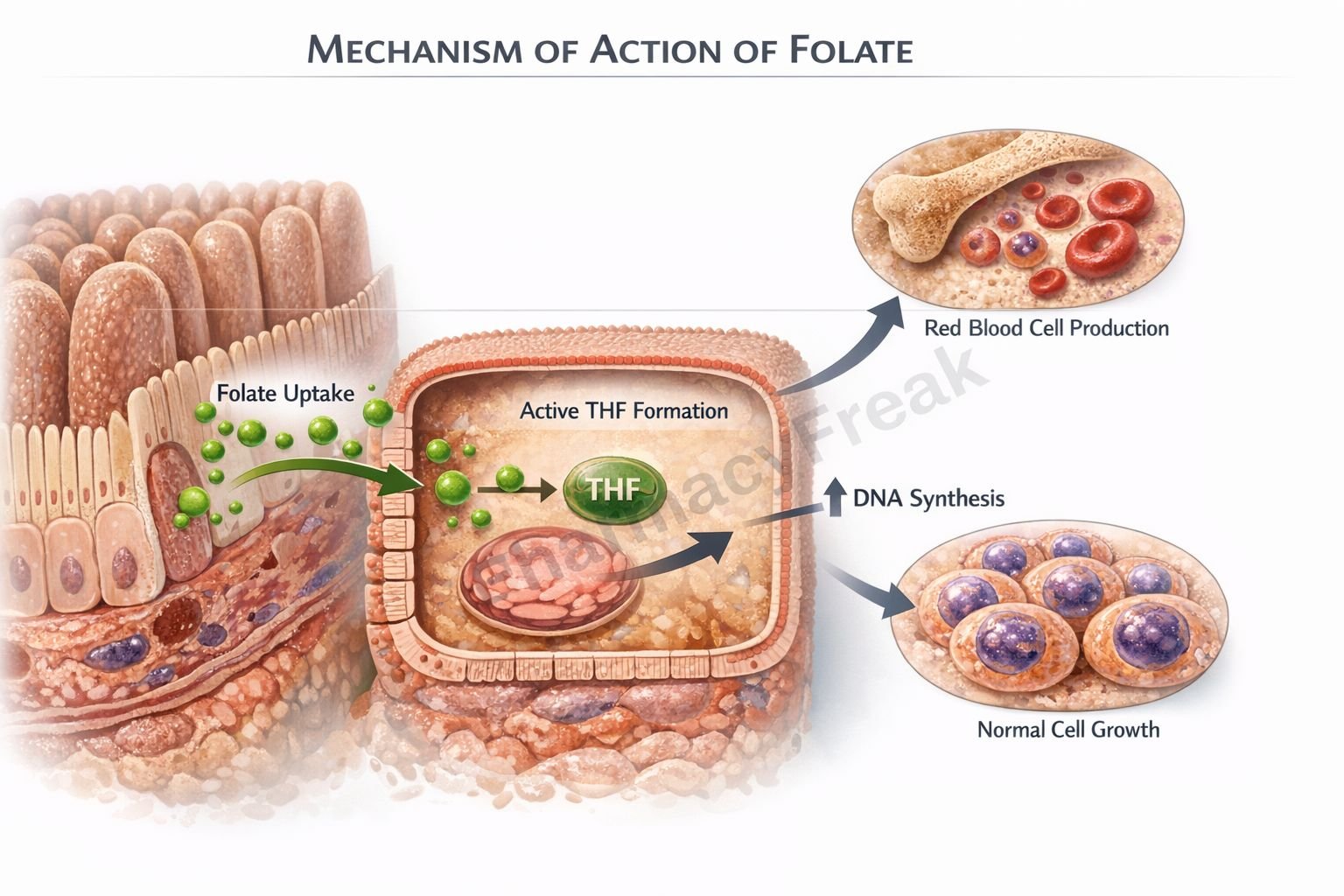
Mechanism of Action of Folate

Mechanism of Action of Folate

Introduction Folate, also known as vitamin B9, is a water soluble vitamin essential for DNA synthesis, cell division, and hematopoiesis. The biologically active form of folate is tetrahydrofolate, which functions as a carrier of one carbon units in multiple metabolic reactions. Folate plays a central role in nucleotide biosynthesis and methylation reactions, making it critical … Read more

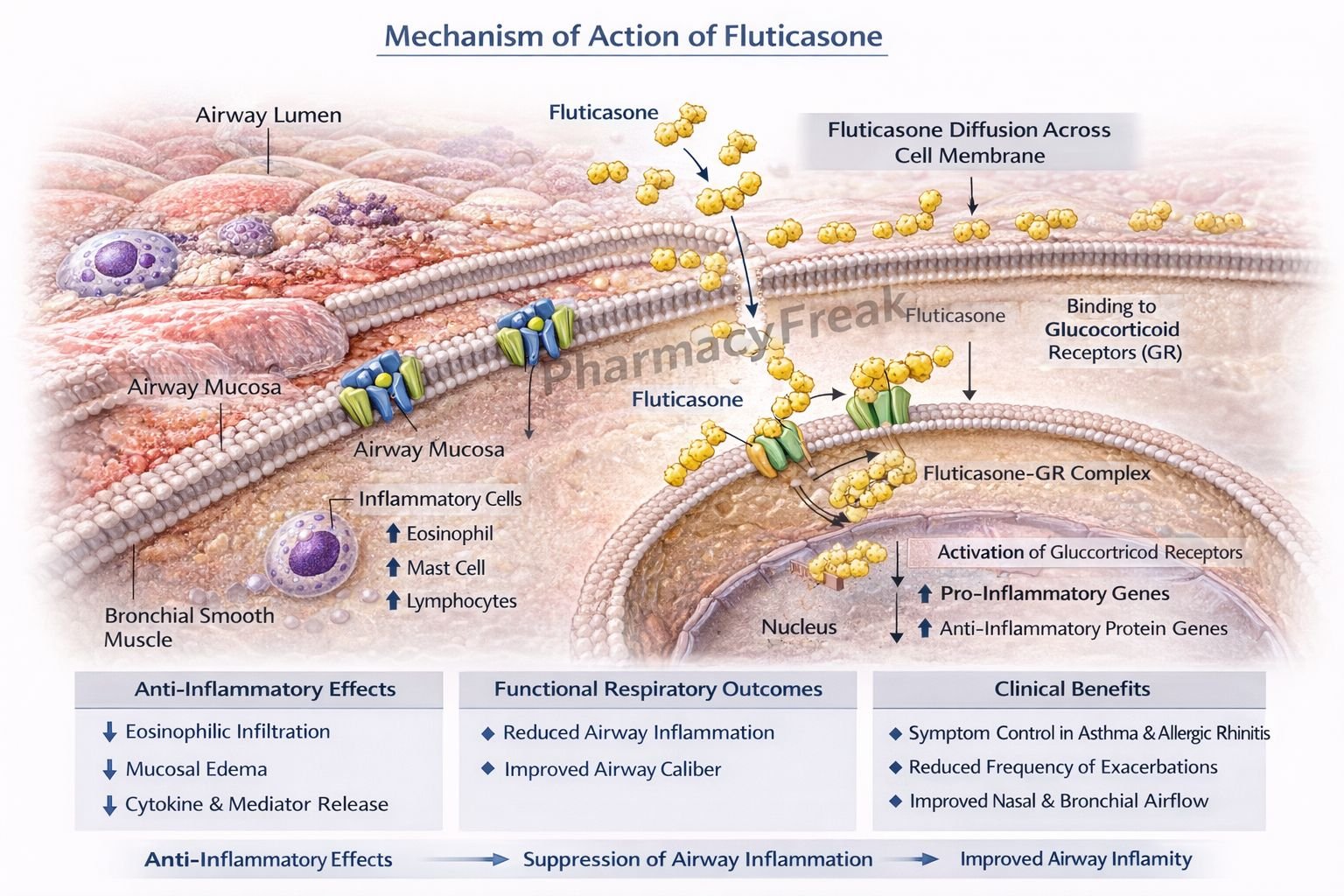
Mechanism of Action of Fluticasone

Mechanism of Action of Fluticasone

Introduction Fluticasone is a synthetic corticosteroid belonging to the glucocorticoid class, widely used for its potent anti-inflammatory and immunosuppressive effects. It is commonly administered via inhalation, intranasal spray, or topical routes for the management of asthma, allergic rhinitis, and other inflammatory conditions. Fluticasone is high-yield for pharmacology and clinical exams because of its receptor-mediated genomic … Read more

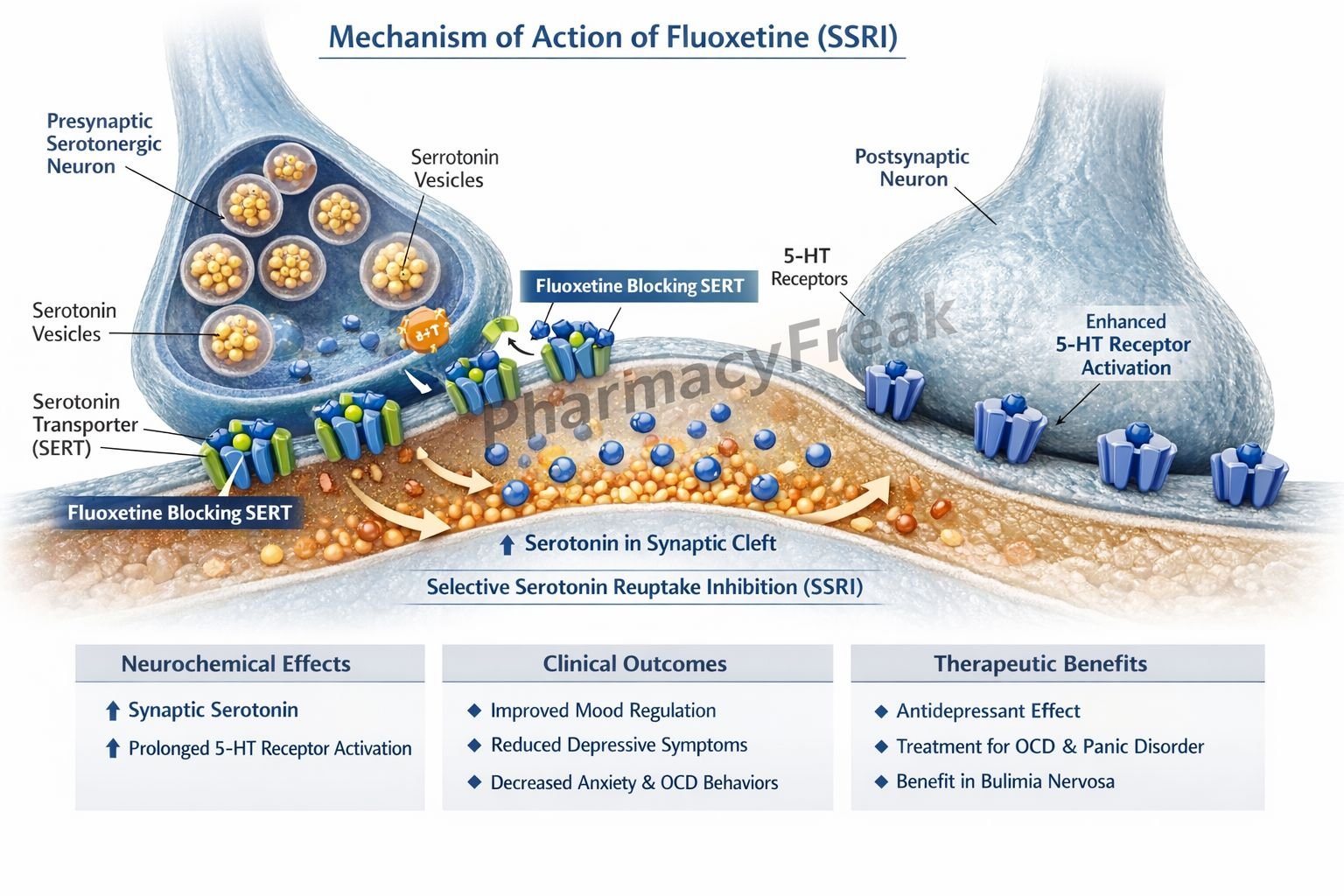
Mechanism of Action of Fluoxetine

Mechanism of Action of Fluoxetine

Introduction Fluoxetine is a selective serotonin reuptake inhibitor (SSRI) widely used in the treatment of depressive and anxiety disorders. It was the first SSRI introduced into clinical practice and remains highly relevant due to its long half-life, activating profile, and extensive exam coverage. Fluoxetine is particularly important in pharmacology examinations because of its mechanism at … Read more

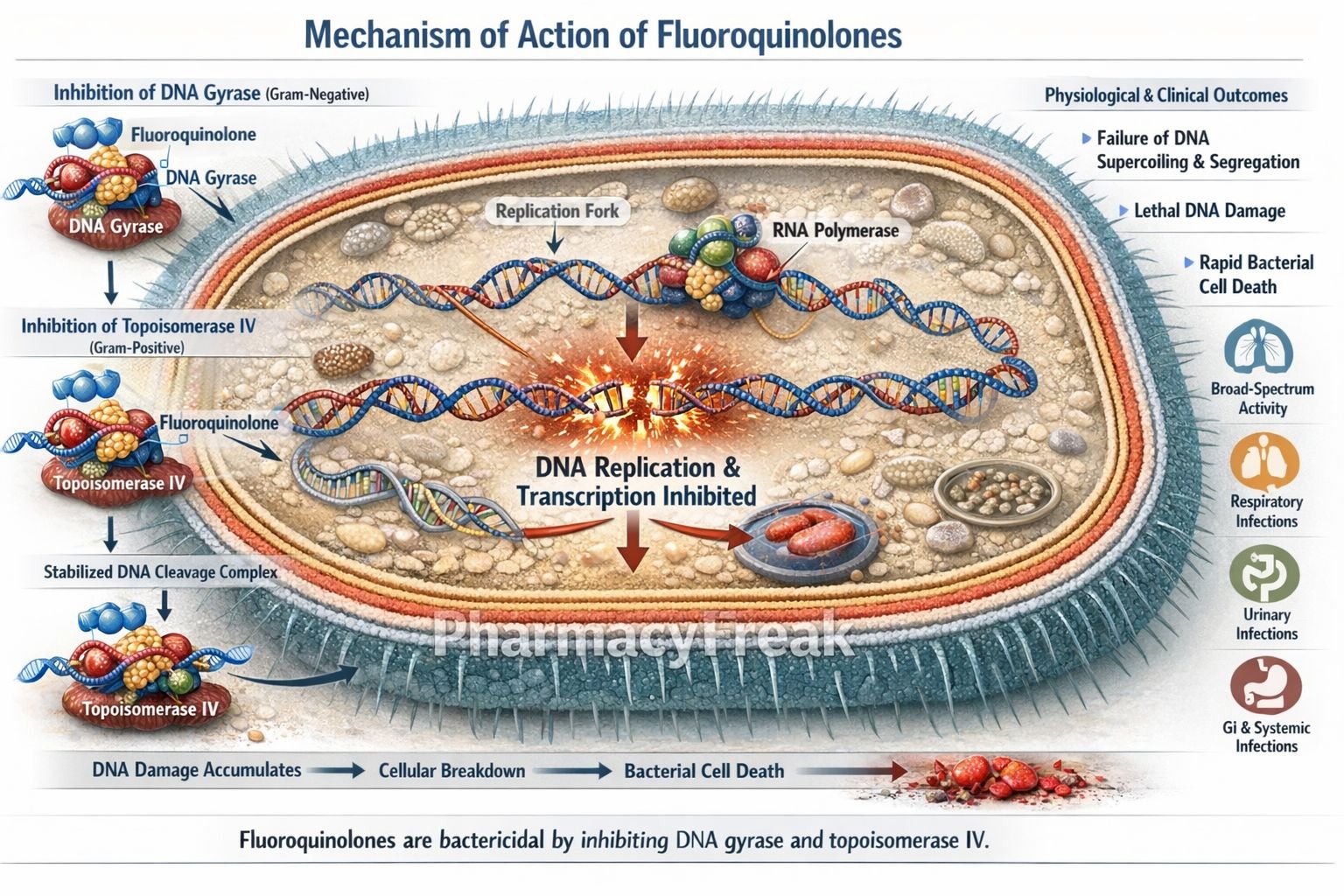
Mechanism of Action of Fluoroquinolones

Mechanism of Action of Fluoroquinolones

Introduction Fluoroquinolones are a broad-spectrum class of synthetic antibacterial agents widely used in the treatment of gram-negative, gram-positive, atypical, and intracellular bacterial infections. Common drugs in this class include ciprofloxacin, levofloxacin, moxifloxacin, and norfloxacin. Fluoroquinolones are extremely high-yield for pharmacology and clinical examinations due to their unique DNA-targeting mechanism, concentration-dependent killing, and characteristic musculoskeletal and … Read more

PRO
Ad-Free Access
$3.99 / month
  • No Interruptions
  • Faster Page Loads
  • Support Content Creators