Trusted by 50K+ Pharmacy StudentsHigh Quality Notes, MCQs, Mock Tests & Study ResourcesGo Premium (Ads Free)
Pharmacy Freak

Mechanism of Action of Flucytosine
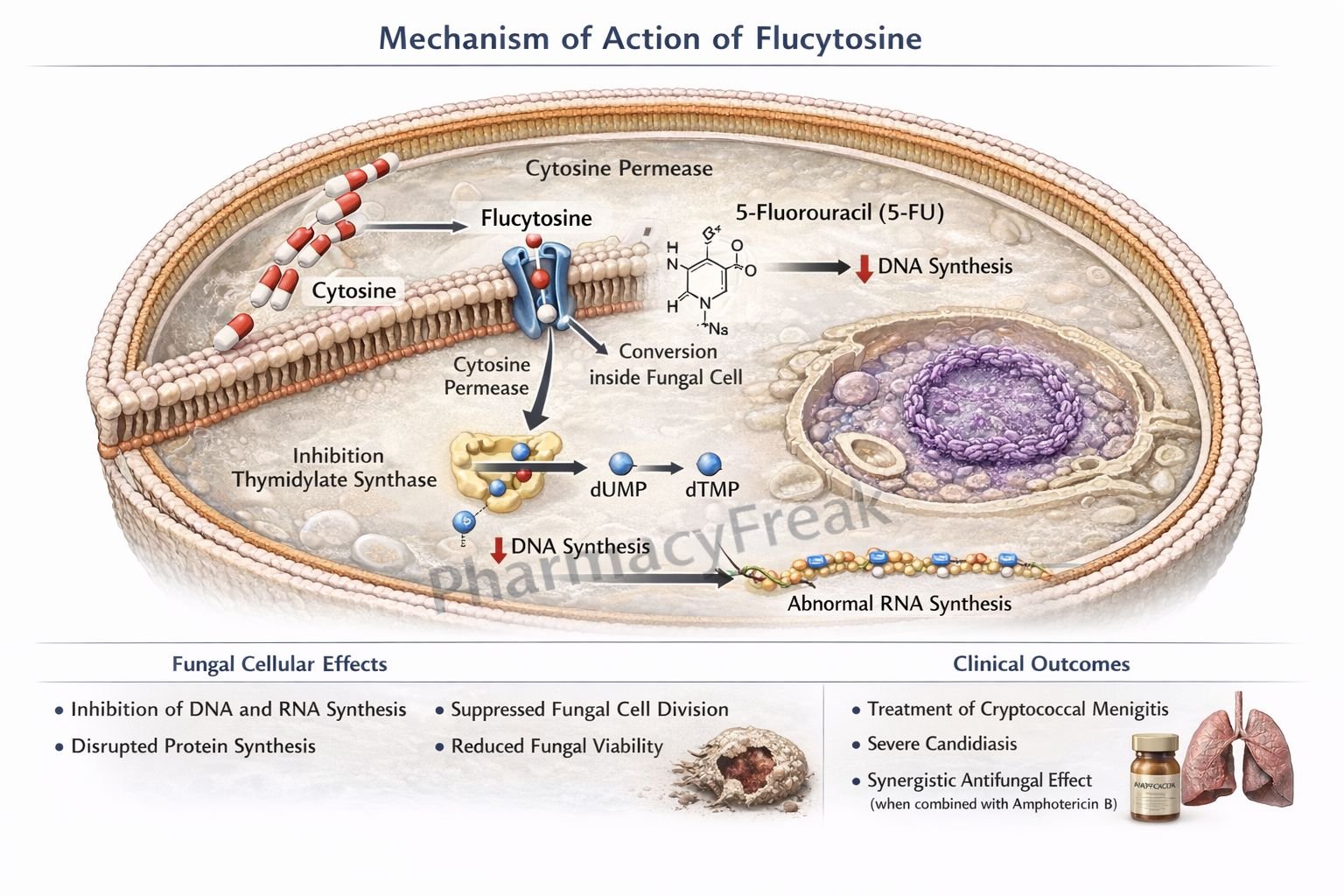
Mechanism of Action of Flucytosine

Introduction Flucytosine (5-fluorocytosine) is a fluorinated pyrimidine antifungal agent primarily used in combination therapy for serious systemic fungal infections. It is especially important in the treatment of cryptococcal meningitis and severe candidiasis, where it is commonly combined with amphotericin B to enhance efficacy and reduce resistance. Flucytosine is high-yield for exams due to its unique … Read more
Mechanism of Action of Fluconazole

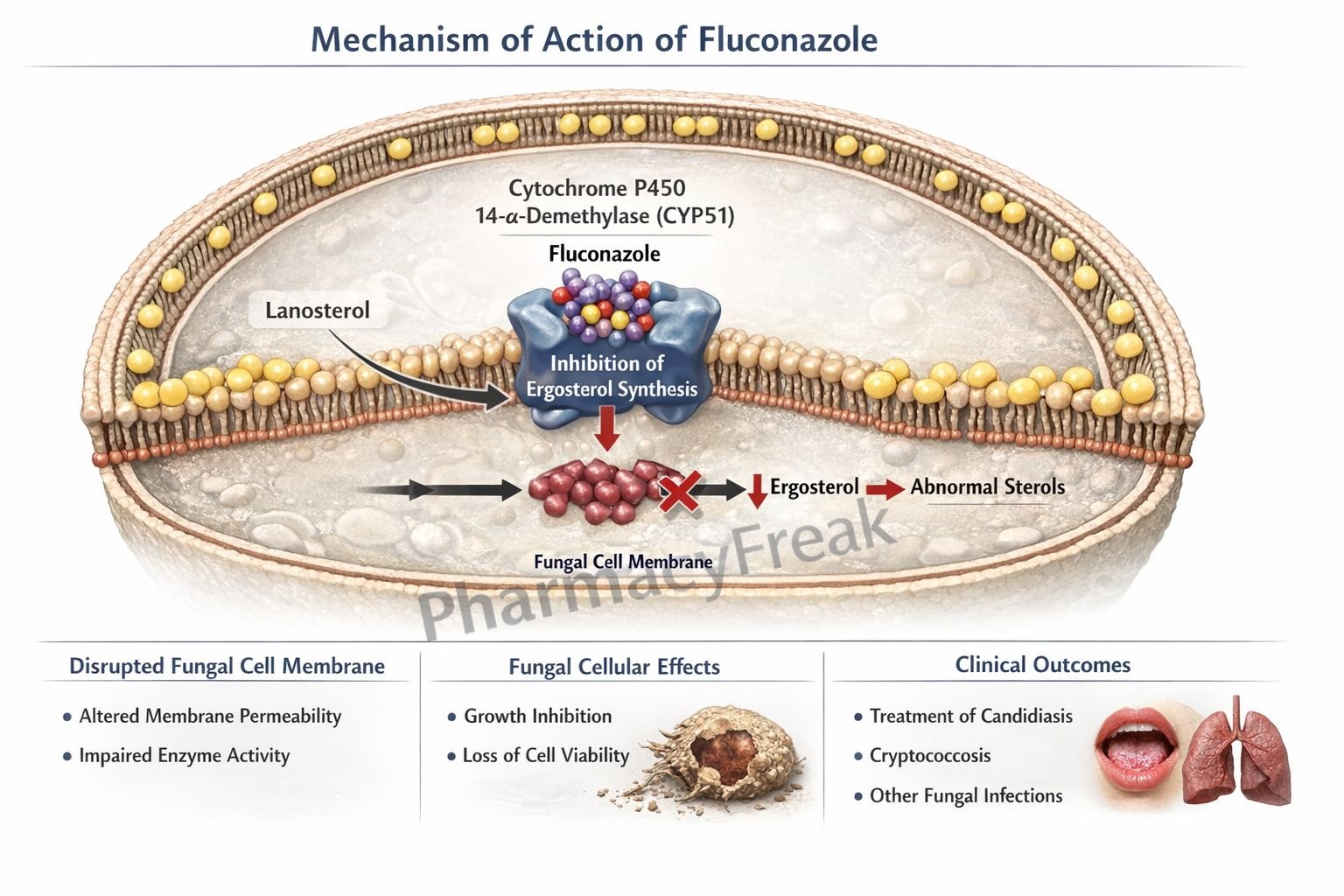
Mechanism of Action of Fluconazole

Introduction Fluconazole is a triazole antifungal agent widely used in the treatment and prophylaxis of systemic and superficial fungal infections. It is especially effective against Candida species and Cryptococcus neoformans. Fluconazole is high-yield for pharmacology and infectious disease examinations due to its selective inhibition of fungal sterol synthesis, excellent oral bioavailability, CNS penetration, and characteristic … Read more

Mechanism of Action of Flomax

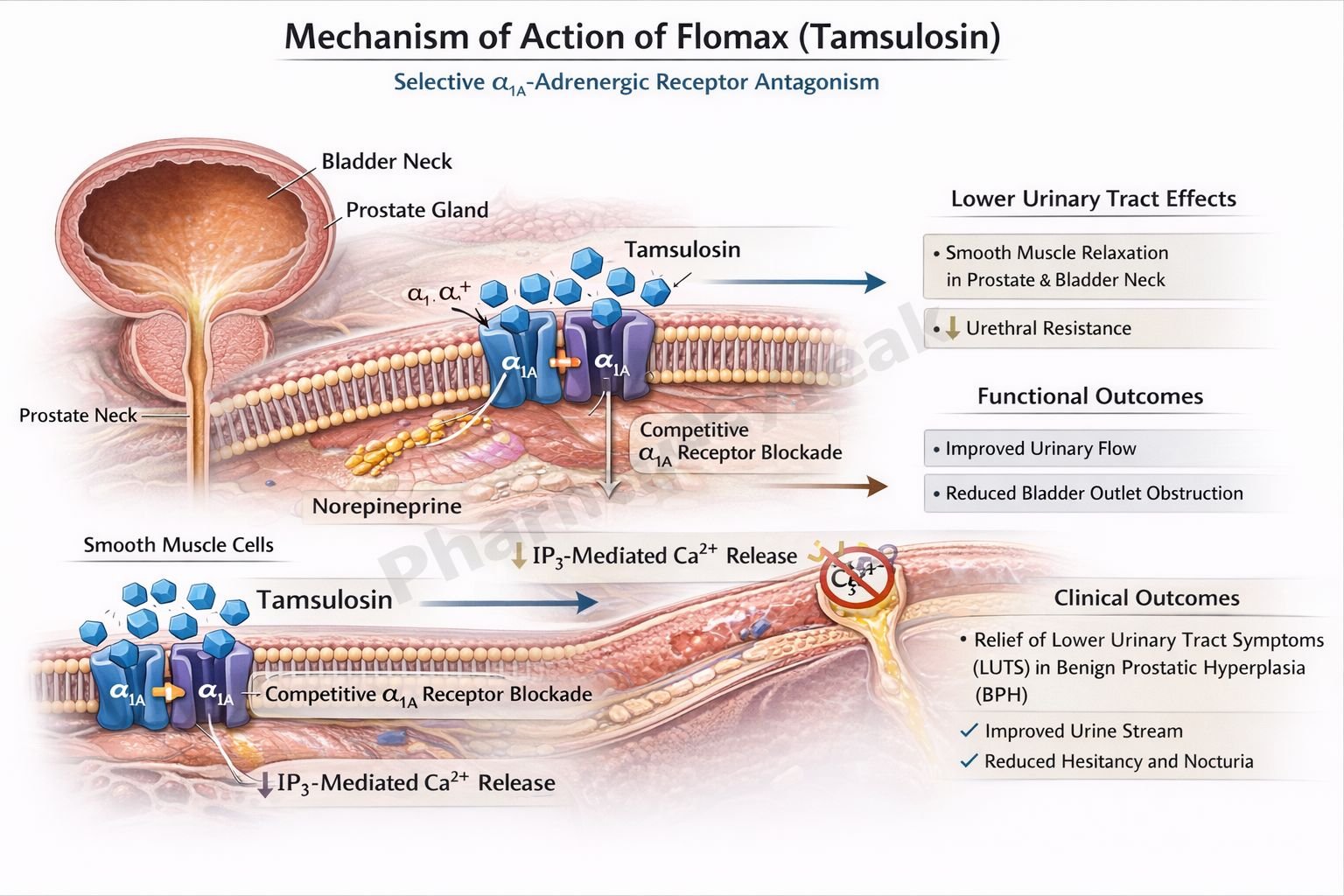
Mechanism of Action of Flomax

Introduction Flomax is the brand name for tamsulosin, a selective α₁-adrenergic receptor antagonist used primarily in the management of lower urinary tract symptoms (LUTS) associated with benign prostatic hyperplasia (BPH). It is highly exam-relevant due to its receptor selectivity, uroselective action, and reduced cardiovascular adverse effects compared with nonselective α-blockers. Mechanism of Action (Step-wise) Flomax … Read more

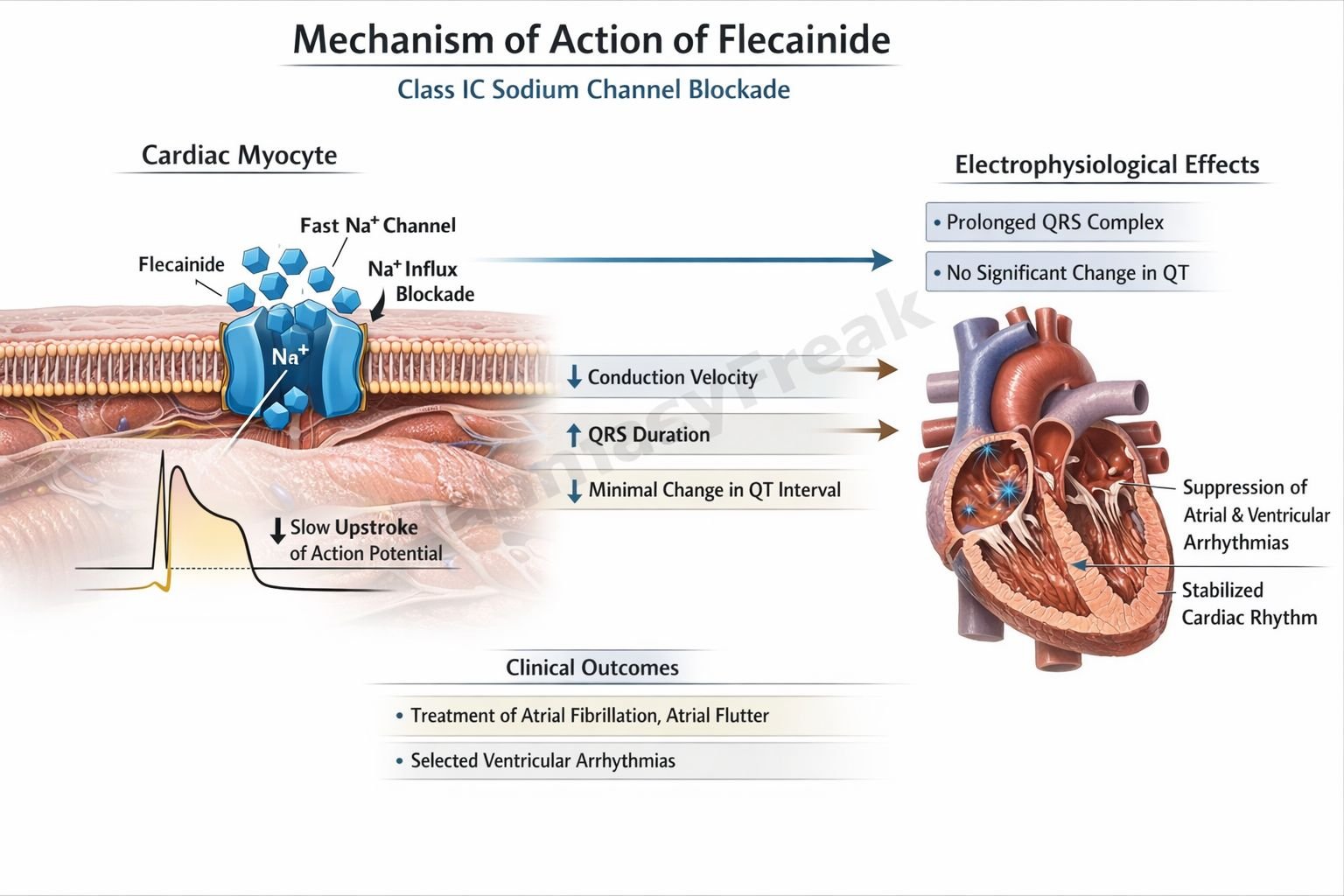
Mechanism of Action of Flecainide

Mechanism of Action of Flecainide

Introduction Flecainide is a Class IC antiarrhythmic drug used in the management of supraventricular and selected ventricular arrhythmias. It is a potent sodium channel blocker with strong effects on cardiac conduction velocity and minimal effect on action potential duration. Flecainide is high-yield for pharmacology and cardiology examinations because of its distinctive electrophysiological profile, proarrhythmic risk, … Read more

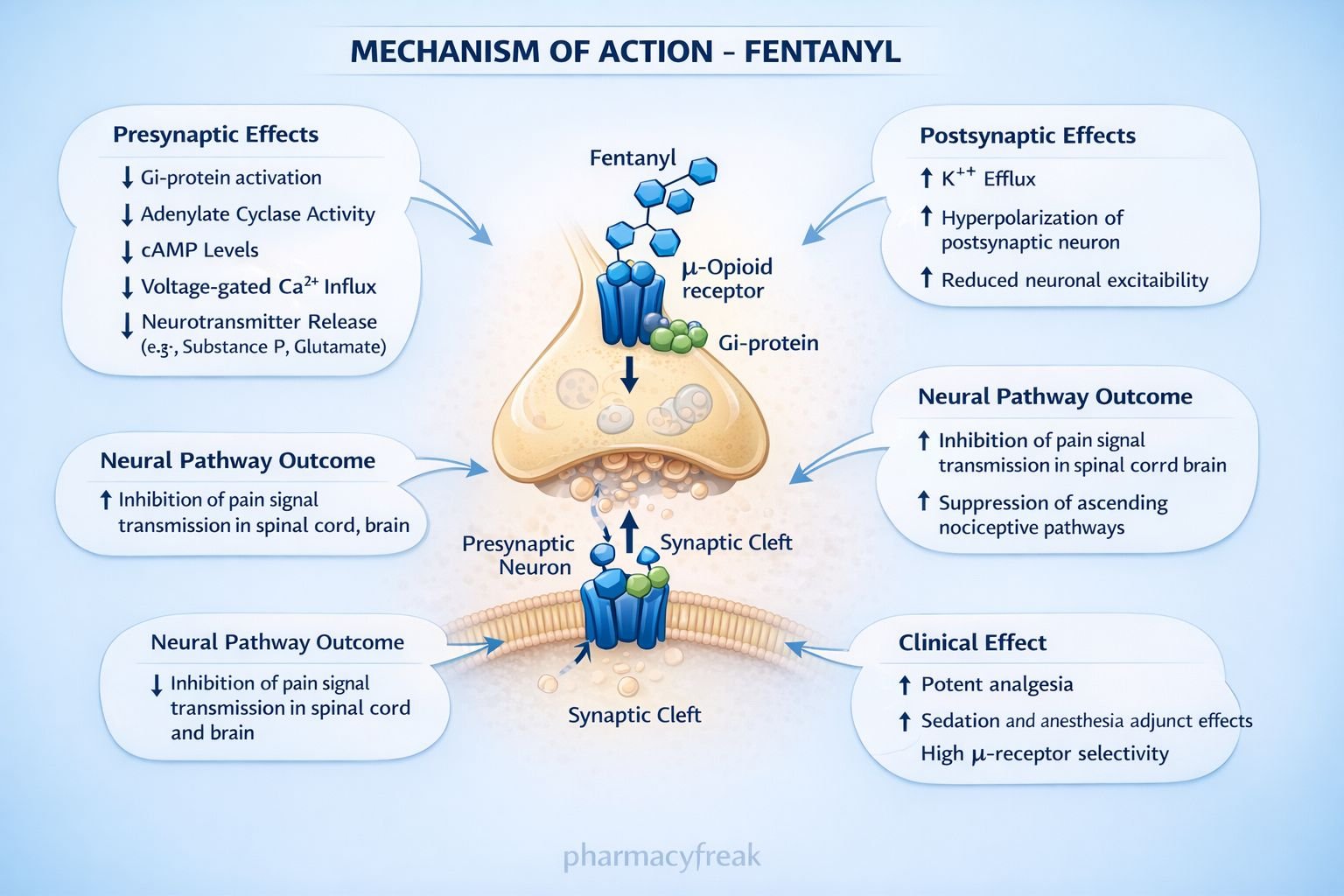
Mechanism of Action of Fentanyl

Mechanism of Action of Fentanyl

Introduction Fentanyl is a potent synthetic opioid analgesic belonging to the phenylpiperidine class. It is approximately 50–100 times more potent than morphine and is widely used in anesthesia, perioperative pain control, intensive care, and chronic cancer pain management. Fentanyl is high-yield for pharmacology examinations because of its receptor selectivity, strong analgesic efficacy, rapid onset, and … Read more

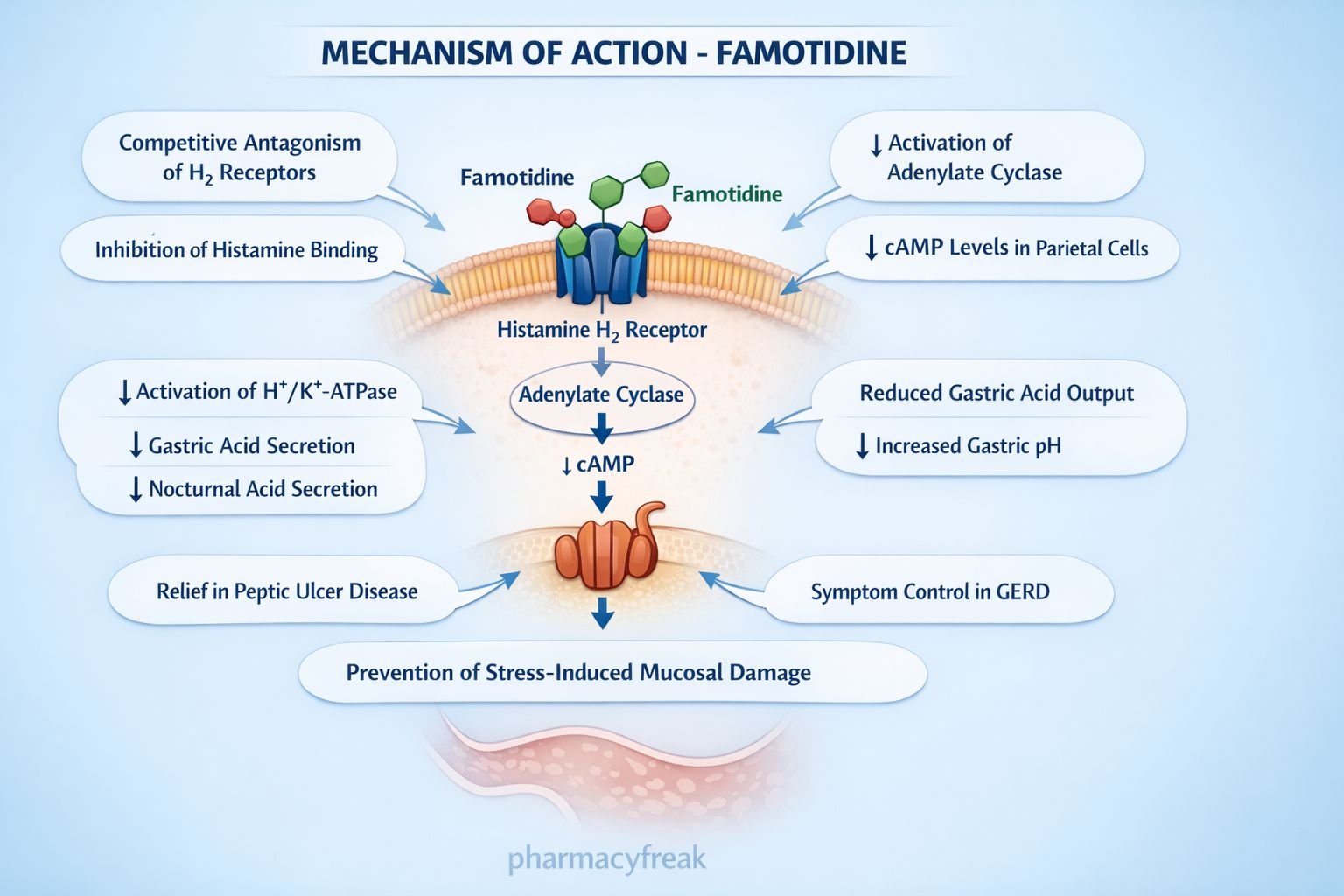
Mechanism of Action of Famotidine

Mechanism of Action of Famotidine

Introduction Famotidine is a histamine H₂-receptor antagonist (H₂ blocker) used in the management of acid-related gastrointestinal disorders. It suppresses gastric acid secretion by selectively blocking histamine-mediated stimulation of parietal cells. Famotidine is clinically and exam-relevant due to its receptor specificity, reduced drug interaction profile compared to cimetidine, and widespread use in peptic ulcer disease, gastroesophageal … Read more

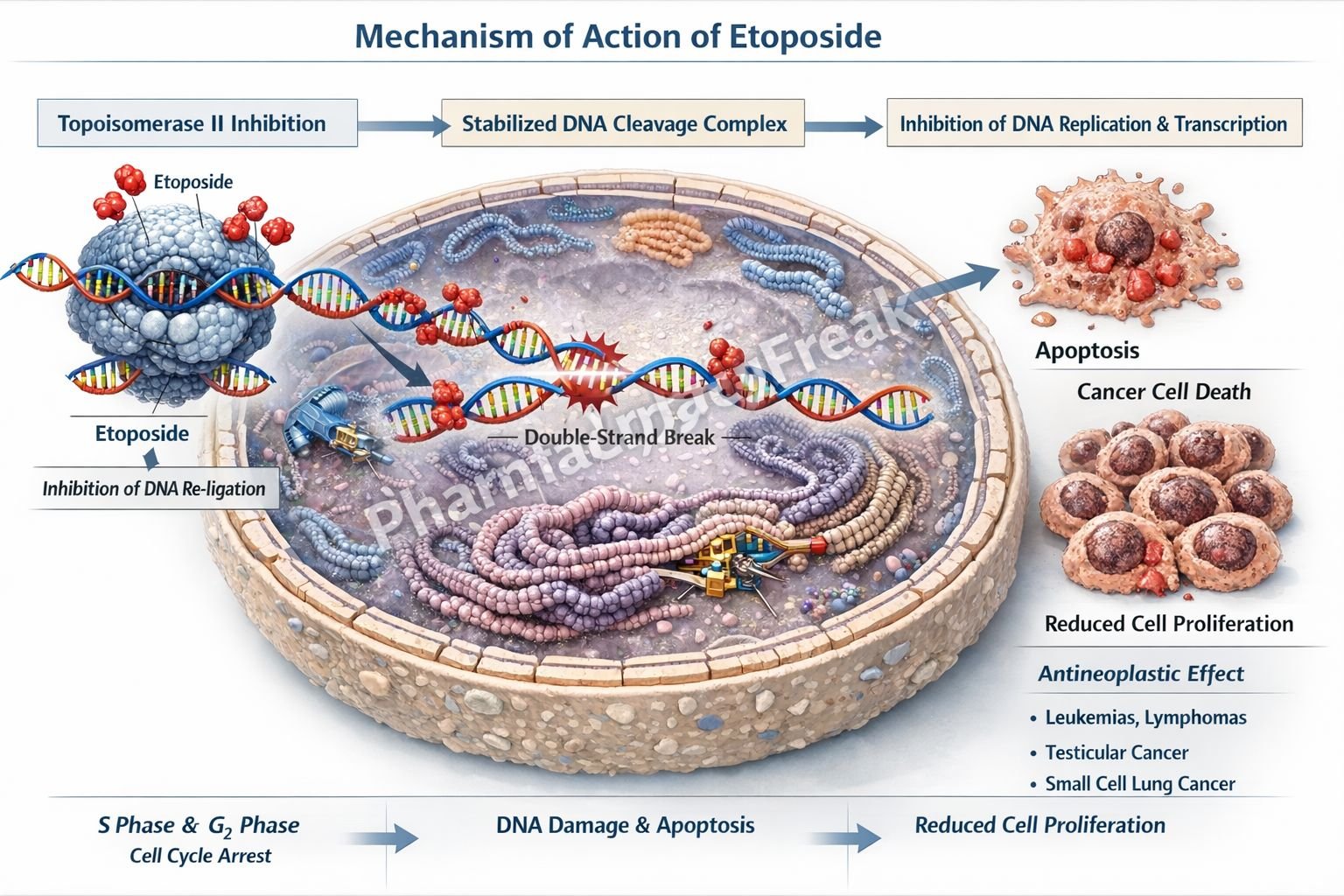
Mechanism of Action of Etoposide

Mechanism of Action of Etoposide

Introduction Etoposide is a semisynthetic podophyllotoxin derivative widely used as an antineoplastic agent in the treatment of various solid tumors and hematological malignancies. It is a cell cycle–specific drug, acting primarily during the S and G₂ phases. Etoposide is high-yield for pharmacology and oncology examinations due to its unique enzyme target, characteristic DNA damage mechanism, … Read more

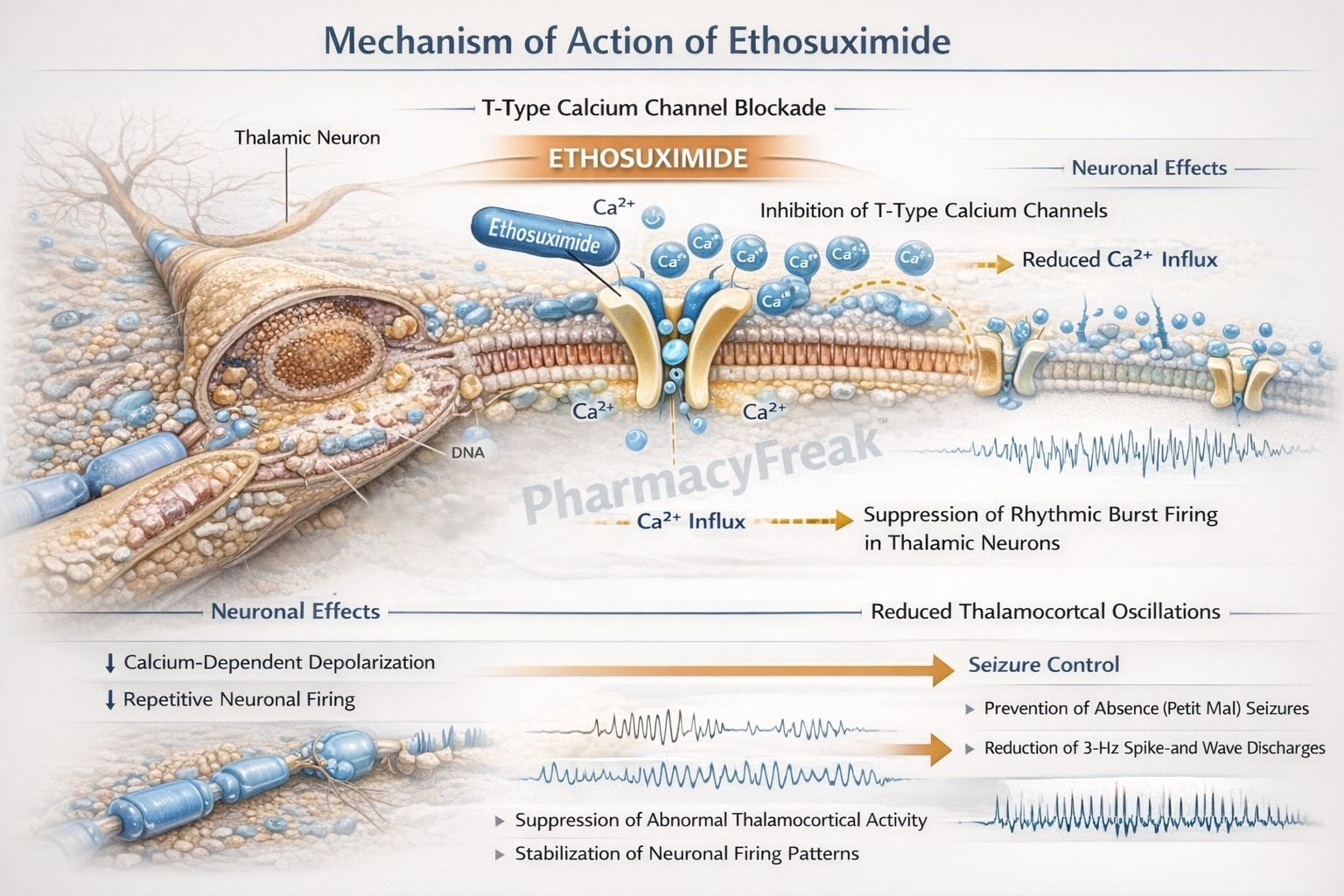
Mechanism of Action of Ethosuximide

Mechanism of Action of Ethosuximide

Introduction Ethosuximide is an antiepileptic drug primarily used in the management of absence (petit mal) seizures. It is considered the drug of choice for absence seizures, making it extremely high-yield for pharmacology and neurology examinations. Ethosuximide acts selectively on thalamic neurons involved in seizure generation and has a relatively narrow but clinically important spectrum of … Read more

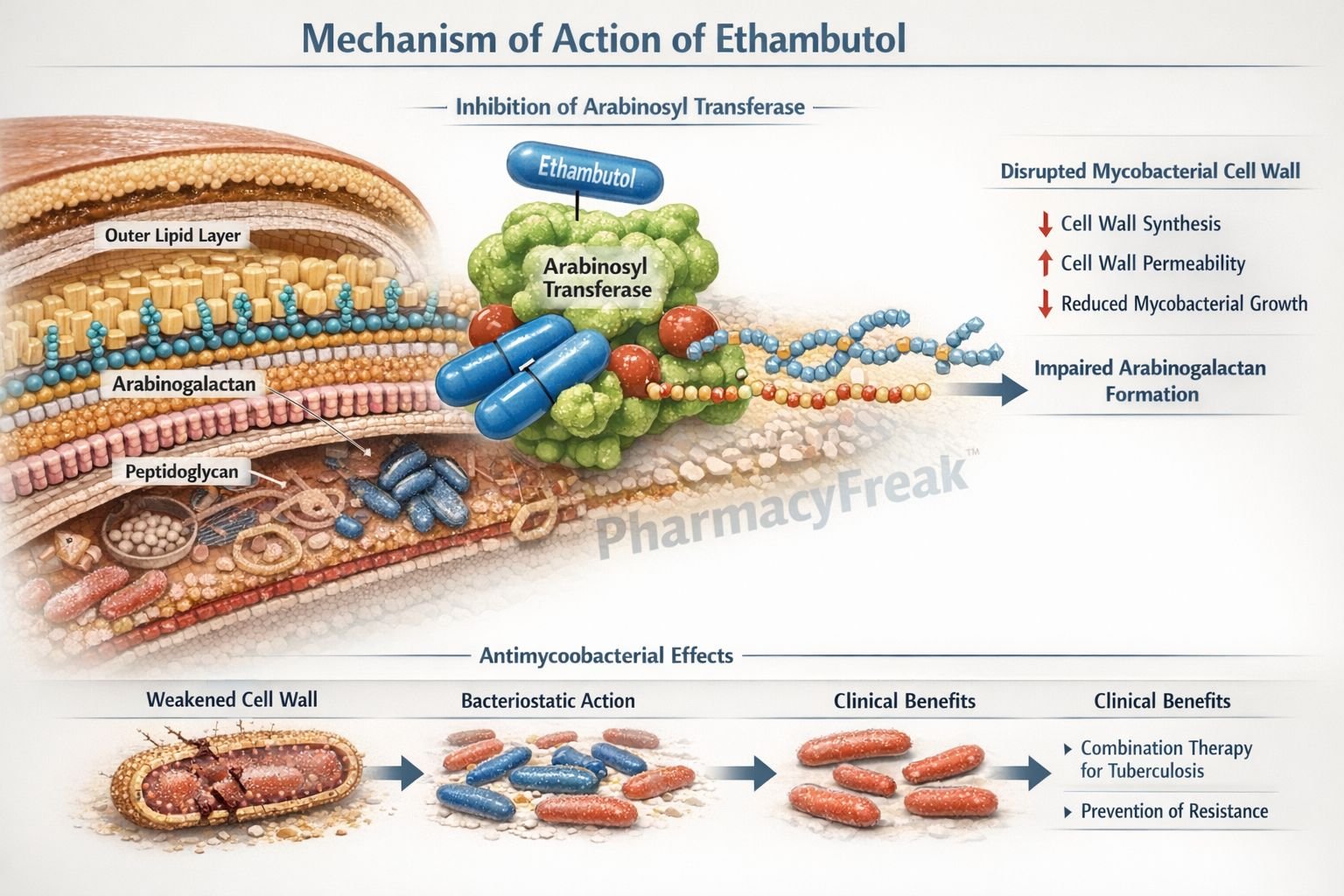
Mechanism of Action of Ethambutol

Mechanism of Action of Ethambutol

Introduction Ethambutol is a first-line antitubercular drug used as part of combination therapy for the treatment of tuberculosis. It is classified as a bacteriostatic agent and plays a crucial role in preventing the emergence of drug resistance when used with other anti-TB drugs such as isoniazid and rifampicin. Ethambutol is high-yield for examinations because of … Read more

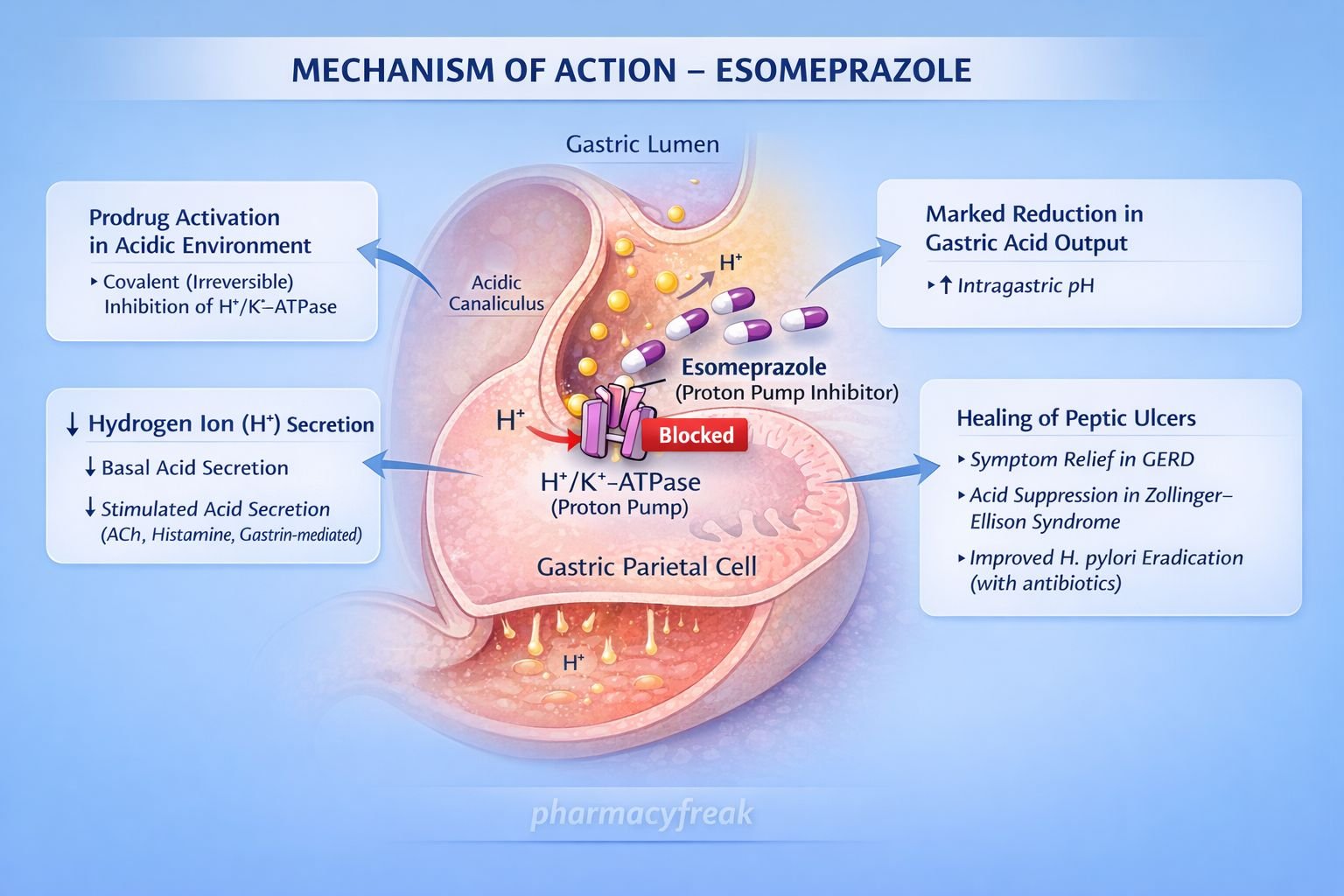
Mechanism of Action of Esomeprazole

Mechanism of Action of Esomeprazole

Introduction Esomeprazole is a proton pump inhibitor (PPI) used extensively in the treatment of acid-related gastrointestinal disorders. It is the S-isomer of omeprazole and offers improved pharmacokinetic consistency and acid suppression compared with the racemic mixture. Esomeprazole is a high-yield drug for pharmacology and clinical examinations due to its irreversible enzyme inhibition, acid-activated mechanism, and … Read more

PRO
Ad-Free Access
$3.99 / month
  • No Interruptions
  • Faster Page Loads
  • Support Content Creators