Trusted by 50K+ Pharmacy StudentsHigh Quality Notes, MCQs, Mock Tests & Study ResourcesGo Premium (Ads Free)
Pharmacy Freak

Mechanism of Action of Diamox
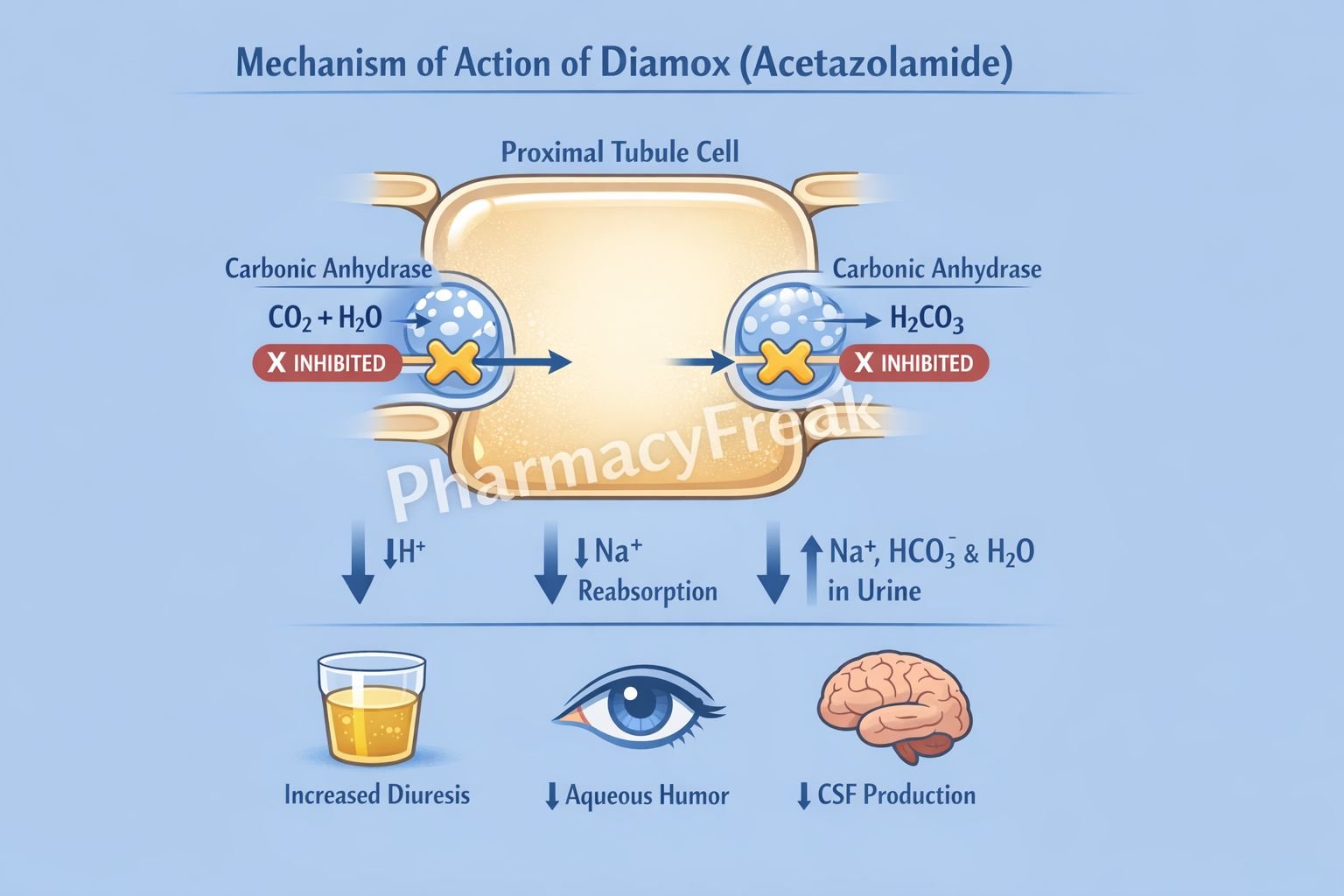
MOA of Diamox

Introduction Diamox is the brand name for acetazolamide, a carbonic anhydrase inhibitor primarily used as a diuretic, antiglaucoma agent, antiepileptic adjunct, and for the prevention and treatment of acute mountain sickness. Unlike conventional diuretics, Diamox alters acid–base balance and fluid dynamics by inhibiting carbonic anhydrase in multiple tissues. Its distinctive mechanism makes it a high-yield … Read more
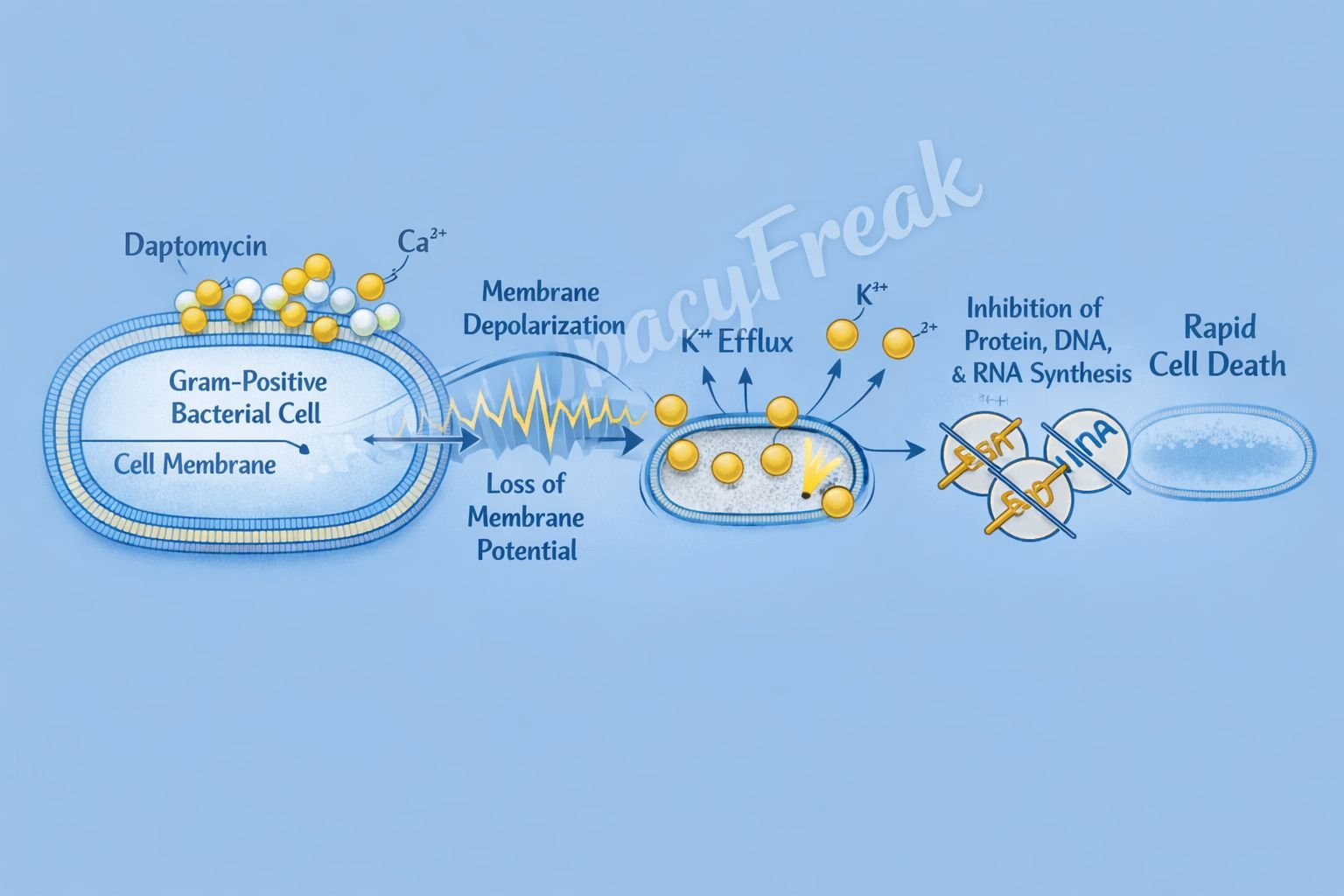
Mechanism of Action of Daptomycin

Mechanism of Action of Daptomycin

Introduction Daptomycin is a cyclic lipopeptide antibiotic with potent activity against Gram-positive bacteria, including multidrug-resistant organisms such as methicillin-resistant Staphylococcus aureus (MRSA) and vancomycin-resistant Enterococcus (VRE). It has a unique mechanism of action distinct from cell wall synthesis or protein synthesis inhibition, making it a high-yield topic in pharmacology, microbiology, and infectious disease examinations. Daptomycin … Read more

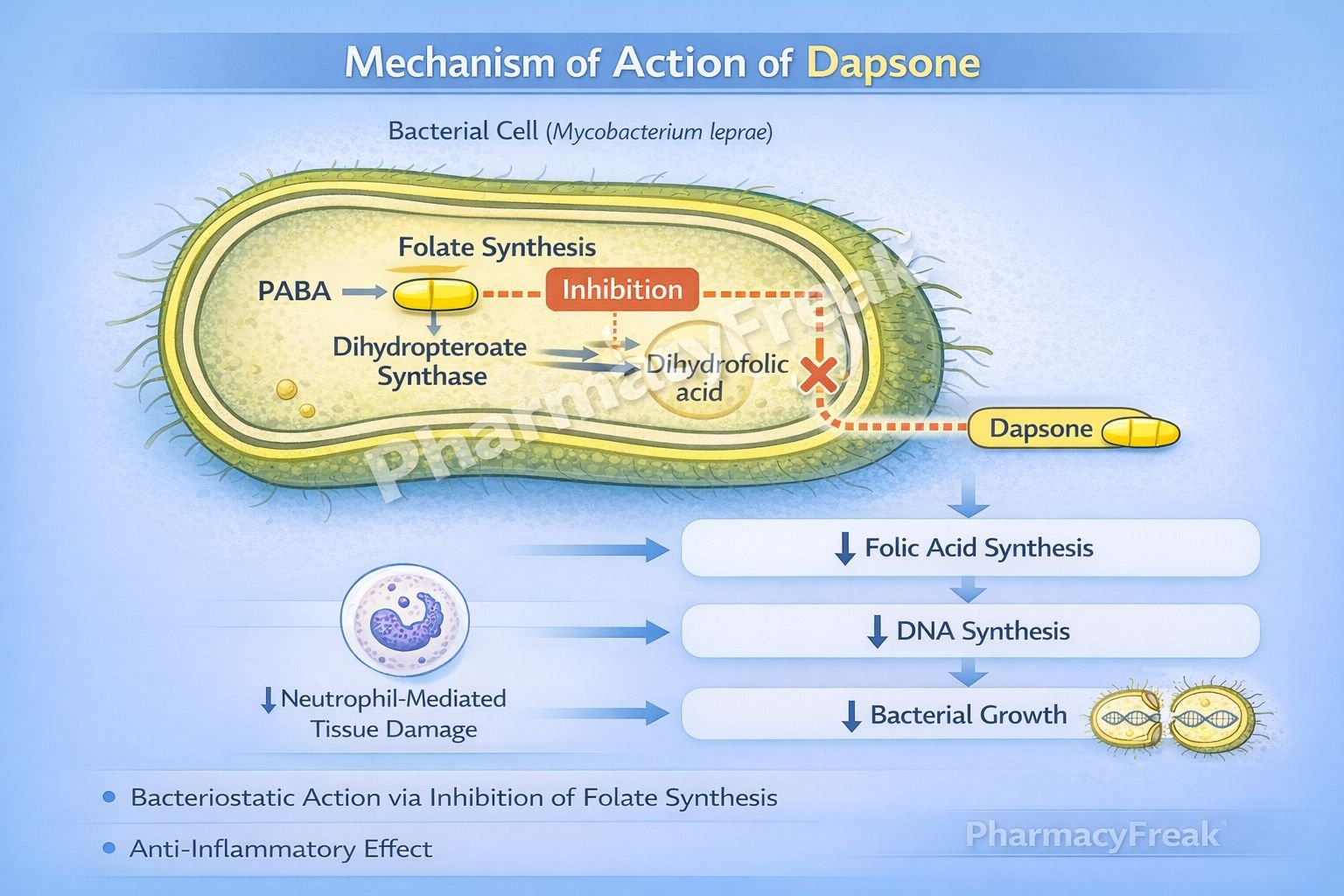
Mechanism of Action of Dapsone

Mechanism of Action of Dapsone

Introduction Dapsone (diaminodiphenyl sulfone) is a synthetic sulfone antibiotic with antibacterial, anti-inflammatory, and immunomodulatory properties. It is most famously used in the treatment of leprosy (Hansen’s disease) and dermatitis herpetiformis, and also plays an important role in certain opportunistic infections. Dapsone is a high-yield drug in pharmacology, microbiology, dermatology, and infectious disease examinations because of … Read more

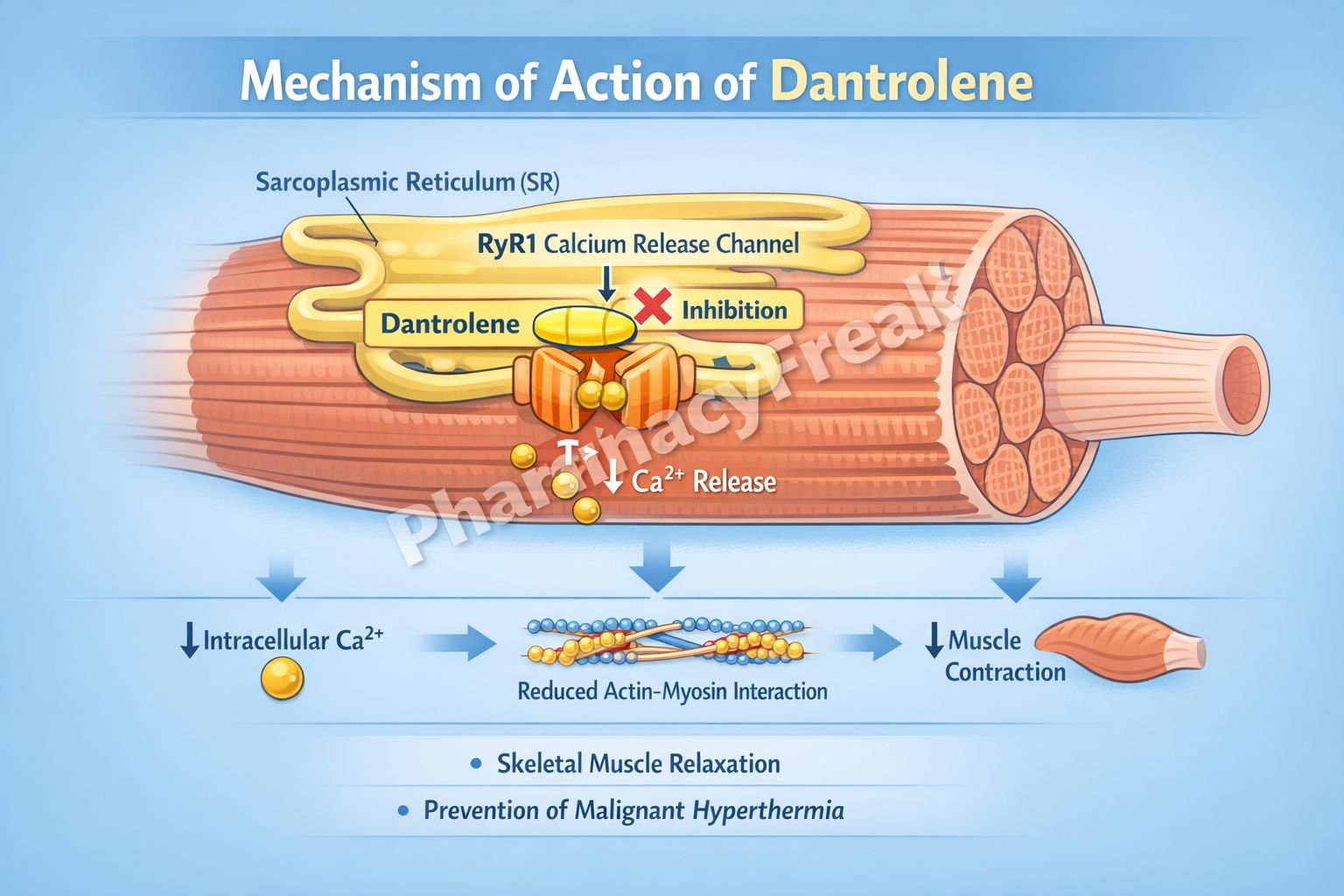
Mechanism of Action of Dantrolene

Mechanism of Action of Dantrolene

Introduction Dantrolene is a direct-acting skeletal muscle relaxant uniquely used in the management of malignant hyperthermia, neuroleptic malignant syndrome, and selected cases of chronic spasticity. Unlike centrally acting muscle relaxants, dantrolene acts peripherally at the level of skeletal muscle fibers, making its mechanism of action distinct and high-yield for pharmacology, anesthesia, emergency medicine, and critical … Read more

Mechanism of Action of Danazol

Mechanism of Action of Danazol

Introduction Danazol is a synthetic isoxazole derivative of 17-α-ethinyl testosterone with antigonadotropic, antiestrogenic, and weak androgenic properties. It is primarily used in the management of endometriosis, fibrocystic breast disease, hereditary angioedema, and certain gynecologic disorders. Danazol is a high-yield drug in pharmacology, gynecology, and endocrinology examinations because of its hypothalamic–pituitary axis suppression and unique hormonal … Read more

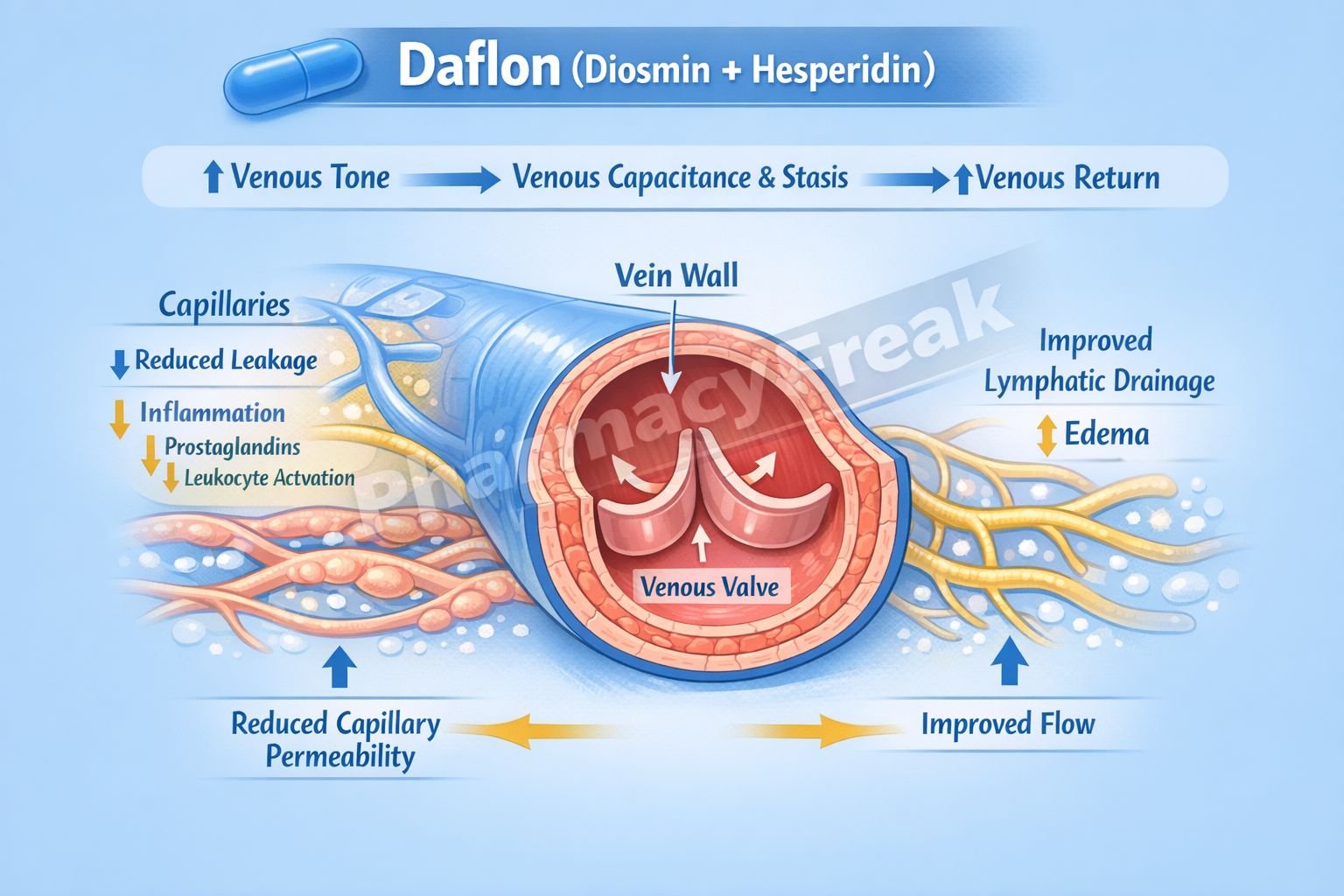
Mechanism of Action of Daflon

Mechanism of Action of Daflon

Introduction Daflon is a micronized purified flavonoid fraction (MPFF) widely used in the management of chronic venous disorders and hemorrhoidal disease. It primarily contains diosmin (90%) and hesperidin (10%), both of which are naturally occurring flavonoids with venotonic and vasculoprotective properties. Daflon is extensively prescribed in vascular medicine and surgery and is a high-yield drug … Read more

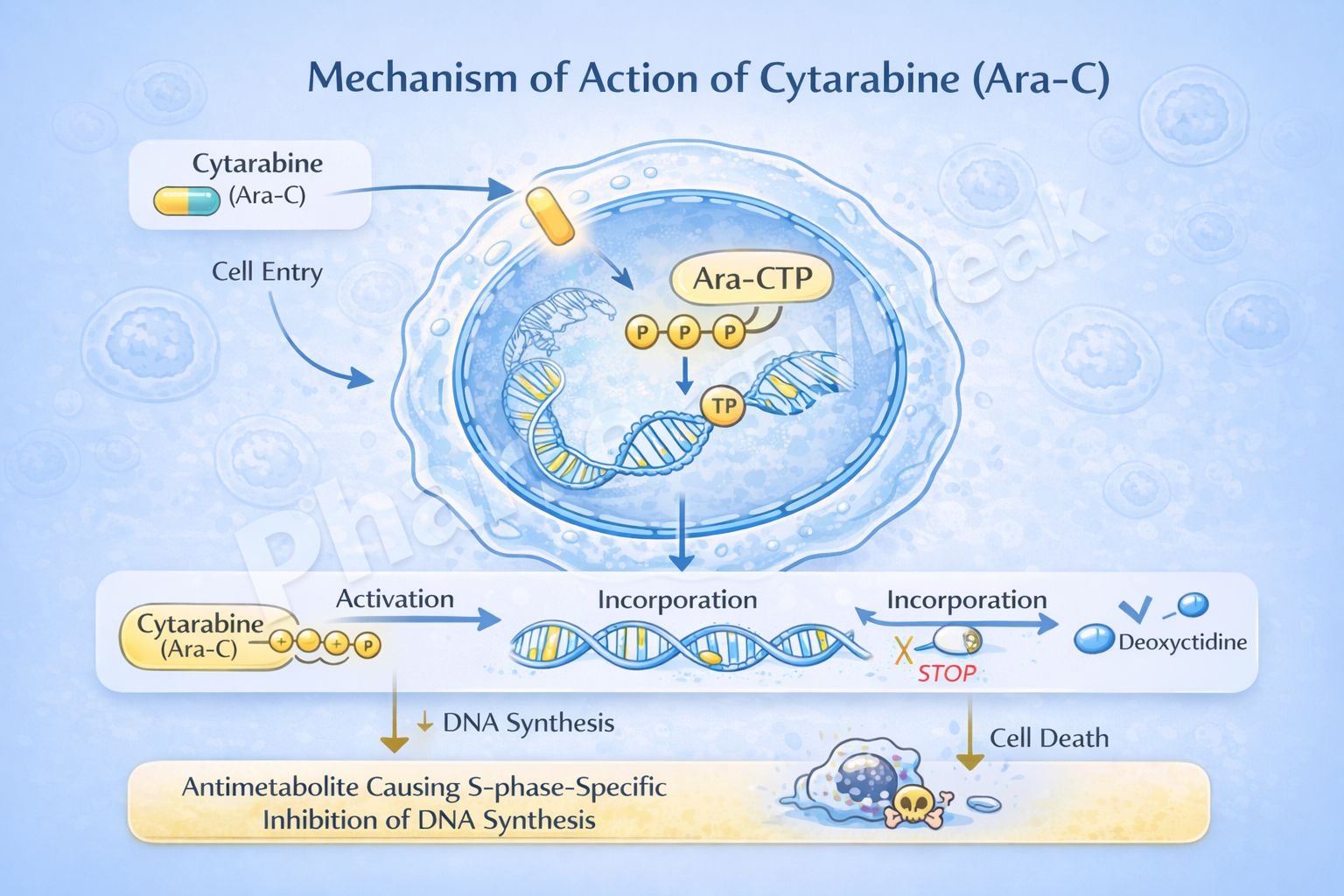
Mechanism of Action of Cytarabine

Mechanism of Action of Cytarabine

Introduction Cytarabine (also known as cytosine arabinoside or Ara-C) is a pyrimidine antimetabolite chemotherapeutic agent primarily used in the treatment of acute leukemias, especially acute myelogenous leukemia (AML). It is a cell cycle–specific drug, acting predominantly during the S-phase of the cell cycle. Cytarabine is a cornerstone drug in hematologic malignancies and is a high-yield … Read more

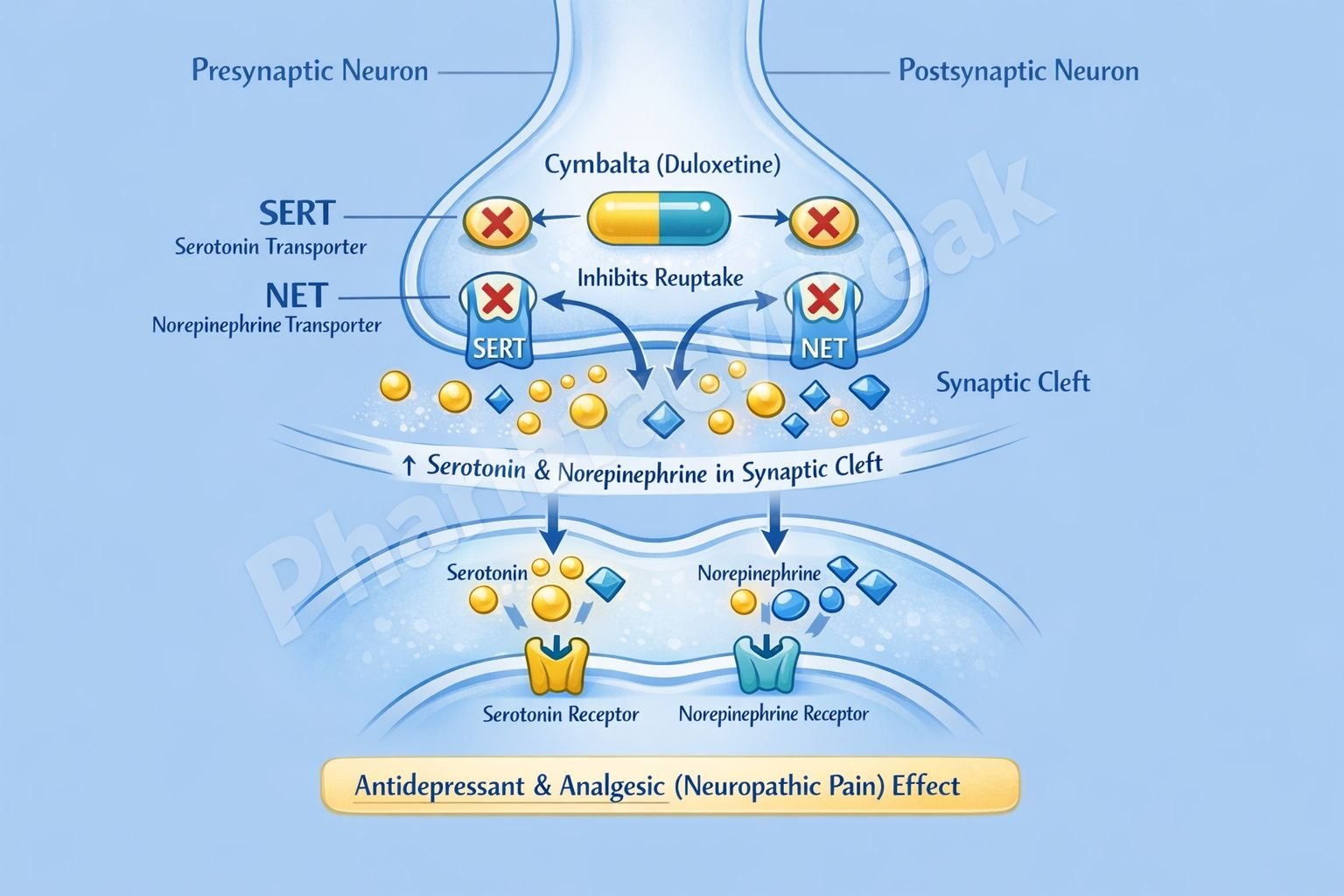
Mechanism of Action of Cymbalta

Mechanism of Action of Cymbalta

Introduction Cymbalta is the brand name for duloxetine, a serotonin–norepinephrine reuptake inhibitor (SNRI) widely used in the treatment of depressive disorders, anxiety disorders, and chronic pain conditions. Unlike selective serotonin reuptake inhibitors (SSRIs), duloxetine enhances both serotonergic and noradrenergic neurotransmission, making it particularly effective in neuropathic pain and fibromyalgia. Its dual mechanism and pain-modulating properties … Read more

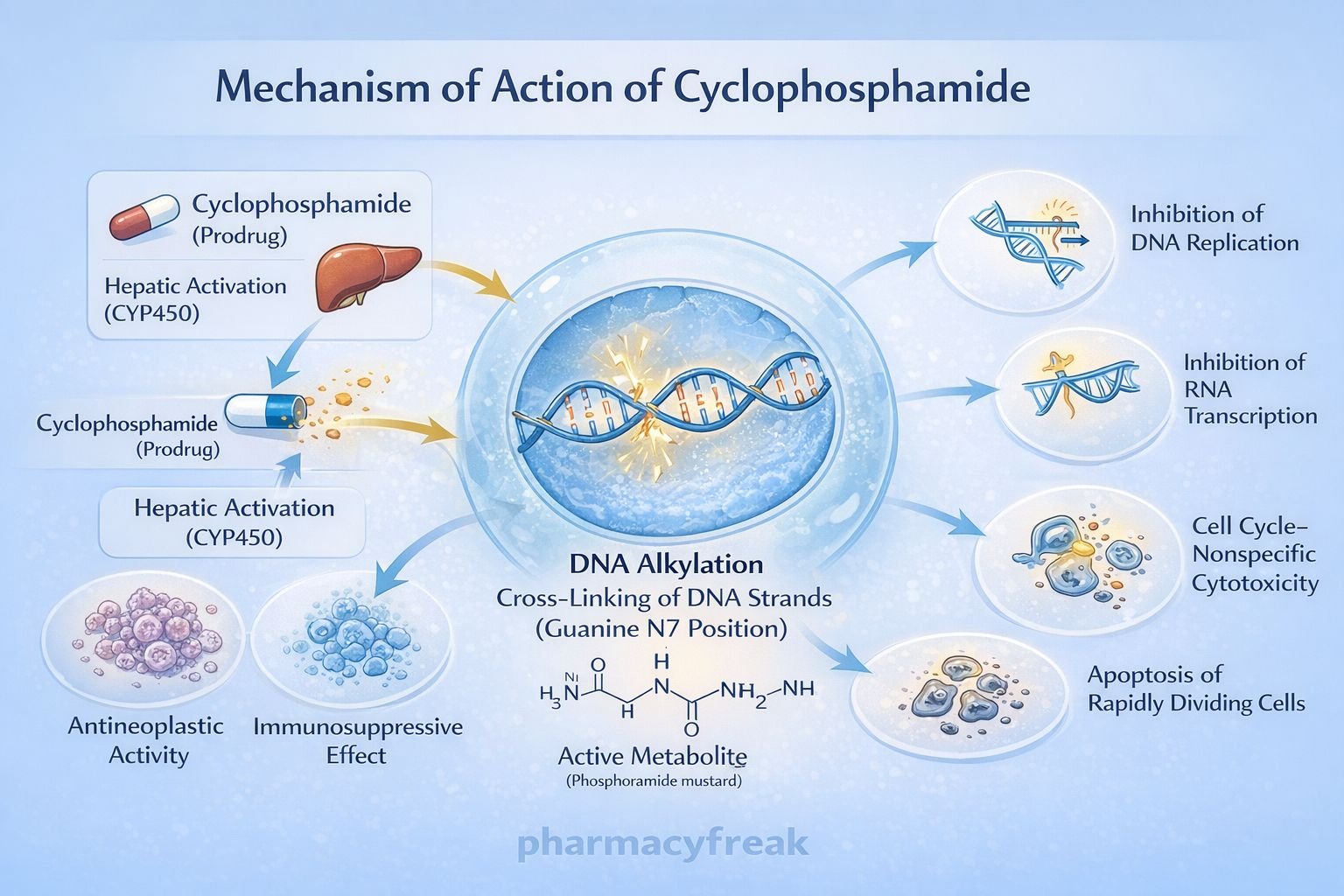
Mechanism of Action of Cyclophosphamide

MOA of cyclophosphamide

Introduction Cyclophosphamide is a nitrogen mustard–derived alkylating agent widely used in oncology and immunosuppressive therapy. It is classified as a cell cycle–nonspecific cytotoxic drug and is used in the treatment of a broad spectrum of malignancies, as well as autoimmune and inflammatory disorders. Cyclophosphamide is a prodrug that requires hepatic activation, and its DNA-alkylating mechanism … Read more

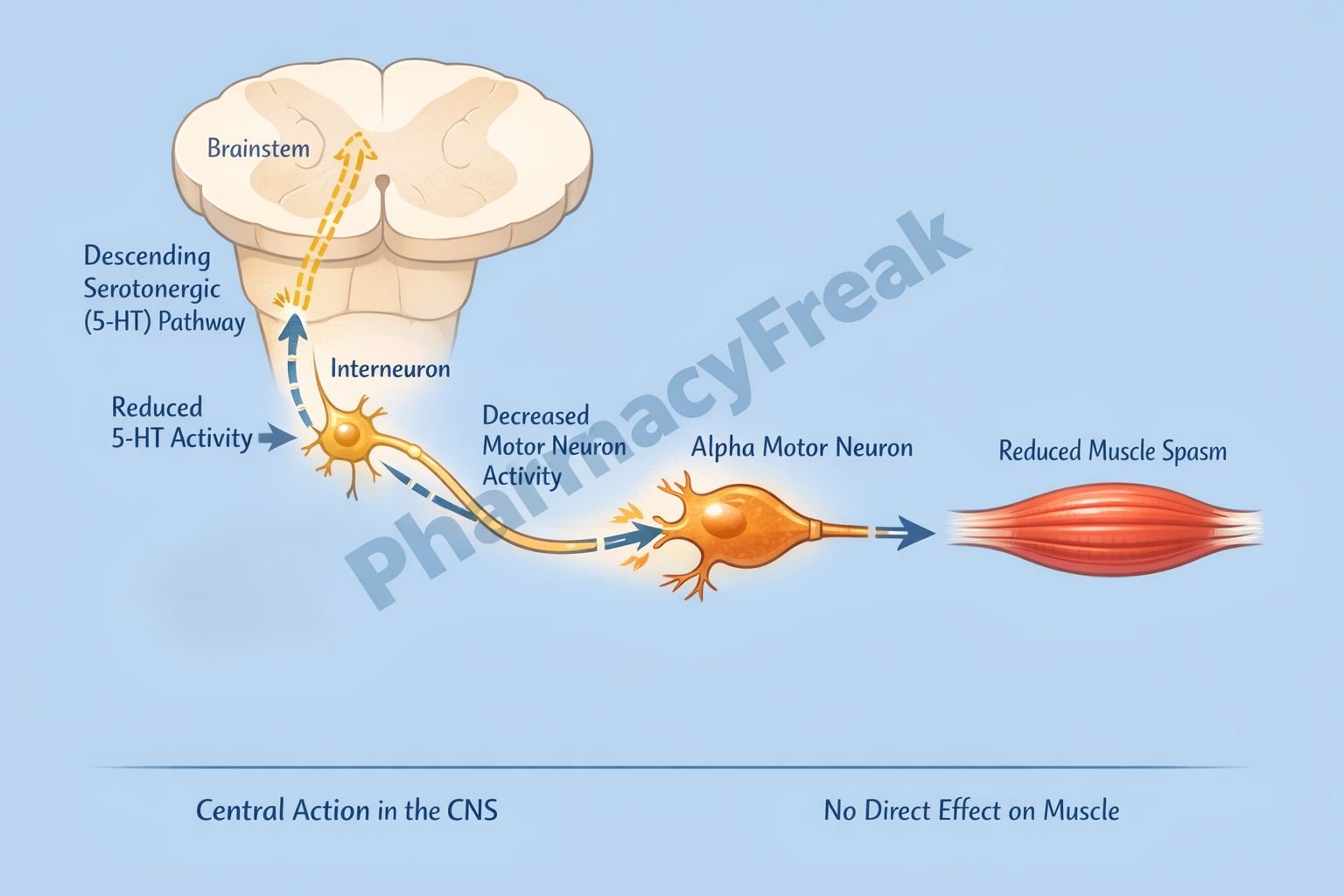
Mechanism of Action of Cyclobenzaprine

MOA of cyclobenzaprine

Introduction Cyclobenzaprine is a centrally acting skeletal muscle relaxant commonly prescribed for the short-term management of acute musculoskeletal conditions associated with muscle spasm. Structurally and pharmacologically related to tricyclic antidepressants, cyclobenzaprine does not act directly on skeletal muscle or neuromuscular junctions. Instead, it exerts its effects at the central nervous system level. Its distinctive central … Read more

PRO
Ad-Free Access
$3.99 / month
  • No Interruptions
  • Faster Page Loads
  • Support Content Creators