Trusted by 50K+ Pharmacy StudentsHigh Quality Notes, MCQs, Mock Tests & Study ResourcesGo Premium (Ads Free)
Pharmacy Freak

Formation of ATP MCQs With Answer

Formation of ATP MCQs With Answer Understanding the formation of ATP is essential for B.Pharm students studying bioenergetics, pharmacology, and cellular metabolism. This focused introduction covers ATP synthesis mechanisms—substrate-level phosphorylation and oxidative phosphorylation—highlighting mitochondrial electron transport chain (ETC), chemiosmotic theory, ATP synthase (F0F1), proton motive force, and regulation by ADP/ATP ratios. It also touches on … Read more

Disorders of GIT MCQs With Answer

Disorders of GIT MCQs With Answer provides B. Pharm students a focused, Student-friendly post to gastrointestinal pharmacology, pathophysiology, diagnostics, and drug therapy for common GIT disorders. This resource emphasizes key topics such as peptic ulcer disease, GERD, H. pylori management, IBD pharmacotherapy, antiemetics, prokinetics, laxatives, antidiarrheals, and hepatobiliary drugs. Each MCQ reinforces drug mechanisms, therapeutic … Read more

Absorption of nutrients MCQs With Answer

Absorption of nutrients MCQs With Answer is an essential study set for B.Pharm students focusing on the mechanisms and sites of nutrient uptake, transporter proteins, and clinical factors that influence drug–nutrient interactions. This concise, exam-oriented introduction covers intestinal anatomy, transporter families (SGLT, GLUT, PEPT1, DMT1, FATP), lipid micelle formation, lymphatic transport, vitamin and mineral absorption, … Read more

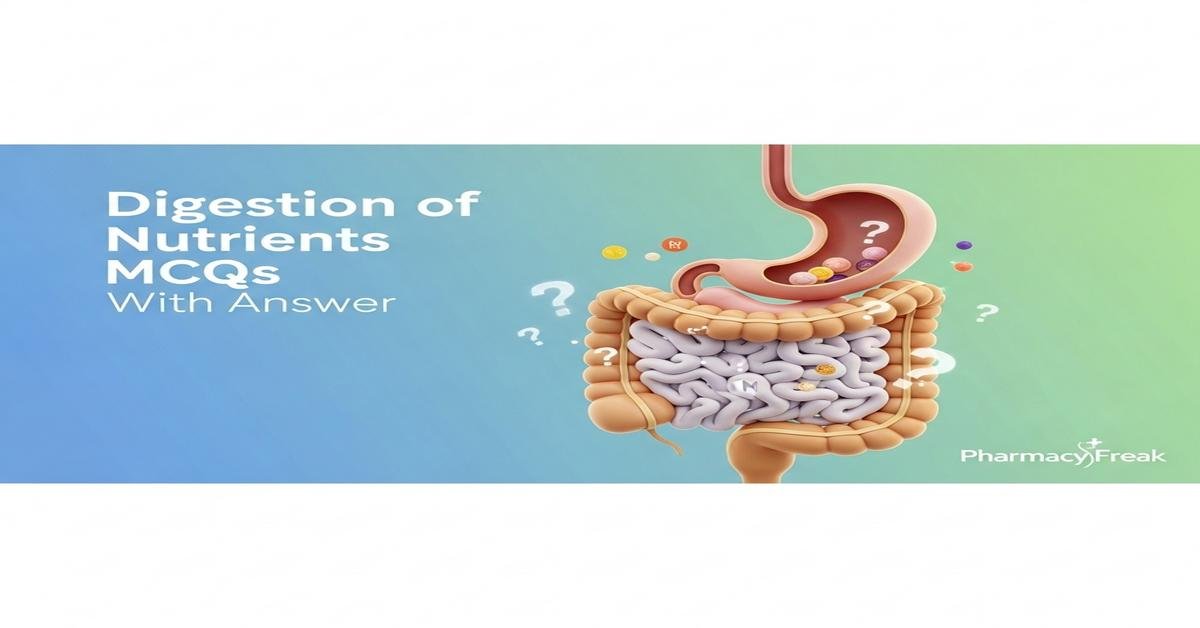
Digestion of nutrients MCQs With Answer

Digestion of nutrients MCQs With Answer — This concise, Student-friendly review is tailored for B.Pharm students studying digestive physiology and clinical pharmacology. It covers enzymatic hydrolysis of carbohydrates, proteins, and lipids; intestinal absorption mechanisms including transporters like SGLT1, GLUT5, and PEPT1; micelle and chylomicron formation; bile salt recycling; and roles of gut microbiota. Emphasis is … Read more

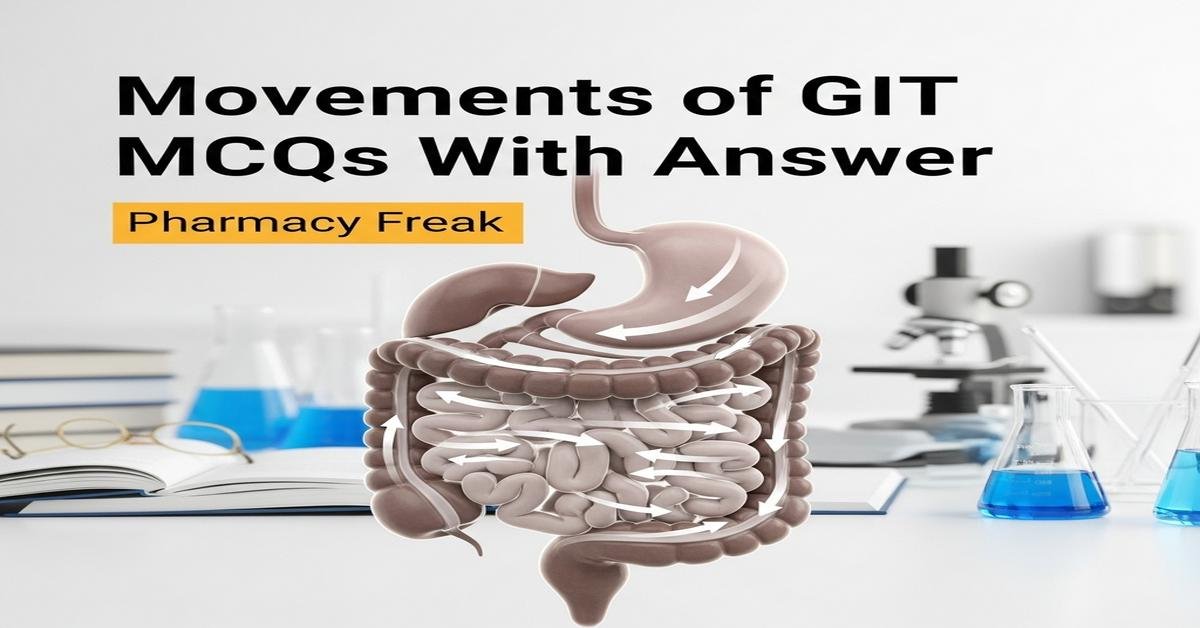
Movements of GIT MCQs With Answer

Understanding the movements of GIT is essential for B.Pharm students preparing for pharmacology and physiology exams. This concise guide focuses on gastrointestinal motility mechanisms—peristalsis, segmentation, tonic contractions, migrating motor complex (MMC), receptive relaxation—and their control by the enteric nervous system, interstitial cells of Cajal, autonomic inputs, neurotransmitters and gut hormones. It also links clinical pharmacology: … Read more

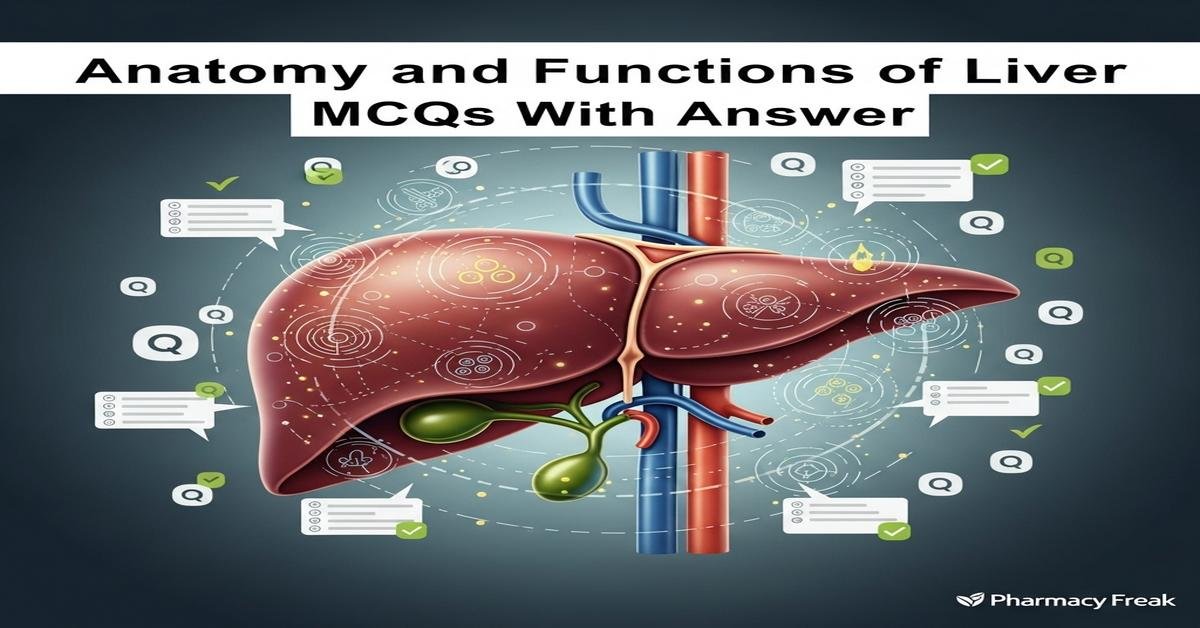
Anatomy and functions of liver MCQs With Answer

Anatomy and functions of liver MCQs With Answer — This concise, student-focused introduction explains liver anatomy, microanatomy and core hepatic functions relevant to B. Pharm studies. It covers lobar and segmental anatomy, blood supply, hepatic sinusoids, hepatocytes, Kupffer and stellate cells, bile formation, metabolism of drugs, first-pass effect, protein synthesis, detoxification and clinical correlations like … Read more

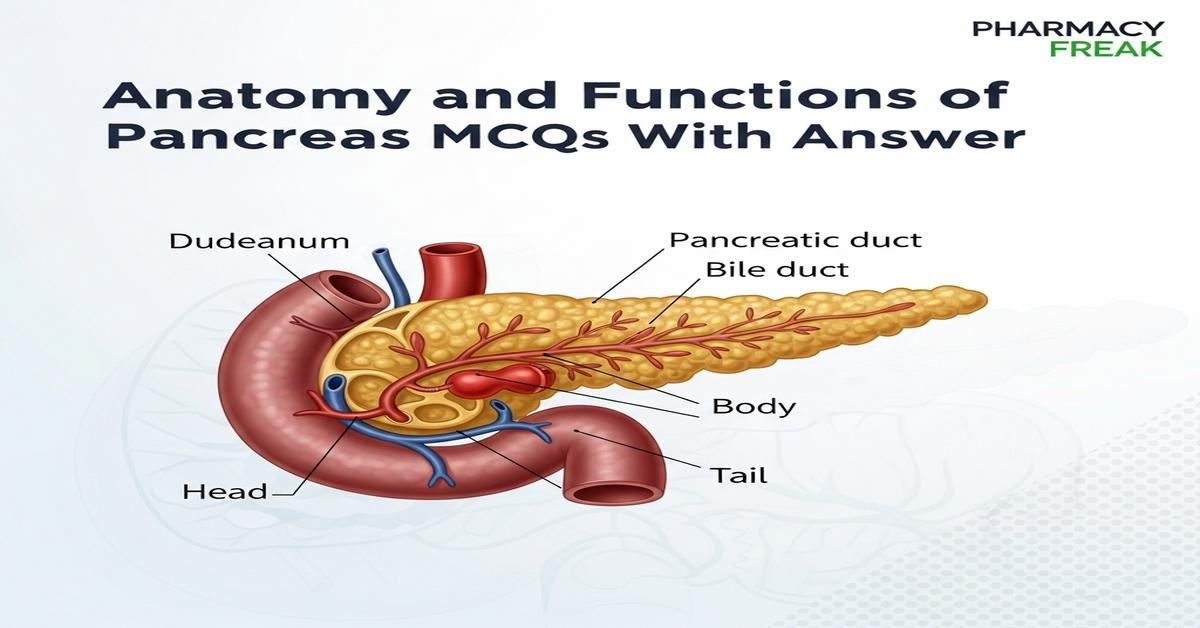
Anatomy and functions of pancreas MCQs With Answer

Anatomy and functions of pancreas MCQs With Answer This concise introduction covers the anatomy of pancreas, histology, exocrine and endocrine functions, pancreatic hormones, and clinical correlations tailored for B.Pharm students. Learn key concepts such as pancreatic lobular structure, ducts (Wirsung and Santorini), blood supply, islets of Langerhans, acinar cells, pancreatic enzymes (amylase, lipase, proteases), bicarbonate … Read more

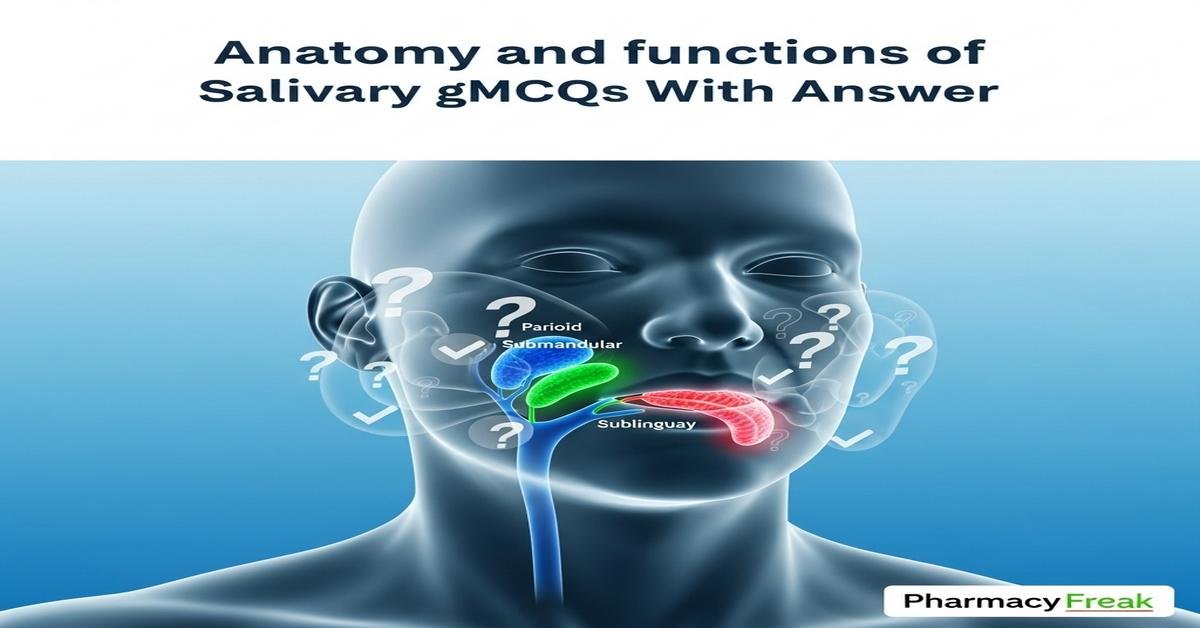
Anatomy and functions of salivary glands MCQs With Answer

Anatomy and functions of salivary glands MCQs With Answer The salivary glands are essential exocrine organs whose anatomy and functions are core topics for B. Pharm students studying oral physiology, drug effects and clinical pharmacology. This concise guide focuses on major glands — parotid, submandibular and sublingual — covering duct anatomy (Stensen’s, Wharton’s, Bartholin’s), histology … Read more

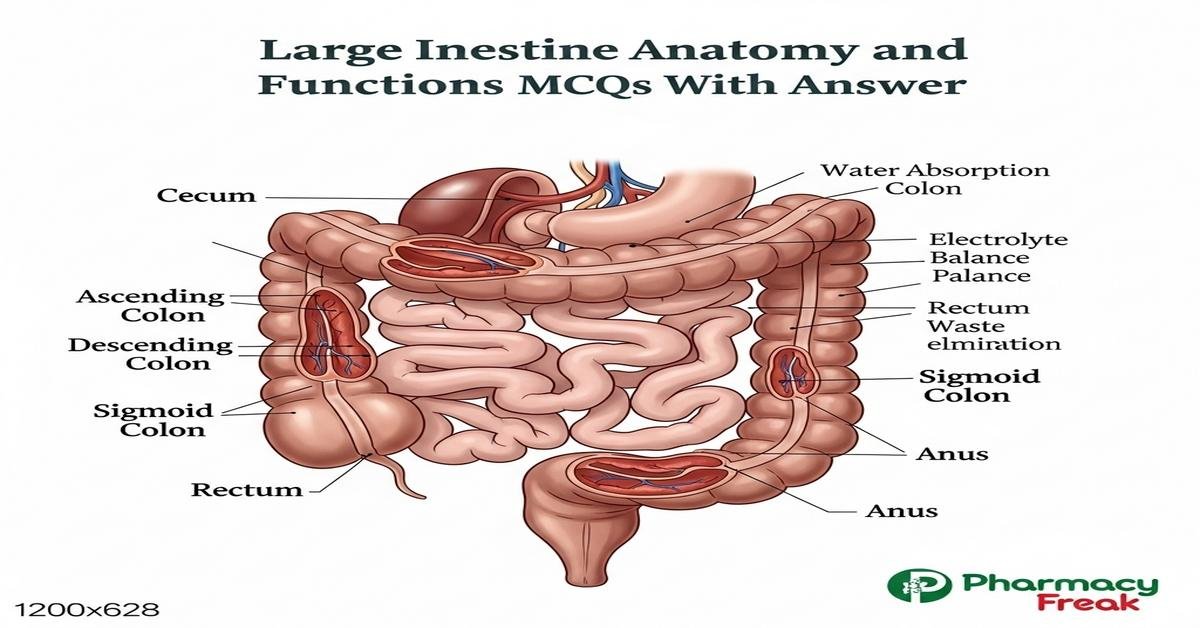
Large intestine anatomy and functions MCQs With Answer

Large intestine anatomy and functions MCQs With Answer The large intestine anatomy and functions are essential topics for B. Pharm students preparing for pharmacology, pathology, and clinical pharmacy exams. This concise introduction covers colon segments (cecum, ascending, transverse, descending, sigmoid, rectum, anal canal), key histological features (taenia coli, haustra, goblet cells), major physiological roles (water … Read more

Mechanism of Action of Pioglitazone

mechanism of action of pioglitazone

Introduction Pioglitazone is an oral antidiabetic agent belonging to the thiazolidinedione (TZD) class. It is used primarily in the management of type 2 diabetes mellitus by improving insulin sensitivity. Unlike insulin secretagogues, pioglitazone does not increase insulin secretion but acts on peripheral tissues to enhance insulin action. Its unique mechanism involves modulation of gene expression … Read more

PRO
Ad-Free Access
$3.99 / month
  • No Interruptions
  • Faster Page Loads
  • Support Content Creators