
Trusted by 50K+ Pharmacy StudentsHigh Quality Notes, MCQs, Mock Tests & Study ResourcesGo Premium (Ads Free)
Pharmacy Freak

Isotonic solution calculations (freezing point method) MCQs With Answer

Isotonic solution calculations (freezing point method) MCQs With Answer

Introduction: Isotonic solution calculations (freezing point method) are essential in pharmaceutics for preparing safe ophthalmic and parenteral formulations. In this approach, the target freezing point depression (FPD) of body fluids (≈ 0.52°C) is matched by summing the ΔTf contributions of all solutes, then adding an isotonic agent (e.g., NaCl, dextrose, mannitol) to reach the desired … Read more

Proof spirit calculations MCQs With Answer

Proof spirit calculations MCQs With Answer

Introduction: Proof Spirit Calculations MCQs With Answer (for B. Pharm) Proof spirit calculations are central to alcoholometry and pharmaceutical calculations in B. Pharm. You will encounter proof strength, overproof (O.P.), underproof (U.P.), rectified spirit, dilution of alcohol, specific gravity, temperature correction, hydrometers (Sikes, Gay-Lussac), and pharmacopoeial expressions like % v/v and % w/w. Knowing British … Read more

Alligation method MCQs With Answer

Alligation method MCQs With Answer

Alligation Method MCQs With Answer — a must-know topic in B. Pharm pharmacy calculations. The alligation method (alligation alternate and alligation medial) helps pharmacists quickly compute mixing ratios and amounts for solutions, mixtures, and ointments of different strengths. Mastering this tool supports practical compounding tasks like dilution, fortification, cost blending, and converting between percentage strength, … Read more

Percentage solution calculations MCQs With Answer

Percentage solution calculations MCQs With Answer

Introduction: Percentage solution calculations MCQs With Answer help B. Pharm students master core pharmacy math used in compounding, dispensing, and quality control. This topic covers % w/v (grams per 100 mL), % w/w (grams per 100 g), % v/v (mL per 100 mL), dilution using C1V1 = C2V2, alligation, conversions to mg/mL, ratio strength (e.g., … Read more

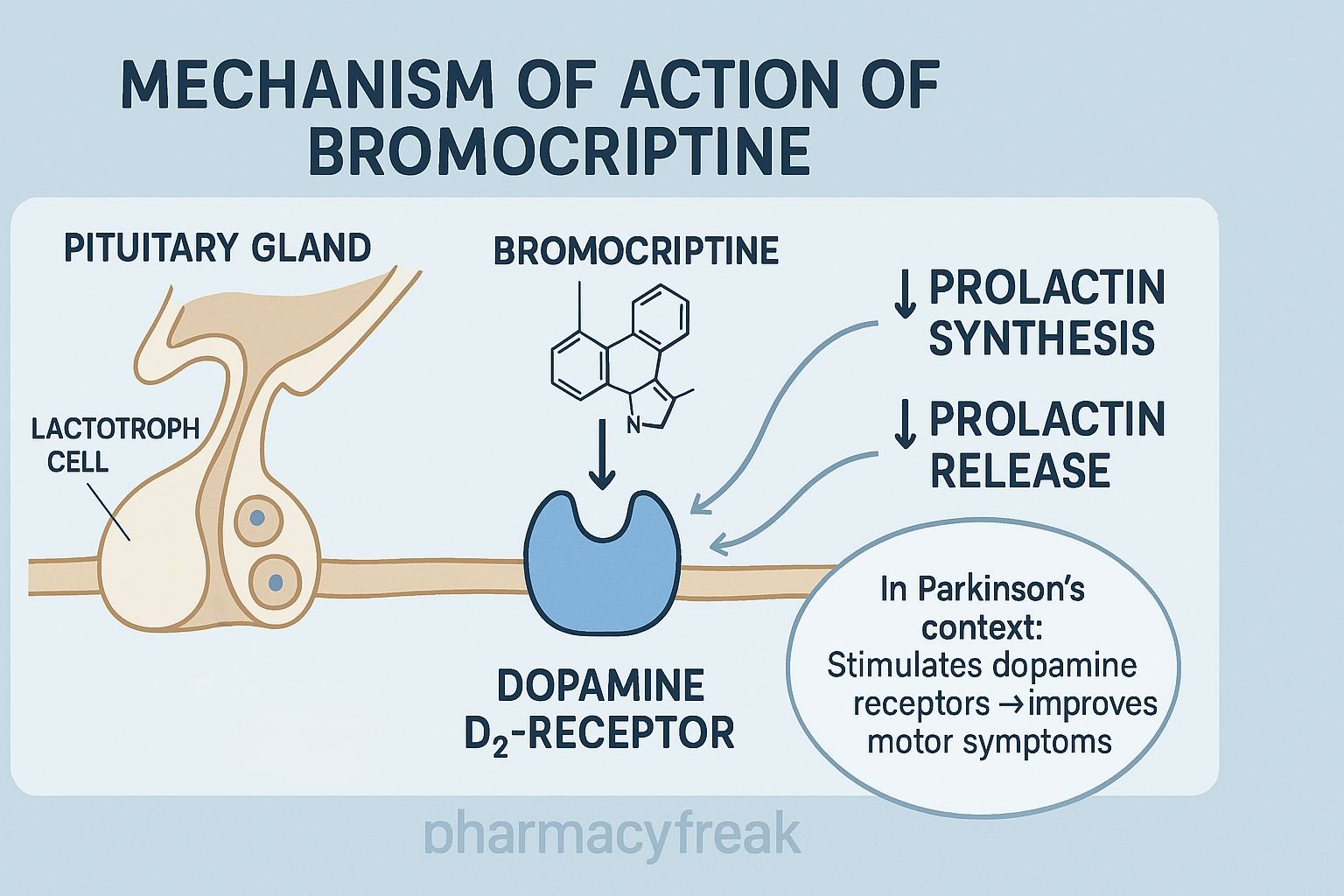
Mechanism of Action of Bromocriptine

MOA of Bromocriptine

Introduction Bromocriptine is a dopamine D2 receptor agonist used in the treatment of Parkinson’s disease, hyperprolactinemia, acromegaly, and type 2 diabetes mellitus (bromocriptine-QR). As an ergot-derived dopamine agonist, it mimics the action of dopamine on pituitary and central nervous system receptors. Its mechanism of action involves inhibiting prolactin secretion, activating dopaminergic pathways, and modulating hypothalamic … Read more

Weights and measures (Imperial & Metric system) MCQs With Answer

Weights and measures (Imperial & Metric system) MCQs With Answer

Introduction Mastery of weights and measures is essential in B. Pharm for safe and accurate pharmacy calculations, compounding, and dispensing. This topic covers the Metric (SI) system and the Imperial/apothecaries’ system, including key units (kg, g, mg, mL, fl oz, grain, minim), unit conversions, specific gravity, percent strength (w/v, w/w, v/v), ratio strength, mEq, and … Read more

Pediatric dose calculations by body surface area MCQs With Answer

Pediatric dose calculations by body surface area MCQs With Answer

Introduction: Pediatric dose calculations by body surface area (BSA) are vital for B. Pharm students to ensure safe, effective therapy. BSA-based dosing aligns drug exposure with physiologic factors such as cardiac output, hepatic clearance, glomerular filtration, and metabolic rate. You will use the Mosteller formula [BSA = sqrt((height in cm × weight in kg)/3600)] and … Read more

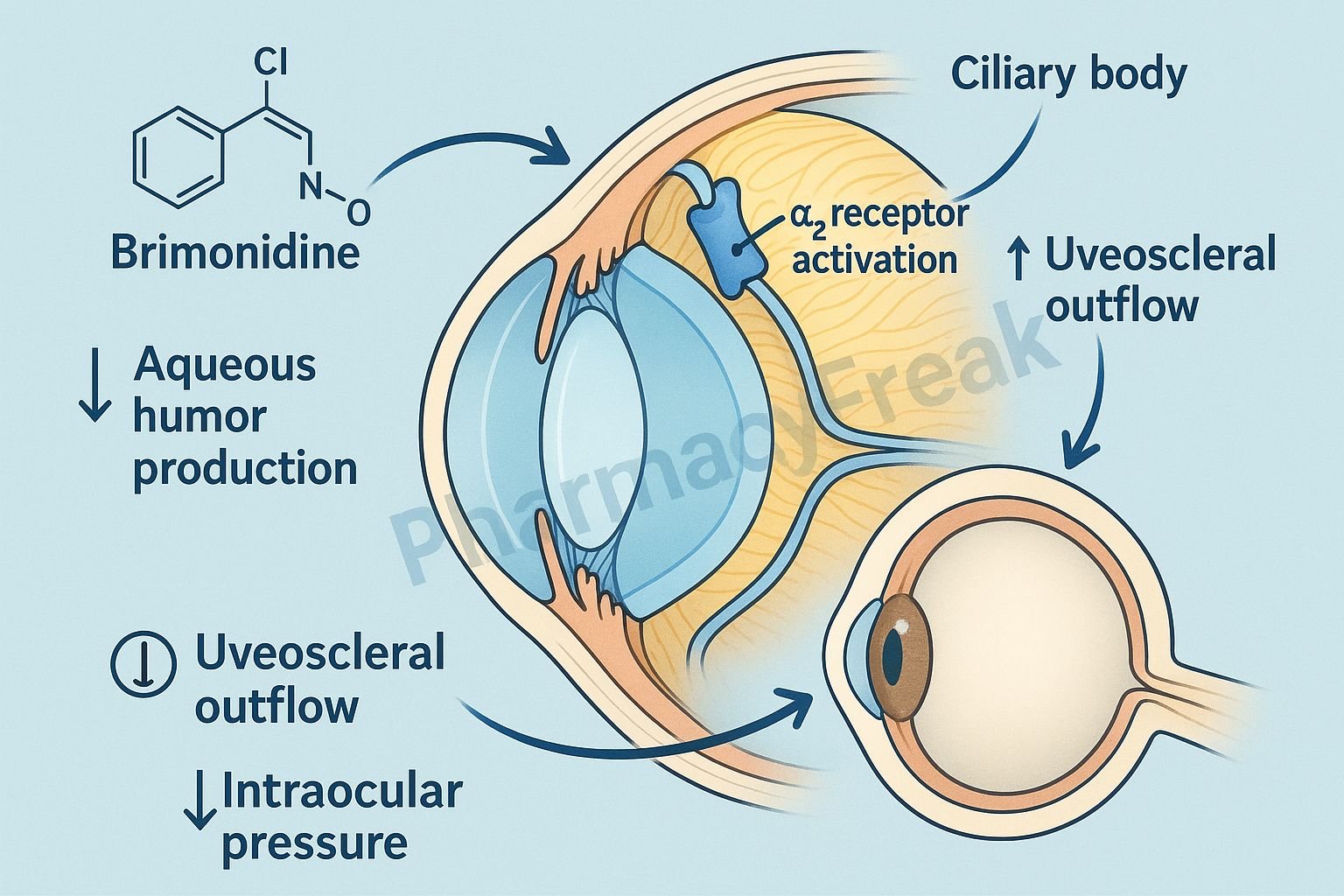
Mechanism of Action of Brimonidine

MOA of Brimonidine

Introduction Brimonidine is a selective alpha-2 adrenergic receptor agonist primarily used in the management of open-angle glaucoma and ocular hypertension. It is also used topically for facial erythema in rosacea. By activating alpha-2 receptors, brimonidine reduces aqueous humor production and enhances uveoscleral outflow, leading to decreased intraocular pressure (IOP). Its dual mechanism, neuroprotective potential, and … Read more

Pediatric dose calculations by body weight MCQs With Answer

Pediatric dose calculations by body weight MCQs With Answer

Pediatric Dose Calculations by Body Weight MCQs With Answer help B. Pharm students master clinical dosing based on mg/kg, mg/kg/day, and mg/kg/dose. Accurate pediatric dosing requires understanding pharmacokinetics, therapeutic index, maximum dose caps, dosing intervals, dilution/concentration (mg/mL), and safe rounding to measurable volumes. These skills prevent underdosing and toxicity, especially for narrow-therapeutic-index drugs and special … Read more

Fraud, Waste, and Abuse (FWA): The Annual Training You Click Through Could Cost You Your Job, What FWA Actually Means in a Pharmacy.

Fraud, Waste, and Abuse (FWA): The Annual Training You Click Through Could Cost You Your Job, What FWA Actually Means in a Pharmacy.

You probably click through your annual Fraud, Waste, and Abuse (FWA) training between rushes. In pharmacy, that habit can cost you your job. FWA is not just a compliance acronym. It’s how payers, regulators, and auditors judge the daily decisions you make at the bench. Understanding what counts as fraud, what’s “only” abuse, and how … Read more

PRO
Ad-Free Access
$3.99 / month
  • ✓ No Interruptions
  • ✓ Faster Page Loads
  • ✓ Support Content Creators