Trusted by 50K+ Pharmacy StudentsHigh Quality Notes, MCQs, Mock Tests & Study ResourcesGo Premium (Ads Free)
Pharmacy Freak

Cardiac cycle and cardiac output MCQs With Answer
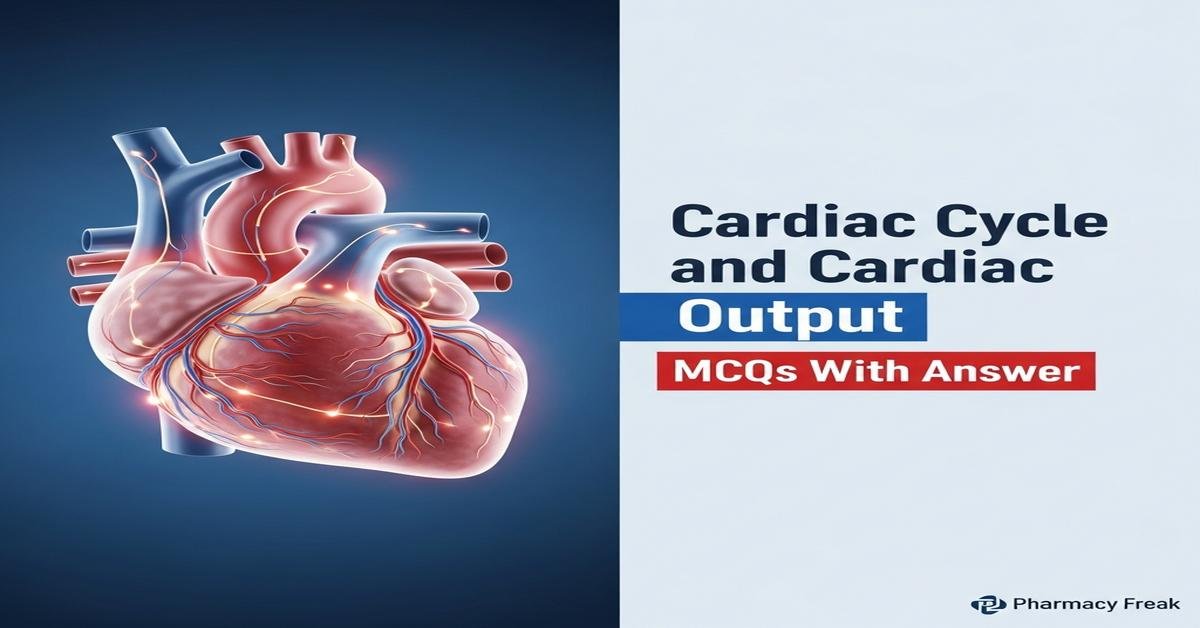
Cardiac cycle and cardiac output MCQs With Answer

Introduction: The cardiac cycle and cardiac output are core concepts in cardiovascular physiology and pharmacology for B. Pharm students. Understanding phases of the cardiac cycle, pressure–volume relationships, stroke volume, heart rate, ejection fraction, and determinants like preload, afterload and contractility is essential for linking drug actions (inotropes, chronotropes, vasodilators) to clinical effects. Mastery of measurement … Read more
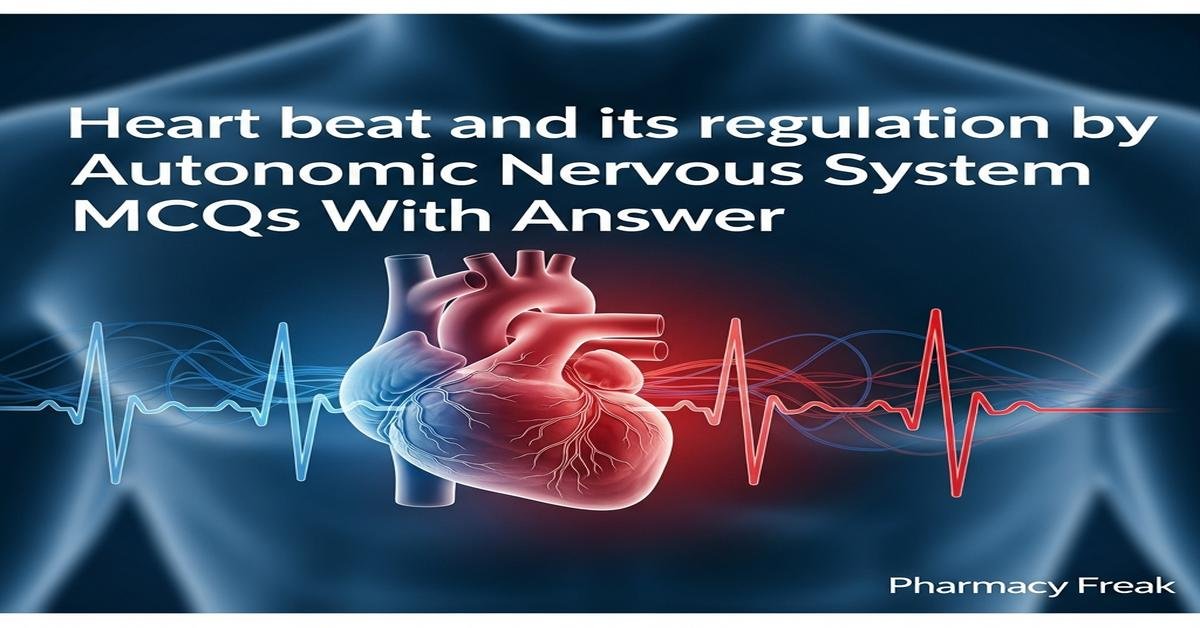
Heart beat and its regulation by autonomic nervous system MCQs With Answer

Heart beat and its regulation by autonomic nervous system MCQs With Answer

Introduction: The heart beat and its regulation by the autonomic nervous system is a core topic for B. Pharm students, linking physiology and pharmacology. This introduction covers pacemaker function of the SAN and AVN, autonomic inputs (sympathetic and parasympathetic), key receptors such as beta-1 and muscarinic M2, ionic currents (funny current, L-type Ca2+), and clinical … Read more

Elements of the cardiac conduction system MCQs With Answer

Elements of the cardiac conduction system MCQs With Answer

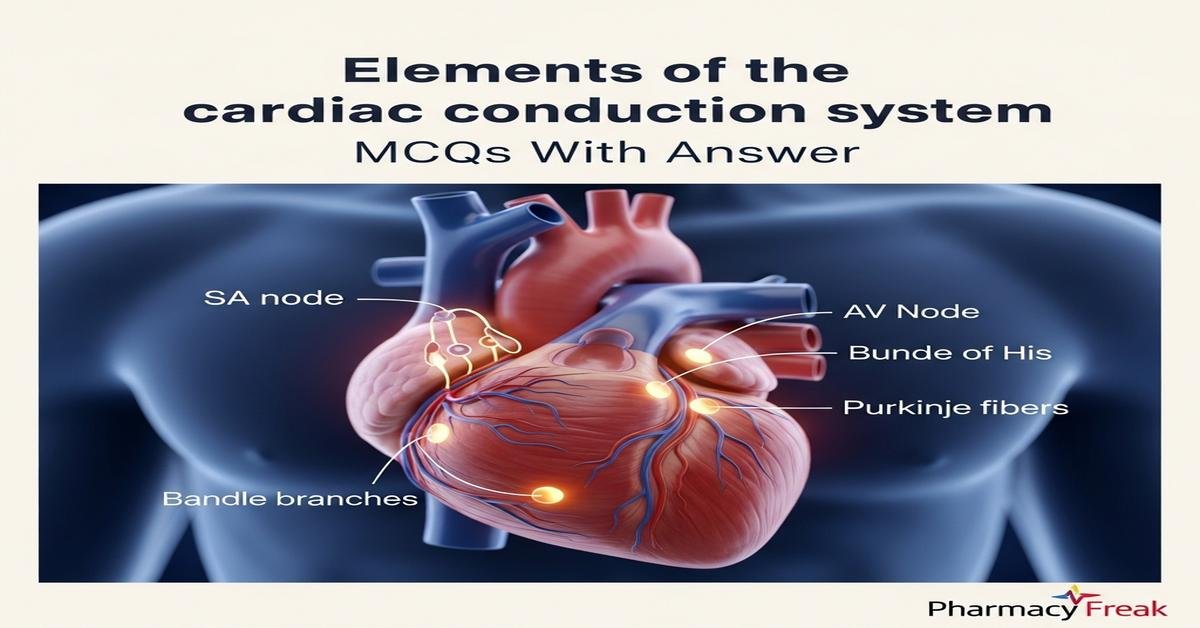
The cardiac conduction system coordinates heart rhythm through specialized structures—SA node, AV node, bundle of His, bundle branches, and Purkinje fibers—ensuring synchronized atrial and ventricular contraction. Understanding electrical conduction, pacemaker potentials, refractory periods and ion channel physiology is essential for B. Pharm students studying cardiovascular pharmacology and antiarrhythmic drug actions. Knowledge of conduction pathways, conduction … Read more

Structure and functions of arteries, veins, and capillaries MCQs With Answer

Structure and functions of arteries, veins, and capillaries MCQs With Answer

In the cardiovascular system, arteries, veins, and capillaries form an integrated vascular network responsible for blood delivery, exchange, and return. B. Pharm students must grasp detailed structure — tunica intima, tunica media, and tunica adventitia — and functional differences among elastic and muscular arteries, arterioles, venules, and capillary types. Core topics include endothelial signaling (nitric … Read more

Blood circulation through the heart MCQs With Answer

Blood circulation through the heart MCQs With Answer

Introduction Understanding blood circulation through the heart is essential for B. Pharm students preparing for pharmacology and clinical therapeutics. This concise overview links cardiac chambers, valves, coronary circulation, pulmonary and systemic pathways, and the cardiac cycle with key physiological terms such as stroke volume, cardiac output, preload, afterload, contractility, and conduction system. Emphasis on pressure … Read more

Anatomy and structure of the heart MCQs With Answer

Anatomy and structure of the heart MCQs With Answer

Understanding the anatomy and structure of the heart is essential for B. Pharm students because cardiac architecture underpins pharmacodynamics, drug delivery, and cardiovascular therapeutics. This concise review covers cardiac chambers, valves, myocardial layers, conduction system, coronary circulation, heart surfaces and the fibrous skeleton, integrating gross anatomy with histology and clinical correlations. Emphasis on valve mechanics, … Read more

Common disorders of special senses MCQs With Answer

Common disorders of special senses MCQs With Answer

Introduction This set of MCQs on “Common disorders of special senses” is designed for B.Pharm students to reinforce knowledge of ophthalmic and otologic conditions, diagnostics, and pharmacotherapy. It covers key topics such as glaucoma, conjunctivitis, cataract, age-related macular degeneration, otitis media, Meniere’s disease, sensorineural and conductive hearing loss, and drug-induced ototoxicity. Questions emphasize mechanism of … Read more

Structure and function of the tongue MCQs With Answer

Structure and function of the tongue MCQs With Answer

Understanding the structure and function of the tongue is essential for B.Pharm students studying oral physiology, pharmacology, and drug delivery. This concise review covers tongue anatomy—papillae types (filiform, fungiform, circumvallate, foliate), taste buds and sensory cell types, intrinsic and extrinsic muscles, neurovascular supply (cranial nerves VII, IX, XII; lingual artery), lymphatic drainage, and epithelial histology. … Read more

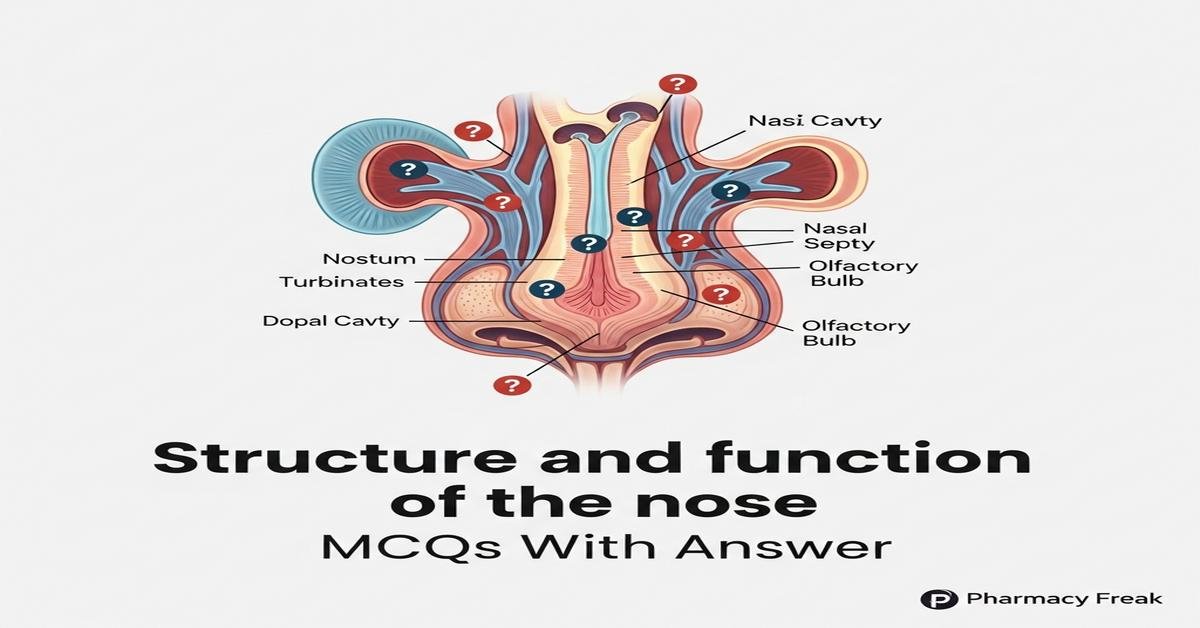
Structure and function of the nose MCQs With Answer

Structure and function of the nose MCQs With Answer

The structure and function of the nose are central to respiratory physiology, olfaction, and intranasal drug delivery — essential topics for B. Pharm students. This introduction reviews nasal anatomy (external nose, nasal cavity, turbinates, septum), histology (respiratory and olfactory mucosa, ciliated epithelium, goblet cells), physiological roles (air conditioning, filtration, mucociliary clearance, smell), and clinical and … Read more

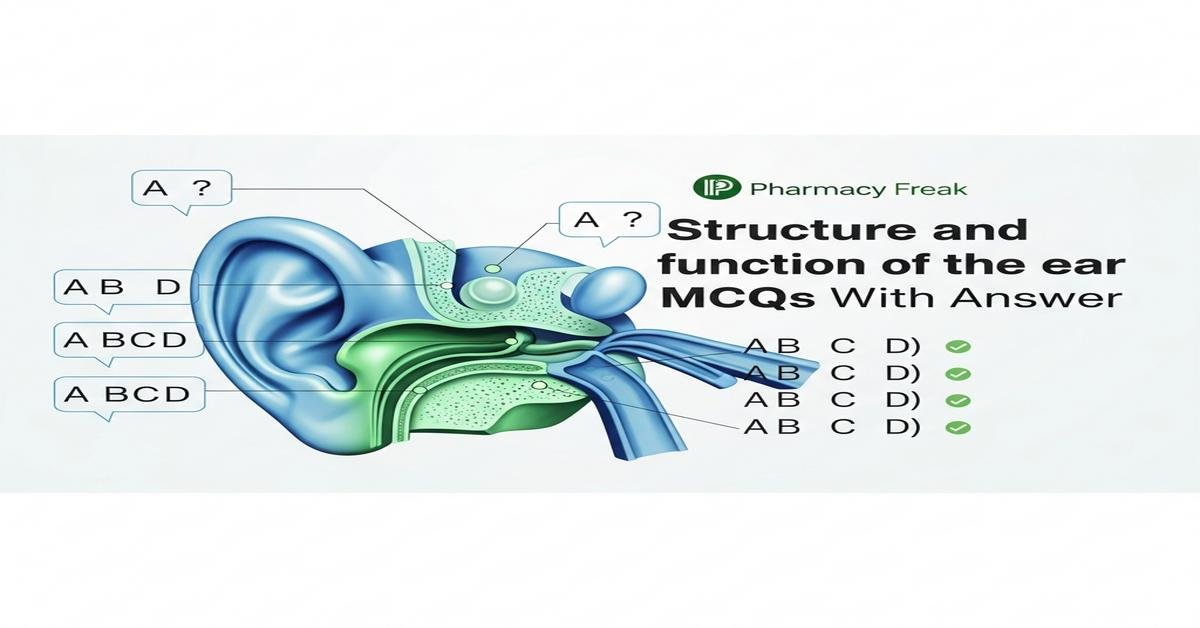
Structure and function of the ear MCQs With Answer

Structure and function of the ear MCQs With Answer

The Structure and function of the ear MCQs With Answer introduction: Understanding ear anatomy and physiology is essential for B.Pharm students involved in pharmacotherapy of auditory and vestibular disorders. This concise review covers outer, middle and inner ear structures—tympanic membrane, ossicles, cochlea, organ of Corti, semicircular canals and vestibular organs—and key functions such as sound … Read more

PRO
Ad-Free Access
$3.99 / month
  • No Interruptions
  • Faster Page Loads
  • Support Content Creators