Trusted by 50K+ Pharmacy StudentsHigh Quality Notes, MCQs, Mock Tests & Study ResourcesGo Premium (Ads Free)
Pharmacy Freak

BCCCP Cardiology 2026: Mastering Acute Coronary Syndrome and Anticoagulation for the BPS Cardiology Board Exam

BCCCP Cardiology 2026: Mastering Acute Coronary Syndrome and Anticoagulation for the BPS Cardiology Board Exam

Acute coronary syndrome (ACS) questions on the BPS Cardiology Board Exam reward clear, practical thinking. They test how you triage, choose antithrombotics, prevent bleeding, and adjust to real-world barriers like renal disease or planned surgery. This guide focuses on what matters for 2026-level practice: how to master antiplatelet and anticoagulant strategy across STEMI and NSTE-ACS, … Read more


BCSCP vs. CSPT: The Difference in Legal Responsibility and Exam Complexity for Pharmacists and Technicians

BCSCP vs. CSPT: The Difference in Legal Responsibility and Exam Complexity for Pharmacists and Technicians

Sterile compounding keeps high‑risk medicines safe. Two credentials sit at the center of that work: BCSCP for pharmacists and CSPT for technicians. They sound similar, but they signal different legal roles and different levels of exam difficulty. This article explains what each credential means in practice, why the pharmacist carries the final legal responsibility, and … Read more

BCSCP Study Guide: How to Master Aseptic Technique and Quality Assurance for High-Risk Compounding

BCSCP Study Guide: How to Master Aseptic Technique and Quality Assurance for High-Risk Compounding

High-risk sterile compounding leaves no room for guesswork. The Board Certified Sterile Compounding Pharmacist (BCSCP) exam expects you to think like a quality lead: protect first air, validate every critical step, and justify beyond-use dates with science. This guide focuses on the two pillars that decide pass or fail—aseptic technique and quality assurance—and shows how … Read more

BCSCP Sterile Compounding (Pharmacists): Understanding USP 800 and Hazardous Drug Handling for the BPS Exam

BCSCP Sterile Compounding (Pharmacists): Understanding USP 800 and Hazardous Drug Handling for the BPS Exam

BCSCP candidates are expected to know how to protect patients and workers when handling hazardous drugs (HDs). USP <800> sits at the center of that responsibility. It defines how to receive, store, compound, transport, and dispose of HDs so exposure stays as low as reasonably achievable. This guide explains the intent behind the rules, connects … Read more

BCNP Exam Prep: Mastering Radiation Safety and Radioactive Decay Calculations for the Nuclear Board Certification

BCNP Exam Prep: Mastering Radiation Safety and Radioactive Decay Calculations for the Nuclear Board Certification

Radiation safety and radioactive decay are the backbone of nuclear pharmacy practice and a high-yield slice of the BCNP exam. You compound and dispense radioactive drugs, so you must protect workers, the public, and patients while making tight, time-sensitive calculations. This guide walks through the rules, the math, and the “why,” then shows you how … Read more

Inside the Hot Lab: A Day in the Life of a BCNP Pharmacist and Why This Specialty Offers High Job Security

Inside the Hot Lab: A Day in the Life of a BCNP Pharmacist and Why This Specialty Offers High Job Security

You see the hot lab before sunrise. The lights are bright. The room is quiet except for ventilation fans and the click of survey meters. Stainless steel benches sit behind leaded glass. Shielded drawers hold vials that give off invisible energy. This is where a Board Certified Nuclear Pharmacist (BCNP) turns short‑lived radioactive isotopes into … Read more

BCNP Nuclear Pharmacy: The Super Niche Career, How to Master Radiopharmaceuticals and Pass the BPS Nuclear Exam

BCNP Nuclear Pharmacy: The Super Niche Career, How to Master Radiopharmaceuticals and Pass the BPS Nuclear Exam

Nuclear pharmacy is small by design. It blends high-stakes sterile compounding, radiation physics, and strict regulation. You work while most people sleep, move doses across cities before breakfast, and answer to both pharmacy boards and radiation regulators. That narrow mix is why the Board Certified Nuclear Pharmacist (BCNP) credential is rare and valuable. This guide … Read more

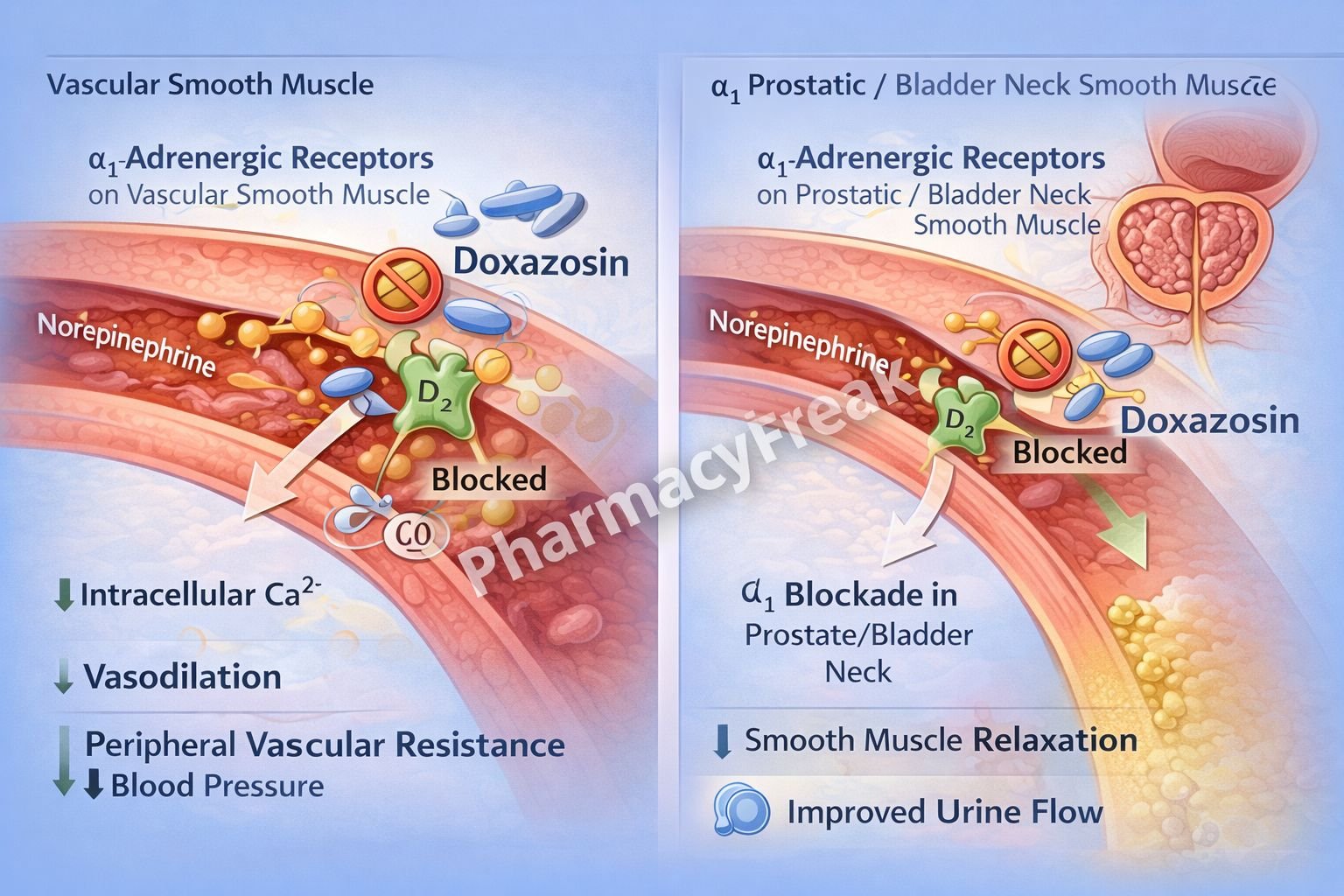
Mechanism of Action of Doxazosin

MOA of doxazosin

Introduction Doxazosin is a selective α₁-adrenergic receptor blocker used primarily in the management of hypertension and benign prostatic hyperplasia (BPH). By targeting α₁ receptors in vascular smooth muscle and the lower urinary tract, doxazosin produces both vasodilatory and urodynamic benefits. It is a high-yield drug in pharmacology, cardiology, and urology examinations due to its receptor … Read more

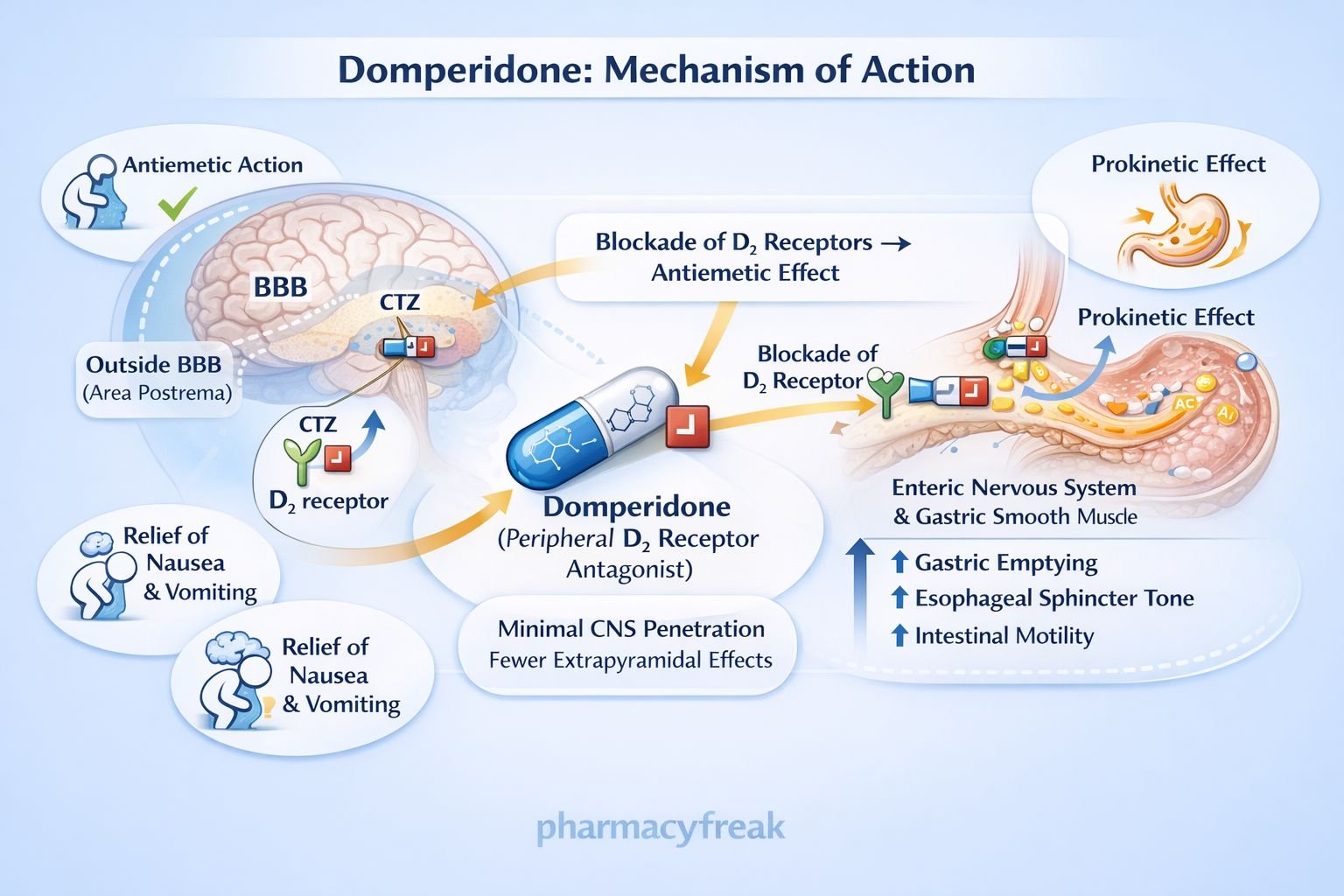
Mechanism of Action of Domperidone

MOA of domperidone

Introduction Domperidone is a peripherally selective dopamine D₂ receptor antagonist used primarily as a prokinetic and antiemetic agent. It enhances gastrointestinal motility and suppresses nausea and vomiting without significant central nervous system effects because of its poor penetration across the blood–brain barrier. Domperidone is a high-yield drug in pharmacology, gastroenterology, and clinical examinations due to … Read more

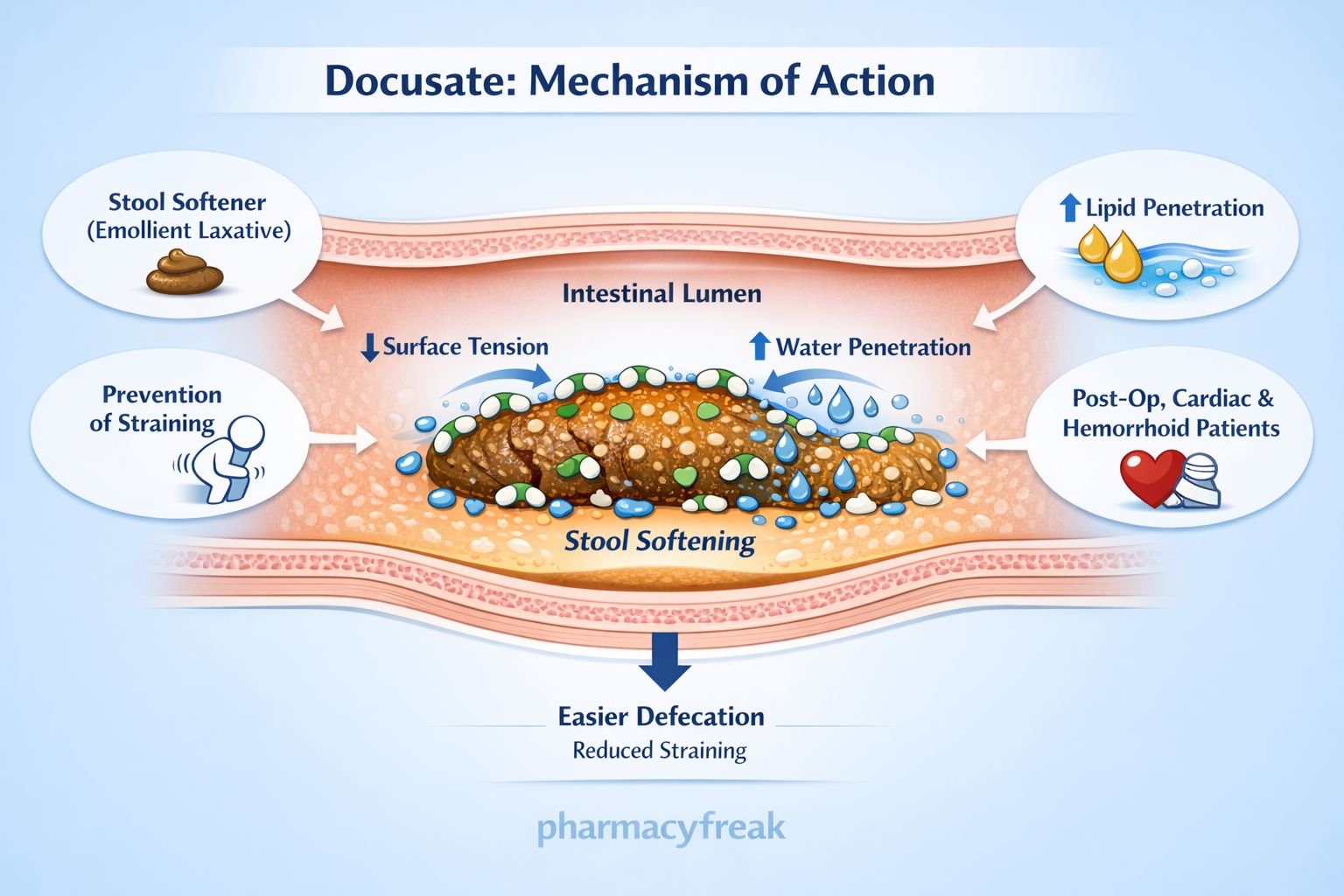
Mechanism of Action of Docusate

MOA of docusate

Introduction Docusate is a stool softener (emollient laxative) commonly used for the prevention and treatment of constipation, particularly in patients who should avoid straining during defecation. It is widely prescribed in postoperative care, cardiovascular disease, pregnancy, and chronic constipation. Docusate is a high-yield drug in pharmacology and clinical examinations because of its surfactant-based mechanism, which … Read more

PRO
Ad-Free Access
$3.99 / month
  • No Interruptions
  • Faster Page Loads
  • Support Content Creators